


Understanding Silver Dollar Value: Tips & Key Factors
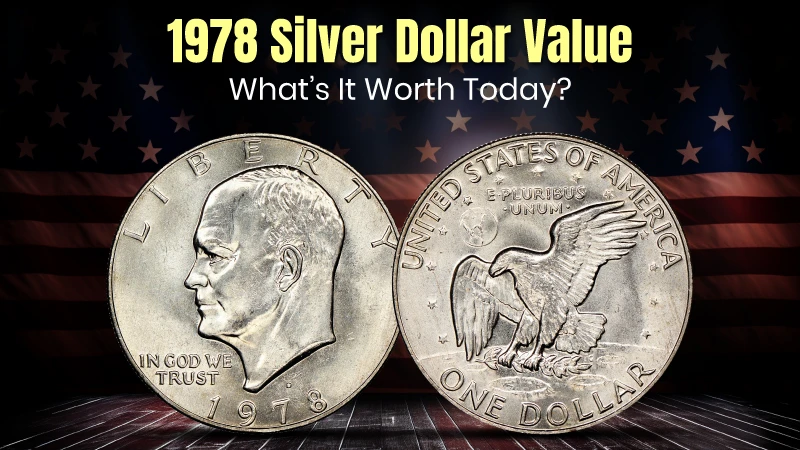
Silver dollars can be worth far more than the number stamped on the coin, but their value depends on a mix of silver content, collector demand, condition, date, mint mark, and market timing. This guide explains how silver dollar value is estimated, how melt value works, and why two coins that look similar can sell for very different amounts. You will also learn how silver dimes, quarters, and half dollars are evaluated so you can look at a mixed group of older coins with more confidence.
How much is a silver dollar worth?
A silver dollar is worth at least the value of its silver content when it contains real silver, but many examples are worth more because collectors also pay for rarity, eye appeal, and historical demand. In simple terms, the answer to “how much is a silver dollar worth?” starts with the coin’s metal value and then adds any numismatic premium. A worn common-date silver dollar may trade close to its silver melt value, while a scarce date in excellent condition can be worth much more.
The most familiar U.S. silver dollars include Morgan dollars and Peace dollars. These coins are popular because they are large, historic, and widely collected. Their size makes the silver content meaningful, but their designs, dates, mint marks, and condition also play a major role in price.
If you are checking a silver dollar value for the first time, do not clean the coin, polish it, or try to improve its appearance. Cleaning can reduce collector value because it changes the original surface. Instead, identify the coin, note its date and mint mark, check its condition honestly, and compare it with reputable pricing references or recent market activity.
The main factors that shape silver dollar value
A coin’s value is not based on one detail alone. Silver content provides a baseline, but collectors often care just as much about scarcity and preservation. Understanding these factors helps explain why one silver dollar may be treated like bullion while another belongs in a protective holder.
Key value drivers include:
- Silver content: Coins made with high silver content have an intrinsic metal value tied to the current spot price of silver.
- Date and mint mark: Some years and mint locations produced fewer coins, making certain combinations more desirable.
- Condition or grade: Coins with less wear, stronger details, and attractive surfaces usually command higher prices.
- Demand: Popular series such as Morgan dollars often have a broader collector base, which can support stronger premiums.
- Originality: Natural surfaces, appealing toning, and a lack of cleaning can matter to serious collectors.
- Authentication: Rare or high-value coins may benefit from professional grading or authentication.
The practical takeaway is simple: do not assume every old silver dollar is rare, but do not assume it is only worth silver either. A careful review can prevent you from underselling a better coin or overvaluing a common one.
Silver melt value gives you the baseline
Silver coin melt value is the estimated value of the silver inside a coin if it were valued strictly as metal. It does not include collector demand, retail markups, grading fees, sentimental value, or dealer spread. For many common circulated coins, silver melt value is the starting point for a realistic estimate.
The basic formula is:
- Identify the coin and its silver composition.
- Find the coin’s actual silver weight, often called ASW.
- Multiply the ASW by the current silver spot price.
- Adjust expectations for buying and selling spreads, condition, and demand.
For example, if a coin contains a known fraction of a troy ounce of silver, its melt value moves as the silver market moves. When silver rises, the baseline rises. When silver falls, the baseline falls. This is why any exact melt value must be checked against the current market rather than treated as permanent.
It is also important to know that melt value is not always the same as what a buyer will pay. Dealers need room for operating costs, resale risk, and changing metal prices. Private buyers may pay more or less depending on trust, convenience, and local demand.
Why collector value can exceed melt value
A coin’s silver melt value answers one question: what is the metal worth? Collector value answers a different question: what will someone pay to own this specific coin? The difference between those two numbers is where numismatics becomes interesting.
Collector premiums tend to appear when a coin has one or more desirable qualities. A better date, a low mintage, a sharp strike, strong luster, or unusually attractive toning can all increase interest. Even common coins may bring premiums when they are in especially high condition.
Condition deserves special attention. Coin grading evaluates how much wear a coin has, how clean or original its surfaces are, and how strong the details appear. A heavily worn silver dollar may be easy to value near bullion levels, while an uncirculated example may require closer comparison with certified coins.
This is also why photos matter when selling. Clear images of both sides, plus close-ups of the date and mint mark, help buyers make a more confident offer. Poor lighting or blurry photos can make a good coin look ordinary.
How much is a silver dime worth?
A silver dime is typically worth more than ten cents when it contains silver, with its value based first on silver content and then on collectibility. The answer to “how much is a silver dime worth?” depends on the date, design, condition, and current silver price. In many cases, common circulated silver dimes are valued mainly for their metal content, while scarce dates and high-grade pieces can bring a collector premium.
The phrase silver dime value often refers to older U.S. dimes that contain silver rather than modern clad dimes. Roosevelt dimes dated 1964 and earlier are commonly collected for their silver content, while Mercury dimes are also popular with collectors. Some Barber dimes can carry stronger numismatic interest, especially when the date, mint mark, or condition is better than average.
When sorting dimes, separate obvious silver-era coins from modern clad coins. Then look for better dates, unusual mint marks, and coins with sharp details. A small coin can still deserve careful attention, especially if it is part of an older collection.
How much is a silver quarter worth?
A silver quarter is worth more than face value when it contains silver, and the estimate begins with its silver quarter value as metal. If you are asking “how much is a silver quarter worth?” or “how much are silver quarters worth?” the answer depends on the current silver price, the coin’s date, condition, and whether collectors want that specific issue.
Washington quarters dated 1964 and earlier are widely recognized as silver coins. Standing Liberty quarters and Barber quarters may also have collector appeal beyond melt, especially when the date is readable and the coin has strong details. As with dimes, the more common and worn the coin is, the more likely its value will track bullion.
A practical way to evaluate silver quarters is to group them into three categories:
- Common circulated silver quarters: Often valued close to melt, depending on market conditions.
- Better-date or older designs: May deserve extra research before selling.
- High-grade or visually appealing coins: Could benefit from a collector-focused appraisal.
Do not overlook condition. A quarter with crisp detail and original surfaces can be more desirable than a heavily worn example of the same type. At the same time, a rare date in modest condition may still outperform a common date in nicer shape.
Silver half dollars have their own value pattern
Silver half dollar value can be especially interesting because different U.S. half dollars contain different silver percentages depending on the date and series. Many older half dollars are 90% silver, while certain Kennedy half dollars from the mid-1960s contain 40% silver. That difference matters because two half dollars can look similar in size but have different silver melt value.
Common series include Walking Liberty half dollars, Franklin half dollars, and Kennedy half dollars. Walking Liberty halves are especially popular for their design, while Franklin and Kennedy halves are often encountered in mixed silver lots. As always, date, mint mark, surface quality, and wear level can change the final estimate.
If you are sorting half dollars, check dates first. Then separate coins by silver composition before estimating value. This avoids treating a lower-silver coin like a higher-silver coin, or dismissing a better collector coin as simple bullion.
A simple checklist for evaluating silver coins
Before you sell, buy, insure, or divide inherited coins, take a methodical approach. A little organization can prevent mistakes and make conversations with dealers or collectors more productive.
Use this checklist:
- Separate by denomination: Sort silver dollars, half dollars, quarters, and dimes into different groups.
- Check dates carefully: Silver content often depends on the date, especially for dimes, quarters, and half dollars.
- Look for mint marks: Mint marks can affect scarcity and collector demand.
- Avoid cleaning: Leave surfaces as they are, even if the coin looks dull or dark.
- Estimate melt value: Use actual silver weight and the current silver spot price.
- Research collector premium: Compare similar coins by date, mint mark, and condition.
- Get help for better coins: Consider a reputable coin dealer or grading service for rare, high-grade, or questionable pieces.
This process works whether you have one silver dollar or a small box of mixed coins. It also helps you avoid focusing only on face value, which is rarely useful for older silver coinage.
Common mistakes to avoid
One of the biggest mistakes is assuming that age alone creates high value. Many old coins are common, and some modern-looking coins contain valuable silver. The metal content, rarity, condition, and market demand all matter more than age by itself.
Another common mistake is using one online listing as proof of value. Asking prices are not the same as completed sales, and unusual listings can create unrealistic expectations. A better approach is to compare multiple similar examples and pay close attention to whether they actually sold.
Finally, avoid mixing bullion value with collector value without knowing which one applies. A roll of common silver quarters may be evaluated mostly by silver melt value, while a scarce silver dollar should be judged more carefully. Knowing the difference helps you make better decisions.
The clearest way to think about silver coin value
Silver coins sit at the intersection of precious metal and collectible history. Their value can rise or fall with the silver market, but the best examples also carry premiums for rarity, beauty, and condition. That is why a careful estimate looks at both silver melt value and collector demand.
If you want a quick baseline, start with the coin’s silver content. If you want a realistic market estimate, add date, mint mark, grade, originality, and demand. Whether you are checking silver dollar value, silver dime value, silver quarter value, or silver half dollar value, the smartest approach is patient, organized, and evidence-based.