


Silver Price in Texas Today - Live Spot & Bullion Rates
Live 1 Troy Ounce Silver Spot Price (31.10g) in USD
Spot Market Price

Futures Contract Price
Silver Bars & Ounces Retail Prices in Texas
This table is updated automatically via a direct connection to COMEX precious metal feeds and major US bullion dealer benchmarks.
Silver Price in Texas: The Essential Investor’s Guide
Texas has emerged as one of the most prominent states for private wealth preservation, secure bullion storage, and precious metals trading in the US. From Houston and Dallas to Austin and San Antonio, thousands of Texan investors check the silver price in Texas today to track the valuation of physical bullion, sovereign coins, and sterling silver.
Our platform delivers continuous, up-to-the-minute tracking for live silver prices in Texas. Whether you are looking to acquire 1-ounce American Silver Eagles, 100-ounce COMEX-approved bars, or simply want to check the spot price per gram denominated in US Dollars (USD), you will find accurate, real-time data.
While global baseline spot prices are established on major international exchanges like COMEX and the London Bullion Market Association (LBMA), retail prices across Texas coin shops and online bullion dealers include fabrication mint premiums, shipping, insurance, and distributor margins.
Live Silver Ounce Price in the Texas Market
The Troy Ounce is the standard international and domestic unit for pricing precious metals, representing exactly 31.1035 grams of pure .999 silver. The spot price per ounce serves as the fundamental benchmark for all physical retail products sold across the Lone Star State.
By keeping a close eye on the silver ounce price in USD, Texas investors can precisely calculate the intrinsic melt value of their holdings before factoring in dealer premiums or numismatic value.
Silver Purity Standards: Grams and Ounces in USD
Understanding the purity of silver assets is critical when buying or selling precious metals in the Texas market:
- .999 Fine Silver (24K equivalent): Utilized primarily for investment-grade bullion bars and sovereign coins such as the American Silver Eagle and Canadian Maple Leaf. It carries 99.9% purity and commands the highest melt value.
- .925 Sterling Silver: The standard for high-end jewelry and silverware across Texas luxury boutiques. It consists of 92.5% pure silver alloyed with 7.5% copper for structural durability.
- 90% Constitutional Silver ("Junk Silver"): Pre-1965 US dimes, quarters, and half dollars issued by the US Mint, highly sought after by local stackers and preppers for fractional bartering.
Key Drivers Impacting Silver Prices in Texas
Silver valuations in Texas are driven by a dynamic mix of macroeconomic factors and regional industrial demand:
- Federal Reserve Policy & Interest Rates: Because silver is a non-yielding asset, rising interest rates and a strong US Dollar often put downward pressure on silver prices, whereas rate cuts and inflation fears tend to trigger bullish rallies.
- Energy & Industrial Consumption: With Texas leading the nation in energy, technology manufacturing, aerospace, and electronics, industrial demand for silver remains exceptionally robust.
- Safe-Haven Demand & State Depository Storage: Driven by initiatives like the Texas Bullion Depository, retail and institutional demand for physical silver storage within Texas has grown significantly.
Investing in Physical Silver Bars & Coins in Texas
For serious investors looking to hedge against inflation, purchasing physical silver bullion in Texas is a straightforward process. Investors can choose from various weights, ranging from 1 ounce and 100 grams to 10 ounces and 1-kilogram or 100-ounce bars.
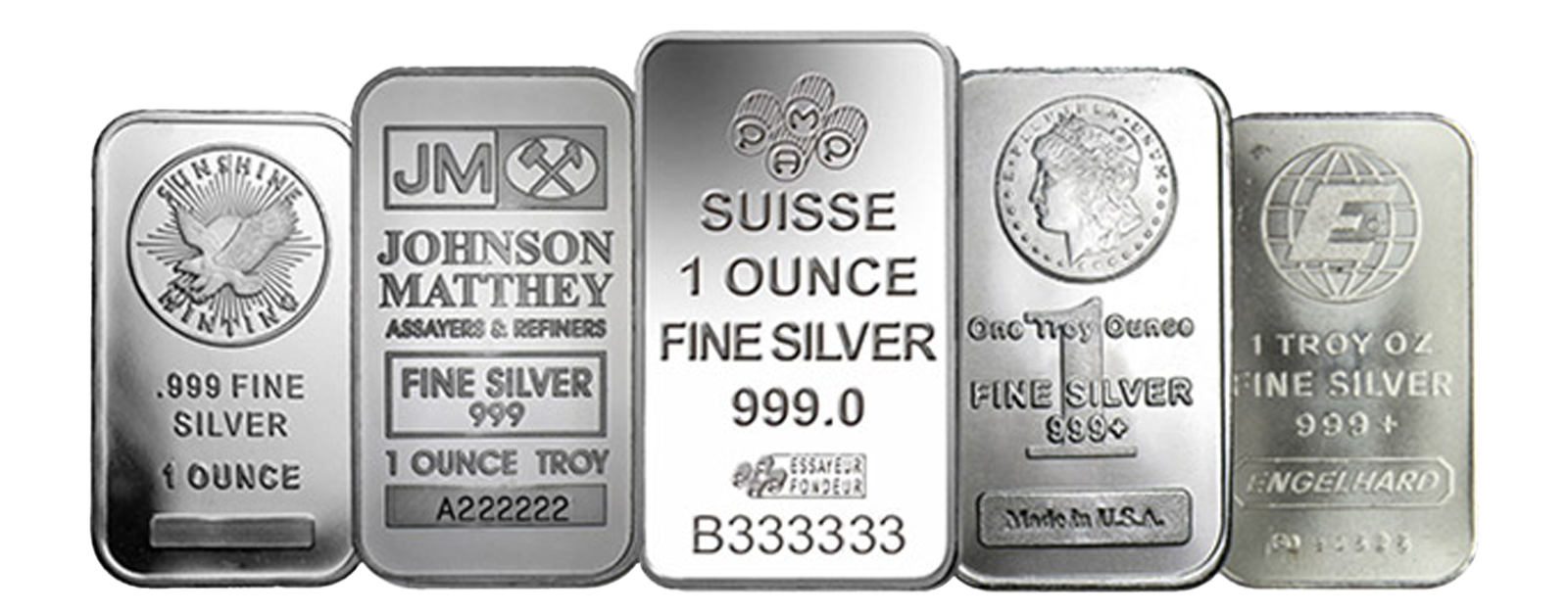
Purchasing larger weights, such as a 100-oz COMEX bar or 10-oz bars from reputable refiners (e.g., Engelhard, Johnson Matthey, Valcambi, PAMP Suisse), substantially lowers the fabrication premium per ounce compared to fractional rounds.
Texas Sales Tax Exemption for Precious Metals
When investing in precious metals in Texas, keep the following state tax regulations in mind:
- Texas Sales Tax Exemption: Under Texas Tax Code Section 151.336, sales of gold, silver, platinum, or palladium bullion and monetized coins are completely exempt from Texas state and local sales taxes, regardless of the transaction dollar amount. This makes Texas one of the most tax-friendly states in the US for precious metals investors.
- Capital Gains Tax: Profits from the sale of physical precious metals are treated as capital gains under federal income tax guidelines. Maintaining accurate purchase invoices is essential.
Frequently Asked Questions About Silver in Texas (FAQ)
How much is 1 ounce of silver worth in Texas today?
The spot price of silver fluctuates continuously during market trading hours based on global supply and demand. You can view the live spot and futures prices in USD at the top of this page.
What are the best silver coins to buy in Texas?
The American Silver Eagle (backed by the US government for weight and purity) is the most liquid and recognized silver coin in Texas. Other popular sovereign options include the Canadian Maple Leaf, Austrian Philharmonic, and British Britannia.
Where can I buy physical silver bars and coins in Texas?
You can purchase silver online from major authorized bullion dealers or locally through reputable coin and precious metal shops located throughout Houston, Dallas, Austin, San Antonio, and across Texas.
Is silver subject to sales tax in Texas?
No. Under Texas law, investment-grade gold, silver, platinum, and palladium bullion and coins are completely exempt from Texas sales tax on all purchases.
What is the Texas Bullion Depository?
The Texas Bullion Depository is the first state-administered precious metals depository in the United States, offering secure, state-backed storage for individuals and institutions looking to store gold and silver bullion safely within Texas.
Why do retail dealers charge a premium over spot price?
The spot price represents raw, wholesale unrefined silver traded in bulk. Retail premiums cover the costs of minting, distribution, dealer overhead, insurance, and the high physical demand for finished retail coins and bars.