


How Much Are Silver Dollars Worth? Understanding Value & Pricing Today
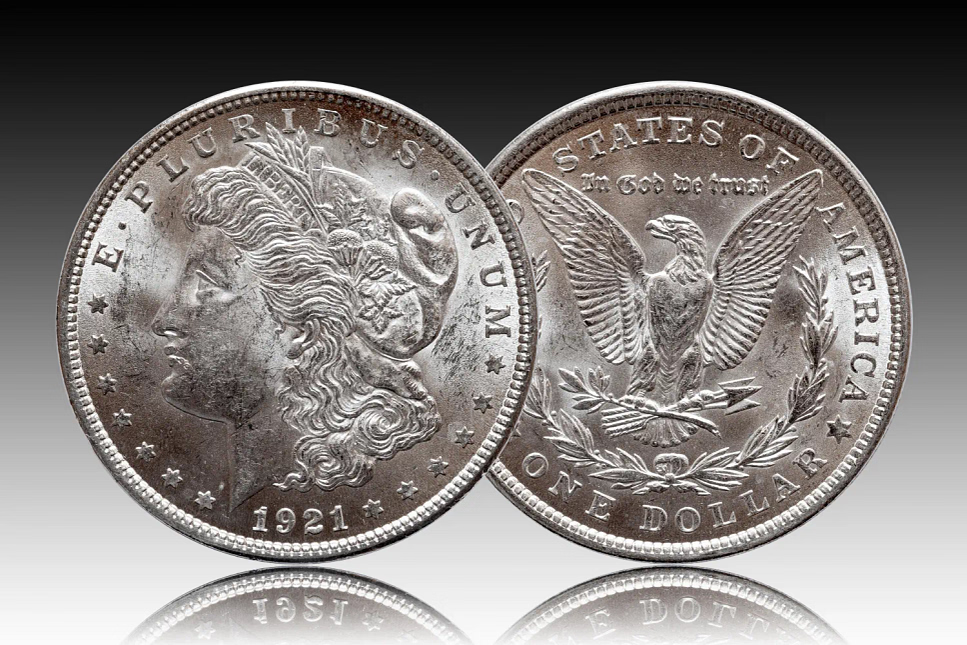
Silver dollars can be worth far more than the number stamped on the coin, but their value depends on what type of coin you have, how much silver it contains, and whether collectors want it. A common circulated coin may trade close to its silver melt value, while a scarcer date, high-grade example, or popular bullion coin can command a meaningful premium. This guide explains how to think about silver dollar value, including American Silver Eagles, Liberty silver dollars, and the practical factors that influence pricing.
How much are silver dollars worth?
Silver dollars are worth different amounts depending on the coin’s silver content, condition, date, mint mark, and collector demand. If you are asking “how much are silver dollars worth,” the first step is identifying the exact coin, because a Morgan dollar, Peace dollar, Seated Liberty dollar, Trade dollar, Eisenhower silver dollar, and American Silver Eagle are not valued the same way.
Some silver dollars are primarily valued as bullion. Their price moves with the silver market and usually includes a buyer or dealer premium. Others are numismatic coins, meaning collectors pay extra for rarity, eye appeal, historical interest, or certified grade. The same design can also have a wide value range: a heavily worn common-date coin may be modest, while a better-date coin in excellent condition may be much more desirable.
A useful way to begin is to separate the coin into one of three broad groups:
- Bullion coins: Modern coins such as American Silver Eagles, where silver content and market premium drive much of the value.
- Circulated collectible coins: Older silver dollars with wear, often valued by a mix of melt value and collector demand.
- Higher-end numismatic coins: Scarce dates, low mintages, error coins, proof coins, or professionally graded examples with strong eye appeal.

The main factors that shape silver dollar value
A silver dollar’s value is not based on one detail alone. Buyers usually look at several factors together, then compare the coin with recent market activity and current silver conditions.
Silver content and melt value
Melt value is the approximate value of the silver inside the coin. For many common silver dollars, this creates a baseline because the coin contains a known amount of silver. When silver prices rise, melt values often rise with them; when silver prices fall, the bullion portion of the coin’s value can decline.
Melt value is not always the same as retail value. A coin shop, online marketplace, or private buyer may price a coin above melt because of demand, overhead, availability, or collectible appeal. Likewise, a dealer buying from the public usually pays below the final retail selling price, because they need room for resale and business costs.
Date, mint mark, and mintage
The date and mint mark can make a major difference. Two coins that look similar at first glance may have very different values if one is a common issue and the other is a lower-mintage or more sought-after variety. Mint marks are usually small letters that show where the coin was struck, and they are essential when researching older U.S. silver dollars.
Do not assume older automatically means more valuable. Age helps create interest, but availability matters just as much. Some older silver dollars survived in large numbers, while certain dates, mint marks, and varieties are harder to find in attractive condition.
Condition and grade
Condition is one of the biggest value drivers. Coins with heavy wear, scratches, cleaning marks, rim damage, or discoloration may be less appealing to collectors. Coins with sharp details, original surfaces, and strong luster tend to perform better.
Professional grading can help with higher-value coins, but not every coin needs to be graded. For common circulated pieces, the cost of grading may not be justified. For scarce coins, suspected high-grade examples, or coins you plan to sell through a major marketplace, certification can add confidence and improve marketability.
American Silver Eagles have their own pricing logic
American Silver Eagles are among the most recognized modern silver bullion coins. Their value is tied closely to the silver spot price, but the final market price also reflects premiums, condition, year, finish, packaging, and buyer demand. That is why american silver eagle value is not simply “one ounce of silver” in every situation.
The typical bullion Silver Eagle contains one troy ounce of silver. Because of that, the silver eagle coin value usually starts with the current silver market and then adds a premium. This premium can change depending on availability, demand, wholesale supply, dealer inventory, and whether the coin is a standard bullion issue, proof, burnished coin, special release, or certified graded example.
When people search for silver eagle prices today, they are usually looking for two numbers: the live silver spot price and the current retail premium for Silver Eagles. Both can move. A practical approach is to check a live metals price source, compare several reputable dealers, and pay attention to whether the quote is for buying, selling, random-year coins, specific-year coins, proofs, or certified pieces.
Why do silver eagle prices change?
Silver eagle prices change because they are influenced by both the silver market and the coin market. Spot silver can move throughout the trading day, while premiums can widen or shrink based on demand, product availability, and dealer pricing.
For example, if silver spot rises but premiums stay the same, the retail price of a Silver Eagle usually rises. If spot stays flat but demand for physical silver increases, premiums may rise even without a major change in the metal price. The opposite can also happen: when supply is easy to find and buyer demand cools, premiums may become more competitive.
Here are common reasons silver eagle prices move:
- Silver spot price changes: The metal value is the foundation for standard bullion Silver Eagles.
- Dealer premiums shift: Premiums reflect supply, demand, operating costs, and market competition.
- Product type matters: Bullion, proof, burnished, special-set, and graded coins can carry different premiums.
- Condition affects desirability: Uncirculated coins, coins in original packaging, and certified high-grade examples may sell differently.
- Market sentiment changes: Economic uncertainty, inflation concerns, or renewed collector interest can influence demand.
The key is to compare like with like. A raw bullion coin, a proof coin in original packaging, and a top-grade certified coin may all be American Silver Eagles, but they are not priced the same way.
Liberty silver dollars and collector demand
The phrase “Liberty silver dollar” can refer to several U.S. coin types, so identification matters. Many people use it when describing older coins with a Liberty design, such as Morgan dollars, Peace dollars, Seated Liberty dollars, or Trade dollars. Because the term is broad, liberty silver dollar value depends heavily on the exact series, year, mint mark, and condition.
Morgan dollars and Peace dollars are especially popular with collectors. Many are accessible, widely traded, and easy to research, which makes them a common starting point for new collectors. Seated Liberty dollars and Trade dollars can be more complex, especially because authenticity, damage, and variety attribution may play a larger role.
If you have a coin that says “Liberty,” do not stop there. Look for the date, mint mark, weight, diameter, design, and any unusual details. Counterfeits and altered coins exist, especially for valuable dates, so higher-value pieces should be reviewed by a trusted coin professional or grading service before you make a major sale or purchase.
A simple checklist for estimating value
You do not need to become a professional numismatist to make a smarter first estimate. Use a careful, step-by-step process before accepting an offer or listing a coin for sale.
- Identify the coin type. Determine whether it is a Morgan dollar, Peace dollar, American Silver Eagle, Eisenhower silver dollar, or another series.
- Record the date and mint mark. Small mint mark differences can matter, so inspect both sides under good light.
- Check whether it contains silver. Not every coin called a “dollar” has the same silver content, and some modern dollar coins contain no silver.
- Evaluate condition honestly. Note wear, scratches, cleaning, dents, rim damage, spots, or unusually bright surfaces.
- Compare recent selling prices. Focus on completed sales for the same coin type, date, mint mark, and condition rather than asking prices alone.
- Separate bullion from collectible value. A bullion coin may be priced close to metal value plus premium, while a rare collectible may depend more on numismatic demand.
- Get help when value appears significant. For scarce, high-grade, or suspicious coins, a reputable dealer or grading service can reduce risk.
This checklist is also useful when comparing silver eagle value across sellers. If one coin is much more expensive, look for the reason: proof finish, certification, special label, limited packaging, better condition, or simply a higher dealer premium.
Common mistakes when valuing silver dollars
One common mistake is using face value as the estimate. A silver dollar may say “one dollar,” but that denomination rarely reflects its market value when the coin contains silver or has collectible demand. Another mistake is assuming every shiny coin is valuable. Harshly cleaned coins can look bright but lose collector appeal.
People also confuse asking prices with actual value. An online listing can show any price a seller chooses, but completed sales provide a more realistic view of what buyers are actually paying. This is especially important when researching silver eagle prices, because the same coin can appear at different prices across dealers, marketplaces, and private listings.
Finally, many owners overlook packaging and documentation. Original government packaging, certificates, and unopened sets may matter for some proof or special-issue coins. For standard circulated older dollars, packaging is usually less important than authenticity, condition, and the coin’s specific date and mint mark.
Turning a coin into a confident decision
Once you have a reasonable estimate, decide what you want from the coin. If you are collecting, value may include personal interest, design, historical appeal, and the enjoyment of building a set. If you are investing in metal, your focus may be silver content, premiums, liquidity, and buy-sell spreads.
If you plan to sell, get more than one opinion. Local coin shops, reputable online dealers, auction records, and completed marketplace sales can all provide useful context. Be cautious with rushed offers, vague appraisals, or claims that cannot be supported by comparable sales.
The best answer to “how much are silver dollars worth” is rarely a single universal number. It is a process: identify the coin, confirm silver content, judge condition, compare real market data, and understand whether the value comes from bullion, collectibility, or both. With that approach, you can read silver eagle prices today more confidently, evaluate liberty silver dollar value more accurately, and make better decisions whether you are buying, selling, or simply learning what is in your collection.