Gold Price in Switzerland Today: Live Spot & Gram Rates (CHF)
For investors operating within or utilizing Swiss financial infrastructure, precious metal taxation is governed by distinct federal regulations:
- Value Added Tax (VAT / MWST) Exemption: Investment-grade gold bars and coins meeting international fineness criteria (minimum 995/1000 purity for bars) are exempt from Swiss Value Added Tax when purchased as investments, making Switzerland one of the most cost-effective jurisdictions for physical accumulation.
- Wealth Tax Considerations: Physical gold held in private custody or allocated bank storage in Switzerland generally forms part of total taxable net worth under cantonal wealth tax laws, though specific reporting guidelines vary across cantons like Zurich, Zug, and Geneva.
Macroeconomic Drivers Influencing Gold in Switzerland
The domestic pricing of gold in Swiss Francs (CHF) is influenced by unique macroeconomic pillars:
1. Swiss National Bank (SNB) Monetary Policy
As the central guardian of the Swiss Franc—traditionally known for maintaining low inflation rates and conservative monetary policies—any shift in SNB interest rate targets directly impacts domestic bond yields and capital flows into safe-haven assets.
2. The Safe-Haven Status of the Swiss Franc
Because both the Swiss Franc and gold share elite safe-haven status during global geopolitical or financial crises, currency correlations between CHF and XAU heavily dictate domestic market sentiment and purchasing power parity.
How to Store Gold Safely in Switzerland
Switzerland is globally revered for its high-security private depository infrastructure. Institutional investors and private clients frequently utilize allocated, segregated storage in high-security alpine vaults or bonded warehouses, ensuring maximum privacy, institutional insurance, and seamless global transferability.
Frequently Asked Questions (FAQ)
How is gold priced in Switzerland?
Gold in Switzerland is quoted per troy ounce (31.1035 grams) and per kilogram in Swiss Francs (CHF), reflecting real-time global spot benchmarks and interbank currency feeds.
Why are Swiss gold bars world-famous?
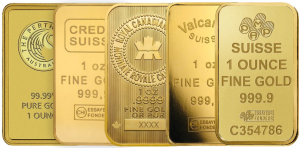
Swiss refiners such as PAMP and Valcambi operate under strict LBMA accreditation, producing bars with peerless assay cards, serial numbers, and tamper-evident packaging recognized in every financial market worldwide.
Tax Framework: VAT and Wealth Tax on Gold in Switzerland
For investors operating within or utilizing Swiss financial infrastructure, precious metal taxation is governed by distinct federal regulations:
- Value Added Tax (VAT / MWST) Exemption: Investment-grade gold bars and coins meeting international fineness criteria (minimum 995/1000 purity for bars) are exempt from Swiss Value Added Tax when purchased as investments, making Switzerland one of the most cost-effective jurisdictions for physical accumulation.
- Wealth Tax Considerations: Physical gold held in private custody or allocated bank storage in Switzerland generally forms part of total taxable net worth under cantonal wealth tax laws, though specific reporting guidelines vary across cantons like Zurich, Zug, and Geneva.
Macroeconomic Drivers Influencing Gold in Switzerland
The domestic pricing of gold in Swiss Francs (CHF) is influenced by unique macroeconomic pillars:
1. Swiss National Bank (SNB) Monetary Policy
As the central guardian of the Swiss Franc—traditionally known for maintaining low inflation rates and conservative monetary policies—any shift in SNB interest rate targets directly impacts domestic bond yields and capital flows into safe-haven assets.
2. The Safe-Haven Status of the Swiss Franc
Because both the Swiss Franc and gold share elite safe-haven status during global geopolitical or financial crises, currency correlations between CHF and XAU heavily dictate domestic market sentiment and purchasing power parity.
How to Store Gold Safely in Switzerland
Switzerland is globally revered for its high-security private depository infrastructure. Institutional investors and private clients frequently utilize allocated, segregated storage in high-security alpine vaults or bonded warehouses, ensuring maximum privacy, institutional insurance, and seamless global transferability.
Frequently Asked Questions (FAQ)
How is gold priced in Switzerland?
Gold in Switzerland is quoted per troy ounce (31.1035 grams) and per kilogram in Swiss Francs (CHF), reflecting real-time global spot benchmarks and interbank currency feeds.
Why are Swiss gold bars world-famous?
Swiss refiners such as PAMP and Valcambi operate under strict LBMA accreditation, producing bars with peerless assay cards, serial numbers, and tamper-evident packaging recognized in every financial market worldwide.
Tax Framework: VAT and Wealth Tax on Gold in Switzerland
For investors operating within or utilizing Swiss financial infrastructure, precious metal taxation is governed by distinct federal regulations:
- Value Added Tax (VAT / MWST) Exemption: Investment-grade gold bars and coins meeting international fineness criteria (minimum 995/1000 purity for bars) are exempt from Swiss Value Added Tax when purchased as investments, making Switzerland one of the most cost-effective jurisdictions for physical accumulation.
- Wealth Tax Considerations: Physical gold held in private custody or allocated bank storage in Switzerland generally forms part of total taxable net worth under cantonal wealth tax laws, though specific reporting guidelines vary across cantons like Zurich, Zug, and Geneva.
Macroeconomic Drivers Influencing Gold in Switzerland
The domestic pricing of gold in Swiss Francs (CHF) is influenced by unique macroeconomic pillars:
1. Swiss National Bank (SNB) Monetary Policy
As the central guardian of the Swiss Franc—traditionally known for maintaining low inflation rates and conservative monetary policies—any shift in SNB interest rate targets directly impacts domestic bond yields and capital flows into safe-haven assets.
2. The Safe-Haven Status of the Swiss Franc
Because both the Swiss Franc and gold share elite safe-haven status during global geopolitical or financial crises, currency correlations between CHF and XAU heavily dictate domestic market sentiment and purchasing power parity.
How to Store Gold Safely in Switzerland
Switzerland is globally revered for its high-security private depository infrastructure. Institutional investors and private clients frequently utilize allocated, segregated storage in high-security alpine vaults or bonded warehouses, ensuring maximum privacy, institutional insurance, and seamless global transferability.
Frequently Asked Questions (FAQ)
How is gold priced in Switzerland?
Gold in Switzerland is quoted per troy ounce (31.1035 grams) and per kilogram in Swiss Francs (CHF), reflecting real-time global spot benchmarks and interbank currency feeds.
Why are Swiss gold bars world-famous?
Swiss refiners such as PAMP and Valcambi operate under strict LBMA accreditation, producing bars with peerless assay cards, serial numbers, and tamper-evident packaging recognized in every financial market worldwide.
Gold Futures Price (CHF)
The live interactive pricing tickers above synchronize in real time with wholesale interbank liquidity pools, adjusted continuously against live foreign exchange valuations tracked against the Swiss Franc (CHF).
Swiss Refining Excellence and Bullion Purity Standards
Switzerland’s unmatched dominance in the global bullion trade stems from the rigorous metallurgical standards enforced by its world-renowned refineries. Bars produced by Swiss refiners are universally accepted across every major global exchange without requiring re-assaying.
When purchasing physical gold in Switzerland, understanding official fineness and karat breakdowns ensures total security during international trade:
| Karat / Fineness | Gold Purity % | Typical Swiss Bullion & Jewelry Formats |
| 24 Karat (.9999) | 99.99% | PAMP Suisse, Valcambi, and Metalor cast and minted investment bars (1g to 1kg) |
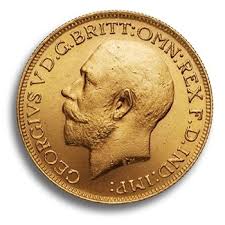
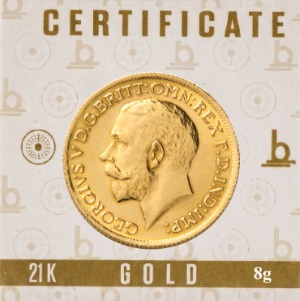
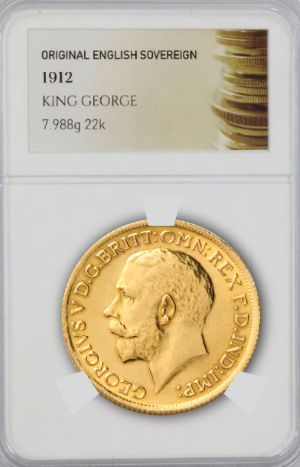
| 22 Karat (.916) | 91.67% | International sovereign bullion coins, historic European currency issues |
| 18 Karat (.750) | 75.00% | High-end Swiss luxury watchmaking standards and fine jewelry |
| 14 Karat (.585) | 58.50% | Commercial European retail jewelry standard |
| 9 Karat (.375) | 37.50% | Entry-level retail jewelry imports |
Tax Framework: VAT and Wealth Tax on Gold in Switzerland
For investors operating within or utilizing Swiss financial infrastructure, precious metal taxation is governed by distinct federal regulations:
- Value Added Tax (VAT / MWST) Exemption: Investment-grade gold bars and coins meeting international fineness criteria (minimum 995/1000 purity for bars) are exempt from Swiss Value Added Tax when purchased as investments, making Switzerland one of the most cost-effective jurisdictions for physical accumulation.
- Wealth Tax Considerations: Physical gold held in private custody or allocated bank storage in Switzerland generally forms part of total taxable net worth under cantonal wealth tax laws, though specific reporting guidelines vary across cantons like Zurich, Zug, and Geneva.
Macroeconomic Drivers Influencing Gold in Switzerland
The domestic pricing of gold in Swiss Francs (CHF) is influenced by unique macroeconomic pillars:
1. Swiss National Bank (SNB) Monetary Policy
As the central guardian of the Swiss Franc—traditionally known for maintaining low inflation rates and conservative monetary policies—any shift in SNB interest rate targets directly impacts domestic bond yields and capital flows into safe-haven assets.
2. The Safe-Haven Status of the Swiss Franc
Because both the Swiss Franc and gold share elite safe-haven status during global geopolitical or financial crises, currency correlations between CHF and XAU heavily dictate domestic market sentiment and purchasing power parity.
How to Store Gold Safely in Switzerland
Switzerland is globally revered for its high-security private depository infrastructure. Institutional investors and private clients frequently utilize allocated, segregated storage in high-security alpine vaults or bonded warehouses, ensuring maximum privacy, institutional insurance, and seamless global transferability.
Frequently Asked Questions (FAQ)
How is gold priced in Switzerland?
Gold in Switzerland is quoted per troy ounce (31.1035 grams) and per kilogram in Swiss Francs (CHF), reflecting real-time global spot benchmarks and interbank currency feeds.
Why are Swiss gold bars world-famous?
Swiss refiners such as PAMP and Valcambi operate under strict LBMA accreditation, producing bars with peerless assay cards, serial numbers, and tamper-evident packaging recognized in every financial market worldwide.
Gold Futures Price (CHF)
The live interactive pricing tickers above synchronize in real time with wholesale interbank liquidity pools, adjusted continuously against live foreign exchange valuations tracked against the Swiss Franc (CHF).
Swiss Refining Excellence and Bullion Purity Standards
Switzerland’s unmatched dominance in the global bullion trade stems from the rigorous metallurgical standards enforced by its world-renowned refineries. Bars produced by Swiss refiners are universally accepted across every major global exchange without requiring re-assaying.
When purchasing physical gold in Switzerland, understanding official fineness and karat breakdowns ensures total security during international trade:
| Karat / Fineness | Gold Purity % | Typical Swiss Bullion & Jewelry Formats |
| 24 Karat (.9999) | 99.99% | PAMP Suisse, Valcambi, and Metalor cast and minted investment bars (1g to 1kg) |
| 22 Karat (.916) | 91.67% | International sovereign bullion coins, historic European currency issues |
| 18 Karat (.750) | 75.00% | High-end Swiss luxury watchmaking standards and fine jewelry |
| 14 Karat (.585) | 58.50% | Commercial European retail jewelry standard |
| 9 Karat (.375) | 37.50% | Entry-level retail jewelry imports |
Tax Framework: VAT and Wealth Tax on Gold in Switzerland
For investors operating within or utilizing Swiss financial infrastructure, precious metal taxation is governed by distinct federal regulations:
- Value Added Tax (VAT / MWST) Exemption: Investment-grade gold bars and coins meeting international fineness criteria (minimum 995/1000 purity for bars) are exempt from Swiss Value Added Tax when purchased as investments, making Switzerland one of the most cost-effective jurisdictions for physical accumulation.
- Wealth Tax Considerations: Physical gold held in private custody or allocated bank storage in Switzerland generally forms part of total taxable net worth under cantonal wealth tax laws, though specific reporting guidelines vary across cantons like Zurich, Zug, and Geneva.
Macroeconomic Drivers Influencing Gold in Switzerland
The domestic pricing of gold in Swiss Francs (CHF) is influenced by unique macroeconomic pillars:
1. Swiss National Bank (SNB) Monetary Policy
As the central guardian of the Swiss Franc—traditionally known for maintaining low inflation rates and conservative monetary policies—any shift in SNB interest rate targets directly impacts domestic bond yields and capital flows into safe-haven assets.
2. The Safe-Haven Status of the Swiss Franc
Because both the Swiss Franc and gold share elite safe-haven status during global geopolitical or financial crises, currency correlations between CHF and XAU heavily dictate domestic market sentiment and purchasing power parity.
How to Store Gold Safely in Switzerland
Switzerland is globally revered for its high-security private depository infrastructure. Institutional investors and private clients frequently utilize allocated, segregated storage in high-security alpine vaults or bonded warehouses, ensuring maximum privacy, institutional insurance, and seamless global transferability.
Frequently Asked Questions (FAQ)
How is gold priced in Switzerland?
Gold in Switzerland is quoted per troy ounce (31.1035 grams) and per kilogram in Swiss Francs (CHF), reflecting real-time global spot benchmarks and interbank currency feeds.
Why are Swiss gold bars world-famous?
Swiss refiners such as PAMP and Valcambi operate under strict LBMA accreditation, producing bars with peerless assay cards, serial numbers, and tamper-evident packaging recognized in every financial market worldwide.
Live Spot Gold Price in Switzerland (CHF)
Gold Futures Price (CHF)
The live interactive pricing tickers above synchronize in real time with wholesale interbank liquidity pools, adjusted continuously against live foreign exchange valuations tracked against the Swiss Franc (CHF).
Swiss Refining Excellence and Bullion Purity Standards
Switzerland’s unmatched dominance in the global bullion trade stems from the rigorous metallurgical standards enforced by its world-renowned refineries. Bars produced by Swiss refiners are universally accepted across every major global exchange without requiring re-assaying.
When purchasing physical gold in Switzerland, understanding official fineness and karat breakdowns ensures total security during international trade:
| Karat / Fineness | Gold Purity % | Typical Swiss Bullion & Jewelry Formats |
| 24 Karat (.9999) | 99.99% | PAMP Suisse, Valcambi, and Metalor cast and minted investment bars (1g to 1kg) |
| 22 Karat (.916) | 91.67% | International sovereign bullion coins, historic European currency issues |
| 18 Karat (.750) | 75.00% | High-end Swiss luxury watchmaking standards and fine jewelry |
| 14 Karat (.585) | 58.50% | Commercial European retail jewelry standard |
| 9 Karat (.375) | 37.50% | Entry-level retail jewelry imports |
Tax Framework: VAT and Wealth Tax on Gold in Switzerland
For investors operating within or utilizing Swiss financial infrastructure, precious metal taxation is governed by distinct federal regulations:
- Value Added Tax (VAT / MWST) Exemption: Investment-grade gold bars and coins meeting international fineness criteria (minimum 995/1000 purity for bars) are exempt from Swiss Value Added Tax when purchased as investments, making Switzerland one of the most cost-effective jurisdictions for physical accumulation.
- Wealth Tax Considerations: Physical gold held in private custody or allocated bank storage in Switzerland generally forms part of total taxable net worth under cantonal wealth tax laws, though specific reporting guidelines vary across cantons like Zurich, Zug, and Geneva.
Macroeconomic Drivers Influencing Gold in Switzerland
The domestic pricing of gold in Swiss Francs (CHF) is influenced by unique macroeconomic pillars:
1. Swiss National Bank (SNB) Monetary Policy
As the central guardian of the Swiss Franc—traditionally known for maintaining low inflation rates and conservative monetary policies—any shift in SNB interest rate targets directly impacts domestic bond yields and capital flows into safe-haven assets.
2. The Safe-Haven Status of the Swiss Franc
Because both the Swiss Franc and gold share elite safe-haven status during global geopolitical or financial crises, currency correlations between CHF and XAU heavily dictate domestic market sentiment and purchasing power parity.
How to Store Gold Safely in Switzerland
Switzerland is globally revered for its high-security private depository infrastructure. Institutional investors and private clients frequently utilize allocated, segregated storage in high-security alpine vaults or bonded warehouses, ensuring maximum privacy, institutional insurance, and seamless global transferability.
Frequently Asked Questions (FAQ)
How is gold priced in Switzerland?
Gold in Switzerland is quoted per troy ounce (31.1035 grams) and per kilogram in Swiss Francs (CHF), reflecting real-time global spot benchmarks and interbank currency feeds.
Why are Swiss gold bars world-famous?
Swiss refiners such as PAMP and Valcambi operate under strict LBMA accreditation, producing bars with peerless assay cards, serial numbers, and tamper-evident packaging recognized in every financial market worldwide.
Live Spot Gold Price in Switzerland (CHF)
Gold Futures Price (CHF)
The live interactive pricing tickers above synchronize in real time with wholesale interbank liquidity pools, adjusted continuously against live foreign exchange valuations tracked against the Swiss Franc (CHF).
Swiss Refining Excellence and Bullion Purity Standards
Switzerland’s unmatched dominance in the global bullion trade stems from the rigorous metallurgical standards enforced by its world-renowned refineries. Bars produced by Swiss refiners are universally accepted across every major global exchange without requiring re-assaying.
When purchasing physical gold in Switzerland, understanding official fineness and karat breakdowns ensures total security during international trade:
| Karat / Fineness | Gold Purity % | Typical Swiss Bullion & Jewelry Formats |
| 24 Karat (.9999) | 99.99% | PAMP Suisse, Valcambi, and Metalor cast and minted investment bars (1g to 1kg) |
| 22 Karat (.916) | 91.67% | International sovereign bullion coins, historic European currency issues |
| 18 Karat (.750) | 75.00% | High-end Swiss luxury watchmaking standards and fine jewelry |
| 14 Karat (.585) | 58.50% | Commercial European retail jewelry standard |
| 9 Karat (.375) | 37.50% | Entry-level retail jewelry imports |
Tax Framework: VAT and Wealth Tax on Gold in Switzerland
For investors operating within or utilizing Swiss financial infrastructure, precious metal taxation is governed by distinct federal regulations:
- Value Added Tax (VAT / MWST) Exemption: Investment-grade gold bars and coins meeting international fineness criteria (minimum 995/1000 purity for bars) are exempt from Swiss Value Added Tax when purchased as investments, making Switzerland one of the most cost-effective jurisdictions for physical accumulation.
- Wealth Tax Considerations: Physical gold held in private custody or allocated bank storage in Switzerland generally forms part of total taxable net worth under cantonal wealth tax laws, though specific reporting guidelines vary across cantons like Zurich, Zug, and Geneva.
Macroeconomic Drivers Influencing Gold in Switzerland
The domestic pricing of gold in Swiss Francs (CHF) is influenced by unique macroeconomic pillars:
1. Swiss National Bank (SNB) Monetary Policy
As the central guardian of the Swiss Franc—traditionally known for maintaining low inflation rates and conservative monetary policies—any shift in SNB interest rate targets directly impacts domestic bond yields and capital flows into safe-haven assets.
2. The Safe-Haven Status of the Swiss Franc
Because both the Swiss Franc and gold share elite safe-haven status during global geopolitical or financial crises, currency correlations between CHF and XAU heavily dictate domestic market sentiment and purchasing power parity.
How to Store Gold Safely in Switzerland
Switzerland is globally revered for its high-security private depository infrastructure. Institutional investors and private clients frequently utilize allocated, segregated storage in high-security alpine vaults or bonded warehouses, ensuring maximum privacy, institutional insurance, and seamless global transferability.
Frequently Asked Questions (FAQ)
How is gold priced in Switzerland?
Gold in Switzerland is quoted per troy ounce (31.1035 grams) and per kilogram in Swiss Francs (CHF), reflecting real-time global spot benchmarks and interbank currency feeds.
Why are Swiss gold bars world-famous?
Swiss refiners such as PAMP and Valcambi operate under strict LBMA accreditation, producing bars with peerless assay cards, serial numbers, and tamper-evident packaging recognized in every financial market worldwide.
As the undisputed global epicentre of physical gold refining, logistics, transit, and secure private vault storage—housing legendary LBMA-accredited refiners such as PAMP Suisse, Valcambi, Metalor, and Argor-Heraeus—Switzerland processes an estimated 70% of the world’s newly mined and recycled gold. Whether you are hedging your portfolio against currency volatility under the monetary oversight of the Swiss National Bank (SNB), evaluating physical cast bar premiums, or monitoring international COMEX futures, this resource covers every intricate detail of Swiss gold ownership, storage, and market economics.
Live Spot Gold Price in Switzerland (CHF)
Gold Futures Price (CHF)
The live interactive pricing tickers above synchronize in real time with wholesale interbank liquidity pools, adjusted continuously against live foreign exchange valuations tracked against the Swiss Franc (CHF).
Swiss Refining Excellence and Bullion Purity Standards
Switzerland’s unmatched dominance in the global bullion trade stems from the rigorous metallurgical standards enforced by its world-renowned refineries. Bars produced by Swiss refiners are universally accepted across every major global exchange without requiring re-assaying.
When purchasing physical gold in Switzerland, understanding official fineness and karat breakdowns ensures total security during international trade:
| Karat / Fineness | Gold Purity % | Typical Swiss Bullion & Jewelry Formats |
| 24 Karat (.9999) | 99.99% | PAMP Suisse, Valcambi, and Metalor cast and minted investment bars (1g to 1kg) |
| 22 Karat (.916) | 91.67% | International sovereign bullion coins, historic European currency issues |
| 18 Karat (.750) | 75.00% | High-end Swiss luxury watchmaking standards and fine jewelry |
| 14 Karat (.585) | 58.50% | Commercial European retail jewelry standard |
| 9 Karat (.375) | 37.50% | Entry-level retail jewelry imports |
Tax Framework: VAT and Wealth Tax on Gold in Switzerland
For investors operating within or utilizing Swiss financial infrastructure, precious metal taxation is governed by distinct federal regulations:
- Value Added Tax (VAT / MWST) Exemption: Investment-grade gold bars and coins meeting international fineness criteria (minimum 995/1000 purity for bars) are exempt from Swiss Value Added Tax when purchased as investments, making Switzerland one of the most cost-effective jurisdictions for physical accumulation.
- Wealth Tax Considerations: Physical gold held in private custody or allocated bank storage in Switzerland generally forms part of total taxable net worth under cantonal wealth tax laws, though specific reporting guidelines vary across cantons like Zurich, Zug, and Geneva.
Macroeconomic Drivers Influencing Gold in Switzerland
The domestic pricing of gold in Swiss Francs (CHF) is influenced by unique macroeconomic pillars:
1. Swiss National Bank (SNB) Monetary Policy
As the central guardian of the Swiss Franc—traditionally known for maintaining low inflation rates and conservative monetary policies—any shift in SNB interest rate targets directly impacts domestic bond yields and capital flows into safe-haven assets.
2. The Safe-Haven Status of the Swiss Franc
Because both the Swiss Franc and gold share elite safe-haven status during global geopolitical or financial crises, currency correlations between CHF and XAU heavily dictate domestic market sentiment and purchasing power parity.
How to Store Gold Safely in Switzerland
Switzerland is globally revered for its high-security private depository infrastructure. Institutional investors and private clients frequently utilize allocated, segregated storage in high-security alpine vaults or bonded warehouses, ensuring maximum privacy, institutional insurance, and seamless global transferability.
Frequently Asked Questions (FAQ)
How is gold priced in Switzerland?
Gold in Switzerland is quoted per troy ounce (31.1035 grams) and per kilogram in Swiss Francs (CHF), reflecting real-time global spot benchmarks and interbank currency feeds.
Why are Swiss gold bars world-famous?
Swiss refiners such as PAMP and Valcambi operate under strict LBMA accreditation, producing bars with peerless assay cards, serial numbers, and tamper-evident packaging recognized in every financial market worldwide.
As the undisputed global epicentre of physical gold refining, logistics, transit, and secure private vault storage—housing legendary LBMA-accredited refiners such as PAMP Suisse, Valcambi, Metalor, and Argor-Heraeus—Switzerland processes an estimated 70% of the world’s newly mined and recycled gold. Whether you are hedging your portfolio against currency volatility under the monetary oversight of the Swiss National Bank (SNB), evaluating physical cast bar premiums, or monitoring international COMEX futures, this resource covers every intricate detail of Swiss gold ownership, storage, and market economics.
Live Spot Gold Price in Switzerland (CHF)
Gold Futures Price (CHF)
The live interactive pricing tickers above synchronize in real time with wholesale interbank liquidity pools, adjusted continuously against live foreign exchange valuations tracked against the Swiss Franc (CHF).
Swiss Refining Excellence and Bullion Purity Standards
Switzerland’s unmatched dominance in the global bullion trade stems from the rigorous metallurgical standards enforced by its world-renowned refineries. Bars produced by Swiss refiners are universally accepted across every major global exchange without requiring re-assaying.
When purchasing physical gold in Switzerland, understanding official fineness and karat breakdowns ensures total security during international trade:
| Karat / Fineness | Gold Purity % | Typical Swiss Bullion & Jewelry Formats |
| 24 Karat (.9999) | 99.99% | PAMP Suisse, Valcambi, and Metalor cast and minted investment bars (1g to 1kg) |
| 22 Karat (.916) | 91.67% | International sovereign bullion coins, historic European currency issues |
| 18 Karat (.750) | 75.00% | High-end Swiss luxury watchmaking standards and fine jewelry |
| 14 Karat (.585) | 58.50% | Commercial European retail jewelry standard |
| 9 Karat (.375) | 37.50% | Entry-level retail jewelry imports |
Tax Framework: VAT and Wealth Tax on Gold in Switzerland
For investors operating within or utilizing Swiss financial infrastructure, precious metal taxation is governed by distinct federal regulations:
- Value Added Tax (VAT / MWST) Exemption: Investment-grade gold bars and coins meeting international fineness criteria (minimum 995/1000 purity for bars) are exempt from Swiss Value Added Tax when purchased as investments, making Switzerland one of the most cost-effective jurisdictions for physical accumulation.
- Wealth Tax Considerations: Physical gold held in private custody or allocated bank storage in Switzerland generally forms part of total taxable net worth under cantonal wealth tax laws, though specific reporting guidelines vary across cantons like Zurich, Zug, and Geneva.
Macroeconomic Drivers Influencing Gold in Switzerland
The domestic pricing of gold in Swiss Francs (CHF) is influenced by unique macroeconomic pillars:
1. Swiss National Bank (SNB) Monetary Policy
As the central guardian of the Swiss Franc—traditionally known for maintaining low inflation rates and conservative monetary policies—any shift in SNB interest rate targets directly impacts domestic bond yields and capital flows into safe-haven assets.
2. The Safe-Haven Status of the Swiss Franc
Because both the Swiss Franc and gold share elite safe-haven status during global geopolitical or financial crises, currency correlations between CHF and XAU heavily dictate domestic market sentiment and purchasing power parity.
How to Store Gold Safely in Switzerland
Switzerland is globally revered for its high-security private depository infrastructure. Institutional investors and private clients frequently utilize allocated, segregated storage in high-security alpine vaults or bonded warehouses, ensuring maximum privacy, institutional insurance, and seamless global transferability.
Frequently Asked Questions (FAQ)
How is gold priced in Switzerland?
Gold in Switzerland is quoted per troy ounce (31.1035 grams) and per kilogram in Swiss Francs (CHF), reflecting real-time global spot benchmarks and interbank currency feeds.
Why are Swiss gold bars world-famous?
Swiss refiners such as PAMP and Valcambi operate under strict LBMA accreditation, producing bars with peerless assay cards, serial numbers, and tamper-evident packaging recognized in every financial market worldwide.
Welcome to the definitive institutional-grade market dashboard and comprehensive investor hub for the gold price in Switzerland today. Tracking the live spot gold rate per troy ounce, gram, and kilogram in Swiss Francs (CHF), this platform delivers institutional-grade price discovery for international investors, private banking clients, wealth managers, and physical bullion accumulators across Switzerland—from the financial capitals of Zurich, Geneva, and Lugano to the world-famous precious metals processing hubs of Ticino and Neuchâtel.
As the undisputed global epicentre of physical gold refining, logistics, transit, and secure private vault storage—housing legendary LBMA-accredited refiners such as PAMP Suisse, Valcambi, Metalor, and Argor-Heraeus—Switzerland processes an estimated 70% of the world’s newly mined and recycled gold. Whether you are hedging your portfolio against currency volatility under the monetary oversight of the Swiss National Bank (SNB), evaluating physical cast bar premiums, or monitoring international COMEX futures, this resource covers every intricate detail of Swiss gold ownership, storage, and market economics.
Live Spot Gold Price in Switzerland (CHF)
Gold Futures Price (CHF)
The live interactive pricing tickers above synchronize in real time with wholesale interbank liquidity pools, adjusted continuously against live foreign exchange valuations tracked against the Swiss Franc (CHF).
Swiss Refining Excellence and Bullion Purity Standards
Switzerland’s unmatched dominance in the global bullion trade stems from the rigorous metallurgical standards enforced by its world-renowned refineries. Bars produced by Swiss refiners are universally accepted across every major global exchange without requiring re-assaying.
When purchasing physical gold in Switzerland, understanding official fineness and karat breakdowns ensures total security during international trade:
| Karat / Fineness | Gold Purity % | Typical Swiss Bullion & Jewelry Formats |
| 24 Karat (.9999) | 99.99% | PAMP Suisse, Valcambi, and Metalor cast and minted investment bars (1g to 1kg) |
| 22 Karat (.916) | 91.67% | International sovereign bullion coins, historic European currency issues |
| 18 Karat (.750) | 75.00% | High-end Swiss luxury watchmaking standards and fine jewelry |
| 14 Karat (.585) | 58.50% | Commercial European retail jewelry standard |
| 9 Karat (.375) | 37.50% | Entry-level retail jewelry imports |
Tax Framework: VAT and Wealth Tax on Gold in Switzerland
For investors operating within or utilizing Swiss financial infrastructure, precious metal taxation is governed by distinct federal regulations:
- Value Added Tax (VAT / MWST) Exemption: Investment-grade gold bars and coins meeting international fineness criteria (minimum 995/1000 purity for bars) are exempt from Swiss Value Added Tax when purchased as investments, making Switzerland one of the most cost-effective jurisdictions for physical accumulation.
- Wealth Tax Considerations: Physical gold held in private custody or allocated bank storage in Switzerland generally forms part of total taxable net worth under cantonal wealth tax laws, though specific reporting guidelines vary across cantons like Zurich, Zug, and Geneva.
Macroeconomic Drivers Influencing Gold in Switzerland
The domestic pricing of gold in Swiss Francs (CHF) is influenced by unique macroeconomic pillars:
1. Swiss National Bank (SNB) Monetary Policy
As the central guardian of the Swiss Franc—traditionally known for maintaining low inflation rates and conservative monetary policies—any shift in SNB interest rate targets directly impacts domestic bond yields and capital flows into safe-haven assets.
2. The Safe-Haven Status of the Swiss Franc
Because both the Swiss Franc and gold share elite safe-haven status during global geopolitical or financial crises, currency correlations between CHF and XAU heavily dictate domestic market sentiment and purchasing power parity.
How to Store Gold Safely in Switzerland
Switzerland is globally revered for its high-security private depository infrastructure. Institutional investors and private clients frequently utilize allocated, segregated storage in high-security alpine vaults or bonded warehouses, ensuring maximum privacy, institutional insurance, and seamless global transferability.
Frequently Asked Questions (FAQ)
How is gold priced in Switzerland?
Gold in Switzerland is quoted per troy ounce (31.1035 grams) and per kilogram in Swiss Francs (CHF), reflecting real-time global spot benchmarks and interbank currency feeds.
Why are Swiss gold bars world-famous?
Swiss refiners such as PAMP and Valcambi operate under strict LBMA accreditation, producing bars with peerless assay cards, serial numbers, and tamper-evident packaging recognized in every financial market worldwide.
Welcome to the definitive institutional-grade market dashboard and comprehensive investor hub for the gold price in Switzerland today. Tracking the live spot gold rate per troy ounce, gram, and kilogram in Swiss Francs (CHF), this platform delivers institutional-grade price discovery for international investors, private banking clients, wealth managers, and physical bullion accumulators across Switzerland—from the financial capitals of Zurich, Geneva, and Lugano to the world-famous precious metals processing hubs of Ticino and Neuchâtel.
As the undisputed global epicentre of physical gold refining, logistics, transit, and secure private vault storage—housing legendary LBMA-accredited refiners such as PAMP Suisse, Valcambi, Metalor, and Argor-Heraeus—Switzerland processes an estimated 70% of the world’s newly mined and recycled gold. Whether you are hedging your portfolio against currency volatility under the monetary oversight of the Swiss National Bank (SNB), evaluating physical cast bar premiums, or monitoring international COMEX futures, this resource covers every intricate detail of Swiss gold ownership, storage, and market economics.
Live Spot Gold Price in Switzerland (CHF)
Gold Futures Price (CHF)
The live interactive pricing tickers above synchronize in real time with wholesale interbank liquidity pools, adjusted continuously against live foreign exchange valuations tracked against the Swiss Franc (CHF).
Swiss Refining Excellence and Bullion Purity Standards
Switzerland’s unmatched dominance in the global bullion trade stems from the rigorous metallurgical standards enforced by its world-renowned refineries. Bars produced by Swiss refiners are universally accepted across every major global exchange without requiring re-assaying.
When purchasing physical gold in Switzerland, understanding official fineness and karat breakdowns ensures total security during international trade:
| Karat / Fineness | Gold Purity % | Typical Swiss Bullion & Jewelry Formats |
| 24 Karat (.9999) | 99.99% | PAMP Suisse, Valcambi, and Metalor cast and minted investment bars (1g to 1kg) |
| 22 Karat (.916) | 91.67% | International sovereign bullion coins, historic European currency issues |
| 18 Karat (.750) | 75.00% | High-end Swiss luxury watchmaking standards and fine jewelry |
| 14 Karat (.585) | 58.50% | Commercial European retail jewelry standard |
| 9 Karat (.375) | 37.50% | Entry-level retail jewelry imports |
Tax Framework: VAT and Wealth Tax on Gold in Switzerland
For investors operating within or utilizing Swiss financial infrastructure, precious metal taxation is governed by distinct federal regulations:
- Value Added Tax (VAT / MWST) Exemption: Investment-grade gold bars and coins meeting international fineness criteria (minimum 995/1000 purity for bars) are exempt from Swiss Value Added Tax when purchased as investments, making Switzerland one of the most cost-effective jurisdictions for physical accumulation.
- Wealth Tax Considerations: Physical gold held in private custody or allocated bank storage in Switzerland generally forms part of total taxable net worth under cantonal wealth tax laws, though specific reporting guidelines vary across cantons like Zurich, Zug, and Geneva.
Macroeconomic Drivers Influencing Gold in Switzerland
The domestic pricing of gold in Swiss Francs (CHF) is influenced by unique macroeconomic pillars:
1. Swiss National Bank (SNB) Monetary Policy
As the central guardian of the Swiss Franc—traditionally known for maintaining low inflation rates and conservative monetary policies—any shift in SNB interest rate targets directly impacts domestic bond yields and capital flows into safe-haven assets.
2. The Safe-Haven Status of the Swiss Franc
Because both the Swiss Franc and gold share elite safe-haven status during global geopolitical or financial crises, currency correlations between CHF and XAU heavily dictate domestic market sentiment and purchasing power parity.
How to Store Gold Safely in Switzerland
Switzerland is globally revered for its high-security private depository infrastructure. Institutional investors and private clients frequently utilize allocated, segregated storage in high-security alpine vaults or bonded warehouses, ensuring maximum privacy, institutional insurance, and seamless global transferability.
Frequently Asked Questions (FAQ)
How is gold priced in Switzerland?
Gold in Switzerland is quoted per troy ounce (31.1035 grams) and per kilogram in Swiss Francs (CHF), reflecting real-time global spot benchmarks and interbank currency feeds.
Why are Swiss gold bars world-famous?
Swiss refiners such as PAMP and Valcambi operate under strict LBMA accreditation, producing bars with peerless assay cards, serial numbers, and tamper-evident packaging recognized in every financial market worldwide.

Welcome to the definitive institutional-grade market dashboard and comprehensive investor hub for the gold price in Switzerland today. Tracking the live spot gold rate per troy ounce, gram, and kilogram in Swiss Francs (CHF), this platform delivers institutional-grade price discovery for international investors, private banking clients, wealth managers, and physical bullion accumulators across Switzerland—from the financial capitals of Zurich, Geneva, and Lugano to the world-famous precious metals processing hubs of Ticino and Neuchâtel.
As the undisputed global epicentre of physical gold refining, logistics, transit, and secure private vault storage—housing legendary LBMA-accredited refiners such as PAMP Suisse, Valcambi, Metalor, and Argor-Heraeus—Switzerland processes an estimated 70% of the world’s newly mined and recycled gold. Whether you are hedging your portfolio against currency volatility under the monetary oversight of the Swiss National Bank (SNB), evaluating physical cast bar premiums, or monitoring international COMEX futures, this resource covers every intricate detail of Swiss gold ownership, storage, and market economics.
Live Spot Gold Price in Switzerland (CHF)
Gold Futures Price (CHF)
The live interactive pricing tickers above synchronize in real time with wholesale interbank liquidity pools, adjusted continuously against live foreign exchange valuations tracked against the Swiss Franc (CHF).
Swiss Refining Excellence and Bullion Purity Standards
Switzerland’s unmatched dominance in the global bullion trade stems from the rigorous metallurgical standards enforced by its world-renowned refineries. Bars produced by Swiss refiners are universally accepted across every major global exchange without requiring re-assaying.
When purchasing physical gold in Switzerland, understanding official fineness and karat breakdowns ensures total security during international trade:
| Karat / Fineness | Gold Purity % | Typical Swiss Bullion & Jewelry Formats |
| 24 Karat (.9999) | 99.99% | PAMP Suisse, Valcambi, and Metalor cast and minted investment bars (1g to 1kg) |
| 22 Karat (.916) | 91.67% | International sovereign bullion coins, historic European currency issues |
| 18 Karat (.750) | 75.00% | High-end Swiss luxury watchmaking standards and fine jewelry |
| 14 Karat (.585) | 58.50% | Commercial European retail jewelry standard |
| 9 Karat (.375) | 37.50% | Entry-level retail jewelry imports |
Tax Framework: VAT and Wealth Tax on Gold in Switzerland
For investors operating within or utilizing Swiss financial infrastructure, precious metal taxation is governed by distinct federal regulations:
- Value Added Tax (VAT / MWST) Exemption: Investment-grade gold bars and coins meeting international fineness criteria (minimum 995/1000 purity for bars) are exempt from Swiss Value Added Tax when purchased as investments, making Switzerland one of the most cost-effective jurisdictions for physical accumulation.
- Wealth Tax Considerations: Physical gold held in private custody or allocated bank storage in Switzerland generally forms part of total taxable net worth under cantonal wealth tax laws, though specific reporting guidelines vary across cantons like Zurich, Zug, and Geneva.
Macroeconomic Drivers Influencing Gold in Switzerland
The domestic pricing of gold in Swiss Francs (CHF) is influenced by unique macroeconomic pillars:
1. Swiss National Bank (SNB) Monetary Policy
As the central guardian of the Swiss Franc—traditionally known for maintaining low inflation rates and conservative monetary policies—any shift in SNB interest rate targets directly impacts domestic bond yields and capital flows into safe-haven assets.
2. The Safe-Haven Status of the Swiss Franc
Because both the Swiss Franc and gold share elite safe-haven status during global geopolitical or financial crises, currency correlations between CHF and XAU heavily dictate domestic market sentiment and purchasing power parity.
How to Store Gold Safely in Switzerland
Switzerland is globally revered for its high-security private depository infrastructure. Institutional investors and private clients frequently utilize allocated, segregated storage in high-security alpine vaults or bonded warehouses, ensuring maximum privacy, institutional insurance, and seamless global transferability.
Frequently Asked Questions (FAQ)
How is gold priced in Switzerland?
Gold in Switzerland is quoted per troy ounce (31.1035 grams) and per kilogram in Swiss Francs (CHF), reflecting real-time global spot benchmarks and interbank currency feeds.
Why are Swiss gold bars world-famous?
Swiss refiners such as PAMP and Valcambi operate under strict LBMA accreditation, producing bars with peerless assay cards, serial numbers, and tamper-evident packaging recognized in every financial market worldwide.
Tax Framework: VAT and Wealth Tax on Gold in Switzerland
For investors operating within or utilizing Swiss financial infrastructure, precious metal taxation is governed by distinct federal regulations:
- Value Added Tax (VAT / MWST) Exemption: Investment-grade gold bars and coins meeting international fineness criteria (minimum 995/1000 purity for bars) are exempt from Swiss Value Added Tax when purchased as investments, making Switzerland one of the most cost-effective jurisdictions for physical accumulation.
- Wealth Tax Considerations: Physical gold held in private custody or allocated bank storage in Switzerland generally forms part of total taxable net worth under cantonal wealth tax laws, though specific reporting guidelines vary across cantons like Zurich, Zug, and Geneva.
Macroeconomic Drivers Influencing Gold in Switzerland
The domestic pricing of gold in Swiss Francs (CHF) is influenced by unique macroeconomic pillars:
1. Swiss National Bank (SNB) Monetary Policy
As the central guardian of the Swiss Franc—traditionally known for maintaining low inflation rates and conservative monetary policies—any shift in SNB interest rate targets directly impacts domestic bond yields and capital flows into safe-haven assets.
2. The Safe-Haven Status of the Swiss Franc
Because both the Swiss Franc and gold share elite safe-haven status during global geopolitical or financial crises, currency correlations between CHF and XAU heavily dictate domestic market sentiment and purchasing power parity.
How to Store Gold Safely in Switzerland
Switzerland is globally revered for its high-security private depository infrastructure. Institutional investors and private clients frequently utilize allocated, segregated storage in high-security alpine vaults or bonded warehouses, ensuring maximum privacy, institutional insurance, and seamless global transferability.
Frequently Asked Questions (FAQ)
How is gold priced in Switzerland?
Gold in Switzerland is quoted per troy ounce (31.1035 grams) and per kilogram in Swiss Francs (CHF), reflecting real-time global spot benchmarks and interbank currency feeds.
Why are Swiss gold bars world-famous?
Swiss refiners such as PAMP and Valcambi operate under strict LBMA accreditation, producing bars with peerless assay cards, serial numbers, and tamper-evident packaging recognized in every financial market worldwide.

Welcome to the definitive institutional-grade market dashboard and comprehensive investor hub for the gold price in Switzerland today. Tracking the live spot gold rate per troy ounce, gram, and kilogram in Swiss Francs (CHF), this platform delivers institutional-grade price discovery for international investors, private banking clients, wealth managers, and physical bullion accumulators across Switzerland—from the financial capitals of Zurich, Geneva, and Lugano to the world-famous precious metals processing hubs of Ticino and Neuchâtel.
As the undisputed global epicentre of physical gold refining, logistics, transit, and secure private vault storage—housing legendary LBMA-accredited refiners such as PAMP Suisse, Valcambi, Metalor, and Argor-Heraeus—Switzerland processes an estimated 70% of the world’s newly mined and recycled gold. Whether you are hedging your portfolio against currency volatility under the monetary oversight of the Swiss National Bank (SNB), evaluating physical cast bar premiums, or monitoring international COMEX futures, this resource covers every intricate detail of Swiss gold ownership, storage, and market economics.
Live Spot Gold Price in Switzerland (CHF)
Gold Futures Price (CHF)
The live interactive pricing tickers above synchronize in real time with wholesale interbank liquidity pools, adjusted continuously against live foreign exchange valuations tracked against the Swiss Franc (CHF).
Swiss Refining Excellence and Bullion Purity Standards
Switzerland’s unmatched dominance in the global bullion trade stems from the rigorous metallurgical standards enforced by its world-renowned refineries. Bars produced by Swiss refiners are universally accepted across every major global exchange without requiring re-assaying.
When purchasing physical gold in Switzerland, understanding official fineness and karat breakdowns ensures total security during international trade:
| Karat / Fineness | Gold Purity % | Typical Swiss Bullion & Jewelry Formats |
| 24 Karat (.9999) | 99.99% | PAMP Suisse, Valcambi, and Metalor cast and minted investment bars (1g to 1kg) |
| 22 Karat (.916) | 91.67% | International sovereign bullion coins, historic European currency issues |
| 18 Karat (.750) | 75.00% | High-end Swiss luxury watchmaking standards and fine jewelry |
| 14 Karat (.585) | 58.50% | Commercial European retail jewelry standard |
| 9 Karat (.375) | 37.50% | Entry-level retail jewelry imports |
Tax Framework: VAT and Wealth Tax on Gold in Switzerland
For investors operating within or utilizing Swiss financial infrastructure, precious metal taxation is governed by distinct federal regulations:
- Value Added Tax (VAT / MWST) Exemption: Investment-grade gold bars and coins meeting international fineness criteria (minimum 995/1000 purity for bars) are exempt from Swiss Value Added Tax when purchased as investments, making Switzerland one of the most cost-effective jurisdictions for physical accumulation.
- Wealth Tax Considerations: Physical gold held in private custody or allocated bank storage in Switzerland generally forms part of total taxable net worth under cantonal wealth tax laws, though specific reporting guidelines vary across cantons like Zurich, Zug, and Geneva.
Macroeconomic Drivers Influencing Gold in Switzerland
The domestic pricing of gold in Swiss Francs (CHF) is influenced by unique macroeconomic pillars:
1. Swiss National Bank (SNB) Monetary Policy
As the central guardian of the Swiss Franc—traditionally known for maintaining low inflation rates and conservative monetary policies—any shift in SNB interest rate targets directly impacts domestic bond yields and capital flows into safe-haven assets.
2. The Safe-Haven Status of the Swiss Franc
Because both the Swiss Franc and gold share elite safe-haven status during global geopolitical or financial crises, currency correlations between CHF and XAU heavily dictate domestic market sentiment and purchasing power parity.
How to Store Gold Safely in Switzerland
Switzerland is globally revered for its high-security private depository infrastructure. Institutional investors and private clients frequently utilize allocated, segregated storage in high-security alpine vaults or bonded warehouses, ensuring maximum privacy, institutional insurance, and seamless global transferability.
Frequently Asked Questions (FAQ)
How is gold priced in Switzerland?
Gold in Switzerland is quoted per troy ounce (31.1035 grams) and per kilogram in Swiss Francs (CHF), reflecting real-time global spot benchmarks and interbank currency feeds.
Why are Swiss gold bars world-famous?
Swiss refiners such as PAMP and Valcambi operate under strict LBMA accreditation, producing bars with peerless assay cards, serial numbers, and tamper-evident packaging recognized in every financial market worldwide.
Tax Framework: VAT and Wealth Tax on Gold in Switzerland
For investors operating within or utilizing Swiss financial infrastructure, precious metal taxation is governed by distinct federal regulations:
- Value Added Tax (VAT / MWST) Exemption: Investment-grade gold bars and coins meeting international fineness criteria (minimum 995/1000 purity for bars) are exempt from Swiss Value Added Tax when purchased as investments, making Switzerland one of the most cost-effective jurisdictions for physical accumulation.
- Wealth Tax Considerations: Physical gold held in private custody or allocated bank storage in Switzerland generally forms part of total taxable net worth under cantonal wealth tax laws, though specific reporting guidelines vary across cantons like Zurich, Zug, and Geneva.
Macroeconomic Drivers Influencing Gold in Switzerland
The domestic pricing of gold in Swiss Francs (CHF) is influenced by unique macroeconomic pillars:
1. Swiss National Bank (SNB) Monetary Policy
As the central guardian of the Swiss Franc—traditionally known for maintaining low inflation rates and conservative monetary policies—any shift in SNB interest rate targets directly impacts domestic bond yields and capital flows into safe-haven assets.
2. The Safe-Haven Status of the Swiss Franc
Because both the Swiss Franc and gold share elite safe-haven status during global geopolitical or financial crises, currency correlations between CHF and XAU heavily dictate domestic market sentiment and purchasing power parity.
How to Store Gold Safely in Switzerland
Switzerland is globally revered for its high-security private depository infrastructure. Institutional investors and private clients frequently utilize allocated, segregated storage in high-security alpine vaults or bonded warehouses, ensuring maximum privacy, institutional insurance, and seamless global transferability.
Frequently Asked Questions (FAQ)
How is gold priced in Switzerland?
Gold in Switzerland is quoted per troy ounce (31.1035 grams) and per kilogram in Swiss Francs (CHF), reflecting real-time global spot benchmarks and interbank currency feeds.
Why are Swiss gold bars world-famous?
Swiss refiners such as PAMP and Valcambi operate under strict LBMA accreditation, producing bars with peerless assay cards, serial numbers, and tamper-evident packaging recognized in every financial market worldwide.

Welcome to the definitive institutional-grade market dashboard and comprehensive investor hub for the gold price in Switzerland today. Tracking the live spot gold rate per troy ounce, gram, and kilogram in Swiss Francs (CHF), this platform delivers institutional-grade price discovery for international investors, private banking clients, wealth managers, and physical bullion accumulators across Switzerland—from the financial capitals of Zurich, Geneva, and Lugano to the world-famous precious metals processing hubs of Ticino and Neuchâtel.
As the undisputed global epicentre of physical gold refining, logistics, transit, and secure private vault storage—housing legendary LBMA-accredited refiners such as PAMP Suisse, Valcambi, Metalor, and Argor-Heraeus—Switzerland processes an estimated 70% of the world’s newly mined and recycled gold. Whether you are hedging your portfolio against currency volatility under the monetary oversight of the Swiss National Bank (SNB), evaluating physical cast bar premiums, or monitoring international COMEX futures, this resource covers every intricate detail of Swiss gold ownership, storage, and market economics.
Live Spot Gold Price in Switzerland (CHF)
Gold Futures Price (CHF)
The live interactive pricing tickers above synchronize in real time with wholesale interbank liquidity pools, adjusted continuously against live foreign exchange valuations tracked against the Swiss Franc (CHF).
Swiss Refining Excellence and Bullion Purity Standards
Switzerland’s unmatched dominance in the global bullion trade stems from the rigorous metallurgical standards enforced by its world-renowned refineries. Bars produced by Swiss refiners are universally accepted across every major global exchange without requiring re-assaying.
When purchasing physical gold in Switzerland, understanding official fineness and karat breakdowns ensures total security during international trade:
| Karat / Fineness | Gold Purity % | Typical Swiss Bullion & Jewelry Formats |
| 24 Karat (.9999) | 99.99% | PAMP Suisse, Valcambi, and Metalor cast and minted investment bars (1g to 1kg) |
| 22 Karat (.916) | 91.67% | International sovereign bullion coins, historic European currency issues |
| 18 Karat (.750) | 75.00% | High-end Swiss luxury watchmaking standards and fine jewelry |
| 14 Karat (.585) | 58.50% | Commercial European retail jewelry standard |
| 9 Karat (.375) | 37.50% | Entry-level retail jewelry imports |
Tax Framework: VAT and Wealth Tax on Gold in Switzerland
For investors operating within or utilizing Swiss financial infrastructure, precious metal taxation is governed by distinct federal regulations:
- Value Added Tax (VAT / MWST) Exemption: Investment-grade gold bars and coins meeting international fineness criteria (minimum 995/1000 purity for bars) are exempt from Swiss Value Added Tax when purchased as investments, making Switzerland one of the most cost-effective jurisdictions for physical accumulation.
- Wealth Tax Considerations: Physical gold held in private custody or allocated bank storage in Switzerland generally forms part of total taxable net worth under cantonal wealth tax laws, though specific reporting guidelines vary across cantons like Zurich, Zug, and Geneva.
Macroeconomic Drivers Influencing Gold in Switzerland
The domestic pricing of gold in Swiss Francs (CHF) is influenced by unique macroeconomic pillars:
1. Swiss National Bank (SNB) Monetary Policy
As the central guardian of the Swiss Franc—traditionally known for maintaining low inflation rates and conservative monetary policies—any shift in SNB interest rate targets directly impacts domestic bond yields and capital flows into safe-haven assets.
2. The Safe-Haven Status of the Swiss Franc
Because both the Swiss Franc and gold share elite safe-haven status during global geopolitical or financial crises, currency correlations between CHF and XAU heavily dictate domestic market sentiment and purchasing power parity.
How to Store Gold Safely in Switzerland
Switzerland is globally revered for its high-security private depository infrastructure. Institutional investors and private clients frequently utilize allocated, segregated storage in high-security alpine vaults or bonded warehouses, ensuring maximum privacy, institutional insurance, and seamless global transferability.
Frequently Asked Questions (FAQ)
How is gold priced in Switzerland?
Gold in Switzerland is quoted per troy ounce (31.1035 grams) and per kilogram in Swiss Francs (CHF), reflecting real-time global spot benchmarks and interbank currency feeds.
Why are Swiss gold bars world-famous?
Swiss refiners such as PAMP and Valcambi operate under strict LBMA accreditation, producing bars with peerless assay cards, serial numbers, and tamper-evident packaging recognized in every financial market worldwide.
Gold Futures Price (CHF)
The live interactive pricing tickers above synchronize in real time with wholesale interbank liquidity pools, adjusted continuously against live foreign exchange valuations tracked against the Swiss Franc (CHF).
Swiss Refining Excellence and Bullion Purity Standards
Switzerland’s unmatched dominance in the global bullion trade stems from the rigorous metallurgical standards enforced by its world-renowned refineries. Bars produced by Swiss refiners are universally accepted across every major global exchange without requiring re-assaying.
When purchasing physical gold in Switzerland, understanding official fineness and karat breakdowns ensures total security during international trade:
| Karat / Fineness | Gold Purity % | Typical Swiss Bullion & Jewelry Formats |
| 24 Karat (.9999) | 99.99% | PAMP Suisse, Valcambi, and Metalor cast and minted investment bars (1g to 1kg) |
| 22 Karat (.916) | 91.67% | International sovereign bullion coins, historic European currency issues |
| 18 Karat (.750) | 75.00% | High-end Swiss luxury watchmaking standards and fine jewelry |
| 14 Karat (.585) | 58.50% | Commercial European retail jewelry standard |
| 9 Karat (.375) | 37.50% | Entry-level retail jewelry imports |
Tax Framework: VAT and Wealth Tax on Gold in Switzerland
For investors operating within or utilizing Swiss financial infrastructure, precious metal taxation is governed by distinct federal regulations:
- Value Added Tax (VAT / MWST) Exemption: Investment-grade gold bars and coins meeting international fineness criteria (minimum 995/1000 purity for bars) are exempt from Swiss Value Added Tax when purchased as investments, making Switzerland one of the most cost-effective jurisdictions for physical accumulation.
- Wealth Tax Considerations: Physical gold held in private custody or allocated bank storage in Switzerland generally forms part of total taxable net worth under cantonal wealth tax laws, though specific reporting guidelines vary across cantons like Zurich, Zug, and Geneva.
Macroeconomic Drivers Influencing Gold in Switzerland
The domestic pricing of gold in Swiss Francs (CHF) is influenced by unique macroeconomic pillars:
1. Swiss National Bank (SNB) Monetary Policy
As the central guardian of the Swiss Franc—traditionally known for maintaining low inflation rates and conservative monetary policies—any shift in SNB interest rate targets directly impacts domestic bond yields and capital flows into safe-haven assets.
2. The Safe-Haven Status of the Swiss Franc
Because both the Swiss Franc and gold share elite safe-haven status during global geopolitical or financial crises, currency correlations between CHF and XAU heavily dictate domestic market sentiment and purchasing power parity.
How to Store Gold Safely in Switzerland
Switzerland is globally revered for its high-security private depository infrastructure. Institutional investors and private clients frequently utilize allocated, segregated storage in high-security alpine vaults or bonded warehouses, ensuring maximum privacy, institutional insurance, and seamless global transferability.
Frequently Asked Questions (FAQ)
How is gold priced in Switzerland?
Gold in Switzerland is quoted per troy ounce (31.1035 grams) and per kilogram in Swiss Francs (CHF), reflecting real-time global spot benchmarks and interbank currency feeds.
Why are Swiss gold bars world-famous?
Swiss refiners such as PAMP and Valcambi operate under strict LBMA accreditation, producing bars with peerless assay cards, serial numbers, and tamper-evident packaging recognized in every financial market worldwide.

Welcome to the definitive institutional-grade market dashboard and comprehensive investor hub for the gold price in Switzerland today. Tracking the live spot gold rate per troy ounce, gram, and kilogram in Swiss Francs (CHF), this platform delivers institutional-grade price discovery for international investors, private banking clients, wealth managers, and physical bullion accumulators across Switzerland—from the financial capitals of Zurich, Geneva, and Lugano to the world-famous precious metals processing hubs of Ticino and Neuchâtel.
As the undisputed global epicentre of physical gold refining, logistics, transit, and secure private vault storage—housing legendary LBMA-accredited refiners such as PAMP Suisse, Valcambi, Metalor, and Argor-Heraeus—Switzerland processes an estimated 70% of the world’s newly mined and recycled gold. Whether you are hedging your portfolio against currency volatility under the monetary oversight of the Swiss National Bank (SNB), evaluating physical cast bar premiums, or monitoring international COMEX futures, this resource covers every intricate detail of Swiss gold ownership, storage, and market economics.
Live Spot Gold Price in Switzerland (CHF)
Gold Futures Price (CHF)
The live interactive pricing tickers above synchronize in real time with wholesale interbank liquidity pools, adjusted continuously against live foreign exchange valuations tracked against the Swiss Franc (CHF).
Swiss Refining Excellence and Bullion Purity Standards
Switzerland’s unmatched dominance in the global bullion trade stems from the rigorous metallurgical standards enforced by its world-renowned refineries. Bars produced by Swiss refiners are universally accepted across every major global exchange without requiring re-assaying.
When purchasing physical gold in Switzerland, understanding official fineness and karat breakdowns ensures total security during international trade:
| Karat / Fineness | Gold Purity % | Typical Swiss Bullion & Jewelry Formats |
| 24 Karat (.9999) | 99.99% | PAMP Suisse, Valcambi, and Metalor cast and minted investment bars (1g to 1kg) |
| 22 Karat (.916) | 91.67% | International sovereign bullion coins, historic European currency issues |
| 18 Karat (.750) | 75.00% | High-end Swiss luxury watchmaking standards and fine jewelry |
| 14 Karat (.585) | 58.50% | Commercial European retail jewelry standard |
| 9 Karat (.375) | 37.50% | Entry-level retail jewelry imports |
Tax Framework: VAT and Wealth Tax on Gold in Switzerland
For investors operating within or utilizing Swiss financial infrastructure, precious metal taxation is governed by distinct federal regulations:
- Value Added Tax (VAT / MWST) Exemption: Investment-grade gold bars and coins meeting international fineness criteria (minimum 995/1000 purity for bars) are exempt from Swiss Value Added Tax when purchased as investments, making Switzerland one of the most cost-effective jurisdictions for physical accumulation.
- Wealth Tax Considerations: Physical gold held in private custody or allocated bank storage in Switzerland generally forms part of total taxable net worth under cantonal wealth tax laws, though specific reporting guidelines vary across cantons like Zurich, Zug, and Geneva.
Macroeconomic Drivers Influencing Gold in Switzerland
The domestic pricing of gold in Swiss Francs (CHF) is influenced by unique macroeconomic pillars:
1. Swiss National Bank (SNB) Monetary Policy
As the central guardian of the Swiss Franc—traditionally known for maintaining low inflation rates and conservative monetary policies—any shift in SNB interest rate targets directly impacts domestic bond yields and capital flows into safe-haven assets.
2. The Safe-Haven Status of the Swiss Franc
Because both the Swiss Franc and gold share elite safe-haven status during global geopolitical or financial crises, currency correlations between CHF and XAU heavily dictate domestic market sentiment and purchasing power parity.
How to Store Gold Safely in Switzerland
Switzerland is globally revered for its high-security private depository infrastructure. Institutional investors and private clients frequently utilize allocated, segregated storage in high-security alpine vaults or bonded warehouses, ensuring maximum privacy, institutional insurance, and seamless global transferability.
Frequently Asked Questions (FAQ)
How is gold priced in Switzerland?
Gold in Switzerland is quoted per troy ounce (31.1035 grams) and per kilogram in Swiss Francs (CHF), reflecting real-time global spot benchmarks and interbank currency feeds.
Why are Swiss gold bars world-famous?
Swiss refiners such as PAMP and Valcambi operate under strict LBMA accreditation, producing bars with peerless assay cards, serial numbers, and tamper-evident packaging recognized in every financial market worldwide.
Gold Futures Price (CHF)
The live interactive pricing tickers above synchronize in real time with wholesale interbank liquidity pools, adjusted continuously against live foreign exchange valuations tracked against the Swiss Franc (CHF).
Swiss Refining Excellence and Bullion Purity Standards
Switzerland’s unmatched dominance in the global bullion trade stems from the rigorous metallurgical standards enforced by its world-renowned refineries. Bars produced by Swiss refiners are universally accepted across every major global exchange without requiring re-assaying.
When purchasing physical gold in Switzerland, understanding official fineness and karat breakdowns ensures total security during international trade:
| Karat / Fineness | Gold Purity % | Typical Swiss Bullion & Jewelry Formats |
| 24 Karat (.9999) | 99.99% | PAMP Suisse, Valcambi, and Metalor cast and minted investment bars (1g to 1kg) |
| 22 Karat (.916) | 91.67% | International sovereign bullion coins, historic European currency issues |
| 18 Karat (.750) | 75.00% | High-end Swiss luxury watchmaking standards and fine jewelry |
| 14 Karat (.585) | 58.50% | Commercial European retail jewelry standard |
| 9 Karat (.375) | 37.50% | Entry-level retail jewelry imports |
Tax Framework: VAT and Wealth Tax on Gold in Switzerland
For investors operating within or utilizing Swiss financial infrastructure, precious metal taxation is governed by distinct federal regulations:
- Value Added Tax (VAT / MWST) Exemption: Investment-grade gold bars and coins meeting international fineness criteria (minimum 995/1000 purity for bars) are exempt from Swiss Value Added Tax when purchased as investments, making Switzerland one of the most cost-effective jurisdictions for physical accumulation.
- Wealth Tax Considerations: Physical gold held in private custody or allocated bank storage in Switzerland generally forms part of total taxable net worth under cantonal wealth tax laws, though specific reporting guidelines vary across cantons like Zurich, Zug, and Geneva.
Macroeconomic Drivers Influencing Gold in Switzerland
The domestic pricing of gold in Swiss Francs (CHF) is influenced by unique macroeconomic pillars:
1. Swiss National Bank (SNB) Monetary Policy
As the central guardian of the Swiss Franc—traditionally known for maintaining low inflation rates and conservative monetary policies—any shift in SNB interest rate targets directly impacts domestic bond yields and capital flows into safe-haven assets.
2. The Safe-Haven Status of the Swiss Franc
Because both the Swiss Franc and gold share elite safe-haven status during global geopolitical or financial crises, currency correlations between CHF and XAU heavily dictate domestic market sentiment and purchasing power parity.
How to Store Gold Safely in Switzerland
Switzerland is globally revered for its high-security private depository infrastructure. Institutional investors and private clients frequently utilize allocated, segregated storage in high-security alpine vaults or bonded warehouses, ensuring maximum privacy, institutional insurance, and seamless global transferability.
Frequently Asked Questions (FAQ)
How is gold priced in Switzerland?
Gold in Switzerland is quoted per troy ounce (31.1035 grams) and per kilogram in Swiss Francs (CHF), reflecting real-time global spot benchmarks and interbank currency feeds.
Why are Swiss gold bars world-famous?
Swiss refiners such as PAMP and Valcambi operate under strict LBMA accreditation, producing bars with peerless assay cards, serial numbers, and tamper-evident packaging recognized in every financial market worldwide.

Welcome to the definitive institutional-grade market dashboard and comprehensive investor hub for the gold price in Switzerland today. Tracking the live spot gold rate per troy ounce, gram, and kilogram in Swiss Francs (CHF), this platform delivers institutional-grade price discovery for international investors, private banking clients, wealth managers, and physical bullion accumulators across Switzerland—from the financial capitals of Zurich, Geneva, and Lugano to the world-famous precious metals processing hubs of Ticino and Neuchâtel.
As the undisputed global epicentre of physical gold refining, logistics, transit, and secure private vault storage—housing legendary LBMA-accredited refiners such as PAMP Suisse, Valcambi, Metalor, and Argor-Heraeus—Switzerland processes an estimated 70% of the world’s newly mined and recycled gold. Whether you are hedging your portfolio against currency volatility under the monetary oversight of the Swiss National Bank (SNB), evaluating physical cast bar premiums, or monitoring international COMEX futures, this resource covers every intricate detail of Swiss gold ownership, storage, and market economics.
Live Spot Gold Price in Switzerland (CHF)
Gold Futures Price (CHF)
The live interactive pricing tickers above synchronize in real time with wholesale interbank liquidity pools, adjusted continuously against live foreign exchange valuations tracked against the Swiss Franc (CHF).
Swiss Refining Excellence and Bullion Purity Standards
Switzerland’s unmatched dominance in the global bullion trade stems from the rigorous metallurgical standards enforced by its world-renowned refineries. Bars produced by Swiss refiners are universally accepted across every major global exchange without requiring re-assaying.
When purchasing physical gold in Switzerland, understanding official fineness and karat breakdowns ensures total security during international trade:
| Karat / Fineness | Gold Purity % | Typical Swiss Bullion & Jewelry Formats |
| 24 Karat (.9999) | 99.99% | PAMP Suisse, Valcambi, and Metalor cast and minted investment bars (1g to 1kg) |
| 22 Karat (.916) | 91.67% | International sovereign bullion coins, historic European currency issues |
| 18 Karat (.750) | 75.00% | High-end Swiss luxury watchmaking standards and fine jewelry |
| 14 Karat (.585) | 58.50% | Commercial European retail jewelry standard |
| 9 Karat (.375) | 37.50% | Entry-level retail jewelry imports |
Tax Framework: VAT and Wealth Tax on Gold in Switzerland
For investors operating within or utilizing Swiss financial infrastructure, precious metal taxation is governed by distinct federal regulations:
- Value Added Tax (VAT / MWST) Exemption: Investment-grade gold bars and coins meeting international fineness criteria (minimum 995/1000 purity for bars) are exempt from Swiss Value Added Tax when purchased as investments, making Switzerland one of the most cost-effective jurisdictions for physical accumulation.
- Wealth Tax Considerations: Physical gold held in private custody or allocated bank storage in Switzerland generally forms part of total taxable net worth under cantonal wealth tax laws, though specific reporting guidelines vary across cantons like Zurich, Zug, and Geneva.
Macroeconomic Drivers Influencing Gold in Switzerland
The domestic pricing of gold in Swiss Francs (CHF) is influenced by unique macroeconomic pillars:
1. Swiss National Bank (SNB) Monetary Policy
As the central guardian of the Swiss Franc—traditionally known for maintaining low inflation rates and conservative monetary policies—any shift in SNB interest rate targets directly impacts domestic bond yields and capital flows into safe-haven assets.
2. The Safe-Haven Status of the Swiss Franc
Because both the Swiss Franc and gold share elite safe-haven status during global geopolitical or financial crises, currency correlations between CHF and XAU heavily dictate domestic market sentiment and purchasing power parity.
How to Store Gold Safely in Switzerland
Switzerland is globally revered for its high-security private depository infrastructure. Institutional investors and private clients frequently utilize allocated, segregated storage in high-security alpine vaults or bonded warehouses, ensuring maximum privacy, institutional insurance, and seamless global transferability.
Frequently Asked Questions (FAQ)
How is gold priced in Switzerland?
Gold in Switzerland is quoted per troy ounce (31.1035 grams) and per kilogram in Swiss Francs (CHF), reflecting real-time global spot benchmarks and interbank currency feeds.
Why are Swiss gold bars world-famous?
Swiss refiners such as PAMP and Valcambi operate under strict LBMA accreditation, producing bars with peerless assay cards, serial numbers, and tamper-evident packaging recognized in every financial market worldwide.
Live Spot Gold Price in Switzerland (CHF)
Gold Futures Price (CHF)
The live interactive pricing tickers above synchronize in real time with wholesale interbank liquidity pools, adjusted continuously against live foreign exchange valuations tracked against the Swiss Franc (CHF).
Swiss Refining Excellence and Bullion Purity Standards
Switzerland’s unmatched dominance in the global bullion trade stems from the rigorous metallurgical standards enforced by its world-renowned refineries. Bars produced by Swiss refiners are universally accepted across every major global exchange without requiring re-assaying.
When purchasing physical gold in Switzerland, understanding official fineness and karat breakdowns ensures total security during international trade:
| Karat / Fineness | Gold Purity % | Typical Swiss Bullion & Jewelry Formats |
| 24 Karat (.9999) | 99.99% | PAMP Suisse, Valcambi, and Metalor cast and minted investment bars (1g to 1kg) |
| 22 Karat (.916) | 91.67% | International sovereign bullion coins, historic European currency issues |
| 18 Karat (.750) | 75.00% | High-end Swiss luxury watchmaking standards and fine jewelry |
| 14 Karat (.585) | 58.50% | Commercial European retail jewelry standard |
| 9 Karat (.375) | 37.50% | Entry-level retail jewelry imports |
Tax Framework: VAT and Wealth Tax on Gold in Switzerland
For investors operating within or utilizing Swiss financial infrastructure, precious metal taxation is governed by distinct federal regulations:
- Value Added Tax (VAT / MWST) Exemption: Investment-grade gold bars and coins meeting international fineness criteria (minimum 995/1000 purity for bars) are exempt from Swiss Value Added Tax when purchased as investments, making Switzerland one of the most cost-effective jurisdictions for physical accumulation.
- Wealth Tax Considerations: Physical gold held in private custody or allocated bank storage in Switzerland generally forms part of total taxable net worth under cantonal wealth tax laws, though specific reporting guidelines vary across cantons like Zurich, Zug, and Geneva.
Macroeconomic Drivers Influencing Gold in Switzerland
The domestic pricing of gold in Swiss Francs (CHF) is influenced by unique macroeconomic pillars:
1. Swiss National Bank (SNB) Monetary Policy
As the central guardian of the Swiss Franc—traditionally known for maintaining low inflation rates and conservative monetary policies—any shift in SNB interest rate targets directly impacts domestic bond yields and capital flows into safe-haven assets.
2. The Safe-Haven Status of the Swiss Franc
Because both the Swiss Franc and gold share elite safe-haven status during global geopolitical or financial crises, currency correlations between CHF and XAU heavily dictate domestic market sentiment and purchasing power parity.
How to Store Gold Safely in Switzerland
Switzerland is globally revered for its high-security private depository infrastructure. Institutional investors and private clients frequently utilize allocated, segregated storage in high-security alpine vaults or bonded warehouses, ensuring maximum privacy, institutional insurance, and seamless global transferability.
Frequently Asked Questions (FAQ)
How is gold priced in Switzerland?
Gold in Switzerland is quoted per troy ounce (31.1035 grams) and per kilogram in Swiss Francs (CHF), reflecting real-time global spot benchmarks and interbank currency feeds.
Why are Swiss gold bars world-famous?
Swiss refiners such as PAMP and Valcambi operate under strict LBMA accreditation, producing bars with peerless assay cards, serial numbers, and tamper-evident packaging recognized in every financial market worldwide.

Welcome to the definitive institutional-grade market dashboard and comprehensive investor hub for the gold price in Switzerland today. Tracking the live spot gold rate per troy ounce, gram, and kilogram in Swiss Francs (CHF), this platform delivers institutional-grade price discovery for international investors, private banking clients, wealth managers, and physical bullion accumulators across Switzerland—from the financial capitals of Zurich, Geneva, and Lugano to the world-famous precious metals processing hubs of Ticino and Neuchâtel.
As the undisputed global epicentre of physical gold refining, logistics, transit, and secure private vault storage—housing legendary LBMA-accredited refiners such as PAMP Suisse, Valcambi, Metalor, and Argor-Heraeus—Switzerland processes an estimated 70% of the world’s newly mined and recycled gold. Whether you are hedging your portfolio against currency volatility under the monetary oversight of the Swiss National Bank (SNB), evaluating physical cast bar premiums, or monitoring international COMEX futures, this resource covers every intricate detail of Swiss gold ownership, storage, and market economics.
Live Spot Gold Price in Switzerland (CHF)
Gold Futures Price (CHF)
The live interactive pricing tickers above synchronize in real time with wholesale interbank liquidity pools, adjusted continuously against live foreign exchange valuations tracked against the Swiss Franc (CHF).
Swiss Refining Excellence and Bullion Purity Standards
Switzerland’s unmatched dominance in the global bullion trade stems from the rigorous metallurgical standards enforced by its world-renowned refineries. Bars produced by Swiss refiners are universally accepted across every major global exchange without requiring re-assaying.
When purchasing physical gold in Switzerland, understanding official fineness and karat breakdowns ensures total security during international trade:
| Karat / Fineness | Gold Purity % | Typical Swiss Bullion & Jewelry Formats |
| 24 Karat (.9999) | 99.99% | PAMP Suisse, Valcambi, and Metalor cast and minted investment bars (1g to 1kg) |
| 22 Karat (.916) | 91.67% | International sovereign bullion coins, historic European currency issues |
| 18 Karat (.750) | 75.00% | High-end Swiss luxury watchmaking standards and fine jewelry |
| 14 Karat (.585) | 58.50% | Commercial European retail jewelry standard |
| 9 Karat (.375) | 37.50% | Entry-level retail jewelry imports |
Tax Framework: VAT and Wealth Tax on Gold in Switzerland
For investors operating within or utilizing Swiss financial infrastructure, precious metal taxation is governed by distinct federal regulations:
- Value Added Tax (VAT / MWST) Exemption: Investment-grade gold bars and coins meeting international fineness criteria (minimum 995/1000 purity for bars) are exempt from Swiss Value Added Tax when purchased as investments, making Switzerland one of the most cost-effective jurisdictions for physical accumulation.
- Wealth Tax Considerations: Physical gold held in private custody or allocated bank storage in Switzerland generally forms part of total taxable net worth under cantonal wealth tax laws, though specific reporting guidelines vary across cantons like Zurich, Zug, and Geneva.
Macroeconomic Drivers Influencing Gold in Switzerland
The domestic pricing of gold in Swiss Francs (CHF) is influenced by unique macroeconomic pillars:
1. Swiss National Bank (SNB) Monetary Policy
As the central guardian of the Swiss Franc—traditionally known for maintaining low inflation rates and conservative monetary policies—any shift in SNB interest rate targets directly impacts domestic bond yields and capital flows into safe-haven assets.
2. The Safe-Haven Status of the Swiss Franc
Because both the Swiss Franc and gold share elite safe-haven status during global geopolitical or financial crises, currency correlations between CHF and XAU heavily dictate domestic market sentiment and purchasing power parity.
How to Store Gold Safely in Switzerland
Switzerland is globally revered for its high-security private depository infrastructure. Institutional investors and private clients frequently utilize allocated, segregated storage in high-security alpine vaults or bonded warehouses, ensuring maximum privacy, institutional insurance, and seamless global transferability.
Frequently Asked Questions (FAQ)
How is gold priced in Switzerland?
Gold in Switzerland is quoted per troy ounce (31.1035 grams) and per kilogram in Swiss Francs (CHF), reflecting real-time global spot benchmarks and interbank currency feeds.
Why are Swiss gold bars world-famous?
Swiss refiners such as PAMP and Valcambi operate under strict LBMA accreditation, producing bars with peerless assay cards, serial numbers, and tamper-evident packaging recognized in every financial market worldwide.
Live Spot Gold Price in Switzerland (CHF)
Gold Futures Price (CHF)
The live interactive pricing tickers above synchronize in real time with wholesale interbank liquidity pools, adjusted continuously against live foreign exchange valuations tracked against the Swiss Franc (CHF).
Swiss Refining Excellence and Bullion Purity Standards
Switzerland’s unmatched dominance in the global bullion trade stems from the rigorous metallurgical standards enforced by its world-renowned refineries. Bars produced by Swiss refiners are universally accepted across every major global exchange without requiring re-assaying.
When purchasing physical gold in Switzerland, understanding official fineness and karat breakdowns ensures total security during international trade:
| Karat / Fineness | Gold Purity % | Typical Swiss Bullion & Jewelry Formats |
| 24 Karat (.9999) | 99.99% | PAMP Suisse, Valcambi, and Metalor cast and minted investment bars (1g to 1kg) |
| 22 Karat (.916) | 91.67% | International sovereign bullion coins, historic European currency issues |
| 18 Karat (.750) | 75.00% | High-end Swiss luxury watchmaking standards and fine jewelry |
| 14 Karat (.585) | 58.50% | Commercial European retail jewelry standard |
| 9 Karat (.375) | 37.50% | Entry-level retail jewelry imports |
Tax Framework: VAT and Wealth Tax on Gold in Switzerland
For investors operating within or utilizing Swiss financial infrastructure, precious metal taxation is governed by distinct federal regulations:
- Value Added Tax (VAT / MWST) Exemption: Investment-grade gold bars and coins meeting international fineness criteria (minimum 995/1000 purity for bars) are exempt from Swiss Value Added Tax when purchased as investments, making Switzerland one of the most cost-effective jurisdictions for physical accumulation.
- Wealth Tax Considerations: Physical gold held in private custody or allocated bank storage in Switzerland generally forms part of total taxable net worth under cantonal wealth tax laws, though specific reporting guidelines vary across cantons like Zurich, Zug, and Geneva.
Macroeconomic Drivers Influencing Gold in Switzerland
The domestic pricing of gold in Swiss Francs (CHF) is influenced by unique macroeconomic pillars:
1. Swiss National Bank (SNB) Monetary Policy
As the central guardian of the Swiss Franc—traditionally known for maintaining low inflation rates and conservative monetary policies—any shift in SNB interest rate targets directly impacts domestic bond yields and capital flows into safe-haven assets.
2. The Safe-Haven Status of the Swiss Franc
Because both the Swiss Franc and gold share elite safe-haven status during global geopolitical or financial crises, currency correlations between CHF and XAU heavily dictate domestic market sentiment and purchasing power parity.
How to Store Gold Safely in Switzerland
Switzerland is globally revered for its high-security private depository infrastructure. Institutional investors and private clients frequently utilize allocated, segregated storage in high-security alpine vaults or bonded warehouses, ensuring maximum privacy, institutional insurance, and seamless global transferability.
Frequently Asked Questions (FAQ)
How is gold priced in Switzerland?
Gold in Switzerland is quoted per troy ounce (31.1035 grams) and per kilogram in Swiss Francs (CHF), reflecting real-time global spot benchmarks and interbank currency feeds.
Why are Swiss gold bars world-famous?
Swiss refiners such as PAMP and Valcambi operate under strict LBMA accreditation, producing bars with peerless assay cards, serial numbers, and tamper-evident packaging recognized in every financial market worldwide.

Welcome to the definitive institutional-grade market dashboard and comprehensive investor hub for the gold price in Switzerland today. Tracking the live spot gold rate per troy ounce, gram, and kilogram in Swiss Francs (CHF), this platform delivers institutional-grade price discovery for international investors, private banking clients, wealth managers, and physical bullion accumulators across Switzerland—from the financial capitals of Zurich, Geneva, and Lugano to the world-famous precious metals processing hubs of Ticino and Neuchâtel.
As the undisputed global epicentre of physical gold refining, logistics, transit, and secure private vault storage—housing legendary LBMA-accredited refiners such as PAMP Suisse, Valcambi, Metalor, and Argor-Heraeus—Switzerland processes an estimated 70% of the world’s newly mined and recycled gold. Whether you are hedging your portfolio against currency volatility under the monetary oversight of the Swiss National Bank (SNB), evaluating physical cast bar premiums, or monitoring international COMEX futures, this resource covers every intricate detail of Swiss gold ownership, storage, and market economics.
Live Spot Gold Price in Switzerland (CHF)
Gold Futures Price (CHF)
The live interactive pricing tickers above synchronize in real time with wholesale interbank liquidity pools, adjusted continuously against live foreign exchange valuations tracked against the Swiss Franc (CHF).
Swiss Refining Excellence and Bullion Purity Standards
Switzerland’s unmatched dominance in the global bullion trade stems from the rigorous metallurgical standards enforced by its world-renowned refineries. Bars produced by Swiss refiners are universally accepted across every major global exchange without requiring re-assaying.
When purchasing physical gold in Switzerland, understanding official fineness and karat breakdowns ensures total security during international trade:
| Karat / Fineness | Gold Purity % | Typical Swiss Bullion & Jewelry Formats |
| 24 Karat (.9999) | 99.99% | PAMP Suisse, Valcambi, and Metalor cast and minted investment bars (1g to 1kg) |
| 22 Karat (.916) | 91.67% | International sovereign bullion coins, historic European currency issues |
| 18 Karat (.750) | 75.00% | High-end Swiss luxury watchmaking standards and fine jewelry |
| 14 Karat (.585) | 58.50% | Commercial European retail jewelry standard |
| 9 Karat (.375) | 37.50% | Entry-level retail jewelry imports |
Tax Framework: VAT and Wealth Tax on Gold in Switzerland
For investors operating within or utilizing Swiss financial infrastructure, precious metal taxation is governed by distinct federal regulations:
- Value Added Tax (VAT / MWST) Exemption: Investment-grade gold bars and coins meeting international fineness criteria (minimum 995/1000 purity for bars) are exempt from Swiss Value Added Tax when purchased as investments, making Switzerland one of the most cost-effective jurisdictions for physical accumulation.
- Wealth Tax Considerations: Physical gold held in private custody or allocated bank storage in Switzerland generally forms part of total taxable net worth under cantonal wealth tax laws, though specific reporting guidelines vary across cantons like Zurich, Zug, and Geneva.
Macroeconomic Drivers Influencing Gold in Switzerland
The domestic pricing of gold in Swiss Francs (CHF) is influenced by unique macroeconomic pillars:
1. Swiss National Bank (SNB) Monetary Policy
As the central guardian of the Swiss Franc—traditionally known for maintaining low inflation rates and conservative monetary policies—any shift in SNB interest rate targets directly impacts domestic bond yields and capital flows into safe-haven assets.
2. The Safe-Haven Status of the Swiss Franc
Because both the Swiss Franc and gold share elite safe-haven status during global geopolitical or financial crises, currency correlations between CHF and XAU heavily dictate domestic market sentiment and purchasing power parity.
How to Store Gold Safely in Switzerland
Switzerland is globally revered for its high-security private depository infrastructure. Institutional investors and private clients frequently utilize allocated, segregated storage in high-security alpine vaults or bonded warehouses, ensuring maximum privacy, institutional insurance, and seamless global transferability.
Frequently Asked Questions (FAQ)
How is gold priced in Switzerland?
Gold in Switzerland is quoted per troy ounce (31.1035 grams) and per kilogram in Swiss Francs (CHF), reflecting real-time global spot benchmarks and interbank currency feeds.
Why are Swiss gold bars world-famous?
Swiss refiners such as PAMP and Valcambi operate under strict LBMA accreditation, producing bars with peerless assay cards, serial numbers, and tamper-evident packaging recognized in every financial market worldwide.
As the undisputed global epicentre of physical gold refining, logistics, transit, and secure private vault storage—housing legendary LBMA-accredited refiners such as PAMP Suisse, Valcambi, Metalor, and Argor-Heraeus—Switzerland processes an estimated 70% of the world’s newly mined and recycled gold. Whether you are hedging your portfolio against currency volatility under the monetary oversight of the Swiss National Bank (SNB), evaluating physical cast bar premiums, or monitoring international COMEX futures, this resource covers every intricate detail of Swiss gold ownership, storage, and market economics.
Live Spot Gold Price in Switzerland (CHF)
Gold Futures Price (CHF)
The live interactive pricing tickers above synchronize in real time with wholesale interbank liquidity pools, adjusted continuously against live foreign exchange valuations tracked against the Swiss Franc (CHF).
Swiss Refining Excellence and Bullion Purity Standards
Switzerland’s unmatched dominance in the global bullion trade stems from the rigorous metallurgical standards enforced by its world-renowned refineries. Bars produced by Swiss refiners are universally accepted across every major global exchange without requiring re-assaying.
When purchasing physical gold in Switzerland, understanding official fineness and karat breakdowns ensures total security during international trade:
| Karat / Fineness | Gold Purity % | Typical Swiss Bullion & Jewelry Formats |
| 24 Karat (.9999) | 99.99% | PAMP Suisse, Valcambi, and Metalor cast and minted investment bars (1g to 1kg) |
| 22 Karat (.916) | 91.67% | International sovereign bullion coins, historic European currency issues |
| 18 Karat (.750) | 75.00% | High-end Swiss luxury watchmaking standards and fine jewelry |
| 14 Karat (.585) | 58.50% | Commercial European retail jewelry standard |
| 9 Karat (.375) | 37.50% | Entry-level retail jewelry imports |
Tax Framework: VAT and Wealth Tax on Gold in Switzerland
For investors operating within or utilizing Swiss financial infrastructure, precious metal taxation is governed by distinct federal regulations:
- Value Added Tax (VAT / MWST) Exemption: Investment-grade gold bars and coins meeting international fineness criteria (minimum 995/1000 purity for bars) are exempt from Swiss Value Added Tax when purchased as investments, making Switzerland one of the most cost-effective jurisdictions for physical accumulation.
- Wealth Tax Considerations: Physical gold held in private custody or allocated bank storage in Switzerland generally forms part of total taxable net worth under cantonal wealth tax laws, though specific reporting guidelines vary across cantons like Zurich, Zug, and Geneva.
Macroeconomic Drivers Influencing Gold in Switzerland
The domestic pricing of gold in Swiss Francs (CHF) is influenced by unique macroeconomic pillars:
1. Swiss National Bank (SNB) Monetary Policy
As the central guardian of the Swiss Franc—traditionally known for maintaining low inflation rates and conservative monetary policies—any shift in SNB interest rate targets directly impacts domestic bond yields and capital flows into safe-haven assets.
2. The Safe-Haven Status of the Swiss Franc
Because both the Swiss Franc and gold share elite safe-haven status during global geopolitical or financial crises, currency correlations between CHF and XAU heavily dictate domestic market sentiment and purchasing power parity.
How to Store Gold Safely in Switzerland
Switzerland is globally revered for its high-security private depository infrastructure. Institutional investors and private clients frequently utilize allocated, segregated storage in high-security alpine vaults or bonded warehouses, ensuring maximum privacy, institutional insurance, and seamless global transferability.
Frequently Asked Questions (FAQ)
How is gold priced in Switzerland?
Gold in Switzerland is quoted per troy ounce (31.1035 grams) and per kilogram in Swiss Francs (CHF), reflecting real-time global spot benchmarks and interbank currency feeds.
Why are Swiss gold bars world-famous?
Swiss refiners such as PAMP and Valcambi operate under strict LBMA accreditation, producing bars with peerless assay cards, serial numbers, and tamper-evident packaging recognized in every financial market worldwide.

Welcome to the definitive institutional-grade market dashboard and comprehensive investor hub for the gold price in Switzerland today. Tracking the live spot gold rate per troy ounce, gram, and kilogram in Swiss Francs (CHF), this platform delivers institutional-grade price discovery for international investors, private banking clients, wealth managers, and physical bullion accumulators across Switzerland—from the financial capitals of Zurich, Geneva, and Lugano to the world-famous precious metals processing hubs of Ticino and Neuchâtel.
As the undisputed global epicentre of physical gold refining, logistics, transit, and secure private vault storage—housing legendary LBMA-accredited refiners such as PAMP Suisse, Valcambi, Metalor, and Argor-Heraeus—Switzerland processes an estimated 70% of the world’s newly mined and recycled gold. Whether you are hedging your portfolio against currency volatility under the monetary oversight of the Swiss National Bank (SNB), evaluating physical cast bar premiums, or monitoring international COMEX futures, this resource covers every intricate detail of Swiss gold ownership, storage, and market economics.
Live Spot Gold Price in Switzerland (CHF)
Gold Futures Price (CHF)
The live interactive pricing tickers above synchronize in real time with wholesale interbank liquidity pools, adjusted continuously against live foreign exchange valuations tracked against the Swiss Franc (CHF).
Swiss Refining Excellence and Bullion Purity Standards
Switzerland’s unmatched dominance in the global bullion trade stems from the rigorous metallurgical standards enforced by its world-renowned refineries. Bars produced by Swiss refiners are universally accepted across every major global exchange without requiring re-assaying.
When purchasing physical gold in Switzerland, understanding official fineness and karat breakdowns ensures total security during international trade:
| Karat / Fineness | Gold Purity % | Typical Swiss Bullion & Jewelry Formats |
| 24 Karat (.9999) | 99.99% | PAMP Suisse, Valcambi, and Metalor cast and minted investment bars (1g to 1kg) |
| 22 Karat (.916) | 91.67% | International sovereign bullion coins, historic European currency issues |
| 18 Karat (.750) | 75.00% | High-end Swiss luxury watchmaking standards and fine jewelry |
| 14 Karat (.585) | 58.50% | Commercial European retail jewelry standard |
| 9 Karat (.375) | 37.50% | Entry-level retail jewelry imports |
Tax Framework: VAT and Wealth Tax on Gold in Switzerland
For investors operating within or utilizing Swiss financial infrastructure, precious metal taxation is governed by distinct federal regulations:
- Value Added Tax (VAT / MWST) Exemption: Investment-grade gold bars and coins meeting international fineness criteria (minimum 995/1000 purity for bars) are exempt from Swiss Value Added Tax when purchased as investments, making Switzerland one of the most cost-effective jurisdictions for physical accumulation.
- Wealth Tax Considerations: Physical gold held in private custody or allocated bank storage in Switzerland generally forms part of total taxable net worth under cantonal wealth tax laws, though specific reporting guidelines vary across cantons like Zurich, Zug, and Geneva.
Macroeconomic Drivers Influencing Gold in Switzerland
The domestic pricing of gold in Swiss Francs (CHF) is influenced by unique macroeconomic pillars:
1. Swiss National Bank (SNB) Monetary Policy
As the central guardian of the Swiss Franc—traditionally known for maintaining low inflation rates and conservative monetary policies—any shift in SNB interest rate targets directly impacts domestic bond yields and capital flows into safe-haven assets.
2. The Safe-Haven Status of the Swiss Franc
Because both the Swiss Franc and gold share elite safe-haven status during global geopolitical or financial crises, currency correlations between CHF and XAU heavily dictate domestic market sentiment and purchasing power parity.
How to Store Gold Safely in Switzerland
Switzerland is globally revered for its high-security private depository infrastructure. Institutional investors and private clients frequently utilize allocated, segregated storage in high-security alpine vaults or bonded warehouses, ensuring maximum privacy, institutional insurance, and seamless global transferability.
Frequently Asked Questions (FAQ)
How is gold priced in Switzerland?
Gold in Switzerland is quoted per troy ounce (31.1035 grams) and per kilogram in Swiss Francs (CHF), reflecting real-time global spot benchmarks and interbank currency feeds.
Why are Swiss gold bars world-famous?
Swiss refiners such as PAMP and Valcambi operate under strict LBMA accreditation, producing bars with peerless assay cards, serial numbers, and tamper-evident packaging recognized in every financial market worldwide.
As the undisputed global epicentre of physical gold refining, logistics, transit, and secure private vault storage—housing legendary LBMA-accredited refiners such as PAMP Suisse, Valcambi, Metalor, and Argor-Heraeus—Switzerland processes an estimated 70% of the world’s newly mined and recycled gold. Whether you are hedging your portfolio against currency volatility under the monetary oversight of the Swiss National Bank (SNB), evaluating physical cast bar premiums, or monitoring international COMEX futures, this resource covers every intricate detail of Swiss gold ownership, storage, and market economics.
Live Spot Gold Price in Switzerland (CHF)
Gold Futures Price (CHF)
The live interactive pricing tickers above synchronize in real time with wholesale interbank liquidity pools, adjusted continuously against live foreign exchange valuations tracked against the Swiss Franc (CHF).
Swiss Refining Excellence and Bullion Purity Standards
Switzerland’s unmatched dominance in the global bullion trade stems from the rigorous metallurgical standards enforced by its world-renowned refineries. Bars produced by Swiss refiners are universally accepted across every major global exchange without requiring re-assaying.
When purchasing physical gold in Switzerland, understanding official fineness and karat breakdowns ensures total security during international trade:
| Karat / Fineness | Gold Purity % | Typical Swiss Bullion & Jewelry Formats |
| 24 Karat (.9999) | 99.99% | PAMP Suisse, Valcambi, and Metalor cast and minted investment bars (1g to 1kg) |
| 22 Karat (.916) | 91.67% | International sovereign bullion coins, historic European currency issues |
| 18 Karat (.750) | 75.00% | High-end Swiss luxury watchmaking standards and fine jewelry |
| 14 Karat (.585) | 58.50% | Commercial European retail jewelry standard |
| 9 Karat (.375) | 37.50% | Entry-level retail jewelry imports |
Tax Framework: VAT and Wealth Tax on Gold in Switzerland
For investors operating within or utilizing Swiss financial infrastructure, precious metal taxation is governed by distinct federal regulations:
- Value Added Tax (VAT / MWST) Exemption: Investment-grade gold bars and coins meeting international fineness criteria (minimum 995/1000 purity for bars) are exempt from Swiss Value Added Tax when purchased as investments, making Switzerland one of the most cost-effective jurisdictions for physical accumulation.
- Wealth Tax Considerations: Physical gold held in private custody or allocated bank storage in Switzerland generally forms part of total taxable net worth under cantonal wealth tax laws, though specific reporting guidelines vary across cantons like Zurich, Zug, and Geneva.
Macroeconomic Drivers Influencing Gold in Switzerland
The domestic pricing of gold in Swiss Francs (CHF) is influenced by unique macroeconomic pillars:
1. Swiss National Bank (SNB) Monetary Policy
As the central guardian of the Swiss Franc—traditionally known for maintaining low inflation rates and conservative monetary policies—any shift in SNB interest rate targets directly impacts domestic bond yields and capital flows into safe-haven assets.
2. The Safe-Haven Status of the Swiss Franc
Because both the Swiss Franc and gold share elite safe-haven status during global geopolitical or financial crises, currency correlations between CHF and XAU heavily dictate domestic market sentiment and purchasing power parity.
How to Store Gold Safely in Switzerland
Switzerland is globally revered for its high-security private depository infrastructure. Institutional investors and private clients frequently utilize allocated, segregated storage in high-security alpine vaults or bonded warehouses, ensuring maximum privacy, institutional insurance, and seamless global transferability.
Frequently Asked Questions (FAQ)
How is gold priced in Switzerland?
Gold in Switzerland is quoted per troy ounce (31.1035 grams) and per kilogram in Swiss Francs (CHF), reflecting real-time global spot benchmarks and interbank currency feeds.
Why are Swiss gold bars world-famous?
Swiss refiners such as PAMP and Valcambi operate under strict LBMA accreditation, producing bars with peerless assay cards, serial numbers, and tamper-evident packaging recognized in every financial market worldwide.

Welcome to the definitive institutional-grade market dashboard and comprehensive investor hub for the gold price in Switzerland today. Tracking the live spot gold rate per troy ounce, gram, and kilogram in Swiss Francs (CHF), this platform delivers institutional-grade price discovery for international investors, private banking clients, wealth managers, and physical bullion accumulators across Switzerland—from the financial capitals of Zurich, Geneva, and Lugano to the world-famous precious metals processing hubs of Ticino and Neuchâtel.
As the undisputed global epicentre of physical gold refining, logistics, transit, and secure private vault storage—housing legendary LBMA-accredited refiners such as PAMP Suisse, Valcambi, Metalor, and Argor-Heraeus—Switzerland processes an estimated 70% of the world’s newly mined and recycled gold. Whether you are hedging your portfolio against currency volatility under the monetary oversight of the Swiss National Bank (SNB), evaluating physical cast bar premiums, or monitoring international COMEX futures, this resource covers every intricate detail of Swiss gold ownership, storage, and market economics.
Live Spot Gold Price in Switzerland (CHF)
Gold Futures Price (CHF)
The live interactive pricing tickers above synchronize in real time with wholesale interbank liquidity pools, adjusted continuously against live foreign exchange valuations tracked against the Swiss Franc (CHF).
Swiss Refining Excellence and Bullion Purity Standards
Switzerland’s unmatched dominance in the global bullion trade stems from the rigorous metallurgical standards enforced by its world-renowned refineries. Bars produced by Swiss refiners are universally accepted across every major global exchange without requiring re-assaying.
When purchasing physical gold in Switzerland, understanding official fineness and karat breakdowns ensures total security during international trade:
| Karat / Fineness | Gold Purity % | Typical Swiss Bullion & Jewelry Formats |
| 24 Karat (.9999) | 99.99% | PAMP Suisse, Valcambi, and Metalor cast and minted investment bars (1g to 1kg) |
| 22 Karat (.916) | 91.67% | International sovereign bullion coins, historic European currency issues |
| 18 Karat (.750) | 75.00% | High-end Swiss luxury watchmaking standards and fine jewelry |
| 14 Karat (.585) | 58.50% | Commercial European retail jewelry standard |
| 9 Karat (.375) | 37.50% | Entry-level retail jewelry imports |
Tax Framework: VAT and Wealth Tax on Gold in Switzerland
For investors operating within or utilizing Swiss financial infrastructure, precious metal taxation is governed by distinct federal regulations:
- Value Added Tax (VAT / MWST) Exemption: Investment-grade gold bars and coins meeting international fineness criteria (minimum 995/1000 purity for bars) are exempt from Swiss Value Added Tax when purchased as investments, making Switzerland one of the most cost-effective jurisdictions for physical accumulation.
- Wealth Tax Considerations: Physical gold held in private custody or allocated bank storage in Switzerland generally forms part of total taxable net worth under cantonal wealth tax laws, though specific reporting guidelines vary across cantons like Zurich, Zug, and Geneva.
Macroeconomic Drivers Influencing Gold in Switzerland
The domestic pricing of gold in Swiss Francs (CHF) is influenced by unique macroeconomic pillars:
1. Swiss National Bank (SNB) Monetary Policy
As the central guardian of the Swiss Franc—traditionally known for maintaining low inflation rates and conservative monetary policies—any shift in SNB interest rate targets directly impacts domestic bond yields and capital flows into safe-haven assets.
2. The Safe-Haven Status of the Swiss Franc
Because both the Swiss Franc and gold share elite safe-haven status during global geopolitical or financial crises, currency correlations between CHF and XAU heavily dictate domestic market sentiment and purchasing power parity.
How to Store Gold Safely in Switzerland
Switzerland is globally revered for its high-security private depository infrastructure. Institutional investors and private clients frequently utilize allocated, segregated storage in high-security alpine vaults or bonded warehouses, ensuring maximum privacy, institutional insurance, and seamless global transferability.
Frequently Asked Questions (FAQ)
How is gold priced in Switzerland?
Gold in Switzerland is quoted per troy ounce (31.1035 grams) and per kilogram in Swiss Francs (CHF), reflecting real-time global spot benchmarks and interbank currency feeds.
Why are Swiss gold bars world-famous?
Swiss refiners such as PAMP and Valcambi operate under strict LBMA accreditation, producing bars with peerless assay cards, serial numbers, and tamper-evident packaging recognized in every financial market worldwide.
Welcome to the definitive institutional-grade market dashboard and comprehensive investor hub for the gold price in Switzerland today. Tracking the live spot gold rate per troy ounce, gram, and kilogram in Swiss Francs (CHF), this platform delivers institutional-grade price discovery for international investors, private banking clients, wealth managers, and physical bullion accumulators across Switzerland—from the financial capitals of Zurich, Geneva, and Lugano to the world-famous precious metals processing hubs of Ticino and Neuchâtel.
As the undisputed global epicentre of physical gold refining, logistics, transit, and secure private vault storage—housing legendary LBMA-accredited refiners such as PAMP Suisse, Valcambi, Metalor, and Argor-Heraeus—Switzerland processes an estimated 70% of the world’s newly mined and recycled gold. Whether you are hedging your portfolio against currency volatility under the monetary oversight of the Swiss National Bank (SNB), evaluating physical cast bar premiums, or monitoring international COMEX futures, this resource covers every intricate detail of Swiss gold ownership, storage, and market economics.
Live Spot Gold Price in Switzerland (CHF)
Gold Futures Price (CHF)
The live interactive pricing tickers above synchronize in real time with wholesale interbank liquidity pools, adjusted continuously against live foreign exchange valuations tracked against the Swiss Franc (CHF).
Swiss Refining Excellence and Bullion Purity Standards
Switzerland’s unmatched dominance in the global bullion trade stems from the rigorous metallurgical standards enforced by its world-renowned refineries. Bars produced by Swiss refiners are universally accepted across every major global exchange without requiring re-assaying.
When purchasing physical gold in Switzerland, understanding official fineness and karat breakdowns ensures total security during international trade:
| Karat / Fineness | Gold Purity % | Typical Swiss Bullion & Jewelry Formats |
| 24 Karat (.9999) | 99.99% | PAMP Suisse, Valcambi, and Metalor cast and minted investment bars (1g to 1kg) |
| 22 Karat (.916) | 91.67% | International sovereign bullion coins, historic European currency issues |
| 18 Karat (.750) | 75.00% | High-end Swiss luxury watchmaking standards and fine jewelry |
| 14 Karat (.585) | 58.50% | Commercial European retail jewelry standard |
| 9 Karat (.375) | 37.50% | Entry-level retail jewelry imports |
Tax Framework: VAT and Wealth Tax on Gold in Switzerland
For investors operating within or utilizing Swiss financial infrastructure, precious metal taxation is governed by distinct federal regulations:
- Value Added Tax (VAT / MWST) Exemption: Investment-grade gold bars and coins meeting international fineness criteria (minimum 995/1000 purity for bars) are exempt from Swiss Value Added Tax when purchased as investments, making Switzerland one of the most cost-effective jurisdictions for physical accumulation.
- Wealth Tax Considerations: Physical gold held in private custody or allocated bank storage in Switzerland generally forms part of total taxable net worth under cantonal wealth tax laws, though specific reporting guidelines vary across cantons like Zurich, Zug, and Geneva.
Macroeconomic Drivers Influencing Gold in Switzerland
The domestic pricing of gold in Swiss Francs (CHF) is influenced by unique macroeconomic pillars:
1. Swiss National Bank (SNB) Monetary Policy
As the central guardian of the Swiss Franc—traditionally known for maintaining low inflation rates and conservative monetary policies—any shift in SNB interest rate targets directly impacts domestic bond yields and capital flows into safe-haven assets.
2. The Safe-Haven Status of the Swiss Franc
Because both the Swiss Franc and gold share elite safe-haven status during global geopolitical or financial crises, currency correlations between CHF and XAU heavily dictate domestic market sentiment and purchasing power parity.
How to Store Gold Safely in Switzerland
Switzerland is globally revered for its high-security private depository infrastructure. Institutional investors and private clients frequently utilize allocated, segregated storage in high-security alpine vaults or bonded warehouses, ensuring maximum privacy, institutional insurance, and seamless global transferability.
Frequently Asked Questions (FAQ)
How is gold priced in Switzerland?
Gold in Switzerland is quoted per troy ounce (31.1035 grams) and per kilogram in Swiss Francs (CHF), reflecting real-time global spot benchmarks and interbank currency feeds.
Why are Swiss gold bars world-famous?
Swiss refiners such as PAMP and Valcambi operate under strict LBMA accreditation, producing bars with peerless assay cards, serial numbers, and tamper-evident packaging recognized in every financial market worldwide.

Welcome to the definitive institutional-grade market dashboard and comprehensive investor hub for the gold price in Switzerland today. Tracking the live spot gold rate per troy ounce, gram, and kilogram in Swiss Francs (CHF), this platform delivers institutional-grade price discovery for international investors, private banking clients, wealth managers, and physical bullion accumulators across Switzerland—from the financial capitals of Zurich, Geneva, and Lugano to the world-famous precious metals processing hubs of Ticino and Neuchâtel.
As the undisputed global epicentre of physical gold refining, logistics, transit, and secure private vault storage—housing legendary LBMA-accredited refiners such as PAMP Suisse, Valcambi, Metalor, and Argor-Heraeus—Switzerland processes an estimated 70% of the world’s newly mined and recycled gold. Whether you are hedging your portfolio against currency volatility under the monetary oversight of the Swiss National Bank (SNB), evaluating physical cast bar premiums, or monitoring international COMEX futures, this resource covers every intricate detail of Swiss gold ownership, storage, and market economics.
Live Spot Gold Price in Switzerland (CHF)
Gold Futures Price (CHF)
The live interactive pricing tickers above synchronize in real time with wholesale interbank liquidity pools, adjusted continuously against live foreign exchange valuations tracked against the Swiss Franc (CHF).
Swiss Refining Excellence and Bullion Purity Standards
Switzerland’s unmatched dominance in the global bullion trade stems from the rigorous metallurgical standards enforced by its world-renowned refineries. Bars produced by Swiss refiners are universally accepted across every major global exchange without requiring re-assaying.
When purchasing physical gold in Switzerland, understanding official fineness and karat breakdowns ensures total security during international trade:
| Karat / Fineness | Gold Purity % | Typical Swiss Bullion & Jewelry Formats |
| 24 Karat (.9999) | 99.99% | PAMP Suisse, Valcambi, and Metalor cast and minted investment bars (1g to 1kg) |
| 22 Karat (.916) | 91.67% | International sovereign bullion coins, historic European currency issues |
| 18 Karat (.750) | 75.00% | High-end Swiss luxury watchmaking standards and fine jewelry |
| 14 Karat (.585) | 58.50% | Commercial European retail jewelry standard |
| 9 Karat (.375) | 37.50% | Entry-level retail jewelry imports |
Tax Framework: VAT and Wealth Tax on Gold in Switzerland
For investors operating within or utilizing Swiss financial infrastructure, precious metal taxation is governed by distinct federal regulations:
- Value Added Tax (VAT / MWST) Exemption: Investment-grade gold bars and coins meeting international fineness criteria (minimum 995/1000 purity for bars) are exempt from Swiss Value Added Tax when purchased as investments, making Switzerland one of the most cost-effective jurisdictions for physical accumulation.
- Wealth Tax Considerations: Physical gold held in private custody or allocated bank storage in Switzerland generally forms part of total taxable net worth under cantonal wealth tax laws, though specific reporting guidelines vary across cantons like Zurich, Zug, and Geneva.
Macroeconomic Drivers Influencing Gold in Switzerland
The domestic pricing of gold in Swiss Francs (CHF) is influenced by unique macroeconomic pillars:
1. Swiss National Bank (SNB) Monetary Policy
As the central guardian of the Swiss Franc—traditionally known for maintaining low inflation rates and conservative monetary policies—any shift in SNB interest rate targets directly impacts domestic bond yields and capital flows into safe-haven assets.
2. The Safe-Haven Status of the Swiss Franc
Because both the Swiss Franc and gold share elite safe-haven status during global geopolitical or financial crises, currency correlations between CHF and XAU heavily dictate domestic market sentiment and purchasing power parity.
How to Store Gold Safely in Switzerland
Switzerland is globally revered for its high-security private depository infrastructure. Institutional investors and private clients frequently utilize allocated, segregated storage in high-security alpine vaults or bonded warehouses, ensuring maximum privacy, institutional insurance, and seamless global transferability.
Frequently Asked Questions (FAQ)
How is gold priced in Switzerland?
Gold in Switzerland is quoted per troy ounce (31.1035 grams) and per kilogram in Swiss Francs (CHF), reflecting real-time global spot benchmarks and interbank currency feeds.
Why are Swiss gold bars world-famous?
Swiss refiners such as PAMP and Valcambi operate under strict LBMA accreditation, producing bars with peerless assay cards, serial numbers, and tamper-evident packaging recognized in every financial market worldwide.
Welcome to the definitive institutional-grade market dashboard and comprehensive investor hub for the gold price in Switzerland today. Tracking the live spot gold rate per troy ounce, gram, and kilogram in Swiss Francs (CHF), this platform delivers institutional-grade price discovery for international investors, private banking clients, wealth managers, and physical bullion accumulators across Switzerland—from the financial capitals of Zurich, Geneva, and Lugano to the world-famous precious metals processing hubs of Ticino and Neuchâtel.
As the undisputed global epicentre of physical gold refining, logistics, transit, and secure private vault storage—housing legendary LBMA-accredited refiners such as PAMP Suisse, Valcambi, Metalor, and Argor-Heraeus—Switzerland processes an estimated 70% of the world’s newly mined and recycled gold. Whether you are hedging your portfolio against currency volatility under the monetary oversight of the Swiss National Bank (SNB), evaluating physical cast bar premiums, or monitoring international COMEX futures, this resource covers every intricate detail of Swiss gold ownership, storage, and market economics.
Live Spot Gold Price in Switzerland (CHF)
Gold Futures Price (CHF)
The live interactive pricing tickers above synchronize in real time with wholesale interbank liquidity pools, adjusted continuously against live foreign exchange valuations tracked against the Swiss Franc (CHF).
Swiss Refining Excellence and Bullion Purity Standards
Switzerland’s unmatched dominance in the global bullion trade stems from the rigorous metallurgical standards enforced by its world-renowned refineries. Bars produced by Swiss refiners are universally accepted across every major global exchange without requiring re-assaying.
When purchasing physical gold in Switzerland, understanding official fineness and karat breakdowns ensures total security during international trade:
| Karat / Fineness | Gold Purity % | Typical Swiss Bullion & Jewelry Formats |
| 24 Karat (.9999) | 99.99% | PAMP Suisse, Valcambi, and Metalor cast and minted investment bars (1g to 1kg) |
| 22 Karat (.916) | 91.67% | International sovereign bullion coins, historic European currency issues |
| 18 Karat (.750) | 75.00% | High-end Swiss luxury watchmaking standards and fine jewelry |
| 14 Karat (.585) | 58.50% | Commercial European retail jewelry standard |
| 9 Karat (.375) | 37.50% | Entry-level retail jewelry imports |
Tax Framework: VAT and Wealth Tax on Gold in Switzerland
For investors operating within or utilizing Swiss financial infrastructure, precious metal taxation is governed by distinct federal regulations:
- Value Added Tax (VAT / MWST) Exemption: Investment-grade gold bars and coins meeting international fineness criteria (minimum 995/1000 purity for bars) are exempt from Swiss Value Added Tax when purchased as investments, making Switzerland one of the most cost-effective jurisdictions for physical accumulation.
- Wealth Tax Considerations: Physical gold held in private custody or allocated bank storage in Switzerland generally forms part of total taxable net worth under cantonal wealth tax laws, though specific reporting guidelines vary across cantons like Zurich, Zug, and Geneva.
Macroeconomic Drivers Influencing Gold in Switzerland
The domestic pricing of gold in Swiss Francs (CHF) is influenced by unique macroeconomic pillars:
1. Swiss National Bank (SNB) Monetary Policy
As the central guardian of the Swiss Franc—traditionally known for maintaining low inflation rates and conservative monetary policies—any shift in SNB interest rate targets directly impacts domestic bond yields and capital flows into safe-haven assets.
2. The Safe-Haven Status of the Swiss Franc
Because both the Swiss Franc and gold share elite safe-haven status during global geopolitical or financial crises, currency correlations between CHF and XAU heavily dictate domestic market sentiment and purchasing power parity.
How to Store Gold Safely in Switzerland
Switzerland is globally revered for its high-security private depository infrastructure. Institutional investors and private clients frequently utilize allocated, segregated storage in high-security alpine vaults or bonded warehouses, ensuring maximum privacy, institutional insurance, and seamless global transferability.
Frequently Asked Questions (FAQ)
How is gold priced in Switzerland?
Gold in Switzerland is quoted per troy ounce (31.1035 grams) and per kilogram in Swiss Francs (CHF), reflecting real-time global spot benchmarks and interbank currency feeds.
Why are Swiss gold bars world-famous?
Swiss refiners such as PAMP and Valcambi operate under strict LBMA accreditation, producing bars with peerless assay cards, serial numbers, and tamper-evident packaging recognized in every financial market worldwide.

Welcome to the definitive institutional-grade market dashboard and comprehensive investor hub for the gold price in Switzerland today. Tracking the live spot gold rate per troy ounce, gram, and kilogram in Swiss Francs (CHF), this platform delivers institutional-grade price discovery for international investors, private banking clients, wealth managers, and physical bullion accumulators across Switzerland—from the financial capitals of Zurich, Geneva, and Lugano to the world-famous precious metals processing hubs of Ticino and Neuchâtel.
As the undisputed global epicentre of physical gold refining, logistics, transit, and secure private vault storage—housing legendary LBMA-accredited refiners such as PAMP Suisse, Valcambi, Metalor, and Argor-Heraeus—Switzerland processes an estimated 70% of the world’s newly mined and recycled gold. Whether you are hedging your portfolio against currency volatility under the monetary oversight of the Swiss National Bank (SNB), evaluating physical cast bar premiums, or monitoring international COMEX futures, this resource covers every intricate detail of Swiss gold ownership, storage, and market economics.
Live Spot Gold Price in Switzerland (CHF)
Gold Futures Price (CHF)
The live interactive pricing tickers above synchronize in real time with wholesale interbank liquidity pools, adjusted continuously against live foreign exchange valuations tracked against the Swiss Franc (CHF).
Swiss Refining Excellence and Bullion Purity Standards
Switzerland’s unmatched dominance in the global bullion trade stems from the rigorous metallurgical standards enforced by its world-renowned refineries. Bars produced by Swiss refiners are universally accepted across every major global exchange without requiring re-assaying.
When purchasing physical gold in Switzerland, understanding official fineness and karat breakdowns ensures total security during international trade:
| Karat / Fineness | Gold Purity % | Typical Swiss Bullion & Jewelry Formats |
| 24 Karat (.9999) | 99.99% | PAMP Suisse, Valcambi, and Metalor cast and minted investment bars (1g to 1kg) |
| 22 Karat (.916) | 91.67% | International sovereign bullion coins, historic European currency issues |
| 18 Karat (.750) | 75.00% | High-end Swiss luxury watchmaking standards and fine jewelry |
| 14 Karat (.585) | 58.50% | Commercial European retail jewelry standard |
| 9 Karat (.375) | 37.50% | Entry-level retail jewelry imports |
Tax Framework: VAT and Wealth Tax on Gold in Switzerland
For investors operating within or utilizing Swiss financial infrastructure, precious metal taxation is governed by distinct federal regulations:
- Value Added Tax (VAT / MWST) Exemption: Investment-grade gold bars and coins meeting international fineness criteria (minimum 995/1000 purity for bars) are exempt from Swiss Value Added Tax when purchased as investments, making Switzerland one of the most cost-effective jurisdictions for physical accumulation.
- Wealth Tax Considerations: Physical gold held in private custody or allocated bank storage in Switzerland generally forms part of total taxable net worth under cantonal wealth tax laws, though specific reporting guidelines vary across cantons like Zurich, Zug, and Geneva.
Macroeconomic Drivers Influencing Gold in Switzerland
The domestic pricing of gold in Swiss Francs (CHF) is influenced by unique macroeconomic pillars:
1. Swiss National Bank (SNB) Monetary Policy
As the central guardian of the Swiss Franc—traditionally known for maintaining low inflation rates and conservative monetary policies—any shift in SNB interest rate targets directly impacts domestic bond yields and capital flows into safe-haven assets.
2. The Safe-Haven Status of the Swiss Franc
Because both the Swiss Franc and gold share elite safe-haven status during global geopolitical or financial crises, currency correlations between CHF and XAU heavily dictate domestic market sentiment and purchasing power parity.
How to Store Gold Safely in Switzerland
Switzerland is globally revered for its high-security private depository infrastructure. Institutional investors and private clients frequently utilize allocated, segregated storage in high-security alpine vaults or bonded warehouses, ensuring maximum privacy, institutional insurance, and seamless global transferability.
Frequently Asked Questions (FAQ)
How is gold priced in Switzerland?
Gold in Switzerland is quoted per troy ounce (31.1035 grams) and per kilogram in Swiss Francs (CHF), reflecting real-time global spot benchmarks and interbank currency feeds.
Why are Swiss gold bars world-famous?
Swiss refiners such as PAMP and Valcambi operate under strict LBMA accreditation, producing bars with peerless assay cards, serial numbers, and tamper-evident packaging recognized in every financial market worldwide.
Tax Framework: VAT and Wealth Tax on Gold in Switzerland
For investors operating within or utilizing Swiss financial infrastructure, precious metal taxation is governed by distinct federal regulations:
- Value Added Tax (VAT / MWST) Exemption: Investment-grade gold bars and coins meeting international fineness criteria (minimum 995/1000 purity for bars) are exempt from Swiss Value Added Tax when purchased as investments, making Switzerland one of the most cost-effective jurisdictions for physical accumulation.
- Wealth Tax Considerations: Physical gold held in private custody or allocated bank storage in Switzerland generally forms part of total taxable net worth under cantonal wealth tax laws, though specific reporting guidelines vary across cantons like Zurich, Zug, and Geneva.
Macroeconomic Drivers Influencing Gold in Switzerland
The domestic pricing of gold in Swiss Francs (CHF) is influenced by unique macroeconomic pillars:
1. Swiss National Bank (SNB) Monetary Policy
As the central guardian of the Swiss Franc—traditionally known for maintaining low inflation rates and conservative monetary policies—any shift in SNB interest rate targets directly impacts domestic bond yields and capital flows into safe-haven assets.
2. The Safe-Haven Status of the Swiss Franc
Because both the Swiss Franc and gold share elite safe-haven status during global geopolitical or financial crises, currency correlations between CHF and XAU heavily dictate domestic market sentiment and purchasing power parity.
How to Store Gold Safely in Switzerland
Switzerland is globally revered for its high-security private depository infrastructure. Institutional investors and private clients frequently utilize allocated, segregated storage in high-security alpine vaults or bonded warehouses, ensuring maximum privacy, institutional insurance, and seamless global transferability.
Frequently Asked Questions (FAQ)
How is gold priced in Switzerland?
Gold in Switzerland is quoted per troy ounce (31.1035 grams) and per kilogram in Swiss Francs (CHF), reflecting real-time global spot benchmarks and interbank currency feeds.
Why are Swiss gold bars world-famous?
Swiss refiners such as PAMP and Valcambi operate under strict LBMA accreditation, producing bars with peerless assay cards, serial numbers, and tamper-evident packaging recognized in every financial market worldwide.
Welcome to the definitive institutional-grade market dashboard and comprehensive investor hub for the gold price in Switzerland today. Tracking the live spot gold rate per troy ounce, gram, and kilogram in Swiss Francs (CHF), this platform delivers institutional-grade price discovery for international investors, private banking clients, wealth managers, and physical bullion accumulators across Switzerland—from the financial capitals of Zurich, Geneva, and Lugano to the world-famous precious metals processing hubs of Ticino and Neuchâtel.
As the undisputed global epicentre of physical gold refining, logistics, transit, and secure private vault storage—housing legendary LBMA-accredited refiners such as PAMP Suisse, Valcambi, Metalor, and Argor-Heraeus—Switzerland processes an estimated 70% of the world’s newly mined and recycled gold. Whether you are hedging your portfolio against currency volatility under the monetary oversight of the Swiss National Bank (SNB), evaluating physical cast bar premiums, or monitoring international COMEX futures, this resource covers every intricate detail of Swiss gold ownership, storage, and market economics.
Live Spot Gold Price in Switzerland (CHF)
Gold Futures Price (CHF)
The live interactive pricing tickers above synchronize in real time with wholesale interbank liquidity pools, adjusted continuously against live foreign exchange valuations tracked against the Swiss Franc (CHF).
Swiss Refining Excellence and Bullion Purity Standards
Switzerland’s unmatched dominance in the global bullion trade stems from the rigorous metallurgical standards enforced by its world-renowned refineries. Bars produced by Swiss refiners are universally accepted across every major global exchange without requiring re-assaying.
When purchasing physical gold in Switzerland, understanding official fineness and karat breakdowns ensures total security during international trade:
| Karat / Fineness | Gold Purity % | Typical Swiss Bullion & Jewelry Formats |
| 24 Karat (.9999) | 99.99% | PAMP Suisse, Valcambi, and Metalor cast and minted investment bars (1g to 1kg) |
| 22 Karat (.916) | 91.67% | International sovereign bullion coins, historic European currency issues |
| 18 Karat (.750) | 75.00% | High-end Swiss luxury watchmaking standards and fine jewelry |
| 14 Karat (.585) | 58.50% | Commercial European retail jewelry standard |
| 9 Karat (.375) | 37.50% | Entry-level retail jewelry imports |
Tax Framework: VAT and Wealth Tax on Gold in Switzerland
For investors operating within or utilizing Swiss financial infrastructure, precious metal taxation is governed by distinct federal regulations:
- Value Added Tax (VAT / MWST) Exemption: Investment-grade gold bars and coins meeting international fineness criteria (minimum 995/1000 purity for bars) are exempt from Swiss Value Added Tax when purchased as investments, making Switzerland one of the most cost-effective jurisdictions for physical accumulation.
- Wealth Tax Considerations: Physical gold held in private custody or allocated bank storage in Switzerland generally forms part of total taxable net worth under cantonal wealth tax laws, though specific reporting guidelines vary across cantons like Zurich, Zug, and Geneva.
Macroeconomic Drivers Influencing Gold in Switzerland
The domestic pricing of gold in Swiss Francs (CHF) is influenced by unique macroeconomic pillars:
1. Swiss National Bank (SNB) Monetary Policy
As the central guardian of the Swiss Franc—traditionally known for maintaining low inflation rates and conservative monetary policies—any shift in SNB interest rate targets directly impacts domestic bond yields and capital flows into safe-haven assets.
2. The Safe-Haven Status of the Swiss Franc
Because both the Swiss Franc and gold share elite safe-haven status during global geopolitical or financial crises, currency correlations between CHF and XAU heavily dictate domestic market sentiment and purchasing power parity.
How to Store Gold Safely in Switzerland
Switzerland is globally revered for its high-security private depository infrastructure. Institutional investors and private clients frequently utilize allocated, segregated storage in high-security alpine vaults or bonded warehouses, ensuring maximum privacy, institutional insurance, and seamless global transferability.
Frequently Asked Questions (FAQ)
How is gold priced in Switzerland?
Gold in Switzerland is quoted per troy ounce (31.1035 grams) and per kilogram in Swiss Francs (CHF), reflecting real-time global spot benchmarks and interbank currency feeds.
Why are Swiss gold bars world-famous?
Swiss refiners such as PAMP and Valcambi operate under strict LBMA accreditation, producing bars with peerless assay cards, serial numbers, and tamper-evident packaging recognized in every financial market worldwide.

Welcome to the definitive institutional-grade market dashboard and comprehensive investor hub for the gold price in Switzerland today. Tracking the live spot gold rate per troy ounce, gram, and kilogram in Swiss Francs (CHF), this platform delivers institutional-grade price discovery for international investors, private banking clients, wealth managers, and physical bullion accumulators across Switzerland—from the financial capitals of Zurich, Geneva, and Lugano to the world-famous precious metals processing hubs of Ticino and Neuchâtel.
As the undisputed global epicentre of physical gold refining, logistics, transit, and secure private vault storage—housing legendary LBMA-accredited refiners such as PAMP Suisse, Valcambi, Metalor, and Argor-Heraeus—Switzerland processes an estimated 70% of the world’s newly mined and recycled gold. Whether you are hedging your portfolio against currency volatility under the monetary oversight of the Swiss National Bank (SNB), evaluating physical cast bar premiums, or monitoring international COMEX futures, this resource covers every intricate detail of Swiss gold ownership, storage, and market economics.
Live Spot Gold Price in Switzerland (CHF)
Gold Futures Price (CHF)
The live interactive pricing tickers above synchronize in real time with wholesale interbank liquidity pools, adjusted continuously against live foreign exchange valuations tracked against the Swiss Franc (CHF).
Swiss Refining Excellence and Bullion Purity Standards
Switzerland’s unmatched dominance in the global bullion trade stems from the rigorous metallurgical standards enforced by its world-renowned refineries. Bars produced by Swiss refiners are universally accepted across every major global exchange without requiring re-assaying.
When purchasing physical gold in Switzerland, understanding official fineness and karat breakdowns ensures total security during international trade:
| Karat / Fineness | Gold Purity % | Typical Swiss Bullion & Jewelry Formats |
| 24 Karat (.9999) | 99.99% | PAMP Suisse, Valcambi, and Metalor cast and minted investment bars (1g to 1kg) |
| 22 Karat (.916) | 91.67% | International sovereign bullion coins, historic European currency issues |
| 18 Karat (.750) | 75.00% | High-end Swiss luxury watchmaking standards and fine jewelry |
| 14 Karat (.585) | 58.50% | Commercial European retail jewelry standard |
| 9 Karat (.375) | 37.50% | Entry-level retail jewelry imports |
Tax Framework: VAT and Wealth Tax on Gold in Switzerland
For investors operating within or utilizing Swiss financial infrastructure, precious metal taxation is governed by distinct federal regulations:
- Value Added Tax (VAT / MWST) Exemption: Investment-grade gold bars and coins meeting international fineness criteria (minimum 995/1000 purity for bars) are exempt from Swiss Value Added Tax when purchased as investments, making Switzerland one of the most cost-effective jurisdictions for physical accumulation.
- Wealth Tax Considerations: Physical gold held in private custody or allocated bank storage in Switzerland generally forms part of total taxable net worth under cantonal wealth tax laws, though specific reporting guidelines vary across cantons like Zurich, Zug, and Geneva.
Macroeconomic Drivers Influencing Gold in Switzerland
The domestic pricing of gold in Swiss Francs (CHF) is influenced by unique macroeconomic pillars:
1. Swiss National Bank (SNB) Monetary Policy
As the central guardian of the Swiss Franc—traditionally known for maintaining low inflation rates and conservative monetary policies—any shift in SNB interest rate targets directly impacts domestic bond yields and capital flows into safe-haven assets.
2. The Safe-Haven Status of the Swiss Franc
Because both the Swiss Franc and gold share elite safe-haven status during global geopolitical or financial crises, currency correlations between CHF and XAU heavily dictate domestic market sentiment and purchasing power parity.
How to Store Gold Safely in Switzerland
Switzerland is globally revered for its high-security private depository infrastructure. Institutional investors and private clients frequently utilize allocated, segregated storage in high-security alpine vaults or bonded warehouses, ensuring maximum privacy, institutional insurance, and seamless global transferability.
Frequently Asked Questions (FAQ)
How is gold priced in Switzerland?
Gold in Switzerland is quoted per troy ounce (31.1035 grams) and per kilogram in Swiss Francs (CHF), reflecting real-time global spot benchmarks and interbank currency feeds.
Why are Swiss gold bars world-famous?
Swiss refiners such as PAMP and Valcambi operate under strict LBMA accreditation, producing bars with peerless assay cards, serial numbers, and tamper-evident packaging recognized in every financial market worldwide.
Tax Framework: VAT and Wealth Tax on Gold in Switzerland
For investors operating within or utilizing Swiss financial infrastructure, precious metal taxation is governed by distinct federal regulations:
- Value Added Tax (VAT / MWST) Exemption: Investment-grade gold bars and coins meeting international fineness criteria (minimum 995/1000 purity for bars) are exempt from Swiss Value Added Tax when purchased as investments, making Switzerland one of the most cost-effective jurisdictions for physical accumulation.
- Wealth Tax Considerations: Physical gold held in private custody or allocated bank storage in Switzerland generally forms part of total taxable net worth under cantonal wealth tax laws, though specific reporting guidelines vary across cantons like Zurich, Zug, and Geneva.
Macroeconomic Drivers Influencing Gold in Switzerland
The domestic pricing of gold in Swiss Francs (CHF) is influenced by unique macroeconomic pillars:
1. Swiss National Bank (SNB) Monetary Policy
As the central guardian of the Swiss Franc—traditionally known for maintaining low inflation rates and conservative monetary policies—any shift in SNB interest rate targets directly impacts domestic bond yields and capital flows into safe-haven assets.
2. The Safe-Haven Status of the Swiss Franc
Because both the Swiss Franc and gold share elite safe-haven status during global geopolitical or financial crises, currency correlations between CHF and XAU heavily dictate domestic market sentiment and purchasing power parity.
How to Store Gold Safely in Switzerland
Switzerland is globally revered for its high-security private depository infrastructure. Institutional investors and private clients frequently utilize allocated, segregated storage in high-security alpine vaults or bonded warehouses, ensuring maximum privacy, institutional insurance, and seamless global transferability.
Frequently Asked Questions (FAQ)
How is gold priced in Switzerland?
Gold in Switzerland is quoted per troy ounce (31.1035 grams) and per kilogram in Swiss Francs (CHF), reflecting real-time global spot benchmarks and interbank currency feeds.
Why are Swiss gold bars world-famous?
Swiss refiners such as PAMP and Valcambi operate under strict LBMA accreditation, producing bars with peerless assay cards, serial numbers, and tamper-evident packaging recognized in every financial market worldwide.
Welcome to the definitive institutional-grade market dashboard and comprehensive investor hub for the gold price in Switzerland today. Tracking the live spot gold rate per troy ounce, gram, and kilogram in Swiss Francs (CHF), this platform delivers institutional-grade price discovery for international investors, private banking clients, wealth managers, and physical bullion accumulators across Switzerland—from the financial capitals of Zurich, Geneva, and Lugano to the world-famous precious metals processing hubs of Ticino and Neuchâtel.
As the undisputed global epicentre of physical gold refining, logistics, transit, and secure private vault storage—housing legendary LBMA-accredited refiners such as PAMP Suisse, Valcambi, Metalor, and Argor-Heraeus—Switzerland processes an estimated 70% of the world’s newly mined and recycled gold. Whether you are hedging your portfolio against currency volatility under the monetary oversight of the Swiss National Bank (SNB), evaluating physical cast bar premiums, or monitoring international COMEX futures, this resource covers every intricate detail of Swiss gold ownership, storage, and market economics.
Live Spot Gold Price in Switzerland (CHF)
Gold Futures Price (CHF)
The live interactive pricing tickers above synchronize in real time with wholesale interbank liquidity pools, adjusted continuously against live foreign exchange valuations tracked against the Swiss Franc (CHF).
Swiss Refining Excellence and Bullion Purity Standards
Switzerland’s unmatched dominance in the global bullion trade stems from the rigorous metallurgical standards enforced by its world-renowned refineries. Bars produced by Swiss refiners are universally accepted across every major global exchange without requiring re-assaying.
When purchasing physical gold in Switzerland, understanding official fineness and karat breakdowns ensures total security during international trade:
| Karat / Fineness | Gold Purity % | Typical Swiss Bullion & Jewelry Formats |
| 24 Karat (.9999) | 99.99% | PAMP Suisse, Valcambi, and Metalor cast and minted investment bars (1g to 1kg) |
| 22 Karat (.916) | 91.67% | International sovereign bullion coins, historic European currency issues |
| 18 Karat (.750) | 75.00% | High-end Swiss luxury watchmaking standards and fine jewelry |
| 14 Karat (.585) | 58.50% | Commercial European retail jewelry standard |
| 9 Karat (.375) | 37.50% | Entry-level retail jewelry imports |
Tax Framework: VAT and Wealth Tax on Gold in Switzerland
For investors operating within or utilizing Swiss financial infrastructure, precious metal taxation is governed by distinct federal regulations:
- Value Added Tax (VAT / MWST) Exemption: Investment-grade gold bars and coins meeting international fineness criteria (minimum 995/1000 purity for bars) are exempt from Swiss Value Added Tax when purchased as investments, making Switzerland one of the most cost-effective jurisdictions for physical accumulation.
- Wealth Tax Considerations: Physical gold held in private custody or allocated bank storage in Switzerland generally forms part of total taxable net worth under cantonal wealth tax laws, though specific reporting guidelines vary across cantons like Zurich, Zug, and Geneva.
Macroeconomic Drivers Influencing Gold in Switzerland
The domestic pricing of gold in Swiss Francs (CHF) is influenced by unique macroeconomic pillars:
1. Swiss National Bank (SNB) Monetary Policy
As the central guardian of the Swiss Franc—traditionally known for maintaining low inflation rates and conservative monetary policies—any shift in SNB interest rate targets directly impacts domestic bond yields and capital flows into safe-haven assets.
2. The Safe-Haven Status of the Swiss Franc
Because both the Swiss Franc and gold share elite safe-haven status during global geopolitical or financial crises, currency correlations between CHF and XAU heavily dictate domestic market sentiment and purchasing power parity.
How to Store Gold Safely in Switzerland
Switzerland is globally revered for its high-security private depository infrastructure. Institutional investors and private clients frequently utilize allocated, segregated storage in high-security alpine vaults or bonded warehouses, ensuring maximum privacy, institutional insurance, and seamless global transferability.
Frequently Asked Questions (FAQ)
How is gold priced in Switzerland?
Gold in Switzerland is quoted per troy ounce (31.1035 grams) and per kilogram in Swiss Francs (CHF), reflecting real-time global spot benchmarks and interbank currency feeds.
Why are Swiss gold bars world-famous?
Swiss refiners such as PAMP and Valcambi operate under strict LBMA accreditation, producing bars with peerless assay cards, serial numbers, and tamper-evident packaging recognized in every financial market worldwide.

Welcome to the definitive institutional-grade market dashboard and comprehensive investor hub for the gold price in Switzerland today. Tracking the live spot gold rate per troy ounce, gram, and kilogram in Swiss Francs (CHF), this platform delivers institutional-grade price discovery for international investors, private banking clients, wealth managers, and physical bullion accumulators across Switzerland—from the financial capitals of Zurich, Geneva, and Lugano to the world-famous precious metals processing hubs of Ticino and Neuchâtel.
As the undisputed global epicentre of physical gold refining, logistics, transit, and secure private vault storage—housing legendary LBMA-accredited refiners such as PAMP Suisse, Valcambi, Metalor, and Argor-Heraeus—Switzerland processes an estimated 70% of the world’s newly mined and recycled gold. Whether you are hedging your portfolio against currency volatility under the monetary oversight of the Swiss National Bank (SNB), evaluating physical cast bar premiums, or monitoring international COMEX futures, this resource covers every intricate detail of Swiss gold ownership, storage, and market economics.
Live Spot Gold Price in Switzerland (CHF)
Gold Futures Price (CHF)
The live interactive pricing tickers above synchronize in real time with wholesale interbank liquidity pools, adjusted continuously against live foreign exchange valuations tracked against the Swiss Franc (CHF).
Swiss Refining Excellence and Bullion Purity Standards
Switzerland’s unmatched dominance in the global bullion trade stems from the rigorous metallurgical standards enforced by its world-renowned refineries. Bars produced by Swiss refiners are universally accepted across every major global exchange without requiring re-assaying.
When purchasing physical gold in Switzerland, understanding official fineness and karat breakdowns ensures total security during international trade:
| Karat / Fineness | Gold Purity % | Typical Swiss Bullion & Jewelry Formats |
| 24 Karat (.9999) | 99.99% | PAMP Suisse, Valcambi, and Metalor cast and minted investment bars (1g to 1kg) |
| 22 Karat (.916) | 91.67% | International sovereign bullion coins, historic European currency issues |
| 18 Karat (.750) | 75.00% | High-end Swiss luxury watchmaking standards and fine jewelry |
| 14 Karat (.585) | 58.50% | Commercial European retail jewelry standard |
| 9 Karat (.375) | 37.50% | Entry-level retail jewelry imports |
Tax Framework: VAT and Wealth Tax on Gold in Switzerland
For investors operating within or utilizing Swiss financial infrastructure, precious metal taxation is governed by distinct federal regulations:
- Value Added Tax (VAT / MWST) Exemption: Investment-grade gold bars and coins meeting international fineness criteria (minimum 995/1000 purity for bars) are exempt from Swiss Value Added Tax when purchased as investments, making Switzerland one of the most cost-effective jurisdictions for physical accumulation.
- Wealth Tax Considerations: Physical gold held in private custody or allocated bank storage in Switzerland generally forms part of total taxable net worth under cantonal wealth tax laws, though specific reporting guidelines vary across cantons like Zurich, Zug, and Geneva.
Macroeconomic Drivers Influencing Gold in Switzerland
The domestic pricing of gold in Swiss Francs (CHF) is influenced by unique macroeconomic pillars:
1. Swiss National Bank (SNB) Monetary Policy
As the central guardian of the Swiss Franc—traditionally known for maintaining low inflation rates and conservative monetary policies—any shift in SNB interest rate targets directly impacts domestic bond yields and capital flows into safe-haven assets.
2. The Safe-Haven Status of the Swiss Franc
Because both the Swiss Franc and gold share elite safe-haven status during global geopolitical or financial crises, currency correlations between CHF and XAU heavily dictate domestic market sentiment and purchasing power parity.
How to Store Gold Safely in Switzerland
Switzerland is globally revered for its high-security private depository infrastructure. Institutional investors and private clients frequently utilize allocated, segregated storage in high-security alpine vaults or bonded warehouses, ensuring maximum privacy, institutional insurance, and seamless global transferability.
Frequently Asked Questions (FAQ)
How is gold priced in Switzerland?
Gold in Switzerland is quoted per troy ounce (31.1035 grams) and per kilogram in Swiss Francs (CHF), reflecting real-time global spot benchmarks and interbank currency feeds.
Why are Swiss gold bars world-famous?
Swiss refiners such as PAMP and Valcambi operate under strict LBMA accreditation, producing bars with peerless assay cards, serial numbers, and tamper-evident packaging recognized in every financial market worldwide.
Gold Futures Price (CHF)
The live interactive pricing tickers above synchronize in real time with wholesale interbank liquidity pools, adjusted continuously against live foreign exchange valuations tracked against the Swiss Franc (CHF).
Swiss Refining Excellence and Bullion Purity Standards
Switzerland’s unmatched dominance in the global bullion trade stems from the rigorous metallurgical standards enforced by its world-renowned refineries. Bars produced by Swiss refiners are universally accepted across every major global exchange without requiring re-assaying.
When purchasing physical gold in Switzerland, understanding official fineness and karat breakdowns ensures total security during international trade:
| Karat / Fineness | Gold Purity % | Typical Swiss Bullion & Jewelry Formats |
| 24 Karat (.9999) | 99.99% | PAMP Suisse, Valcambi, and Metalor cast and minted investment bars (1g to 1kg) |
| 22 Karat (.916) | 91.67% | International sovereign bullion coins, historic European currency issues |
| 18 Karat (.750) | 75.00% | High-end Swiss luxury watchmaking standards and fine jewelry |
| 14 Karat (.585) | 58.50% | Commercial European retail jewelry standard |
| 9 Karat (.375) | 37.50% | Entry-level retail jewelry imports |
Tax Framework: VAT and Wealth Tax on Gold in Switzerland
For investors operating within or utilizing Swiss financial infrastructure, precious metal taxation is governed by distinct federal regulations:
- Value Added Tax (VAT / MWST) Exemption: Investment-grade gold bars and coins meeting international fineness criteria (minimum 995/1000 purity for bars) are exempt from Swiss Value Added Tax when purchased as investments, making Switzerland one of the most cost-effective jurisdictions for physical accumulation.
- Wealth Tax Considerations: Physical gold held in private custody or allocated bank storage in Switzerland generally forms part of total taxable net worth under cantonal wealth tax laws, though specific reporting guidelines vary across cantons like Zurich, Zug, and Geneva.
Macroeconomic Drivers Influencing Gold in Switzerland
The domestic pricing of gold in Swiss Francs (CHF) is influenced by unique macroeconomic pillars:
1. Swiss National Bank (SNB) Monetary Policy
As the central guardian of the Swiss Franc—traditionally known for maintaining low inflation rates and conservative monetary policies—any shift in SNB interest rate targets directly impacts domestic bond yields and capital flows into safe-haven assets.
2. The Safe-Haven Status of the Swiss Franc
Because both the Swiss Franc and gold share elite safe-haven status during global geopolitical or financial crises, currency correlations between CHF and XAU heavily dictate domestic market sentiment and purchasing power parity.
How to Store Gold Safely in Switzerland
Switzerland is globally revered for its high-security private depository infrastructure. Institutional investors and private clients frequently utilize allocated, segregated storage in high-security alpine vaults or bonded warehouses, ensuring maximum privacy, institutional insurance, and seamless global transferability.
Frequently Asked Questions (FAQ)
How is gold priced in Switzerland?
Gold in Switzerland is quoted per troy ounce (31.1035 grams) and per kilogram in Swiss Francs (CHF), reflecting real-time global spot benchmarks and interbank currency feeds.
Why are Swiss gold bars world-famous?
Swiss refiners such as PAMP and Valcambi operate under strict LBMA accreditation, producing bars with peerless assay cards, serial numbers, and tamper-evident packaging recognized in every financial market worldwide.
Welcome to the definitive institutional-grade market dashboard and comprehensive investor hub for the gold price in Switzerland today. Tracking the live spot gold rate per troy ounce, gram, and kilogram in Swiss Francs (CHF), this platform delivers institutional-grade price discovery for international investors, private banking clients, wealth managers, and physical bullion accumulators across Switzerland—from the financial capitals of Zurich, Geneva, and Lugano to the world-famous precious metals processing hubs of Ticino and Neuchâtel.
As the undisputed global epicentre of physical gold refining, logistics, transit, and secure private vault storage—housing legendary LBMA-accredited refiners such as PAMP Suisse, Valcambi, Metalor, and Argor-Heraeus—Switzerland processes an estimated 70% of the world’s newly mined and recycled gold. Whether you are hedging your portfolio against currency volatility under the monetary oversight of the Swiss National Bank (SNB), evaluating physical cast bar premiums, or monitoring international COMEX futures, this resource covers every intricate detail of Swiss gold ownership, storage, and market economics.
Live Spot Gold Price in Switzerland (CHF)
Gold Futures Price (CHF)
The live interactive pricing tickers above synchronize in real time with wholesale interbank liquidity pools, adjusted continuously against live foreign exchange valuations tracked against the Swiss Franc (CHF).
Swiss Refining Excellence and Bullion Purity Standards
Switzerland’s unmatched dominance in the global bullion trade stems from the rigorous metallurgical standards enforced by its world-renowned refineries. Bars produced by Swiss refiners are universally accepted across every major global exchange without requiring re-assaying.
When purchasing physical gold in Switzerland, understanding official fineness and karat breakdowns ensures total security during international trade:
| Karat / Fineness | Gold Purity % | Typical Swiss Bullion & Jewelry Formats |
| 24 Karat (.9999) | 99.99% | PAMP Suisse, Valcambi, and Metalor cast and minted investment bars (1g to 1kg) |
| 22 Karat (.916) | 91.67% | International sovereign bullion coins, historic European currency issues |
| 18 Karat (.750) | 75.00% | High-end Swiss luxury watchmaking standards and fine jewelry |
| 14 Karat (.585) | 58.50% | Commercial European retail jewelry standard |
| 9 Karat (.375) | 37.50% | Entry-level retail jewelry imports |
Tax Framework: VAT and Wealth Tax on Gold in Switzerland
For investors operating within or utilizing Swiss financial infrastructure, precious metal taxation is governed by distinct federal regulations:
- Value Added Tax (VAT / MWST) Exemption: Investment-grade gold bars and coins meeting international fineness criteria (minimum 995/1000 purity for bars) are exempt from Swiss Value Added Tax when purchased as investments, making Switzerland one of the most cost-effective jurisdictions for physical accumulation.
- Wealth Tax Considerations: Physical gold held in private custody or allocated bank storage in Switzerland generally forms part of total taxable net worth under cantonal wealth tax laws, though specific reporting guidelines vary across cantons like Zurich, Zug, and Geneva.
Macroeconomic Drivers Influencing Gold in Switzerland
The domestic pricing of gold in Swiss Francs (CHF) is influenced by unique macroeconomic pillars:
1. Swiss National Bank (SNB) Monetary Policy
As the central guardian of the Swiss Franc—traditionally known for maintaining low inflation rates and conservative monetary policies—any shift in SNB interest rate targets directly impacts domestic bond yields and capital flows into safe-haven assets.
2. The Safe-Haven Status of the Swiss Franc
Because both the Swiss Franc and gold share elite safe-haven status during global geopolitical or financial crises, currency correlations between CHF and XAU heavily dictate domestic market sentiment and purchasing power parity.
How to Store Gold Safely in Switzerland
Switzerland is globally revered for its high-security private depository infrastructure. Institutional investors and private clients frequently utilize allocated, segregated storage in high-security alpine vaults or bonded warehouses, ensuring maximum privacy, institutional insurance, and seamless global transferability.
Frequently Asked Questions (FAQ)
How is gold priced in Switzerland?
Gold in Switzerland is quoted per troy ounce (31.1035 grams) and per kilogram in Swiss Francs (CHF), reflecting real-time global spot benchmarks and interbank currency feeds.
Why are Swiss gold bars world-famous?
Swiss refiners such as PAMP and Valcambi operate under strict LBMA accreditation, producing bars with peerless assay cards, serial numbers, and tamper-evident packaging recognized in every financial market worldwide.

Welcome to the definitive institutional-grade market dashboard and comprehensive investor hub for the gold price in Switzerland today. Tracking the live spot gold rate per troy ounce, gram, and kilogram in Swiss Francs (CHF), this platform delivers institutional-grade price discovery for international investors, private banking clients, wealth managers, and physical bullion accumulators across Switzerland—from the financial capitals of Zurich, Geneva, and Lugano to the world-famous precious metals processing hubs of Ticino and Neuchâtel.
As the undisputed global epicentre of physical gold refining, logistics, transit, and secure private vault storage—housing legendary LBMA-accredited refiners such as PAMP Suisse, Valcambi, Metalor, and Argor-Heraeus—Switzerland processes an estimated 70% of the world’s newly mined and recycled gold. Whether you are hedging your portfolio against currency volatility under the monetary oversight of the Swiss National Bank (SNB), evaluating physical cast bar premiums, or monitoring international COMEX futures, this resource covers every intricate detail of Swiss gold ownership, storage, and market economics.
Live Spot Gold Price in Switzerland (CHF)
Gold Futures Price (CHF)
The live interactive pricing tickers above synchronize in real time with wholesale interbank liquidity pools, adjusted continuously against live foreign exchange valuations tracked against the Swiss Franc (CHF).
Swiss Refining Excellence and Bullion Purity Standards
Switzerland’s unmatched dominance in the global bullion trade stems from the rigorous metallurgical standards enforced by its world-renowned refineries. Bars produced by Swiss refiners are universally accepted across every major global exchange without requiring re-assaying.
When purchasing physical gold in Switzerland, understanding official fineness and karat breakdowns ensures total security during international trade:
| Karat / Fineness | Gold Purity % | Typical Swiss Bullion & Jewelry Formats |
| 24 Karat (.9999) | 99.99% | PAMP Suisse, Valcambi, and Metalor cast and minted investment bars (1g to 1kg) |
| 22 Karat (.916) | 91.67% | International sovereign bullion coins, historic European currency issues |
| 18 Karat (.750) | 75.00% | High-end Swiss luxury watchmaking standards and fine jewelry |
| 14 Karat (.585) | 58.50% | Commercial European retail jewelry standard |
| 9 Karat (.375) | 37.50% | Entry-level retail jewelry imports |
Tax Framework: VAT and Wealth Tax on Gold in Switzerland
For investors operating within or utilizing Swiss financial infrastructure, precious metal taxation is governed by distinct federal regulations:
- Value Added Tax (VAT / MWST) Exemption: Investment-grade gold bars and coins meeting international fineness criteria (minimum 995/1000 purity for bars) are exempt from Swiss Value Added Tax when purchased as investments, making Switzerland one of the most cost-effective jurisdictions for physical accumulation.
- Wealth Tax Considerations: Physical gold held in private custody or allocated bank storage in Switzerland generally forms part of total taxable net worth under cantonal wealth tax laws, though specific reporting guidelines vary across cantons like Zurich, Zug, and Geneva.
Macroeconomic Drivers Influencing Gold in Switzerland
The domestic pricing of gold in Swiss Francs (CHF) is influenced by unique macroeconomic pillars:
1. Swiss National Bank (SNB) Monetary Policy
As the central guardian of the Swiss Franc—traditionally known for maintaining low inflation rates and conservative monetary policies—any shift in SNB interest rate targets directly impacts domestic bond yields and capital flows into safe-haven assets.
2. The Safe-Haven Status of the Swiss Franc
Because both the Swiss Franc and gold share elite safe-haven status during global geopolitical or financial crises, currency correlations between CHF and XAU heavily dictate domestic market sentiment and purchasing power parity.
How to Store Gold Safely in Switzerland
Switzerland is globally revered for its high-security private depository infrastructure. Institutional investors and private clients frequently utilize allocated, segregated storage in high-security alpine vaults or bonded warehouses, ensuring maximum privacy, institutional insurance, and seamless global transferability.
Frequently Asked Questions (FAQ)
How is gold priced in Switzerland?
Gold in Switzerland is quoted per troy ounce (31.1035 grams) and per kilogram in Swiss Francs (CHF), reflecting real-time global spot benchmarks and interbank currency feeds.
Why are Swiss gold bars world-famous?
Swiss refiners such as PAMP and Valcambi operate under strict LBMA accreditation, producing bars with peerless assay cards, serial numbers, and tamper-evident packaging recognized in every financial market worldwide.
Gold Futures Price (CHF)
The live interactive pricing tickers above synchronize in real time with wholesale interbank liquidity pools, adjusted continuously against live foreign exchange valuations tracked against the Swiss Franc (CHF).
Swiss Refining Excellence and Bullion Purity Standards
Switzerland’s unmatched dominance in the global bullion trade stems from the rigorous metallurgical standards enforced by its world-renowned refineries. Bars produced by Swiss refiners are universally accepted across every major global exchange without requiring re-assaying.
When purchasing physical gold in Switzerland, understanding official fineness and karat breakdowns ensures total security during international trade:
| Karat / Fineness | Gold Purity % | Typical Swiss Bullion & Jewelry Formats |
| 24 Karat (.9999) | 99.99% | PAMP Suisse, Valcambi, and Metalor cast and minted investment bars (1g to 1kg) |
| 22 Karat (.916) | 91.67% | International sovereign bullion coins, historic European currency issues |
| 18 Karat (.750) | 75.00% | High-end Swiss luxury watchmaking standards and fine jewelry |
| 14 Karat (.585) | 58.50% | Commercial European retail jewelry standard |
| 9 Karat (.375) | 37.50% | Entry-level retail jewelry imports |
Tax Framework: VAT and Wealth Tax on Gold in Switzerland
For investors operating within or utilizing Swiss financial infrastructure, precious metal taxation is governed by distinct federal regulations:
- Value Added Tax (VAT / MWST) Exemption: Investment-grade gold bars and coins meeting international fineness criteria (minimum 995/1000 purity for bars) are exempt from Swiss Value Added Tax when purchased as investments, making Switzerland one of the most cost-effective jurisdictions for physical accumulation.
- Wealth Tax Considerations: Physical gold held in private custody or allocated bank storage in Switzerland generally forms part of total taxable net worth under cantonal wealth tax laws, though specific reporting guidelines vary across cantons like Zurich, Zug, and Geneva.
Macroeconomic Drivers Influencing Gold in Switzerland
The domestic pricing of gold in Swiss Francs (CHF) is influenced by unique macroeconomic pillars:
1. Swiss National Bank (SNB) Monetary Policy
As the central guardian of the Swiss Franc—traditionally known for maintaining low inflation rates and conservative monetary policies—any shift in SNB interest rate targets directly impacts domestic bond yields and capital flows into safe-haven assets.
2. The Safe-Haven Status of the Swiss Franc
Because both the Swiss Franc and gold share elite safe-haven status during global geopolitical or financial crises, currency correlations between CHF and XAU heavily dictate domestic market sentiment and purchasing power parity.
How to Store Gold Safely in Switzerland
Switzerland is globally revered for its high-security private depository infrastructure. Institutional investors and private clients frequently utilize allocated, segregated storage in high-security alpine vaults or bonded warehouses, ensuring maximum privacy, institutional insurance, and seamless global transferability.
Frequently Asked Questions (FAQ)
How is gold priced in Switzerland?
Gold in Switzerland is quoted per troy ounce (31.1035 grams) and per kilogram in Swiss Francs (CHF), reflecting real-time global spot benchmarks and interbank currency feeds.
Why are Swiss gold bars world-famous?
Swiss refiners such as PAMP and Valcambi operate under strict LBMA accreditation, producing bars with peerless assay cards, serial numbers, and tamper-evident packaging recognized in every financial market worldwide.
Welcome to the definitive institutional-grade market dashboard and comprehensive investor hub for the gold price in Switzerland today. Tracking the live spot gold rate per troy ounce, gram, and kilogram in Swiss Francs (CHF), this platform delivers institutional-grade price discovery for international investors, private banking clients, wealth managers, and physical bullion accumulators across Switzerland—from the financial capitals of Zurich, Geneva, and Lugano to the world-famous precious metals processing hubs of Ticino and Neuchâtel.
As the undisputed global epicentre of physical gold refining, logistics, transit, and secure private vault storage—housing legendary LBMA-accredited refiners such as PAMP Suisse, Valcambi, Metalor, and Argor-Heraeus—Switzerland processes an estimated 70% of the world’s newly mined and recycled gold. Whether you are hedging your portfolio against currency volatility under the monetary oversight of the Swiss National Bank (SNB), evaluating physical cast bar premiums, or monitoring international COMEX futures, this resource covers every intricate detail of Swiss gold ownership, storage, and market economics.
Live Spot Gold Price in Switzerland (CHF)
Gold Futures Price (CHF)
The live interactive pricing tickers above synchronize in real time with wholesale interbank liquidity pools, adjusted continuously against live foreign exchange valuations tracked against the Swiss Franc (CHF).
Swiss Refining Excellence and Bullion Purity Standards
Switzerland’s unmatched dominance in the global bullion trade stems from the rigorous metallurgical standards enforced by its world-renowned refineries. Bars produced by Swiss refiners are universally accepted across every major global exchange without requiring re-assaying.
When purchasing physical gold in Switzerland, understanding official fineness and karat breakdowns ensures total security during international trade:
| Karat / Fineness | Gold Purity % | Typical Swiss Bullion & Jewelry Formats |
| 24 Karat (.9999) | 99.99% | PAMP Suisse, Valcambi, and Metalor cast and minted investment bars (1g to 1kg) |
| 22 Karat (.916) | 91.67% | International sovereign bullion coins, historic European currency issues |
| 18 Karat (.750) | 75.00% | High-end Swiss luxury watchmaking standards and fine jewelry |
| 14 Karat (.585) | 58.50% | Commercial European retail jewelry standard |
| 9 Karat (.375) | 37.50% | Entry-level retail jewelry imports |
Tax Framework: VAT and Wealth Tax on Gold in Switzerland
For investors operating within or utilizing Swiss financial infrastructure, precious metal taxation is governed by distinct federal regulations:
- Value Added Tax (VAT / MWST) Exemption: Investment-grade gold bars and coins meeting international fineness criteria (minimum 995/1000 purity for bars) are exempt from Swiss Value Added Tax when purchased as investments, making Switzerland one of the most cost-effective jurisdictions for physical accumulation.
- Wealth Tax Considerations: Physical gold held in private custody or allocated bank storage in Switzerland generally forms part of total taxable net worth under cantonal wealth tax laws, though specific reporting guidelines vary across cantons like Zurich, Zug, and Geneva.
Macroeconomic Drivers Influencing Gold in Switzerland
The domestic pricing of gold in Swiss Francs (CHF) is influenced by unique macroeconomic pillars:
1. Swiss National Bank (SNB) Monetary Policy
As the central guardian of the Swiss Franc—traditionally known for maintaining low inflation rates and conservative monetary policies—any shift in SNB interest rate targets directly impacts domestic bond yields and capital flows into safe-haven assets.
2. The Safe-Haven Status of the Swiss Franc
Because both the Swiss Franc and gold share elite safe-haven status during global geopolitical or financial crises, currency correlations between CHF and XAU heavily dictate domestic market sentiment and purchasing power parity.
How to Store Gold Safely in Switzerland
Switzerland is globally revered for its high-security private depository infrastructure. Institutional investors and private clients frequently utilize allocated, segregated storage in high-security alpine vaults or bonded warehouses, ensuring maximum privacy, institutional insurance, and seamless global transferability.
Frequently Asked Questions (FAQ)
How is gold priced in Switzerland?
Gold in Switzerland is quoted per troy ounce (31.1035 grams) and per kilogram in Swiss Francs (CHF), reflecting real-time global spot benchmarks and interbank currency feeds.
Why are Swiss gold bars world-famous?
Swiss refiners such as PAMP and Valcambi operate under strict LBMA accreditation, producing bars with peerless assay cards, serial numbers, and tamper-evident packaging recognized in every financial market worldwide.

Welcome to the definitive institutional-grade market dashboard and comprehensive investor hub for the gold price in Switzerland today. Tracking the live spot gold rate per troy ounce, gram, and kilogram in Swiss Francs (CHF), this platform delivers institutional-grade price discovery for international investors, private banking clients, wealth managers, and physical bullion accumulators across Switzerland—from the financial capitals of Zurich, Geneva, and Lugano to the world-famous precious metals processing hubs of Ticino and Neuchâtel.
As the undisputed global epicentre of physical gold refining, logistics, transit, and secure private vault storage—housing legendary LBMA-accredited refiners such as PAMP Suisse, Valcambi, Metalor, and Argor-Heraeus—Switzerland processes an estimated 70% of the world’s newly mined and recycled gold. Whether you are hedging your portfolio against currency volatility under the monetary oversight of the Swiss National Bank (SNB), evaluating physical cast bar premiums, or monitoring international COMEX futures, this resource covers every intricate detail of Swiss gold ownership, storage, and market economics.
Live Spot Gold Price in Switzerland (CHF)
Gold Futures Price (CHF)
The live interactive pricing tickers above synchronize in real time with wholesale interbank liquidity pools, adjusted continuously against live foreign exchange valuations tracked against the Swiss Franc (CHF).
Swiss Refining Excellence and Bullion Purity Standards
Switzerland’s unmatched dominance in the global bullion trade stems from the rigorous metallurgical standards enforced by its world-renowned refineries. Bars produced by Swiss refiners are universally accepted across every major global exchange without requiring re-assaying.
When purchasing physical gold in Switzerland, understanding official fineness and karat breakdowns ensures total security during international trade:
| Karat / Fineness | Gold Purity % | Typical Swiss Bullion & Jewelry Formats |
| 24 Karat (.9999) | 99.99% | PAMP Suisse, Valcambi, and Metalor cast and minted investment bars (1g to 1kg) |
| 22 Karat (.916) | 91.67% | International sovereign bullion coins, historic European currency issues |
| 18 Karat (.750) | 75.00% | High-end Swiss luxury watchmaking standards and fine jewelry |
| 14 Karat (.585) | 58.50% | Commercial European retail jewelry standard |
| 9 Karat (.375) | 37.50% | Entry-level retail jewelry imports |
Tax Framework: VAT and Wealth Tax on Gold in Switzerland
For investors operating within or utilizing Swiss financial infrastructure, precious metal taxation is governed by distinct federal regulations:
- Value Added Tax (VAT / MWST) Exemption: Investment-grade gold bars and coins meeting international fineness criteria (minimum 995/1000 purity for bars) are exempt from Swiss Value Added Tax when purchased as investments, making Switzerland one of the most cost-effective jurisdictions for physical accumulation.
- Wealth Tax Considerations: Physical gold held in private custody or allocated bank storage in Switzerland generally forms part of total taxable net worth under cantonal wealth tax laws, though specific reporting guidelines vary across cantons like Zurich, Zug, and Geneva.
Macroeconomic Drivers Influencing Gold in Switzerland
The domestic pricing of gold in Swiss Francs (CHF) is influenced by unique macroeconomic pillars:
1. Swiss National Bank (SNB) Monetary Policy
As the central guardian of the Swiss Franc—traditionally known for maintaining low inflation rates and conservative monetary policies—any shift in SNB interest rate targets directly impacts domestic bond yields and capital flows into safe-haven assets.
2. The Safe-Haven Status of the Swiss Franc
Because both the Swiss Franc and gold share elite safe-haven status during global geopolitical or financial crises, currency correlations between CHF and XAU heavily dictate domestic market sentiment and purchasing power parity.
How to Store Gold Safely in Switzerland
Switzerland is globally revered for its high-security private depository infrastructure. Institutional investors and private clients frequently utilize allocated, segregated storage in high-security alpine vaults or bonded warehouses, ensuring maximum privacy, institutional insurance, and seamless global transferability.
Frequently Asked Questions (FAQ)
How is gold priced in Switzerland?
Gold in Switzerland is quoted per troy ounce (31.1035 grams) and per kilogram in Swiss Francs (CHF), reflecting real-time global spot benchmarks and interbank currency feeds.
Why are Swiss gold bars world-famous?
Swiss refiners such as PAMP and Valcambi operate under strict LBMA accreditation, producing bars with peerless assay cards, serial numbers, and tamper-evident packaging recognized in every financial market worldwide.
Live Spot Gold Price in Switzerland (CHF)
Gold Futures Price (CHF)
The live interactive pricing tickers above synchronize in real time with wholesale interbank liquidity pools, adjusted continuously against live foreign exchange valuations tracked against the Swiss Franc (CHF).
Swiss Refining Excellence and Bullion Purity Standards
Switzerland’s unmatched dominance in the global bullion trade stems from the rigorous metallurgical standards enforced by its world-renowned refineries. Bars produced by Swiss refiners are universally accepted across every major global exchange without requiring re-assaying.
When purchasing physical gold in Switzerland, understanding official fineness and karat breakdowns ensures total security during international trade:
| Karat / Fineness | Gold Purity % | Typical Swiss Bullion & Jewelry Formats |
| 24 Karat (.9999) | 99.99% | PAMP Suisse, Valcambi, and Metalor cast and minted investment bars (1g to 1kg) |
| 22 Karat (.916) | 91.67% | International sovereign bullion coins, historic European currency issues |
| 18 Karat (.750) | 75.00% | High-end Swiss luxury watchmaking standards and fine jewelry |
| 14 Karat (.585) | 58.50% | Commercial European retail jewelry standard |
| 9 Karat (.375) | 37.50% | Entry-level retail jewelry imports |
Tax Framework: VAT and Wealth Tax on Gold in Switzerland
For investors operating within or utilizing Swiss financial infrastructure, precious metal taxation is governed by distinct federal regulations:
- Value Added Tax (VAT / MWST) Exemption: Investment-grade gold bars and coins meeting international fineness criteria (minimum 995/1000 purity for bars) are exempt from Swiss Value Added Tax when purchased as investments, making Switzerland one of the most cost-effective jurisdictions for physical accumulation.
- Wealth Tax Considerations: Physical gold held in private custody or allocated bank storage in Switzerland generally forms part of total taxable net worth under cantonal wealth tax laws, though specific reporting guidelines vary across cantons like Zurich, Zug, and Geneva.
Macroeconomic Drivers Influencing Gold in Switzerland
The domestic pricing of gold in Swiss Francs (CHF) is influenced by unique macroeconomic pillars:
1. Swiss National Bank (SNB) Monetary Policy
As the central guardian of the Swiss Franc—traditionally known for maintaining low inflation rates and conservative monetary policies—any shift in SNB interest rate targets directly impacts domestic bond yields and capital flows into safe-haven assets.
2. The Safe-Haven Status of the Swiss Franc
Because both the Swiss Franc and gold share elite safe-haven status during global geopolitical or financial crises, currency correlations between CHF and XAU heavily dictate domestic market sentiment and purchasing power parity.
How to Store Gold Safely in Switzerland
Switzerland is globally revered for its high-security private depository infrastructure. Institutional investors and private clients frequently utilize allocated, segregated storage in high-security alpine vaults or bonded warehouses, ensuring maximum privacy, institutional insurance, and seamless global transferability.
Frequently Asked Questions (FAQ)
How is gold priced in Switzerland?
Gold in Switzerland is quoted per troy ounce (31.1035 grams) and per kilogram in Swiss Francs (CHF), reflecting real-time global spot benchmarks and interbank currency feeds.
Why are Swiss gold bars world-famous?
Swiss refiners such as PAMP and Valcambi operate under strict LBMA accreditation, producing bars with peerless assay cards, serial numbers, and tamper-evident packaging recognized in every financial market worldwide.
Welcome to the definitive institutional-grade market dashboard and comprehensive investor hub for the gold price in Switzerland today. Tracking the live spot gold rate per troy ounce, gram, and kilogram in Swiss Francs (CHF), this platform delivers institutional-grade price discovery for international investors, private banking clients, wealth managers, and physical bullion accumulators across Switzerland—from the financial capitals of Zurich, Geneva, and Lugano to the world-famous precious metals processing hubs of Ticino and Neuchâtel.
As the undisputed global epicentre of physical gold refining, logistics, transit, and secure private vault storage—housing legendary LBMA-accredited refiners such as PAMP Suisse, Valcambi, Metalor, and Argor-Heraeus—Switzerland processes an estimated 70% of the world’s newly mined and recycled gold. Whether you are hedging your portfolio against currency volatility under the monetary oversight of the Swiss National Bank (SNB), evaluating physical cast bar premiums, or monitoring international COMEX futures, this resource covers every intricate detail of Swiss gold ownership, storage, and market economics.
Live Spot Gold Price in Switzerland (CHF)
Gold Futures Price (CHF)
The live interactive pricing tickers above synchronize in real time with wholesale interbank liquidity pools, adjusted continuously against live foreign exchange valuations tracked against the Swiss Franc (CHF).
Swiss Refining Excellence and Bullion Purity Standards
Switzerland’s unmatched dominance in the global bullion trade stems from the rigorous metallurgical standards enforced by its world-renowned refineries. Bars produced by Swiss refiners are universally accepted across every major global exchange without requiring re-assaying.
When purchasing physical gold in Switzerland, understanding official fineness and karat breakdowns ensures total security during international trade:
| Karat / Fineness | Gold Purity % | Typical Swiss Bullion & Jewelry Formats |
| 24 Karat (.9999) | 99.99% | PAMP Suisse, Valcambi, and Metalor cast and minted investment bars (1g to 1kg) |
| 22 Karat (.916) | 91.67% | International sovereign bullion coins, historic European currency issues |
| 18 Karat (.750) | 75.00% | High-end Swiss luxury watchmaking standards and fine jewelry |
| 14 Karat (.585) | 58.50% | Commercial European retail jewelry standard |
| 9 Karat (.375) | 37.50% | Entry-level retail jewelry imports |
Tax Framework: VAT and Wealth Tax on Gold in Switzerland
For investors operating within or utilizing Swiss financial infrastructure, precious metal taxation is governed by distinct federal regulations:
- Value Added Tax (VAT / MWST) Exemption: Investment-grade gold bars and coins meeting international fineness criteria (minimum 995/1000 purity for bars) are exempt from Swiss Value Added Tax when purchased as investments, making Switzerland one of the most cost-effective jurisdictions for physical accumulation.
- Wealth Tax Considerations: Physical gold held in private custody or allocated bank storage in Switzerland generally forms part of total taxable net worth under cantonal wealth tax laws, though specific reporting guidelines vary across cantons like Zurich, Zug, and Geneva.
Macroeconomic Drivers Influencing Gold in Switzerland
The domestic pricing of gold in Swiss Francs (CHF) is influenced by unique macroeconomic pillars:
1. Swiss National Bank (SNB) Monetary Policy
As the central guardian of the Swiss Franc—traditionally known for maintaining low inflation rates and conservative monetary policies—any shift in SNB interest rate targets directly impacts domestic bond yields and capital flows into safe-haven assets.
2. The Safe-Haven Status of the Swiss Franc
Because both the Swiss Franc and gold share elite safe-haven status during global geopolitical or financial crises, currency correlations between CHF and XAU heavily dictate domestic market sentiment and purchasing power parity.
How to Store Gold Safely in Switzerland
Switzerland is globally revered for its high-security private depository infrastructure. Institutional investors and private clients frequently utilize allocated, segregated storage in high-security alpine vaults or bonded warehouses, ensuring maximum privacy, institutional insurance, and seamless global transferability.
Frequently Asked Questions (FAQ)
How is gold priced in Switzerland?
Gold in Switzerland is quoted per troy ounce (31.1035 grams) and per kilogram in Swiss Francs (CHF), reflecting real-time global spot benchmarks and interbank currency feeds.
Why are Swiss gold bars world-famous?
Swiss refiners such as PAMP and Valcambi operate under strict LBMA accreditation, producing bars with peerless assay cards, serial numbers, and tamper-evident packaging recognized in every financial market worldwide.

Welcome to the definitive institutional-grade market dashboard and comprehensive investor hub for the gold price in Switzerland today. Tracking the live spot gold rate per troy ounce, gram, and kilogram in Swiss Francs (CHF), this platform delivers institutional-grade price discovery for international investors, private banking clients, wealth managers, and physical bullion accumulators across Switzerland—from the financial capitals of Zurich, Geneva, and Lugano to the world-famous precious metals processing hubs of Ticino and Neuchâtel.
As the undisputed global epicentre of physical gold refining, logistics, transit, and secure private vault storage—housing legendary LBMA-accredited refiners such as PAMP Suisse, Valcambi, Metalor, and Argor-Heraeus—Switzerland processes an estimated 70% of the world’s newly mined and recycled gold. Whether you are hedging your portfolio against currency volatility under the monetary oversight of the Swiss National Bank (SNB), evaluating physical cast bar premiums, or monitoring international COMEX futures, this resource covers every intricate detail of Swiss gold ownership, storage, and market economics.
Live Spot Gold Price in Switzerland (CHF)
Gold Futures Price (CHF)
The live interactive pricing tickers above synchronize in real time with wholesale interbank liquidity pools, adjusted continuously against live foreign exchange valuations tracked against the Swiss Franc (CHF).
Swiss Refining Excellence and Bullion Purity Standards
Switzerland’s unmatched dominance in the global bullion trade stems from the rigorous metallurgical standards enforced by its world-renowned refineries. Bars produced by Swiss refiners are universally accepted across every major global exchange without requiring re-assaying.
When purchasing physical gold in Switzerland, understanding official fineness and karat breakdowns ensures total security during international trade:
| Karat / Fineness | Gold Purity % | Typical Swiss Bullion & Jewelry Formats |
| 24 Karat (.9999) | 99.99% | PAMP Suisse, Valcambi, and Metalor cast and minted investment bars (1g to 1kg) |
| 22 Karat (.916) | 91.67% | International sovereign bullion coins, historic European currency issues |
| 18 Karat (.750) | 75.00% | High-end Swiss luxury watchmaking standards and fine jewelry |
| 14 Karat (.585) | 58.50% | Commercial European retail jewelry standard |
| 9 Karat (.375) | 37.50% | Entry-level retail jewelry imports |
Tax Framework: VAT and Wealth Tax on Gold in Switzerland
For investors operating within or utilizing Swiss financial infrastructure, precious metal taxation is governed by distinct federal regulations:
- Value Added Tax (VAT / MWST) Exemption: Investment-grade gold bars and coins meeting international fineness criteria (minimum 995/1000 purity for bars) are exempt from Swiss Value Added Tax when purchased as investments, making Switzerland one of the most cost-effective jurisdictions for physical accumulation.
- Wealth Tax Considerations: Physical gold held in private custody or allocated bank storage in Switzerland generally forms part of total taxable net worth under cantonal wealth tax laws, though specific reporting guidelines vary across cantons like Zurich, Zug, and Geneva.
Macroeconomic Drivers Influencing Gold in Switzerland
The domestic pricing of gold in Swiss Francs (CHF) is influenced by unique macroeconomic pillars:
1. Swiss National Bank (SNB) Monetary Policy
As the central guardian of the Swiss Franc—traditionally known for maintaining low inflation rates and conservative monetary policies—any shift in SNB interest rate targets directly impacts domestic bond yields and capital flows into safe-haven assets.
2. The Safe-Haven Status of the Swiss Franc
Because both the Swiss Franc and gold share elite safe-haven status during global geopolitical or financial crises, currency correlations between CHF and XAU heavily dictate domestic market sentiment and purchasing power parity.
How to Store Gold Safely in Switzerland
Switzerland is globally revered for its high-security private depository infrastructure. Institutional investors and private clients frequently utilize allocated, segregated storage in high-security alpine vaults or bonded warehouses, ensuring maximum privacy, institutional insurance, and seamless global transferability.
Frequently Asked Questions (FAQ)
How is gold priced in Switzerland?
Gold in Switzerland is quoted per troy ounce (31.1035 grams) and per kilogram in Swiss Francs (CHF), reflecting real-time global spot benchmarks and interbank currency feeds.
Why are Swiss gold bars world-famous?
Swiss refiners such as PAMP and Valcambi operate under strict LBMA accreditation, producing bars with peerless assay cards, serial numbers, and tamper-evident packaging recognized in every financial market worldwide.
Live Spot Gold Price in Switzerland (CHF)
Gold Futures Price (CHF)
The live interactive pricing tickers above synchronize in real time with wholesale interbank liquidity pools, adjusted continuously against live foreign exchange valuations tracked against the Swiss Franc (CHF).
Swiss Refining Excellence and Bullion Purity Standards
Switzerland’s unmatched dominance in the global bullion trade stems from the rigorous metallurgical standards enforced by its world-renowned refineries. Bars produced by Swiss refiners are universally accepted across every major global exchange without requiring re-assaying.
When purchasing physical gold in Switzerland, understanding official fineness and karat breakdowns ensures total security during international trade:
| Karat / Fineness | Gold Purity % | Typical Swiss Bullion & Jewelry Formats |
| 24 Karat (.9999) | 99.99% | PAMP Suisse, Valcambi, and Metalor cast and minted investment bars (1g to 1kg) |
| 22 Karat (.916) | 91.67% | International sovereign bullion coins, historic European currency issues |
| 18 Karat (.750) | 75.00% | High-end Swiss luxury watchmaking standards and fine jewelry |
| 14 Karat (.585) | 58.50% | Commercial European retail jewelry standard |
| 9 Karat (.375) | 37.50% | Entry-level retail jewelry imports |
Tax Framework: VAT and Wealth Tax on Gold in Switzerland
For investors operating within or utilizing Swiss financial infrastructure, precious metal taxation is governed by distinct federal regulations:
- Value Added Tax (VAT / MWST) Exemption: Investment-grade gold bars and coins meeting international fineness criteria (minimum 995/1000 purity for bars) are exempt from Swiss Value Added Tax when purchased as investments, making Switzerland one of the most cost-effective jurisdictions for physical accumulation.
- Wealth Tax Considerations: Physical gold held in private custody or allocated bank storage in Switzerland generally forms part of total taxable net worth under cantonal wealth tax laws, though specific reporting guidelines vary across cantons like Zurich, Zug, and Geneva.
Macroeconomic Drivers Influencing Gold in Switzerland
The domestic pricing of gold in Swiss Francs (CHF) is influenced by unique macroeconomic pillars:
1. Swiss National Bank (SNB) Monetary Policy
As the central guardian of the Swiss Franc—traditionally known for maintaining low inflation rates and conservative monetary policies—any shift in SNB interest rate targets directly impacts domestic bond yields and capital flows into safe-haven assets.
2. The Safe-Haven Status of the Swiss Franc
Because both the Swiss Franc and gold share elite safe-haven status during global geopolitical or financial crises, currency correlations between CHF and XAU heavily dictate domestic market sentiment and purchasing power parity.
How to Store Gold Safely in Switzerland
Switzerland is globally revered for its high-security private depository infrastructure. Institutional investors and private clients frequently utilize allocated, segregated storage in high-security alpine vaults or bonded warehouses, ensuring maximum privacy, institutional insurance, and seamless global transferability.
Frequently Asked Questions (FAQ)
How is gold priced in Switzerland?
Gold in Switzerland is quoted per troy ounce (31.1035 grams) and per kilogram in Swiss Francs (CHF), reflecting real-time global spot benchmarks and interbank currency feeds.
Why are Swiss gold bars world-famous?
Swiss refiners such as PAMP and Valcambi operate under strict LBMA accreditation, producing bars with peerless assay cards, serial numbers, and tamper-evident packaging recognized in every financial market worldwide.
Welcome to the definitive institutional-grade market dashboard and comprehensive investor hub for the gold price in Switzerland today. Tracking the live spot gold rate per troy ounce, gram, and kilogram in Swiss Francs (CHF), this platform delivers institutional-grade price discovery for international investors, private banking clients, wealth managers, and physical bullion accumulators across Switzerland—from the financial capitals of Zurich, Geneva, and Lugano to the world-famous precious metals processing hubs of Ticino and Neuchâtel.
As the undisputed global epicentre of physical gold refining, logistics, transit, and secure private vault storage—housing legendary LBMA-accredited refiners such as PAMP Suisse, Valcambi, Metalor, and Argor-Heraeus—Switzerland processes an estimated 70% of the world’s newly mined and recycled gold. Whether you are hedging your portfolio against currency volatility under the monetary oversight of the Swiss National Bank (SNB), evaluating physical cast bar premiums, or monitoring international COMEX futures, this resource covers every intricate detail of Swiss gold ownership, storage, and market economics.
Live Spot Gold Price in Switzerland (CHF)
Gold Futures Price (CHF)
The live interactive pricing tickers above synchronize in real time with wholesale interbank liquidity pools, adjusted continuously against live foreign exchange valuations tracked against the Swiss Franc (CHF).
Swiss Refining Excellence and Bullion Purity Standards
Switzerland’s unmatched dominance in the global bullion trade stems from the rigorous metallurgical standards enforced by its world-renowned refineries. Bars produced by Swiss refiners are universally accepted across every major global exchange without requiring re-assaying.
When purchasing physical gold in Switzerland, understanding official fineness and karat breakdowns ensures total security during international trade:
| Karat / Fineness | Gold Purity % | Typical Swiss Bullion & Jewelry Formats |
| 24 Karat (.9999) | 99.99% | PAMP Suisse, Valcambi, and Metalor cast and minted investment bars (1g to 1kg) |
| 22 Karat (.916) | 91.67% | International sovereign bullion coins, historic European currency issues |
| 18 Karat (.750) | 75.00% | High-end Swiss luxury watchmaking standards and fine jewelry |
| 14 Karat (.585) | 58.50% | Commercial European retail jewelry standard |
| 9 Karat (.375) | 37.50% | Entry-level retail jewelry imports |
Tax Framework: VAT and Wealth Tax on Gold in Switzerland
For investors operating within or utilizing Swiss financial infrastructure, precious metal taxation is governed by distinct federal regulations:
- Value Added Tax (VAT / MWST) Exemption: Investment-grade gold bars and coins meeting international fineness criteria (minimum 995/1000 purity for bars) are exempt from Swiss Value Added Tax when purchased as investments, making Switzerland one of the most cost-effective jurisdictions for physical accumulation.
- Wealth Tax Considerations: Physical gold held in private custody or allocated bank storage in Switzerland generally forms part of total taxable net worth under cantonal wealth tax laws, though specific reporting guidelines vary across cantons like Zurich, Zug, and Geneva.
Macroeconomic Drivers Influencing Gold in Switzerland
The domestic pricing of gold in Swiss Francs (CHF) is influenced by unique macroeconomic pillars:
1. Swiss National Bank (SNB) Monetary Policy
As the central guardian of the Swiss Franc—traditionally known for maintaining low inflation rates and conservative monetary policies—any shift in SNB interest rate targets directly impacts domestic bond yields and capital flows into safe-haven assets.
2. The Safe-Haven Status of the Swiss Franc
Because both the Swiss Franc and gold share elite safe-haven status during global geopolitical or financial crises, currency correlations between CHF and XAU heavily dictate domestic market sentiment and purchasing power parity.
How to Store Gold Safely in Switzerland
Switzerland is globally revered for its high-security private depository infrastructure. Institutional investors and private clients frequently utilize allocated, segregated storage in high-security alpine vaults or bonded warehouses, ensuring maximum privacy, institutional insurance, and seamless global transferability.
Frequently Asked Questions (FAQ)
How is gold priced in Switzerland?
Gold in Switzerland is quoted per troy ounce (31.1035 grams) and per kilogram in Swiss Francs (CHF), reflecting real-time global spot benchmarks and interbank currency feeds.
Why are Swiss gold bars world-famous?
Swiss refiners such as PAMP and Valcambi operate under strict LBMA accreditation, producing bars with peerless assay cards, serial numbers, and tamper-evident packaging recognized in every financial market worldwide.

Welcome to the definitive institutional-grade market dashboard and comprehensive investor hub for the gold price in Switzerland today. Tracking the live spot gold rate per troy ounce, gram, and kilogram in Swiss Francs (CHF), this platform delivers institutional-grade price discovery for international investors, private banking clients, wealth managers, and physical bullion accumulators across Switzerland—from the financial capitals of Zurich, Geneva, and Lugano to the world-famous precious metals processing hubs of Ticino and Neuchâtel.
As the undisputed global epicentre of physical gold refining, logistics, transit, and secure private vault storage—housing legendary LBMA-accredited refiners such as PAMP Suisse, Valcambi, Metalor, and Argor-Heraeus—Switzerland processes an estimated 70% of the world’s newly mined and recycled gold. Whether you are hedging your portfolio against currency volatility under the monetary oversight of the Swiss National Bank (SNB), evaluating physical cast bar premiums, or monitoring international COMEX futures, this resource covers every intricate detail of Swiss gold ownership, storage, and market economics.
Live Spot Gold Price in Switzerland (CHF)
Gold Futures Price (CHF)
The live interactive pricing tickers above synchronize in real time with wholesale interbank liquidity pools, adjusted continuously against live foreign exchange valuations tracked against the Swiss Franc (CHF).
Swiss Refining Excellence and Bullion Purity Standards
Switzerland’s unmatched dominance in the global bullion trade stems from the rigorous metallurgical standards enforced by its world-renowned refineries. Bars produced by Swiss refiners are universally accepted across every major global exchange without requiring re-assaying.
When purchasing physical gold in Switzerland, understanding official fineness and karat breakdowns ensures total security during international trade:
| Karat / Fineness | Gold Purity % | Typical Swiss Bullion & Jewelry Formats |
| 24 Karat (.9999) | 99.99% | PAMP Suisse, Valcambi, and Metalor cast and minted investment bars (1g to 1kg) |
| 22 Karat (.916) | 91.67% | International sovereign bullion coins, historic European currency issues |
| 18 Karat (.750) | 75.00% | High-end Swiss luxury watchmaking standards and fine jewelry |
| 14 Karat (.585) | 58.50% | Commercial European retail jewelry standard |
| 9 Karat (.375) | 37.50% | Entry-level retail jewelry imports |
Tax Framework: VAT and Wealth Tax on Gold in Switzerland
For investors operating within or utilizing Swiss financial infrastructure, precious metal taxation is governed by distinct federal regulations:
- Value Added Tax (VAT / MWST) Exemption: Investment-grade gold bars and coins meeting international fineness criteria (minimum 995/1000 purity for bars) are exempt from Swiss Value Added Tax when purchased as investments, making Switzerland one of the most cost-effective jurisdictions for physical accumulation.
- Wealth Tax Considerations: Physical gold held in private custody or allocated bank storage in Switzerland generally forms part of total taxable net worth under cantonal wealth tax laws, though specific reporting guidelines vary across cantons like Zurich, Zug, and Geneva.
Macroeconomic Drivers Influencing Gold in Switzerland
The domestic pricing of gold in Swiss Francs (CHF) is influenced by unique macroeconomic pillars:
1. Swiss National Bank (SNB) Monetary Policy
As the central guardian of the Swiss Franc—traditionally known for maintaining low inflation rates and conservative monetary policies—any shift in SNB interest rate targets directly impacts domestic bond yields and capital flows into safe-haven assets.
2. The Safe-Haven Status of the Swiss Franc
Because both the Swiss Franc and gold share elite safe-haven status during global geopolitical or financial crises, currency correlations between CHF and XAU heavily dictate domestic market sentiment and purchasing power parity.
How to Store Gold Safely in Switzerland
Switzerland is globally revered for its high-security private depository infrastructure. Institutional investors and private clients frequently utilize allocated, segregated storage in high-security alpine vaults or bonded warehouses, ensuring maximum privacy, institutional insurance, and seamless global transferability.
Frequently Asked Questions (FAQ)
How is gold priced in Switzerland?
Gold in Switzerland is quoted per troy ounce (31.1035 grams) and per kilogram in Swiss Francs (CHF), reflecting real-time global spot benchmarks and interbank currency feeds.
Why are Swiss gold bars world-famous?
Swiss refiners such as PAMP and Valcambi operate under strict LBMA accreditation, producing bars with peerless assay cards, serial numbers, and tamper-evident packaging recognized in every financial market worldwide.
As the undisputed global epicentre of physical gold refining, logistics, transit, and secure private vault storage—housing legendary LBMA-accredited refiners such as PAMP Suisse, Valcambi, Metalor, and Argor-Heraeus—Switzerland processes an estimated 70% of the world’s newly mined and recycled gold. Whether you are hedging your portfolio against currency volatility under the monetary oversight of the Swiss National Bank (SNB), evaluating physical cast bar premiums, or monitoring international COMEX futures, this resource covers every intricate detail of Swiss gold ownership, storage, and market economics.
Live Spot Gold Price in Switzerland (CHF)
Gold Futures Price (CHF)
The live interactive pricing tickers above synchronize in real time with wholesale interbank liquidity pools, adjusted continuously against live foreign exchange valuations tracked against the Swiss Franc (CHF).
Swiss Refining Excellence and Bullion Purity Standards
Switzerland’s unmatched dominance in the global bullion trade stems from the rigorous metallurgical standards enforced by its world-renowned refineries. Bars produced by Swiss refiners are universally accepted across every major global exchange without requiring re-assaying.
When purchasing physical gold in Switzerland, understanding official fineness and karat breakdowns ensures total security during international trade:
| Karat / Fineness | Gold Purity % | Typical Swiss Bullion & Jewelry Formats |
| 24 Karat (.9999) | 99.99% | PAMP Suisse, Valcambi, and Metalor cast and minted investment bars (1g to 1kg) |
| 22 Karat (.916) | 91.67% | International sovereign bullion coins, historic European currency issues |
| 18 Karat (.750) | 75.00% | High-end Swiss luxury watchmaking standards and fine jewelry |
| 14 Karat (.585) | 58.50% | Commercial European retail jewelry standard |
| 9 Karat (.375) | 37.50% | Entry-level retail jewelry imports |
Tax Framework: VAT and Wealth Tax on Gold in Switzerland
For investors operating within or utilizing Swiss financial infrastructure, precious metal taxation is governed by distinct federal regulations:
- Value Added Tax (VAT / MWST) Exemption: Investment-grade gold bars and coins meeting international fineness criteria (minimum 995/1000 purity for bars) are exempt from Swiss Value Added Tax when purchased as investments, making Switzerland one of the most cost-effective jurisdictions for physical accumulation.
- Wealth Tax Considerations: Physical gold held in private custody or allocated bank storage in Switzerland generally forms part of total taxable net worth under cantonal wealth tax laws, though specific reporting guidelines vary across cantons like Zurich, Zug, and Geneva.
Macroeconomic Drivers Influencing Gold in Switzerland
The domestic pricing of gold in Swiss Francs (CHF) is influenced by unique macroeconomic pillars:
1. Swiss National Bank (SNB) Monetary Policy
As the central guardian of the Swiss Franc—traditionally known for maintaining low inflation rates and conservative monetary policies—any shift in SNB interest rate targets directly impacts domestic bond yields and capital flows into safe-haven assets.
2. The Safe-Haven Status of the Swiss Franc
Because both the Swiss Franc and gold share elite safe-haven status during global geopolitical or financial crises, currency correlations between CHF and XAU heavily dictate domestic market sentiment and purchasing power parity.
How to Store Gold Safely in Switzerland
Switzerland is globally revered for its high-security private depository infrastructure. Institutional investors and private clients frequently utilize allocated, segregated storage in high-security alpine vaults or bonded warehouses, ensuring maximum privacy, institutional insurance, and seamless global transferability.
Frequently Asked Questions (FAQ)
How is gold priced in Switzerland?
Gold in Switzerland is quoted per troy ounce (31.1035 grams) and per kilogram in Swiss Francs (CHF), reflecting real-time global spot benchmarks and interbank currency feeds.
Why are Swiss gold bars world-famous?
Swiss refiners such as PAMP and Valcambi operate under strict LBMA accreditation, producing bars with peerless assay cards, serial numbers, and tamper-evident packaging recognized in every financial market worldwide.
Welcome to the definitive institutional-grade market dashboard and comprehensive investor hub for the gold price in Switzerland today. Tracking the live spot gold rate per troy ounce, gram, and kilogram in Swiss Francs (CHF), this platform delivers institutional-grade price discovery for international investors, private banking clients, wealth managers, and physical bullion accumulators across Switzerland—from the financial capitals of Zurich, Geneva, and Lugano to the world-famous precious metals processing hubs of Ticino and Neuchâtel.
As the undisputed global epicentre of physical gold refining, logistics, transit, and secure private vault storage—housing legendary LBMA-accredited refiners such as PAMP Suisse, Valcambi, Metalor, and Argor-Heraeus—Switzerland processes an estimated 70% of the world’s newly mined and recycled gold. Whether you are hedging your portfolio against currency volatility under the monetary oversight of the Swiss National Bank (SNB), evaluating physical cast bar premiums, or monitoring international COMEX futures, this resource covers every intricate detail of Swiss gold ownership, storage, and market economics.
Live Spot Gold Price in Switzerland (CHF)
Gold Futures Price (CHF)
The live interactive pricing tickers above synchronize in real time with wholesale interbank liquidity pools, adjusted continuously against live foreign exchange valuations tracked against the Swiss Franc (CHF).
Swiss Refining Excellence and Bullion Purity Standards
Switzerland’s unmatched dominance in the global bullion trade stems from the rigorous metallurgical standards enforced by its world-renowned refineries. Bars produced by Swiss refiners are universally accepted across every major global exchange without requiring re-assaying.
When purchasing physical gold in Switzerland, understanding official fineness and karat breakdowns ensures total security during international trade:
| Karat / Fineness | Gold Purity % | Typical Swiss Bullion & Jewelry Formats |
| 24 Karat (.9999) | 99.99% | PAMP Suisse, Valcambi, and Metalor cast and minted investment bars (1g to 1kg) |
| 22 Karat (.916) | 91.67% | International sovereign bullion coins, historic European currency issues |
| 18 Karat (.750) | 75.00% | High-end Swiss luxury watchmaking standards and fine jewelry |
| 14 Karat (.585) | 58.50% | Commercial European retail jewelry standard |
| 9 Karat (.375) | 37.50% | Entry-level retail jewelry imports |
Tax Framework: VAT and Wealth Tax on Gold in Switzerland
For investors operating within or utilizing Swiss financial infrastructure, precious metal taxation is governed by distinct federal regulations:
- Value Added Tax (VAT / MWST) Exemption: Investment-grade gold bars and coins meeting international fineness criteria (minimum 995/1000 purity for bars) are exempt from Swiss Value Added Tax when purchased as investments, making Switzerland one of the most cost-effective jurisdictions for physical accumulation.
- Wealth Tax Considerations: Physical gold held in private custody or allocated bank storage in Switzerland generally forms part of total taxable net worth under cantonal wealth tax laws, though specific reporting guidelines vary across cantons like Zurich, Zug, and Geneva.
Macroeconomic Drivers Influencing Gold in Switzerland
The domestic pricing of gold in Swiss Francs (CHF) is influenced by unique macroeconomic pillars:
1. Swiss National Bank (SNB) Monetary Policy
As the central guardian of the Swiss Franc—traditionally known for maintaining low inflation rates and conservative monetary policies—any shift in SNB interest rate targets directly impacts domestic bond yields and capital flows into safe-haven assets.
2. The Safe-Haven Status of the Swiss Franc
Because both the Swiss Franc and gold share elite safe-haven status during global geopolitical or financial crises, currency correlations between CHF and XAU heavily dictate domestic market sentiment and purchasing power parity.
How to Store Gold Safely in Switzerland
Switzerland is globally revered for its high-security private depository infrastructure. Institutional investors and private clients frequently utilize allocated, segregated storage in high-security alpine vaults or bonded warehouses, ensuring maximum privacy, institutional insurance, and seamless global transferability.
Frequently Asked Questions (FAQ)
How is gold priced in Switzerland?
Gold in Switzerland is quoted per troy ounce (31.1035 grams) and per kilogram in Swiss Francs (CHF), reflecting real-time global spot benchmarks and interbank currency feeds.
Why are Swiss gold bars world-famous?
Swiss refiners such as PAMP and Valcambi operate under strict LBMA accreditation, producing bars with peerless assay cards, serial numbers, and tamper-evident packaging recognized in every financial market worldwide.

Welcome to the definitive institutional-grade market dashboard and comprehensive investor hub for the gold price in Switzerland today. Tracking the live spot gold rate per troy ounce, gram, and kilogram in Swiss Francs (CHF), this platform delivers institutional-grade price discovery for international investors, private banking clients, wealth managers, and physical bullion accumulators across Switzerland—from the financial capitals of Zurich, Geneva, and Lugano to the world-famous precious metals processing hubs of Ticino and Neuchâtel.
As the undisputed global epicentre of physical gold refining, logistics, transit, and secure private vault storage—housing legendary LBMA-accredited refiners such as PAMP Suisse, Valcambi, Metalor, and Argor-Heraeus—Switzerland processes an estimated 70% of the world’s newly mined and recycled gold. Whether you are hedging your portfolio against currency volatility under the monetary oversight of the Swiss National Bank (SNB), evaluating physical cast bar premiums, or monitoring international COMEX futures, this resource covers every intricate detail of Swiss gold ownership, storage, and market economics.
Live Spot Gold Price in Switzerland (CHF)
Gold Futures Price (CHF)
The live interactive pricing tickers above synchronize in real time with wholesale interbank liquidity pools, adjusted continuously against live foreign exchange valuations tracked against the Swiss Franc (CHF).
Swiss Refining Excellence and Bullion Purity Standards
Switzerland’s unmatched dominance in the global bullion trade stems from the rigorous metallurgical standards enforced by its world-renowned refineries. Bars produced by Swiss refiners are universally accepted across every major global exchange without requiring re-assaying.
When purchasing physical gold in Switzerland, understanding official fineness and karat breakdowns ensures total security during international trade:
| Karat / Fineness | Gold Purity % | Typical Swiss Bullion & Jewelry Formats |
| 24 Karat (.9999) | 99.99% | PAMP Suisse, Valcambi, and Metalor cast and minted investment bars (1g to 1kg) |
| 22 Karat (.916) | 91.67% | International sovereign bullion coins, historic European currency issues |
| 18 Karat (.750) | 75.00% | High-end Swiss luxury watchmaking standards and fine jewelry |
| 14 Karat (.585) | 58.50% | Commercial European retail jewelry standard |
| 9 Karat (.375) | 37.50% | Entry-level retail jewelry imports |
Tax Framework: VAT and Wealth Tax on Gold in Switzerland
For investors operating within or utilizing Swiss financial infrastructure, precious metal taxation is governed by distinct federal regulations:
- Value Added Tax (VAT / MWST) Exemption: Investment-grade gold bars and coins meeting international fineness criteria (minimum 995/1000 purity for bars) are exempt from Swiss Value Added Tax when purchased as investments, making Switzerland one of the most cost-effective jurisdictions for physical accumulation.
- Wealth Tax Considerations: Physical gold held in private custody or allocated bank storage in Switzerland generally forms part of total taxable net worth under cantonal wealth tax laws, though specific reporting guidelines vary across cantons like Zurich, Zug, and Geneva.
Macroeconomic Drivers Influencing Gold in Switzerland
The domestic pricing of gold in Swiss Francs (CHF) is influenced by unique macroeconomic pillars:
1. Swiss National Bank (SNB) Monetary Policy
As the central guardian of the Swiss Franc—traditionally known for maintaining low inflation rates and conservative monetary policies—any shift in SNB interest rate targets directly impacts domestic bond yields and capital flows into safe-haven assets.
2. The Safe-Haven Status of the Swiss Franc
Because both the Swiss Franc and gold share elite safe-haven status during global geopolitical or financial crises, currency correlations between CHF and XAU heavily dictate domestic market sentiment and purchasing power parity.
How to Store Gold Safely in Switzerland
Switzerland is globally revered for its high-security private depository infrastructure. Institutional investors and private clients frequently utilize allocated, segregated storage in high-security alpine vaults or bonded warehouses, ensuring maximum privacy, institutional insurance, and seamless global transferability.
Frequently Asked Questions (FAQ)
How is gold priced in Switzerland?
Gold in Switzerland is quoted per troy ounce (31.1035 grams) and per kilogram in Swiss Francs (CHF), reflecting real-time global spot benchmarks and interbank currency feeds.
Why are Swiss gold bars world-famous?
Swiss refiners such as PAMP and Valcambi operate under strict LBMA accreditation, producing bars with peerless assay cards, serial numbers, and tamper-evident packaging recognized in every financial market worldwide.
As the undisputed global epicentre of physical gold refining, logistics, transit, and secure private vault storage—housing legendary LBMA-accredited refiners such as PAMP Suisse, Valcambi, Metalor, and Argor-Heraeus—Switzerland processes an estimated 70% of the world’s newly mined and recycled gold. Whether you are hedging your portfolio against currency volatility under the monetary oversight of the Swiss National Bank (SNB), evaluating physical cast bar premiums, or monitoring international COMEX futures, this resource covers every intricate detail of Swiss gold ownership, storage, and market economics.
Live Spot Gold Price in Switzerland (CHF)
Gold Futures Price (CHF)
The live interactive pricing tickers above synchronize in real time with wholesale interbank liquidity pools, adjusted continuously against live foreign exchange valuations tracked against the Swiss Franc (CHF).
Swiss Refining Excellence and Bullion Purity Standards
Switzerland’s unmatched dominance in the global bullion trade stems from the rigorous metallurgical standards enforced by its world-renowned refineries. Bars produced by Swiss refiners are universally accepted across every major global exchange without requiring re-assaying.
When purchasing physical gold in Switzerland, understanding official fineness and karat breakdowns ensures total security during international trade:
| Karat / Fineness | Gold Purity % | Typical Swiss Bullion & Jewelry Formats |
| 24 Karat (.9999) | 99.99% | PAMP Suisse, Valcambi, and Metalor cast and minted investment bars (1g to 1kg) |
| 22 Karat (.916) | 91.67% | International sovereign bullion coins, historic European currency issues |
| 18 Karat (.750) | 75.00% | High-end Swiss luxury watchmaking standards and fine jewelry |
| 14 Karat (.585) | 58.50% | Commercial European retail jewelry standard |
| 9 Karat (.375) | 37.50% | Entry-level retail jewelry imports |
Tax Framework: VAT and Wealth Tax on Gold in Switzerland
For investors operating within or utilizing Swiss financial infrastructure, precious metal taxation is governed by distinct federal regulations:
- Value Added Tax (VAT / MWST) Exemption: Investment-grade gold bars and coins meeting international fineness criteria (minimum 995/1000 purity for bars) are exempt from Swiss Value Added Tax when purchased as investments, making Switzerland one of the most cost-effective jurisdictions for physical accumulation.
- Wealth Tax Considerations: Physical gold held in private custody or allocated bank storage in Switzerland generally forms part of total taxable net worth under cantonal wealth tax laws, though specific reporting guidelines vary across cantons like Zurich, Zug, and Geneva.
Macroeconomic Drivers Influencing Gold in Switzerland
The domestic pricing of gold in Swiss Francs (CHF) is influenced by unique macroeconomic pillars:
1. Swiss National Bank (SNB) Monetary Policy
As the central guardian of the Swiss Franc—traditionally known for maintaining low inflation rates and conservative monetary policies—any shift in SNB interest rate targets directly impacts domestic bond yields and capital flows into safe-haven assets.
2. The Safe-Haven Status of the Swiss Franc
Because both the Swiss Franc and gold share elite safe-haven status during global geopolitical or financial crises, currency correlations between CHF and XAU heavily dictate domestic market sentiment and purchasing power parity.
How to Store Gold Safely in Switzerland
Switzerland is globally revered for its high-security private depository infrastructure. Institutional investors and private clients frequently utilize allocated, segregated storage in high-security alpine vaults or bonded warehouses, ensuring maximum privacy, institutional insurance, and seamless global transferability.
Frequently Asked Questions (FAQ)
How is gold priced in Switzerland?
Gold in Switzerland is quoted per troy ounce (31.1035 grams) and per kilogram in Swiss Francs (CHF), reflecting real-time global spot benchmarks and interbank currency feeds.
Why are Swiss gold bars world-famous?
Swiss refiners such as PAMP and Valcambi operate under strict LBMA accreditation, producing bars with peerless assay cards, serial numbers, and tamper-evident packaging recognized in every financial market worldwide.
Welcome to the definitive institutional-grade market dashboard and comprehensive investor hub for the gold price in Switzerland today. Tracking the live spot gold rate per troy ounce, gram, and kilogram in Swiss Francs (CHF), this platform delivers institutional-grade price discovery for international investors, private banking clients, wealth managers, and physical bullion accumulators across Switzerland—from the financial capitals of Zurich, Geneva, and Lugano to the world-famous precious metals processing hubs of Ticino and Neuchâtel.
As the undisputed global epicentre of physical gold refining, logistics, transit, and secure private vault storage—housing legendary LBMA-accredited refiners such as PAMP Suisse, Valcambi, Metalor, and Argor-Heraeus—Switzerland processes an estimated 70% of the world’s newly mined and recycled gold. Whether you are hedging your portfolio against currency volatility under the monetary oversight of the Swiss National Bank (SNB), evaluating physical cast bar premiums, or monitoring international COMEX futures, this resource covers every intricate detail of Swiss gold ownership, storage, and market economics.
Live Spot Gold Price in Switzerland (CHF)
Gold Futures Price (CHF)
The live interactive pricing tickers above synchronize in real time with wholesale interbank liquidity pools, adjusted continuously against live foreign exchange valuations tracked against the Swiss Franc (CHF).
Swiss Refining Excellence and Bullion Purity Standards
Switzerland’s unmatched dominance in the global bullion trade stems from the rigorous metallurgical standards enforced by its world-renowned refineries. Bars produced by Swiss refiners are universally accepted across every major global exchange without requiring re-assaying.
When purchasing physical gold in Switzerland, understanding official fineness and karat breakdowns ensures total security during international trade:
| Karat / Fineness | Gold Purity % | Typical Swiss Bullion & Jewelry Formats |
| 24 Karat (.9999) | 99.99% | PAMP Suisse, Valcambi, and Metalor cast and minted investment bars (1g to 1kg) |
| 22 Karat (.916) | 91.67% | International sovereign bullion coins, historic European currency issues |
| 18 Karat (.750) | 75.00% | High-end Swiss luxury watchmaking standards and fine jewelry |
| 14 Karat (.585) | 58.50% | Commercial European retail jewelry standard |
| 9 Karat (.375) | 37.50% | Entry-level retail jewelry imports |
Tax Framework: VAT and Wealth Tax on Gold in Switzerland
For investors operating within or utilizing Swiss financial infrastructure, precious metal taxation is governed by distinct federal regulations:
- Value Added Tax (VAT / MWST) Exemption: Investment-grade gold bars and coins meeting international fineness criteria (minimum 995/1000 purity for bars) are exempt from Swiss Value Added Tax when purchased as investments, making Switzerland one of the most cost-effective jurisdictions for physical accumulation.
- Wealth Tax Considerations: Physical gold held in private custody or allocated bank storage in Switzerland generally forms part of total taxable net worth under cantonal wealth tax laws, though specific reporting guidelines vary across cantons like Zurich, Zug, and Geneva.
Macroeconomic Drivers Influencing Gold in Switzerland
The domestic pricing of gold in Swiss Francs (CHF) is influenced by unique macroeconomic pillars:
1. Swiss National Bank (SNB) Monetary Policy
As the central guardian of the Swiss Franc—traditionally known for maintaining low inflation rates and conservative monetary policies—any shift in SNB interest rate targets directly impacts domestic bond yields and capital flows into safe-haven assets.
2. The Safe-Haven Status of the Swiss Franc
Because both the Swiss Franc and gold share elite safe-haven status during global geopolitical or financial crises, currency correlations between CHF and XAU heavily dictate domestic market sentiment and purchasing power parity.
How to Store Gold Safely in Switzerland
Switzerland is globally revered for its high-security private depository infrastructure. Institutional investors and private clients frequently utilize allocated, segregated storage in high-security alpine vaults or bonded warehouses, ensuring maximum privacy, institutional insurance, and seamless global transferability.
Frequently Asked Questions (FAQ)
How is gold priced in Switzerland?
Gold in Switzerland is quoted per troy ounce (31.1035 grams) and per kilogram in Swiss Francs (CHF), reflecting real-time global spot benchmarks and interbank currency feeds.
Why are Swiss gold bars world-famous?
Swiss refiners such as PAMP and Valcambi operate under strict LBMA accreditation, producing bars with peerless assay cards, serial numbers, and tamper-evident packaging recognized in every financial market worldwide.

Welcome to the definitive institutional-grade market dashboard and comprehensive investor hub for the gold price in Switzerland today. Tracking the live spot gold rate per troy ounce, gram, and kilogram in Swiss Francs (CHF), this platform delivers institutional-grade price discovery for international investors, private banking clients, wealth managers, and physical bullion accumulators across Switzerland—from the financial capitals of Zurich, Geneva, and Lugano to the world-famous precious metals processing hubs of Ticino and Neuchâtel.
As the undisputed global epicentre of physical gold refining, logistics, transit, and secure private vault storage—housing legendary LBMA-accredited refiners such as PAMP Suisse, Valcambi, Metalor, and Argor-Heraeus—Switzerland processes an estimated 70% of the world’s newly mined and recycled gold. Whether you are hedging your portfolio against currency volatility under the monetary oversight of the Swiss National Bank (SNB), evaluating physical cast bar premiums, or monitoring international COMEX futures, this resource covers every intricate detail of Swiss gold ownership, storage, and market economics.
Live Spot Gold Price in Switzerland (CHF)
Gold Futures Price (CHF)
The live interactive pricing tickers above synchronize in real time with wholesale interbank liquidity pools, adjusted continuously against live foreign exchange valuations tracked against the Swiss Franc (CHF).
Swiss Refining Excellence and Bullion Purity Standards
Switzerland’s unmatched dominance in the global bullion trade stems from the rigorous metallurgical standards enforced by its world-renowned refineries. Bars produced by Swiss refiners are universally accepted across every major global exchange without requiring re-assaying.
When purchasing physical gold in Switzerland, understanding official fineness and karat breakdowns ensures total security during international trade:
| Karat / Fineness | Gold Purity % | Typical Swiss Bullion & Jewelry Formats |
| 24 Karat (.9999) | 99.99% | PAMP Suisse, Valcambi, and Metalor cast and minted investment bars (1g to 1kg) |
| 22 Karat (.916) | 91.67% | International sovereign bullion coins, historic European currency issues |
| 18 Karat (.750) | 75.00% | High-end Swiss luxury watchmaking standards and fine jewelry |
| 14 Karat (.585) | 58.50% | Commercial European retail jewelry standard |
| 9 Karat (.375) | 37.50% | Entry-level retail jewelry imports |
Tax Framework: VAT and Wealth Tax on Gold in Switzerland
For investors operating within or utilizing Swiss financial infrastructure, precious metal taxation is governed by distinct federal regulations:
- Value Added Tax (VAT / MWST) Exemption: Investment-grade gold bars and coins meeting international fineness criteria (minimum 995/1000 purity for bars) are exempt from Swiss Value Added Tax when purchased as investments, making Switzerland one of the most cost-effective jurisdictions for physical accumulation.
- Wealth Tax Considerations: Physical gold held in private custody or allocated bank storage in Switzerland generally forms part of total taxable net worth under cantonal wealth tax laws, though specific reporting guidelines vary across cantons like Zurich, Zug, and Geneva.
Macroeconomic Drivers Influencing Gold in Switzerland
The domestic pricing of gold in Swiss Francs (CHF) is influenced by unique macroeconomic pillars:
1. Swiss National Bank (SNB) Monetary Policy
As the central guardian of the Swiss Franc—traditionally known for maintaining low inflation rates and conservative monetary policies—any shift in SNB interest rate targets directly impacts domestic bond yields and capital flows into safe-haven assets.
2. The Safe-Haven Status of the Swiss Franc
Because both the Swiss Franc and gold share elite safe-haven status during global geopolitical or financial crises, currency correlations between CHF and XAU heavily dictate domestic market sentiment and purchasing power parity.
How to Store Gold Safely in Switzerland
Switzerland is globally revered for its high-security private depository infrastructure. Institutional investors and private clients frequently utilize allocated, segregated storage in high-security alpine vaults or bonded warehouses, ensuring maximum privacy, institutional insurance, and seamless global transferability.
Frequently Asked Questions (FAQ)
How is gold priced in Switzerland?
Gold in Switzerland is quoted per troy ounce (31.1035 grams) and per kilogram in Swiss Francs (CHF), reflecting real-time global spot benchmarks and interbank currency feeds.
Why are Swiss gold bars world-famous?
Swiss refiners such as PAMP and Valcambi operate under strict LBMA accreditation, producing bars with peerless assay cards, serial numbers, and tamper-evident packaging recognized in every financial market worldwide.
Welcome to the definitive institutional-grade market dashboard and comprehensive investor hub for the gold price in Switzerland today. Tracking the live spot gold rate per troy ounce, gram, and kilogram in Swiss Francs (CHF), this platform delivers institutional-grade price discovery for international investors, private banking clients, wealth managers, and physical bullion accumulators across Switzerland—from the financial capitals of Zurich, Geneva, and Lugano to the world-famous precious metals processing hubs of Ticino and Neuchâtel.
As the undisputed global epicentre of physical gold refining, logistics, transit, and secure private vault storage—housing legendary LBMA-accredited refiners such as PAMP Suisse, Valcambi, Metalor, and Argor-Heraeus—Switzerland processes an estimated 70% of the world’s newly mined and recycled gold. Whether you are hedging your portfolio against currency volatility under the monetary oversight of the Swiss National Bank (SNB), evaluating physical cast bar premiums, or monitoring international COMEX futures, this resource covers every intricate detail of Swiss gold ownership, storage, and market economics.
Live Spot Gold Price in Switzerland (CHF)
Gold Futures Price (CHF)
The live interactive pricing tickers above synchronize in real time with wholesale interbank liquidity pools, adjusted continuously against live foreign exchange valuations tracked against the Swiss Franc (CHF).
Swiss Refining Excellence and Bullion Purity Standards
Switzerland’s unmatched dominance in the global bullion trade stems from the rigorous metallurgical standards enforced by its world-renowned refineries. Bars produced by Swiss refiners are universally accepted across every major global exchange without requiring re-assaying.
When purchasing physical gold in Switzerland, understanding official fineness and karat breakdowns ensures total security during international trade:
| Karat / Fineness | Gold Purity % | Typical Swiss Bullion & Jewelry Formats |
| 24 Karat (.9999) | 99.99% | PAMP Suisse, Valcambi, and Metalor cast and minted investment bars (1g to 1kg) |
| 22 Karat (.916) | 91.67% | International sovereign bullion coins, historic European currency issues |
| 18 Karat (.750) | 75.00% | High-end Swiss luxury watchmaking standards and fine jewelry |
| 14 Karat (.585) | 58.50% | Commercial European retail jewelry standard |
| 9 Karat (.375) | 37.50% | Entry-level retail jewelry imports |
Tax Framework: VAT and Wealth Tax on Gold in Switzerland
For investors operating within or utilizing Swiss financial infrastructure, precious metal taxation is governed by distinct federal regulations:
- Value Added Tax (VAT / MWST) Exemption: Investment-grade gold bars and coins meeting international fineness criteria (minimum 995/1000 purity for bars) are exempt from Swiss Value Added Tax when purchased as investments, making Switzerland one of the most cost-effective jurisdictions for physical accumulation.
- Wealth Tax Considerations: Physical gold held in private custody or allocated bank storage in Switzerland generally forms part of total taxable net worth under cantonal wealth tax laws, though specific reporting guidelines vary across cantons like Zurich, Zug, and Geneva.
Macroeconomic Drivers Influencing Gold in Switzerland
The domestic pricing of gold in Swiss Francs (CHF) is influenced by unique macroeconomic pillars:
1. Swiss National Bank (SNB) Monetary Policy
As the central guardian of the Swiss Franc—traditionally known for maintaining low inflation rates and conservative monetary policies—any shift in SNB interest rate targets directly impacts domestic bond yields and capital flows into safe-haven assets.
2. The Safe-Haven Status of the Swiss Franc
Because both the Swiss Franc and gold share elite safe-haven status during global geopolitical or financial crises, currency correlations between CHF and XAU heavily dictate domestic market sentiment and purchasing power parity.
How to Store Gold Safely in Switzerland
Switzerland is globally revered for its high-security private depository infrastructure. Institutional investors and private clients frequently utilize allocated, segregated storage in high-security alpine vaults or bonded warehouses, ensuring maximum privacy, institutional insurance, and seamless global transferability.
Frequently Asked Questions (FAQ)
How is gold priced in Switzerland?
Gold in Switzerland is quoted per troy ounce (31.1035 grams) and per kilogram in Swiss Francs (CHF), reflecting real-time global spot benchmarks and interbank currency feeds.
Why are Swiss gold bars world-famous?
Swiss refiners such as PAMP and Valcambi operate under strict LBMA accreditation, producing bars with peerless assay cards, serial numbers, and tamper-evident packaging recognized in every financial market worldwide.
Welcome to the definitive institutional-grade market dashboard and comprehensive investor hub for the gold price in Switzerland today. Tracking the live spot gold rate per troy ounce, gram, and kilogram in Swiss Francs (CHF), this platform delivers institutional-grade price discovery for international investors, private banking clients, wealth managers, and physical bullion accumulators across Switzerland—from the financial capitals of Zurich, Geneva, and Lugano to the world-famous precious metals processing hubs of Ticino and Neuchâtel.
As the undisputed global epicentre of physical gold refining, logistics, transit, and secure private vault storage—housing legendary LBMA-accredited refiners such as PAMP Suisse, Valcambi, Metalor, and Argor-Heraeus—Switzerland processes an estimated 70% of the world’s newly mined and recycled gold. Whether you are hedging your portfolio against currency volatility under the monetary oversight of the Swiss National Bank (SNB), evaluating physical cast bar premiums, or monitoring international COMEX futures, this resource covers every intricate detail of Swiss gold ownership, storage, and market economics.
Live Spot Gold Price in Switzerland (CHF)
Gold Futures Price (CHF)
The live interactive pricing tickers above synchronize in real time with wholesale interbank liquidity pools, adjusted continuously against live foreign exchange valuations tracked against the Swiss Franc (CHF).
Swiss Refining Excellence and Bullion Purity Standards
Switzerland’s unmatched dominance in the global bullion trade stems from the rigorous metallurgical standards enforced by its world-renowned refineries. Bars produced by Swiss refiners are universally accepted across every major global exchange without requiring re-assaying.
When purchasing physical gold in Switzerland, understanding official fineness and karat breakdowns ensures total security during international trade:
| Karat / Fineness | Gold Purity % | Typical Swiss Bullion & Jewelry Formats |
| 24 Karat (.9999) | 99.99% | PAMP Suisse, Valcambi, and Metalor cast and minted investment bars (1g to 1kg) |
| 22 Karat (.916) | 91.67% | International sovereign bullion coins, historic European currency issues |
| 18 Karat (.750) | 75.00% | High-end Swiss luxury watchmaking standards and fine jewelry |
| 14 Karat (.585) | 58.50% | Commercial European retail jewelry standard |
| 9 Karat (.375) | 37.50% | Entry-level retail jewelry imports |
Tax Framework: VAT and Wealth Tax on Gold in Switzerland
For investors operating within or utilizing Swiss financial infrastructure, precious metal taxation is governed by distinct federal regulations:
- Value Added Tax (VAT / MWST) Exemption: Investment-grade gold bars and coins meeting international fineness criteria (minimum 995/1000 purity for bars) are exempt from Swiss Value Added Tax when purchased as investments, making Switzerland one of the most cost-effective jurisdictions for physical accumulation.
- Wealth Tax Considerations: Physical gold held in private custody or allocated bank storage in Switzerland generally forms part of total taxable net worth under cantonal wealth tax laws, though specific reporting guidelines vary across cantons like Zurich, Zug, and Geneva.
Macroeconomic Drivers Influencing Gold in Switzerland
The domestic pricing of gold in Swiss Francs (CHF) is influenced by unique macroeconomic pillars:
1. Swiss National Bank (SNB) Monetary Policy
As the central guardian of the Swiss Franc—traditionally known for maintaining low inflation rates and conservative monetary policies—any shift in SNB interest rate targets directly impacts domestic bond yields and capital flows into safe-haven assets.
2. The Safe-Haven Status of the Swiss Franc
Because both the Swiss Franc and gold share elite safe-haven status during global geopolitical or financial crises, currency correlations between CHF and XAU heavily dictate domestic market sentiment and purchasing power parity.
How to Store Gold Safely in Switzerland
Switzerland is globally revered for its high-security private depository infrastructure. Institutional investors and private clients frequently utilize allocated, segregated storage in high-security alpine vaults or bonded warehouses, ensuring maximum privacy, institutional insurance, and seamless global transferability.
Frequently Asked Questions (FAQ)
How is gold priced in Switzerland?
Gold in Switzerland is quoted per troy ounce (31.1035 grams) and per kilogram in Swiss Francs (CHF), reflecting real-time global spot benchmarks and interbank currency feeds.
Why are Swiss gold bars world-famous?
Swiss refiners such as PAMP and Valcambi operate under strict LBMA accreditation, producing bars with peerless assay cards, serial numbers, and tamper-evident packaging recognized in every financial market worldwide.

Welcome to the definitive institutional-grade market dashboard and comprehensive investor hub for the gold price in Switzerland today. Tracking the live spot gold rate per troy ounce, gram, and kilogram in Swiss Francs (CHF), this platform delivers institutional-grade price discovery for international investors, private banking clients, wealth managers, and physical bullion accumulators across Switzerland—from the financial capitals of Zurich, Geneva, and Lugano to the world-famous precious metals processing hubs of Ticino and Neuchâtel.
As the undisputed global epicentre of physical gold refining, logistics, transit, and secure private vault storage—housing legendary LBMA-accredited refiners such as PAMP Suisse, Valcambi, Metalor, and Argor-Heraeus—Switzerland processes an estimated 70% of the world’s newly mined and recycled gold. Whether you are hedging your portfolio against currency volatility under the monetary oversight of the Swiss National Bank (SNB), evaluating physical cast bar premiums, or monitoring international COMEX futures, this resource covers every intricate detail of Swiss gold ownership, storage, and market economics.
Live Spot Gold Price in Switzerland (CHF)
Gold Futures Price (CHF)
The live interactive pricing tickers above synchronize in real time with wholesale interbank liquidity pools, adjusted continuously against live foreign exchange valuations tracked against the Swiss Franc (CHF).
Swiss Refining Excellence and Bullion Purity Standards
Switzerland’s unmatched dominance in the global bullion trade stems from the rigorous metallurgical standards enforced by its world-renowned refineries. Bars produced by Swiss refiners are universally accepted across every major global exchange without requiring re-assaying.
When purchasing physical gold in Switzerland, understanding official fineness and karat breakdowns ensures total security during international trade:
| Karat / Fineness | Gold Purity % | Typical Swiss Bullion & Jewelry Formats |
| 24 Karat (.9999) | 99.99% | PAMP Suisse, Valcambi, and Metalor cast and minted investment bars (1g to 1kg) |
| 22 Karat (.916) | 91.67% | International sovereign bullion coins, historic European currency issues |
| 18 Karat (.750) | 75.00% | High-end Swiss luxury watchmaking standards and fine jewelry |
| 14 Karat (.585) | 58.50% | Commercial European retail jewelry standard |
| 9 Karat (.375) | 37.50% | Entry-level retail jewelry imports |
Tax Framework: VAT and Wealth Tax on Gold in Switzerland
For investors operating within or utilizing Swiss financial infrastructure, precious metal taxation is governed by distinct federal regulations:
- Value Added Tax (VAT / MWST) Exemption: Investment-grade gold bars and coins meeting international fineness criteria (minimum 995/1000 purity for bars) are exempt from Swiss Value Added Tax when purchased as investments, making Switzerland one of the most cost-effective jurisdictions for physical accumulation.
- Wealth Tax Considerations: Physical gold held in private custody or allocated bank storage in Switzerland generally forms part of total taxable net worth under cantonal wealth tax laws, though specific reporting guidelines vary across cantons like Zurich, Zug, and Geneva.
Macroeconomic Drivers Influencing Gold in Switzerland
The domestic pricing of gold in Swiss Francs (CHF) is influenced by unique macroeconomic pillars:
1. Swiss National Bank (SNB) Monetary Policy
As the central guardian of the Swiss Franc—traditionally known for maintaining low inflation rates and conservative monetary policies—any shift in SNB interest rate targets directly impacts domestic bond yields and capital flows into safe-haven assets.
2. The Safe-Haven Status of the Swiss Franc
Because both the Swiss Franc and gold share elite safe-haven status during global geopolitical or financial crises, currency correlations between CHF and XAU heavily dictate domestic market sentiment and purchasing power parity.
How to Store Gold Safely in Switzerland
Switzerland is globally revered for its high-security private depository infrastructure. Institutional investors and private clients frequently utilize allocated, segregated storage in high-security alpine vaults or bonded warehouses, ensuring maximum privacy, institutional insurance, and seamless global transferability.
Frequently Asked Questions (FAQ)
How is gold priced in Switzerland?
Gold in Switzerland is quoted per troy ounce (31.1035 grams) and per kilogram in Swiss Francs (CHF), reflecting real-time global spot benchmarks and interbank currency feeds.
Why are Swiss gold bars world-famous?
Swiss refiners such as PAMP and Valcambi operate under strict LBMA accreditation, producing bars with peerless assay cards, serial numbers, and tamper-evident packaging recognized in every financial market worldwide.
Tax Framework: VAT and Wealth Tax on Gold in Switzerland
For investors operating within or utilizing Swiss financial infrastructure, precious metal taxation is governed by distinct federal regulations:
- Value Added Tax (VAT / MWST) Exemption: Investment-grade gold bars and coins meeting international fineness criteria (minimum 995/1000 purity for bars) are exempt from Swiss Value Added Tax when purchased as investments, making Switzerland one of the most cost-effective jurisdictions for physical accumulation.
- Wealth Tax Considerations: Physical gold held in private custody or allocated bank storage in Switzerland generally forms part of total taxable net worth under cantonal wealth tax laws, though specific reporting guidelines vary across cantons like Zurich, Zug, and Geneva.
Macroeconomic Drivers Influencing Gold in Switzerland
The domestic pricing of gold in Swiss Francs (CHF) is influenced by unique macroeconomic pillars:
1. Swiss National Bank (SNB) Monetary Policy
As the central guardian of the Swiss Franc—traditionally known for maintaining low inflation rates and conservative monetary policies—any shift in SNB interest rate targets directly impacts domestic bond yields and capital flows into safe-haven assets.
2. The Safe-Haven Status of the Swiss Franc
Because both the Swiss Franc and gold share elite safe-haven status during global geopolitical or financial crises, currency correlations between CHF and XAU heavily dictate domestic market sentiment and purchasing power parity.
How to Store Gold Safely in Switzerland
Switzerland is globally revered for its high-security private depository infrastructure. Institutional investors and private clients frequently utilize allocated, segregated storage in high-security alpine vaults or bonded warehouses, ensuring maximum privacy, institutional insurance, and seamless global transferability.
Frequently Asked Questions (FAQ)
How is gold priced in Switzerland?
Gold in Switzerland is quoted per troy ounce (31.1035 grams) and per kilogram in Swiss Francs (CHF), reflecting real-time global spot benchmarks and interbank currency feeds.
Why are Swiss gold bars world-famous?
Swiss refiners such as PAMP and Valcambi operate under strict LBMA accreditation, producing bars with peerless assay cards, serial numbers, and tamper-evident packaging recognized in every financial market worldwide.
Welcome to the definitive institutional-grade market dashboard and comprehensive investor hub for the gold price in Switzerland today. Tracking the live spot gold rate per troy ounce, gram, and kilogram in Swiss Francs (CHF), this platform delivers institutional-grade price discovery for international investors, private banking clients, wealth managers, and physical bullion accumulators across Switzerland—from the financial capitals of Zurich, Geneva, and Lugano to the world-famous precious metals processing hubs of Ticino and Neuchâtel.
As the undisputed global epicentre of physical gold refining, logistics, transit, and secure private vault storage—housing legendary LBMA-accredited refiners such as PAMP Suisse, Valcambi, Metalor, and Argor-Heraeus—Switzerland processes an estimated 70% of the world’s newly mined and recycled gold. Whether you are hedging your portfolio against currency volatility under the monetary oversight of the Swiss National Bank (SNB), evaluating physical cast bar premiums, or monitoring international COMEX futures, this resource covers every intricate detail of Swiss gold ownership, storage, and market economics.
Live Spot Gold Price in Switzerland (CHF)
Gold Futures Price (CHF)
The live interactive pricing tickers above synchronize in real time with wholesale interbank liquidity pools, adjusted continuously against live foreign exchange valuations tracked against the Swiss Franc (CHF).
Swiss Refining Excellence and Bullion Purity Standards
Switzerland’s unmatched dominance in the global bullion trade stems from the rigorous metallurgical standards enforced by its world-renowned refineries. Bars produced by Swiss refiners are universally accepted across every major global exchange without requiring re-assaying.
When purchasing physical gold in Switzerland, understanding official fineness and karat breakdowns ensures total security during international trade:
| Karat / Fineness | Gold Purity % | Typical Swiss Bullion & Jewelry Formats |
| 24 Karat (.9999) | 99.99% | PAMP Suisse, Valcambi, and Metalor cast and minted investment bars (1g to 1kg) |
| 22 Karat (.916) | 91.67% | International sovereign bullion coins, historic European currency issues |
| 18 Karat (.750) | 75.00% | High-end Swiss luxury watchmaking standards and fine jewelry |
| 14 Karat (.585) | 58.50% | Commercial European retail jewelry standard |
| 9 Karat (.375) | 37.50% | Entry-level retail jewelry imports |
Tax Framework: VAT and Wealth Tax on Gold in Switzerland
For investors operating within or utilizing Swiss financial infrastructure, precious metal taxation is governed by distinct federal regulations:
- Value Added Tax (VAT / MWST) Exemption: Investment-grade gold bars and coins meeting international fineness criteria (minimum 995/1000 purity for bars) are exempt from Swiss Value Added Tax when purchased as investments, making Switzerland one of the most cost-effective jurisdictions for physical accumulation.
- Wealth Tax Considerations: Physical gold held in private custody or allocated bank storage in Switzerland generally forms part of total taxable net worth under cantonal wealth tax laws, though specific reporting guidelines vary across cantons like Zurich, Zug, and Geneva.
Macroeconomic Drivers Influencing Gold in Switzerland
The domestic pricing of gold in Swiss Francs (CHF) is influenced by unique macroeconomic pillars:
1. Swiss National Bank (SNB) Monetary Policy
As the central guardian of the Swiss Franc—traditionally known for maintaining low inflation rates and conservative monetary policies—any shift in SNB interest rate targets directly impacts domestic bond yields and capital flows into safe-haven assets.
2. The Safe-Haven Status of the Swiss Franc
Because both the Swiss Franc and gold share elite safe-haven status during global geopolitical or financial crises, currency correlations between CHF and XAU heavily dictate domestic market sentiment and purchasing power parity.
How to Store Gold Safely in Switzerland
Switzerland is globally revered for its high-security private depository infrastructure. Institutional investors and private clients frequently utilize allocated, segregated storage in high-security alpine vaults or bonded warehouses, ensuring maximum privacy, institutional insurance, and seamless global transferability.
Frequently Asked Questions (FAQ)
How is gold priced in Switzerland?
Gold in Switzerland is quoted per troy ounce (31.1035 grams) and per kilogram in Swiss Francs (CHF), reflecting real-time global spot benchmarks and interbank currency feeds.
Why are Swiss gold bars world-famous?
Swiss refiners such as PAMP and Valcambi operate under strict LBMA accreditation, producing bars with peerless assay cards, serial numbers, and tamper-evident packaging recognized in every financial market worldwide.
Welcome to the definitive institutional-grade market dashboard and comprehensive investor hub for the gold price in Switzerland today. Tracking the live spot gold rate per troy ounce, gram, and kilogram in Swiss Francs (CHF), this platform delivers institutional-grade price discovery for international investors, private banking clients, wealth managers, and physical bullion accumulators across Switzerland—from the financial capitals of Zurich, Geneva, and Lugano to the world-famous precious metals processing hubs of Ticino and Neuchâtel.
As the undisputed global epicentre of physical gold refining, logistics, transit, and secure private vault storage—housing legendary LBMA-accredited refiners such as PAMP Suisse, Valcambi, Metalor, and Argor-Heraeus—Switzerland processes an estimated 70% of the world’s newly mined and recycled gold. Whether you are hedging your portfolio against currency volatility under the monetary oversight of the Swiss National Bank (SNB), evaluating physical cast bar premiums, or monitoring international COMEX futures, this resource covers every intricate detail of Swiss gold ownership, storage, and market economics.
Live Spot Gold Price in Switzerland (CHF)
Gold Futures Price (CHF)
The live interactive pricing tickers above synchronize in real time with wholesale interbank liquidity pools, adjusted continuously against live foreign exchange valuations tracked against the Swiss Franc (CHF).
Swiss Refining Excellence and Bullion Purity Standards
Switzerland’s unmatched dominance in the global bullion trade stems from the rigorous metallurgical standards enforced by its world-renowned refineries. Bars produced by Swiss refiners are universally accepted across every major global exchange without requiring re-assaying.
When purchasing physical gold in Switzerland, understanding official fineness and karat breakdowns ensures total security during international trade:
| Karat / Fineness | Gold Purity % | Typical Swiss Bullion & Jewelry Formats |
| 24 Karat (.9999) | 99.99% | PAMP Suisse, Valcambi, and Metalor cast and minted investment bars (1g to 1kg) |
| 22 Karat (.916) | 91.67% | International sovereign bullion coins, historic European currency issues |
| 18 Karat (.750) | 75.00% | High-end Swiss luxury watchmaking standards and fine jewelry |
| 14 Karat (.585) | 58.50% | Commercial European retail jewelry standard |
| 9 Karat (.375) | 37.50% | Entry-level retail jewelry imports |
Tax Framework: VAT and Wealth Tax on Gold in Switzerland
For investors operating within or utilizing Swiss financial infrastructure, precious metal taxation is governed by distinct federal regulations:
- Value Added Tax (VAT / MWST) Exemption: Investment-grade gold bars and coins meeting international fineness criteria (minimum 995/1000 purity for bars) are exempt from Swiss Value Added Tax when purchased as investments, making Switzerland one of the most cost-effective jurisdictions for physical accumulation.
- Wealth Tax Considerations: Physical gold held in private custody or allocated bank storage in Switzerland generally forms part of total taxable net worth under cantonal wealth tax laws, though specific reporting guidelines vary across cantons like Zurich, Zug, and Geneva.
Macroeconomic Drivers Influencing Gold in Switzerland
The domestic pricing of gold in Swiss Francs (CHF) is influenced by unique macroeconomic pillars:
1. Swiss National Bank (SNB) Monetary Policy
As the central guardian of the Swiss Franc—traditionally known for maintaining low inflation rates and conservative monetary policies—any shift in SNB interest rate targets directly impacts domestic bond yields and capital flows into safe-haven assets.
2. The Safe-Haven Status of the Swiss Franc
Because both the Swiss Franc and gold share elite safe-haven status during global geopolitical or financial crises, currency correlations between CHF and XAU heavily dictate domestic market sentiment and purchasing power parity.
How to Store Gold Safely in Switzerland
Switzerland is globally revered for its high-security private depository infrastructure. Institutional investors and private clients frequently utilize allocated, segregated storage in high-security alpine vaults or bonded warehouses, ensuring maximum privacy, institutional insurance, and seamless global transferability.
Frequently Asked Questions (FAQ)
How is gold priced in Switzerland?
Gold in Switzerland is quoted per troy ounce (31.1035 grams) and per kilogram in Swiss Francs (CHF), reflecting real-time global spot benchmarks and interbank currency feeds.
Why are Swiss gold bars world-famous?
Swiss refiners such as PAMP and Valcambi operate under strict LBMA accreditation, producing bars with peerless assay cards, serial numbers, and tamper-evident packaging recognized in every financial market worldwide.

Welcome to the definitive institutional-grade market dashboard and comprehensive investor hub for the gold price in Switzerland today. Tracking the live spot gold rate per troy ounce, gram, and kilogram in Swiss Francs (CHF), this platform delivers institutional-grade price discovery for international investors, private banking clients, wealth managers, and physical bullion accumulators across Switzerland—from the financial capitals of Zurich, Geneva, and Lugano to the world-famous precious metals processing hubs of Ticino and Neuchâtel.
As the undisputed global epicentre of physical gold refining, logistics, transit, and secure private vault storage—housing legendary LBMA-accredited refiners such as PAMP Suisse, Valcambi, Metalor, and Argor-Heraeus—Switzerland processes an estimated 70% of the world’s newly mined and recycled gold. Whether you are hedging your portfolio against currency volatility under the monetary oversight of the Swiss National Bank (SNB), evaluating physical cast bar premiums, or monitoring international COMEX futures, this resource covers every intricate detail of Swiss gold ownership, storage, and market economics.
Live Spot Gold Price in Switzerland (CHF)
Gold Futures Price (CHF)
The live interactive pricing tickers above synchronize in real time with wholesale interbank liquidity pools, adjusted continuously against live foreign exchange valuations tracked against the Swiss Franc (CHF).
Swiss Refining Excellence and Bullion Purity Standards
Switzerland’s unmatched dominance in the global bullion trade stems from the rigorous metallurgical standards enforced by its world-renowned refineries. Bars produced by Swiss refiners are universally accepted across every major global exchange without requiring re-assaying.
When purchasing physical gold in Switzerland, understanding official fineness and karat breakdowns ensures total security during international trade:
| Karat / Fineness | Gold Purity % | Typical Swiss Bullion & Jewelry Formats |
| 24 Karat (.9999) | 99.99% | PAMP Suisse, Valcambi, and Metalor cast and minted investment bars (1g to 1kg) |
| 22 Karat (.916) | 91.67% | International sovereign bullion coins, historic European currency issues |
| 18 Karat (.750) | 75.00% | High-end Swiss luxury watchmaking standards and fine jewelry |
| 14 Karat (.585) | 58.50% | Commercial European retail jewelry standard |
| 9 Karat (.375) | 37.50% | Entry-level retail jewelry imports |
Tax Framework: VAT and Wealth Tax on Gold in Switzerland
For investors operating within or utilizing Swiss financial infrastructure, precious metal taxation is governed by distinct federal regulations:
- Value Added Tax (VAT / MWST) Exemption: Investment-grade gold bars and coins meeting international fineness criteria (minimum 995/1000 purity for bars) are exempt from Swiss Value Added Tax when purchased as investments, making Switzerland one of the most cost-effective jurisdictions for physical accumulation.
- Wealth Tax Considerations: Physical gold held in private custody or allocated bank storage in Switzerland generally forms part of total taxable net worth under cantonal wealth tax laws, though specific reporting guidelines vary across cantons like Zurich, Zug, and Geneva.
Macroeconomic Drivers Influencing Gold in Switzerland
The domestic pricing of gold in Swiss Francs (CHF) is influenced by unique macroeconomic pillars:
1. Swiss National Bank (SNB) Monetary Policy
As the central guardian of the Swiss Franc—traditionally known for maintaining low inflation rates and conservative monetary policies—any shift in SNB interest rate targets directly impacts domestic bond yields and capital flows into safe-haven assets.
2. The Safe-Haven Status of the Swiss Franc
Because both the Swiss Franc and gold share elite safe-haven status during global geopolitical or financial crises, currency correlations between CHF and XAU heavily dictate domestic market sentiment and purchasing power parity.
How to Store Gold Safely in Switzerland
Switzerland is globally revered for its high-security private depository infrastructure. Institutional investors and private clients frequently utilize allocated, segregated storage in high-security alpine vaults or bonded warehouses, ensuring maximum privacy, institutional insurance, and seamless global transferability.
Frequently Asked Questions (FAQ)
How is gold priced in Switzerland?
Gold in Switzerland is quoted per troy ounce (31.1035 grams) and per kilogram in Swiss Francs (CHF), reflecting real-time global spot benchmarks and interbank currency feeds.
Why are Swiss gold bars world-famous?
Swiss refiners such as PAMP and Valcambi operate under strict LBMA accreditation, producing bars with peerless assay cards, serial numbers, and tamper-evident packaging recognized in every financial market worldwide.
Tax Framework: VAT and Wealth Tax on Gold in Switzerland
For investors operating within or utilizing Swiss financial infrastructure, precious metal taxation is governed by distinct federal regulations:
- Value Added Tax (VAT / MWST) Exemption: Investment-grade gold bars and coins meeting international fineness criteria (minimum 995/1000 purity for bars) are exempt from Swiss Value Added Tax when purchased as investments, making Switzerland one of the most cost-effective jurisdictions for physical accumulation.
- Wealth Tax Considerations: Physical gold held in private custody or allocated bank storage in Switzerland generally forms part of total taxable net worth under cantonal wealth tax laws, though specific reporting guidelines vary across cantons like Zurich, Zug, and Geneva.
Macroeconomic Drivers Influencing Gold in Switzerland
The domestic pricing of gold in Swiss Francs (CHF) is influenced by unique macroeconomic pillars:
1. Swiss National Bank (SNB) Monetary Policy
As the central guardian of the Swiss Franc—traditionally known for maintaining low inflation rates and conservative monetary policies—any shift in SNB interest rate targets directly impacts domestic bond yields and capital flows into safe-haven assets.
2. The Safe-Haven Status of the Swiss Franc
Because both the Swiss Franc and gold share elite safe-haven status during global geopolitical or financial crises, currency correlations between CHF and XAU heavily dictate domestic market sentiment and purchasing power parity.
How to Store Gold Safely in Switzerland
Switzerland is globally revered for its high-security private depository infrastructure. Institutional investors and private clients frequently utilize allocated, segregated storage in high-security alpine vaults or bonded warehouses, ensuring maximum privacy, institutional insurance, and seamless global transferability.
Frequently Asked Questions (FAQ)
How is gold priced in Switzerland?
Gold in Switzerland is quoted per troy ounce (31.1035 grams) and per kilogram in Swiss Francs (CHF), reflecting real-time global spot benchmarks and interbank currency feeds.
Why are Swiss gold bars world-famous?
Swiss refiners such as PAMP and Valcambi operate under strict LBMA accreditation, producing bars with peerless assay cards, serial numbers, and tamper-evident packaging recognized in every financial market worldwide.
Welcome to the definitive institutional-grade market dashboard and comprehensive investor hub for the gold price in Switzerland today. Tracking the live spot gold rate per troy ounce, gram, and kilogram in Swiss Francs (CHF), this platform delivers institutional-grade price discovery for international investors, private banking clients, wealth managers, and physical bullion accumulators across Switzerland—from the financial capitals of Zurich, Geneva, and Lugano to the world-famous precious metals processing hubs of Ticino and Neuchâtel.
As the undisputed global epicentre of physical gold refining, logistics, transit, and secure private vault storage—housing legendary LBMA-accredited refiners such as PAMP Suisse, Valcambi, Metalor, and Argor-Heraeus—Switzerland processes an estimated 70% of the world’s newly mined and recycled gold. Whether you are hedging your portfolio against currency volatility under the monetary oversight of the Swiss National Bank (SNB), evaluating physical cast bar premiums, or monitoring international COMEX futures, this resource covers every intricate detail of Swiss gold ownership, storage, and market economics.
Live Spot Gold Price in Switzerland (CHF)
Gold Futures Price (CHF)
The live interactive pricing tickers above synchronize in real time with wholesale interbank liquidity pools, adjusted continuously against live foreign exchange valuations tracked against the Swiss Franc (CHF).
Swiss Refining Excellence and Bullion Purity Standards
Switzerland’s unmatched dominance in the global bullion trade stems from the rigorous metallurgical standards enforced by its world-renowned refineries. Bars produced by Swiss refiners are universally accepted across every major global exchange without requiring re-assaying.
When purchasing physical gold in Switzerland, understanding official fineness and karat breakdowns ensures total security during international trade:
| Karat / Fineness | Gold Purity % | Typical Swiss Bullion & Jewelry Formats |
| 24 Karat (.9999) | 99.99% | PAMP Suisse, Valcambi, and Metalor cast and minted investment bars (1g to 1kg) |
| 22 Karat (.916) | 91.67% | International sovereign bullion coins, historic European currency issues |
| 18 Karat (.750) | 75.00% | High-end Swiss luxury watchmaking standards and fine jewelry |
| 14 Karat (.585) | 58.50% | Commercial European retail jewelry standard |
| 9 Karat (.375) | 37.50% | Entry-level retail jewelry imports |
Tax Framework: VAT and Wealth Tax on Gold in Switzerland
For investors operating within or utilizing Swiss financial infrastructure, precious metal taxation is governed by distinct federal regulations:
- Value Added Tax (VAT / MWST) Exemption: Investment-grade gold bars and coins meeting international fineness criteria (minimum 995/1000 purity for bars) are exempt from Swiss Value Added Tax when purchased as investments, making Switzerland one of the most cost-effective jurisdictions for physical accumulation.
- Wealth Tax Considerations: Physical gold held in private custody or allocated bank storage in Switzerland generally forms part of total taxable net worth under cantonal wealth tax laws, though specific reporting guidelines vary across cantons like Zurich, Zug, and Geneva.
Macroeconomic Drivers Influencing Gold in Switzerland
The domestic pricing of gold in Swiss Francs (CHF) is influenced by unique macroeconomic pillars:
1. Swiss National Bank (SNB) Monetary Policy
As the central guardian of the Swiss Franc—traditionally known for maintaining low inflation rates and conservative monetary policies—any shift in SNB interest rate targets directly impacts domestic bond yields and capital flows into safe-haven assets.
2. The Safe-Haven Status of the Swiss Franc
Because both the Swiss Franc and gold share elite safe-haven status during global geopolitical or financial crises, currency correlations between CHF and XAU heavily dictate domestic market sentiment and purchasing power parity.
How to Store Gold Safely in Switzerland
Switzerland is globally revered for its high-security private depository infrastructure. Institutional investors and private clients frequently utilize allocated, segregated storage in high-security alpine vaults or bonded warehouses, ensuring maximum privacy, institutional insurance, and seamless global transferability.
Frequently Asked Questions (FAQ)
How is gold priced in Switzerland?
Gold in Switzerland is quoted per troy ounce (31.1035 grams) and per kilogram in Swiss Francs (CHF), reflecting real-time global spot benchmarks and interbank currency feeds.
Why are Swiss gold bars world-famous?
Swiss refiners such as PAMP and Valcambi operate under strict LBMA accreditation, producing bars with peerless assay cards, serial numbers, and tamper-evident packaging recognized in every financial market worldwide.
Welcome to the definitive institutional-grade market dashboard and comprehensive investor hub for the gold price in Switzerland today. Tracking the live spot gold rate per troy ounce, gram, and kilogram in Swiss Francs (CHF), this platform delivers institutional-grade price discovery for international investors, private banking clients, wealth managers, and physical bullion accumulators across Switzerland—from the financial capitals of Zurich, Geneva, and Lugano to the world-famous precious metals processing hubs of Ticino and Neuchâtel.
As the undisputed global epicentre of physical gold refining, logistics, transit, and secure private vault storage—housing legendary LBMA-accredited refiners such as PAMP Suisse, Valcambi, Metalor, and Argor-Heraeus—Switzerland processes an estimated 70% of the world’s newly mined and recycled gold. Whether you are hedging your portfolio against currency volatility under the monetary oversight of the Swiss National Bank (SNB), evaluating physical cast bar premiums, or monitoring international COMEX futures, this resource covers every intricate detail of Swiss gold ownership, storage, and market economics.
Live Spot Gold Price in Switzerland (CHF)
Gold Futures Price (CHF)
The live interactive pricing tickers above synchronize in real time with wholesale interbank liquidity pools, adjusted continuously against live foreign exchange valuations tracked against the Swiss Franc (CHF).
Swiss Refining Excellence and Bullion Purity Standards
Switzerland’s unmatched dominance in the global bullion trade stems from the rigorous metallurgical standards enforced by its world-renowned refineries. Bars produced by Swiss refiners are universally accepted across every major global exchange without requiring re-assaying.
When purchasing physical gold in Switzerland, understanding official fineness and karat breakdowns ensures total security during international trade:
| Karat / Fineness | Gold Purity % | Typical Swiss Bullion & Jewelry Formats |
| 24 Karat (.9999) | 99.99% | PAMP Suisse, Valcambi, and Metalor cast and minted investment bars (1g to 1kg) |
| 22 Karat (.916) | 91.67% | International sovereign bullion coins, historic European currency issues |
| 18 Karat (.750) | 75.00% | High-end Swiss luxury watchmaking standards and fine jewelry |
| 14 Karat (.585) | 58.50% | Commercial European retail jewelry standard |
| 9 Karat (.375) | 37.50% | Entry-level retail jewelry imports |
Tax Framework: VAT and Wealth Tax on Gold in Switzerland
For investors operating within or utilizing Swiss financial infrastructure, precious metal taxation is governed by distinct federal regulations:
- Value Added Tax (VAT / MWST) Exemption: Investment-grade gold bars and coins meeting international fineness criteria (minimum 995/1000 purity for bars) are exempt from Swiss Value Added Tax when purchased as investments, making Switzerland one of the most cost-effective jurisdictions for physical accumulation.
- Wealth Tax Considerations: Physical gold held in private custody or allocated bank storage in Switzerland generally forms part of total taxable net worth under cantonal wealth tax laws, though specific reporting guidelines vary across cantons like Zurich, Zug, and Geneva.
Macroeconomic Drivers Influencing Gold in Switzerland
The domestic pricing of gold in Swiss Francs (CHF) is influenced by unique macroeconomic pillars:
1. Swiss National Bank (SNB) Monetary Policy
As the central guardian of the Swiss Franc—traditionally known for maintaining low inflation rates and conservative monetary policies—any shift in SNB interest rate targets directly impacts domestic bond yields and capital flows into safe-haven assets.
2. The Safe-Haven Status of the Swiss Franc
Because both the Swiss Franc and gold share elite safe-haven status during global geopolitical or financial crises, currency correlations between CHF and XAU heavily dictate domestic market sentiment and purchasing power parity.
How to Store Gold Safely in Switzerland
Switzerland is globally revered for its high-security private depository infrastructure. Institutional investors and private clients frequently utilize allocated, segregated storage in high-security alpine vaults or bonded warehouses, ensuring maximum privacy, institutional insurance, and seamless global transferability.
Frequently Asked Questions (FAQ)
How is gold priced in Switzerland?
Gold in Switzerland is quoted per troy ounce (31.1035 grams) and per kilogram in Swiss Francs (CHF), reflecting real-time global spot benchmarks and interbank currency feeds.
Why are Swiss gold bars world-famous?
Swiss refiners such as PAMP and Valcambi operate under strict LBMA accreditation, producing bars with peerless assay cards, serial numbers, and tamper-evident packaging recognized in every financial market worldwide.

Welcome to the definitive institutional-grade market dashboard and comprehensive investor hub for the gold price in Switzerland today. Tracking the live spot gold rate per troy ounce, gram, and kilogram in Swiss Francs (CHF), this platform delivers institutional-grade price discovery for international investors, private banking clients, wealth managers, and physical bullion accumulators across Switzerland—from the financial capitals of Zurich, Geneva, and Lugano to the world-famous precious metals processing hubs of Ticino and Neuchâtel.
As the undisputed global epicentre of physical gold refining, logistics, transit, and secure private vault storage—housing legendary LBMA-accredited refiners such as PAMP Suisse, Valcambi, Metalor, and Argor-Heraeus—Switzerland processes an estimated 70% of the world’s newly mined and recycled gold. Whether you are hedging your portfolio against currency volatility under the monetary oversight of the Swiss National Bank (SNB), evaluating physical cast bar premiums, or monitoring international COMEX futures, this resource covers every intricate detail of Swiss gold ownership, storage, and market economics.
Live Spot Gold Price in Switzerland (CHF)
Gold Futures Price (CHF)
The live interactive pricing tickers above synchronize in real time with wholesale interbank liquidity pools, adjusted continuously against live foreign exchange valuations tracked against the Swiss Franc (CHF).
Swiss Refining Excellence and Bullion Purity Standards
Switzerland’s unmatched dominance in the global bullion trade stems from the rigorous metallurgical standards enforced by its world-renowned refineries. Bars produced by Swiss refiners are universally accepted across every major global exchange without requiring re-assaying.
When purchasing physical gold in Switzerland, understanding official fineness and karat breakdowns ensures total security during international trade:
| Karat / Fineness | Gold Purity % | Typical Swiss Bullion & Jewelry Formats |
| 24 Karat (.9999) | 99.99% | PAMP Suisse, Valcambi, and Metalor cast and minted investment bars (1g to 1kg) |
| 22 Karat (.916) | 91.67% | International sovereign bullion coins, historic European currency issues |
| 18 Karat (.750) | 75.00% | High-end Swiss luxury watchmaking standards and fine jewelry |
| 14 Karat (.585) | 58.50% | Commercial European retail jewelry standard |
| 9 Karat (.375) | 37.50% | Entry-level retail jewelry imports |
Tax Framework: VAT and Wealth Tax on Gold in Switzerland
For investors operating within or utilizing Swiss financial infrastructure, precious metal taxation is governed by distinct federal regulations:
- Value Added Tax (VAT / MWST) Exemption: Investment-grade gold bars and coins meeting international fineness criteria (minimum 995/1000 purity for bars) are exempt from Swiss Value Added Tax when purchased as investments, making Switzerland one of the most cost-effective jurisdictions for physical accumulation.
- Wealth Tax Considerations: Physical gold held in private custody or allocated bank storage in Switzerland generally forms part of total taxable net worth under cantonal wealth tax laws, though specific reporting guidelines vary across cantons like Zurich, Zug, and Geneva.
Macroeconomic Drivers Influencing Gold in Switzerland
The domestic pricing of gold in Swiss Francs (CHF) is influenced by unique macroeconomic pillars:
1. Swiss National Bank (SNB) Monetary Policy
As the central guardian of the Swiss Franc—traditionally known for maintaining low inflation rates and conservative monetary policies—any shift in SNB interest rate targets directly impacts domestic bond yields and capital flows into safe-haven assets.
2. The Safe-Haven Status of the Swiss Franc
Because both the Swiss Franc and gold share elite safe-haven status during global geopolitical or financial crises, currency correlations between CHF and XAU heavily dictate domestic market sentiment and purchasing power parity.
How to Store Gold Safely in Switzerland
Switzerland is globally revered for its high-security private depository infrastructure. Institutional investors and private clients frequently utilize allocated, segregated storage in high-security alpine vaults or bonded warehouses, ensuring maximum privacy, institutional insurance, and seamless global transferability.
Frequently Asked Questions (FAQ)
How is gold priced in Switzerland?
Gold in Switzerland is quoted per troy ounce (31.1035 grams) and per kilogram in Swiss Francs (CHF), reflecting real-time global spot benchmarks and interbank currency feeds.
Why are Swiss gold bars world-famous?
Swiss refiners such as PAMP and Valcambi operate under strict LBMA accreditation, producing bars with peerless assay cards, serial numbers, and tamper-evident packaging recognized in every financial market worldwide.
Gold Futures Price (CHF)
The live interactive pricing tickers above synchronize in real time with wholesale interbank liquidity pools, adjusted continuously against live foreign exchange valuations tracked against the Swiss Franc (CHF).
Swiss Refining Excellence and Bullion Purity Standards
Switzerland’s unmatched dominance in the global bullion trade stems from the rigorous metallurgical standards enforced by its world-renowned refineries. Bars produced by Swiss refiners are universally accepted across every major global exchange without requiring re-assaying.
When purchasing physical gold in Switzerland, understanding official fineness and karat breakdowns ensures total security during international trade:
| Karat / Fineness | Gold Purity % | Typical Swiss Bullion & Jewelry Formats |
| 24 Karat (.9999) | 99.99% | PAMP Suisse, Valcambi, and Metalor cast and minted investment bars (1g to 1kg) |
| 22 Karat (.916) | 91.67% | International sovereign bullion coins, historic European currency issues |
| 18 Karat (.750) | 75.00% | High-end Swiss luxury watchmaking standards and fine jewelry |
| 14 Karat (.585) | 58.50% | Commercial European retail jewelry standard |
| 9 Karat (.375) | 37.50% | Entry-level retail jewelry imports |
Tax Framework: VAT and Wealth Tax on Gold in Switzerland
For investors operating within or utilizing Swiss financial infrastructure, precious metal taxation is governed by distinct federal regulations:
- Value Added Tax (VAT / MWST) Exemption: Investment-grade gold bars and coins meeting international fineness criteria (minimum 995/1000 purity for bars) are exempt from Swiss Value Added Tax when purchased as investments, making Switzerland one of the most cost-effective jurisdictions for physical accumulation.
- Wealth Tax Considerations: Physical gold held in private custody or allocated bank storage in Switzerland generally forms part of total taxable net worth under cantonal wealth tax laws, though specific reporting guidelines vary across cantons like Zurich, Zug, and Geneva.
Macroeconomic Drivers Influencing Gold in Switzerland
The domestic pricing of gold in Swiss Francs (CHF) is influenced by unique macroeconomic pillars:
1. Swiss National Bank (SNB) Monetary Policy
As the central guardian of the Swiss Franc—traditionally known for maintaining low inflation rates and conservative monetary policies—any shift in SNB interest rate targets directly impacts domestic bond yields and capital flows into safe-haven assets.
2. The Safe-Haven Status of the Swiss Franc
Because both the Swiss Franc and gold share elite safe-haven status during global geopolitical or financial crises, currency correlations between CHF and XAU heavily dictate domestic market sentiment and purchasing power parity.
How to Store Gold Safely in Switzerland
Switzerland is globally revered for its high-security private depository infrastructure. Institutional investors and private clients frequently utilize allocated, segregated storage in high-security alpine vaults or bonded warehouses, ensuring maximum privacy, institutional insurance, and seamless global transferability.
Frequently Asked Questions (FAQ)
How is gold priced in Switzerland?
Gold in Switzerland is quoted per troy ounce (31.1035 grams) and per kilogram in Swiss Francs (CHF), reflecting real-time global spot benchmarks and interbank currency feeds.
Why are Swiss gold bars world-famous?
Swiss refiners such as PAMP and Valcambi operate under strict LBMA accreditation, producing bars with peerless assay cards, serial numbers, and tamper-evident packaging recognized in every financial market worldwide.
Welcome to the definitive institutional-grade market dashboard and comprehensive investor hub for the gold price in Switzerland today. Tracking the live spot gold rate per troy ounce, gram, and kilogram in Swiss Francs (CHF), this platform delivers institutional-grade price discovery for international investors, private banking clients, wealth managers, and physical bullion accumulators across Switzerland—from the financial capitals of Zurich, Geneva, and Lugano to the world-famous precious metals processing hubs of Ticino and Neuchâtel.
As the undisputed global epicentre of physical gold refining, logistics, transit, and secure private vault storage—housing legendary LBMA-accredited refiners such as PAMP Suisse, Valcambi, Metalor, and Argor-Heraeus—Switzerland processes an estimated 70% of the world’s newly mined and recycled gold. Whether you are hedging your portfolio against currency volatility under the monetary oversight of the Swiss National Bank (SNB), evaluating physical cast bar premiums, or monitoring international COMEX futures, this resource covers every intricate detail of Swiss gold ownership, storage, and market economics.
Live Spot Gold Price in Switzerland (CHF)
Gold Futures Price (CHF)
The live interactive pricing tickers above synchronize in real time with wholesale interbank liquidity pools, adjusted continuously against live foreign exchange valuations tracked against the Swiss Franc (CHF).
Swiss Refining Excellence and Bullion Purity Standards
Switzerland’s unmatched dominance in the global bullion trade stems from the rigorous metallurgical standards enforced by its world-renowned refineries. Bars produced by Swiss refiners are universally accepted across every major global exchange without requiring re-assaying.
When purchasing physical gold in Switzerland, understanding official fineness and karat breakdowns ensures total security during international trade:
| Karat / Fineness | Gold Purity % | Typical Swiss Bullion & Jewelry Formats |
| 24 Karat (.9999) | 99.99% | PAMP Suisse, Valcambi, and Metalor cast and minted investment bars (1g to 1kg) |
| 22 Karat (.916) | 91.67% | International sovereign bullion coins, historic European currency issues |
| 18 Karat (.750) | 75.00% | High-end Swiss luxury watchmaking standards and fine jewelry |
| 14 Karat (.585) | 58.50% | Commercial European retail jewelry standard |
| 9 Karat (.375) | 37.50% | Entry-level retail jewelry imports |
Tax Framework: VAT and Wealth Tax on Gold in Switzerland
For investors operating within or utilizing Swiss financial infrastructure, precious metal taxation is governed by distinct federal regulations:
- Value Added Tax (VAT / MWST) Exemption: Investment-grade gold bars and coins meeting international fineness criteria (minimum 995/1000 purity for bars) are exempt from Swiss Value Added Tax when purchased as investments, making Switzerland one of the most cost-effective jurisdictions for physical accumulation.
- Wealth Tax Considerations: Physical gold held in private custody or allocated bank storage in Switzerland generally forms part of total taxable net worth under cantonal wealth tax laws, though specific reporting guidelines vary across cantons like Zurich, Zug, and Geneva.
Macroeconomic Drivers Influencing Gold in Switzerland
The domestic pricing of gold in Swiss Francs (CHF) is influenced by unique macroeconomic pillars:
1. Swiss National Bank (SNB) Monetary Policy
As the central guardian of the Swiss Franc—traditionally known for maintaining low inflation rates and conservative monetary policies—any shift in SNB interest rate targets directly impacts domestic bond yields and capital flows into safe-haven assets.
2. The Safe-Haven Status of the Swiss Franc
Because both the Swiss Franc and gold share elite safe-haven status during global geopolitical or financial crises, currency correlations between CHF and XAU heavily dictate domestic market sentiment and purchasing power parity.
How to Store Gold Safely in Switzerland
Switzerland is globally revered for its high-security private depository infrastructure. Institutional investors and private clients frequently utilize allocated, segregated storage in high-security alpine vaults or bonded warehouses, ensuring maximum privacy, institutional insurance, and seamless global transferability.
Frequently Asked Questions (FAQ)
How is gold priced in Switzerland?
Gold in Switzerland is quoted per troy ounce (31.1035 grams) and per kilogram in Swiss Francs (CHF), reflecting real-time global spot benchmarks and interbank currency feeds.
Why are Swiss gold bars world-famous?
Swiss refiners such as PAMP and Valcambi operate under strict LBMA accreditation, producing bars with peerless assay cards, serial numbers, and tamper-evident packaging recognized in every financial market worldwide.
Welcome to the definitive institutional-grade market dashboard and comprehensive investor hub for the gold price in Switzerland today. Tracking the live spot gold rate per troy ounce, gram, and kilogram in Swiss Francs (CHF), this platform delivers institutional-grade price discovery for international investors, private banking clients, wealth managers, and physical bullion accumulators across Switzerland—from the financial capitals of Zurich, Geneva, and Lugano to the world-famous precious metals processing hubs of Ticino and Neuchâtel.
As the undisputed global epicentre of physical gold refining, logistics, transit, and secure private vault storage—housing legendary LBMA-accredited refiners such as PAMP Suisse, Valcambi, Metalor, and Argor-Heraeus—Switzerland processes an estimated 70% of the world’s newly mined and recycled gold. Whether you are hedging your portfolio against currency volatility under the monetary oversight of the Swiss National Bank (SNB), evaluating physical cast bar premiums, or monitoring international COMEX futures, this resource covers every intricate detail of Swiss gold ownership, storage, and market economics.
Live Spot Gold Price in Switzerland (CHF)
Gold Futures Price (CHF)
The live interactive pricing tickers above synchronize in real time with wholesale interbank liquidity pools, adjusted continuously against live foreign exchange valuations tracked against the Swiss Franc (CHF).
Swiss Refining Excellence and Bullion Purity Standards
Switzerland’s unmatched dominance in the global bullion trade stems from the rigorous metallurgical standards enforced by its world-renowned refineries. Bars produced by Swiss refiners are universally accepted across every major global exchange without requiring re-assaying.
When purchasing physical gold in Switzerland, understanding official fineness and karat breakdowns ensures total security during international trade:
| Karat / Fineness | Gold Purity % | Typical Swiss Bullion & Jewelry Formats |
| 24 Karat (.9999) | 99.99% | PAMP Suisse, Valcambi, and Metalor cast and minted investment bars (1g to 1kg) |
| 22 Karat (.916) | 91.67% | International sovereign bullion coins, historic European currency issues |
| 18 Karat (.750) | 75.00% | High-end Swiss luxury watchmaking standards and fine jewelry |
| 14 Karat (.585) | 58.50% | Commercial European retail jewelry standard |
| 9 Karat (.375) | 37.50% | Entry-level retail jewelry imports |
Tax Framework: VAT and Wealth Tax on Gold in Switzerland
For investors operating within or utilizing Swiss financial infrastructure, precious metal taxation is governed by distinct federal regulations:
- Value Added Tax (VAT / MWST) Exemption: Investment-grade gold bars and coins meeting international fineness criteria (minimum 995/1000 purity for bars) are exempt from Swiss Value Added Tax when purchased as investments, making Switzerland one of the most cost-effective jurisdictions for physical accumulation.
- Wealth Tax Considerations: Physical gold held in private custody or allocated bank storage in Switzerland generally forms part of total taxable net worth under cantonal wealth tax laws, though specific reporting guidelines vary across cantons like Zurich, Zug, and Geneva.
Macroeconomic Drivers Influencing Gold in Switzerland
The domestic pricing of gold in Swiss Francs (CHF) is influenced by unique macroeconomic pillars:
1. Swiss National Bank (SNB) Monetary Policy
As the central guardian of the Swiss Franc—traditionally known for maintaining low inflation rates and conservative monetary policies—any shift in SNB interest rate targets directly impacts domestic bond yields and capital flows into safe-haven assets.
2. The Safe-Haven Status of the Swiss Franc
Because both the Swiss Franc and gold share elite safe-haven status during global geopolitical or financial crises, currency correlations between CHF and XAU heavily dictate domestic market sentiment and purchasing power parity.
How to Store Gold Safely in Switzerland
Switzerland is globally revered for its high-security private depository infrastructure. Institutional investors and private clients frequently utilize allocated, segregated storage in high-security alpine vaults or bonded warehouses, ensuring maximum privacy, institutional insurance, and seamless global transferability.
Frequently Asked Questions (FAQ)
How is gold priced in Switzerland?
Gold in Switzerland is quoted per troy ounce (31.1035 grams) and per kilogram in Swiss Francs (CHF), reflecting real-time global spot benchmarks and interbank currency feeds.
Why are Swiss gold bars world-famous?
Swiss refiners such as PAMP and Valcambi operate under strict LBMA accreditation, producing bars with peerless assay cards, serial numbers, and tamper-evident packaging recognized in every financial market worldwide.

Welcome to the definitive institutional-grade market dashboard and comprehensive investor hub for the gold price in Switzerland today. Tracking the live spot gold rate per troy ounce, gram, and kilogram in Swiss Francs (CHF), this platform delivers institutional-grade price discovery for international investors, private banking clients, wealth managers, and physical bullion accumulators across Switzerland—from the financial capitals of Zurich, Geneva, and Lugano to the world-famous precious metals processing hubs of Ticino and Neuchâtel.
As the undisputed global epicentre of physical gold refining, logistics, transit, and secure private vault storage—housing legendary LBMA-accredited refiners such as PAMP Suisse, Valcambi, Metalor, and Argor-Heraeus—Switzerland processes an estimated 70% of the world’s newly mined and recycled gold. Whether you are hedging your portfolio against currency volatility under the monetary oversight of the Swiss National Bank (SNB), evaluating physical cast bar premiums, or monitoring international COMEX futures, this resource covers every intricate detail of Swiss gold ownership, storage, and market economics.
Live Spot Gold Price in Switzerland (CHF)
Gold Futures Price (CHF)
The live interactive pricing tickers above synchronize in real time with wholesale interbank liquidity pools, adjusted continuously against live foreign exchange valuations tracked against the Swiss Franc (CHF).
Swiss Refining Excellence and Bullion Purity Standards
Switzerland’s unmatched dominance in the global bullion trade stems from the rigorous metallurgical standards enforced by its world-renowned refineries. Bars produced by Swiss refiners are universally accepted across every major global exchange without requiring re-assaying.
When purchasing physical gold in Switzerland, understanding official fineness and karat breakdowns ensures total security during international trade:
| Karat / Fineness | Gold Purity % | Typical Swiss Bullion & Jewelry Formats |
| 24 Karat (.9999) | 99.99% | PAMP Suisse, Valcambi, and Metalor cast and minted investment bars (1g to 1kg) |
| 22 Karat (.916) | 91.67% | International sovereign bullion coins, historic European currency issues |
| 18 Karat (.750) | 75.00% | High-end Swiss luxury watchmaking standards and fine jewelry |
| 14 Karat (.585) | 58.50% | Commercial European retail jewelry standard |
| 9 Karat (.375) | 37.50% | Entry-level retail jewelry imports |
Tax Framework: VAT and Wealth Tax on Gold in Switzerland
For investors operating within or utilizing Swiss financial infrastructure, precious metal taxation is governed by distinct federal regulations:
- Value Added Tax (VAT / MWST) Exemption: Investment-grade gold bars and coins meeting international fineness criteria (minimum 995/1000 purity for bars) are exempt from Swiss Value Added Tax when purchased as investments, making Switzerland one of the most cost-effective jurisdictions for physical accumulation.
- Wealth Tax Considerations: Physical gold held in private custody or allocated bank storage in Switzerland generally forms part of total taxable net worth under cantonal wealth tax laws, though specific reporting guidelines vary across cantons like Zurich, Zug, and Geneva.
Macroeconomic Drivers Influencing Gold in Switzerland
The domestic pricing of gold in Swiss Francs (CHF) is influenced by unique macroeconomic pillars:
1. Swiss National Bank (SNB) Monetary Policy
As the central guardian of the Swiss Franc—traditionally known for maintaining low inflation rates and conservative monetary policies—any shift in SNB interest rate targets directly impacts domestic bond yields and capital flows into safe-haven assets.
2. The Safe-Haven Status of the Swiss Franc
Because both the Swiss Franc and gold share elite safe-haven status during global geopolitical or financial crises, currency correlations between CHF and XAU heavily dictate domestic market sentiment and purchasing power parity.
How to Store Gold Safely in Switzerland
Switzerland is globally revered for its high-security private depository infrastructure. Institutional investors and private clients frequently utilize allocated, segregated storage in high-security alpine vaults or bonded warehouses, ensuring maximum privacy, institutional insurance, and seamless global transferability.
Frequently Asked Questions (FAQ)
How is gold priced in Switzerland?
Gold in Switzerland is quoted per troy ounce (31.1035 grams) and per kilogram in Swiss Francs (CHF), reflecting real-time global spot benchmarks and interbank currency feeds.
Why are Swiss gold bars world-famous?
Swiss refiners such as PAMP and Valcambi operate under strict LBMA accreditation, producing bars with peerless assay cards, serial numbers, and tamper-evident packaging recognized in every financial market worldwide.
Gold Futures Price (CHF)
The live interactive pricing tickers above synchronize in real time with wholesale interbank liquidity pools, adjusted continuously against live foreign exchange valuations tracked against the Swiss Franc (CHF).
Swiss Refining Excellence and Bullion Purity Standards
Switzerland’s unmatched dominance in the global bullion trade stems from the rigorous metallurgical standards enforced by its world-renowned refineries. Bars produced by Swiss refiners are universally accepted across every major global exchange without requiring re-assaying.
When purchasing physical gold in Switzerland, understanding official fineness and karat breakdowns ensures total security during international trade:
| Karat / Fineness | Gold Purity % | Typical Swiss Bullion & Jewelry Formats |
| 24 Karat (.9999) | 99.99% | PAMP Suisse, Valcambi, and Metalor cast and minted investment bars (1g to 1kg) |
| 22 Karat (.916) | 91.67% | International sovereign bullion coins, historic European currency issues |
| 18 Karat (.750) | 75.00% | High-end Swiss luxury watchmaking standards and fine jewelry |
| 14 Karat (.585) | 58.50% | Commercial European retail jewelry standard |
| 9 Karat (.375) | 37.50% | Entry-level retail jewelry imports |
Tax Framework: VAT and Wealth Tax on Gold in Switzerland
For investors operating within or utilizing Swiss financial infrastructure, precious metal taxation is governed by distinct federal regulations:
- Value Added Tax (VAT / MWST) Exemption: Investment-grade gold bars and coins meeting international fineness criteria (minimum 995/1000 purity for bars) are exempt from Swiss Value Added Tax when purchased as investments, making Switzerland one of the most cost-effective jurisdictions for physical accumulation.
- Wealth Tax Considerations: Physical gold held in private custody or allocated bank storage in Switzerland generally forms part of total taxable net worth under cantonal wealth tax laws, though specific reporting guidelines vary across cantons like Zurich, Zug, and Geneva.
Macroeconomic Drivers Influencing Gold in Switzerland
The domestic pricing of gold in Swiss Francs (CHF) is influenced by unique macroeconomic pillars:
1. Swiss National Bank (SNB) Monetary Policy
As the central guardian of the Swiss Franc—traditionally known for maintaining low inflation rates and conservative monetary policies—any shift in SNB interest rate targets directly impacts domestic bond yields and capital flows into safe-haven assets.
2. The Safe-Haven Status of the Swiss Franc
Because both the Swiss Franc and gold share elite safe-haven status during global geopolitical or financial crises, currency correlations between CHF and XAU heavily dictate domestic market sentiment and purchasing power parity.
How to Store Gold Safely in Switzerland
Switzerland is globally revered for its high-security private depository infrastructure. Institutional investors and private clients frequently utilize allocated, segregated storage in high-security alpine vaults or bonded warehouses, ensuring maximum privacy, institutional insurance, and seamless global transferability.
Frequently Asked Questions (FAQ)
How is gold priced in Switzerland?
Gold in Switzerland is quoted per troy ounce (31.1035 grams) and per kilogram in Swiss Francs (CHF), reflecting real-time global spot benchmarks and interbank currency feeds.
Why are Swiss gold bars world-famous?
Swiss refiners such as PAMP and Valcambi operate under strict LBMA accreditation, producing bars with peerless assay cards, serial numbers, and tamper-evident packaging recognized in every financial market worldwide.
Welcome to the definitive institutional-grade market dashboard and comprehensive investor hub for the gold price in Switzerland today. Tracking the live spot gold rate per troy ounce, gram, and kilogram in Swiss Francs (CHF), this platform delivers institutional-grade price discovery for international investors, private banking clients, wealth managers, and physical bullion accumulators across Switzerland—from the financial capitals of Zurich, Geneva, and Lugano to the world-famous precious metals processing hubs of Ticino and Neuchâtel.
As the undisputed global epicentre of physical gold refining, logistics, transit, and secure private vault storage—housing legendary LBMA-accredited refiners such as PAMP Suisse, Valcambi, Metalor, and Argor-Heraeus—Switzerland processes an estimated 70% of the world’s newly mined and recycled gold. Whether you are hedging your portfolio against currency volatility under the monetary oversight of the Swiss National Bank (SNB), evaluating physical cast bar premiums, or monitoring international COMEX futures, this resource covers every intricate detail of Swiss gold ownership, storage, and market economics.
Live Spot Gold Price in Switzerland (CHF)
Gold Futures Price (CHF)
The live interactive pricing tickers above synchronize in real time with wholesale interbank liquidity pools, adjusted continuously against live foreign exchange valuations tracked against the Swiss Franc (CHF).
Swiss Refining Excellence and Bullion Purity Standards
Switzerland’s unmatched dominance in the global bullion trade stems from the rigorous metallurgical standards enforced by its world-renowned refineries. Bars produced by Swiss refiners are universally accepted across every major global exchange without requiring re-assaying.
When purchasing physical gold in Switzerland, understanding official fineness and karat breakdowns ensures total security during international trade:
| Karat / Fineness | Gold Purity % | Typical Swiss Bullion & Jewelry Formats |
| 24 Karat (.9999) | 99.99% | PAMP Suisse, Valcambi, and Metalor cast and minted investment bars (1g to 1kg) |
| 22 Karat (.916) | 91.67% | International sovereign bullion coins, historic European currency issues |
| 18 Karat (.750) | 75.00% | High-end Swiss luxury watchmaking standards and fine jewelry |
| 14 Karat (.585) | 58.50% | Commercial European retail jewelry standard |
| 9 Karat (.375) | 37.50% | Entry-level retail jewelry imports |
Tax Framework: VAT and Wealth Tax on Gold in Switzerland
For investors operating within or utilizing Swiss financial infrastructure, precious metal taxation is governed by distinct federal regulations:
- Value Added Tax (VAT / MWST) Exemption: Investment-grade gold bars and coins meeting international fineness criteria (minimum 995/1000 purity for bars) are exempt from Swiss Value Added Tax when purchased as investments, making Switzerland one of the most cost-effective jurisdictions for physical accumulation.
- Wealth Tax Considerations: Physical gold held in private custody or allocated bank storage in Switzerland generally forms part of total taxable net worth under cantonal wealth tax laws, though specific reporting guidelines vary across cantons like Zurich, Zug, and Geneva.
Macroeconomic Drivers Influencing Gold in Switzerland
The domestic pricing of gold in Swiss Francs (CHF) is influenced by unique macroeconomic pillars:
1. Swiss National Bank (SNB) Monetary Policy
As the central guardian of the Swiss Franc—traditionally known for maintaining low inflation rates and conservative monetary policies—any shift in SNB interest rate targets directly impacts domestic bond yields and capital flows into safe-haven assets.
2. The Safe-Haven Status of the Swiss Franc
Because both the Swiss Franc and gold share elite safe-haven status during global geopolitical or financial crises, currency correlations between CHF and XAU heavily dictate domestic market sentiment and purchasing power parity.
How to Store Gold Safely in Switzerland
Switzerland is globally revered for its high-security private depository infrastructure. Institutional investors and private clients frequently utilize allocated, segregated storage in high-security alpine vaults or bonded warehouses, ensuring maximum privacy, institutional insurance, and seamless global transferability.
Frequently Asked Questions (FAQ)
How is gold priced in Switzerland?
Gold in Switzerland is quoted per troy ounce (31.1035 grams) and per kilogram in Swiss Francs (CHF), reflecting real-time global spot benchmarks and interbank currency feeds.
Why are Swiss gold bars world-famous?
Swiss refiners such as PAMP and Valcambi operate under strict LBMA accreditation, producing bars with peerless assay cards, serial numbers, and tamper-evident packaging recognized in every financial market worldwide.
Welcome to the definitive institutional-grade market dashboard and comprehensive investor hub for the gold price in Switzerland today. Tracking the live spot gold rate per troy ounce, gram, and kilogram in Swiss Francs (CHF), this platform delivers institutional-grade price discovery for international investors, private banking clients, wealth managers, and physical bullion accumulators across Switzerland—from the financial capitals of Zurich, Geneva, and Lugano to the world-famous precious metals processing hubs of Ticino and Neuchâtel.
As the undisputed global epicentre of physical gold refining, logistics, transit, and secure private vault storage—housing legendary LBMA-accredited refiners such as PAMP Suisse, Valcambi, Metalor, and Argor-Heraeus—Switzerland processes an estimated 70% of the world’s newly mined and recycled gold. Whether you are hedging your portfolio against currency volatility under the monetary oversight of the Swiss National Bank (SNB), evaluating physical cast bar premiums, or monitoring international COMEX futures, this resource covers every intricate detail of Swiss gold ownership, storage, and market economics.
Live Spot Gold Price in Switzerland (CHF)
Gold Futures Price (CHF)
The live interactive pricing tickers above synchronize in real time with wholesale interbank liquidity pools, adjusted continuously against live foreign exchange valuations tracked against the Swiss Franc (CHF).
Swiss Refining Excellence and Bullion Purity Standards
Switzerland’s unmatched dominance in the global bullion trade stems from the rigorous metallurgical standards enforced by its world-renowned refineries. Bars produced by Swiss refiners are universally accepted across every major global exchange without requiring re-assaying.
When purchasing physical gold in Switzerland, understanding official fineness and karat breakdowns ensures total security during international trade:
| Karat / Fineness | Gold Purity % | Typical Swiss Bullion & Jewelry Formats |
| 24 Karat (.9999) | 99.99% | PAMP Suisse, Valcambi, and Metalor cast and minted investment bars (1g to 1kg) |
| 22 Karat (.916) | 91.67% | International sovereign bullion coins, historic European currency issues |
| 18 Karat (.750) | 75.00% | High-end Swiss luxury watchmaking standards and fine jewelry |
| 14 Karat (.585) | 58.50% | Commercial European retail jewelry standard |
| 9 Karat (.375) | 37.50% | Entry-level retail jewelry imports |
Tax Framework: VAT and Wealth Tax on Gold in Switzerland
For investors operating within or utilizing Swiss financial infrastructure, precious metal taxation is governed by distinct federal regulations:
- Value Added Tax (VAT / MWST) Exemption: Investment-grade gold bars and coins meeting international fineness criteria (minimum 995/1000 purity for bars) are exempt from Swiss Value Added Tax when purchased as investments, making Switzerland one of the most cost-effective jurisdictions for physical accumulation.
- Wealth Tax Considerations: Physical gold held in private custody or allocated bank storage in Switzerland generally forms part of total taxable net worth under cantonal wealth tax laws, though specific reporting guidelines vary across cantons like Zurich, Zug, and Geneva.
Macroeconomic Drivers Influencing Gold in Switzerland
The domestic pricing of gold in Swiss Francs (CHF) is influenced by unique macroeconomic pillars:
1. Swiss National Bank (SNB) Monetary Policy
As the central guardian of the Swiss Franc—traditionally known for maintaining low inflation rates and conservative monetary policies—any shift in SNB interest rate targets directly impacts domestic bond yields and capital flows into safe-haven assets.
2. The Safe-Haven Status of the Swiss Franc
Because both the Swiss Franc and gold share elite safe-haven status during global geopolitical or financial crises, currency correlations between CHF and XAU heavily dictate domestic market sentiment and purchasing power parity.
How to Store Gold Safely in Switzerland
Switzerland is globally revered for its high-security private depository infrastructure. Institutional investors and private clients frequently utilize allocated, segregated storage in high-security alpine vaults or bonded warehouses, ensuring maximum privacy, institutional insurance, and seamless global transferability.
Frequently Asked Questions (FAQ)
How is gold priced in Switzerland?
Gold in Switzerland is quoted per troy ounce (31.1035 grams) and per kilogram in Swiss Francs (CHF), reflecting real-time global spot benchmarks and interbank currency feeds.
Why are Swiss gold bars world-famous?
Swiss refiners such as PAMP and Valcambi operate under strict LBMA accreditation, producing bars with peerless assay cards, serial numbers, and tamper-evident packaging recognized in every financial market worldwide.

Welcome to the definitive institutional-grade market dashboard and comprehensive investor hub for the gold price in Switzerland today. Tracking the live spot gold rate per troy ounce, gram, and kilogram in Swiss Francs (CHF), this platform delivers institutional-grade price discovery for international investors, private banking clients, wealth managers, and physical bullion accumulators across Switzerland—from the financial capitals of Zurich, Geneva, and Lugano to the world-famous precious metals processing hubs of Ticino and Neuchâtel.
As the undisputed global epicentre of physical gold refining, logistics, transit, and secure private vault storage—housing legendary LBMA-accredited refiners such as PAMP Suisse, Valcambi, Metalor, and Argor-Heraeus—Switzerland processes an estimated 70% of the world’s newly mined and recycled gold. Whether you are hedging your portfolio against currency volatility under the monetary oversight of the Swiss National Bank (SNB), evaluating physical cast bar premiums, or monitoring international COMEX futures, this resource covers every intricate detail of Swiss gold ownership, storage, and market economics.
Live Spot Gold Price in Switzerland (CHF)
Gold Futures Price (CHF)
The live interactive pricing tickers above synchronize in real time with wholesale interbank liquidity pools, adjusted continuously against live foreign exchange valuations tracked against the Swiss Franc (CHF).
Swiss Refining Excellence and Bullion Purity Standards
Switzerland’s unmatched dominance in the global bullion trade stems from the rigorous metallurgical standards enforced by its world-renowned refineries. Bars produced by Swiss refiners are universally accepted across every major global exchange without requiring re-assaying.
When purchasing physical gold in Switzerland, understanding official fineness and karat breakdowns ensures total security during international trade:
| Karat / Fineness | Gold Purity % | Typical Swiss Bullion & Jewelry Formats |
| 24 Karat (.9999) | 99.99% | PAMP Suisse, Valcambi, and Metalor cast and minted investment bars (1g to 1kg) |
| 22 Karat (.916) | 91.67% | International sovereign bullion coins, historic European currency issues |
| 18 Karat (.750) | 75.00% | High-end Swiss luxury watchmaking standards and fine jewelry |
| 14 Karat (.585) | 58.50% | Commercial European retail jewelry standard |
| 9 Karat (.375) | 37.50% | Entry-level retail jewelry imports |
Tax Framework: VAT and Wealth Tax on Gold in Switzerland
For investors operating within or utilizing Swiss financial infrastructure, precious metal taxation is governed by distinct federal regulations:
- Value Added Tax (VAT / MWST) Exemption: Investment-grade gold bars and coins meeting international fineness criteria (minimum 995/1000 purity for bars) are exempt from Swiss Value Added Tax when purchased as investments, making Switzerland one of the most cost-effective jurisdictions for physical accumulation.
- Wealth Tax Considerations: Physical gold held in private custody or allocated bank storage in Switzerland generally forms part of total taxable net worth under cantonal wealth tax laws, though specific reporting guidelines vary across cantons like Zurich, Zug, and Geneva.
Macroeconomic Drivers Influencing Gold in Switzerland
The domestic pricing of gold in Swiss Francs (CHF) is influenced by unique macroeconomic pillars:
1. Swiss National Bank (SNB) Monetary Policy
As the central guardian of the Swiss Franc—traditionally known for maintaining low inflation rates and conservative monetary policies—any shift in SNB interest rate targets directly impacts domestic bond yields and capital flows into safe-haven assets.
2. The Safe-Haven Status of the Swiss Franc
Because both the Swiss Franc and gold share elite safe-haven status during global geopolitical or financial crises, currency correlations between CHF and XAU heavily dictate domestic market sentiment and purchasing power parity.
How to Store Gold Safely in Switzerland
Switzerland is globally revered for its high-security private depository infrastructure. Institutional investors and private clients frequently utilize allocated, segregated storage in high-security alpine vaults or bonded warehouses, ensuring maximum privacy, institutional insurance, and seamless global transferability.
Frequently Asked Questions (FAQ)
How is gold priced in Switzerland?
Gold in Switzerland is quoted per troy ounce (31.1035 grams) and per kilogram in Swiss Francs (CHF), reflecting real-time global spot benchmarks and interbank currency feeds.
Why are Swiss gold bars world-famous?
Swiss refiners such as PAMP and Valcambi operate under strict LBMA accreditation, producing bars with peerless assay cards, serial numbers, and tamper-evident packaging recognized in every financial market worldwide.
Live Spot Gold Price in Switzerland (CHF)
Gold Futures Price (CHF)
The live interactive pricing tickers above synchronize in real time with wholesale interbank liquidity pools, adjusted continuously against live foreign exchange valuations tracked against the Swiss Franc (CHF).
Swiss Refining Excellence and Bullion Purity Standards
Switzerland’s unmatched dominance in the global bullion trade stems from the rigorous metallurgical standards enforced by its world-renowned refineries. Bars produced by Swiss refiners are universally accepted across every major global exchange without requiring re-assaying.
When purchasing physical gold in Switzerland, understanding official fineness and karat breakdowns ensures total security during international trade:
| Karat / Fineness | Gold Purity % | Typical Swiss Bullion & Jewelry Formats |
| 24 Karat (.9999) | 99.99% | PAMP Suisse, Valcambi, and Metalor cast and minted investment bars (1g to 1kg) |
| 22 Karat (.916) | 91.67% | International sovereign bullion coins, historic European currency issues |
| 18 Karat (.750) | 75.00% | High-end Swiss luxury watchmaking standards and fine jewelry |
| 14 Karat (.585) | 58.50% | Commercial European retail jewelry standard |
| 9 Karat (.375) | 37.50% | Entry-level retail jewelry imports |
Tax Framework: VAT and Wealth Tax on Gold in Switzerland
For investors operating within or utilizing Swiss financial infrastructure, precious metal taxation is governed by distinct federal regulations:
- Value Added Tax (VAT / MWST) Exemption: Investment-grade gold bars and coins meeting international fineness criteria (minimum 995/1000 purity for bars) are exempt from Swiss Value Added Tax when purchased as investments, making Switzerland one of the most cost-effective jurisdictions for physical accumulation.
- Wealth Tax Considerations: Physical gold held in private custody or allocated bank storage in Switzerland generally forms part of total taxable net worth under cantonal wealth tax laws, though specific reporting guidelines vary across cantons like Zurich, Zug, and Geneva.
Macroeconomic Drivers Influencing Gold in Switzerland
The domestic pricing of gold in Swiss Francs (CHF) is influenced by unique macroeconomic pillars:
1. Swiss National Bank (SNB) Monetary Policy
As the central guardian of the Swiss Franc—traditionally known for maintaining low inflation rates and conservative monetary policies—any shift in SNB interest rate targets directly impacts domestic bond yields and capital flows into safe-haven assets.
2. The Safe-Haven Status of the Swiss Franc
Because both the Swiss Franc and gold share elite safe-haven status during global geopolitical or financial crises, currency correlations between CHF and XAU heavily dictate domestic market sentiment and purchasing power parity.
How to Store Gold Safely in Switzerland
Switzerland is globally revered for its high-security private depository infrastructure. Institutional investors and private clients frequently utilize allocated, segregated storage in high-security alpine vaults or bonded warehouses, ensuring maximum privacy, institutional insurance, and seamless global transferability.
Frequently Asked Questions (FAQ)
How is gold priced in Switzerland?
Gold in Switzerland is quoted per troy ounce (31.1035 grams) and per kilogram in Swiss Francs (CHF), reflecting real-time global spot benchmarks and interbank currency feeds.
Why are Swiss gold bars world-famous?
Swiss refiners such as PAMP and Valcambi operate under strict LBMA accreditation, producing bars with peerless assay cards, serial numbers, and tamper-evident packaging recognized in every financial market worldwide.
Welcome to the definitive institutional-grade market dashboard and comprehensive investor hub for the gold price in Switzerland today. Tracking the live spot gold rate per troy ounce, gram, and kilogram in Swiss Francs (CHF), this platform delivers institutional-grade price discovery for international investors, private banking clients, wealth managers, and physical bullion accumulators across Switzerland—from the financial capitals of Zurich, Geneva, and Lugano to the world-famous precious metals processing hubs of Ticino and Neuchâtel.
As the undisputed global epicentre of physical gold refining, logistics, transit, and secure private vault storage—housing legendary LBMA-accredited refiners such as PAMP Suisse, Valcambi, Metalor, and Argor-Heraeus—Switzerland processes an estimated 70% of the world’s newly mined and recycled gold. Whether you are hedging your portfolio against currency volatility under the monetary oversight of the Swiss National Bank (SNB), evaluating physical cast bar premiums, or monitoring international COMEX futures, this resource covers every intricate detail of Swiss gold ownership, storage, and market economics.
Live Spot Gold Price in Switzerland (CHF)
Gold Futures Price (CHF)
The live interactive pricing tickers above synchronize in real time with wholesale interbank liquidity pools, adjusted continuously against live foreign exchange valuations tracked against the Swiss Franc (CHF).
Swiss Refining Excellence and Bullion Purity Standards
Switzerland’s unmatched dominance in the global bullion trade stems from the rigorous metallurgical standards enforced by its world-renowned refineries. Bars produced by Swiss refiners are universally accepted across every major global exchange without requiring re-assaying.
When purchasing physical gold in Switzerland, understanding official fineness and karat breakdowns ensures total security during international trade:
| Karat / Fineness | Gold Purity % | Typical Swiss Bullion & Jewelry Formats |
| 24 Karat (.9999) | 99.99% | PAMP Suisse, Valcambi, and Metalor cast and minted investment bars (1g to 1kg) |
| 22 Karat (.916) | 91.67% | International sovereign bullion coins, historic European currency issues |
| 18 Karat (.750) | 75.00% | High-end Swiss luxury watchmaking standards and fine jewelry |
| 14 Karat (.585) | 58.50% | Commercial European retail jewelry standard |
| 9 Karat (.375) | 37.50% | Entry-level retail jewelry imports |
Tax Framework: VAT and Wealth Tax on Gold in Switzerland
For investors operating within or utilizing Swiss financial infrastructure, precious metal taxation is governed by distinct federal regulations:
- Value Added Tax (VAT / MWST) Exemption: Investment-grade gold bars and coins meeting international fineness criteria (minimum 995/1000 purity for bars) are exempt from Swiss Value Added Tax when purchased as investments, making Switzerland one of the most cost-effective jurisdictions for physical accumulation.
- Wealth Tax Considerations: Physical gold held in private custody or allocated bank storage in Switzerland generally forms part of total taxable net worth under cantonal wealth tax laws, though specific reporting guidelines vary across cantons like Zurich, Zug, and Geneva.
Macroeconomic Drivers Influencing Gold in Switzerland
The domestic pricing of gold in Swiss Francs (CHF) is influenced by unique macroeconomic pillars:
1. Swiss National Bank (SNB) Monetary Policy
As the central guardian of the Swiss Franc—traditionally known for maintaining low inflation rates and conservative monetary policies—any shift in SNB interest rate targets directly impacts domestic bond yields and capital flows into safe-haven assets.
2. The Safe-Haven Status of the Swiss Franc
Because both the Swiss Franc and gold share elite safe-haven status during global geopolitical or financial crises, currency correlations between CHF and XAU heavily dictate domestic market sentiment and purchasing power parity.
How to Store Gold Safely in Switzerland
Switzerland is globally revered for its high-security private depository infrastructure. Institutional investors and private clients frequently utilize allocated, segregated storage in high-security alpine vaults or bonded warehouses, ensuring maximum privacy, institutional insurance, and seamless global transferability.
Frequently Asked Questions (FAQ)
How is gold priced in Switzerland?
Gold in Switzerland is quoted per troy ounce (31.1035 grams) and per kilogram in Swiss Francs (CHF), reflecting real-time global spot benchmarks and interbank currency feeds.
Why are Swiss gold bars world-famous?
Swiss refiners such as PAMP and Valcambi operate under strict LBMA accreditation, producing bars with peerless assay cards, serial numbers, and tamper-evident packaging recognized in every financial market worldwide.
Welcome to the definitive institutional-grade market dashboard and comprehensive investor hub for the gold price in Switzerland today. Tracking the live spot gold rate per troy ounce, gram, and kilogram in Swiss Francs (CHF), this platform delivers institutional-grade price discovery for international investors, private banking clients, wealth managers, and physical bullion accumulators across Switzerland—from the financial capitals of Zurich, Geneva, and Lugano to the world-famous precious metals processing hubs of Ticino and Neuchâtel.
As the undisputed global epicentre of physical gold refining, logistics, transit, and secure private vault storage—housing legendary LBMA-accredited refiners such as PAMP Suisse, Valcambi, Metalor, and Argor-Heraeus—Switzerland processes an estimated 70% of the world’s newly mined and recycled gold. Whether you are hedging your portfolio against currency volatility under the monetary oversight of the Swiss National Bank (SNB), evaluating physical cast bar premiums, or monitoring international COMEX futures, this resource covers every intricate detail of Swiss gold ownership, storage, and market economics.
Live Spot Gold Price in Switzerland (CHF)
Gold Futures Price (CHF)
The live interactive pricing tickers above synchronize in real time with wholesale interbank liquidity pools, adjusted continuously against live foreign exchange valuations tracked against the Swiss Franc (CHF).
Swiss Refining Excellence and Bullion Purity Standards
Switzerland’s unmatched dominance in the global bullion trade stems from the rigorous metallurgical standards enforced by its world-renowned refineries. Bars produced by Swiss refiners are universally accepted across every major global exchange without requiring re-assaying.
When purchasing physical gold in Switzerland, understanding official fineness and karat breakdowns ensures total security during international trade:
| Karat / Fineness | Gold Purity % | Typical Swiss Bullion & Jewelry Formats |
| 24 Karat (.9999) | 99.99% | PAMP Suisse, Valcambi, and Metalor cast and minted investment bars (1g to 1kg) |
| 22 Karat (.916) | 91.67% | International sovereign bullion coins, historic European currency issues |
| 18 Karat (.750) | 75.00% | High-end Swiss luxury watchmaking standards and fine jewelry |
| 14 Karat (.585) | 58.50% | Commercial European retail jewelry standard |
| 9 Karat (.375) | 37.50% | Entry-level retail jewelry imports |
Tax Framework: VAT and Wealth Tax on Gold in Switzerland
For investors operating within or utilizing Swiss financial infrastructure, precious metal taxation is governed by distinct federal regulations:
- Value Added Tax (VAT / MWST) Exemption: Investment-grade gold bars and coins meeting international fineness criteria (minimum 995/1000 purity for bars) are exempt from Swiss Value Added Tax when purchased as investments, making Switzerland one of the most cost-effective jurisdictions for physical accumulation.
- Wealth Tax Considerations: Physical gold held in private custody or allocated bank storage in Switzerland generally forms part of total taxable net worth under cantonal wealth tax laws, though specific reporting guidelines vary across cantons like Zurich, Zug, and Geneva.
Macroeconomic Drivers Influencing Gold in Switzerland
The domestic pricing of gold in Swiss Francs (CHF) is influenced by unique macroeconomic pillars:
1. Swiss National Bank (SNB) Monetary Policy
As the central guardian of the Swiss Franc—traditionally known for maintaining low inflation rates and conservative monetary policies—any shift in SNB interest rate targets directly impacts domestic bond yields and capital flows into safe-haven assets.
2. The Safe-Haven Status of the Swiss Franc
Because both the Swiss Franc and gold share elite safe-haven status during global geopolitical or financial crises, currency correlations between CHF and XAU heavily dictate domestic market sentiment and purchasing power parity.
How to Store Gold Safely in Switzerland
Switzerland is globally revered for its high-security private depository infrastructure. Institutional investors and private clients frequently utilize allocated, segregated storage in high-security alpine vaults or bonded warehouses, ensuring maximum privacy, institutional insurance, and seamless global transferability.
Frequently Asked Questions (FAQ)
How is gold priced in Switzerland?
Gold in Switzerland is quoted per troy ounce (31.1035 grams) and per kilogram in Swiss Francs (CHF), reflecting real-time global spot benchmarks and interbank currency feeds.
Why are Swiss gold bars world-famous?
Swiss refiners such as PAMP and Valcambi operate under strict LBMA accreditation, producing bars with peerless assay cards, serial numbers, and tamper-evident packaging recognized in every financial market worldwide.

Welcome to the definitive institutional-grade market dashboard and comprehensive investor hub for the gold price in Switzerland today. Tracking the live spot gold rate per troy ounce, gram, and kilogram in Swiss Francs (CHF), this platform delivers institutional-grade price discovery for international investors, private banking clients, wealth managers, and physical bullion accumulators across Switzerland—from the financial capitals of Zurich, Geneva, and Lugano to the world-famous precious metals processing hubs of Ticino and Neuchâtel.
As the undisputed global epicentre of physical gold refining, logistics, transit, and secure private vault storage—housing legendary LBMA-accredited refiners such as PAMP Suisse, Valcambi, Metalor, and Argor-Heraeus—Switzerland processes an estimated 70% of the world’s newly mined and recycled gold. Whether you are hedging your portfolio against currency volatility under the monetary oversight of the Swiss National Bank (SNB), evaluating physical cast bar premiums, or monitoring international COMEX futures, this resource covers every intricate detail of Swiss gold ownership, storage, and market economics.
Live Spot Gold Price in Switzerland (CHF)
Gold Futures Price (CHF)
The live interactive pricing tickers above synchronize in real time with wholesale interbank liquidity pools, adjusted continuously against live foreign exchange valuations tracked against the Swiss Franc (CHF).
Swiss Refining Excellence and Bullion Purity Standards
Switzerland’s unmatched dominance in the global bullion trade stems from the rigorous metallurgical standards enforced by its world-renowned refineries. Bars produced by Swiss refiners are universally accepted across every major global exchange without requiring re-assaying.
When purchasing physical gold in Switzerland, understanding official fineness and karat breakdowns ensures total security during international trade:
| Karat / Fineness | Gold Purity % | Typical Swiss Bullion & Jewelry Formats |
| 24 Karat (.9999) | 99.99% | PAMP Suisse, Valcambi, and Metalor cast and minted investment bars (1g to 1kg) |
| 22 Karat (.916) | 91.67% | International sovereign bullion coins, historic European currency issues |
| 18 Karat (.750) | 75.00% | High-end Swiss luxury watchmaking standards and fine jewelry |
| 14 Karat (.585) | 58.50% | Commercial European retail jewelry standard |
| 9 Karat (.375) | 37.50% | Entry-level retail jewelry imports |
Tax Framework: VAT and Wealth Tax on Gold in Switzerland
For investors operating within or utilizing Swiss financial infrastructure, precious metal taxation is governed by distinct federal regulations:
- Value Added Tax (VAT / MWST) Exemption: Investment-grade gold bars and coins meeting international fineness criteria (minimum 995/1000 purity for bars) are exempt from Swiss Value Added Tax when purchased as investments, making Switzerland one of the most cost-effective jurisdictions for physical accumulation.
- Wealth Tax Considerations: Physical gold held in private custody or allocated bank storage in Switzerland generally forms part of total taxable net worth under cantonal wealth tax laws, though specific reporting guidelines vary across cantons like Zurich, Zug, and Geneva.
Macroeconomic Drivers Influencing Gold in Switzerland
The domestic pricing of gold in Swiss Francs (CHF) is influenced by unique macroeconomic pillars:
1. Swiss National Bank (SNB) Monetary Policy
As the central guardian of the Swiss Franc—traditionally known for maintaining low inflation rates and conservative monetary policies—any shift in SNB interest rate targets directly impacts domestic bond yields and capital flows into safe-haven assets.
2. The Safe-Haven Status of the Swiss Franc
Because both the Swiss Franc and gold share elite safe-haven status during global geopolitical or financial crises, currency correlations between CHF and XAU heavily dictate domestic market sentiment and purchasing power parity.
How to Store Gold Safely in Switzerland
Switzerland is globally revered for its high-security private depository infrastructure. Institutional investors and private clients frequently utilize allocated, segregated storage in high-security alpine vaults or bonded warehouses, ensuring maximum privacy, institutional insurance, and seamless global transferability.
Frequently Asked Questions (FAQ)
How is gold priced in Switzerland?
Gold in Switzerland is quoted per troy ounce (31.1035 grams) and per kilogram in Swiss Francs (CHF), reflecting real-time global spot benchmarks and interbank currency feeds.
Why are Swiss gold bars world-famous?
Swiss refiners such as PAMP and Valcambi operate under strict LBMA accreditation, producing bars with peerless assay cards, serial numbers, and tamper-evident packaging recognized in every financial market worldwide.
Live Spot Gold Price in Switzerland (CHF)
Gold Futures Price (CHF)
The live interactive pricing tickers above synchronize in real time with wholesale interbank liquidity pools, adjusted continuously against live foreign exchange valuations tracked against the Swiss Franc (CHF).
Swiss Refining Excellence and Bullion Purity Standards
Switzerland’s unmatched dominance in the global bullion trade stems from the rigorous metallurgical standards enforced by its world-renowned refineries. Bars produced by Swiss refiners are universally accepted across every major global exchange without requiring re-assaying.
When purchasing physical gold in Switzerland, understanding official fineness and karat breakdowns ensures total security during international trade:
| Karat / Fineness | Gold Purity % | Typical Swiss Bullion & Jewelry Formats |
| 24 Karat (.9999) | 99.99% | PAMP Suisse, Valcambi, and Metalor cast and minted investment bars (1g to 1kg) |
| 22 Karat (.916) | 91.67% | International sovereign bullion coins, historic European currency issues |
| 18 Karat (.750) | 75.00% | High-end Swiss luxury watchmaking standards and fine jewelry |
| 14 Karat (.585) | 58.50% | Commercial European retail jewelry standard |
| 9 Karat (.375) | 37.50% | Entry-level retail jewelry imports |
Tax Framework: VAT and Wealth Tax on Gold in Switzerland
For investors operating within or utilizing Swiss financial infrastructure, precious metal taxation is governed by distinct federal regulations:
- Value Added Tax (VAT / MWST) Exemption: Investment-grade gold bars and coins meeting international fineness criteria (minimum 995/1000 purity for bars) are exempt from Swiss Value Added Tax when purchased as investments, making Switzerland one of the most cost-effective jurisdictions for physical accumulation.
- Wealth Tax Considerations: Physical gold held in private custody or allocated bank storage in Switzerland generally forms part of total taxable net worth under cantonal wealth tax laws, though specific reporting guidelines vary across cantons like Zurich, Zug, and Geneva.
Macroeconomic Drivers Influencing Gold in Switzerland
The domestic pricing of gold in Swiss Francs (CHF) is influenced by unique macroeconomic pillars:
1. Swiss National Bank (SNB) Monetary Policy
As the central guardian of the Swiss Franc—traditionally known for maintaining low inflation rates and conservative monetary policies—any shift in SNB interest rate targets directly impacts domestic bond yields and capital flows into safe-haven assets.
2. The Safe-Haven Status of the Swiss Franc
Because both the Swiss Franc and gold share elite safe-haven status during global geopolitical or financial crises, currency correlations between CHF and XAU heavily dictate domestic market sentiment and purchasing power parity.
How to Store Gold Safely in Switzerland
Switzerland is globally revered for its high-security private depository infrastructure. Institutional investors and private clients frequently utilize allocated, segregated storage in high-security alpine vaults or bonded warehouses, ensuring maximum privacy, institutional insurance, and seamless global transferability.
Frequently Asked Questions (FAQ)
How is gold priced in Switzerland?
Gold in Switzerland is quoted per troy ounce (31.1035 grams) and per kilogram in Swiss Francs (CHF), reflecting real-time global spot benchmarks and interbank currency feeds.
Why are Swiss gold bars world-famous?
Swiss refiners such as PAMP and Valcambi operate under strict LBMA accreditation, producing bars with peerless assay cards, serial numbers, and tamper-evident packaging recognized in every financial market worldwide.
Welcome to the definitive institutional-grade market dashboard and comprehensive investor hub for the gold price in Switzerland today. Tracking the live spot gold rate per troy ounce, gram, and kilogram in Swiss Francs (CHF), this platform delivers institutional-grade price discovery for international investors, private banking clients, wealth managers, and physical bullion accumulators across Switzerland—from the financial capitals of Zurich, Geneva, and Lugano to the world-famous precious metals processing hubs of Ticino and Neuchâtel.
As the undisputed global epicentre of physical gold refining, logistics, transit, and secure private vault storage—housing legendary LBMA-accredited refiners such as PAMP Suisse, Valcambi, Metalor, and Argor-Heraeus—Switzerland processes an estimated 70% of the world’s newly mined and recycled gold. Whether you are hedging your portfolio against currency volatility under the monetary oversight of the Swiss National Bank (SNB), evaluating physical cast bar premiums, or monitoring international COMEX futures, this resource covers every intricate detail of Swiss gold ownership, storage, and market economics.
Live Spot Gold Price in Switzerland (CHF)
Gold Futures Price (CHF)
The live interactive pricing tickers above synchronize in real time with wholesale interbank liquidity pools, adjusted continuously against live foreign exchange valuations tracked against the Swiss Franc (CHF).
Swiss Refining Excellence and Bullion Purity Standards
Switzerland’s unmatched dominance in the global bullion trade stems from the rigorous metallurgical standards enforced by its world-renowned refineries. Bars produced by Swiss refiners are universally accepted across every major global exchange without requiring re-assaying.
When purchasing physical gold in Switzerland, understanding official fineness and karat breakdowns ensures total security during international trade:
| Karat / Fineness | Gold Purity % | Typical Swiss Bullion & Jewelry Formats |
| 24 Karat (.9999) | 99.99% | PAMP Suisse, Valcambi, and Metalor cast and minted investment bars (1g to 1kg) |
| 22 Karat (.916) | 91.67% | International sovereign bullion coins, historic European currency issues |
| 18 Karat (.750) | 75.00% | High-end Swiss luxury watchmaking standards and fine jewelry |
| 14 Karat (.585) | 58.50% | Commercial European retail jewelry standard |
| 9 Karat (.375) | 37.50% | Entry-level retail jewelry imports |
Tax Framework: VAT and Wealth Tax on Gold in Switzerland
For investors operating within or utilizing Swiss financial infrastructure, precious metal taxation is governed by distinct federal regulations:
- Value Added Tax (VAT / MWST) Exemption: Investment-grade gold bars and coins meeting international fineness criteria (minimum 995/1000 purity for bars) are exempt from Swiss Value Added Tax when purchased as investments, making Switzerland one of the most cost-effective jurisdictions for physical accumulation.
- Wealth Tax Considerations: Physical gold held in private custody or allocated bank storage in Switzerland generally forms part of total taxable net worth under cantonal wealth tax laws, though specific reporting guidelines vary across cantons like Zurich, Zug, and Geneva.
Macroeconomic Drivers Influencing Gold in Switzerland
The domestic pricing of gold in Swiss Francs (CHF) is influenced by unique macroeconomic pillars:
1. Swiss National Bank (SNB) Monetary Policy
As the central guardian of the Swiss Franc—traditionally known for maintaining low inflation rates and conservative monetary policies—any shift in SNB interest rate targets directly impacts domestic bond yields and capital flows into safe-haven assets.
2. The Safe-Haven Status of the Swiss Franc
Because both the Swiss Franc and gold share elite safe-haven status during global geopolitical or financial crises, currency correlations between CHF and XAU heavily dictate domestic market sentiment and purchasing power parity.
How to Store Gold Safely in Switzerland
Switzerland is globally revered for its high-security private depository infrastructure. Institutional investors and private clients frequently utilize allocated, segregated storage in high-security alpine vaults or bonded warehouses, ensuring maximum privacy, institutional insurance, and seamless global transferability.
Frequently Asked Questions (FAQ)
How is gold priced in Switzerland?
Gold in Switzerland is quoted per troy ounce (31.1035 grams) and per kilogram in Swiss Francs (CHF), reflecting real-time global spot benchmarks and interbank currency feeds.
Why are Swiss gold bars world-famous?
Swiss refiners such as PAMP and Valcambi operate under strict LBMA accreditation, producing bars with peerless assay cards, serial numbers, and tamper-evident packaging recognized in every financial market worldwide.
Welcome to the definitive institutional-grade market dashboard and comprehensive investor hub for the gold price in Switzerland today. Tracking the live spot gold rate per troy ounce, gram, and kilogram in Swiss Francs (CHF), this platform delivers institutional-grade price discovery for international investors, private banking clients, wealth managers, and physical bullion accumulators across Switzerland—from the financial capitals of Zurich, Geneva, and Lugano to the world-famous precious metals processing hubs of Ticino and Neuchâtel.
As the undisputed global epicentre of physical gold refining, logistics, transit, and secure private vault storage—housing legendary LBMA-accredited refiners such as PAMP Suisse, Valcambi, Metalor, and Argor-Heraeus—Switzerland processes an estimated 70% of the world’s newly mined and recycled gold. Whether you are hedging your portfolio against currency volatility under the monetary oversight of the Swiss National Bank (SNB), evaluating physical cast bar premiums, or monitoring international COMEX futures, this resource covers every intricate detail of Swiss gold ownership, storage, and market economics.
Live Spot Gold Price in Switzerland (CHF)
Gold Futures Price (CHF)
The live interactive pricing tickers above synchronize in real time with wholesale interbank liquidity pools, adjusted continuously against live foreign exchange valuations tracked against the Swiss Franc (CHF).
Swiss Refining Excellence and Bullion Purity Standards
Switzerland’s unmatched dominance in the global bullion trade stems from the rigorous metallurgical standards enforced by its world-renowned refineries. Bars produced by Swiss refiners are universally accepted across every major global exchange without requiring re-assaying.
When purchasing physical gold in Switzerland, understanding official fineness and karat breakdowns ensures total security during international trade:
| Karat / Fineness | Gold Purity % | Typical Swiss Bullion & Jewelry Formats |
| 24 Karat (.9999) | 99.99% | PAMP Suisse, Valcambi, and Metalor cast and minted investment bars (1g to 1kg) |
| 22 Karat (.916) | 91.67% | International sovereign bullion coins, historic European currency issues |
| 18 Karat (.750) | 75.00% | High-end Swiss luxury watchmaking standards and fine jewelry |
| 14 Karat (.585) | 58.50% | Commercial European retail jewelry standard |
| 9 Karat (.375) | 37.50% | Entry-level retail jewelry imports |
Tax Framework: VAT and Wealth Tax on Gold in Switzerland
For investors operating within or utilizing Swiss financial infrastructure, precious metal taxation is governed by distinct federal regulations:
- Value Added Tax (VAT / MWST) Exemption: Investment-grade gold bars and coins meeting international fineness criteria (minimum 995/1000 purity for bars) are exempt from Swiss Value Added Tax when purchased as investments, making Switzerland one of the most cost-effective jurisdictions for physical accumulation.
- Wealth Tax Considerations: Physical gold held in private custody or allocated bank storage in Switzerland generally forms part of total taxable net worth under cantonal wealth tax laws, though specific reporting guidelines vary across cantons like Zurich, Zug, and Geneva.
Macroeconomic Drivers Influencing Gold in Switzerland
The domestic pricing of gold in Swiss Francs (CHF) is influenced by unique macroeconomic pillars:
1. Swiss National Bank (SNB) Monetary Policy
As the central guardian of the Swiss Franc—traditionally known for maintaining low inflation rates and conservative monetary policies—any shift in SNB interest rate targets directly impacts domestic bond yields and capital flows into safe-haven assets.
2. The Safe-Haven Status of the Swiss Franc
Because both the Swiss Franc and gold share elite safe-haven status during global geopolitical or financial crises, currency correlations between CHF and XAU heavily dictate domestic market sentiment and purchasing power parity.
How to Store Gold Safely in Switzerland
Switzerland is globally revered for its high-security private depository infrastructure. Institutional investors and private clients frequently utilize allocated, segregated storage in high-security alpine vaults or bonded warehouses, ensuring maximum privacy, institutional insurance, and seamless global transferability.
Frequently Asked Questions (FAQ)
How is gold priced in Switzerland?
Gold in Switzerland is quoted per troy ounce (31.1035 grams) and per kilogram in Swiss Francs (CHF), reflecting real-time global spot benchmarks and interbank currency feeds.
Why are Swiss gold bars world-famous?
Swiss refiners such as PAMP and Valcambi operate under strict LBMA accreditation, producing bars with peerless assay cards, serial numbers, and tamper-evident packaging recognized in every financial market worldwide.

Welcome to the definitive institutional-grade market dashboard and comprehensive investor hub for the gold price in Switzerland today. Tracking the live spot gold rate per troy ounce, gram, and kilogram in Swiss Francs (CHF), this platform delivers institutional-grade price discovery for international investors, private banking clients, wealth managers, and physical bullion accumulators across Switzerland—from the financial capitals of Zurich, Geneva, and Lugano to the world-famous precious metals processing hubs of Ticino and Neuchâtel.
As the undisputed global epicentre of physical gold refining, logistics, transit, and secure private vault storage—housing legendary LBMA-accredited refiners such as PAMP Suisse, Valcambi, Metalor, and Argor-Heraeus—Switzerland processes an estimated 70% of the world’s newly mined and recycled gold. Whether you are hedging your portfolio against currency volatility under the monetary oversight of the Swiss National Bank (SNB), evaluating physical cast bar premiums, or monitoring international COMEX futures, this resource covers every intricate detail of Swiss gold ownership, storage, and market economics.
Live Spot Gold Price in Switzerland (CHF)
Gold Futures Price (CHF)
The live interactive pricing tickers above synchronize in real time with wholesale interbank liquidity pools, adjusted continuously against live foreign exchange valuations tracked against the Swiss Franc (CHF).
Swiss Refining Excellence and Bullion Purity Standards
Switzerland’s unmatched dominance in the global bullion trade stems from the rigorous metallurgical standards enforced by its world-renowned refineries. Bars produced by Swiss refiners are universally accepted across every major global exchange without requiring re-assaying.
When purchasing physical gold in Switzerland, understanding official fineness and karat breakdowns ensures total security during international trade:
| Karat / Fineness | Gold Purity % | Typical Swiss Bullion & Jewelry Formats |
| 24 Karat (.9999) | 99.99% | PAMP Suisse, Valcambi, and Metalor cast and minted investment bars (1g to 1kg) |
| 22 Karat (.916) | 91.67% | International sovereign bullion coins, historic European currency issues |
| 18 Karat (.750) | 75.00% | High-end Swiss luxury watchmaking standards and fine jewelry |
| 14 Karat (.585) | 58.50% | Commercial European retail jewelry standard |
| 9 Karat (.375) | 37.50% | Entry-level retail jewelry imports |
Tax Framework: VAT and Wealth Tax on Gold in Switzerland
For investors operating within or utilizing Swiss financial infrastructure, precious metal taxation is governed by distinct federal regulations:
- Value Added Tax (VAT / MWST) Exemption: Investment-grade gold bars and coins meeting international fineness criteria (minimum 995/1000 purity for bars) are exempt from Swiss Value Added Tax when purchased as investments, making Switzerland one of the most cost-effective jurisdictions for physical accumulation.
- Wealth Tax Considerations: Physical gold held in private custody or allocated bank storage in Switzerland generally forms part of total taxable net worth under cantonal wealth tax laws, though specific reporting guidelines vary across cantons like Zurich, Zug, and Geneva.
Macroeconomic Drivers Influencing Gold in Switzerland
The domestic pricing of gold in Swiss Francs (CHF) is influenced by unique macroeconomic pillars:
1. Swiss National Bank (SNB) Monetary Policy
As the central guardian of the Swiss Franc—traditionally known for maintaining low inflation rates and conservative monetary policies—any shift in SNB interest rate targets directly impacts domestic bond yields and capital flows into safe-haven assets.
2. The Safe-Haven Status of the Swiss Franc
Because both the Swiss Franc and gold share elite safe-haven status during global geopolitical or financial crises, currency correlations between CHF and XAU heavily dictate domestic market sentiment and purchasing power parity.
How to Store Gold Safely in Switzerland
Switzerland is globally revered for its high-security private depository infrastructure. Institutional investors and private clients frequently utilize allocated, segregated storage in high-security alpine vaults or bonded warehouses, ensuring maximum privacy, institutional insurance, and seamless global transferability.
Frequently Asked Questions (FAQ)
How is gold priced in Switzerland?
Gold in Switzerland is quoted per troy ounce (31.1035 grams) and per kilogram in Swiss Francs (CHF), reflecting real-time global spot benchmarks and interbank currency feeds.
Why are Swiss gold bars world-famous?
Swiss refiners such as PAMP and Valcambi operate under strict LBMA accreditation, producing bars with peerless assay cards, serial numbers, and tamper-evident packaging recognized in every financial market worldwide.
As the undisputed global epicentre of physical gold refining, logistics, transit, and secure private vault storage—housing legendary LBMA-accredited refiners such as PAMP Suisse, Valcambi, Metalor, and Argor-Heraeus—Switzerland processes an estimated 70% of the world’s newly mined and recycled gold. Whether you are hedging your portfolio against currency volatility under the monetary oversight of the Swiss National Bank (SNB), evaluating physical cast bar premiums, or monitoring international COMEX futures, this resource covers every intricate detail of Swiss gold ownership, storage, and market economics.
Live Spot Gold Price in Switzerland (CHF)
Gold Futures Price (CHF)
The live interactive pricing tickers above synchronize in real time with wholesale interbank liquidity pools, adjusted continuously against live foreign exchange valuations tracked against the Swiss Franc (CHF).
Swiss Refining Excellence and Bullion Purity Standards
Switzerland’s unmatched dominance in the global bullion trade stems from the rigorous metallurgical standards enforced by its world-renowned refineries. Bars produced by Swiss refiners are universally accepted across every major global exchange without requiring re-assaying.
When purchasing physical gold in Switzerland, understanding official fineness and karat breakdowns ensures total security during international trade:
| Karat / Fineness | Gold Purity % | Typical Swiss Bullion & Jewelry Formats |
| 24 Karat (.9999) | 99.99% | PAMP Suisse, Valcambi, and Metalor cast and minted investment bars (1g to 1kg) |
| 22 Karat (.916) | 91.67% | International sovereign bullion coins, historic European currency issues |
| 18 Karat (.750) | 75.00% | High-end Swiss luxury watchmaking standards and fine jewelry |
| 14 Karat (.585) | 58.50% | Commercial European retail jewelry standard |
| 9 Karat (.375) | 37.50% | Entry-level retail jewelry imports |
Tax Framework: VAT and Wealth Tax on Gold in Switzerland
For investors operating within or utilizing Swiss financial infrastructure, precious metal taxation is governed by distinct federal regulations:
- Value Added Tax (VAT / MWST) Exemption: Investment-grade gold bars and coins meeting international fineness criteria (minimum 995/1000 purity for bars) are exempt from Swiss Value Added Tax when purchased as investments, making Switzerland one of the most cost-effective jurisdictions for physical accumulation.
- Wealth Tax Considerations: Physical gold held in private custody or allocated bank storage in Switzerland generally forms part of total taxable net worth under cantonal wealth tax laws, though specific reporting guidelines vary across cantons like Zurich, Zug, and Geneva.
Macroeconomic Drivers Influencing Gold in Switzerland
The domestic pricing of gold in Swiss Francs (CHF) is influenced by unique macroeconomic pillars:
1. Swiss National Bank (SNB) Monetary Policy
As the central guardian of the Swiss Franc—traditionally known for maintaining low inflation rates and conservative monetary policies—any shift in SNB interest rate targets directly impacts domestic bond yields and capital flows into safe-haven assets.
2. The Safe-Haven Status of the Swiss Franc
Because both the Swiss Franc and gold share elite safe-haven status during global geopolitical or financial crises, currency correlations between CHF and XAU heavily dictate domestic market sentiment and purchasing power parity.
How to Store Gold Safely in Switzerland
Switzerland is globally revered for its high-security private depository infrastructure. Institutional investors and private clients frequently utilize allocated, segregated storage in high-security alpine vaults or bonded warehouses, ensuring maximum privacy, institutional insurance, and seamless global transferability.
Frequently Asked Questions (FAQ)
How is gold priced in Switzerland?
Gold in Switzerland is quoted per troy ounce (31.1035 grams) and per kilogram in Swiss Francs (CHF), reflecting real-time global spot benchmarks and interbank currency feeds.
Why are Swiss gold bars world-famous?
Swiss refiners such as PAMP and Valcambi operate under strict LBMA accreditation, producing bars with peerless assay cards, serial numbers, and tamper-evident packaging recognized in every financial market worldwide.
Welcome to the definitive institutional-grade market dashboard and comprehensive investor hub for the gold price in Switzerland today. Tracking the live spot gold rate per troy ounce, gram, and kilogram in Swiss Francs (CHF), this platform delivers institutional-grade price discovery for international investors, private banking clients, wealth managers, and physical bullion accumulators across Switzerland—from the financial capitals of Zurich, Geneva, and Lugano to the world-famous precious metals processing hubs of Ticino and Neuchâtel.
As the undisputed global epicentre of physical gold refining, logistics, transit, and secure private vault storage—housing legendary LBMA-accredited refiners such as PAMP Suisse, Valcambi, Metalor, and Argor-Heraeus—Switzerland processes an estimated 70% of the world’s newly mined and recycled gold. Whether you are hedging your portfolio against currency volatility under the monetary oversight of the Swiss National Bank (SNB), evaluating physical cast bar premiums, or monitoring international COMEX futures, this resource covers every intricate detail of Swiss gold ownership, storage, and market economics.
Live Spot Gold Price in Switzerland (CHF)
Gold Futures Price (CHF)
The live interactive pricing tickers above synchronize in real time with wholesale interbank liquidity pools, adjusted continuously against live foreign exchange valuations tracked against the Swiss Franc (CHF).
Swiss Refining Excellence and Bullion Purity Standards
Switzerland’s unmatched dominance in the global bullion trade stems from the rigorous metallurgical standards enforced by its world-renowned refineries. Bars produced by Swiss refiners are universally accepted across every major global exchange without requiring re-assaying.
When purchasing physical gold in Switzerland, understanding official fineness and karat breakdowns ensures total security during international trade:
| Karat / Fineness | Gold Purity % | Typical Swiss Bullion & Jewelry Formats |
| 24 Karat (.9999) | 99.99% | PAMP Suisse, Valcambi, and Metalor cast and minted investment bars (1g to 1kg) |
| 22 Karat (.916) | 91.67% | International sovereign bullion coins, historic European currency issues |
| 18 Karat (.750) | 75.00% | High-end Swiss luxury watchmaking standards and fine jewelry |
| 14 Karat (.585) | 58.50% | Commercial European retail jewelry standard |
| 9 Karat (.375) | 37.50% | Entry-level retail jewelry imports |
Tax Framework: VAT and Wealth Tax on Gold in Switzerland
For investors operating within or utilizing Swiss financial infrastructure, precious metal taxation is governed by distinct federal regulations:
- Value Added Tax (VAT / MWST) Exemption: Investment-grade gold bars and coins meeting international fineness criteria (minimum 995/1000 purity for bars) are exempt from Swiss Value Added Tax when purchased as investments, making Switzerland one of the most cost-effective jurisdictions for physical accumulation.
- Wealth Tax Considerations: Physical gold held in private custody or allocated bank storage in Switzerland generally forms part of total taxable net worth under cantonal wealth tax laws, though specific reporting guidelines vary across cantons like Zurich, Zug, and Geneva.
Macroeconomic Drivers Influencing Gold in Switzerland
The domestic pricing of gold in Swiss Francs (CHF) is influenced by unique macroeconomic pillars:
1. Swiss National Bank (SNB) Monetary Policy
As the central guardian of the Swiss Franc—traditionally known for maintaining low inflation rates and conservative monetary policies—any shift in SNB interest rate targets directly impacts domestic bond yields and capital flows into safe-haven assets.
2. The Safe-Haven Status of the Swiss Franc
Because both the Swiss Franc and gold share elite safe-haven status during global geopolitical or financial crises, currency correlations between CHF and XAU heavily dictate domestic market sentiment and purchasing power parity.
How to Store Gold Safely in Switzerland
Switzerland is globally revered for its high-security private depository infrastructure. Institutional investors and private clients frequently utilize allocated, segregated storage in high-security alpine vaults or bonded warehouses, ensuring maximum privacy, institutional insurance, and seamless global transferability.
Frequently Asked Questions (FAQ)
How is gold priced in Switzerland?
Gold in Switzerland is quoted per troy ounce (31.1035 grams) and per kilogram in Swiss Francs (CHF), reflecting real-time global spot benchmarks and interbank currency feeds.
Why are Swiss gold bars world-famous?
Swiss refiners such as PAMP and Valcambi operate under strict LBMA accreditation, producing bars with peerless assay cards, serial numbers, and tamper-evident packaging recognized in every financial market worldwide.
Welcome to the definitive institutional-grade market dashboard and comprehensive investor hub for the gold price in Switzerland today. Tracking the live spot gold rate per troy ounce, gram, and kilogram in Swiss Francs (CHF), this platform delivers institutional-grade price discovery for international investors, private banking clients, wealth managers, and physical bullion accumulators across Switzerland—from the financial capitals of Zurich, Geneva, and Lugano to the world-famous precious metals processing hubs of Ticino and Neuchâtel.
As the undisputed global epicentre of physical gold refining, logistics, transit, and secure private vault storage—housing legendary LBMA-accredited refiners such as PAMP Suisse, Valcambi, Metalor, and Argor-Heraeus—Switzerland processes an estimated 70% of the world’s newly mined and recycled gold. Whether you are hedging your portfolio against currency volatility under the monetary oversight of the Swiss National Bank (SNB), evaluating physical cast bar premiums, or monitoring international COMEX futures, this resource covers every intricate detail of Swiss gold ownership, storage, and market economics.
Live Spot Gold Price in Switzerland (CHF)
Gold Futures Price (CHF)
The live interactive pricing tickers above synchronize in real time with wholesale interbank liquidity pools, adjusted continuously against live foreign exchange valuations tracked against the Swiss Franc (CHF).
Swiss Refining Excellence and Bullion Purity Standards
Switzerland’s unmatched dominance in the global bullion trade stems from the rigorous metallurgical standards enforced by its world-renowned refineries. Bars produced by Swiss refiners are universally accepted across every major global exchange without requiring re-assaying.
When purchasing physical gold in Switzerland, understanding official fineness and karat breakdowns ensures total security during international trade:
| Karat / Fineness | Gold Purity % | Typical Swiss Bullion & Jewelry Formats |
| 24 Karat (.9999) | 99.99% | PAMP Suisse, Valcambi, and Metalor cast and minted investment bars (1g to 1kg) |
| 22 Karat (.916) | 91.67% | International sovereign bullion coins, historic European currency issues |
| 18 Karat (.750) | 75.00% | High-end Swiss luxury watchmaking standards and fine jewelry |
| 14 Karat (.585) | 58.50% | Commercial European retail jewelry standard |
| 9 Karat (.375) | 37.50% | Entry-level retail jewelry imports |
Tax Framework: VAT and Wealth Tax on Gold in Switzerland
For investors operating within or utilizing Swiss financial infrastructure, precious metal taxation is governed by distinct federal regulations:
- Value Added Tax (VAT / MWST) Exemption: Investment-grade gold bars and coins meeting international fineness criteria (minimum 995/1000 purity for bars) are exempt from Swiss Value Added Tax when purchased as investments, making Switzerland one of the most cost-effective jurisdictions for physical accumulation.
- Wealth Tax Considerations: Physical gold held in private custody or allocated bank storage in Switzerland generally forms part of total taxable net worth under cantonal wealth tax laws, though specific reporting guidelines vary across cantons like Zurich, Zug, and Geneva.
Macroeconomic Drivers Influencing Gold in Switzerland
The domestic pricing of gold in Swiss Francs (CHF) is influenced by unique macroeconomic pillars:
1. Swiss National Bank (SNB) Monetary Policy
As the central guardian of the Swiss Franc—traditionally known for maintaining low inflation rates and conservative monetary policies—any shift in SNB interest rate targets directly impacts domestic bond yields and capital flows into safe-haven assets.
2. The Safe-Haven Status of the Swiss Franc
Because both the Swiss Franc and gold share elite safe-haven status during global geopolitical or financial crises, currency correlations between CHF and XAU heavily dictate domestic market sentiment and purchasing power parity.
How to Store Gold Safely in Switzerland
Switzerland is globally revered for its high-security private depository infrastructure. Institutional investors and private clients frequently utilize allocated, segregated storage in high-security alpine vaults or bonded warehouses, ensuring maximum privacy, institutional insurance, and seamless global transferability.
Frequently Asked Questions (FAQ)
How is gold priced in Switzerland?
Gold in Switzerland is quoted per troy ounce (31.1035 grams) and per kilogram in Swiss Francs (CHF), reflecting real-time global spot benchmarks and interbank currency feeds.
Why are Swiss gold bars world-famous?
Swiss refiners such as PAMP and Valcambi operate under strict LBMA accreditation, producing bars with peerless assay cards, serial numbers, and tamper-evident packaging recognized in every financial market worldwide.

Welcome to the definitive institutional-grade market dashboard and comprehensive investor hub for the gold price in Switzerland today. Tracking the live spot gold rate per troy ounce, gram, and kilogram in Swiss Francs (CHF), this platform delivers institutional-grade price discovery for international investors, private banking clients, wealth managers, and physical bullion accumulators across Switzerland—from the financial capitals of Zurich, Geneva, and Lugano to the world-famous precious metals processing hubs of Ticino and Neuchâtel.
As the undisputed global epicentre of physical gold refining, logistics, transit, and secure private vault storage—housing legendary LBMA-accredited refiners such as PAMP Suisse, Valcambi, Metalor, and Argor-Heraeus—Switzerland processes an estimated 70% of the world’s newly mined and recycled gold. Whether you are hedging your portfolio against currency volatility under the monetary oversight of the Swiss National Bank (SNB), evaluating physical cast bar premiums, or monitoring international COMEX futures, this resource covers every intricate detail of Swiss gold ownership, storage, and market economics.
Live Spot Gold Price in Switzerland (CHF)
Gold Futures Price (CHF)
The live interactive pricing tickers above synchronize in real time with wholesale interbank liquidity pools, adjusted continuously against live foreign exchange valuations tracked against the Swiss Franc (CHF).
Swiss Refining Excellence and Bullion Purity Standards
Switzerland’s unmatched dominance in the global bullion trade stems from the rigorous metallurgical standards enforced by its world-renowned refineries. Bars produced by Swiss refiners are universally accepted across every major global exchange without requiring re-assaying.
When purchasing physical gold in Switzerland, understanding official fineness and karat breakdowns ensures total security during international trade:
| Karat / Fineness | Gold Purity % | Typical Swiss Bullion & Jewelry Formats |
| 24 Karat (.9999) | 99.99% | PAMP Suisse, Valcambi, and Metalor cast and minted investment bars (1g to 1kg) |
| 22 Karat (.916) | 91.67% | International sovereign bullion coins, historic European currency issues |
| 18 Karat (.750) | 75.00% | High-end Swiss luxury watchmaking standards and fine jewelry |
| 14 Karat (.585) | 58.50% | Commercial European retail jewelry standard |
| 9 Karat (.375) | 37.50% | Entry-level retail jewelry imports |
Tax Framework: VAT and Wealth Tax on Gold in Switzerland
For investors operating within or utilizing Swiss financial infrastructure, precious metal taxation is governed by distinct federal regulations:
- Value Added Tax (VAT / MWST) Exemption: Investment-grade gold bars and coins meeting international fineness criteria (minimum 995/1000 purity for bars) are exempt from Swiss Value Added Tax when purchased as investments, making Switzerland one of the most cost-effective jurisdictions for physical accumulation.
- Wealth Tax Considerations: Physical gold held in private custody or allocated bank storage in Switzerland generally forms part of total taxable net worth under cantonal wealth tax laws, though specific reporting guidelines vary across cantons like Zurich, Zug, and Geneva.
Macroeconomic Drivers Influencing Gold in Switzerland
The domestic pricing of gold in Swiss Francs (CHF) is influenced by unique macroeconomic pillars:
1. Swiss National Bank (SNB) Monetary Policy
As the central guardian of the Swiss Franc—traditionally known for maintaining low inflation rates and conservative monetary policies—any shift in SNB interest rate targets directly impacts domestic bond yields and capital flows into safe-haven assets.
2. The Safe-Haven Status of the Swiss Franc
Because both the Swiss Franc and gold share elite safe-haven status during global geopolitical or financial crises, currency correlations between CHF and XAU heavily dictate domestic market sentiment and purchasing power parity.
How to Store Gold Safely in Switzerland
Switzerland is globally revered for its high-security private depository infrastructure. Institutional investors and private clients frequently utilize allocated, segregated storage in high-security alpine vaults or bonded warehouses, ensuring maximum privacy, institutional insurance, and seamless global transferability.
Frequently Asked Questions (FAQ)
How is gold priced in Switzerland?
Gold in Switzerland is quoted per troy ounce (31.1035 grams) and per kilogram in Swiss Francs (CHF), reflecting real-time global spot benchmarks and interbank currency feeds.
Why are Swiss gold bars world-famous?
Swiss refiners such as PAMP and Valcambi operate under strict LBMA accreditation, producing bars with peerless assay cards, serial numbers, and tamper-evident packaging recognized in every financial market worldwide.
As the undisputed global epicentre of physical gold refining, logistics, transit, and secure private vault storage—housing legendary LBMA-accredited refiners such as PAMP Suisse, Valcambi, Metalor, and Argor-Heraeus—Switzerland processes an estimated 70% of the world’s newly mined and recycled gold. Whether you are hedging your portfolio against currency volatility under the monetary oversight of the Swiss National Bank (SNB), evaluating physical cast bar premiums, or monitoring international COMEX futures, this resource covers every intricate detail of Swiss gold ownership, storage, and market economics.
Live Spot Gold Price in Switzerland (CHF)
Gold Futures Price (CHF)
The live interactive pricing tickers above synchronize in real time with wholesale interbank liquidity pools, adjusted continuously against live foreign exchange valuations tracked against the Swiss Franc (CHF).
Swiss Refining Excellence and Bullion Purity Standards
Switzerland’s unmatched dominance in the global bullion trade stems from the rigorous metallurgical standards enforced by its world-renowned refineries. Bars produced by Swiss refiners are universally accepted across every major global exchange without requiring re-assaying.
When purchasing physical gold in Switzerland, understanding official fineness and karat breakdowns ensures total security during international trade:
| Karat / Fineness | Gold Purity % | Typical Swiss Bullion & Jewelry Formats |
| 24 Karat (.9999) | 99.99% | PAMP Suisse, Valcambi, and Metalor cast and minted investment bars (1g to 1kg) |
| 22 Karat (.916) | 91.67% | International sovereign bullion coins, historic European currency issues |
| 18 Karat (.750) | 75.00% | High-end Swiss luxury watchmaking standards and fine jewelry |
| 14 Karat (.585) | 58.50% | Commercial European retail jewelry standard |
| 9 Karat (.375) | 37.50% | Entry-level retail jewelry imports |
Tax Framework: VAT and Wealth Tax on Gold in Switzerland
For investors operating within or utilizing Swiss financial infrastructure, precious metal taxation is governed by distinct federal regulations:
- Value Added Tax (VAT / MWST) Exemption: Investment-grade gold bars and coins meeting international fineness criteria (minimum 995/1000 purity for bars) are exempt from Swiss Value Added Tax when purchased as investments, making Switzerland one of the most cost-effective jurisdictions for physical accumulation.
- Wealth Tax Considerations: Physical gold held in private custody or allocated bank storage in Switzerland generally forms part of total taxable net worth under cantonal wealth tax laws, though specific reporting guidelines vary across cantons like Zurich, Zug, and Geneva.
Macroeconomic Drivers Influencing Gold in Switzerland
The domestic pricing of gold in Swiss Francs (CHF) is influenced by unique macroeconomic pillars:
1. Swiss National Bank (SNB) Monetary Policy
As the central guardian of the Swiss Franc—traditionally known for maintaining low inflation rates and conservative monetary policies—any shift in SNB interest rate targets directly impacts domestic bond yields and capital flows into safe-haven assets.
2. The Safe-Haven Status of the Swiss Franc
Because both the Swiss Franc and gold share elite safe-haven status during global geopolitical or financial crises, currency correlations between CHF and XAU heavily dictate domestic market sentiment and purchasing power parity.
How to Store Gold Safely in Switzerland
Switzerland is globally revered for its high-security private depository infrastructure. Institutional investors and private clients frequently utilize allocated, segregated storage in high-security alpine vaults or bonded warehouses, ensuring maximum privacy, institutional insurance, and seamless global transferability.
Frequently Asked Questions (FAQ)
How is gold priced in Switzerland?
Gold in Switzerland is quoted per troy ounce (31.1035 grams) and per kilogram in Swiss Francs (CHF), reflecting real-time global spot benchmarks and interbank currency feeds.
Why are Swiss gold bars world-famous?
Swiss refiners such as PAMP and Valcambi operate under strict LBMA accreditation, producing bars with peerless assay cards, serial numbers, and tamper-evident packaging recognized in every financial market worldwide.
Welcome to the definitive institutional-grade market dashboard and comprehensive investor hub for the gold price in Switzerland today. Tracking the live spot gold rate per troy ounce, gram, and kilogram in Swiss Francs (CHF), this platform delivers institutional-grade price discovery for international investors, private banking clients, wealth managers, and physical bullion accumulators across Switzerland—from the financial capitals of Zurich, Geneva, and Lugano to the world-famous precious metals processing hubs of Ticino and Neuchâtel.
As the undisputed global epicentre of physical gold refining, logistics, transit, and secure private vault storage—housing legendary LBMA-accredited refiners such as PAMP Suisse, Valcambi, Metalor, and Argor-Heraeus—Switzerland processes an estimated 70% of the world’s newly mined and recycled gold. Whether you are hedging your portfolio against currency volatility under the monetary oversight of the Swiss National Bank (SNB), evaluating physical cast bar premiums, or monitoring international COMEX futures, this resource covers every intricate detail of Swiss gold ownership, storage, and market economics.
Live Spot Gold Price in Switzerland (CHF)
Gold Futures Price (CHF)
The live interactive pricing tickers above synchronize in real time with wholesale interbank liquidity pools, adjusted continuously against live foreign exchange valuations tracked against the Swiss Franc (CHF).
Swiss Refining Excellence and Bullion Purity Standards
Switzerland’s unmatched dominance in the global bullion trade stems from the rigorous metallurgical standards enforced by its world-renowned refineries. Bars produced by Swiss refiners are universally accepted across every major global exchange without requiring re-assaying.
When purchasing physical gold in Switzerland, understanding official fineness and karat breakdowns ensures total security during international trade:
| Karat / Fineness | Gold Purity % | Typical Swiss Bullion & Jewelry Formats |
| 24 Karat (.9999) | 99.99% | PAMP Suisse, Valcambi, and Metalor cast and minted investment bars (1g to 1kg) |
| 22 Karat (.916) | 91.67% | International sovereign bullion coins, historic European currency issues |
| 18 Karat (.750) | 75.00% | High-end Swiss luxury watchmaking standards and fine jewelry |
| 14 Karat (.585) | 58.50% | Commercial European retail jewelry standard |
| 9 Karat (.375) | 37.50% | Entry-level retail jewelry imports |
Tax Framework: VAT and Wealth Tax on Gold in Switzerland
For investors operating within or utilizing Swiss financial infrastructure, precious metal taxation is governed by distinct federal regulations:
- Value Added Tax (VAT / MWST) Exemption: Investment-grade gold bars and coins meeting international fineness criteria (minimum 995/1000 purity for bars) are exempt from Swiss Value Added Tax when purchased as investments, making Switzerland one of the most cost-effective jurisdictions for physical accumulation.
- Wealth Tax Considerations: Physical gold held in private custody or allocated bank storage in Switzerland generally forms part of total taxable net worth under cantonal wealth tax laws, though specific reporting guidelines vary across cantons like Zurich, Zug, and Geneva.
Macroeconomic Drivers Influencing Gold in Switzerland
The domestic pricing of gold in Swiss Francs (CHF) is influenced by unique macroeconomic pillars:
1. Swiss National Bank (SNB) Monetary Policy
As the central guardian of the Swiss Franc—traditionally known for maintaining low inflation rates and conservative monetary policies—any shift in SNB interest rate targets directly impacts domestic bond yields and capital flows into safe-haven assets.
2. The Safe-Haven Status of the Swiss Franc
Because both the Swiss Franc and gold share elite safe-haven status during global geopolitical or financial crises, currency correlations between CHF and XAU heavily dictate domestic market sentiment and purchasing power parity.
How to Store Gold Safely in Switzerland
Switzerland is globally revered for its high-security private depository infrastructure. Institutional investors and private clients frequently utilize allocated, segregated storage in high-security alpine vaults or bonded warehouses, ensuring maximum privacy, institutional insurance, and seamless global transferability.
Frequently Asked Questions (FAQ)
How is gold priced in Switzerland?
Gold in Switzerland is quoted per troy ounce (31.1035 grams) and per kilogram in Swiss Francs (CHF), reflecting real-time global spot benchmarks and interbank currency feeds.
Why are Swiss gold bars world-famous?
Swiss refiners such as PAMP and Valcambi operate under strict LBMA accreditation, producing bars with peerless assay cards, serial numbers, and tamper-evident packaging recognized in every financial market worldwide.
Welcome to the definitive institutional-grade market dashboard and comprehensive investor hub for the gold price in Switzerland today. Tracking the live spot gold rate per troy ounce, gram, and kilogram in Swiss Francs (CHF), this platform delivers institutional-grade price discovery for international investors, private banking clients, wealth managers, and physical bullion accumulators across Switzerland—from the financial capitals of Zurich, Geneva, and Lugano to the world-famous precious metals processing hubs of Ticino and Neuchâtel.
As the undisputed global epicentre of physical gold refining, logistics, transit, and secure private vault storage—housing legendary LBMA-accredited refiners such as PAMP Suisse, Valcambi, Metalor, and Argor-Heraeus—Switzerland processes an estimated 70% of the world’s newly mined and recycled gold. Whether you are hedging your portfolio against currency volatility under the monetary oversight of the Swiss National Bank (SNB), evaluating physical cast bar premiums, or monitoring international COMEX futures, this resource covers every intricate detail of Swiss gold ownership, storage, and market economics.
Live Spot Gold Price in Switzerland (CHF)
Gold Futures Price (CHF)
The live interactive pricing tickers above synchronize in real time with wholesale interbank liquidity pools, adjusted continuously against live foreign exchange valuations tracked against the Swiss Franc (CHF).
Swiss Refining Excellence and Bullion Purity Standards
Switzerland’s unmatched dominance in the global bullion trade stems from the rigorous metallurgical standards enforced by its world-renowned refineries. Bars produced by Swiss refiners are universally accepted across every major global exchange without requiring re-assaying.
When purchasing physical gold in Switzerland, understanding official fineness and karat breakdowns ensures total security during international trade:
| Karat / Fineness | Gold Purity % | Typical Swiss Bullion & Jewelry Formats |
| 24 Karat (.9999) | 99.99% | PAMP Suisse, Valcambi, and Metalor cast and minted investment bars (1g to 1kg) |
| 22 Karat (.916) | 91.67% | International sovereign bullion coins, historic European currency issues |
| 18 Karat (.750) | 75.00% | High-end Swiss luxury watchmaking standards and fine jewelry |
| 14 Karat (.585) | 58.50% | Commercial European retail jewelry standard |
| 9 Karat (.375) | 37.50% | Entry-level retail jewelry imports |
Tax Framework: VAT and Wealth Tax on Gold in Switzerland
For investors operating within or utilizing Swiss financial infrastructure, precious metal taxation is governed by distinct federal regulations:
- Value Added Tax (VAT / MWST) Exemption: Investment-grade gold bars and coins meeting international fineness criteria (minimum 995/1000 purity for bars) are exempt from Swiss Value Added Tax when purchased as investments, making Switzerland one of the most cost-effective jurisdictions for physical accumulation.
- Wealth Tax Considerations: Physical gold held in private custody or allocated bank storage in Switzerland generally forms part of total taxable net worth under cantonal wealth tax laws, though specific reporting guidelines vary across cantons like Zurich, Zug, and Geneva.
Macroeconomic Drivers Influencing Gold in Switzerland
The domestic pricing of gold in Swiss Francs (CHF) is influenced by unique macroeconomic pillars:
1. Swiss National Bank (SNB) Monetary Policy
As the central guardian of the Swiss Franc—traditionally known for maintaining low inflation rates and conservative monetary policies—any shift in SNB interest rate targets directly impacts domestic bond yields and capital flows into safe-haven assets.
2. The Safe-Haven Status of the Swiss Franc
Because both the Swiss Franc and gold share elite safe-haven status during global geopolitical or financial crises, currency correlations between CHF and XAU heavily dictate domestic market sentiment and purchasing power parity.
How to Store Gold Safely in Switzerland
Switzerland is globally revered for its high-security private depository infrastructure. Institutional investors and private clients frequently utilize allocated, segregated storage in high-security alpine vaults or bonded warehouses, ensuring maximum privacy, institutional insurance, and seamless global transferability.
Frequently Asked Questions (FAQ)
How is gold priced in Switzerland?
Gold in Switzerland is quoted per troy ounce (31.1035 grams) and per kilogram in Swiss Francs (CHF), reflecting real-time global spot benchmarks and interbank currency feeds.
Why are Swiss gold bars world-famous?
Swiss refiners such as PAMP and Valcambi operate under strict LBMA accreditation, producing bars with peerless assay cards, serial numbers, and tamper-evident packaging recognized in every financial market worldwide.

Welcome to the definitive institutional-grade market dashboard and comprehensive investor hub for the gold price in Switzerland today. Tracking the live spot gold rate per troy ounce, gram, and kilogram in Swiss Francs (CHF), this platform delivers institutional-grade price discovery for international investors, private banking clients, wealth managers, and physical bullion accumulators across Switzerland—from the financial capitals of Zurich, Geneva, and Lugano to the world-famous precious metals processing hubs of Ticino and Neuchâtel.
As the undisputed global epicentre of physical gold refining, logistics, transit, and secure private vault storage—housing legendary LBMA-accredited refiners such as PAMP Suisse, Valcambi, Metalor, and Argor-Heraeus—Switzerland processes an estimated 70% of the world’s newly mined and recycled gold. Whether you are hedging your portfolio against currency volatility under the monetary oversight of the Swiss National Bank (SNB), evaluating physical cast bar premiums, or monitoring international COMEX futures, this resource covers every intricate detail of Swiss gold ownership, storage, and market economics.
Live Spot Gold Price in Switzerland (CHF)
Gold Futures Price (CHF)
The live interactive pricing tickers above synchronize in real time with wholesale interbank liquidity pools, adjusted continuously against live foreign exchange valuations tracked against the Swiss Franc (CHF).
Swiss Refining Excellence and Bullion Purity Standards
Switzerland’s unmatched dominance in the global bullion trade stems from the rigorous metallurgical standards enforced by its world-renowned refineries. Bars produced by Swiss refiners are universally accepted across every major global exchange without requiring re-assaying.
When purchasing physical gold in Switzerland, understanding official fineness and karat breakdowns ensures total security during international trade:
| Karat / Fineness | Gold Purity % | Typical Swiss Bullion & Jewelry Formats |
| 24 Karat (.9999) | 99.99% | PAMP Suisse, Valcambi, and Metalor cast and minted investment bars (1g to 1kg) |
| 22 Karat (.916) | 91.67% | International sovereign bullion coins, historic European currency issues |
| 18 Karat (.750) | 75.00% | High-end Swiss luxury watchmaking standards and fine jewelry |
| 14 Karat (.585) | 58.50% | Commercial European retail jewelry standard |
| 9 Karat (.375) | 37.50% | Entry-level retail jewelry imports |
Tax Framework: VAT and Wealth Tax on Gold in Switzerland
For investors operating within or utilizing Swiss financial infrastructure, precious metal taxation is governed by distinct federal regulations:
- Value Added Tax (VAT / MWST) Exemption: Investment-grade gold bars and coins meeting international fineness criteria (minimum 995/1000 purity for bars) are exempt from Swiss Value Added Tax when purchased as investments, making Switzerland one of the most cost-effective jurisdictions for physical accumulation.
- Wealth Tax Considerations: Physical gold held in private custody or allocated bank storage in Switzerland generally forms part of total taxable net worth under cantonal wealth tax laws, though specific reporting guidelines vary across cantons like Zurich, Zug, and Geneva.
Macroeconomic Drivers Influencing Gold in Switzerland
The domestic pricing of gold in Swiss Francs (CHF) is influenced by unique macroeconomic pillars:
1. Swiss National Bank (SNB) Monetary Policy
As the central guardian of the Swiss Franc—traditionally known for maintaining low inflation rates and conservative monetary policies—any shift in SNB interest rate targets directly impacts domestic bond yields and capital flows into safe-haven assets.
2. The Safe-Haven Status of the Swiss Franc
Because both the Swiss Franc and gold share elite safe-haven status during global geopolitical or financial crises, currency correlations between CHF and XAU heavily dictate domestic market sentiment and purchasing power parity.
How to Store Gold Safely in Switzerland
Switzerland is globally revered for its high-security private depository infrastructure. Institutional investors and private clients frequently utilize allocated, segregated storage in high-security alpine vaults or bonded warehouses, ensuring maximum privacy, institutional insurance, and seamless global transferability.
Frequently Asked Questions (FAQ)
How is gold priced in Switzerland?
Gold in Switzerland is quoted per troy ounce (31.1035 grams) and per kilogram in Swiss Francs (CHF), reflecting real-time global spot benchmarks and interbank currency feeds.
Why are Swiss gold bars world-famous?
Swiss refiners such as PAMP and Valcambi operate under strict LBMA accreditation, producing bars with peerless assay cards, serial numbers, and tamper-evident packaging recognized in every financial market worldwide.
Tax Framework: VAT and Wealth Tax on Gold in Switzerland
For investors operating within or utilizing Swiss financial infrastructure, precious metal taxation is governed by distinct federal regulations:
- Value Added Tax (VAT / MWST) Exemption: Investment-grade gold bars and coins meeting international fineness criteria (minimum 995/1000 purity for bars) are exempt from Swiss Value Added Tax when purchased as investments, making Switzerland one of the most cost-effective jurisdictions for physical accumulation.
- Wealth Tax Considerations: Physical gold held in private custody or allocated bank storage in Switzerland generally forms part of total taxable net worth under cantonal wealth tax laws, though specific reporting guidelines vary across cantons like Zurich, Zug, and Geneva.
Macroeconomic Drivers Influencing Gold in Switzerland
The domestic pricing of gold in Swiss Francs (CHF) is influenced by unique macroeconomic pillars:
1. Swiss National Bank (SNB) Monetary Policy
As the central guardian of the Swiss Franc—traditionally known for maintaining low inflation rates and conservative monetary policies—any shift in SNB interest rate targets directly impacts domestic bond yields and capital flows into safe-haven assets.
2. The Safe-Haven Status of the Swiss Franc
Because both the Swiss Franc and gold share elite safe-haven status during global geopolitical or financial crises, currency correlations between CHF and XAU heavily dictate domestic market sentiment and purchasing power parity.
How to Store Gold Safely in Switzerland
Switzerland is globally revered for its high-security private depository infrastructure. Institutional investors and private clients frequently utilize allocated, segregated storage in high-security alpine vaults or bonded warehouses, ensuring maximum privacy, institutional insurance, and seamless global transferability.
Frequently Asked Questions (FAQ)
How is gold priced in Switzerland?
Gold in Switzerland is quoted per troy ounce (31.1035 grams) and per kilogram in Swiss Francs (CHF), reflecting real-time global spot benchmarks and interbank currency feeds.
Why are Swiss gold bars world-famous?
Swiss refiners such as PAMP and Valcambi operate under strict LBMA accreditation, producing bars with peerless assay cards, serial numbers, and tamper-evident packaging recognized in every financial market worldwide.
As the undisputed global epicentre of physical gold refining, logistics, transit, and secure private vault storage—housing legendary LBMA-accredited refiners such as PAMP Suisse, Valcambi, Metalor, and Argor-Heraeus—Switzerland processes an estimated 70% of the world’s newly mined and recycled gold. Whether you are hedging your portfolio against currency volatility under the monetary oversight of the Swiss National Bank (SNB), evaluating physical cast bar premiums, or monitoring international COMEX futures, this resource covers every intricate detail of Swiss gold ownership, storage, and market economics.
Live Spot Gold Price in Switzerland (CHF)
Gold Futures Price (CHF)
The live interactive pricing tickers above synchronize in real time with wholesale interbank liquidity pools, adjusted continuously against live foreign exchange valuations tracked against the Swiss Franc (CHF).
Swiss Refining Excellence and Bullion Purity Standards
Switzerland’s unmatched dominance in the global bullion trade stems from the rigorous metallurgical standards enforced by its world-renowned refineries. Bars produced by Swiss refiners are universally accepted across every major global exchange without requiring re-assaying.
When purchasing physical gold in Switzerland, understanding official fineness and karat breakdowns ensures total security during international trade:
| Karat / Fineness | Gold Purity % | Typical Swiss Bullion & Jewelry Formats |
| 24 Karat (.9999) | 99.99% | PAMP Suisse, Valcambi, and Metalor cast and minted investment bars (1g to 1kg) |
| 22 Karat (.916) | 91.67% | International sovereign bullion coins, historic European currency issues |
| 18 Karat (.750) | 75.00% | High-end Swiss luxury watchmaking standards and fine jewelry |
| 14 Karat (.585) | 58.50% | Commercial European retail jewelry standard |
| 9 Karat (.375) | 37.50% | Entry-level retail jewelry imports |
Tax Framework: VAT and Wealth Tax on Gold in Switzerland
For investors operating within or utilizing Swiss financial infrastructure, precious metal taxation is governed by distinct federal regulations:
- Value Added Tax (VAT / MWST) Exemption: Investment-grade gold bars and coins meeting international fineness criteria (minimum 995/1000 purity for bars) are exempt from Swiss Value Added Tax when purchased as investments, making Switzerland one of the most cost-effective jurisdictions for physical accumulation.
- Wealth Tax Considerations: Physical gold held in private custody or allocated bank storage in Switzerland generally forms part of total taxable net worth under cantonal wealth tax laws, though specific reporting guidelines vary across cantons like Zurich, Zug, and Geneva.
Macroeconomic Drivers Influencing Gold in Switzerland
The domestic pricing of gold in Swiss Francs (CHF) is influenced by unique macroeconomic pillars:
1. Swiss National Bank (SNB) Monetary Policy
As the central guardian of the Swiss Franc—traditionally known for maintaining low inflation rates and conservative monetary policies—any shift in SNB interest rate targets directly impacts domestic bond yields and capital flows into safe-haven assets.
2. The Safe-Haven Status of the Swiss Franc
Because both the Swiss Franc and gold share elite safe-haven status during global geopolitical or financial crises, currency correlations between CHF and XAU heavily dictate domestic market sentiment and purchasing power parity.
How to Store Gold Safely in Switzerland
Switzerland is globally revered for its high-security private depository infrastructure. Institutional investors and private clients frequently utilize allocated, segregated storage in high-security alpine vaults or bonded warehouses, ensuring maximum privacy, institutional insurance, and seamless global transferability.
Frequently Asked Questions (FAQ)
How is gold priced in Switzerland?
Gold in Switzerland is quoted per troy ounce (31.1035 grams) and per kilogram in Swiss Francs (CHF), reflecting real-time global spot benchmarks and interbank currency feeds.
Why are Swiss gold bars world-famous?
Swiss refiners such as PAMP and Valcambi operate under strict LBMA accreditation, producing bars with peerless assay cards, serial numbers, and tamper-evident packaging recognized in every financial market worldwide.
Welcome to the definitive institutional-grade market dashboard and comprehensive investor hub for the gold price in Switzerland today. Tracking the live spot gold rate per troy ounce, gram, and kilogram in Swiss Francs (CHF), this platform delivers institutional-grade price discovery for international investors, private banking clients, wealth managers, and physical bullion accumulators across Switzerland—from the financial capitals of Zurich, Geneva, and Lugano to the world-famous precious metals processing hubs of Ticino and Neuchâtel.
As the undisputed global epicentre of physical gold refining, logistics, transit, and secure private vault storage—housing legendary LBMA-accredited refiners such as PAMP Suisse, Valcambi, Metalor, and Argor-Heraeus—Switzerland processes an estimated 70% of the world’s newly mined and recycled gold. Whether you are hedging your portfolio against currency volatility under the monetary oversight of the Swiss National Bank (SNB), evaluating physical cast bar premiums, or monitoring international COMEX futures, this resource covers every intricate detail of Swiss gold ownership, storage, and market economics.
Live Spot Gold Price in Switzerland (CHF)
Gold Futures Price (CHF)
The live interactive pricing tickers above synchronize in real time with wholesale interbank liquidity pools, adjusted continuously against live foreign exchange valuations tracked against the Swiss Franc (CHF).
Swiss Refining Excellence and Bullion Purity Standards
Switzerland’s unmatched dominance in the global bullion trade stems from the rigorous metallurgical standards enforced by its world-renowned refineries. Bars produced by Swiss refiners are universally accepted across every major global exchange without requiring re-assaying.
When purchasing physical gold in Switzerland, understanding official fineness and karat breakdowns ensures total security during international trade:
| Karat / Fineness | Gold Purity % | Typical Swiss Bullion & Jewelry Formats |
| 24 Karat (.9999) | 99.99% | PAMP Suisse, Valcambi, and Metalor cast and minted investment bars (1g to 1kg) |
| 22 Karat (.916) | 91.67% | International sovereign bullion coins, historic European currency issues |
| 18 Karat (.750) | 75.00% | High-end Swiss luxury watchmaking standards and fine jewelry |
| 14 Karat (.585) | 58.50% | Commercial European retail jewelry standard |
| 9 Karat (.375) | 37.50% | Entry-level retail jewelry imports |
Tax Framework: VAT and Wealth Tax on Gold in Switzerland
For investors operating within or utilizing Swiss financial infrastructure, precious metal taxation is governed by distinct federal regulations:
- Value Added Tax (VAT / MWST) Exemption: Investment-grade gold bars and coins meeting international fineness criteria (minimum 995/1000 purity for bars) are exempt from Swiss Value Added Tax when purchased as investments, making Switzerland one of the most cost-effective jurisdictions for physical accumulation.
- Wealth Tax Considerations: Physical gold held in private custody or allocated bank storage in Switzerland generally forms part of total taxable net worth under cantonal wealth tax laws, though specific reporting guidelines vary across cantons like Zurich, Zug, and Geneva.
Macroeconomic Drivers Influencing Gold in Switzerland
The domestic pricing of gold in Swiss Francs (CHF) is influenced by unique macroeconomic pillars:
1. Swiss National Bank (SNB) Monetary Policy
As the central guardian of the Swiss Franc—traditionally known for maintaining low inflation rates and conservative monetary policies—any shift in SNB interest rate targets directly impacts domestic bond yields and capital flows into safe-haven assets.
2. The Safe-Haven Status of the Swiss Franc
Because both the Swiss Franc and gold share elite safe-haven status during global geopolitical or financial crises, currency correlations between CHF and XAU heavily dictate domestic market sentiment and purchasing power parity.
How to Store Gold Safely in Switzerland
Switzerland is globally revered for its high-security private depository infrastructure. Institutional investors and private clients frequently utilize allocated, segregated storage in high-security alpine vaults or bonded warehouses, ensuring maximum privacy, institutional insurance, and seamless global transferability.
Frequently Asked Questions (FAQ)
How is gold priced in Switzerland?
Gold in Switzerland is quoted per troy ounce (31.1035 grams) and per kilogram in Swiss Francs (CHF), reflecting real-time global spot benchmarks and interbank currency feeds.
Why are Swiss gold bars world-famous?
Swiss refiners such as PAMP and Valcambi operate under strict LBMA accreditation, producing bars with peerless assay cards, serial numbers, and tamper-evident packaging recognized in every financial market worldwide.
Welcome to the definitive institutional-grade market dashboard and comprehensive investor hub for the gold price in Switzerland today. Tracking the live spot gold rate per troy ounce, gram, and kilogram in Swiss Francs (CHF), this platform delivers institutional-grade price discovery for international investors, private banking clients, wealth managers, and physical bullion accumulators across Switzerland—from the financial capitals of Zurich, Geneva, and Lugano to the world-famous precious metals processing hubs of Ticino and Neuchâtel.
As the undisputed global epicentre of physical gold refining, logistics, transit, and secure private vault storage—housing legendary LBMA-accredited refiners such as PAMP Suisse, Valcambi, Metalor, and Argor-Heraeus—Switzerland processes an estimated 70% of the world’s newly mined and recycled gold. Whether you are hedging your portfolio against currency volatility under the monetary oversight of the Swiss National Bank (SNB), evaluating physical cast bar premiums, or monitoring international COMEX futures, this resource covers every intricate detail of Swiss gold ownership, storage, and market economics.
Live Spot Gold Price in Switzerland (CHF)
Gold Futures Price (CHF)
The live interactive pricing tickers above synchronize in real time with wholesale interbank liquidity pools, adjusted continuously against live foreign exchange valuations tracked against the Swiss Franc (CHF).
Swiss Refining Excellence and Bullion Purity Standards
Switzerland’s unmatched dominance in the global bullion trade stems from the rigorous metallurgical standards enforced by its world-renowned refineries. Bars produced by Swiss refiners are universally accepted across every major global exchange without requiring re-assaying.
When purchasing physical gold in Switzerland, understanding official fineness and karat breakdowns ensures total security during international trade:
| Karat / Fineness | Gold Purity % | Typical Swiss Bullion & Jewelry Formats |
| 24 Karat (.9999) | 99.99% | PAMP Suisse, Valcambi, and Metalor cast and minted investment bars (1g to 1kg) |
| 22 Karat (.916) | 91.67% | International sovereign bullion coins, historic European currency issues |
| 18 Karat (.750) | 75.00% | High-end Swiss luxury watchmaking standards and fine jewelry |
| 14 Karat (.585) | 58.50% | Commercial European retail jewelry standard |
| 9 Karat (.375) | 37.50% | Entry-level retail jewelry imports |
Tax Framework: VAT and Wealth Tax on Gold in Switzerland
For investors operating within or utilizing Swiss financial infrastructure, precious metal taxation is governed by distinct federal regulations:
- Value Added Tax (VAT / MWST) Exemption: Investment-grade gold bars and coins meeting international fineness criteria (minimum 995/1000 purity for bars) are exempt from Swiss Value Added Tax when purchased as investments, making Switzerland one of the most cost-effective jurisdictions for physical accumulation.
- Wealth Tax Considerations: Physical gold held in private custody or allocated bank storage in Switzerland generally forms part of total taxable net worth under cantonal wealth tax laws, though specific reporting guidelines vary across cantons like Zurich, Zug, and Geneva.
Macroeconomic Drivers Influencing Gold in Switzerland
The domestic pricing of gold in Swiss Francs (CHF) is influenced by unique macroeconomic pillars:
1. Swiss National Bank (SNB) Monetary Policy
As the central guardian of the Swiss Franc—traditionally known for maintaining low inflation rates and conservative monetary policies—any shift in SNB interest rate targets directly impacts domestic bond yields and capital flows into safe-haven assets.
2. The Safe-Haven Status of the Swiss Franc
Because both the Swiss Franc and gold share elite safe-haven status during global geopolitical or financial crises, currency correlations between CHF and XAU heavily dictate domestic market sentiment and purchasing power parity.
How to Store Gold Safely in Switzerland
Switzerland is globally revered for its high-security private depository infrastructure. Institutional investors and private clients frequently utilize allocated, segregated storage in high-security alpine vaults or bonded warehouses, ensuring maximum privacy, institutional insurance, and seamless global transferability.
Frequently Asked Questions (FAQ)
How is gold priced in Switzerland?
Gold in Switzerland is quoted per troy ounce (31.1035 grams) and per kilogram in Swiss Francs (CHF), reflecting real-time global spot benchmarks and interbank currency feeds.
Why are Swiss gold bars world-famous?
Swiss refiners such as PAMP and Valcambi operate under strict LBMA accreditation, producing bars with peerless assay cards, serial numbers, and tamper-evident packaging recognized in every financial market worldwide.

Welcome to the definitive institutional-grade market dashboard and comprehensive investor hub for the gold price in Switzerland today. Tracking the live spot gold rate per troy ounce, gram, and kilogram in Swiss Francs (CHF), this platform delivers institutional-grade price discovery for international investors, private banking clients, wealth managers, and physical bullion accumulators across Switzerland—from the financial capitals of Zurich, Geneva, and Lugano to the world-famous precious metals processing hubs of Ticino and Neuchâtel.
As the undisputed global epicentre of physical gold refining, logistics, transit, and secure private vault storage—housing legendary LBMA-accredited refiners such as PAMP Suisse, Valcambi, Metalor, and Argor-Heraeus—Switzerland processes an estimated 70% of the world’s newly mined and recycled gold. Whether you are hedging your portfolio against currency volatility under the monetary oversight of the Swiss National Bank (SNB), evaluating physical cast bar premiums, or monitoring international COMEX futures, this resource covers every intricate detail of Swiss gold ownership, storage, and market economics.
Live Spot Gold Price in Switzerland (CHF)
Gold Futures Price (CHF)
The live interactive pricing tickers above synchronize in real time with wholesale interbank liquidity pools, adjusted continuously against live foreign exchange valuations tracked against the Swiss Franc (CHF).
Swiss Refining Excellence and Bullion Purity Standards
Switzerland’s unmatched dominance in the global bullion trade stems from the rigorous metallurgical standards enforced by its world-renowned refineries. Bars produced by Swiss refiners are universally accepted across every major global exchange without requiring re-assaying.
When purchasing physical gold in Switzerland, understanding official fineness and karat breakdowns ensures total security during international trade:
| Karat / Fineness | Gold Purity % | Typical Swiss Bullion & Jewelry Formats |
| 24 Karat (.9999) | 99.99% | PAMP Suisse, Valcambi, and Metalor cast and minted investment bars (1g to 1kg) |
| 22 Karat (.916) | 91.67% | International sovereign bullion coins, historic European currency issues |
| 18 Karat (.750) | 75.00% | High-end Swiss luxury watchmaking standards and fine jewelry |
| 14 Karat (.585) | 58.50% | Commercial European retail jewelry standard |
| 9 Karat (.375) | 37.50% | Entry-level retail jewelry imports |
Tax Framework: VAT and Wealth Tax on Gold in Switzerland
For investors operating within or utilizing Swiss financial infrastructure, precious metal taxation is governed by distinct federal regulations:
- Value Added Tax (VAT / MWST) Exemption: Investment-grade gold bars and coins meeting international fineness criteria (minimum 995/1000 purity for bars) are exempt from Swiss Value Added Tax when purchased as investments, making Switzerland one of the most cost-effective jurisdictions for physical accumulation.
- Wealth Tax Considerations: Physical gold held in private custody or allocated bank storage in Switzerland generally forms part of total taxable net worth under cantonal wealth tax laws, though specific reporting guidelines vary across cantons like Zurich, Zug, and Geneva.
Macroeconomic Drivers Influencing Gold in Switzerland
The domestic pricing of gold in Swiss Francs (CHF) is influenced by unique macroeconomic pillars:
1. Swiss National Bank (SNB) Monetary Policy
As the central guardian of the Swiss Franc—traditionally known for maintaining low inflation rates and conservative monetary policies—any shift in SNB interest rate targets directly impacts domestic bond yields and capital flows into safe-haven assets.
2. The Safe-Haven Status of the Swiss Franc
Because both the Swiss Franc and gold share elite safe-haven status during global geopolitical or financial crises, currency correlations between CHF and XAU heavily dictate domestic market sentiment and purchasing power parity.
How to Store Gold Safely in Switzerland
Switzerland is globally revered for its high-security private depository infrastructure. Institutional investors and private clients frequently utilize allocated, segregated storage in high-security alpine vaults or bonded warehouses, ensuring maximum privacy, institutional insurance, and seamless global transferability.
Frequently Asked Questions (FAQ)
How is gold priced in Switzerland?
Gold in Switzerland is quoted per troy ounce (31.1035 grams) and per kilogram in Swiss Francs (CHF), reflecting real-time global spot benchmarks and interbank currency feeds.
Why are Swiss gold bars world-famous?
Swiss refiners such as PAMP and Valcambi operate under strict LBMA accreditation, producing bars with peerless assay cards, serial numbers, and tamper-evident packaging recognized in every financial market worldwide.
Tax Framework: VAT and Wealth Tax on Gold in Switzerland
For investors operating within or utilizing Swiss financial infrastructure, precious metal taxation is governed by distinct federal regulations:
- Value Added Tax (VAT / MWST) Exemption: Investment-grade gold bars and coins meeting international fineness criteria (minimum 995/1000 purity for bars) are exempt from Swiss Value Added Tax when purchased as investments, making Switzerland one of the most cost-effective jurisdictions for physical accumulation.
- Wealth Tax Considerations: Physical gold held in private custody or allocated bank storage in Switzerland generally forms part of total taxable net worth under cantonal wealth tax laws, though specific reporting guidelines vary across cantons like Zurich, Zug, and Geneva.
Macroeconomic Drivers Influencing Gold in Switzerland
The domestic pricing of gold in Swiss Francs (CHF) is influenced by unique macroeconomic pillars:
1. Swiss National Bank (SNB) Monetary Policy
As the central guardian of the Swiss Franc—traditionally known for maintaining low inflation rates and conservative monetary policies—any shift in SNB interest rate targets directly impacts domestic bond yields and capital flows into safe-haven assets.
2. The Safe-Haven Status of the Swiss Franc
Because both the Swiss Franc and gold share elite safe-haven status during global geopolitical or financial crises, currency correlations between CHF and XAU heavily dictate domestic market sentiment and purchasing power parity.
How to Store Gold Safely in Switzerland
Switzerland is globally revered for its high-security private depository infrastructure. Institutional investors and private clients frequently utilize allocated, segregated storage in high-security alpine vaults or bonded warehouses, ensuring maximum privacy, institutional insurance, and seamless global transferability.
Frequently Asked Questions (FAQ)
How is gold priced in Switzerland?
Gold in Switzerland is quoted per troy ounce (31.1035 grams) and per kilogram in Swiss Francs (CHF), reflecting real-time global spot benchmarks and interbank currency feeds.
Why are Swiss gold bars world-famous?
Swiss refiners such as PAMP and Valcambi operate under strict LBMA accreditation, producing bars with peerless assay cards, serial numbers, and tamper-evident packaging recognized in every financial market worldwide.
As the undisputed global epicentre of physical gold refining, logistics, transit, and secure private vault storage—housing legendary LBMA-accredited refiners such as PAMP Suisse, Valcambi, Metalor, and Argor-Heraeus—Switzerland processes an estimated 70% of the world’s newly mined and recycled gold. Whether you are hedging your portfolio against currency volatility under the monetary oversight of the Swiss National Bank (SNB), evaluating physical cast bar premiums, or monitoring international COMEX futures, this resource covers every intricate detail of Swiss gold ownership, storage, and market economics.
Live Spot Gold Price in Switzerland (CHF)
Gold Futures Price (CHF)
The live interactive pricing tickers above synchronize in real time with wholesale interbank liquidity pools, adjusted continuously against live foreign exchange valuations tracked against the Swiss Franc (CHF).
Swiss Refining Excellence and Bullion Purity Standards
Switzerland’s unmatched dominance in the global bullion trade stems from the rigorous metallurgical standards enforced by its world-renowned refineries. Bars produced by Swiss refiners are universally accepted across every major global exchange without requiring re-assaying.
When purchasing physical gold in Switzerland, understanding official fineness and karat breakdowns ensures total security during international trade:
| Karat / Fineness | Gold Purity % | Typical Swiss Bullion & Jewelry Formats |
| 24 Karat (.9999) | 99.99% | PAMP Suisse, Valcambi, and Metalor cast and minted investment bars (1g to 1kg) |
| 22 Karat (.916) | 91.67% | International sovereign bullion coins, historic European currency issues |
| 18 Karat (.750) | 75.00% | High-end Swiss luxury watchmaking standards and fine jewelry |
| 14 Karat (.585) | 58.50% | Commercial European retail jewelry standard |
| 9 Karat (.375) | 37.50% | Entry-level retail jewelry imports |
Tax Framework: VAT and Wealth Tax on Gold in Switzerland
For investors operating within or utilizing Swiss financial infrastructure, precious metal taxation is governed by distinct federal regulations:
- Value Added Tax (VAT / MWST) Exemption: Investment-grade gold bars and coins meeting international fineness criteria (minimum 995/1000 purity for bars) are exempt from Swiss Value Added Tax when purchased as investments, making Switzerland one of the most cost-effective jurisdictions for physical accumulation.
- Wealth Tax Considerations: Physical gold held in private custody or allocated bank storage in Switzerland generally forms part of total taxable net worth under cantonal wealth tax laws, though specific reporting guidelines vary across cantons like Zurich, Zug, and Geneva.
Macroeconomic Drivers Influencing Gold in Switzerland
The domestic pricing of gold in Swiss Francs (CHF) is influenced by unique macroeconomic pillars:
1. Swiss National Bank (SNB) Monetary Policy
As the central guardian of the Swiss Franc—traditionally known for maintaining low inflation rates and conservative monetary policies—any shift in SNB interest rate targets directly impacts domestic bond yields and capital flows into safe-haven assets.
2. The Safe-Haven Status of the Swiss Franc
Because both the Swiss Franc and gold share elite safe-haven status during global geopolitical or financial crises, currency correlations between CHF and XAU heavily dictate domestic market sentiment and purchasing power parity.
How to Store Gold Safely in Switzerland
Switzerland is globally revered for its high-security private depository infrastructure. Institutional investors and private clients frequently utilize allocated, segregated storage in high-security alpine vaults or bonded warehouses, ensuring maximum privacy, institutional insurance, and seamless global transferability.
Frequently Asked Questions (FAQ)
How is gold priced in Switzerland?
Gold in Switzerland is quoted per troy ounce (31.1035 grams) and per kilogram in Swiss Francs (CHF), reflecting real-time global spot benchmarks and interbank currency feeds.
Why are Swiss gold bars world-famous?
Swiss refiners such as PAMP and Valcambi operate under strict LBMA accreditation, producing bars with peerless assay cards, serial numbers, and tamper-evident packaging recognized in every financial market worldwide.
Welcome to the definitive institutional-grade market dashboard and comprehensive investor hub for the gold price in Switzerland today. Tracking the live spot gold rate per troy ounce, gram, and kilogram in Swiss Francs (CHF), this platform delivers institutional-grade price discovery for international investors, private banking clients, wealth managers, and physical bullion accumulators across Switzerland—from the financial capitals of Zurich, Geneva, and Lugano to the world-famous precious metals processing hubs of Ticino and Neuchâtel.
As the undisputed global epicentre of physical gold refining, logistics, transit, and secure private vault storage—housing legendary LBMA-accredited refiners such as PAMP Suisse, Valcambi, Metalor, and Argor-Heraeus—Switzerland processes an estimated 70% of the world’s newly mined and recycled gold. Whether you are hedging your portfolio against currency volatility under the monetary oversight of the Swiss National Bank (SNB), evaluating physical cast bar premiums, or monitoring international COMEX futures, this resource covers every intricate detail of Swiss gold ownership, storage, and market economics.
Live Spot Gold Price in Switzerland (CHF)
Gold Futures Price (CHF)
The live interactive pricing tickers above synchronize in real time with wholesale interbank liquidity pools, adjusted continuously against live foreign exchange valuations tracked against the Swiss Franc (CHF).
Swiss Refining Excellence and Bullion Purity Standards
Switzerland’s unmatched dominance in the global bullion trade stems from the rigorous metallurgical standards enforced by its world-renowned refineries. Bars produced by Swiss refiners are universally accepted across every major global exchange without requiring re-assaying.
When purchasing physical gold in Switzerland, understanding official fineness and karat breakdowns ensures total security during international trade:
| Karat / Fineness | Gold Purity % | Typical Swiss Bullion & Jewelry Formats |
| 24 Karat (.9999) | 99.99% | PAMP Suisse, Valcambi, and Metalor cast and minted investment bars (1g to 1kg) |
| 22 Karat (.916) | 91.67% | International sovereign bullion coins, historic European currency issues |
| 18 Karat (.750) | 75.00% | High-end Swiss luxury watchmaking standards and fine jewelry |
| 14 Karat (.585) | 58.50% | Commercial European retail jewelry standard |
| 9 Karat (.375) | 37.50% | Entry-level retail jewelry imports |
Tax Framework: VAT and Wealth Tax on Gold in Switzerland
For investors operating within or utilizing Swiss financial infrastructure, precious metal taxation is governed by distinct federal regulations:
- Value Added Tax (VAT / MWST) Exemption: Investment-grade gold bars and coins meeting international fineness criteria (minimum 995/1000 purity for bars) are exempt from Swiss Value Added Tax when purchased as investments, making Switzerland one of the most cost-effective jurisdictions for physical accumulation.
- Wealth Tax Considerations: Physical gold held in private custody or allocated bank storage in Switzerland generally forms part of total taxable net worth under cantonal wealth tax laws, though specific reporting guidelines vary across cantons like Zurich, Zug, and Geneva.
Macroeconomic Drivers Influencing Gold in Switzerland
The domestic pricing of gold in Swiss Francs (CHF) is influenced by unique macroeconomic pillars:
1. Swiss National Bank (SNB) Monetary Policy
As the central guardian of the Swiss Franc—traditionally known for maintaining low inflation rates and conservative monetary policies—any shift in SNB interest rate targets directly impacts domestic bond yields and capital flows into safe-haven assets.
2. The Safe-Haven Status of the Swiss Franc
Because both the Swiss Franc and gold share elite safe-haven status during global geopolitical or financial crises, currency correlations between CHF and XAU heavily dictate domestic market sentiment and purchasing power parity.
How to Store Gold Safely in Switzerland
Switzerland is globally revered for its high-security private depository infrastructure. Institutional investors and private clients frequently utilize allocated, segregated storage in high-security alpine vaults or bonded warehouses, ensuring maximum privacy, institutional insurance, and seamless global transferability.
Frequently Asked Questions (FAQ)
How is gold priced in Switzerland?
Gold in Switzerland is quoted per troy ounce (31.1035 grams) and per kilogram in Swiss Francs (CHF), reflecting real-time global spot benchmarks and interbank currency feeds.
Why are Swiss gold bars world-famous?
Swiss refiners such as PAMP and Valcambi operate under strict LBMA accreditation, producing bars with peerless assay cards, serial numbers, and tamper-evident packaging recognized in every financial market worldwide.
Welcome to the definitive institutional-grade market dashboard and comprehensive investor hub for the gold price in Switzerland today. Tracking the live spot gold rate per troy ounce, gram, and kilogram in Swiss Francs (CHF), this platform delivers institutional-grade price discovery for international investors, private banking clients, wealth managers, and physical bullion accumulators across Switzerland—from the financial capitals of Zurich, Geneva, and Lugano to the world-famous precious metals processing hubs of Ticino and Neuchâtel.
As the undisputed global epicentre of physical gold refining, logistics, transit, and secure private vault storage—housing legendary LBMA-accredited refiners such as PAMP Suisse, Valcambi, Metalor, and Argor-Heraeus—Switzerland processes an estimated 70% of the world’s newly mined and recycled gold. Whether you are hedging your portfolio against currency volatility under the monetary oversight of the Swiss National Bank (SNB), evaluating physical cast bar premiums, or monitoring international COMEX futures, this resource covers every intricate detail of Swiss gold ownership, storage, and market economics.
Live Spot Gold Price in Switzerland (CHF)
Gold Futures Price (CHF)
The live interactive pricing tickers above synchronize in real time with wholesale interbank liquidity pools, adjusted continuously against live foreign exchange valuations tracked against the Swiss Franc (CHF).
Swiss Refining Excellence and Bullion Purity Standards
Switzerland’s unmatched dominance in the global bullion trade stems from the rigorous metallurgical standards enforced by its world-renowned refineries. Bars produced by Swiss refiners are universally accepted across every major global exchange without requiring re-assaying.
When purchasing physical gold in Switzerland, understanding official fineness and karat breakdowns ensures total security during international trade:
| Karat / Fineness | Gold Purity % | Typical Swiss Bullion & Jewelry Formats |
| 24 Karat (.9999) | 99.99% | PAMP Suisse, Valcambi, and Metalor cast and minted investment bars (1g to 1kg) |
| 22 Karat (.916) | 91.67% | International sovereign bullion coins, historic European currency issues |
| 18 Karat (.750) | 75.00% | High-end Swiss luxury watchmaking standards and fine jewelry |
| 14 Karat (.585) | 58.50% | Commercial European retail jewelry standard |
| 9 Karat (.375) | 37.50% | Entry-level retail jewelry imports |
Tax Framework: VAT and Wealth Tax on Gold in Switzerland
For investors operating within or utilizing Swiss financial infrastructure, precious metal taxation is governed by distinct federal regulations:
- Value Added Tax (VAT / MWST) Exemption: Investment-grade gold bars and coins meeting international fineness criteria (minimum 995/1000 purity for bars) are exempt from Swiss Value Added Tax when purchased as investments, making Switzerland one of the most cost-effective jurisdictions for physical accumulation.
- Wealth Tax Considerations: Physical gold held in private custody or allocated bank storage in Switzerland generally forms part of total taxable net worth under cantonal wealth tax laws, though specific reporting guidelines vary across cantons like Zurich, Zug, and Geneva.
Macroeconomic Drivers Influencing Gold in Switzerland
The domestic pricing of gold in Swiss Francs (CHF) is influenced by unique macroeconomic pillars:
1. Swiss National Bank (SNB) Monetary Policy
As the central guardian of the Swiss Franc—traditionally known for maintaining low inflation rates and conservative monetary policies—any shift in SNB interest rate targets directly impacts domestic bond yields and capital flows into safe-haven assets.
2. The Safe-Haven Status of the Swiss Franc
Because both the Swiss Franc and gold share elite safe-haven status during global geopolitical or financial crises, currency correlations between CHF and XAU heavily dictate domestic market sentiment and purchasing power parity.
How to Store Gold Safely in Switzerland
Switzerland is globally revered for its high-security private depository infrastructure. Institutional investors and private clients frequently utilize allocated, segregated storage in high-security alpine vaults or bonded warehouses, ensuring maximum privacy, institutional insurance, and seamless global transferability.
Frequently Asked Questions (FAQ)
How is gold priced in Switzerland?
Gold in Switzerland is quoted per troy ounce (31.1035 grams) and per kilogram in Swiss Francs (CHF), reflecting real-time global spot benchmarks and interbank currency feeds.
Why are Swiss gold bars world-famous?
Swiss refiners such as PAMP and Valcambi operate under strict LBMA accreditation, producing bars with peerless assay cards, serial numbers, and tamper-evident packaging recognized in every financial market worldwide.

Welcome to the definitive institutional-grade market dashboard and comprehensive investor hub for the gold price in Switzerland today. Tracking the live spot gold rate per troy ounce, gram, and kilogram in Swiss Francs (CHF), this platform delivers institutional-grade price discovery for international investors, private banking clients, wealth managers, and physical bullion accumulators across Switzerland—from the financial capitals of Zurich, Geneva, and Lugano to the world-famous precious metals processing hubs of Ticino and Neuchâtel.
As the undisputed global epicentre of physical gold refining, logistics, transit, and secure private vault storage—housing legendary LBMA-accredited refiners such as PAMP Suisse, Valcambi, Metalor, and Argor-Heraeus—Switzerland processes an estimated 70% of the world’s newly mined and recycled gold. Whether you are hedging your portfolio against currency volatility under the monetary oversight of the Swiss National Bank (SNB), evaluating physical cast bar premiums, or monitoring international COMEX futures, this resource covers every intricate detail of Swiss gold ownership, storage, and market economics.
Live Spot Gold Price in Switzerland (CHF)
Gold Futures Price (CHF)
The live interactive pricing tickers above synchronize in real time with wholesale interbank liquidity pools, adjusted continuously against live foreign exchange valuations tracked against the Swiss Franc (CHF).
Swiss Refining Excellence and Bullion Purity Standards
Switzerland’s unmatched dominance in the global bullion trade stems from the rigorous metallurgical standards enforced by its world-renowned refineries. Bars produced by Swiss refiners are universally accepted across every major global exchange without requiring re-assaying.
When purchasing physical gold in Switzerland, understanding official fineness and karat breakdowns ensures total security during international trade:
| Karat / Fineness | Gold Purity % | Typical Swiss Bullion & Jewelry Formats |
| 24 Karat (.9999) | 99.99% | PAMP Suisse, Valcambi, and Metalor cast and minted investment bars (1g to 1kg) |
| 22 Karat (.916) | 91.67% | International sovereign bullion coins, historic European currency issues |
| 18 Karat (.750) | 75.00% | High-end Swiss luxury watchmaking standards and fine jewelry |
| 14 Karat (.585) | 58.50% | Commercial European retail jewelry standard |
| 9 Karat (.375) | 37.50% | Entry-level retail jewelry imports |
Tax Framework: VAT and Wealth Tax on Gold in Switzerland
For investors operating within or utilizing Swiss financial infrastructure, precious metal taxation is governed by distinct federal regulations:
- Value Added Tax (VAT / MWST) Exemption: Investment-grade gold bars and coins meeting international fineness criteria (minimum 995/1000 purity for bars) are exempt from Swiss Value Added Tax when purchased as investments, making Switzerland one of the most cost-effective jurisdictions for physical accumulation.
- Wealth Tax Considerations: Physical gold held in private custody or allocated bank storage in Switzerland generally forms part of total taxable net worth under cantonal wealth tax laws, though specific reporting guidelines vary across cantons like Zurich, Zug, and Geneva.
Macroeconomic Drivers Influencing Gold in Switzerland
The domestic pricing of gold in Swiss Francs (CHF) is influenced by unique macroeconomic pillars:
1. Swiss National Bank (SNB) Monetary Policy
As the central guardian of the Swiss Franc—traditionally known for maintaining low inflation rates and conservative monetary policies—any shift in SNB interest rate targets directly impacts domestic bond yields and capital flows into safe-haven assets.
2. The Safe-Haven Status of the Swiss Franc
Because both the Swiss Franc and gold share elite safe-haven status during global geopolitical or financial crises, currency correlations between CHF and XAU heavily dictate domestic market sentiment and purchasing power parity.
How to Store Gold Safely in Switzerland
Switzerland is globally revered for its high-security private depository infrastructure. Institutional investors and private clients frequently utilize allocated, segregated storage in high-security alpine vaults or bonded warehouses, ensuring maximum privacy, institutional insurance, and seamless global transferability.
Frequently Asked Questions (FAQ)
How is gold priced in Switzerland?
Gold in Switzerland is quoted per troy ounce (31.1035 grams) and per kilogram in Swiss Francs (CHF), reflecting real-time global spot benchmarks and interbank currency feeds.
Why are Swiss gold bars world-famous?
Swiss refiners such as PAMP and Valcambi operate under strict LBMA accreditation, producing bars with peerless assay cards, serial numbers, and tamper-evident packaging recognized in every financial market worldwide.
Gold Futures Price (CHF)
The live interactive pricing tickers above synchronize in real time with wholesale interbank liquidity pools, adjusted continuously against live foreign exchange valuations tracked against the Swiss Franc (CHF).
Swiss Refining Excellence and Bullion Purity Standards
Switzerland’s unmatched dominance in the global bullion trade stems from the rigorous metallurgical standards enforced by its world-renowned refineries. Bars produced by Swiss refiners are universally accepted across every major global exchange without requiring re-assaying.
When purchasing physical gold in Switzerland, understanding official fineness and karat breakdowns ensures total security during international trade:
| Karat / Fineness | Gold Purity % | Typical Swiss Bullion & Jewelry Formats |
| 24 Karat (.9999) | 99.99% | PAMP Suisse, Valcambi, and Metalor cast and minted investment bars (1g to 1kg) |
| 22 Karat (.916) | 91.67% | International sovereign bullion coins, historic European currency issues |
| 18 Karat (.750) | 75.00% | High-end Swiss luxury watchmaking standards and fine jewelry |
| 14 Karat (.585) | 58.50% | Commercial European retail jewelry standard |
| 9 Karat (.375) | 37.50% | Entry-level retail jewelry imports |
Tax Framework: VAT and Wealth Tax on Gold in Switzerland
For investors operating within or utilizing Swiss financial infrastructure, precious metal taxation is governed by distinct federal regulations:
- Value Added Tax (VAT / MWST) Exemption: Investment-grade gold bars and coins meeting international fineness criteria (minimum 995/1000 purity for bars) are exempt from Swiss Value Added Tax when purchased as investments, making Switzerland one of the most cost-effective jurisdictions for physical accumulation.
- Wealth Tax Considerations: Physical gold held in private custody or allocated bank storage in Switzerland generally forms part of total taxable net worth under cantonal wealth tax laws, though specific reporting guidelines vary across cantons like Zurich, Zug, and Geneva.
Macroeconomic Drivers Influencing Gold in Switzerland
The domestic pricing of gold in Swiss Francs (CHF) is influenced by unique macroeconomic pillars:
1. Swiss National Bank (SNB) Monetary Policy
As the central guardian of the Swiss Franc—traditionally known for maintaining low inflation rates and conservative monetary policies—any shift in SNB interest rate targets directly impacts domestic bond yields and capital flows into safe-haven assets.
2. The Safe-Haven Status of the Swiss Franc
Because both the Swiss Franc and gold share elite safe-haven status during global geopolitical or financial crises, currency correlations between CHF and XAU heavily dictate domestic market sentiment and purchasing power parity.
How to Store Gold Safely in Switzerland
Switzerland is globally revered for its high-security private depository infrastructure. Institutional investors and private clients frequently utilize allocated, segregated storage in high-security alpine vaults or bonded warehouses, ensuring maximum privacy, institutional insurance, and seamless global transferability.
Frequently Asked Questions (FAQ)
How is gold priced in Switzerland?
Gold in Switzerland is quoted per troy ounce (31.1035 grams) and per kilogram in Swiss Francs (CHF), reflecting real-time global spot benchmarks and interbank currency feeds.
Why are Swiss gold bars world-famous?
Swiss refiners such as PAMP and Valcambi operate under strict LBMA accreditation, producing bars with peerless assay cards, serial numbers, and tamper-evident packaging recognized in every financial market worldwide.
As the undisputed global epicentre of physical gold refining, logistics, transit, and secure private vault storage—housing legendary LBMA-accredited refiners such as PAMP Suisse, Valcambi, Metalor, and Argor-Heraeus—Switzerland processes an estimated 70% of the world’s newly mined and recycled gold. Whether you are hedging your portfolio against currency volatility under the monetary oversight of the Swiss National Bank (SNB), evaluating physical cast bar premiums, or monitoring international COMEX futures, this resource covers every intricate detail of Swiss gold ownership, storage, and market economics.
Live Spot Gold Price in Switzerland (CHF)
Gold Futures Price (CHF)
The live interactive pricing tickers above synchronize in real time with wholesale interbank liquidity pools, adjusted continuously against live foreign exchange valuations tracked against the Swiss Franc (CHF).
Swiss Refining Excellence and Bullion Purity Standards
Switzerland’s unmatched dominance in the global bullion trade stems from the rigorous metallurgical standards enforced by its world-renowned refineries. Bars produced by Swiss refiners are universally accepted across every major global exchange without requiring re-assaying.
When purchasing physical gold in Switzerland, understanding official fineness and karat breakdowns ensures total security during international trade:
| Karat / Fineness | Gold Purity % | Typical Swiss Bullion & Jewelry Formats |
| 24 Karat (.9999) | 99.99% | PAMP Suisse, Valcambi, and Metalor cast and minted investment bars (1g to 1kg) |
| 22 Karat (.916) | 91.67% | International sovereign bullion coins, historic European currency issues |
| 18 Karat (.750) | 75.00% | High-end Swiss luxury watchmaking standards and fine jewelry |
| 14 Karat (.585) | 58.50% | Commercial European retail jewelry standard |
| 9 Karat (.375) | 37.50% | Entry-level retail jewelry imports |
Tax Framework: VAT and Wealth Tax on Gold in Switzerland
For investors operating within or utilizing Swiss financial infrastructure, precious metal taxation is governed by distinct federal regulations:
- Value Added Tax (VAT / MWST) Exemption: Investment-grade gold bars and coins meeting international fineness criteria (minimum 995/1000 purity for bars) are exempt from Swiss Value Added Tax when purchased as investments, making Switzerland one of the most cost-effective jurisdictions for physical accumulation.
- Wealth Tax Considerations: Physical gold held in private custody or allocated bank storage in Switzerland generally forms part of total taxable net worth under cantonal wealth tax laws, though specific reporting guidelines vary across cantons like Zurich, Zug, and Geneva.
Macroeconomic Drivers Influencing Gold in Switzerland
The domestic pricing of gold in Swiss Francs (CHF) is influenced by unique macroeconomic pillars:
1. Swiss National Bank (SNB) Monetary Policy
As the central guardian of the Swiss Franc—traditionally known for maintaining low inflation rates and conservative monetary policies—any shift in SNB interest rate targets directly impacts domestic bond yields and capital flows into safe-haven assets.
2. The Safe-Haven Status of the Swiss Franc
Because both the Swiss Franc and gold share elite safe-haven status during global geopolitical or financial crises, currency correlations between CHF and XAU heavily dictate domestic market sentiment and purchasing power parity.
How to Store Gold Safely in Switzerland
Switzerland is globally revered for its high-security private depository infrastructure. Institutional investors and private clients frequently utilize allocated, segregated storage in high-security alpine vaults or bonded warehouses, ensuring maximum privacy, institutional insurance, and seamless global transferability.
Frequently Asked Questions (FAQ)
How is gold priced in Switzerland?
Gold in Switzerland is quoted per troy ounce (31.1035 grams) and per kilogram in Swiss Francs (CHF), reflecting real-time global spot benchmarks and interbank currency feeds.
Why are Swiss gold bars world-famous?
Swiss refiners such as PAMP and Valcambi operate under strict LBMA accreditation, producing bars with peerless assay cards, serial numbers, and tamper-evident packaging recognized in every financial market worldwide.
Welcome to the definitive institutional-grade market dashboard and comprehensive investor hub for the gold price in Switzerland today. Tracking the live spot gold rate per troy ounce, gram, and kilogram in Swiss Francs (CHF), this platform delivers institutional-grade price discovery for international investors, private banking clients, wealth managers, and physical bullion accumulators across Switzerland—from the financial capitals of Zurich, Geneva, and Lugano to the world-famous precious metals processing hubs of Ticino and Neuchâtel.
As the undisputed global epicentre of physical gold refining, logistics, transit, and secure private vault storage—housing legendary LBMA-accredited refiners such as PAMP Suisse, Valcambi, Metalor, and Argor-Heraeus—Switzerland processes an estimated 70% of the world’s newly mined and recycled gold. Whether you are hedging your portfolio against currency volatility under the monetary oversight of the Swiss National Bank (SNB), evaluating physical cast bar premiums, or monitoring international COMEX futures, this resource covers every intricate detail of Swiss gold ownership, storage, and market economics.
Live Spot Gold Price in Switzerland (CHF)
Gold Futures Price (CHF)
The live interactive pricing tickers above synchronize in real time with wholesale interbank liquidity pools, adjusted continuously against live foreign exchange valuations tracked against the Swiss Franc (CHF).
Swiss Refining Excellence and Bullion Purity Standards
Switzerland’s unmatched dominance in the global bullion trade stems from the rigorous metallurgical standards enforced by its world-renowned refineries. Bars produced by Swiss refiners are universally accepted across every major global exchange without requiring re-assaying.
When purchasing physical gold in Switzerland, understanding official fineness and karat breakdowns ensures total security during international trade:
| Karat / Fineness | Gold Purity % | Typical Swiss Bullion & Jewelry Formats |
| 24 Karat (.9999) | 99.99% | PAMP Suisse, Valcambi, and Metalor cast and minted investment bars (1g to 1kg) |
| 22 Karat (.916) | 91.67% | International sovereign bullion coins, historic European currency issues |
| 18 Karat (.750) | 75.00% | High-end Swiss luxury watchmaking standards and fine jewelry |
| 14 Karat (.585) | 58.50% | Commercial European retail jewelry standard |
| 9 Karat (.375) | 37.50% | Entry-level retail jewelry imports |
Tax Framework: VAT and Wealth Tax on Gold in Switzerland
For investors operating within or utilizing Swiss financial infrastructure, precious metal taxation is governed by distinct federal regulations:
- Value Added Tax (VAT / MWST) Exemption: Investment-grade gold bars and coins meeting international fineness criteria (minimum 995/1000 purity for bars) are exempt from Swiss Value Added Tax when purchased as investments, making Switzerland one of the most cost-effective jurisdictions for physical accumulation.
- Wealth Tax Considerations: Physical gold held in private custody or allocated bank storage in Switzerland generally forms part of total taxable net worth under cantonal wealth tax laws, though specific reporting guidelines vary across cantons like Zurich, Zug, and Geneva.
Macroeconomic Drivers Influencing Gold in Switzerland
The domestic pricing of gold in Swiss Francs (CHF) is influenced by unique macroeconomic pillars:
1. Swiss National Bank (SNB) Monetary Policy
As the central guardian of the Swiss Franc—traditionally known for maintaining low inflation rates and conservative monetary policies—any shift in SNB interest rate targets directly impacts domestic bond yields and capital flows into safe-haven assets.
2. The Safe-Haven Status of the Swiss Franc
Because both the Swiss Franc and gold share elite safe-haven status during global geopolitical or financial crises, currency correlations between CHF and XAU heavily dictate domestic market sentiment and purchasing power parity.
How to Store Gold Safely in Switzerland
Switzerland is globally revered for its high-security private depository infrastructure. Institutional investors and private clients frequently utilize allocated, segregated storage in high-security alpine vaults or bonded warehouses, ensuring maximum privacy, institutional insurance, and seamless global transferability.
Frequently Asked Questions (FAQ)
How is gold priced in Switzerland?
Gold in Switzerland is quoted per troy ounce (31.1035 grams) and per kilogram in Swiss Francs (CHF), reflecting real-time global spot benchmarks and interbank currency feeds.
Why are Swiss gold bars world-famous?
Swiss refiners such as PAMP and Valcambi operate under strict LBMA accreditation, producing bars with peerless assay cards, serial numbers, and tamper-evident packaging recognized in every financial market worldwide.
Welcome to the definitive institutional-grade market dashboard and comprehensive investor hub for the gold price in Switzerland today. Tracking the live spot gold rate per troy ounce, gram, and kilogram in Swiss Francs (CHF), this platform delivers institutional-grade price discovery for international investors, private banking clients, wealth managers, and physical bullion accumulators across Switzerland—from the financial capitals of Zurich, Geneva, and Lugano to the world-famous precious metals processing hubs of Ticino and Neuchâtel.
As the undisputed global epicentre of physical gold refining, logistics, transit, and secure private vault storage—housing legendary LBMA-accredited refiners such as PAMP Suisse, Valcambi, Metalor, and Argor-Heraeus—Switzerland processes an estimated 70% of the world’s newly mined and recycled gold. Whether you are hedging your portfolio against currency volatility under the monetary oversight of the Swiss National Bank (SNB), evaluating physical cast bar premiums, or monitoring international COMEX futures, this resource covers every intricate detail of Swiss gold ownership, storage, and market economics.
Live Spot Gold Price in Switzerland (CHF)
Gold Futures Price (CHF)
The live interactive pricing tickers above synchronize in real time with wholesale interbank liquidity pools, adjusted continuously against live foreign exchange valuations tracked against the Swiss Franc (CHF).
Swiss Refining Excellence and Bullion Purity Standards
Switzerland’s unmatched dominance in the global bullion trade stems from the rigorous metallurgical standards enforced by its world-renowned refineries. Bars produced by Swiss refiners are universally accepted across every major global exchange without requiring re-assaying.
When purchasing physical gold in Switzerland, understanding official fineness and karat breakdowns ensures total security during international trade:
| Karat / Fineness | Gold Purity % | Typical Swiss Bullion & Jewelry Formats |
| 24 Karat (.9999) | 99.99% | PAMP Suisse, Valcambi, and Metalor cast and minted investment bars (1g to 1kg) |
| 22 Karat (.916) | 91.67% | International sovereign bullion coins, historic European currency issues |
| 18 Karat (.750) | 75.00% | High-end Swiss luxury watchmaking standards and fine jewelry |
| 14 Karat (.585) | 58.50% | Commercial European retail jewelry standard |
| 9 Karat (.375) | 37.50% | Entry-level retail jewelry imports |
Tax Framework: VAT and Wealth Tax on Gold in Switzerland
For investors operating within or utilizing Swiss financial infrastructure, precious metal taxation is governed by distinct federal regulations:
- Value Added Tax (VAT / MWST) Exemption: Investment-grade gold bars and coins meeting international fineness criteria (minimum 995/1000 purity for bars) are exempt from Swiss Value Added Tax when purchased as investments, making Switzerland one of the most cost-effective jurisdictions for physical accumulation.
- Wealth Tax Considerations: Physical gold held in private custody or allocated bank storage in Switzerland generally forms part of total taxable net worth under cantonal wealth tax laws, though specific reporting guidelines vary across cantons like Zurich, Zug, and Geneva.
Macroeconomic Drivers Influencing Gold in Switzerland
The domestic pricing of gold in Swiss Francs (CHF) is influenced by unique macroeconomic pillars:
1. Swiss National Bank (SNB) Monetary Policy
As the central guardian of the Swiss Franc—traditionally known for maintaining low inflation rates and conservative monetary policies—any shift in SNB interest rate targets directly impacts domestic bond yields and capital flows into safe-haven assets.
2. The Safe-Haven Status of the Swiss Franc
Because both the Swiss Franc and gold share elite safe-haven status during global geopolitical or financial crises, currency correlations between CHF and XAU heavily dictate domestic market sentiment and purchasing power parity.
How to Store Gold Safely in Switzerland
Switzerland is globally revered for its high-security private depository infrastructure. Institutional investors and private clients frequently utilize allocated, segregated storage in high-security alpine vaults or bonded warehouses, ensuring maximum privacy, institutional insurance, and seamless global transferability.
Frequently Asked Questions (FAQ)
How is gold priced in Switzerland?
Gold in Switzerland is quoted per troy ounce (31.1035 grams) and per kilogram in Swiss Francs (CHF), reflecting real-time global spot benchmarks and interbank currency feeds.
Why are Swiss gold bars world-famous?
Swiss refiners such as PAMP and Valcambi operate under strict LBMA accreditation, producing bars with peerless assay cards, serial numbers, and tamper-evident packaging recognized in every financial market worldwide.

Welcome to the definitive institutional-grade market dashboard and comprehensive investor hub for the gold price in Switzerland today. Tracking the live spot gold rate per troy ounce, gram, and kilogram in Swiss Francs (CHF), this platform delivers institutional-grade price discovery for international investors, private banking clients, wealth managers, and physical bullion accumulators across Switzerland—from the financial capitals of Zurich, Geneva, and Lugano to the world-famous precious metals processing hubs of Ticino and Neuchâtel.
As the undisputed global epicentre of physical gold refining, logistics, transit, and secure private vault storage—housing legendary LBMA-accredited refiners such as PAMP Suisse, Valcambi, Metalor, and Argor-Heraeus—Switzerland processes an estimated 70% of the world’s newly mined and recycled gold. Whether you are hedging your portfolio against currency volatility under the monetary oversight of the Swiss National Bank (SNB), evaluating physical cast bar premiums, or monitoring international COMEX futures, this resource covers every intricate detail of Swiss gold ownership, storage, and market economics.
Live Spot Gold Price in Switzerland (CHF)
Gold Futures Price (CHF)
The live interactive pricing tickers above synchronize in real time with wholesale interbank liquidity pools, adjusted continuously against live foreign exchange valuations tracked against the Swiss Franc (CHF).
Swiss Refining Excellence and Bullion Purity Standards
Switzerland’s unmatched dominance in the global bullion trade stems from the rigorous metallurgical standards enforced by its world-renowned refineries. Bars produced by Swiss refiners are universally accepted across every major global exchange without requiring re-assaying.
When purchasing physical gold in Switzerland, understanding official fineness and karat breakdowns ensures total security during international trade:
| Karat / Fineness | Gold Purity % | Typical Swiss Bullion & Jewelry Formats |
| 24 Karat (.9999) | 99.99% | PAMP Suisse, Valcambi, and Metalor cast and minted investment bars (1g to 1kg) |
| 22 Karat (.916) | 91.67% | International sovereign bullion coins, historic European currency issues |
| 18 Karat (.750) | 75.00% | High-end Swiss luxury watchmaking standards and fine jewelry |
| 14 Karat (.585) | 58.50% | Commercial European retail jewelry standard |
| 9 Karat (.375) | 37.50% | Entry-level retail jewelry imports |
Tax Framework: VAT and Wealth Tax on Gold in Switzerland
For investors operating within or utilizing Swiss financial infrastructure, precious metal taxation is governed by distinct federal regulations:
- Value Added Tax (VAT / MWST) Exemption: Investment-grade gold bars and coins meeting international fineness criteria (minimum 995/1000 purity for bars) are exempt from Swiss Value Added Tax when purchased as investments, making Switzerland one of the most cost-effective jurisdictions for physical accumulation.
- Wealth Tax Considerations: Physical gold held in private custody or allocated bank storage in Switzerland generally forms part of total taxable net worth under cantonal wealth tax laws, though specific reporting guidelines vary across cantons like Zurich, Zug, and Geneva.
Macroeconomic Drivers Influencing Gold in Switzerland
The domestic pricing of gold in Swiss Francs (CHF) is influenced by unique macroeconomic pillars:
1. Swiss National Bank (SNB) Monetary Policy
As the central guardian of the Swiss Franc—traditionally known for maintaining low inflation rates and conservative monetary policies—any shift in SNB interest rate targets directly impacts domestic bond yields and capital flows into safe-haven assets.
2. The Safe-Haven Status of the Swiss Franc
Because both the Swiss Franc and gold share elite safe-haven status during global geopolitical or financial crises, currency correlations between CHF and XAU heavily dictate domestic market sentiment and purchasing power parity.
How to Store Gold Safely in Switzerland
Switzerland is globally revered for its high-security private depository infrastructure. Institutional investors and private clients frequently utilize allocated, segregated storage in high-security alpine vaults or bonded warehouses, ensuring maximum privacy, institutional insurance, and seamless global transferability.
Frequently Asked Questions (FAQ)
How is gold priced in Switzerland?
Gold in Switzerland is quoted per troy ounce (31.1035 grams) and per kilogram in Swiss Francs (CHF), reflecting real-time global spot benchmarks and interbank currency feeds.
Why are Swiss gold bars world-famous?
Swiss refiners such as PAMP and Valcambi operate under strict LBMA accreditation, producing bars with peerless assay cards, serial numbers, and tamper-evident packaging recognized in every financial market worldwide.
Gold Futures Price (CHF)
The live interactive pricing tickers above synchronize in real time with wholesale interbank liquidity pools, adjusted continuously against live foreign exchange valuations tracked against the Swiss Franc (CHF).
Swiss Refining Excellence and Bullion Purity Standards
Switzerland’s unmatched dominance in the global bullion trade stems from the rigorous metallurgical standards enforced by its world-renowned refineries. Bars produced by Swiss refiners are universally accepted across every major global exchange without requiring re-assaying.
When purchasing physical gold in Switzerland, understanding official fineness and karat breakdowns ensures total security during international trade:
| Karat / Fineness | Gold Purity % | Typical Swiss Bullion & Jewelry Formats |
| 24 Karat (.9999) | 99.99% | PAMP Suisse, Valcambi, and Metalor cast and minted investment bars (1g to 1kg) |
| 22 Karat (.916) | 91.67% | International sovereign bullion coins, historic European currency issues |
| 18 Karat (.750) | 75.00% | High-end Swiss luxury watchmaking standards and fine jewelry |
| 14 Karat (.585) | 58.50% | Commercial European retail jewelry standard |
| 9 Karat (.375) | 37.50% | Entry-level retail jewelry imports |
Tax Framework: VAT and Wealth Tax on Gold in Switzerland
For investors operating within or utilizing Swiss financial infrastructure, precious metal taxation is governed by distinct federal regulations:
- Value Added Tax (VAT / MWST) Exemption: Investment-grade gold bars and coins meeting international fineness criteria (minimum 995/1000 purity for bars) are exempt from Swiss Value Added Tax when purchased as investments, making Switzerland one of the most cost-effective jurisdictions for physical accumulation.
- Wealth Tax Considerations: Physical gold held in private custody or allocated bank storage in Switzerland generally forms part of total taxable net worth under cantonal wealth tax laws, though specific reporting guidelines vary across cantons like Zurich, Zug, and Geneva.
Macroeconomic Drivers Influencing Gold in Switzerland
The domestic pricing of gold in Swiss Francs (CHF) is influenced by unique macroeconomic pillars:
1. Swiss National Bank (SNB) Monetary Policy
As the central guardian of the Swiss Franc—traditionally known for maintaining low inflation rates and conservative monetary policies—any shift in SNB interest rate targets directly impacts domestic bond yields and capital flows into safe-haven assets.
2. The Safe-Haven Status of the Swiss Franc
Because both the Swiss Franc and gold share elite safe-haven status during global geopolitical or financial crises, currency correlations between CHF and XAU heavily dictate domestic market sentiment and purchasing power parity.
How to Store Gold Safely in Switzerland
Switzerland is globally revered for its high-security private depository infrastructure. Institutional investors and private clients frequently utilize allocated, segregated storage in high-security alpine vaults or bonded warehouses, ensuring maximum privacy, institutional insurance, and seamless global transferability.
Frequently Asked Questions (FAQ)
How is gold priced in Switzerland?
Gold in Switzerland is quoted per troy ounce (31.1035 grams) and per kilogram in Swiss Francs (CHF), reflecting real-time global spot benchmarks and interbank currency feeds.
Why are Swiss gold bars world-famous?
Swiss refiners such as PAMP and Valcambi operate under strict LBMA accreditation, producing bars with peerless assay cards, serial numbers, and tamper-evident packaging recognized in every financial market worldwide.
As the undisputed global epicentre of physical gold refining, logistics, transit, and secure private vault storage—housing legendary LBMA-accredited refiners such as PAMP Suisse, Valcambi, Metalor, and Argor-Heraeus—Switzerland processes an estimated 70% of the world’s newly mined and recycled gold. Whether you are hedging your portfolio against currency volatility under the monetary oversight of the Swiss National Bank (SNB), evaluating physical cast bar premiums, or monitoring international COMEX futures, this resource covers every intricate detail of Swiss gold ownership, storage, and market economics.
Live Spot Gold Price in Switzerland (CHF)
Gold Futures Price (CHF)
The live interactive pricing tickers above synchronize in real time with wholesale interbank liquidity pools, adjusted continuously against live foreign exchange valuations tracked against the Swiss Franc (CHF).
Swiss Refining Excellence and Bullion Purity Standards
Switzerland’s unmatched dominance in the global bullion trade stems from the rigorous metallurgical standards enforced by its world-renowned refineries. Bars produced by Swiss refiners are universally accepted across every major global exchange without requiring re-assaying.
When purchasing physical gold in Switzerland, understanding official fineness and karat breakdowns ensures total security during international trade:
| Karat / Fineness | Gold Purity % | Typical Swiss Bullion & Jewelry Formats |
| 24 Karat (.9999) | 99.99% | PAMP Suisse, Valcambi, and Metalor cast and minted investment bars (1g to 1kg) |
| 22 Karat (.916) | 91.67% | International sovereign bullion coins, historic European currency issues |
| 18 Karat (.750) | 75.00% | High-end Swiss luxury watchmaking standards and fine jewelry |
| 14 Karat (.585) | 58.50% | Commercial European retail jewelry standard |
| 9 Karat (.375) | 37.50% | Entry-level retail jewelry imports |
Tax Framework: VAT and Wealth Tax on Gold in Switzerland
For investors operating within or utilizing Swiss financial infrastructure, precious metal taxation is governed by distinct federal regulations:
- Value Added Tax (VAT / MWST) Exemption: Investment-grade gold bars and coins meeting international fineness criteria (minimum 995/1000 purity for bars) are exempt from Swiss Value Added Tax when purchased as investments, making Switzerland one of the most cost-effective jurisdictions for physical accumulation.
- Wealth Tax Considerations: Physical gold held in private custody or allocated bank storage in Switzerland generally forms part of total taxable net worth under cantonal wealth tax laws, though specific reporting guidelines vary across cantons like Zurich, Zug, and Geneva.
Macroeconomic Drivers Influencing Gold in Switzerland
The domestic pricing of gold in Swiss Francs (CHF) is influenced by unique macroeconomic pillars:
1. Swiss National Bank (SNB) Monetary Policy
As the central guardian of the Swiss Franc—traditionally known for maintaining low inflation rates and conservative monetary policies—any shift in SNB interest rate targets directly impacts domestic bond yields and capital flows into safe-haven assets.
2. The Safe-Haven Status of the Swiss Franc
Because both the Swiss Franc and gold share elite safe-haven status during global geopolitical or financial crises, currency correlations between CHF and XAU heavily dictate domestic market sentiment and purchasing power parity.
How to Store Gold Safely in Switzerland
Switzerland is globally revered for its high-security private depository infrastructure. Institutional investors and private clients frequently utilize allocated, segregated storage in high-security alpine vaults or bonded warehouses, ensuring maximum privacy, institutional insurance, and seamless global transferability.
Frequently Asked Questions (FAQ)
How is gold priced in Switzerland?
Gold in Switzerland is quoted per troy ounce (31.1035 grams) and per kilogram in Swiss Francs (CHF), reflecting real-time global spot benchmarks and interbank currency feeds.
Why are Swiss gold bars world-famous?
Swiss refiners such as PAMP and Valcambi operate under strict LBMA accreditation, producing bars with peerless assay cards, serial numbers, and tamper-evident packaging recognized in every financial market worldwide.
Welcome to the definitive institutional-grade market dashboard and comprehensive investor hub for the gold price in Switzerland today. Tracking the live spot gold rate per troy ounce, gram, and kilogram in Swiss Francs (CHF), this platform delivers institutional-grade price discovery for international investors, private banking clients, wealth managers, and physical bullion accumulators across Switzerland—from the financial capitals of Zurich, Geneva, and Lugano to the world-famous precious metals processing hubs of Ticino and Neuchâtel.
As the undisputed global epicentre of physical gold refining, logistics, transit, and secure private vault storage—housing legendary LBMA-accredited refiners such as PAMP Suisse, Valcambi, Metalor, and Argor-Heraeus—Switzerland processes an estimated 70% of the world’s newly mined and recycled gold. Whether you are hedging your portfolio against currency volatility under the monetary oversight of the Swiss National Bank (SNB), evaluating physical cast bar premiums, or monitoring international COMEX futures, this resource covers every intricate detail of Swiss gold ownership, storage, and market economics.
Live Spot Gold Price in Switzerland (CHF)
Gold Futures Price (CHF)
The live interactive pricing tickers above synchronize in real time with wholesale interbank liquidity pools, adjusted continuously against live foreign exchange valuations tracked against the Swiss Franc (CHF).
Swiss Refining Excellence and Bullion Purity Standards
Switzerland’s unmatched dominance in the global bullion trade stems from the rigorous metallurgical standards enforced by its world-renowned refineries. Bars produced by Swiss refiners are universally accepted across every major global exchange without requiring re-assaying.
When purchasing physical gold in Switzerland, understanding official fineness and karat breakdowns ensures total security during international trade:
| Karat / Fineness | Gold Purity % | Typical Swiss Bullion & Jewelry Formats |
| 24 Karat (.9999) | 99.99% | PAMP Suisse, Valcambi, and Metalor cast and minted investment bars (1g to 1kg) |
| 22 Karat (.916) | 91.67% | International sovereign bullion coins, historic European currency issues |
| 18 Karat (.750) | 75.00% | High-end Swiss luxury watchmaking standards and fine jewelry |
| 14 Karat (.585) | 58.50% | Commercial European retail jewelry standard |
| 9 Karat (.375) | 37.50% | Entry-level retail jewelry imports |
Tax Framework: VAT and Wealth Tax on Gold in Switzerland
For investors operating within or utilizing Swiss financial infrastructure, precious metal taxation is governed by distinct federal regulations:
- Value Added Tax (VAT / MWST) Exemption: Investment-grade gold bars and coins meeting international fineness criteria (minimum 995/1000 purity for bars) are exempt from Swiss Value Added Tax when purchased as investments, making Switzerland one of the most cost-effective jurisdictions for physical accumulation.
- Wealth Tax Considerations: Physical gold held in private custody or allocated bank storage in Switzerland generally forms part of total taxable net worth under cantonal wealth tax laws, though specific reporting guidelines vary across cantons like Zurich, Zug, and Geneva.
Macroeconomic Drivers Influencing Gold in Switzerland
The domestic pricing of gold in Swiss Francs (CHF) is influenced by unique macroeconomic pillars:
1. Swiss National Bank (SNB) Monetary Policy
As the central guardian of the Swiss Franc—traditionally known for maintaining low inflation rates and conservative monetary policies—any shift in SNB interest rate targets directly impacts domestic bond yields and capital flows into safe-haven assets.
2. The Safe-Haven Status of the Swiss Franc
Because both the Swiss Franc and gold share elite safe-haven status during global geopolitical or financial crises, currency correlations between CHF and XAU heavily dictate domestic market sentiment and purchasing power parity.
How to Store Gold Safely in Switzerland
Switzerland is globally revered for its high-security private depository infrastructure. Institutional investors and private clients frequently utilize allocated, segregated storage in high-security alpine vaults or bonded warehouses, ensuring maximum privacy, institutional insurance, and seamless global transferability.
Frequently Asked Questions (FAQ)
How is gold priced in Switzerland?
Gold in Switzerland is quoted per troy ounce (31.1035 grams) and per kilogram in Swiss Francs (CHF), reflecting real-time global spot benchmarks and interbank currency feeds.
Why are Swiss gold bars world-famous?
Swiss refiners such as PAMP and Valcambi operate under strict LBMA accreditation, producing bars with peerless assay cards, serial numbers, and tamper-evident packaging recognized in every financial market worldwide.
Welcome to the definitive institutional-grade market dashboard and comprehensive investor hub for the gold price in Switzerland today. Tracking the live spot gold rate per troy ounce, gram, and kilogram in Swiss Francs (CHF), this platform delivers institutional-grade price discovery for international investors, private banking clients, wealth managers, and physical bullion accumulators across Switzerland—from the financial capitals of Zurich, Geneva, and Lugano to the world-famous precious metals processing hubs of Ticino and Neuchâtel.
As the undisputed global epicentre of physical gold refining, logistics, transit, and secure private vault storage—housing legendary LBMA-accredited refiners such as PAMP Suisse, Valcambi, Metalor, and Argor-Heraeus—Switzerland processes an estimated 70% of the world’s newly mined and recycled gold. Whether you are hedging your portfolio against currency volatility under the monetary oversight of the Swiss National Bank (SNB), evaluating physical cast bar premiums, or monitoring international COMEX futures, this resource covers every intricate detail of Swiss gold ownership, storage, and market economics.
Live Spot Gold Price in Switzerland (CHF)
Gold Futures Price (CHF)
The live interactive pricing tickers above synchronize in real time with wholesale interbank liquidity pools, adjusted continuously against live foreign exchange valuations tracked against the Swiss Franc (CHF).
Swiss Refining Excellence and Bullion Purity Standards
Switzerland’s unmatched dominance in the global bullion trade stems from the rigorous metallurgical standards enforced by its world-renowned refineries. Bars produced by Swiss refiners are universally accepted across every major global exchange without requiring re-assaying.
When purchasing physical gold in Switzerland, understanding official fineness and karat breakdowns ensures total security during international trade:
| Karat / Fineness | Gold Purity % | Typical Swiss Bullion & Jewelry Formats |
| 24 Karat (.9999) | 99.99% | PAMP Suisse, Valcambi, and Metalor cast and minted investment bars (1g to 1kg) |
| 22 Karat (.916) | 91.67% | International sovereign bullion coins, historic European currency issues |
| 18 Karat (.750) | 75.00% | High-end Swiss luxury watchmaking standards and fine jewelry |
| 14 Karat (.585) | 58.50% | Commercial European retail jewelry standard |
| 9 Karat (.375) | 37.50% | Entry-level retail jewelry imports |
Tax Framework: VAT and Wealth Tax on Gold in Switzerland
For investors operating within or utilizing Swiss financial infrastructure, precious metal taxation is governed by distinct federal regulations:
- Value Added Tax (VAT / MWST) Exemption: Investment-grade gold bars and coins meeting international fineness criteria (minimum 995/1000 purity for bars) are exempt from Swiss Value Added Tax when purchased as investments, making Switzerland one of the most cost-effective jurisdictions for physical accumulation.
- Wealth Tax Considerations: Physical gold held in private custody or allocated bank storage in Switzerland generally forms part of total taxable net worth under cantonal wealth tax laws, though specific reporting guidelines vary across cantons like Zurich, Zug, and Geneva.
Macroeconomic Drivers Influencing Gold in Switzerland
The domestic pricing of gold in Swiss Francs (CHF) is influenced by unique macroeconomic pillars:
1. Swiss National Bank (SNB) Monetary Policy
As the central guardian of the Swiss Franc—traditionally known for maintaining low inflation rates and conservative monetary policies—any shift in SNB interest rate targets directly impacts domestic bond yields and capital flows into safe-haven assets.
2. The Safe-Haven Status of the Swiss Franc
Because both the Swiss Franc and gold share elite safe-haven status during global geopolitical or financial crises, currency correlations between CHF and XAU heavily dictate domestic market sentiment and purchasing power parity.
How to Store Gold Safely in Switzerland
Switzerland is globally revered for its high-security private depository infrastructure. Institutional investors and private clients frequently utilize allocated, segregated storage in high-security alpine vaults or bonded warehouses, ensuring maximum privacy, institutional insurance, and seamless global transferability.
Frequently Asked Questions (FAQ)
How is gold priced in Switzerland?
Gold in Switzerland is quoted per troy ounce (31.1035 grams) and per kilogram in Swiss Francs (CHF), reflecting real-time global spot benchmarks and interbank currency feeds.
Why are Swiss gold bars world-famous?
Swiss refiners such as PAMP and Valcambi operate under strict LBMA accreditation, producing bars with peerless assay cards, serial numbers, and tamper-evident packaging recognized in every financial market worldwide.

Welcome to the definitive institutional-grade market dashboard and comprehensive investor hub for the gold price in Switzerland today. Tracking the live spot gold rate per troy ounce, gram, and kilogram in Swiss Francs (CHF), this platform delivers institutional-grade price discovery for international investors, private banking clients, wealth managers, and physical bullion accumulators across Switzerland—from the financial capitals of Zurich, Geneva, and Lugano to the world-famous precious metals processing hubs of Ticino and Neuchâtel.
As the undisputed global epicentre of physical gold refining, logistics, transit, and secure private vault storage—housing legendary LBMA-accredited refiners such as PAMP Suisse, Valcambi, Metalor, and Argor-Heraeus—Switzerland processes an estimated 70% of the world’s newly mined and recycled gold. Whether you are hedging your portfolio against currency volatility under the monetary oversight of the Swiss National Bank (SNB), evaluating physical cast bar premiums, or monitoring international COMEX futures, this resource covers every intricate detail of Swiss gold ownership, storage, and market economics.
Live Spot Gold Price in Switzerland (CHF)
Gold Futures Price (CHF)
The live interactive pricing tickers above synchronize in real time with wholesale interbank liquidity pools, adjusted continuously against live foreign exchange valuations tracked against the Swiss Franc (CHF).
Swiss Refining Excellence and Bullion Purity Standards
Switzerland’s unmatched dominance in the global bullion trade stems from the rigorous metallurgical standards enforced by its world-renowned refineries. Bars produced by Swiss refiners are universally accepted across every major global exchange without requiring re-assaying.
When purchasing physical gold in Switzerland, understanding official fineness and karat breakdowns ensures total security during international trade:
| Karat / Fineness | Gold Purity % | Typical Swiss Bullion & Jewelry Formats |
| 24 Karat (.9999) | 99.99% | PAMP Suisse, Valcambi, and Metalor cast and minted investment bars (1g to 1kg) |
| 22 Karat (.916) | 91.67% | International sovereign bullion coins, historic European currency issues |
| 18 Karat (.750) | 75.00% | High-end Swiss luxury watchmaking standards and fine jewelry |
| 14 Karat (.585) | 58.50% | Commercial European retail jewelry standard |
| 9 Karat (.375) | 37.50% | Entry-level retail jewelry imports |
Tax Framework: VAT and Wealth Tax on Gold in Switzerland
For investors operating within or utilizing Swiss financial infrastructure, precious metal taxation is governed by distinct federal regulations:
- Value Added Tax (VAT / MWST) Exemption: Investment-grade gold bars and coins meeting international fineness criteria (minimum 995/1000 purity for bars) are exempt from Swiss Value Added Tax when purchased as investments, making Switzerland one of the most cost-effective jurisdictions for physical accumulation.
- Wealth Tax Considerations: Physical gold held in private custody or allocated bank storage in Switzerland generally forms part of total taxable net worth under cantonal wealth tax laws, though specific reporting guidelines vary across cantons like Zurich, Zug, and Geneva.
Macroeconomic Drivers Influencing Gold in Switzerland
The domestic pricing of gold in Swiss Francs (CHF) is influenced by unique macroeconomic pillars:
1. Swiss National Bank (SNB) Monetary Policy
As the central guardian of the Swiss Franc—traditionally known for maintaining low inflation rates and conservative monetary policies—any shift in SNB interest rate targets directly impacts domestic bond yields and capital flows into safe-haven assets.
2. The Safe-Haven Status of the Swiss Franc
Because both the Swiss Franc and gold share elite safe-haven status during global geopolitical or financial crises, currency correlations between CHF and XAU heavily dictate domestic market sentiment and purchasing power parity.
How to Store Gold Safely in Switzerland
Switzerland is globally revered for its high-security private depository infrastructure. Institutional investors and private clients frequently utilize allocated, segregated storage in high-security alpine vaults or bonded warehouses, ensuring maximum privacy, institutional insurance, and seamless global transferability.
Frequently Asked Questions (FAQ)
How is gold priced in Switzerland?
Gold in Switzerland is quoted per troy ounce (31.1035 grams) and per kilogram in Swiss Francs (CHF), reflecting real-time global spot benchmarks and interbank currency feeds.
Why are Swiss gold bars world-famous?
Swiss refiners such as PAMP and Valcambi operate under strict LBMA accreditation, producing bars with peerless assay cards, serial numbers, and tamper-evident packaging recognized in every financial market worldwide.
Live Spot Gold Price in Switzerland (CHF)
Gold Futures Price (CHF)
The live interactive pricing tickers above synchronize in real time with wholesale interbank liquidity pools, adjusted continuously against live foreign exchange valuations tracked against the Swiss Franc (CHF).
Swiss Refining Excellence and Bullion Purity Standards
Switzerland’s unmatched dominance in the global bullion trade stems from the rigorous metallurgical standards enforced by its world-renowned refineries. Bars produced by Swiss refiners are universally accepted across every major global exchange without requiring re-assaying.
When purchasing physical gold in Switzerland, understanding official fineness and karat breakdowns ensures total security during international trade:
| Karat / Fineness | Gold Purity % | Typical Swiss Bullion & Jewelry Formats |
| 24 Karat (.9999) | 99.99% | PAMP Suisse, Valcambi, and Metalor cast and minted investment bars (1g to 1kg) |
| 22 Karat (.916) | 91.67% | International sovereign bullion coins, historic European currency issues |
| 18 Karat (.750) | 75.00% | High-end Swiss luxury watchmaking standards and fine jewelry |
| 14 Karat (.585) | 58.50% | Commercial European retail jewelry standard |
| 9 Karat (.375) | 37.50% | Entry-level retail jewelry imports |
Tax Framework: VAT and Wealth Tax on Gold in Switzerland
For investors operating within or utilizing Swiss financial infrastructure, precious metal taxation is governed by distinct federal regulations:
- Value Added Tax (VAT / MWST) Exemption: Investment-grade gold bars and coins meeting international fineness criteria (minimum 995/1000 purity for bars) are exempt from Swiss Value Added Tax when purchased as investments, making Switzerland one of the most cost-effective jurisdictions for physical accumulation.
- Wealth Tax Considerations: Physical gold held in private custody or allocated bank storage in Switzerland generally forms part of total taxable net worth under cantonal wealth tax laws, though specific reporting guidelines vary across cantons like Zurich, Zug, and Geneva.
Macroeconomic Drivers Influencing Gold in Switzerland
The domestic pricing of gold in Swiss Francs (CHF) is influenced by unique macroeconomic pillars:
1. Swiss National Bank (SNB) Monetary Policy
As the central guardian of the Swiss Franc—traditionally known for maintaining low inflation rates and conservative monetary policies—any shift in SNB interest rate targets directly impacts domestic bond yields and capital flows into safe-haven assets.
2. The Safe-Haven Status of the Swiss Franc
Because both the Swiss Franc and gold share elite safe-haven status during global geopolitical or financial crises, currency correlations between CHF and XAU heavily dictate domestic market sentiment and purchasing power parity.
How to Store Gold Safely in Switzerland
Switzerland is globally revered for its high-security private depository infrastructure. Institutional investors and private clients frequently utilize allocated, segregated storage in high-security alpine vaults or bonded warehouses, ensuring maximum privacy, institutional insurance, and seamless global transferability.
Frequently Asked Questions (FAQ)
How is gold priced in Switzerland?
Gold in Switzerland is quoted per troy ounce (31.1035 grams) and per kilogram in Swiss Francs (CHF), reflecting real-time global spot benchmarks and interbank currency feeds.
Why are Swiss gold bars world-famous?
Swiss refiners such as PAMP and Valcambi operate under strict LBMA accreditation, producing bars with peerless assay cards, serial numbers, and tamper-evident packaging recognized in every financial market worldwide.
As the undisputed global epicentre of physical gold refining, logistics, transit, and secure private vault storage—housing legendary LBMA-accredited refiners such as PAMP Suisse, Valcambi, Metalor, and Argor-Heraeus—Switzerland processes an estimated 70% of the world’s newly mined and recycled gold. Whether you are hedging your portfolio against currency volatility under the monetary oversight of the Swiss National Bank (SNB), evaluating physical cast bar premiums, or monitoring international COMEX futures, this resource covers every intricate detail of Swiss gold ownership, storage, and market economics.
Live Spot Gold Price in Switzerland (CHF)
Gold Futures Price (CHF)
The live interactive pricing tickers above synchronize in real time with wholesale interbank liquidity pools, adjusted continuously against live foreign exchange valuations tracked against the Swiss Franc (CHF).
Swiss Refining Excellence and Bullion Purity Standards
Switzerland’s unmatched dominance in the global bullion trade stems from the rigorous metallurgical standards enforced by its world-renowned refineries. Bars produced by Swiss refiners are universally accepted across every major global exchange without requiring re-assaying.
When purchasing physical gold in Switzerland, understanding official fineness and karat breakdowns ensures total security during international trade:
| Karat / Fineness | Gold Purity % | Typical Swiss Bullion & Jewelry Formats |
| 24 Karat (.9999) | 99.99% | PAMP Suisse, Valcambi, and Metalor cast and minted investment bars (1g to 1kg) |
| 22 Karat (.916) | 91.67% | International sovereign bullion coins, historic European currency issues |
| 18 Karat (.750) | 75.00% | High-end Swiss luxury watchmaking standards and fine jewelry |
| 14 Karat (.585) | 58.50% | Commercial European retail jewelry standard |
| 9 Karat (.375) | 37.50% | Entry-level retail jewelry imports |
Tax Framework: VAT and Wealth Tax on Gold in Switzerland
For investors operating within or utilizing Swiss financial infrastructure, precious metal taxation is governed by distinct federal regulations:
- Value Added Tax (VAT / MWST) Exemption: Investment-grade gold bars and coins meeting international fineness criteria (minimum 995/1000 purity for bars) are exempt from Swiss Value Added Tax when purchased as investments, making Switzerland one of the most cost-effective jurisdictions for physical accumulation.
- Wealth Tax Considerations: Physical gold held in private custody or allocated bank storage in Switzerland generally forms part of total taxable net worth under cantonal wealth tax laws, though specific reporting guidelines vary across cantons like Zurich, Zug, and Geneva.
Macroeconomic Drivers Influencing Gold in Switzerland
The domestic pricing of gold in Swiss Francs (CHF) is influenced by unique macroeconomic pillars:
1. Swiss National Bank (SNB) Monetary Policy
As the central guardian of the Swiss Franc—traditionally known for maintaining low inflation rates and conservative monetary policies—any shift in SNB interest rate targets directly impacts domestic bond yields and capital flows into safe-haven assets.
2. The Safe-Haven Status of the Swiss Franc
Because both the Swiss Franc and gold share elite safe-haven status during global geopolitical or financial crises, currency correlations between CHF and XAU heavily dictate domestic market sentiment and purchasing power parity.
How to Store Gold Safely in Switzerland
Switzerland is globally revered for its high-security private depository infrastructure. Institutional investors and private clients frequently utilize allocated, segregated storage in high-security alpine vaults or bonded warehouses, ensuring maximum privacy, institutional insurance, and seamless global transferability.
Frequently Asked Questions (FAQ)
How is gold priced in Switzerland?
Gold in Switzerland is quoted per troy ounce (31.1035 grams) and per kilogram in Swiss Francs (CHF), reflecting real-time global spot benchmarks and interbank currency feeds.
Why are Swiss gold bars world-famous?
Swiss refiners such as PAMP and Valcambi operate under strict LBMA accreditation, producing bars with peerless assay cards, serial numbers, and tamper-evident packaging recognized in every financial market worldwide.
Welcome to the definitive institutional-grade market dashboard and comprehensive investor hub for the gold price in Switzerland today. Tracking the live spot gold rate per troy ounce, gram, and kilogram in Swiss Francs (CHF), this platform delivers institutional-grade price discovery for international investors, private banking clients, wealth managers, and physical bullion accumulators across Switzerland—from the financial capitals of Zurich, Geneva, and Lugano to the world-famous precious metals processing hubs of Ticino and Neuchâtel.
As the undisputed global epicentre of physical gold refining, logistics, transit, and secure private vault storage—housing legendary LBMA-accredited refiners such as PAMP Suisse, Valcambi, Metalor, and Argor-Heraeus—Switzerland processes an estimated 70% of the world’s newly mined and recycled gold. Whether you are hedging your portfolio against currency volatility under the monetary oversight of the Swiss National Bank (SNB), evaluating physical cast bar premiums, or monitoring international COMEX futures, this resource covers every intricate detail of Swiss gold ownership, storage, and market economics.
Live Spot Gold Price in Switzerland (CHF)
Gold Futures Price (CHF)
The live interactive pricing tickers above synchronize in real time with wholesale interbank liquidity pools, adjusted continuously against live foreign exchange valuations tracked against the Swiss Franc (CHF).
Swiss Refining Excellence and Bullion Purity Standards
Switzerland’s unmatched dominance in the global bullion trade stems from the rigorous metallurgical standards enforced by its world-renowned refineries. Bars produced by Swiss refiners are universally accepted across every major global exchange without requiring re-assaying.
When purchasing physical gold in Switzerland, understanding official fineness and karat breakdowns ensures total security during international trade:
| Karat / Fineness | Gold Purity % | Typical Swiss Bullion & Jewelry Formats |
| 24 Karat (.9999) | 99.99% | PAMP Suisse, Valcambi, and Metalor cast and minted investment bars (1g to 1kg) |
| 22 Karat (.916) | 91.67% | International sovereign bullion coins, historic European currency issues |
| 18 Karat (.750) | 75.00% | High-end Swiss luxury watchmaking standards and fine jewelry |
| 14 Karat (.585) | 58.50% | Commercial European retail jewelry standard |
| 9 Karat (.375) | 37.50% | Entry-level retail jewelry imports |
Tax Framework: VAT and Wealth Tax on Gold in Switzerland
For investors operating within or utilizing Swiss financial infrastructure, precious metal taxation is governed by distinct federal regulations:
- Value Added Tax (VAT / MWST) Exemption: Investment-grade gold bars and coins meeting international fineness criteria (minimum 995/1000 purity for bars) are exempt from Swiss Value Added Tax when purchased as investments, making Switzerland one of the most cost-effective jurisdictions for physical accumulation.
- Wealth Tax Considerations: Physical gold held in private custody or allocated bank storage in Switzerland generally forms part of total taxable net worth under cantonal wealth tax laws, though specific reporting guidelines vary across cantons like Zurich, Zug, and Geneva.
Macroeconomic Drivers Influencing Gold in Switzerland
The domestic pricing of gold in Swiss Francs (CHF) is influenced by unique macroeconomic pillars:
1. Swiss National Bank (SNB) Monetary Policy
As the central guardian of the Swiss Franc—traditionally known for maintaining low inflation rates and conservative monetary policies—any shift in SNB interest rate targets directly impacts domestic bond yields and capital flows into safe-haven assets.
2. The Safe-Haven Status of the Swiss Franc
Because both the Swiss Franc and gold share elite safe-haven status during global geopolitical or financial crises, currency correlations between CHF and XAU heavily dictate domestic market sentiment and purchasing power parity.
How to Store Gold Safely in Switzerland
Switzerland is globally revered for its high-security private depository infrastructure. Institutional investors and private clients frequently utilize allocated, segregated storage in high-security alpine vaults or bonded warehouses, ensuring maximum privacy, institutional insurance, and seamless global transferability.
Frequently Asked Questions (FAQ)
How is gold priced in Switzerland?
Gold in Switzerland is quoted per troy ounce (31.1035 grams) and per kilogram in Swiss Francs (CHF), reflecting real-time global spot benchmarks and interbank currency feeds.
Why are Swiss gold bars world-famous?
Swiss refiners such as PAMP and Valcambi operate under strict LBMA accreditation, producing bars with peerless assay cards, serial numbers, and tamper-evident packaging recognized in every financial market worldwide.
Welcome to the definitive institutional-grade market dashboard and comprehensive investor hub for the gold price in Switzerland today. Tracking the live spot gold rate per troy ounce, gram, and kilogram in Swiss Francs (CHF), this platform delivers institutional-grade price discovery for international investors, private banking clients, wealth managers, and physical bullion accumulators across Switzerland—from the financial capitals of Zurich, Geneva, and Lugano to the world-famous precious metals processing hubs of Ticino and Neuchâtel.
As the undisputed global epicentre of physical gold refining, logistics, transit, and secure private vault storage—housing legendary LBMA-accredited refiners such as PAMP Suisse, Valcambi, Metalor, and Argor-Heraeus—Switzerland processes an estimated 70% of the world’s newly mined and recycled gold. Whether you are hedging your portfolio against currency volatility under the monetary oversight of the Swiss National Bank (SNB), evaluating physical cast bar premiums, or monitoring international COMEX futures, this resource covers every intricate detail of Swiss gold ownership, storage, and market economics.
Live Spot Gold Price in Switzerland (CHF)
Gold Futures Price (CHF)
The live interactive pricing tickers above synchronize in real time with wholesale interbank liquidity pools, adjusted continuously against live foreign exchange valuations tracked against the Swiss Franc (CHF).
Swiss Refining Excellence and Bullion Purity Standards
Switzerland’s unmatched dominance in the global bullion trade stems from the rigorous metallurgical standards enforced by its world-renowned refineries. Bars produced by Swiss refiners are universally accepted across every major global exchange without requiring re-assaying.
When purchasing physical gold in Switzerland, understanding official fineness and karat breakdowns ensures total security during international trade:
| Karat / Fineness | Gold Purity % | Typical Swiss Bullion & Jewelry Formats |
| 24 Karat (.9999) | 99.99% | PAMP Suisse, Valcambi, and Metalor cast and minted investment bars (1g to 1kg) |
| 22 Karat (.916) | 91.67% | International sovereign bullion coins, historic European currency issues |
| 18 Karat (.750) | 75.00% | High-end Swiss luxury watchmaking standards and fine jewelry |
| 14 Karat (.585) | 58.50% | Commercial European retail jewelry standard |
| 9 Karat (.375) | 37.50% | Entry-level retail jewelry imports |
Tax Framework: VAT and Wealth Tax on Gold in Switzerland
For investors operating within or utilizing Swiss financial infrastructure, precious metal taxation is governed by distinct federal regulations:
- Value Added Tax (VAT / MWST) Exemption: Investment-grade gold bars and coins meeting international fineness criteria (minimum 995/1000 purity for bars) are exempt from Swiss Value Added Tax when purchased as investments, making Switzerland one of the most cost-effective jurisdictions for physical accumulation.
- Wealth Tax Considerations: Physical gold held in private custody or allocated bank storage in Switzerland generally forms part of total taxable net worth under cantonal wealth tax laws, though specific reporting guidelines vary across cantons like Zurich, Zug, and Geneva.
Macroeconomic Drivers Influencing Gold in Switzerland
The domestic pricing of gold in Swiss Francs (CHF) is influenced by unique macroeconomic pillars:
1. Swiss National Bank (SNB) Monetary Policy
As the central guardian of the Swiss Franc—traditionally known for maintaining low inflation rates and conservative monetary policies—any shift in SNB interest rate targets directly impacts domestic bond yields and capital flows into safe-haven assets.
2. The Safe-Haven Status of the Swiss Franc
Because both the Swiss Franc and gold share elite safe-haven status during global geopolitical or financial crises, currency correlations between CHF and XAU heavily dictate domestic market sentiment and purchasing power parity.
How to Store Gold Safely in Switzerland
Switzerland is globally revered for its high-security private depository infrastructure. Institutional investors and private clients frequently utilize allocated, segregated storage in high-security alpine vaults or bonded warehouses, ensuring maximum privacy, institutional insurance, and seamless global transferability.
Frequently Asked Questions (FAQ)
How is gold priced in Switzerland?
Gold in Switzerland is quoted per troy ounce (31.1035 grams) and per kilogram in Swiss Francs (CHF), reflecting real-time global spot benchmarks and interbank currency feeds.
Why are Swiss gold bars world-famous?
Swiss refiners such as PAMP and Valcambi operate under strict LBMA accreditation, producing bars with peerless assay cards, serial numbers, and tamper-evident packaging recognized in every financial market worldwide.

Welcome to the definitive institutional-grade market dashboard and comprehensive investor hub for the gold price in Switzerland today. Tracking the live spot gold rate per troy ounce, gram, and kilogram in Swiss Francs (CHF), this platform delivers institutional-grade price discovery for international investors, private banking clients, wealth managers, and physical bullion accumulators across Switzerland—from the financial capitals of Zurich, Geneva, and Lugano to the world-famous precious metals processing hubs of Ticino and Neuchâtel.
As the undisputed global epicentre of physical gold refining, logistics, transit, and secure private vault storage—housing legendary LBMA-accredited refiners such as PAMP Suisse, Valcambi, Metalor, and Argor-Heraeus—Switzerland processes an estimated 70% of the world’s newly mined and recycled gold. Whether you are hedging your portfolio against currency volatility under the monetary oversight of the Swiss National Bank (SNB), evaluating physical cast bar premiums, or monitoring international COMEX futures, this resource covers every intricate detail of Swiss gold ownership, storage, and market economics.
Live Spot Gold Price in Switzerland (CHF)
Gold Futures Price (CHF)
The live interactive pricing tickers above synchronize in real time with wholesale interbank liquidity pools, adjusted continuously against live foreign exchange valuations tracked against the Swiss Franc (CHF).
Swiss Refining Excellence and Bullion Purity Standards
Switzerland’s unmatched dominance in the global bullion trade stems from the rigorous metallurgical standards enforced by its world-renowned refineries. Bars produced by Swiss refiners are universally accepted across every major global exchange without requiring re-assaying.
When purchasing physical gold in Switzerland, understanding official fineness and karat breakdowns ensures total security during international trade:
| Karat / Fineness | Gold Purity % | Typical Swiss Bullion & Jewelry Formats |
| 24 Karat (.9999) | 99.99% | PAMP Suisse, Valcambi, and Metalor cast and minted investment bars (1g to 1kg) |
| 22 Karat (.916) | 91.67% | International sovereign bullion coins, historic European currency issues |
| 18 Karat (.750) | 75.00% | High-end Swiss luxury watchmaking standards and fine jewelry |
| 14 Karat (.585) | 58.50% | Commercial European retail jewelry standard |
| 9 Karat (.375) | 37.50% | Entry-level retail jewelry imports |
Tax Framework: VAT and Wealth Tax on Gold in Switzerland
For investors operating within or utilizing Swiss financial infrastructure, precious metal taxation is governed by distinct federal regulations:
- Value Added Tax (VAT / MWST) Exemption: Investment-grade gold bars and coins meeting international fineness criteria (minimum 995/1000 purity for bars) are exempt from Swiss Value Added Tax when purchased as investments, making Switzerland one of the most cost-effective jurisdictions for physical accumulation.
- Wealth Tax Considerations: Physical gold held in private custody or allocated bank storage in Switzerland generally forms part of total taxable net worth under cantonal wealth tax laws, though specific reporting guidelines vary across cantons like Zurich, Zug, and Geneva.
Macroeconomic Drivers Influencing Gold in Switzerland
The domestic pricing of gold in Swiss Francs (CHF) is influenced by unique macroeconomic pillars:
1. Swiss National Bank (SNB) Monetary Policy
As the central guardian of the Swiss Franc—traditionally known for maintaining low inflation rates and conservative monetary policies—any shift in SNB interest rate targets directly impacts domestic bond yields and capital flows into safe-haven assets.
2. The Safe-Haven Status of the Swiss Franc
Because both the Swiss Franc and gold share elite safe-haven status during global geopolitical or financial crises, currency correlations between CHF and XAU heavily dictate domestic market sentiment and purchasing power parity.
How to Store Gold Safely in Switzerland
Switzerland is globally revered for its high-security private depository infrastructure. Institutional investors and private clients frequently utilize allocated, segregated storage in high-security alpine vaults or bonded warehouses, ensuring maximum privacy, institutional insurance, and seamless global transferability.
Frequently Asked Questions (FAQ)
How is gold priced in Switzerland?
Gold in Switzerland is quoted per troy ounce (31.1035 grams) and per kilogram in Swiss Francs (CHF), reflecting real-time global spot benchmarks and interbank currency feeds.
Why are Swiss gold bars world-famous?
Swiss refiners such as PAMP and Valcambi operate under strict LBMA accreditation, producing bars with peerless assay cards, serial numbers, and tamper-evident packaging recognized in every financial market worldwide.
Live Spot Gold Price in Switzerland (CHF)
Gold Futures Price (CHF)
The live interactive pricing tickers above synchronize in real time with wholesale interbank liquidity pools, adjusted continuously against live foreign exchange valuations tracked against the Swiss Franc (CHF).
Swiss Refining Excellence and Bullion Purity Standards
Switzerland’s unmatched dominance in the global bullion trade stems from the rigorous metallurgical standards enforced by its world-renowned refineries. Bars produced by Swiss refiners are universally accepted across every major global exchange without requiring re-assaying.
When purchasing physical gold in Switzerland, understanding official fineness and karat breakdowns ensures total security during international trade:
| Karat / Fineness | Gold Purity % | Typical Swiss Bullion & Jewelry Formats |
| 24 Karat (.9999) | 99.99% | PAMP Suisse, Valcambi, and Metalor cast and minted investment bars (1g to 1kg) |
| 22 Karat (.916) | 91.67% | International sovereign bullion coins, historic European currency issues |
| 18 Karat (.750) | 75.00% | High-end Swiss luxury watchmaking standards and fine jewelry |
| 14 Karat (.585) | 58.50% | Commercial European retail jewelry standard |
| 9 Karat (.375) | 37.50% | Entry-level retail jewelry imports |
Tax Framework: VAT and Wealth Tax on Gold in Switzerland
For investors operating within or utilizing Swiss financial infrastructure, precious metal taxation is governed by distinct federal regulations:
- Value Added Tax (VAT / MWST) Exemption: Investment-grade gold bars and coins meeting international fineness criteria (minimum 995/1000 purity for bars) are exempt from Swiss Value Added Tax when purchased as investments, making Switzerland one of the most cost-effective jurisdictions for physical accumulation.
- Wealth Tax Considerations: Physical gold held in private custody or allocated bank storage in Switzerland generally forms part of total taxable net worth under cantonal wealth tax laws, though specific reporting guidelines vary across cantons like Zurich, Zug, and Geneva.
Macroeconomic Drivers Influencing Gold in Switzerland
The domestic pricing of gold in Swiss Francs (CHF) is influenced by unique macroeconomic pillars:
1. Swiss National Bank (SNB) Monetary Policy
As the central guardian of the Swiss Franc—traditionally known for maintaining low inflation rates and conservative monetary policies—any shift in SNB interest rate targets directly impacts domestic bond yields and capital flows into safe-haven assets.
2. The Safe-Haven Status of the Swiss Franc
Because both the Swiss Franc and gold share elite safe-haven status during global geopolitical or financial crises, currency correlations between CHF and XAU heavily dictate domestic market sentiment and purchasing power parity.
How to Store Gold Safely in Switzerland
Switzerland is globally revered for its high-security private depository infrastructure. Institutional investors and private clients frequently utilize allocated, segregated storage in high-security alpine vaults or bonded warehouses, ensuring maximum privacy, institutional insurance, and seamless global transferability.
Frequently Asked Questions (FAQ)
How is gold priced in Switzerland?
Gold in Switzerland is quoted per troy ounce (31.1035 grams) and per kilogram in Swiss Francs (CHF), reflecting real-time global spot benchmarks and interbank currency feeds.
Why are Swiss gold bars world-famous?
Swiss refiners such as PAMP and Valcambi operate under strict LBMA accreditation, producing bars with peerless assay cards, serial numbers, and tamper-evident packaging recognized in every financial market worldwide.
As the undisputed global epicentre of physical gold refining, logistics, transit, and secure private vault storage—housing legendary LBMA-accredited refiners such as PAMP Suisse, Valcambi, Metalor, and Argor-Heraeus—Switzerland processes an estimated 70% of the world’s newly mined and recycled gold. Whether you are hedging your portfolio against currency volatility under the monetary oversight of the Swiss National Bank (SNB), evaluating physical cast bar premiums, or monitoring international COMEX futures, this resource covers every intricate detail of Swiss gold ownership, storage, and market economics.
Live Spot Gold Price in Switzerland (CHF)
Gold Futures Price (CHF)
The live interactive pricing tickers above synchronize in real time with wholesale interbank liquidity pools, adjusted continuously against live foreign exchange valuations tracked against the Swiss Franc (CHF).
Swiss Refining Excellence and Bullion Purity Standards
Switzerland’s unmatched dominance in the global bullion trade stems from the rigorous metallurgical standards enforced by its world-renowned refineries. Bars produced by Swiss refiners are universally accepted across every major global exchange without requiring re-assaying.
When purchasing physical gold in Switzerland, understanding official fineness and karat breakdowns ensures total security during international trade:
| Karat / Fineness | Gold Purity % | Typical Swiss Bullion & Jewelry Formats |
| 24 Karat (.9999) | 99.99% | PAMP Suisse, Valcambi, and Metalor cast and minted investment bars (1g to 1kg) |
| 22 Karat (.916) | 91.67% | International sovereign bullion coins, historic European currency issues |
| 18 Karat (.750) | 75.00% | High-end Swiss luxury watchmaking standards and fine jewelry |
| 14 Karat (.585) | 58.50% | Commercial European retail jewelry standard |
| 9 Karat (.375) | 37.50% | Entry-level retail jewelry imports |
Tax Framework: VAT and Wealth Tax on Gold in Switzerland
For investors operating within or utilizing Swiss financial infrastructure, precious metal taxation is governed by distinct federal regulations:
- Value Added Tax (VAT / MWST) Exemption: Investment-grade gold bars and coins meeting international fineness criteria (minimum 995/1000 purity for bars) are exempt from Swiss Value Added Tax when purchased as investments, making Switzerland one of the most cost-effective jurisdictions for physical accumulation.
- Wealth Tax Considerations: Physical gold held in private custody or allocated bank storage in Switzerland generally forms part of total taxable net worth under cantonal wealth tax laws, though specific reporting guidelines vary across cantons like Zurich, Zug, and Geneva.
Macroeconomic Drivers Influencing Gold in Switzerland
The domestic pricing of gold in Swiss Francs (CHF) is influenced by unique macroeconomic pillars:
1. Swiss National Bank (SNB) Monetary Policy
As the central guardian of the Swiss Franc—traditionally known for maintaining low inflation rates and conservative monetary policies—any shift in SNB interest rate targets directly impacts domestic bond yields and capital flows into safe-haven assets.
2. The Safe-Haven Status of the Swiss Franc
Because both the Swiss Franc and gold share elite safe-haven status during global geopolitical or financial crises, currency correlations between CHF and XAU heavily dictate domestic market sentiment and purchasing power parity.
How to Store Gold Safely in Switzerland
Switzerland is globally revered for its high-security private depository infrastructure. Institutional investors and private clients frequently utilize allocated, segregated storage in high-security alpine vaults or bonded warehouses, ensuring maximum privacy, institutional insurance, and seamless global transferability.
Frequently Asked Questions (FAQ)
How is gold priced in Switzerland?
Gold in Switzerland is quoted per troy ounce (31.1035 grams) and per kilogram in Swiss Francs (CHF), reflecting real-time global spot benchmarks and interbank currency feeds.
Why are Swiss gold bars world-famous?
Swiss refiners such as PAMP and Valcambi operate under strict LBMA accreditation, producing bars with peerless assay cards, serial numbers, and tamper-evident packaging recognized in every financial market worldwide.
Welcome to the definitive institutional-grade market dashboard and comprehensive investor hub for the gold price in Switzerland today. Tracking the live spot gold rate per troy ounce, gram, and kilogram in Swiss Francs (CHF), this platform delivers institutional-grade price discovery for international investors, private banking clients, wealth managers, and physical bullion accumulators across Switzerland—from the financial capitals of Zurich, Geneva, and Lugano to the world-famous precious metals processing hubs of Ticino and Neuchâtel.
As the undisputed global epicentre of physical gold refining, logistics, transit, and secure private vault storage—housing legendary LBMA-accredited refiners such as PAMP Suisse, Valcambi, Metalor, and Argor-Heraeus—Switzerland processes an estimated 70% of the world’s newly mined and recycled gold. Whether you are hedging your portfolio against currency volatility under the monetary oversight of the Swiss National Bank (SNB), evaluating physical cast bar premiums, or monitoring international COMEX futures, this resource covers every intricate detail of Swiss gold ownership, storage, and market economics.
Live Spot Gold Price in Switzerland (CHF)
Gold Futures Price (CHF)
The live interactive pricing tickers above synchronize in real time with wholesale interbank liquidity pools, adjusted continuously against live foreign exchange valuations tracked against the Swiss Franc (CHF).
Swiss Refining Excellence and Bullion Purity Standards
Switzerland’s unmatched dominance in the global bullion trade stems from the rigorous metallurgical standards enforced by its world-renowned refineries. Bars produced by Swiss refiners are universally accepted across every major global exchange without requiring re-assaying.
When purchasing physical gold in Switzerland, understanding official fineness and karat breakdowns ensures total security during international trade:
| Karat / Fineness | Gold Purity % | Typical Swiss Bullion & Jewelry Formats |
| 24 Karat (.9999) | 99.99% | PAMP Suisse, Valcambi, and Metalor cast and minted investment bars (1g to 1kg) |
| 22 Karat (.916) | 91.67% | International sovereign bullion coins, historic European currency issues |
| 18 Karat (.750) | 75.00% | High-end Swiss luxury watchmaking standards and fine jewelry |
| 14 Karat (.585) | 58.50% | Commercial European retail jewelry standard |
| 9 Karat (.375) | 37.50% | Entry-level retail jewelry imports |
Tax Framework: VAT and Wealth Tax on Gold in Switzerland
For investors operating within or utilizing Swiss financial infrastructure, precious metal taxation is governed by distinct federal regulations:
- Value Added Tax (VAT / MWST) Exemption: Investment-grade gold bars and coins meeting international fineness criteria (minimum 995/1000 purity for bars) are exempt from Swiss Value Added Tax when purchased as investments, making Switzerland one of the most cost-effective jurisdictions for physical accumulation.
- Wealth Tax Considerations: Physical gold held in private custody or allocated bank storage in Switzerland generally forms part of total taxable net worth under cantonal wealth tax laws, though specific reporting guidelines vary across cantons like Zurich, Zug, and Geneva.
Macroeconomic Drivers Influencing Gold in Switzerland
The domestic pricing of gold in Swiss Francs (CHF) is influenced by unique macroeconomic pillars:
1. Swiss National Bank (SNB) Monetary Policy
As the central guardian of the Swiss Franc—traditionally known for maintaining low inflation rates and conservative monetary policies—any shift in SNB interest rate targets directly impacts domestic bond yields and capital flows into safe-haven assets.
2. The Safe-Haven Status of the Swiss Franc
Because both the Swiss Franc and gold share elite safe-haven status during global geopolitical or financial crises, currency correlations between CHF and XAU heavily dictate domestic market sentiment and purchasing power parity.
How to Store Gold Safely in Switzerland
Switzerland is globally revered for its high-security private depository infrastructure. Institutional investors and private clients frequently utilize allocated, segregated storage in high-security alpine vaults or bonded warehouses, ensuring maximum privacy, institutional insurance, and seamless global transferability.
Frequently Asked Questions (FAQ)
How is gold priced in Switzerland?
Gold in Switzerland is quoted per troy ounce (31.1035 grams) and per kilogram in Swiss Francs (CHF), reflecting real-time global spot benchmarks and interbank currency feeds.
Why are Swiss gold bars world-famous?
Swiss refiners such as PAMP and Valcambi operate under strict LBMA accreditation, producing bars with peerless assay cards, serial numbers, and tamper-evident packaging recognized in every financial market worldwide.
Welcome to the definitive institutional-grade market dashboard and comprehensive investor hub for the gold price in Switzerland today. Tracking the live spot gold rate per troy ounce, gram, and kilogram in Swiss Francs (CHF), this platform delivers institutional-grade price discovery for international investors, private banking clients, wealth managers, and physical bullion accumulators across Switzerland—from the financial capitals of Zurich, Geneva, and Lugano to the world-famous precious metals processing hubs of Ticino and Neuchâtel.
As the undisputed global epicentre of physical gold refining, logistics, transit, and secure private vault storage—housing legendary LBMA-accredited refiners such as PAMP Suisse, Valcambi, Metalor, and Argor-Heraeus—Switzerland processes an estimated 70% of the world’s newly mined and recycled gold. Whether you are hedging your portfolio against currency volatility under the monetary oversight of the Swiss National Bank (SNB), evaluating physical cast bar premiums, or monitoring international COMEX futures, this resource covers every intricate detail of Swiss gold ownership, storage, and market economics.
Live Spot Gold Price in Switzerland (CHF)
Gold Futures Price (CHF)
The live interactive pricing tickers above synchronize in real time with wholesale interbank liquidity pools, adjusted continuously against live foreign exchange valuations tracked against the Swiss Franc (CHF).
Swiss Refining Excellence and Bullion Purity Standards
Switzerland’s unmatched dominance in the global bullion trade stems from the rigorous metallurgical standards enforced by its world-renowned refineries. Bars produced by Swiss refiners are universally accepted across every major global exchange without requiring re-assaying.
When purchasing physical gold in Switzerland, understanding official fineness and karat breakdowns ensures total security during international trade:
| Karat / Fineness | Gold Purity % | Typical Swiss Bullion & Jewelry Formats |
| 24 Karat (.9999) | 99.99% | PAMP Suisse, Valcambi, and Metalor cast and minted investment bars (1g to 1kg) |
| 22 Karat (.916) | 91.67% | International sovereign bullion coins, historic European currency issues |
| 18 Karat (.750) | 75.00% | High-end Swiss luxury watchmaking standards and fine jewelry |
| 14 Karat (.585) | 58.50% | Commercial European retail jewelry standard |
| 9 Karat (.375) | 37.50% | Entry-level retail jewelry imports |
Tax Framework: VAT and Wealth Tax on Gold in Switzerland
For investors operating within or utilizing Swiss financial infrastructure, precious metal taxation is governed by distinct federal regulations:
- Value Added Tax (VAT / MWST) Exemption: Investment-grade gold bars and coins meeting international fineness criteria (minimum 995/1000 purity for bars) are exempt from Swiss Value Added Tax when purchased as investments, making Switzerland one of the most cost-effective jurisdictions for physical accumulation.
- Wealth Tax Considerations: Physical gold held in private custody or allocated bank storage in Switzerland generally forms part of total taxable net worth under cantonal wealth tax laws, though specific reporting guidelines vary across cantons like Zurich, Zug, and Geneva.
Macroeconomic Drivers Influencing Gold in Switzerland
The domestic pricing of gold in Swiss Francs (CHF) is influenced by unique macroeconomic pillars:
1. Swiss National Bank (SNB) Monetary Policy
As the central guardian of the Swiss Franc—traditionally known for maintaining low inflation rates and conservative monetary policies—any shift in SNB interest rate targets directly impacts domestic bond yields and capital flows into safe-haven assets.
2. The Safe-Haven Status of the Swiss Franc
Because both the Swiss Franc and gold share elite safe-haven status during global geopolitical or financial crises, currency correlations between CHF and XAU heavily dictate domestic market sentiment and purchasing power parity.
How to Store Gold Safely in Switzerland
Switzerland is globally revered for its high-security private depository infrastructure. Institutional investors and private clients frequently utilize allocated, segregated storage in high-security alpine vaults or bonded warehouses, ensuring maximum privacy, institutional insurance, and seamless global transferability.
Frequently Asked Questions (FAQ)
How is gold priced in Switzerland?
Gold in Switzerland is quoted per troy ounce (31.1035 grams) and per kilogram in Swiss Francs (CHF), reflecting real-time global spot benchmarks and interbank currency feeds.
Why are Swiss gold bars world-famous?
Swiss refiners such as PAMP and Valcambi operate under strict LBMA accreditation, producing bars with peerless assay cards, serial numbers, and tamper-evident packaging recognized in every financial market worldwide.

Welcome to the definitive institutional-grade market dashboard and comprehensive investor hub for the gold price in Switzerland today. Tracking the live spot gold rate per troy ounce, gram, and kilogram in Swiss Francs (CHF), this platform delivers institutional-grade price discovery for international investors, private banking clients, wealth managers, and physical bullion accumulators across Switzerland—from the financial capitals of Zurich, Geneva, and Lugano to the world-famous precious metals processing hubs of Ticino and Neuchâtel.
As the undisputed global epicentre of physical gold refining, logistics, transit, and secure private vault storage—housing legendary LBMA-accredited refiners such as PAMP Suisse, Valcambi, Metalor, and Argor-Heraeus—Switzerland processes an estimated 70% of the world’s newly mined and recycled gold. Whether you are hedging your portfolio against currency volatility under the monetary oversight of the Swiss National Bank (SNB), evaluating physical cast bar premiums, or monitoring international COMEX futures, this resource covers every intricate detail of Swiss gold ownership, storage, and market economics.
Live Spot Gold Price in Switzerland (CHF)
Gold Futures Price (CHF)
The live interactive pricing tickers above synchronize in real time with wholesale interbank liquidity pools, adjusted continuously against live foreign exchange valuations tracked against the Swiss Franc (CHF).
Swiss Refining Excellence and Bullion Purity Standards
Switzerland’s unmatched dominance in the global bullion trade stems from the rigorous metallurgical standards enforced by its world-renowned refineries. Bars produced by Swiss refiners are universally accepted across every major global exchange without requiring re-assaying.
When purchasing physical gold in Switzerland, understanding official fineness and karat breakdowns ensures total security during international trade:
| Karat / Fineness | Gold Purity % | Typical Swiss Bullion & Jewelry Formats |
| 24 Karat (.9999) | 99.99% | PAMP Suisse, Valcambi, and Metalor cast and minted investment bars (1g to 1kg) |
| 22 Karat (.916) | 91.67% | International sovereign bullion coins, historic European currency issues |
| 18 Karat (.750) | 75.00% | High-end Swiss luxury watchmaking standards and fine jewelry |
| 14 Karat (.585) | 58.50% | Commercial European retail jewelry standard |
| 9 Karat (.375) | 37.50% | Entry-level retail jewelry imports |
Tax Framework: VAT and Wealth Tax on Gold in Switzerland
For investors operating within or utilizing Swiss financial infrastructure, precious metal taxation is governed by distinct federal regulations:
- Value Added Tax (VAT / MWST) Exemption: Investment-grade gold bars and coins meeting international fineness criteria (minimum 995/1000 purity for bars) are exempt from Swiss Value Added Tax when purchased as investments, making Switzerland one of the most cost-effective jurisdictions for physical accumulation.
- Wealth Tax Considerations: Physical gold held in private custody or allocated bank storage in Switzerland generally forms part of total taxable net worth under cantonal wealth tax laws, though specific reporting guidelines vary across cantons like Zurich, Zug, and Geneva.
Macroeconomic Drivers Influencing Gold in Switzerland
The domestic pricing of gold in Swiss Francs (CHF) is influenced by unique macroeconomic pillars:
1. Swiss National Bank (SNB) Monetary Policy
As the central guardian of the Swiss Franc—traditionally known for maintaining low inflation rates and conservative monetary policies—any shift in SNB interest rate targets directly impacts domestic bond yields and capital flows into safe-haven assets.
2. The Safe-Haven Status of the Swiss Franc
Because both the Swiss Franc and gold share elite safe-haven status during global geopolitical or financial crises, currency correlations between CHF and XAU heavily dictate domestic market sentiment and purchasing power parity.
How to Store Gold Safely in Switzerland
Switzerland is globally revered for its high-security private depository infrastructure. Institutional investors and private clients frequently utilize allocated, segregated storage in high-security alpine vaults or bonded warehouses, ensuring maximum privacy, institutional insurance, and seamless global transferability.
Frequently Asked Questions (FAQ)
How is gold priced in Switzerland?
Gold in Switzerland is quoted per troy ounce (31.1035 grams) and per kilogram in Swiss Francs (CHF), reflecting real-time global spot benchmarks and interbank currency feeds.
Why are Swiss gold bars world-famous?
Swiss refiners such as PAMP and Valcambi operate under strict LBMA accreditation, producing bars with peerless assay cards, serial numbers, and tamper-evident packaging recognized in every financial market worldwide.
As the undisputed global epicentre of physical gold refining, logistics, transit, and secure private vault storage—housing legendary LBMA-accredited refiners such as PAMP Suisse, Valcambi, Metalor, and Argor-Heraeus—Switzerland processes an estimated 70% of the world’s newly mined and recycled gold. Whether you are hedging your portfolio against currency volatility under the monetary oversight of the Swiss National Bank (SNB), evaluating physical cast bar premiums, or monitoring international COMEX futures, this resource covers every intricate detail of Swiss gold ownership, storage, and market economics.
Live Spot Gold Price in Switzerland (CHF)
Gold Futures Price (CHF)
The live interactive pricing tickers above synchronize in real time with wholesale interbank liquidity pools, adjusted continuously against live foreign exchange valuations tracked against the Swiss Franc (CHF).
Swiss Refining Excellence and Bullion Purity Standards
Switzerland’s unmatched dominance in the global bullion trade stems from the rigorous metallurgical standards enforced by its world-renowned refineries. Bars produced by Swiss refiners are universally accepted across every major global exchange without requiring re-assaying.
When purchasing physical gold in Switzerland, understanding official fineness and karat breakdowns ensures total security during international trade:
| Karat / Fineness | Gold Purity % | Typical Swiss Bullion & Jewelry Formats |
| 24 Karat (.9999) | 99.99% | PAMP Suisse, Valcambi, and Metalor cast and minted investment bars (1g to 1kg) |
| 22 Karat (.916) | 91.67% | International sovereign bullion coins, historic European currency issues |
| 18 Karat (.750) | 75.00% | High-end Swiss luxury watchmaking standards and fine jewelry |
| 14 Karat (.585) | 58.50% | Commercial European retail jewelry standard |
| 9 Karat (.375) | 37.50% | Entry-level retail jewelry imports |
Tax Framework: VAT and Wealth Tax on Gold in Switzerland
For investors operating within or utilizing Swiss financial infrastructure, precious metal taxation is governed by distinct federal regulations:
- Value Added Tax (VAT / MWST) Exemption: Investment-grade gold bars and coins meeting international fineness criteria (minimum 995/1000 purity for bars) are exempt from Swiss Value Added Tax when purchased as investments, making Switzerland one of the most cost-effective jurisdictions for physical accumulation.
- Wealth Tax Considerations: Physical gold held in private custody or allocated bank storage in Switzerland generally forms part of total taxable net worth under cantonal wealth tax laws, though specific reporting guidelines vary across cantons like Zurich, Zug, and Geneva.
Macroeconomic Drivers Influencing Gold in Switzerland
The domestic pricing of gold in Swiss Francs (CHF) is influenced by unique macroeconomic pillars:
1. Swiss National Bank (SNB) Monetary Policy
As the central guardian of the Swiss Franc—traditionally known for maintaining low inflation rates and conservative monetary policies—any shift in SNB interest rate targets directly impacts domestic bond yields and capital flows into safe-haven assets.
2. The Safe-Haven Status of the Swiss Franc
Because both the Swiss Franc and gold share elite safe-haven status during global geopolitical or financial crises, currency correlations between CHF and XAU heavily dictate domestic market sentiment and purchasing power parity.
How to Store Gold Safely in Switzerland
Switzerland is globally revered for its high-security private depository infrastructure. Institutional investors and private clients frequently utilize allocated, segregated storage in high-security alpine vaults or bonded warehouses, ensuring maximum privacy, institutional insurance, and seamless global transferability.
Frequently Asked Questions (FAQ)
How is gold priced in Switzerland?
Gold in Switzerland is quoted per troy ounce (31.1035 grams) and per kilogram in Swiss Francs (CHF), reflecting real-time global spot benchmarks and interbank currency feeds.
Why are Swiss gold bars world-famous?
Swiss refiners such as PAMP and Valcambi operate under strict LBMA accreditation, producing bars with peerless assay cards, serial numbers, and tamper-evident packaging recognized in every financial market worldwide.
As the undisputed global epicentre of physical gold refining, logistics, transit, and secure private vault storage—housing legendary LBMA-accredited refiners such as PAMP Suisse, Valcambi, Metalor, and Argor-Heraeus—Switzerland processes an estimated 70% of the world’s newly mined and recycled gold. Whether you are hedging your portfolio against currency volatility under the monetary oversight of the Swiss National Bank (SNB), evaluating physical cast bar premiums, or monitoring international COMEX futures, this resource covers every intricate detail of Swiss gold ownership, storage, and market economics.
Live Spot Gold Price in Switzerland (CHF)
Gold Futures Price (CHF)
The live interactive pricing tickers above synchronize in real time with wholesale interbank liquidity pools, adjusted continuously against live foreign exchange valuations tracked against the Swiss Franc (CHF).
Swiss Refining Excellence and Bullion Purity Standards
Switzerland’s unmatched dominance in the global bullion trade stems from the rigorous metallurgical standards enforced by its world-renowned refineries. Bars produced by Swiss refiners are universally accepted across every major global exchange without requiring re-assaying.
When purchasing physical gold in Switzerland, understanding official fineness and karat breakdowns ensures total security during international trade:
| Karat / Fineness | Gold Purity % | Typical Swiss Bullion & Jewelry Formats |
| 24 Karat (.9999) | 99.99% | PAMP Suisse, Valcambi, and Metalor cast and minted investment bars (1g to 1kg) |
| 22 Karat (.916) | 91.67% | International sovereign bullion coins, historic European currency issues |
| 18 Karat (.750) | 75.00% | High-end Swiss luxury watchmaking standards and fine jewelry |
| 14 Karat (.585) | 58.50% | Commercial European retail jewelry standard |
| 9 Karat (.375) | 37.50% | Entry-level retail jewelry imports |
Tax Framework: VAT and Wealth Tax on Gold in Switzerland
For investors operating within or utilizing Swiss financial infrastructure, precious metal taxation is governed by distinct federal regulations:
- Value Added Tax (VAT / MWST) Exemption: Investment-grade gold bars and coins meeting international fineness criteria (minimum 995/1000 purity for bars) are exempt from Swiss Value Added Tax when purchased as investments, making Switzerland one of the most cost-effective jurisdictions for physical accumulation.
- Wealth Tax Considerations: Physical gold held in private custody or allocated bank storage in Switzerland generally forms part of total taxable net worth under cantonal wealth tax laws, though specific reporting guidelines vary across cantons like Zurich, Zug, and Geneva.
Macroeconomic Drivers Influencing Gold in Switzerland
The domestic pricing of gold in Swiss Francs (CHF) is influenced by unique macroeconomic pillars:
1. Swiss National Bank (SNB) Monetary Policy
As the central guardian of the Swiss Franc—traditionally known for maintaining low inflation rates and conservative monetary policies—any shift in SNB interest rate targets directly impacts domestic bond yields and capital flows into safe-haven assets.
2. The Safe-Haven Status of the Swiss Franc
Because both the Swiss Franc and gold share elite safe-haven status during global geopolitical or financial crises, currency correlations between CHF and XAU heavily dictate domestic market sentiment and purchasing power parity.
How to Store Gold Safely in Switzerland
Switzerland is globally revered for its high-security private depository infrastructure. Institutional investors and private clients frequently utilize allocated, segregated storage in high-security alpine vaults or bonded warehouses, ensuring maximum privacy, institutional insurance, and seamless global transferability.
Frequently Asked Questions (FAQ)
How is gold priced in Switzerland?
Gold in Switzerland is quoted per troy ounce (31.1035 grams) and per kilogram in Swiss Francs (CHF), reflecting real-time global spot benchmarks and interbank currency feeds.
Why are Swiss gold bars world-famous?
Swiss refiners such as PAMP and Valcambi operate under strict LBMA accreditation, producing bars with peerless assay cards, serial numbers, and tamper-evident packaging recognized in every financial market worldwide.
Welcome to the definitive institutional-grade market dashboard and comprehensive investor hub for the gold price in Switzerland today. Tracking the live spot gold rate per troy ounce, gram, and kilogram in Swiss Francs (CHF), this platform delivers institutional-grade price discovery for international investors, private banking clients, wealth managers, and physical bullion accumulators across Switzerland—from the financial capitals of Zurich, Geneva, and Lugano to the world-famous precious metals processing hubs of Ticino and Neuchâtel.
As the undisputed global epicentre of physical gold refining, logistics, transit, and secure private vault storage—housing legendary LBMA-accredited refiners such as PAMP Suisse, Valcambi, Metalor, and Argor-Heraeus—Switzerland processes an estimated 70% of the world’s newly mined and recycled gold. Whether you are hedging your portfolio against currency volatility under the monetary oversight of the Swiss National Bank (SNB), evaluating physical cast bar premiums, or monitoring international COMEX futures, this resource covers every intricate detail of Swiss gold ownership, storage, and market economics.
Live Spot Gold Price in Switzerland (CHF)
Gold Futures Price (CHF)
The live interactive pricing tickers above synchronize in real time with wholesale interbank liquidity pools, adjusted continuously against live foreign exchange valuations tracked against the Swiss Franc (CHF).
Swiss Refining Excellence and Bullion Purity Standards
Switzerland’s unmatched dominance in the global bullion trade stems from the rigorous metallurgical standards enforced by its world-renowned refineries. Bars produced by Swiss refiners are universally accepted across every major global exchange without requiring re-assaying.
When purchasing physical gold in Switzerland, understanding official fineness and karat breakdowns ensures total security during international trade:
| Karat / Fineness | Gold Purity % | Typical Swiss Bullion & Jewelry Formats |
| 24 Karat (.9999) | 99.99% | PAMP Suisse, Valcambi, and Metalor cast and minted investment bars (1g to 1kg) |
| 22 Karat (.916) | 91.67% | International sovereign bullion coins, historic European currency issues |
| 18 Karat (.750) | 75.00% | High-end Swiss luxury watchmaking standards and fine jewelry |
| 14 Karat (.585) | 58.50% | Commercial European retail jewelry standard |
| 9 Karat (.375) | 37.50% | Entry-level retail jewelry imports |
Tax Framework: VAT and Wealth Tax on Gold in Switzerland
For investors operating within or utilizing Swiss financial infrastructure, precious metal taxation is governed by distinct federal regulations:
- Value Added Tax (VAT / MWST) Exemption: Investment-grade gold bars and coins meeting international fineness criteria (minimum 995/1000 purity for bars) are exempt from Swiss Value Added Tax when purchased as investments, making Switzerland one of the most cost-effective jurisdictions for physical accumulation.
- Wealth Tax Considerations: Physical gold held in private custody or allocated bank storage in Switzerland generally forms part of total taxable net worth under cantonal wealth tax laws, though specific reporting guidelines vary across cantons like Zurich, Zug, and Geneva.
Macroeconomic Drivers Influencing Gold in Switzerland
The domestic pricing of gold in Swiss Francs (CHF) is influenced by unique macroeconomic pillars:
1. Swiss National Bank (SNB) Monetary Policy
As the central guardian of the Swiss Franc—traditionally known for maintaining low inflation rates and conservative monetary policies—any shift in SNB interest rate targets directly impacts domestic bond yields and capital flows into safe-haven assets.
2. The Safe-Haven Status of the Swiss Franc
Because both the Swiss Franc and gold share elite safe-haven status during global geopolitical or financial crises, currency correlations between CHF and XAU heavily dictate domestic market sentiment and purchasing power parity.
How to Store Gold Safely in Switzerland
Switzerland is globally revered for its high-security private depository infrastructure. Institutional investors and private clients frequently utilize allocated, segregated storage in high-security alpine vaults or bonded warehouses, ensuring maximum privacy, institutional insurance, and seamless global transferability.
Frequently Asked Questions (FAQ)
How is gold priced in Switzerland?
Gold in Switzerland is quoted per troy ounce (31.1035 grams) and per kilogram in Swiss Francs (CHF), reflecting real-time global spot benchmarks and interbank currency feeds.
Why are Swiss gold bars world-famous?
Swiss refiners such as PAMP and Valcambi operate under strict LBMA accreditation, producing bars with peerless assay cards, serial numbers, and tamper-evident packaging recognized in every financial market worldwide.
Welcome to the definitive institutional-grade market dashboard and comprehensive investor hub for the gold price in Switzerland today. Tracking the live spot gold rate per troy ounce, gram, and kilogram in Swiss Francs (CHF), this platform delivers institutional-grade price discovery for international investors, private banking clients, wealth managers, and physical bullion accumulators across Switzerland—from the financial capitals of Zurich, Geneva, and Lugano to the world-famous precious metals processing hubs of Ticino and Neuchâtel.
As the undisputed global epicentre of physical gold refining, logistics, transit, and secure private vault storage—housing legendary LBMA-accredited refiners such as PAMP Suisse, Valcambi, Metalor, and Argor-Heraeus—Switzerland processes an estimated 70% of the world’s newly mined and recycled gold. Whether you are hedging your portfolio against currency volatility under the monetary oversight of the Swiss National Bank (SNB), evaluating physical cast bar premiums, or monitoring international COMEX futures, this resource covers every intricate detail of Swiss gold ownership, storage, and market economics.
Live Spot Gold Price in Switzerland (CHF)
Gold Futures Price (CHF)
The live interactive pricing tickers above synchronize in real time with wholesale interbank liquidity pools, adjusted continuously against live foreign exchange valuations tracked against the Swiss Franc (CHF).
Swiss Refining Excellence and Bullion Purity Standards
Switzerland’s unmatched dominance in the global bullion trade stems from the rigorous metallurgical standards enforced by its world-renowned refineries. Bars produced by Swiss refiners are universally accepted across every major global exchange without requiring re-assaying.
When purchasing physical gold in Switzerland, understanding official fineness and karat breakdowns ensures total security during international trade:
| Karat / Fineness | Gold Purity % | Typical Swiss Bullion & Jewelry Formats |
| 24 Karat (.9999) | 99.99% | PAMP Suisse, Valcambi, and Metalor cast and minted investment bars (1g to 1kg) |
| 22 Karat (.916) | 91.67% | International sovereign bullion coins, historic European currency issues |
| 18 Karat (.750) | 75.00% | High-end Swiss luxury watchmaking standards and fine jewelry |
| 14 Karat (.585) | 58.50% | Commercial European retail jewelry standard |
| 9 Karat (.375) | 37.50% | Entry-level retail jewelry imports |
Tax Framework: VAT and Wealth Tax on Gold in Switzerland
For investors operating within or utilizing Swiss financial infrastructure, precious metal taxation is governed by distinct federal regulations:
- Value Added Tax (VAT / MWST) Exemption: Investment-grade gold bars and coins meeting international fineness criteria (minimum 995/1000 purity for bars) are exempt from Swiss Value Added Tax when purchased as investments, making Switzerland one of the most cost-effective jurisdictions for physical accumulation.
- Wealth Tax Considerations: Physical gold held in private custody or allocated bank storage in Switzerland generally forms part of total taxable net worth under cantonal wealth tax laws, though specific reporting guidelines vary across cantons like Zurich, Zug, and Geneva.
Macroeconomic Drivers Influencing Gold in Switzerland
The domestic pricing of gold in Swiss Francs (CHF) is influenced by unique macroeconomic pillars:
1. Swiss National Bank (SNB) Monetary Policy
As the central guardian of the Swiss Franc—traditionally known for maintaining low inflation rates and conservative monetary policies—any shift in SNB interest rate targets directly impacts domestic bond yields and capital flows into safe-haven assets.
2. The Safe-Haven Status of the Swiss Franc
Because both the Swiss Franc and gold share elite safe-haven status during global geopolitical or financial crises, currency correlations between CHF and XAU heavily dictate domestic market sentiment and purchasing power parity.
How to Store Gold Safely in Switzerland
Switzerland is globally revered for its high-security private depository infrastructure. Institutional investors and private clients frequently utilize allocated, segregated storage in high-security alpine vaults or bonded warehouses, ensuring maximum privacy, institutional insurance, and seamless global transferability.
Frequently Asked Questions (FAQ)
How is gold priced in Switzerland?
Gold in Switzerland is quoted per troy ounce (31.1035 grams) and per kilogram in Swiss Francs (CHF), reflecting real-time global spot benchmarks and interbank currency feeds.
Why are Swiss gold bars world-famous?
Swiss refiners such as PAMP and Valcambi operate under strict LBMA accreditation, producing bars with peerless assay cards, serial numbers, and tamper-evident packaging recognized in every financial market worldwide.

Welcome to the definitive institutional-grade market dashboard and comprehensive investor hub for the gold price in Switzerland today. Tracking the live spot gold rate per troy ounce, gram, and kilogram in Swiss Francs (CHF), this platform delivers institutional-grade price discovery for international investors, private banking clients, wealth managers, and physical bullion accumulators across Switzerland—from the financial capitals of Zurich, Geneva, and Lugano to the world-famous precious metals processing hubs of Ticino and Neuchâtel.
As the undisputed global epicentre of physical gold refining, logistics, transit, and secure private vault storage—housing legendary LBMA-accredited refiners such as PAMP Suisse, Valcambi, Metalor, and Argor-Heraeus—Switzerland processes an estimated 70% of the world’s newly mined and recycled gold. Whether you are hedging your portfolio against currency volatility under the monetary oversight of the Swiss National Bank (SNB), evaluating physical cast bar premiums, or monitoring international COMEX futures, this resource covers every intricate detail of Swiss gold ownership, storage, and market economics.
Live Spot Gold Price in Switzerland (CHF)
Gold Futures Price (CHF)
The live interactive pricing tickers above synchronize in real time with wholesale interbank liquidity pools, adjusted continuously against live foreign exchange valuations tracked against the Swiss Franc (CHF).
Swiss Refining Excellence and Bullion Purity Standards
Switzerland’s unmatched dominance in the global bullion trade stems from the rigorous metallurgical standards enforced by its world-renowned refineries. Bars produced by Swiss refiners are universally accepted across every major global exchange without requiring re-assaying.
When purchasing physical gold in Switzerland, understanding official fineness and karat breakdowns ensures total security during international trade:
| Karat / Fineness | Gold Purity % | Typical Swiss Bullion & Jewelry Formats |
| 24 Karat (.9999) | 99.99% | PAMP Suisse, Valcambi, and Metalor cast and minted investment bars (1g to 1kg) |
| 22 Karat (.916) | 91.67% | International sovereign bullion coins, historic European currency issues |
| 18 Karat (.750) | 75.00% | High-end Swiss luxury watchmaking standards and fine jewelry |
| 14 Karat (.585) | 58.50% | Commercial European retail jewelry standard |
| 9 Karat (.375) | 37.50% | Entry-level retail jewelry imports |
Tax Framework: VAT and Wealth Tax on Gold in Switzerland
For investors operating within or utilizing Swiss financial infrastructure, precious metal taxation is governed by distinct federal regulations:
- Value Added Tax (VAT / MWST) Exemption: Investment-grade gold bars and coins meeting international fineness criteria (minimum 995/1000 purity for bars) are exempt from Swiss Value Added Tax when purchased as investments, making Switzerland one of the most cost-effective jurisdictions for physical accumulation.
- Wealth Tax Considerations: Physical gold held in private custody or allocated bank storage in Switzerland generally forms part of total taxable net worth under cantonal wealth tax laws, though specific reporting guidelines vary across cantons like Zurich, Zug, and Geneva.
Macroeconomic Drivers Influencing Gold in Switzerland
The domestic pricing of gold in Swiss Francs (CHF) is influenced by unique macroeconomic pillars:
1. Swiss National Bank (SNB) Monetary Policy
As the central guardian of the Swiss Franc—traditionally known for maintaining low inflation rates and conservative monetary policies—any shift in SNB interest rate targets directly impacts domestic bond yields and capital flows into safe-haven assets.
2. The Safe-Haven Status of the Swiss Franc
Because both the Swiss Franc and gold share elite safe-haven status during global geopolitical or financial crises, currency correlations between CHF and XAU heavily dictate domestic market sentiment and purchasing power parity.
How to Store Gold Safely in Switzerland
Switzerland is globally revered for its high-security private depository infrastructure. Institutional investors and private clients frequently utilize allocated, segregated storage in high-security alpine vaults or bonded warehouses, ensuring maximum privacy, institutional insurance, and seamless global transferability.
Frequently Asked Questions (FAQ)
How is gold priced in Switzerland?
Gold in Switzerland is quoted per troy ounce (31.1035 grams) and per kilogram in Swiss Francs (CHF), reflecting real-time global spot benchmarks and interbank currency feeds.
Why are Swiss gold bars world-famous?
Swiss refiners such as PAMP and Valcambi operate under strict LBMA accreditation, producing bars with peerless assay cards, serial numbers, and tamper-evident packaging recognized in every financial market worldwide.
Tax Framework: VAT and Wealth Tax on Gold in Switzerland
For investors operating within or utilizing Swiss financial infrastructure, precious metal taxation is governed by distinct federal regulations:
- Value Added Tax (VAT / MWST) Exemption: Investment-grade gold bars and coins meeting international fineness criteria (minimum 995/1000 purity for bars) are exempt from Swiss Value Added Tax when purchased as investments, making Switzerland one of the most cost-effective jurisdictions for physical accumulation.
- Wealth Tax Considerations: Physical gold held in private custody or allocated bank storage in Switzerland generally forms part of total taxable net worth under cantonal wealth tax laws, though specific reporting guidelines vary across cantons like Zurich, Zug, and Geneva.
Macroeconomic Drivers Influencing Gold in Switzerland
The domestic pricing of gold in Swiss Francs (CHF) is influenced by unique macroeconomic pillars:
1. Swiss National Bank (SNB) Monetary Policy
As the central guardian of the Swiss Franc—traditionally known for maintaining low inflation rates and conservative monetary policies—any shift in SNB interest rate targets directly impacts domestic bond yields and capital flows into safe-haven assets.
2. The Safe-Haven Status of the Swiss Franc
Because both the Swiss Franc and gold share elite safe-haven status during global geopolitical or financial crises, currency correlations between CHF and XAU heavily dictate domestic market sentiment and purchasing power parity.
How to Store Gold Safely in Switzerland
Switzerland is globally revered for its high-security private depository infrastructure. Institutional investors and private clients frequently utilize allocated, segregated storage in high-security alpine vaults or bonded warehouses, ensuring maximum privacy, institutional insurance, and seamless global transferability.
Frequently Asked Questions (FAQ)
How is gold priced in Switzerland?
Gold in Switzerland is quoted per troy ounce (31.1035 grams) and per kilogram in Swiss Francs (CHF), reflecting real-time global spot benchmarks and interbank currency feeds.
Why are Swiss gold bars world-famous?
Swiss refiners such as PAMP and Valcambi operate under strict LBMA accreditation, producing bars with peerless assay cards, serial numbers, and tamper-evident packaging recognized in every financial market worldwide.
As the undisputed global epicentre of physical gold refining, logistics, transit, and secure private vault storage—housing legendary LBMA-accredited refiners such as PAMP Suisse, Valcambi, Metalor, and Argor-Heraeus—Switzerland processes an estimated 70% of the world’s newly mined and recycled gold. Whether you are hedging your portfolio against currency volatility under the monetary oversight of the Swiss National Bank (SNB), evaluating physical cast bar premiums, or monitoring international COMEX futures, this resource covers every intricate detail of Swiss gold ownership, storage, and market economics.
Live Spot Gold Price in Switzerland (CHF)
Gold Futures Price (CHF)
The live interactive pricing tickers above synchronize in real time with wholesale interbank liquidity pools, adjusted continuously against live foreign exchange valuations tracked against the Swiss Franc (CHF).
Swiss Refining Excellence and Bullion Purity Standards
Switzerland’s unmatched dominance in the global bullion trade stems from the rigorous metallurgical standards enforced by its world-renowned refineries. Bars produced by Swiss refiners are universally accepted across every major global exchange without requiring re-assaying.
When purchasing physical gold in Switzerland, understanding official fineness and karat breakdowns ensures total security during international trade:
| Karat / Fineness | Gold Purity % | Typical Swiss Bullion & Jewelry Formats |
| 24 Karat (.9999) | 99.99% | PAMP Suisse, Valcambi, and Metalor cast and minted investment bars (1g to 1kg) |
| 22 Karat (.916) | 91.67% | International sovereign bullion coins, historic European currency issues |
| 18 Karat (.750) | 75.00% | High-end Swiss luxury watchmaking standards and fine jewelry |
| 14 Karat (.585) | 58.50% | Commercial European retail jewelry standard |
| 9 Karat (.375) | 37.50% | Entry-level retail jewelry imports |
Tax Framework: VAT and Wealth Tax on Gold in Switzerland
For investors operating within or utilizing Swiss financial infrastructure, precious metal taxation is governed by distinct federal regulations:
- Value Added Tax (VAT / MWST) Exemption: Investment-grade gold bars and coins meeting international fineness criteria (minimum 995/1000 purity for bars) are exempt from Swiss Value Added Tax when purchased as investments, making Switzerland one of the most cost-effective jurisdictions for physical accumulation.
- Wealth Tax Considerations: Physical gold held in private custody or allocated bank storage in Switzerland generally forms part of total taxable net worth under cantonal wealth tax laws, though specific reporting guidelines vary across cantons like Zurich, Zug, and Geneva.
Macroeconomic Drivers Influencing Gold in Switzerland
The domestic pricing of gold in Swiss Francs (CHF) is influenced by unique macroeconomic pillars:
1. Swiss National Bank (SNB) Monetary Policy
As the central guardian of the Swiss Franc—traditionally known for maintaining low inflation rates and conservative monetary policies—any shift in SNB interest rate targets directly impacts domestic bond yields and capital flows into safe-haven assets.
2. The Safe-Haven Status of the Swiss Franc
Because both the Swiss Franc and gold share elite safe-haven status during global geopolitical or financial crises, currency correlations between CHF and XAU heavily dictate domestic market sentiment and purchasing power parity.
How to Store Gold Safely in Switzerland
Switzerland is globally revered for its high-security private depository infrastructure. Institutional investors and private clients frequently utilize allocated, segregated storage in high-security alpine vaults or bonded warehouses, ensuring maximum privacy, institutional insurance, and seamless global transferability.
Frequently Asked Questions (FAQ)
How is gold priced in Switzerland?
Gold in Switzerland is quoted per troy ounce (31.1035 grams) and per kilogram in Swiss Francs (CHF), reflecting real-time global spot benchmarks and interbank currency feeds.
Why are Swiss gold bars world-famous?
Swiss refiners such as PAMP and Valcambi operate under strict LBMA accreditation, producing bars with peerless assay cards, serial numbers, and tamper-evident packaging recognized in every financial market worldwide.
As the undisputed global epicentre of physical gold refining, logistics, transit, and secure private vault storage—housing legendary LBMA-accredited refiners such as PAMP Suisse, Valcambi, Metalor, and Argor-Heraeus—Switzerland processes an estimated 70% of the world’s newly mined and recycled gold. Whether you are hedging your portfolio against currency volatility under the monetary oversight of the Swiss National Bank (SNB), evaluating physical cast bar premiums, or monitoring international COMEX futures, this resource covers every intricate detail of Swiss gold ownership, storage, and market economics.
Live Spot Gold Price in Switzerland (CHF)
Gold Futures Price (CHF)
The live interactive pricing tickers above synchronize in real time with wholesale interbank liquidity pools, adjusted continuously against live foreign exchange valuations tracked against the Swiss Franc (CHF).
Swiss Refining Excellence and Bullion Purity Standards
Switzerland’s unmatched dominance in the global bullion trade stems from the rigorous metallurgical standards enforced by its world-renowned refineries. Bars produced by Swiss refiners are universally accepted across every major global exchange without requiring re-assaying.
When purchasing physical gold in Switzerland, understanding official fineness and karat breakdowns ensures total security during international trade:
| Karat / Fineness | Gold Purity % | Typical Swiss Bullion & Jewelry Formats |
| 24 Karat (.9999) | 99.99% | PAMP Suisse, Valcambi, and Metalor cast and minted investment bars (1g to 1kg) |
| 22 Karat (.916) | 91.67% | International sovereign bullion coins, historic European currency issues |
| 18 Karat (.750) | 75.00% | High-end Swiss luxury watchmaking standards and fine jewelry |
| 14 Karat (.585) | 58.50% | Commercial European retail jewelry standard |
| 9 Karat (.375) | 37.50% | Entry-level retail jewelry imports |
Tax Framework: VAT and Wealth Tax on Gold in Switzerland
For investors operating within or utilizing Swiss financial infrastructure, precious metal taxation is governed by distinct federal regulations:
- Value Added Tax (VAT / MWST) Exemption: Investment-grade gold bars and coins meeting international fineness criteria (minimum 995/1000 purity for bars) are exempt from Swiss Value Added Tax when purchased as investments, making Switzerland one of the most cost-effective jurisdictions for physical accumulation.
- Wealth Tax Considerations: Physical gold held in private custody or allocated bank storage in Switzerland generally forms part of total taxable net worth under cantonal wealth tax laws, though specific reporting guidelines vary across cantons like Zurich, Zug, and Geneva.
Macroeconomic Drivers Influencing Gold in Switzerland
The domestic pricing of gold in Swiss Francs (CHF) is influenced by unique macroeconomic pillars:
1. Swiss National Bank (SNB) Monetary Policy
As the central guardian of the Swiss Franc—traditionally known for maintaining low inflation rates and conservative monetary policies—any shift in SNB interest rate targets directly impacts domestic bond yields and capital flows into safe-haven assets.
2. The Safe-Haven Status of the Swiss Franc
Because both the Swiss Franc and gold share elite safe-haven status during global geopolitical or financial crises, currency correlations between CHF and XAU heavily dictate domestic market sentiment and purchasing power parity.
How to Store Gold Safely in Switzerland
Switzerland is globally revered for its high-security private depository infrastructure. Institutional investors and private clients frequently utilize allocated, segregated storage in high-security alpine vaults or bonded warehouses, ensuring maximum privacy, institutional insurance, and seamless global transferability.
Frequently Asked Questions (FAQ)
How is gold priced in Switzerland?
Gold in Switzerland is quoted per troy ounce (31.1035 grams) and per kilogram in Swiss Francs (CHF), reflecting real-time global spot benchmarks and interbank currency feeds.
Why are Swiss gold bars world-famous?
Swiss refiners such as PAMP and Valcambi operate under strict LBMA accreditation, producing bars with peerless assay cards, serial numbers, and tamper-evident packaging recognized in every financial market worldwide.
Welcome to the definitive institutional-grade market dashboard and comprehensive investor hub for the gold price in Switzerland today. Tracking the live spot gold rate per troy ounce, gram, and kilogram in Swiss Francs (CHF), this platform delivers institutional-grade price discovery for international investors, private banking clients, wealth managers, and physical bullion accumulators across Switzerland—from the financial capitals of Zurich, Geneva, and Lugano to the world-famous precious metals processing hubs of Ticino and Neuchâtel.
As the undisputed global epicentre of physical gold refining, logistics, transit, and secure private vault storage—housing legendary LBMA-accredited refiners such as PAMP Suisse, Valcambi, Metalor, and Argor-Heraeus—Switzerland processes an estimated 70% of the world’s newly mined and recycled gold. Whether you are hedging your portfolio against currency volatility under the monetary oversight of the Swiss National Bank (SNB), evaluating physical cast bar premiums, or monitoring international COMEX futures, this resource covers every intricate detail of Swiss gold ownership, storage, and market economics.
Live Spot Gold Price in Switzerland (CHF)
Gold Futures Price (CHF)
The live interactive pricing tickers above synchronize in real time with wholesale interbank liquidity pools, adjusted continuously against live foreign exchange valuations tracked against the Swiss Franc (CHF).
Swiss Refining Excellence and Bullion Purity Standards
Switzerland’s unmatched dominance in the global bullion trade stems from the rigorous metallurgical standards enforced by its world-renowned refineries. Bars produced by Swiss refiners are universally accepted across every major global exchange without requiring re-assaying.
When purchasing physical gold in Switzerland, understanding official fineness and karat breakdowns ensures total security during international trade:
| Karat / Fineness | Gold Purity % | Typical Swiss Bullion & Jewelry Formats |
| 24 Karat (.9999) | 99.99% | PAMP Suisse, Valcambi, and Metalor cast and minted investment bars (1g to 1kg) |
| 22 Karat (.916) | 91.67% | International sovereign bullion coins, historic European currency issues |
| 18 Karat (.750) | 75.00% | High-end Swiss luxury watchmaking standards and fine jewelry |
| 14 Karat (.585) | 58.50% | Commercial European retail jewelry standard |
| 9 Karat (.375) | 37.50% | Entry-level retail jewelry imports |
Tax Framework: VAT and Wealth Tax on Gold in Switzerland
For investors operating within or utilizing Swiss financial infrastructure, precious metal taxation is governed by distinct federal regulations:
- Value Added Tax (VAT / MWST) Exemption: Investment-grade gold bars and coins meeting international fineness criteria (minimum 995/1000 purity for bars) are exempt from Swiss Value Added Tax when purchased as investments, making Switzerland one of the most cost-effective jurisdictions for physical accumulation.
- Wealth Tax Considerations: Physical gold held in private custody or allocated bank storage in Switzerland generally forms part of total taxable net worth under cantonal wealth tax laws, though specific reporting guidelines vary across cantons like Zurich, Zug, and Geneva.
Macroeconomic Drivers Influencing Gold in Switzerland
The domestic pricing of gold in Swiss Francs (CHF) is influenced by unique macroeconomic pillars:
1. Swiss National Bank (SNB) Monetary Policy
As the central guardian of the Swiss Franc—traditionally known for maintaining low inflation rates and conservative monetary policies—any shift in SNB interest rate targets directly impacts domestic bond yields and capital flows into safe-haven assets.
2. The Safe-Haven Status of the Swiss Franc
Because both the Swiss Franc and gold share elite safe-haven status during global geopolitical or financial crises, currency correlations between CHF and XAU heavily dictate domestic market sentiment and purchasing power parity.
How to Store Gold Safely in Switzerland
Switzerland is globally revered for its high-security private depository infrastructure. Institutional investors and private clients frequently utilize allocated, segregated storage in high-security alpine vaults or bonded warehouses, ensuring maximum privacy, institutional insurance, and seamless global transferability.
Frequently Asked Questions (FAQ)
How is gold priced in Switzerland?
Gold in Switzerland is quoted per troy ounce (31.1035 grams) and per kilogram in Swiss Francs (CHF), reflecting real-time global spot benchmarks and interbank currency feeds.
Why are Swiss gold bars world-famous?
Swiss refiners such as PAMP and Valcambi operate under strict LBMA accreditation, producing bars with peerless assay cards, serial numbers, and tamper-evident packaging recognized in every financial market worldwide.
Welcome to the definitive institutional-grade market dashboard and comprehensive investor hub for the gold price in Switzerland today. Tracking the live spot gold rate per troy ounce, gram, and kilogram in Swiss Francs (CHF), this platform delivers institutional-grade price discovery for international investors, private banking clients, wealth managers, and physical bullion accumulators across Switzerland—from the financial capitals of Zurich, Geneva, and Lugano to the world-famous precious metals processing hubs of Ticino and Neuchâtel.
As the undisputed global epicentre of physical gold refining, logistics, transit, and secure private vault storage—housing legendary LBMA-accredited refiners such as PAMP Suisse, Valcambi, Metalor, and Argor-Heraeus—Switzerland processes an estimated 70% of the world’s newly mined and recycled gold. Whether you are hedging your portfolio against currency volatility under the monetary oversight of the Swiss National Bank (SNB), evaluating physical cast bar premiums, or monitoring international COMEX futures, this resource covers every intricate detail of Swiss gold ownership, storage, and market economics.
Live Spot Gold Price in Switzerland (CHF)
Gold Futures Price (CHF)
The live interactive pricing tickers above synchronize in real time with wholesale interbank liquidity pools, adjusted continuously against live foreign exchange valuations tracked against the Swiss Franc (CHF).
Swiss Refining Excellence and Bullion Purity Standards
Switzerland’s unmatched dominance in the global bullion trade stems from the rigorous metallurgical standards enforced by its world-renowned refineries. Bars produced by Swiss refiners are universally accepted across every major global exchange without requiring re-assaying.
When purchasing physical gold in Switzerland, understanding official fineness and karat breakdowns ensures total security during international trade:
| Karat / Fineness | Gold Purity % | Typical Swiss Bullion & Jewelry Formats |
| 24 Karat (.9999) | 99.99% | PAMP Suisse, Valcambi, and Metalor cast and minted investment bars (1g to 1kg) |
| 22 Karat (.916) | 91.67% | International sovereign bullion coins, historic European currency issues |
| 18 Karat (.750) | 75.00% | High-end Swiss luxury watchmaking standards and fine jewelry |
| 14 Karat (.585) | 58.50% | Commercial European retail jewelry standard |
| 9 Karat (.375) | 37.50% | Entry-level retail jewelry imports |
Tax Framework: VAT and Wealth Tax on Gold in Switzerland
For investors operating within or utilizing Swiss financial infrastructure, precious metal taxation is governed by distinct federal regulations:
- Value Added Tax (VAT / MWST) Exemption: Investment-grade gold bars and coins meeting international fineness criteria (minimum 995/1000 purity for bars) are exempt from Swiss Value Added Tax when purchased as investments, making Switzerland one of the most cost-effective jurisdictions for physical accumulation.
- Wealth Tax Considerations: Physical gold held in private custody or allocated bank storage in Switzerland generally forms part of total taxable net worth under cantonal wealth tax laws, though specific reporting guidelines vary across cantons like Zurich, Zug, and Geneva.
Macroeconomic Drivers Influencing Gold in Switzerland
The domestic pricing of gold in Swiss Francs (CHF) is influenced by unique macroeconomic pillars:
1. Swiss National Bank (SNB) Monetary Policy
As the central guardian of the Swiss Franc—traditionally known for maintaining low inflation rates and conservative monetary policies—any shift in SNB interest rate targets directly impacts domestic bond yields and capital flows into safe-haven assets.
2. The Safe-Haven Status of the Swiss Franc
Because both the Swiss Franc and gold share elite safe-haven status during global geopolitical or financial crises, currency correlations between CHF and XAU heavily dictate domestic market sentiment and purchasing power parity.
How to Store Gold Safely in Switzerland
Switzerland is globally revered for its high-security private depository infrastructure. Institutional investors and private clients frequently utilize allocated, segregated storage in high-security alpine vaults or bonded warehouses, ensuring maximum privacy, institutional insurance, and seamless global transferability.
Frequently Asked Questions (FAQ)
How is gold priced in Switzerland?
Gold in Switzerland is quoted per troy ounce (31.1035 grams) and per kilogram in Swiss Francs (CHF), reflecting real-time global spot benchmarks and interbank currency feeds.
Why are Swiss gold bars world-famous?
Swiss refiners such as PAMP and Valcambi operate under strict LBMA accreditation, producing bars with peerless assay cards, serial numbers, and tamper-evident packaging recognized in every financial market worldwide.

Welcome to the definitive institutional-grade market dashboard and comprehensive investor hub for the gold price in Switzerland today. Tracking the live spot gold rate per troy ounce, gram, and kilogram in Swiss Francs (CHF), this platform delivers institutional-grade price discovery for international investors, private banking clients, wealth managers, and physical bullion accumulators across Switzerland—from the financial capitals of Zurich, Geneva, and Lugano to the world-famous precious metals processing hubs of Ticino and Neuchâtel.
As the undisputed global epicentre of physical gold refining, logistics, transit, and secure private vault storage—housing legendary LBMA-accredited refiners such as PAMP Suisse, Valcambi, Metalor, and Argor-Heraeus—Switzerland processes an estimated 70% of the world’s newly mined and recycled gold. Whether you are hedging your portfolio against currency volatility under the monetary oversight of the Swiss National Bank (SNB), evaluating physical cast bar premiums, or monitoring international COMEX futures, this resource covers every intricate detail of Swiss gold ownership, storage, and market economics.
Live Spot Gold Price in Switzerland (CHF)
Gold Futures Price (CHF)
The live interactive pricing tickers above synchronize in real time with wholesale interbank liquidity pools, adjusted continuously against live foreign exchange valuations tracked against the Swiss Franc (CHF).
Swiss Refining Excellence and Bullion Purity Standards
Switzerland’s unmatched dominance in the global bullion trade stems from the rigorous metallurgical standards enforced by its world-renowned refineries. Bars produced by Swiss refiners are universally accepted across every major global exchange without requiring re-assaying.
When purchasing physical gold in Switzerland, understanding official fineness and karat breakdowns ensures total security during international trade:
| Karat / Fineness | Gold Purity % | Typical Swiss Bullion & Jewelry Formats |
| 24 Karat (.9999) | 99.99% | PAMP Suisse, Valcambi, and Metalor cast and minted investment bars (1g to 1kg) |
| 22 Karat (.916) | 91.67% | International sovereign bullion coins, historic European currency issues |
| 18 Karat (.750) | 75.00% | High-end Swiss luxury watchmaking standards and fine jewelry |
| 14 Karat (.585) | 58.50% | Commercial European retail jewelry standard |
| 9 Karat (.375) | 37.50% | Entry-level retail jewelry imports |
Tax Framework: VAT and Wealth Tax on Gold in Switzerland
For investors operating within or utilizing Swiss financial infrastructure, precious metal taxation is governed by distinct federal regulations:
- Value Added Tax (VAT / MWST) Exemption: Investment-grade gold bars and coins meeting international fineness criteria (minimum 995/1000 purity for bars) are exempt from Swiss Value Added Tax when purchased as investments, making Switzerland one of the most cost-effective jurisdictions for physical accumulation.
- Wealth Tax Considerations: Physical gold held in private custody or allocated bank storage in Switzerland generally forms part of total taxable net worth under cantonal wealth tax laws, though specific reporting guidelines vary across cantons like Zurich, Zug, and Geneva.
Macroeconomic Drivers Influencing Gold in Switzerland
The domestic pricing of gold in Swiss Francs (CHF) is influenced by unique macroeconomic pillars:
1. Swiss National Bank (SNB) Monetary Policy
As the central guardian of the Swiss Franc—traditionally known for maintaining low inflation rates and conservative monetary policies—any shift in SNB interest rate targets directly impacts domestic bond yields and capital flows into safe-haven assets.
2. The Safe-Haven Status of the Swiss Franc
Because both the Swiss Franc and gold share elite safe-haven status during global geopolitical or financial crises, currency correlations between CHF and XAU heavily dictate domestic market sentiment and purchasing power parity.
How to Store Gold Safely in Switzerland
Switzerland is globally revered for its high-security private depository infrastructure. Institutional investors and private clients frequently utilize allocated, segregated storage in high-security alpine vaults or bonded warehouses, ensuring maximum privacy, institutional insurance, and seamless global transferability.
Frequently Asked Questions (FAQ)
How is gold priced in Switzerland?
Gold in Switzerland is quoted per troy ounce (31.1035 grams) and per kilogram in Swiss Francs (CHF), reflecting real-time global spot benchmarks and interbank currency feeds.
Why are Swiss gold bars world-famous?
Swiss refiners such as PAMP and Valcambi operate under strict LBMA accreditation, producing bars with peerless assay cards, serial numbers, and tamper-evident packaging recognized in every financial market worldwide.
Tax Framework: VAT and Wealth Tax on Gold in Switzerland
For investors operating within or utilizing Swiss financial infrastructure, precious metal taxation is governed by distinct federal regulations:
- Value Added Tax (VAT / MWST) Exemption: Investment-grade gold bars and coins meeting international fineness criteria (minimum 995/1000 purity for bars) are exempt from Swiss Value Added Tax when purchased as investments, making Switzerland one of the most cost-effective jurisdictions for physical accumulation.
- Wealth Tax Considerations: Physical gold held in private custody or allocated bank storage in Switzerland generally forms part of total taxable net worth under cantonal wealth tax laws, though specific reporting guidelines vary across cantons like Zurich, Zug, and Geneva.
Macroeconomic Drivers Influencing Gold in Switzerland
The domestic pricing of gold in Swiss Francs (CHF) is influenced by unique macroeconomic pillars:
1. Swiss National Bank (SNB) Monetary Policy
As the central guardian of the Swiss Franc—traditionally known for maintaining low inflation rates and conservative monetary policies—any shift in SNB interest rate targets directly impacts domestic bond yields and capital flows into safe-haven assets.
2. The Safe-Haven Status of the Swiss Franc
Because both the Swiss Franc and gold share elite safe-haven status during global geopolitical or financial crises, currency correlations between CHF and XAU heavily dictate domestic market sentiment and purchasing power parity.
How to Store Gold Safely in Switzerland
Switzerland is globally revered for its high-security private depository infrastructure. Institutional investors and private clients frequently utilize allocated, segregated storage in high-security alpine vaults or bonded warehouses, ensuring maximum privacy, institutional insurance, and seamless global transferability.
Frequently Asked Questions (FAQ)
How is gold priced in Switzerland?
Gold in Switzerland is quoted per troy ounce (31.1035 grams) and per kilogram in Swiss Francs (CHF), reflecting real-time global spot benchmarks and interbank currency feeds.
Why are Swiss gold bars world-famous?
Swiss refiners such as PAMP and Valcambi operate under strict LBMA accreditation, producing bars with peerless assay cards, serial numbers, and tamper-evident packaging recognized in every financial market worldwide.
As the undisputed global epicentre of physical gold refining, logistics, transit, and secure private vault storage—housing legendary LBMA-accredited refiners such as PAMP Suisse, Valcambi, Metalor, and Argor-Heraeus—Switzerland processes an estimated 70% of the world’s newly mined and recycled gold. Whether you are hedging your portfolio against currency volatility under the monetary oversight of the Swiss National Bank (SNB), evaluating physical cast bar premiums, or monitoring international COMEX futures, this resource covers every intricate detail of Swiss gold ownership, storage, and market economics.
Live Spot Gold Price in Switzerland (CHF)
Gold Futures Price (CHF)
The live interactive pricing tickers above synchronize in real time with wholesale interbank liquidity pools, adjusted continuously against live foreign exchange valuations tracked against the Swiss Franc (CHF).
Swiss Refining Excellence and Bullion Purity Standards
Switzerland’s unmatched dominance in the global bullion trade stems from the rigorous metallurgical standards enforced by its world-renowned refineries. Bars produced by Swiss refiners are universally accepted across every major global exchange without requiring re-assaying.
When purchasing physical gold in Switzerland, understanding official fineness and karat breakdowns ensures total security during international trade:
| Karat / Fineness | Gold Purity % | Typical Swiss Bullion & Jewelry Formats |
| 24 Karat (.9999) | 99.99% | PAMP Suisse, Valcambi, and Metalor cast and minted investment bars (1g to 1kg) |
| 22 Karat (.916) | 91.67% | International sovereign bullion coins, historic European currency issues |
| 18 Karat (.750) | 75.00% | High-end Swiss luxury watchmaking standards and fine jewelry |
| 14 Karat (.585) | 58.50% | Commercial European retail jewelry standard |
| 9 Karat (.375) | 37.50% | Entry-level retail jewelry imports |
Tax Framework: VAT and Wealth Tax on Gold in Switzerland
For investors operating within or utilizing Swiss financial infrastructure, precious metal taxation is governed by distinct federal regulations:
- Value Added Tax (VAT / MWST) Exemption: Investment-grade gold bars and coins meeting international fineness criteria (minimum 995/1000 purity for bars) are exempt from Swiss Value Added Tax when purchased as investments, making Switzerland one of the most cost-effective jurisdictions for physical accumulation.
- Wealth Tax Considerations: Physical gold held in private custody or allocated bank storage in Switzerland generally forms part of total taxable net worth under cantonal wealth tax laws, though specific reporting guidelines vary across cantons like Zurich, Zug, and Geneva.
Macroeconomic Drivers Influencing Gold in Switzerland
The domestic pricing of gold in Swiss Francs (CHF) is influenced by unique macroeconomic pillars:
1. Swiss National Bank (SNB) Monetary Policy
As the central guardian of the Swiss Franc—traditionally known for maintaining low inflation rates and conservative monetary policies—any shift in SNB interest rate targets directly impacts domestic bond yields and capital flows into safe-haven assets.
2. The Safe-Haven Status of the Swiss Franc
Because both the Swiss Franc and gold share elite safe-haven status during global geopolitical or financial crises, currency correlations between CHF and XAU heavily dictate domestic market sentiment and purchasing power parity.
How to Store Gold Safely in Switzerland
Switzerland is globally revered for its high-security private depository infrastructure. Institutional investors and private clients frequently utilize allocated, segregated storage in high-security alpine vaults or bonded warehouses, ensuring maximum privacy, institutional insurance, and seamless global transferability.
Frequently Asked Questions (FAQ)
How is gold priced in Switzerland?
Gold in Switzerland is quoted per troy ounce (31.1035 grams) and per kilogram in Swiss Francs (CHF), reflecting real-time global spot benchmarks and interbank currency feeds.
Why are Swiss gold bars world-famous?
Swiss refiners such as PAMP and Valcambi operate under strict LBMA accreditation, producing bars with peerless assay cards, serial numbers, and tamper-evident packaging recognized in every financial market worldwide.
As the undisputed global epicentre of physical gold refining, logistics, transit, and secure private vault storage—housing legendary LBMA-accredited refiners such as PAMP Suisse, Valcambi, Metalor, and Argor-Heraeus—Switzerland processes an estimated 70% of the world’s newly mined and recycled gold. Whether you are hedging your portfolio against currency volatility under the monetary oversight of the Swiss National Bank (SNB), evaluating physical cast bar premiums, or monitoring international COMEX futures, this resource covers every intricate detail of Swiss gold ownership, storage, and market economics.
Live Spot Gold Price in Switzerland (CHF)
Gold Futures Price (CHF)
The live interactive pricing tickers above synchronize in real time with wholesale interbank liquidity pools, adjusted continuously against live foreign exchange valuations tracked against the Swiss Franc (CHF).
Swiss Refining Excellence and Bullion Purity Standards
Switzerland’s unmatched dominance in the global bullion trade stems from the rigorous metallurgical standards enforced by its world-renowned refineries. Bars produced by Swiss refiners are universally accepted across every major global exchange without requiring re-assaying.
When purchasing physical gold in Switzerland, understanding official fineness and karat breakdowns ensures total security during international trade:
| Karat / Fineness | Gold Purity % | Typical Swiss Bullion & Jewelry Formats |
| 24 Karat (.9999) | 99.99% | PAMP Suisse, Valcambi, and Metalor cast and minted investment bars (1g to 1kg) |
| 22 Karat (.916) | 91.67% | International sovereign bullion coins, historic European currency issues |
| 18 Karat (.750) | 75.00% | High-end Swiss luxury watchmaking standards and fine jewelry |
| 14 Karat (.585) | 58.50% | Commercial European retail jewelry standard |
| 9 Karat (.375) | 37.50% | Entry-level retail jewelry imports |
Tax Framework: VAT and Wealth Tax on Gold in Switzerland
For investors operating within or utilizing Swiss financial infrastructure, precious metal taxation is governed by distinct federal regulations:
- Value Added Tax (VAT / MWST) Exemption: Investment-grade gold bars and coins meeting international fineness criteria (minimum 995/1000 purity for bars) are exempt from Swiss Value Added Tax when purchased as investments, making Switzerland one of the most cost-effective jurisdictions for physical accumulation.
- Wealth Tax Considerations: Physical gold held in private custody or allocated bank storage in Switzerland generally forms part of total taxable net worth under cantonal wealth tax laws, though specific reporting guidelines vary across cantons like Zurich, Zug, and Geneva.
Macroeconomic Drivers Influencing Gold in Switzerland
The domestic pricing of gold in Swiss Francs (CHF) is influenced by unique macroeconomic pillars:
1. Swiss National Bank (SNB) Monetary Policy
As the central guardian of the Swiss Franc—traditionally known for maintaining low inflation rates and conservative monetary policies—any shift in SNB interest rate targets directly impacts domestic bond yields and capital flows into safe-haven assets.
2. The Safe-Haven Status of the Swiss Franc
Because both the Swiss Franc and gold share elite safe-haven status during global geopolitical or financial crises, currency correlations between CHF and XAU heavily dictate domestic market sentiment and purchasing power parity.
How to Store Gold Safely in Switzerland
Switzerland is globally revered for its high-security private depository infrastructure. Institutional investors and private clients frequently utilize allocated, segregated storage in high-security alpine vaults or bonded warehouses, ensuring maximum privacy, institutional insurance, and seamless global transferability.
Frequently Asked Questions (FAQ)
How is gold priced in Switzerland?
Gold in Switzerland is quoted per troy ounce (31.1035 grams) and per kilogram in Swiss Francs (CHF), reflecting real-time global spot benchmarks and interbank currency feeds.
Why are Swiss gold bars world-famous?
Swiss refiners such as PAMP and Valcambi operate under strict LBMA accreditation, producing bars with peerless assay cards, serial numbers, and tamper-evident packaging recognized in every financial market worldwide.
Welcome to the definitive institutional-grade market dashboard and comprehensive investor hub for the gold price in Switzerland today. Tracking the live spot gold rate per troy ounce, gram, and kilogram in Swiss Francs (CHF), this platform delivers institutional-grade price discovery for international investors, private banking clients, wealth managers, and physical bullion accumulators across Switzerland—from the financial capitals of Zurich, Geneva, and Lugano to the world-famous precious metals processing hubs of Ticino and Neuchâtel.
As the undisputed global epicentre of physical gold refining, logistics, transit, and secure private vault storage—housing legendary LBMA-accredited refiners such as PAMP Suisse, Valcambi, Metalor, and Argor-Heraeus—Switzerland processes an estimated 70% of the world’s newly mined and recycled gold. Whether you are hedging your portfolio against currency volatility under the monetary oversight of the Swiss National Bank (SNB), evaluating physical cast bar premiums, or monitoring international COMEX futures, this resource covers every intricate detail of Swiss gold ownership, storage, and market economics.
Live Spot Gold Price in Switzerland (CHF)
Gold Futures Price (CHF)
The live interactive pricing tickers above synchronize in real time with wholesale interbank liquidity pools, adjusted continuously against live foreign exchange valuations tracked against the Swiss Franc (CHF).
Swiss Refining Excellence and Bullion Purity Standards
Switzerland’s unmatched dominance in the global bullion trade stems from the rigorous metallurgical standards enforced by its world-renowned refineries. Bars produced by Swiss refiners are universally accepted across every major global exchange without requiring re-assaying.
When purchasing physical gold in Switzerland, understanding official fineness and karat breakdowns ensures total security during international trade:
| Karat / Fineness | Gold Purity % | Typical Swiss Bullion & Jewelry Formats |
| 24 Karat (.9999) | 99.99% | PAMP Suisse, Valcambi, and Metalor cast and minted investment bars (1g to 1kg) |
| 22 Karat (.916) | 91.67% | International sovereign bullion coins, historic European currency issues |
| 18 Karat (.750) | 75.00% | High-end Swiss luxury watchmaking standards and fine jewelry |
| 14 Karat (.585) | 58.50% | Commercial European retail jewelry standard |
| 9 Karat (.375) | 37.50% | Entry-level retail jewelry imports |
Tax Framework: VAT and Wealth Tax on Gold in Switzerland
For investors operating within or utilizing Swiss financial infrastructure, precious metal taxation is governed by distinct federal regulations:
- Value Added Tax (VAT / MWST) Exemption: Investment-grade gold bars and coins meeting international fineness criteria (minimum 995/1000 purity for bars) are exempt from Swiss Value Added Tax when purchased as investments, making Switzerland one of the most cost-effective jurisdictions for physical accumulation.
- Wealth Tax Considerations: Physical gold held in private custody or allocated bank storage in Switzerland generally forms part of total taxable net worth under cantonal wealth tax laws, though specific reporting guidelines vary across cantons like Zurich, Zug, and Geneva.
Macroeconomic Drivers Influencing Gold in Switzerland
The domestic pricing of gold in Swiss Francs (CHF) is influenced by unique macroeconomic pillars:
1. Swiss National Bank (SNB) Monetary Policy
As the central guardian of the Swiss Franc—traditionally known for maintaining low inflation rates and conservative monetary policies—any shift in SNB interest rate targets directly impacts domestic bond yields and capital flows into safe-haven assets.
2. The Safe-Haven Status of the Swiss Franc
Because both the Swiss Franc and gold share elite safe-haven status during global geopolitical or financial crises, currency correlations between CHF and XAU heavily dictate domestic market sentiment and purchasing power parity.
How to Store Gold Safely in Switzerland
Switzerland is globally revered for its high-security private depository infrastructure. Institutional investors and private clients frequently utilize allocated, segregated storage in high-security alpine vaults or bonded warehouses, ensuring maximum privacy, institutional insurance, and seamless global transferability.
Frequently Asked Questions (FAQ)
How is gold priced in Switzerland?
Gold in Switzerland is quoted per troy ounce (31.1035 grams) and per kilogram in Swiss Francs (CHF), reflecting real-time global spot benchmarks and interbank currency feeds.
Why are Swiss gold bars world-famous?
Swiss refiners such as PAMP and Valcambi operate under strict LBMA accreditation, producing bars with peerless assay cards, serial numbers, and tamper-evident packaging recognized in every financial market worldwide.
Welcome to the definitive institutional-grade market dashboard and comprehensive investor hub for the gold price in Switzerland today. Tracking the live spot gold rate per troy ounce, gram, and kilogram in Swiss Francs (CHF), this platform delivers institutional-grade price discovery for international investors, private banking clients, wealth managers, and physical bullion accumulators across Switzerland—from the financial capitals of Zurich, Geneva, and Lugano to the world-famous precious metals processing hubs of Ticino and Neuchâtel.
As the undisputed global epicentre of physical gold refining, logistics, transit, and secure private vault storage—housing legendary LBMA-accredited refiners such as PAMP Suisse, Valcambi, Metalor, and Argor-Heraeus—Switzerland processes an estimated 70% of the world’s newly mined and recycled gold. Whether you are hedging your portfolio against currency volatility under the monetary oversight of the Swiss National Bank (SNB), evaluating physical cast bar premiums, or monitoring international COMEX futures, this resource covers every intricate detail of Swiss gold ownership, storage, and market economics.
Live Spot Gold Price in Switzerland (CHF)
Gold Futures Price (CHF)
The live interactive pricing tickers above synchronize in real time with wholesale interbank liquidity pools, adjusted continuously against live foreign exchange valuations tracked against the Swiss Franc (CHF).
Swiss Refining Excellence and Bullion Purity Standards
Switzerland’s unmatched dominance in the global bullion trade stems from the rigorous metallurgical standards enforced by its world-renowned refineries. Bars produced by Swiss refiners are universally accepted across every major global exchange without requiring re-assaying.
When purchasing physical gold in Switzerland, understanding official fineness and karat breakdowns ensures total security during international trade:
| Karat / Fineness | Gold Purity % | Typical Swiss Bullion & Jewelry Formats |
| 24 Karat (.9999) | 99.99% | PAMP Suisse, Valcambi, and Metalor cast and minted investment bars (1g to 1kg) |
| 22 Karat (.916) | 91.67% | International sovereign bullion coins, historic European currency issues |
| 18 Karat (.750) | 75.00% | High-end Swiss luxury watchmaking standards and fine jewelry |
| 14 Karat (.585) | 58.50% | Commercial European retail jewelry standard |
| 9 Karat (.375) | 37.50% | Entry-level retail jewelry imports |
Tax Framework: VAT and Wealth Tax on Gold in Switzerland
For investors operating within or utilizing Swiss financial infrastructure, precious metal taxation is governed by distinct federal regulations:
- Value Added Tax (VAT / MWST) Exemption: Investment-grade gold bars and coins meeting international fineness criteria (minimum 995/1000 purity for bars) are exempt from Swiss Value Added Tax when purchased as investments, making Switzerland one of the most cost-effective jurisdictions for physical accumulation.
- Wealth Tax Considerations: Physical gold held in private custody or allocated bank storage in Switzerland generally forms part of total taxable net worth under cantonal wealth tax laws, though specific reporting guidelines vary across cantons like Zurich, Zug, and Geneva.
Macroeconomic Drivers Influencing Gold in Switzerland
The domestic pricing of gold in Swiss Francs (CHF) is influenced by unique macroeconomic pillars:
1. Swiss National Bank (SNB) Monetary Policy
As the central guardian of the Swiss Franc—traditionally known for maintaining low inflation rates and conservative monetary policies—any shift in SNB interest rate targets directly impacts domestic bond yields and capital flows into safe-haven assets.
2. The Safe-Haven Status of the Swiss Franc
Because both the Swiss Franc and gold share elite safe-haven status during global geopolitical or financial crises, currency correlations between CHF and XAU heavily dictate domestic market sentiment and purchasing power parity.
How to Store Gold Safely in Switzerland
Switzerland is globally revered for its high-security private depository infrastructure. Institutional investors and private clients frequently utilize allocated, segregated storage in high-security alpine vaults or bonded warehouses, ensuring maximum privacy, institutional insurance, and seamless global transferability.
Frequently Asked Questions (FAQ)
How is gold priced in Switzerland?
Gold in Switzerland is quoted per troy ounce (31.1035 grams) and per kilogram in Swiss Francs (CHF), reflecting real-time global spot benchmarks and interbank currency feeds.
Why are Swiss gold bars world-famous?
Swiss refiners such as PAMP and Valcambi operate under strict LBMA accreditation, producing bars with peerless assay cards, serial numbers, and tamper-evident packaging recognized in every financial market worldwide.

Welcome to the definitive institutional-grade market dashboard and comprehensive investor hub for the gold price in Switzerland today. Tracking the live spot gold rate per troy ounce, gram, and kilogram in Swiss Francs (CHF), this platform delivers institutional-grade price discovery for international investors, private banking clients, wealth managers, and physical bullion accumulators across Switzerland—from the financial capitals of Zurich, Geneva, and Lugano to the world-famous precious metals processing hubs of Ticino and Neuchâtel.
As the undisputed global epicentre of physical gold refining, logistics, transit, and secure private vault storage—housing legendary LBMA-accredited refiners such as PAMP Suisse, Valcambi, Metalor, and Argor-Heraeus—Switzerland processes an estimated 70% of the world’s newly mined and recycled gold. Whether you are hedging your portfolio against currency volatility under the monetary oversight of the Swiss National Bank (SNB), evaluating physical cast bar premiums, or monitoring international COMEX futures, this resource covers every intricate detail of Swiss gold ownership, storage, and market economics.
Live Spot Gold Price in Switzerland (CHF)
Gold Futures Price (CHF)
The live interactive pricing tickers above synchronize in real time with wholesale interbank liquidity pools, adjusted continuously against live foreign exchange valuations tracked against the Swiss Franc (CHF).
Swiss Refining Excellence and Bullion Purity Standards
Switzerland’s unmatched dominance in the global bullion trade stems from the rigorous metallurgical standards enforced by its world-renowned refineries. Bars produced by Swiss refiners are universally accepted across every major global exchange without requiring re-assaying.
When purchasing physical gold in Switzerland, understanding official fineness and karat breakdowns ensures total security during international trade:
| Karat / Fineness | Gold Purity % | Typical Swiss Bullion & Jewelry Formats |
| 24 Karat (.9999) | 99.99% | PAMP Suisse, Valcambi, and Metalor cast and minted investment bars (1g to 1kg) |
| 22 Karat (.916) | 91.67% | International sovereign bullion coins, historic European currency issues |
| 18 Karat (.750) | 75.00% | High-end Swiss luxury watchmaking standards and fine jewelry |
| 14 Karat (.585) | 58.50% | Commercial European retail jewelry standard |
| 9 Karat (.375) | 37.50% | Entry-level retail jewelry imports |
Tax Framework: VAT and Wealth Tax on Gold in Switzerland
For investors operating within or utilizing Swiss financial infrastructure, precious metal taxation is governed by distinct federal regulations:
- Value Added Tax (VAT / MWST) Exemption: Investment-grade gold bars and coins meeting international fineness criteria (minimum 995/1000 purity for bars) are exempt from Swiss Value Added Tax when purchased as investments, making Switzerland one of the most cost-effective jurisdictions for physical accumulation.
- Wealth Tax Considerations: Physical gold held in private custody or allocated bank storage in Switzerland generally forms part of total taxable net worth under cantonal wealth tax laws, though specific reporting guidelines vary across cantons like Zurich, Zug, and Geneva.
Macroeconomic Drivers Influencing Gold in Switzerland
The domestic pricing of gold in Swiss Francs (CHF) is influenced by unique macroeconomic pillars:
1. Swiss National Bank (SNB) Monetary Policy
As the central guardian of the Swiss Franc—traditionally known for maintaining low inflation rates and conservative monetary policies—any shift in SNB interest rate targets directly impacts domestic bond yields and capital flows into safe-haven assets.
2. The Safe-Haven Status of the Swiss Franc
Because both the Swiss Franc and gold share elite safe-haven status during global geopolitical or financial crises, currency correlations between CHF and XAU heavily dictate domestic market sentiment and purchasing power parity.
How to Store Gold Safely in Switzerland
Switzerland is globally revered for its high-security private depository infrastructure. Institutional investors and private clients frequently utilize allocated, segregated storage in high-security alpine vaults or bonded warehouses, ensuring maximum privacy, institutional insurance, and seamless global transferability.
Frequently Asked Questions (FAQ)
How is gold priced in Switzerland?
Gold in Switzerland is quoted per troy ounce (31.1035 grams) and per kilogram in Swiss Francs (CHF), reflecting real-time global spot benchmarks and interbank currency feeds.
Why are Swiss gold bars world-famous?
Swiss refiners such as PAMP and Valcambi operate under strict LBMA accreditation, producing bars with peerless assay cards, serial numbers, and tamper-evident packaging recognized in every financial market worldwide.
Gold Futures Price (CHF)
The live interactive pricing tickers above synchronize in real time with wholesale interbank liquidity pools, adjusted continuously against live foreign exchange valuations tracked against the Swiss Franc (CHF).
Swiss Refining Excellence and Bullion Purity Standards
Switzerland’s unmatched dominance in the global bullion trade stems from the rigorous metallurgical standards enforced by its world-renowned refineries. Bars produced by Swiss refiners are universally accepted across every major global exchange without requiring re-assaying.
When purchasing physical gold in Switzerland, understanding official fineness and karat breakdowns ensures total security during international trade:
| Karat / Fineness | Gold Purity % | Typical Swiss Bullion & Jewelry Formats |
| 24 Karat (.9999) | 99.99% | PAMP Suisse, Valcambi, and Metalor cast and minted investment bars (1g to 1kg) |
| 22 Karat (.916) | 91.67% | International sovereign bullion coins, historic European currency issues |
| 18 Karat (.750) | 75.00% | High-end Swiss luxury watchmaking standards and fine jewelry |
| 14 Karat (.585) | 58.50% | Commercial European retail jewelry standard |
| 9 Karat (.375) | 37.50% | Entry-level retail jewelry imports |
Tax Framework: VAT and Wealth Tax on Gold in Switzerland
For investors operating within or utilizing Swiss financial infrastructure, precious metal taxation is governed by distinct federal regulations:
- Value Added Tax (VAT / MWST) Exemption: Investment-grade gold bars and coins meeting international fineness criteria (minimum 995/1000 purity for bars) are exempt from Swiss Value Added Tax when purchased as investments, making Switzerland one of the most cost-effective jurisdictions for physical accumulation.
- Wealth Tax Considerations: Physical gold held in private custody or allocated bank storage in Switzerland generally forms part of total taxable net worth under cantonal wealth tax laws, though specific reporting guidelines vary across cantons like Zurich, Zug, and Geneva.
Macroeconomic Drivers Influencing Gold in Switzerland
The domestic pricing of gold in Swiss Francs (CHF) is influenced by unique macroeconomic pillars:
1. Swiss National Bank (SNB) Monetary Policy
As the central guardian of the Swiss Franc—traditionally known for maintaining low inflation rates and conservative monetary policies—any shift in SNB interest rate targets directly impacts domestic bond yields and capital flows into safe-haven assets.
2. The Safe-Haven Status of the Swiss Franc
Because both the Swiss Franc and gold share elite safe-haven status during global geopolitical or financial crises, currency correlations between CHF and XAU heavily dictate domestic market sentiment and purchasing power parity.
How to Store Gold Safely in Switzerland
Switzerland is globally revered for its high-security private depository infrastructure. Institutional investors and private clients frequently utilize allocated, segregated storage in high-security alpine vaults or bonded warehouses, ensuring maximum privacy, institutional insurance, and seamless global transferability.
Frequently Asked Questions (FAQ)
How is gold priced in Switzerland?
Gold in Switzerland is quoted per troy ounce (31.1035 grams) and per kilogram in Swiss Francs (CHF), reflecting real-time global spot benchmarks and interbank currency feeds.
Why are Swiss gold bars world-famous?
Swiss refiners such as PAMP and Valcambi operate under strict LBMA accreditation, producing bars with peerless assay cards, serial numbers, and tamper-evident packaging recognized in every financial market worldwide.
As the undisputed global epicentre of physical gold refining, logistics, transit, and secure private vault storage—housing legendary LBMA-accredited refiners such as PAMP Suisse, Valcambi, Metalor, and Argor-Heraeus—Switzerland processes an estimated 70% of the world’s newly mined and recycled gold. Whether you are hedging your portfolio against currency volatility under the monetary oversight of the Swiss National Bank (SNB), evaluating physical cast bar premiums, or monitoring international COMEX futures, this resource covers every intricate detail of Swiss gold ownership, storage, and market economics.
Live Spot Gold Price in Switzerland (CHF)
Gold Futures Price (CHF)
The live interactive pricing tickers above synchronize in real time with wholesale interbank liquidity pools, adjusted continuously against live foreign exchange valuations tracked against the Swiss Franc (CHF).
Swiss Refining Excellence and Bullion Purity Standards
Switzerland’s unmatched dominance in the global bullion trade stems from the rigorous metallurgical standards enforced by its world-renowned refineries. Bars produced by Swiss refiners are universally accepted across every major global exchange without requiring re-assaying.
When purchasing physical gold in Switzerland, understanding official fineness and karat breakdowns ensures total security during international trade:
| Karat / Fineness | Gold Purity % | Typical Swiss Bullion & Jewelry Formats |
| 24 Karat (.9999) | 99.99% | PAMP Suisse, Valcambi, and Metalor cast and minted investment bars (1g to 1kg) |
| 22 Karat (.916) | 91.67% | International sovereign bullion coins, historic European currency issues |
| 18 Karat (.750) | 75.00% | High-end Swiss luxury watchmaking standards and fine jewelry |
| 14 Karat (.585) | 58.50% | Commercial European retail jewelry standard |
| 9 Karat (.375) | 37.50% | Entry-level retail jewelry imports |
Tax Framework: VAT and Wealth Tax on Gold in Switzerland
For investors operating within or utilizing Swiss financial infrastructure, precious metal taxation is governed by distinct federal regulations:
- Value Added Tax (VAT / MWST) Exemption: Investment-grade gold bars and coins meeting international fineness criteria (minimum 995/1000 purity for bars) are exempt from Swiss Value Added Tax when purchased as investments, making Switzerland one of the most cost-effective jurisdictions for physical accumulation.
- Wealth Tax Considerations: Physical gold held in private custody or allocated bank storage in Switzerland generally forms part of total taxable net worth under cantonal wealth tax laws, though specific reporting guidelines vary across cantons like Zurich, Zug, and Geneva.
Macroeconomic Drivers Influencing Gold in Switzerland
The domestic pricing of gold in Swiss Francs (CHF) is influenced by unique macroeconomic pillars:
1. Swiss National Bank (SNB) Monetary Policy
As the central guardian of the Swiss Franc—traditionally known for maintaining low inflation rates and conservative monetary policies—any shift in SNB interest rate targets directly impacts domestic bond yields and capital flows into safe-haven assets.
2. The Safe-Haven Status of the Swiss Franc
Because both the Swiss Franc and gold share elite safe-haven status during global geopolitical or financial crises, currency correlations between CHF and XAU heavily dictate domestic market sentiment and purchasing power parity.
How to Store Gold Safely in Switzerland
Switzerland is globally revered for its high-security private depository infrastructure. Institutional investors and private clients frequently utilize allocated, segregated storage in high-security alpine vaults or bonded warehouses, ensuring maximum privacy, institutional insurance, and seamless global transferability.
Frequently Asked Questions (FAQ)
How is gold priced in Switzerland?
Gold in Switzerland is quoted per troy ounce (31.1035 grams) and per kilogram in Swiss Francs (CHF), reflecting real-time global spot benchmarks and interbank currency feeds.
Why are Swiss gold bars world-famous?
Swiss refiners such as PAMP and Valcambi operate under strict LBMA accreditation, producing bars with peerless assay cards, serial numbers, and tamper-evident packaging recognized in every financial market worldwide.
As the undisputed global epicentre of physical gold refining, logistics, transit, and secure private vault storage—housing legendary LBMA-accredited refiners such as PAMP Suisse, Valcambi, Metalor, and Argor-Heraeus—Switzerland processes an estimated 70% of the world’s newly mined and recycled gold. Whether you are hedging your portfolio against currency volatility under the monetary oversight of the Swiss National Bank (SNB), evaluating physical cast bar premiums, or monitoring international COMEX futures, this resource covers every intricate detail of Swiss gold ownership, storage, and market economics.
Live Spot Gold Price in Switzerland (CHF)
Gold Futures Price (CHF)
The live interactive pricing tickers above synchronize in real time with wholesale interbank liquidity pools, adjusted continuously against live foreign exchange valuations tracked against the Swiss Franc (CHF).
Swiss Refining Excellence and Bullion Purity Standards
Switzerland’s unmatched dominance in the global bullion trade stems from the rigorous metallurgical standards enforced by its world-renowned refineries. Bars produced by Swiss refiners are universally accepted across every major global exchange without requiring re-assaying.
When purchasing physical gold in Switzerland, understanding official fineness and karat breakdowns ensures total security during international trade:
| Karat / Fineness | Gold Purity % | Typical Swiss Bullion & Jewelry Formats |
| 24 Karat (.9999) | 99.99% | PAMP Suisse, Valcambi, and Metalor cast and minted investment bars (1g to 1kg) |
| 22 Karat (.916) | 91.67% | International sovereign bullion coins, historic European currency issues |
| 18 Karat (.750) | 75.00% | High-end Swiss luxury watchmaking standards and fine jewelry |
| 14 Karat (.585) | 58.50% | Commercial European retail jewelry standard |
| 9 Karat (.375) | 37.50% | Entry-level retail jewelry imports |
Tax Framework: VAT and Wealth Tax on Gold in Switzerland
For investors operating within or utilizing Swiss financial infrastructure, precious metal taxation is governed by distinct federal regulations:
- Value Added Tax (VAT / MWST) Exemption: Investment-grade gold bars and coins meeting international fineness criteria (minimum 995/1000 purity for bars) are exempt from Swiss Value Added Tax when purchased as investments, making Switzerland one of the most cost-effective jurisdictions for physical accumulation.
- Wealth Tax Considerations: Physical gold held in private custody or allocated bank storage in Switzerland generally forms part of total taxable net worth under cantonal wealth tax laws, though specific reporting guidelines vary across cantons like Zurich, Zug, and Geneva.
Macroeconomic Drivers Influencing Gold in Switzerland
The domestic pricing of gold in Swiss Francs (CHF) is influenced by unique macroeconomic pillars:
1. Swiss National Bank (SNB) Monetary Policy
As the central guardian of the Swiss Franc—traditionally known for maintaining low inflation rates and conservative monetary policies—any shift in SNB interest rate targets directly impacts domestic bond yields and capital flows into safe-haven assets.
2. The Safe-Haven Status of the Swiss Franc
Because both the Swiss Franc and gold share elite safe-haven status during global geopolitical or financial crises, currency correlations between CHF and XAU heavily dictate domestic market sentiment and purchasing power parity.
How to Store Gold Safely in Switzerland
Switzerland is globally revered for its high-security private depository infrastructure. Institutional investors and private clients frequently utilize allocated, segregated storage in high-security alpine vaults or bonded warehouses, ensuring maximum privacy, institutional insurance, and seamless global transferability.
Frequently Asked Questions (FAQ)
How is gold priced in Switzerland?
Gold in Switzerland is quoted per troy ounce (31.1035 grams) and per kilogram in Swiss Francs (CHF), reflecting real-time global spot benchmarks and interbank currency feeds.
Why are Swiss gold bars world-famous?
Swiss refiners such as PAMP and Valcambi operate under strict LBMA accreditation, producing bars with peerless assay cards, serial numbers, and tamper-evident packaging recognized in every financial market worldwide.
Welcome to the definitive institutional-grade market dashboard and comprehensive investor hub for the gold price in Switzerland today. Tracking the live spot gold rate per troy ounce, gram, and kilogram in Swiss Francs (CHF), this platform delivers institutional-grade price discovery for international investors, private banking clients, wealth managers, and physical bullion accumulators across Switzerland—from the financial capitals of Zurich, Geneva, and Lugano to the world-famous precious metals processing hubs of Ticino and Neuchâtel.
As the undisputed global epicentre of physical gold refining, logistics, transit, and secure private vault storage—housing legendary LBMA-accredited refiners such as PAMP Suisse, Valcambi, Metalor, and Argor-Heraeus—Switzerland processes an estimated 70% of the world’s newly mined and recycled gold. Whether you are hedging your portfolio against currency volatility under the monetary oversight of the Swiss National Bank (SNB), evaluating physical cast bar premiums, or monitoring international COMEX futures, this resource covers every intricate detail of Swiss gold ownership, storage, and market economics.
Live Spot Gold Price in Switzerland (CHF)
Gold Futures Price (CHF)
The live interactive pricing tickers above synchronize in real time with wholesale interbank liquidity pools, adjusted continuously against live foreign exchange valuations tracked against the Swiss Franc (CHF).
Swiss Refining Excellence and Bullion Purity Standards
Switzerland’s unmatched dominance in the global bullion trade stems from the rigorous metallurgical standards enforced by its world-renowned refineries. Bars produced by Swiss refiners are universally accepted across every major global exchange without requiring re-assaying.
When purchasing physical gold in Switzerland, understanding official fineness and karat breakdowns ensures total security during international trade:
| Karat / Fineness | Gold Purity % | Typical Swiss Bullion & Jewelry Formats |
| 24 Karat (.9999) | 99.99% | PAMP Suisse, Valcambi, and Metalor cast and minted investment bars (1g to 1kg) |
| 22 Karat (.916) | 91.67% | International sovereign bullion coins, historic European currency issues |
| 18 Karat (.750) | 75.00% | High-end Swiss luxury watchmaking standards and fine jewelry |
| 14 Karat (.585) | 58.50% | Commercial European retail jewelry standard |
| 9 Karat (.375) | 37.50% | Entry-level retail jewelry imports |
Tax Framework: VAT and Wealth Tax on Gold in Switzerland
For investors operating within or utilizing Swiss financial infrastructure, precious metal taxation is governed by distinct federal regulations:
- Value Added Tax (VAT / MWST) Exemption: Investment-grade gold bars and coins meeting international fineness criteria (minimum 995/1000 purity for bars) are exempt from Swiss Value Added Tax when purchased as investments, making Switzerland one of the most cost-effective jurisdictions for physical accumulation.
- Wealth Tax Considerations: Physical gold held in private custody or allocated bank storage in Switzerland generally forms part of total taxable net worth under cantonal wealth tax laws, though specific reporting guidelines vary across cantons like Zurich, Zug, and Geneva.
Macroeconomic Drivers Influencing Gold in Switzerland
The domestic pricing of gold in Swiss Francs (CHF) is influenced by unique macroeconomic pillars:
1. Swiss National Bank (SNB) Monetary Policy
As the central guardian of the Swiss Franc—traditionally known for maintaining low inflation rates and conservative monetary policies—any shift in SNB interest rate targets directly impacts domestic bond yields and capital flows into safe-haven assets.
2. The Safe-Haven Status of the Swiss Franc
Because both the Swiss Franc and gold share elite safe-haven status during global geopolitical or financial crises, currency correlations between CHF and XAU heavily dictate domestic market sentiment and purchasing power parity.
How to Store Gold Safely in Switzerland
Switzerland is globally revered for its high-security private depository infrastructure. Institutional investors and private clients frequently utilize allocated, segregated storage in high-security alpine vaults or bonded warehouses, ensuring maximum privacy, institutional insurance, and seamless global transferability.
Frequently Asked Questions (FAQ)
How is gold priced in Switzerland?
Gold in Switzerland is quoted per troy ounce (31.1035 grams) and per kilogram in Swiss Francs (CHF), reflecting real-time global spot benchmarks and interbank currency feeds.
Why are Swiss gold bars world-famous?
Swiss refiners such as PAMP and Valcambi operate under strict LBMA accreditation, producing bars with peerless assay cards, serial numbers, and tamper-evident packaging recognized in every financial market worldwide.
Welcome to the definitive institutional-grade market dashboard and comprehensive investor hub for the gold price in Switzerland today. Tracking the live spot gold rate per troy ounce, gram, and kilogram in Swiss Francs (CHF), this platform delivers institutional-grade price discovery for international investors, private banking clients, wealth managers, and physical bullion accumulators across Switzerland—from the financial capitals of Zurich, Geneva, and Lugano to the world-famous precious metals processing hubs of Ticino and Neuchâtel.
As the undisputed global epicentre of physical gold refining, logistics, transit, and secure private vault storage—housing legendary LBMA-accredited refiners such as PAMP Suisse, Valcambi, Metalor, and Argor-Heraeus—Switzerland processes an estimated 70% of the world’s newly mined and recycled gold. Whether you are hedging your portfolio against currency volatility under the monetary oversight of the Swiss National Bank (SNB), evaluating physical cast bar premiums, or monitoring international COMEX futures, this resource covers every intricate detail of Swiss gold ownership, storage, and market economics.
Live Spot Gold Price in Switzerland (CHF)
Gold Futures Price (CHF)
The live interactive pricing tickers above synchronize in real time with wholesale interbank liquidity pools, adjusted continuously against live foreign exchange valuations tracked against the Swiss Franc (CHF).
Swiss Refining Excellence and Bullion Purity Standards
Switzerland’s unmatched dominance in the global bullion trade stems from the rigorous metallurgical standards enforced by its world-renowned refineries. Bars produced by Swiss refiners are universally accepted across every major global exchange without requiring re-assaying.
When purchasing physical gold in Switzerland, understanding official fineness and karat breakdowns ensures total security during international trade:
| Karat / Fineness | Gold Purity % | Typical Swiss Bullion & Jewelry Formats |
| 24 Karat (.9999) | 99.99% | PAMP Suisse, Valcambi, and Metalor cast and minted investment bars (1g to 1kg) |
| 22 Karat (.916) | 91.67% | International sovereign bullion coins, historic European currency issues |
| 18 Karat (.750) | 75.00% | High-end Swiss luxury watchmaking standards and fine jewelry |
| 14 Karat (.585) | 58.50% | Commercial European retail jewelry standard |
| 9 Karat (.375) | 37.50% | Entry-level retail jewelry imports |
Tax Framework: VAT and Wealth Tax on Gold in Switzerland
For investors operating within or utilizing Swiss financial infrastructure, precious metal taxation is governed by distinct federal regulations:
- Value Added Tax (VAT / MWST) Exemption: Investment-grade gold bars and coins meeting international fineness criteria (minimum 995/1000 purity for bars) are exempt from Swiss Value Added Tax when purchased as investments, making Switzerland one of the most cost-effective jurisdictions for physical accumulation.
- Wealth Tax Considerations: Physical gold held in private custody or allocated bank storage in Switzerland generally forms part of total taxable net worth under cantonal wealth tax laws, though specific reporting guidelines vary across cantons like Zurich, Zug, and Geneva.
Macroeconomic Drivers Influencing Gold in Switzerland
The domestic pricing of gold in Swiss Francs (CHF) is influenced by unique macroeconomic pillars:
1. Swiss National Bank (SNB) Monetary Policy
As the central guardian of the Swiss Franc—traditionally known for maintaining low inflation rates and conservative monetary policies—any shift in SNB interest rate targets directly impacts domestic bond yields and capital flows into safe-haven assets.
2. The Safe-Haven Status of the Swiss Franc
Because both the Swiss Franc and gold share elite safe-haven status during global geopolitical or financial crises, currency correlations between CHF and XAU heavily dictate domestic market sentiment and purchasing power parity.
How to Store Gold Safely in Switzerland
Switzerland is globally revered for its high-security private depository infrastructure. Institutional investors and private clients frequently utilize allocated, segregated storage in high-security alpine vaults or bonded warehouses, ensuring maximum privacy, institutional insurance, and seamless global transferability.
Frequently Asked Questions (FAQ)
How is gold priced in Switzerland?
Gold in Switzerland is quoted per troy ounce (31.1035 grams) and per kilogram in Swiss Francs (CHF), reflecting real-time global spot benchmarks and interbank currency feeds.
Why are Swiss gold bars world-famous?
Swiss refiners such as PAMP and Valcambi operate under strict LBMA accreditation, producing bars with peerless assay cards, serial numbers, and tamper-evident packaging recognized in every financial market worldwide.

Welcome to the definitive institutional-grade market dashboard and comprehensive investor hub for the gold price in Switzerland today. Tracking the live spot gold rate per troy ounce, gram, and kilogram in Swiss Francs (CHF), this platform delivers institutional-grade price discovery for international investors, private banking clients, wealth managers, and physical bullion accumulators across Switzerland—from the financial capitals of Zurich, Geneva, and Lugano to the world-famous precious metals processing hubs of Ticino and Neuchâtel.
As the undisputed global epicentre of physical gold refining, logistics, transit, and secure private vault storage—housing legendary LBMA-accredited refiners such as PAMP Suisse, Valcambi, Metalor, and Argor-Heraeus—Switzerland processes an estimated 70% of the world’s newly mined and recycled gold. Whether you are hedging your portfolio against currency volatility under the monetary oversight of the Swiss National Bank (SNB), evaluating physical cast bar premiums, or monitoring international COMEX futures, this resource covers every intricate detail of Swiss gold ownership, storage, and market economics.
Live Spot Gold Price in Switzerland (CHF)
Gold Futures Price (CHF)
The live interactive pricing tickers above synchronize in real time with wholesale interbank liquidity pools, adjusted continuously against live foreign exchange valuations tracked against the Swiss Franc (CHF).
Swiss Refining Excellence and Bullion Purity Standards
Switzerland’s unmatched dominance in the global bullion trade stems from the rigorous metallurgical standards enforced by its world-renowned refineries. Bars produced by Swiss refiners are universally accepted across every major global exchange without requiring re-assaying.
When purchasing physical gold in Switzerland, understanding official fineness and karat breakdowns ensures total security during international trade:
| Karat / Fineness | Gold Purity % | Typical Swiss Bullion & Jewelry Formats |
| 24 Karat (.9999) | 99.99% | PAMP Suisse, Valcambi, and Metalor cast and minted investment bars (1g to 1kg) |
| 22 Karat (.916) | 91.67% | International sovereign bullion coins, historic European currency issues |
| 18 Karat (.750) | 75.00% | High-end Swiss luxury watchmaking standards and fine jewelry |
| 14 Karat (.585) | 58.50% | Commercial European retail jewelry standard |
| 9 Karat (.375) | 37.50% | Entry-level retail jewelry imports |
Tax Framework: VAT and Wealth Tax on Gold in Switzerland
For investors operating within or utilizing Swiss financial infrastructure, precious metal taxation is governed by distinct federal regulations:
- Value Added Tax (VAT / MWST) Exemption: Investment-grade gold bars and coins meeting international fineness criteria (minimum 995/1000 purity for bars) are exempt from Swiss Value Added Tax when purchased as investments, making Switzerland one of the most cost-effective jurisdictions for physical accumulation.
- Wealth Tax Considerations: Physical gold held in private custody or allocated bank storage in Switzerland generally forms part of total taxable net worth under cantonal wealth tax laws, though specific reporting guidelines vary across cantons like Zurich, Zug, and Geneva.
Macroeconomic Drivers Influencing Gold in Switzerland
The domestic pricing of gold in Swiss Francs (CHF) is influenced by unique macroeconomic pillars:
1. Swiss National Bank (SNB) Monetary Policy
As the central guardian of the Swiss Franc—traditionally known for maintaining low inflation rates and conservative monetary policies—any shift in SNB interest rate targets directly impacts domestic bond yields and capital flows into safe-haven assets.
2. The Safe-Haven Status of the Swiss Franc
Because both the Swiss Franc and gold share elite safe-haven status during global geopolitical or financial crises, currency correlations between CHF and XAU heavily dictate domestic market sentiment and purchasing power parity.
How to Store Gold Safely in Switzerland
Switzerland is globally revered for its high-security private depository infrastructure. Institutional investors and private clients frequently utilize allocated, segregated storage in high-security alpine vaults or bonded warehouses, ensuring maximum privacy, institutional insurance, and seamless global transferability.
Frequently Asked Questions (FAQ)
How is gold priced in Switzerland?
Gold in Switzerland is quoted per troy ounce (31.1035 grams) and per kilogram in Swiss Francs (CHF), reflecting real-time global spot benchmarks and interbank currency feeds.
Why are Swiss gold bars world-famous?
Swiss refiners such as PAMP and Valcambi operate under strict LBMA accreditation, producing bars with peerless assay cards, serial numbers, and tamper-evident packaging recognized in every financial market worldwide.
Gold Futures Price (CHF)
The live interactive pricing tickers above synchronize in real time with wholesale interbank liquidity pools, adjusted continuously against live foreign exchange valuations tracked against the Swiss Franc (CHF).
Swiss Refining Excellence and Bullion Purity Standards
Switzerland’s unmatched dominance in the global bullion trade stems from the rigorous metallurgical standards enforced by its world-renowned refineries. Bars produced by Swiss refiners are universally accepted across every major global exchange without requiring re-assaying.
When purchasing physical gold in Switzerland, understanding official fineness and karat breakdowns ensures total security during international trade:
| Karat / Fineness | Gold Purity % | Typical Swiss Bullion & Jewelry Formats |
| 24 Karat (.9999) | 99.99% | PAMP Suisse, Valcambi, and Metalor cast and minted investment bars (1g to 1kg) |
| 22 Karat (.916) | 91.67% | International sovereign bullion coins, historic European currency issues |
| 18 Karat (.750) | 75.00% | High-end Swiss luxury watchmaking standards and fine jewelry |
| 14 Karat (.585) | 58.50% | Commercial European retail jewelry standard |
| 9 Karat (.375) | 37.50% | Entry-level retail jewelry imports |
Tax Framework: VAT and Wealth Tax on Gold in Switzerland
For investors operating within or utilizing Swiss financial infrastructure, precious metal taxation is governed by distinct federal regulations:
- Value Added Tax (VAT / MWST) Exemption: Investment-grade gold bars and coins meeting international fineness criteria (minimum 995/1000 purity for bars) are exempt from Swiss Value Added Tax when purchased as investments, making Switzerland one of the most cost-effective jurisdictions for physical accumulation.
- Wealth Tax Considerations: Physical gold held in private custody or allocated bank storage in Switzerland generally forms part of total taxable net worth under cantonal wealth tax laws, though specific reporting guidelines vary across cantons like Zurich, Zug, and Geneva.
Macroeconomic Drivers Influencing Gold in Switzerland
The domestic pricing of gold in Swiss Francs (CHF) is influenced by unique macroeconomic pillars:
1. Swiss National Bank (SNB) Monetary Policy
As the central guardian of the Swiss Franc—traditionally known for maintaining low inflation rates and conservative monetary policies—any shift in SNB interest rate targets directly impacts domestic bond yields and capital flows into safe-haven assets.
2. The Safe-Haven Status of the Swiss Franc
Because both the Swiss Franc and gold share elite safe-haven status during global geopolitical or financial crises, currency correlations between CHF and XAU heavily dictate domestic market sentiment and purchasing power parity.
How to Store Gold Safely in Switzerland
Switzerland is globally revered for its high-security private depository infrastructure. Institutional investors and private clients frequently utilize allocated, segregated storage in high-security alpine vaults or bonded warehouses, ensuring maximum privacy, institutional insurance, and seamless global transferability.
Frequently Asked Questions (FAQ)
How is gold priced in Switzerland?
Gold in Switzerland is quoted per troy ounce (31.1035 grams) and per kilogram in Swiss Francs (CHF), reflecting real-time global spot benchmarks and interbank currency feeds.
Why are Swiss gold bars world-famous?
Swiss refiners such as PAMP and Valcambi operate under strict LBMA accreditation, producing bars with peerless assay cards, serial numbers, and tamper-evident packaging recognized in every financial market worldwide.
As the undisputed global epicentre of physical gold refining, logistics, transit, and secure private vault storage—housing legendary LBMA-accredited refiners such as PAMP Suisse, Valcambi, Metalor, and Argor-Heraeus—Switzerland processes an estimated 70% of the world’s newly mined and recycled gold. Whether you are hedging your portfolio against currency volatility under the monetary oversight of the Swiss National Bank (SNB), evaluating physical cast bar premiums, or monitoring international COMEX futures, this resource covers every intricate detail of Swiss gold ownership, storage, and market economics.
Live Spot Gold Price in Switzerland (CHF)
Gold Futures Price (CHF)
The live interactive pricing tickers above synchronize in real time with wholesale interbank liquidity pools, adjusted continuously against live foreign exchange valuations tracked against the Swiss Franc (CHF).
Swiss Refining Excellence and Bullion Purity Standards
Switzerland’s unmatched dominance in the global bullion trade stems from the rigorous metallurgical standards enforced by its world-renowned refineries. Bars produced by Swiss refiners are universally accepted across every major global exchange without requiring re-assaying.
When purchasing physical gold in Switzerland, understanding official fineness and karat breakdowns ensures total security during international trade:
| Karat / Fineness | Gold Purity % | Typical Swiss Bullion & Jewelry Formats |
| 24 Karat (.9999) | 99.99% | PAMP Suisse, Valcambi, and Metalor cast and minted investment bars (1g to 1kg) |
| 22 Karat (.916) | 91.67% | International sovereign bullion coins, historic European currency issues |
| 18 Karat (.750) | 75.00% | High-end Swiss luxury watchmaking standards and fine jewelry |
| 14 Karat (.585) | 58.50% | Commercial European retail jewelry standard |
| 9 Karat (.375) | 37.50% | Entry-level retail jewelry imports |
Tax Framework: VAT and Wealth Tax on Gold in Switzerland
For investors operating within or utilizing Swiss financial infrastructure, precious metal taxation is governed by distinct federal regulations:
- Value Added Tax (VAT / MWST) Exemption: Investment-grade gold bars and coins meeting international fineness criteria (minimum 995/1000 purity for bars) are exempt from Swiss Value Added Tax when purchased as investments, making Switzerland one of the most cost-effective jurisdictions for physical accumulation.
- Wealth Tax Considerations: Physical gold held in private custody or allocated bank storage in Switzerland generally forms part of total taxable net worth under cantonal wealth tax laws, though specific reporting guidelines vary across cantons like Zurich, Zug, and Geneva.
Macroeconomic Drivers Influencing Gold in Switzerland
The domestic pricing of gold in Swiss Francs (CHF) is influenced by unique macroeconomic pillars:
1. Swiss National Bank (SNB) Monetary Policy
As the central guardian of the Swiss Franc—traditionally known for maintaining low inflation rates and conservative monetary policies—any shift in SNB interest rate targets directly impacts domestic bond yields and capital flows into safe-haven assets.
2. The Safe-Haven Status of the Swiss Franc
Because both the Swiss Franc and gold share elite safe-haven status during global geopolitical or financial crises, currency correlations between CHF and XAU heavily dictate domestic market sentiment and purchasing power parity.
How to Store Gold Safely in Switzerland
Switzerland is globally revered for its high-security private depository infrastructure. Institutional investors and private clients frequently utilize allocated, segregated storage in high-security alpine vaults or bonded warehouses, ensuring maximum privacy, institutional insurance, and seamless global transferability.
Frequently Asked Questions (FAQ)
How is gold priced in Switzerland?
Gold in Switzerland is quoted per troy ounce (31.1035 grams) and per kilogram in Swiss Francs (CHF), reflecting real-time global spot benchmarks and interbank currency feeds.
Why are Swiss gold bars world-famous?
Swiss refiners such as PAMP and Valcambi operate under strict LBMA accreditation, producing bars with peerless assay cards, serial numbers, and tamper-evident packaging recognized in every financial market worldwide.
As the undisputed global epicentre of physical gold refining, logistics, transit, and secure private vault storage—housing legendary LBMA-accredited refiners such as PAMP Suisse, Valcambi, Metalor, and Argor-Heraeus—Switzerland processes an estimated 70% of the world’s newly mined and recycled gold. Whether you are hedging your portfolio against currency volatility under the monetary oversight of the Swiss National Bank (SNB), evaluating physical cast bar premiums, or monitoring international COMEX futures, this resource covers every intricate detail of Swiss gold ownership, storage, and market economics.
Live Spot Gold Price in Switzerland (CHF)
Gold Futures Price (CHF)
The live interactive pricing tickers above synchronize in real time with wholesale interbank liquidity pools, adjusted continuously against live foreign exchange valuations tracked against the Swiss Franc (CHF).
Swiss Refining Excellence and Bullion Purity Standards
Switzerland’s unmatched dominance in the global bullion trade stems from the rigorous metallurgical standards enforced by its world-renowned refineries. Bars produced by Swiss refiners are universally accepted across every major global exchange without requiring re-assaying.
When purchasing physical gold in Switzerland, understanding official fineness and karat breakdowns ensures total security during international trade:
| Karat / Fineness | Gold Purity % | Typical Swiss Bullion & Jewelry Formats |
| 24 Karat (.9999) | 99.99% | PAMP Suisse, Valcambi, and Metalor cast and minted investment bars (1g to 1kg) |
| 22 Karat (.916) | 91.67% | International sovereign bullion coins, historic European currency issues |
| 18 Karat (.750) | 75.00% | High-end Swiss luxury watchmaking standards and fine jewelry |
| 14 Karat (.585) | 58.50% | Commercial European retail jewelry standard |
| 9 Karat (.375) | 37.50% | Entry-level retail jewelry imports |
Tax Framework: VAT and Wealth Tax on Gold in Switzerland
For investors operating within or utilizing Swiss financial infrastructure, precious metal taxation is governed by distinct federal regulations:
- Value Added Tax (VAT / MWST) Exemption: Investment-grade gold bars and coins meeting international fineness criteria (minimum 995/1000 purity for bars) are exempt from Swiss Value Added Tax when purchased as investments, making Switzerland one of the most cost-effective jurisdictions for physical accumulation.
- Wealth Tax Considerations: Physical gold held in private custody or allocated bank storage in Switzerland generally forms part of total taxable net worth under cantonal wealth tax laws, though specific reporting guidelines vary across cantons like Zurich, Zug, and Geneva.
Macroeconomic Drivers Influencing Gold in Switzerland
The domestic pricing of gold in Swiss Francs (CHF) is influenced by unique macroeconomic pillars:
1. Swiss National Bank (SNB) Monetary Policy
As the central guardian of the Swiss Franc—traditionally known for maintaining low inflation rates and conservative monetary policies—any shift in SNB interest rate targets directly impacts domestic bond yields and capital flows into safe-haven assets.
2. The Safe-Haven Status of the Swiss Franc
Because both the Swiss Franc and gold share elite safe-haven status during global geopolitical or financial crises, currency correlations between CHF and XAU heavily dictate domestic market sentiment and purchasing power parity.
How to Store Gold Safely in Switzerland
Switzerland is globally revered for its high-security private depository infrastructure. Institutional investors and private clients frequently utilize allocated, segregated storage in high-security alpine vaults or bonded warehouses, ensuring maximum privacy, institutional insurance, and seamless global transferability.
Frequently Asked Questions (FAQ)
How is gold priced in Switzerland?
Gold in Switzerland is quoted per troy ounce (31.1035 grams) and per kilogram in Swiss Francs (CHF), reflecting real-time global spot benchmarks and interbank currency feeds.
Why are Swiss gold bars world-famous?
Swiss refiners such as PAMP and Valcambi operate under strict LBMA accreditation, producing bars with peerless assay cards, serial numbers, and tamper-evident packaging recognized in every financial market worldwide.
Welcome to the definitive institutional-grade market dashboard and comprehensive investor hub for the gold price in Switzerland today. Tracking the live spot gold rate per troy ounce, gram, and kilogram in Swiss Francs (CHF), this platform delivers institutional-grade price discovery for international investors, private banking clients, wealth managers, and physical bullion accumulators across Switzerland—from the financial capitals of Zurich, Geneva, and Lugano to the world-famous precious metals processing hubs of Ticino and Neuchâtel.
As the undisputed global epicentre of physical gold refining, logistics, transit, and secure private vault storage—housing legendary LBMA-accredited refiners such as PAMP Suisse, Valcambi, Metalor, and Argor-Heraeus—Switzerland processes an estimated 70% of the world’s newly mined and recycled gold. Whether you are hedging your portfolio against currency volatility under the monetary oversight of the Swiss National Bank (SNB), evaluating physical cast bar premiums, or monitoring international COMEX futures, this resource covers every intricate detail of Swiss gold ownership, storage, and market economics.
Live Spot Gold Price in Switzerland (CHF)
Gold Futures Price (CHF)
The live interactive pricing tickers above synchronize in real time with wholesale interbank liquidity pools, adjusted continuously against live foreign exchange valuations tracked against the Swiss Franc (CHF).
Swiss Refining Excellence and Bullion Purity Standards
Switzerland’s unmatched dominance in the global bullion trade stems from the rigorous metallurgical standards enforced by its world-renowned refineries. Bars produced by Swiss refiners are universally accepted across every major global exchange without requiring re-assaying.
When purchasing physical gold in Switzerland, understanding official fineness and karat breakdowns ensures total security during international trade:
| Karat / Fineness | Gold Purity % | Typical Swiss Bullion & Jewelry Formats |
| 24 Karat (.9999) | 99.99% | PAMP Suisse, Valcambi, and Metalor cast and minted investment bars (1g to 1kg) |
| 22 Karat (.916) | 91.67% | International sovereign bullion coins, historic European currency issues |
| 18 Karat (.750) | 75.00% | High-end Swiss luxury watchmaking standards and fine jewelry |
| 14 Karat (.585) | 58.50% | Commercial European retail jewelry standard |
| 9 Karat (.375) | 37.50% | Entry-level retail jewelry imports |
Tax Framework: VAT and Wealth Tax on Gold in Switzerland
For investors operating within or utilizing Swiss financial infrastructure, precious metal taxation is governed by distinct federal regulations:
- Value Added Tax (VAT / MWST) Exemption: Investment-grade gold bars and coins meeting international fineness criteria (minimum 995/1000 purity for bars) are exempt from Swiss Value Added Tax when purchased as investments, making Switzerland one of the most cost-effective jurisdictions for physical accumulation.
- Wealth Tax Considerations: Physical gold held in private custody or allocated bank storage in Switzerland generally forms part of total taxable net worth under cantonal wealth tax laws, though specific reporting guidelines vary across cantons like Zurich, Zug, and Geneva.
Macroeconomic Drivers Influencing Gold in Switzerland
The domestic pricing of gold in Swiss Francs (CHF) is influenced by unique macroeconomic pillars:
1. Swiss National Bank (SNB) Monetary Policy
As the central guardian of the Swiss Franc—traditionally known for maintaining low inflation rates and conservative monetary policies—any shift in SNB interest rate targets directly impacts domestic bond yields and capital flows into safe-haven assets.
2. The Safe-Haven Status of the Swiss Franc
Because both the Swiss Franc and gold share elite safe-haven status during global geopolitical or financial crises, currency correlations between CHF and XAU heavily dictate domestic market sentiment and purchasing power parity.
How to Store Gold Safely in Switzerland
Switzerland is globally revered for its high-security private depository infrastructure. Institutional investors and private clients frequently utilize allocated, segregated storage in high-security alpine vaults or bonded warehouses, ensuring maximum privacy, institutional insurance, and seamless global transferability.
Frequently Asked Questions (FAQ)
How is gold priced in Switzerland?
Gold in Switzerland is quoted per troy ounce (31.1035 grams) and per kilogram in Swiss Francs (CHF), reflecting real-time global spot benchmarks and interbank currency feeds.
Why are Swiss gold bars world-famous?
Swiss refiners such as PAMP and Valcambi operate under strict LBMA accreditation, producing bars with peerless assay cards, serial numbers, and tamper-evident packaging recognized in every financial market worldwide.
Welcome to the definitive institutional-grade market dashboard and comprehensive investor hub for the gold price in Switzerland today. Tracking the live spot gold rate per troy ounce, gram, and kilogram in Swiss Francs (CHF), this platform delivers institutional-grade price discovery for international investors, private banking clients, wealth managers, and physical bullion accumulators across Switzerland—from the financial capitals of Zurich, Geneva, and Lugano to the world-famous precious metals processing hubs of Ticino and Neuchâtel.
As the undisputed global epicentre of physical gold refining, logistics, transit, and secure private vault storage—housing legendary LBMA-accredited refiners such as PAMP Suisse, Valcambi, Metalor, and Argor-Heraeus—Switzerland processes an estimated 70% of the world’s newly mined and recycled gold. Whether you are hedging your portfolio against currency volatility under the monetary oversight of the Swiss National Bank (SNB), evaluating physical cast bar premiums, or monitoring international COMEX futures, this resource covers every intricate detail of Swiss gold ownership, storage, and market economics.
Live Spot Gold Price in Switzerland (CHF)
Gold Futures Price (CHF)
The live interactive pricing tickers above synchronize in real time with wholesale interbank liquidity pools, adjusted continuously against live foreign exchange valuations tracked against the Swiss Franc (CHF).
Swiss Refining Excellence and Bullion Purity Standards
Switzerland’s unmatched dominance in the global bullion trade stems from the rigorous metallurgical standards enforced by its world-renowned refineries. Bars produced by Swiss refiners are universally accepted across every major global exchange without requiring re-assaying.
When purchasing physical gold in Switzerland, understanding official fineness and karat breakdowns ensures total security during international trade:
| Karat / Fineness | Gold Purity % | Typical Swiss Bullion & Jewelry Formats |
| 24 Karat (.9999) | 99.99% | PAMP Suisse, Valcambi, and Metalor cast and minted investment bars (1g to 1kg) |
| 22 Karat (.916) | 91.67% | International sovereign bullion coins, historic European currency issues |
| 18 Karat (.750) | 75.00% | High-end Swiss luxury watchmaking standards and fine jewelry |
| 14 Karat (.585) | 58.50% | Commercial European retail jewelry standard |
| 9 Karat (.375) | 37.50% | Entry-level retail jewelry imports |
Tax Framework: VAT and Wealth Tax on Gold in Switzerland
For investors operating within or utilizing Swiss financial infrastructure, precious metal taxation is governed by distinct federal regulations:
- Value Added Tax (VAT / MWST) Exemption: Investment-grade gold bars and coins meeting international fineness criteria (minimum 995/1000 purity for bars) are exempt from Swiss Value Added Tax when purchased as investments, making Switzerland one of the most cost-effective jurisdictions for physical accumulation.
- Wealth Tax Considerations: Physical gold held in private custody or allocated bank storage in Switzerland generally forms part of total taxable net worth under cantonal wealth tax laws, though specific reporting guidelines vary across cantons like Zurich, Zug, and Geneva.
Macroeconomic Drivers Influencing Gold in Switzerland
The domestic pricing of gold in Swiss Francs (CHF) is influenced by unique macroeconomic pillars:
1. Swiss National Bank (SNB) Monetary Policy
As the central guardian of the Swiss Franc—traditionally known for maintaining low inflation rates and conservative monetary policies—any shift in SNB interest rate targets directly impacts domestic bond yields and capital flows into safe-haven assets.
2. The Safe-Haven Status of the Swiss Franc
Because both the Swiss Franc and gold share elite safe-haven status during global geopolitical or financial crises, currency correlations between CHF and XAU heavily dictate domestic market sentiment and purchasing power parity.
How to Store Gold Safely in Switzerland
Switzerland is globally revered for its high-security private depository infrastructure. Institutional investors and private clients frequently utilize allocated, segregated storage in high-security alpine vaults or bonded warehouses, ensuring maximum privacy, institutional insurance, and seamless global transferability.
Frequently Asked Questions (FAQ)
How is gold priced in Switzerland?
Gold in Switzerland is quoted per troy ounce (31.1035 grams) and per kilogram in Swiss Francs (CHF), reflecting real-time global spot benchmarks and interbank currency feeds.
Why are Swiss gold bars world-famous?
Swiss refiners such as PAMP and Valcambi operate under strict LBMA accreditation, producing bars with peerless assay cards, serial numbers, and tamper-evident packaging recognized in every financial market worldwide.

Welcome to the definitive institutional-grade market dashboard and comprehensive investor hub for the gold price in Switzerland today. Tracking the live spot gold rate per troy ounce, gram, and kilogram in Swiss Francs (CHF), this platform delivers institutional-grade price discovery for international investors, private banking clients, wealth managers, and physical bullion accumulators across Switzerland—from the financial capitals of Zurich, Geneva, and Lugano to the world-famous precious metals processing hubs of Ticino and Neuchâtel.
As the undisputed global epicentre of physical gold refining, logistics, transit, and secure private vault storage—housing legendary LBMA-accredited refiners such as PAMP Suisse, Valcambi, Metalor, and Argor-Heraeus—Switzerland processes an estimated 70% of the world’s newly mined and recycled gold. Whether you are hedging your portfolio against currency volatility under the monetary oversight of the Swiss National Bank (SNB), evaluating physical cast bar premiums, or monitoring international COMEX futures, this resource covers every intricate detail of Swiss gold ownership, storage, and market economics.
Live Spot Gold Price in Switzerland (CHF)
Gold Futures Price (CHF)
The live interactive pricing tickers above synchronize in real time with wholesale interbank liquidity pools, adjusted continuously against live foreign exchange valuations tracked against the Swiss Franc (CHF).
Swiss Refining Excellence and Bullion Purity Standards
Switzerland’s unmatched dominance in the global bullion trade stems from the rigorous metallurgical standards enforced by its world-renowned refineries. Bars produced by Swiss refiners are universally accepted across every major global exchange without requiring re-assaying.
When purchasing physical gold in Switzerland, understanding official fineness and karat breakdowns ensures total security during international trade:
| Karat / Fineness | Gold Purity % | Typical Swiss Bullion & Jewelry Formats |
| 24 Karat (.9999) | 99.99% | PAMP Suisse, Valcambi, and Metalor cast and minted investment bars (1g to 1kg) |
| 22 Karat (.916) | 91.67% | International sovereign bullion coins, historic European currency issues |
| 18 Karat (.750) | 75.00% | High-end Swiss luxury watchmaking standards and fine jewelry |
| 14 Karat (.585) | 58.50% | Commercial European retail jewelry standard |
| 9 Karat (.375) | 37.50% | Entry-level retail jewelry imports |
Tax Framework: VAT and Wealth Tax on Gold in Switzerland
For investors operating within or utilizing Swiss financial infrastructure, precious metal taxation is governed by distinct federal regulations:
- Value Added Tax (VAT / MWST) Exemption: Investment-grade gold bars and coins meeting international fineness criteria (minimum 995/1000 purity for bars) are exempt from Swiss Value Added Tax when purchased as investments, making Switzerland one of the most cost-effective jurisdictions for physical accumulation.
- Wealth Tax Considerations: Physical gold held in private custody or allocated bank storage in Switzerland generally forms part of total taxable net worth under cantonal wealth tax laws, though specific reporting guidelines vary across cantons like Zurich, Zug, and Geneva.
Macroeconomic Drivers Influencing Gold in Switzerland
The domestic pricing of gold in Swiss Francs (CHF) is influenced by unique macroeconomic pillars:
1. Swiss National Bank (SNB) Monetary Policy
As the central guardian of the Swiss Franc—traditionally known for maintaining low inflation rates and conservative monetary policies—any shift in SNB interest rate targets directly impacts domestic bond yields and capital flows into safe-haven assets.
2. The Safe-Haven Status of the Swiss Franc
Because both the Swiss Franc and gold share elite safe-haven status during global geopolitical or financial crises, currency correlations between CHF and XAU heavily dictate domestic market sentiment and purchasing power parity.
How to Store Gold Safely in Switzerland
Switzerland is globally revered for its high-security private depository infrastructure. Institutional investors and private clients frequently utilize allocated, segregated storage in high-security alpine vaults or bonded warehouses, ensuring maximum privacy, institutional insurance, and seamless global transferability.
Frequently Asked Questions (FAQ)
How is gold priced in Switzerland?
Gold in Switzerland is quoted per troy ounce (31.1035 grams) and per kilogram in Swiss Francs (CHF), reflecting real-time global spot benchmarks and interbank currency feeds.
Why are Swiss gold bars world-famous?
Swiss refiners such as PAMP and Valcambi operate under strict LBMA accreditation, producing bars with peerless assay cards, serial numbers, and tamper-evident packaging recognized in every financial market worldwide.
Live Spot Gold Price in Switzerland (CHF)
Gold Futures Price (CHF)
The live interactive pricing tickers above synchronize in real time with wholesale interbank liquidity pools, adjusted continuously against live foreign exchange valuations tracked against the Swiss Franc (CHF).
Swiss Refining Excellence and Bullion Purity Standards
Switzerland’s unmatched dominance in the global bullion trade stems from the rigorous metallurgical standards enforced by its world-renowned refineries. Bars produced by Swiss refiners are universally accepted across every major global exchange without requiring re-assaying.
When purchasing physical gold in Switzerland, understanding official fineness and karat breakdowns ensures total security during international trade:
| Karat / Fineness | Gold Purity % | Typical Swiss Bullion & Jewelry Formats |
| 24 Karat (.9999) | 99.99% | PAMP Suisse, Valcambi, and Metalor cast and minted investment bars (1g to 1kg) |
| 22 Karat (.916) | 91.67% | International sovereign bullion coins, historic European currency issues |
| 18 Karat (.750) | 75.00% | High-end Swiss luxury watchmaking standards and fine jewelry |
| 14 Karat (.585) | 58.50% | Commercial European retail jewelry standard |
| 9 Karat (.375) | 37.50% | Entry-level retail jewelry imports |
Tax Framework: VAT and Wealth Tax on Gold in Switzerland
For investors operating within or utilizing Swiss financial infrastructure, precious metal taxation is governed by distinct federal regulations:
- Value Added Tax (VAT / MWST) Exemption: Investment-grade gold bars and coins meeting international fineness criteria (minimum 995/1000 purity for bars) are exempt from Swiss Value Added Tax when purchased as investments, making Switzerland one of the most cost-effective jurisdictions for physical accumulation.
- Wealth Tax Considerations: Physical gold held in private custody or allocated bank storage in Switzerland generally forms part of total taxable net worth under cantonal wealth tax laws, though specific reporting guidelines vary across cantons like Zurich, Zug, and Geneva.
Macroeconomic Drivers Influencing Gold in Switzerland
The domestic pricing of gold in Swiss Francs (CHF) is influenced by unique macroeconomic pillars:
1. Swiss National Bank (SNB) Monetary Policy
As the central guardian of the Swiss Franc—traditionally known for maintaining low inflation rates and conservative monetary policies—any shift in SNB interest rate targets directly impacts domestic bond yields and capital flows into safe-haven assets.
2. The Safe-Haven Status of the Swiss Franc
Because both the Swiss Franc and gold share elite safe-haven status during global geopolitical or financial crises, currency correlations between CHF and XAU heavily dictate domestic market sentiment and purchasing power parity.
How to Store Gold Safely in Switzerland
Switzerland is globally revered for its high-security private depository infrastructure. Institutional investors and private clients frequently utilize allocated, segregated storage in high-security alpine vaults or bonded warehouses, ensuring maximum privacy, institutional insurance, and seamless global transferability.
Frequently Asked Questions (FAQ)
How is gold priced in Switzerland?
Gold in Switzerland is quoted per troy ounce (31.1035 grams) and per kilogram in Swiss Francs (CHF), reflecting real-time global spot benchmarks and interbank currency feeds.
Why are Swiss gold bars world-famous?
Swiss refiners such as PAMP and Valcambi operate under strict LBMA accreditation, producing bars with peerless assay cards, serial numbers, and tamper-evident packaging recognized in every financial market worldwide.
As the undisputed global epicentre of physical gold refining, logistics, transit, and secure private vault storage—housing legendary LBMA-accredited refiners such as PAMP Suisse, Valcambi, Metalor, and Argor-Heraeus—Switzerland processes an estimated 70% of the world’s newly mined and recycled gold. Whether you are hedging your portfolio against currency volatility under the monetary oversight of the Swiss National Bank (SNB), evaluating physical cast bar premiums, or monitoring international COMEX futures, this resource covers every intricate detail of Swiss gold ownership, storage, and market economics.
Live Spot Gold Price in Switzerland (CHF)
Gold Futures Price (CHF)
The live interactive pricing tickers above synchronize in real time with wholesale interbank liquidity pools, adjusted continuously against live foreign exchange valuations tracked against the Swiss Franc (CHF).
Swiss Refining Excellence and Bullion Purity Standards
Switzerland’s unmatched dominance in the global bullion trade stems from the rigorous metallurgical standards enforced by its world-renowned refineries. Bars produced by Swiss refiners are universally accepted across every major global exchange without requiring re-assaying.
When purchasing physical gold in Switzerland, understanding official fineness and karat breakdowns ensures total security during international trade:
| Karat / Fineness | Gold Purity % | Typical Swiss Bullion & Jewelry Formats |
| 24 Karat (.9999) | 99.99% | PAMP Suisse, Valcambi, and Metalor cast and minted investment bars (1g to 1kg) |
| 22 Karat (.916) | 91.67% | International sovereign bullion coins, historic European currency issues |
| 18 Karat (.750) | 75.00% | High-end Swiss luxury watchmaking standards and fine jewelry |
| 14 Karat (.585) | 58.50% | Commercial European retail jewelry standard |
| 9 Karat (.375) | 37.50% | Entry-level retail jewelry imports |
Tax Framework: VAT and Wealth Tax on Gold in Switzerland
For investors operating within or utilizing Swiss financial infrastructure, precious metal taxation is governed by distinct federal regulations:
- Value Added Tax (VAT / MWST) Exemption: Investment-grade gold bars and coins meeting international fineness criteria (minimum 995/1000 purity for bars) are exempt from Swiss Value Added Tax when purchased as investments, making Switzerland one of the most cost-effective jurisdictions for physical accumulation.
- Wealth Tax Considerations: Physical gold held in private custody or allocated bank storage in Switzerland generally forms part of total taxable net worth under cantonal wealth tax laws, though specific reporting guidelines vary across cantons like Zurich, Zug, and Geneva.
Macroeconomic Drivers Influencing Gold in Switzerland
The domestic pricing of gold in Swiss Francs (CHF) is influenced by unique macroeconomic pillars:
1. Swiss National Bank (SNB) Monetary Policy
As the central guardian of the Swiss Franc—traditionally known for maintaining low inflation rates and conservative monetary policies—any shift in SNB interest rate targets directly impacts domestic bond yields and capital flows into safe-haven assets.
2. The Safe-Haven Status of the Swiss Franc
Because both the Swiss Franc and gold share elite safe-haven status during global geopolitical or financial crises, currency correlations between CHF and XAU heavily dictate domestic market sentiment and purchasing power parity.
How to Store Gold Safely in Switzerland
Switzerland is globally revered for its high-security private depository infrastructure. Institutional investors and private clients frequently utilize allocated, segregated storage in high-security alpine vaults or bonded warehouses, ensuring maximum privacy, institutional insurance, and seamless global transferability.
Frequently Asked Questions (FAQ)
How is gold priced in Switzerland?
Gold in Switzerland is quoted per troy ounce (31.1035 grams) and per kilogram in Swiss Francs (CHF), reflecting real-time global spot benchmarks and interbank currency feeds.
Why are Swiss gold bars world-famous?
Swiss refiners such as PAMP and Valcambi operate under strict LBMA accreditation, producing bars with peerless assay cards, serial numbers, and tamper-evident packaging recognized in every financial market worldwide.
As the undisputed global epicentre of physical gold refining, logistics, transit, and secure private vault storage—housing legendary LBMA-accredited refiners such as PAMP Suisse, Valcambi, Metalor, and Argor-Heraeus—Switzerland processes an estimated 70% of the world’s newly mined and recycled gold. Whether you are hedging your portfolio against currency volatility under the monetary oversight of the Swiss National Bank (SNB), evaluating physical cast bar premiums, or monitoring international COMEX futures, this resource covers every intricate detail of Swiss gold ownership, storage, and market economics.
Live Spot Gold Price in Switzerland (CHF)
Gold Futures Price (CHF)
The live interactive pricing tickers above synchronize in real time with wholesale interbank liquidity pools, adjusted continuously against live foreign exchange valuations tracked against the Swiss Franc (CHF).
Swiss Refining Excellence and Bullion Purity Standards
Switzerland’s unmatched dominance in the global bullion trade stems from the rigorous metallurgical standards enforced by its world-renowned refineries. Bars produced by Swiss refiners are universally accepted across every major global exchange without requiring re-assaying.
When purchasing physical gold in Switzerland, understanding official fineness and karat breakdowns ensures total security during international trade:
| Karat / Fineness | Gold Purity % | Typical Swiss Bullion & Jewelry Formats |
| 24 Karat (.9999) | 99.99% | PAMP Suisse, Valcambi, and Metalor cast and minted investment bars (1g to 1kg) |
| 22 Karat (.916) | 91.67% | International sovereign bullion coins, historic European currency issues |
| 18 Karat (.750) | 75.00% | High-end Swiss luxury watchmaking standards and fine jewelry |
| 14 Karat (.585) | 58.50% | Commercial European retail jewelry standard |
| 9 Karat (.375) | 37.50% | Entry-level retail jewelry imports |
Tax Framework: VAT and Wealth Tax on Gold in Switzerland
For investors operating within or utilizing Swiss financial infrastructure, precious metal taxation is governed by distinct federal regulations:
- Value Added Tax (VAT / MWST) Exemption: Investment-grade gold bars and coins meeting international fineness criteria (minimum 995/1000 purity for bars) are exempt from Swiss Value Added Tax when purchased as investments, making Switzerland one of the most cost-effective jurisdictions for physical accumulation.
- Wealth Tax Considerations: Physical gold held in private custody or allocated bank storage in Switzerland generally forms part of total taxable net worth under cantonal wealth tax laws, though specific reporting guidelines vary across cantons like Zurich, Zug, and Geneva.
Macroeconomic Drivers Influencing Gold in Switzerland
The domestic pricing of gold in Swiss Francs (CHF) is influenced by unique macroeconomic pillars:
1. Swiss National Bank (SNB) Monetary Policy
As the central guardian of the Swiss Franc—traditionally known for maintaining low inflation rates and conservative monetary policies—any shift in SNB interest rate targets directly impacts domestic bond yields and capital flows into safe-haven assets.
2. The Safe-Haven Status of the Swiss Franc
Because both the Swiss Franc and gold share elite safe-haven status during global geopolitical or financial crises, currency correlations between CHF and XAU heavily dictate domestic market sentiment and purchasing power parity.
How to Store Gold Safely in Switzerland
Switzerland is globally revered for its high-security private depository infrastructure. Institutional investors and private clients frequently utilize allocated, segregated storage in high-security alpine vaults or bonded warehouses, ensuring maximum privacy, institutional insurance, and seamless global transferability.
Frequently Asked Questions (FAQ)
How is gold priced in Switzerland?
Gold in Switzerland is quoted per troy ounce (31.1035 grams) and per kilogram in Swiss Francs (CHF), reflecting real-time global spot benchmarks and interbank currency feeds.
Why are Swiss gold bars world-famous?
Swiss refiners such as PAMP and Valcambi operate under strict LBMA accreditation, producing bars with peerless assay cards, serial numbers, and tamper-evident packaging recognized in every financial market worldwide.
Welcome to the definitive institutional-grade market dashboard and comprehensive investor hub for the gold price in Switzerland today. Tracking the live spot gold rate per troy ounce, gram, and kilogram in Swiss Francs (CHF), this platform delivers institutional-grade price discovery for international investors, private banking clients, wealth managers, and physical bullion accumulators across Switzerland—from the financial capitals of Zurich, Geneva, and Lugano to the world-famous precious metals processing hubs of Ticino and Neuchâtel.
As the undisputed global epicentre of physical gold refining, logistics, transit, and secure private vault storage—housing legendary LBMA-accredited refiners such as PAMP Suisse, Valcambi, Metalor, and Argor-Heraeus—Switzerland processes an estimated 70% of the world’s newly mined and recycled gold. Whether you are hedging your portfolio against currency volatility under the monetary oversight of the Swiss National Bank (SNB), evaluating physical cast bar premiums, or monitoring international COMEX futures, this resource covers every intricate detail of Swiss gold ownership, storage, and market economics.
Live Spot Gold Price in Switzerland (CHF)
Gold Futures Price (CHF)
The live interactive pricing tickers above synchronize in real time with wholesale interbank liquidity pools, adjusted continuously against live foreign exchange valuations tracked against the Swiss Franc (CHF).
Swiss Refining Excellence and Bullion Purity Standards
Switzerland’s unmatched dominance in the global bullion trade stems from the rigorous metallurgical standards enforced by its world-renowned refineries. Bars produced by Swiss refiners are universally accepted across every major global exchange without requiring re-assaying.
When purchasing physical gold in Switzerland, understanding official fineness and karat breakdowns ensures total security during international trade:
| Karat / Fineness | Gold Purity % | Typical Swiss Bullion & Jewelry Formats |
| 24 Karat (.9999) | 99.99% | PAMP Suisse, Valcambi, and Metalor cast and minted investment bars (1g to 1kg) |
| 22 Karat (.916) | 91.67% | International sovereign bullion coins, historic European currency issues |
| 18 Karat (.750) | 75.00% | High-end Swiss luxury watchmaking standards and fine jewelry |
| 14 Karat (.585) | 58.50% | Commercial European retail jewelry standard |
| 9 Karat (.375) | 37.50% | Entry-level retail jewelry imports |
Tax Framework: VAT and Wealth Tax on Gold in Switzerland
For investors operating within or utilizing Swiss financial infrastructure, precious metal taxation is governed by distinct federal regulations:
- Value Added Tax (VAT / MWST) Exemption: Investment-grade gold bars and coins meeting international fineness criteria (minimum 995/1000 purity for bars) are exempt from Swiss Value Added Tax when purchased as investments, making Switzerland one of the most cost-effective jurisdictions for physical accumulation.
- Wealth Tax Considerations: Physical gold held in private custody or allocated bank storage in Switzerland generally forms part of total taxable net worth under cantonal wealth tax laws, though specific reporting guidelines vary across cantons like Zurich, Zug, and Geneva.
Macroeconomic Drivers Influencing Gold in Switzerland
The domestic pricing of gold in Swiss Francs (CHF) is influenced by unique macroeconomic pillars:
1. Swiss National Bank (SNB) Monetary Policy
As the central guardian of the Swiss Franc—traditionally known for maintaining low inflation rates and conservative monetary policies—any shift in SNB interest rate targets directly impacts domestic bond yields and capital flows into safe-haven assets.
2. The Safe-Haven Status of the Swiss Franc
Because both the Swiss Franc and gold share elite safe-haven status during global geopolitical or financial crises, currency correlations between CHF and XAU heavily dictate domestic market sentiment and purchasing power parity.
How to Store Gold Safely in Switzerland
Switzerland is globally revered for its high-security private depository infrastructure. Institutional investors and private clients frequently utilize allocated, segregated storage in high-security alpine vaults or bonded warehouses, ensuring maximum privacy, institutional insurance, and seamless global transferability.
Frequently Asked Questions (FAQ)
How is gold priced in Switzerland?
Gold in Switzerland is quoted per troy ounce (31.1035 grams) and per kilogram in Swiss Francs (CHF), reflecting real-time global spot benchmarks and interbank currency feeds.
Why are Swiss gold bars world-famous?
Swiss refiners such as PAMP and Valcambi operate under strict LBMA accreditation, producing bars with peerless assay cards, serial numbers, and tamper-evident packaging recognized in every financial market worldwide.
Welcome to the definitive institutional-grade market dashboard and comprehensive investor hub for the gold price in Switzerland today. Tracking the live spot gold rate per troy ounce, gram, and kilogram in Swiss Francs (CHF), this platform delivers institutional-grade price discovery for international investors, private banking clients, wealth managers, and physical bullion accumulators across Switzerland—from the financial capitals of Zurich, Geneva, and Lugano to the world-famous precious metals processing hubs of Ticino and Neuchâtel.
As the undisputed global epicentre of physical gold refining, logistics, transit, and secure private vault storage—housing legendary LBMA-accredited refiners such as PAMP Suisse, Valcambi, Metalor, and Argor-Heraeus—Switzerland processes an estimated 70% of the world’s newly mined and recycled gold. Whether you are hedging your portfolio against currency volatility under the monetary oversight of the Swiss National Bank (SNB), evaluating physical cast bar premiums, or monitoring international COMEX futures, this resource covers every intricate detail of Swiss gold ownership, storage, and market economics.
Live Spot Gold Price in Switzerland (CHF)
Gold Futures Price (CHF)
The live interactive pricing tickers above synchronize in real time with wholesale interbank liquidity pools, adjusted continuously against live foreign exchange valuations tracked against the Swiss Franc (CHF).
Swiss Refining Excellence and Bullion Purity Standards
Switzerland’s unmatched dominance in the global bullion trade stems from the rigorous metallurgical standards enforced by its world-renowned refineries. Bars produced by Swiss refiners are universally accepted across every major global exchange without requiring re-assaying.
When purchasing physical gold in Switzerland, understanding official fineness and karat breakdowns ensures total security during international trade:
| Karat / Fineness | Gold Purity % | Typical Swiss Bullion & Jewelry Formats |
| 24 Karat (.9999) | 99.99% | PAMP Suisse, Valcambi, and Metalor cast and minted investment bars (1g to 1kg) |
| 22 Karat (.916) | 91.67% | International sovereign bullion coins, historic European currency issues |
| 18 Karat (.750) | 75.00% | High-end Swiss luxury watchmaking standards and fine jewelry |
| 14 Karat (.585) | 58.50% | Commercial European retail jewelry standard |
| 9 Karat (.375) | 37.50% | Entry-level retail jewelry imports |
Tax Framework: VAT and Wealth Tax on Gold in Switzerland
For investors operating within or utilizing Swiss financial infrastructure, precious metal taxation is governed by distinct federal regulations:
- Value Added Tax (VAT / MWST) Exemption: Investment-grade gold bars and coins meeting international fineness criteria (minimum 995/1000 purity for bars) are exempt from Swiss Value Added Tax when purchased as investments, making Switzerland one of the most cost-effective jurisdictions for physical accumulation.
- Wealth Tax Considerations: Physical gold held in private custody or allocated bank storage in Switzerland generally forms part of total taxable net worth under cantonal wealth tax laws, though specific reporting guidelines vary across cantons like Zurich, Zug, and Geneva.
Macroeconomic Drivers Influencing Gold in Switzerland
The domestic pricing of gold in Swiss Francs (CHF) is influenced by unique macroeconomic pillars:
1. Swiss National Bank (SNB) Monetary Policy
As the central guardian of the Swiss Franc—traditionally known for maintaining low inflation rates and conservative monetary policies—any shift in SNB interest rate targets directly impacts domestic bond yields and capital flows into safe-haven assets.
2. The Safe-Haven Status of the Swiss Franc
Because both the Swiss Franc and gold share elite safe-haven status during global geopolitical or financial crises, currency correlations between CHF and XAU heavily dictate domestic market sentiment and purchasing power parity.
How to Store Gold Safely in Switzerland
Switzerland is globally revered for its high-security private depository infrastructure. Institutional investors and private clients frequently utilize allocated, segregated storage in high-security alpine vaults or bonded warehouses, ensuring maximum privacy, institutional insurance, and seamless global transferability.
Frequently Asked Questions (FAQ)
How is gold priced in Switzerland?
Gold in Switzerland is quoted per troy ounce (31.1035 grams) and per kilogram in Swiss Francs (CHF), reflecting real-time global spot benchmarks and interbank currency feeds.
Why are Swiss gold bars world-famous?
Swiss refiners such as PAMP and Valcambi operate under strict LBMA accreditation, producing bars with peerless assay cards, serial numbers, and tamper-evident packaging recognized in every financial market worldwide.

Welcome to the definitive institutional-grade market dashboard and comprehensive investor hub for the gold price in Switzerland today. Tracking the live spot gold rate per troy ounce, gram, and kilogram in Swiss Francs (CHF), this platform delivers institutional-grade price discovery for international investors, private banking clients, wealth managers, and physical bullion accumulators across Switzerland—from the financial capitals of Zurich, Geneva, and Lugano to the world-famous precious metals processing hubs of Ticino and Neuchâtel.
As the undisputed global epicentre of physical gold refining, logistics, transit, and secure private vault storage—housing legendary LBMA-accredited refiners such as PAMP Suisse, Valcambi, Metalor, and Argor-Heraeus—Switzerland processes an estimated 70% of the world’s newly mined and recycled gold. Whether you are hedging your portfolio against currency volatility under the monetary oversight of the Swiss National Bank (SNB), evaluating physical cast bar premiums, or monitoring international COMEX futures, this resource covers every intricate detail of Swiss gold ownership, storage, and market economics.
Live Spot Gold Price in Switzerland (CHF)
Gold Futures Price (CHF)
The live interactive pricing tickers above synchronize in real time with wholesale interbank liquidity pools, adjusted continuously against live foreign exchange valuations tracked against the Swiss Franc (CHF).
Swiss Refining Excellence and Bullion Purity Standards
Switzerland’s unmatched dominance in the global bullion trade stems from the rigorous metallurgical standards enforced by its world-renowned refineries. Bars produced by Swiss refiners are universally accepted across every major global exchange without requiring re-assaying.
When purchasing physical gold in Switzerland, understanding official fineness and karat breakdowns ensures total security during international trade:
| Karat / Fineness | Gold Purity % | Typical Swiss Bullion & Jewelry Formats |
| 24 Karat (.9999) | 99.99% | PAMP Suisse, Valcambi, and Metalor cast and minted investment bars (1g to 1kg) |
| 22 Karat (.916) | 91.67% | International sovereign bullion coins, historic European currency issues |
| 18 Karat (.750) | 75.00% | High-end Swiss luxury watchmaking standards and fine jewelry |
| 14 Karat (.585) | 58.50% | Commercial European retail jewelry standard |
| 9 Karat (.375) | 37.50% | Entry-level retail jewelry imports |
Tax Framework: VAT and Wealth Tax on Gold in Switzerland
For investors operating within or utilizing Swiss financial infrastructure, precious metal taxation is governed by distinct federal regulations:
- Value Added Tax (VAT / MWST) Exemption: Investment-grade gold bars and coins meeting international fineness criteria (minimum 995/1000 purity for bars) are exempt from Swiss Value Added Tax when purchased as investments, making Switzerland one of the most cost-effective jurisdictions for physical accumulation.
- Wealth Tax Considerations: Physical gold held in private custody or allocated bank storage in Switzerland generally forms part of total taxable net worth under cantonal wealth tax laws, though specific reporting guidelines vary across cantons like Zurich, Zug, and Geneva.
Macroeconomic Drivers Influencing Gold in Switzerland
The domestic pricing of gold in Swiss Francs (CHF) is influenced by unique macroeconomic pillars:
1. Swiss National Bank (SNB) Monetary Policy
As the central guardian of the Swiss Franc—traditionally known for maintaining low inflation rates and conservative monetary policies—any shift in SNB interest rate targets directly impacts domestic bond yields and capital flows into safe-haven assets.
2. The Safe-Haven Status of the Swiss Franc
Because both the Swiss Franc and gold share elite safe-haven status during global geopolitical or financial crises, currency correlations between CHF and XAU heavily dictate domestic market sentiment and purchasing power parity.
How to Store Gold Safely in Switzerland
Switzerland is globally revered for its high-security private depository infrastructure. Institutional investors and private clients frequently utilize allocated, segregated storage in high-security alpine vaults or bonded warehouses, ensuring maximum privacy, institutional insurance, and seamless global transferability.
Frequently Asked Questions (FAQ)
How is gold priced in Switzerland?
Gold in Switzerland is quoted per troy ounce (31.1035 grams) and per kilogram in Swiss Francs (CHF), reflecting real-time global spot benchmarks and interbank currency feeds.
Why are Swiss gold bars world-famous?
Swiss refiners such as PAMP and Valcambi operate under strict LBMA accreditation, producing bars with peerless assay cards, serial numbers, and tamper-evident packaging recognized in every financial market worldwide.
Live Spot Gold Price in Switzerland (CHF)
Gold Futures Price (CHF)
The live interactive pricing tickers above synchronize in real time with wholesale interbank liquidity pools, adjusted continuously against live foreign exchange valuations tracked against the Swiss Franc (CHF).
Swiss Refining Excellence and Bullion Purity Standards
Switzerland’s unmatched dominance in the global bullion trade stems from the rigorous metallurgical standards enforced by its world-renowned refineries. Bars produced by Swiss refiners are universally accepted across every major global exchange without requiring re-assaying.
When purchasing physical gold in Switzerland, understanding official fineness and karat breakdowns ensures total security during international trade:
| Karat / Fineness | Gold Purity % | Typical Swiss Bullion & Jewelry Formats |
| 24 Karat (.9999) | 99.99% | PAMP Suisse, Valcambi, and Metalor cast and minted investment bars (1g to 1kg) |
| 22 Karat (.916) | 91.67% | International sovereign bullion coins, historic European currency issues |
| 18 Karat (.750) | 75.00% | High-end Swiss luxury watchmaking standards and fine jewelry |
| 14 Karat (.585) | 58.50% | Commercial European retail jewelry standard |
| 9 Karat (.375) | 37.50% | Entry-level retail jewelry imports |
Tax Framework: VAT and Wealth Tax on Gold in Switzerland
For investors operating within or utilizing Swiss financial infrastructure, precious metal taxation is governed by distinct federal regulations:
- Value Added Tax (VAT / MWST) Exemption: Investment-grade gold bars and coins meeting international fineness criteria (minimum 995/1000 purity for bars) are exempt from Swiss Value Added Tax when purchased as investments, making Switzerland one of the most cost-effective jurisdictions for physical accumulation.
- Wealth Tax Considerations: Physical gold held in private custody or allocated bank storage in Switzerland generally forms part of total taxable net worth under cantonal wealth tax laws, though specific reporting guidelines vary across cantons like Zurich, Zug, and Geneva.
Macroeconomic Drivers Influencing Gold in Switzerland
The domestic pricing of gold in Swiss Francs (CHF) is influenced by unique macroeconomic pillars:
1. Swiss National Bank (SNB) Monetary Policy
As the central guardian of the Swiss Franc—traditionally known for maintaining low inflation rates and conservative monetary policies—any shift in SNB interest rate targets directly impacts domestic bond yields and capital flows into safe-haven assets.
2. The Safe-Haven Status of the Swiss Franc
Because both the Swiss Franc and gold share elite safe-haven status during global geopolitical or financial crises, currency correlations between CHF and XAU heavily dictate domestic market sentiment and purchasing power parity.
How to Store Gold Safely in Switzerland
Switzerland is globally revered for its high-security private depository infrastructure. Institutional investors and private clients frequently utilize allocated, segregated storage in high-security alpine vaults or bonded warehouses, ensuring maximum privacy, institutional insurance, and seamless global transferability.
Frequently Asked Questions (FAQ)
How is gold priced in Switzerland?
Gold in Switzerland is quoted per troy ounce (31.1035 grams) and per kilogram in Swiss Francs (CHF), reflecting real-time global spot benchmarks and interbank currency feeds.
Why are Swiss gold bars world-famous?
Swiss refiners such as PAMP and Valcambi operate under strict LBMA accreditation, producing bars with peerless assay cards, serial numbers, and tamper-evident packaging recognized in every financial market worldwide.
As the undisputed global epicentre of physical gold refining, logistics, transit, and secure private vault storage—housing legendary LBMA-accredited refiners such as PAMP Suisse, Valcambi, Metalor, and Argor-Heraeus—Switzerland processes an estimated 70% of the world’s newly mined and recycled gold. Whether you are hedging your portfolio against currency volatility under the monetary oversight of the Swiss National Bank (SNB), evaluating physical cast bar premiums, or monitoring international COMEX futures, this resource covers every intricate detail of Swiss gold ownership, storage, and market economics.
Live Spot Gold Price in Switzerland (CHF)
Gold Futures Price (CHF)
The live interactive pricing tickers above synchronize in real time with wholesale interbank liquidity pools, adjusted continuously against live foreign exchange valuations tracked against the Swiss Franc (CHF).
Swiss Refining Excellence and Bullion Purity Standards
Switzerland’s unmatched dominance in the global bullion trade stems from the rigorous metallurgical standards enforced by its world-renowned refineries. Bars produced by Swiss refiners are universally accepted across every major global exchange without requiring re-assaying.
When purchasing physical gold in Switzerland, understanding official fineness and karat breakdowns ensures total security during international trade:
| Karat / Fineness | Gold Purity % | Typical Swiss Bullion & Jewelry Formats |
| 24 Karat (.9999) | 99.99% | PAMP Suisse, Valcambi, and Metalor cast and minted investment bars (1g to 1kg) |
| 22 Karat (.916) | 91.67% | International sovereign bullion coins, historic European currency issues |
| 18 Karat (.750) | 75.00% | High-end Swiss luxury watchmaking standards and fine jewelry |
| 14 Karat (.585) | 58.50% | Commercial European retail jewelry standard |
| 9 Karat (.375) | 37.50% | Entry-level retail jewelry imports |
Tax Framework: VAT and Wealth Tax on Gold in Switzerland
For investors operating within or utilizing Swiss financial infrastructure, precious metal taxation is governed by distinct federal regulations:
- Value Added Tax (VAT / MWST) Exemption: Investment-grade gold bars and coins meeting international fineness criteria (minimum 995/1000 purity for bars) are exempt from Swiss Value Added Tax when purchased as investments, making Switzerland one of the most cost-effective jurisdictions for physical accumulation.
- Wealth Tax Considerations: Physical gold held in private custody or allocated bank storage in Switzerland generally forms part of total taxable net worth under cantonal wealth tax laws, though specific reporting guidelines vary across cantons like Zurich, Zug, and Geneva.
Macroeconomic Drivers Influencing Gold in Switzerland
The domestic pricing of gold in Swiss Francs (CHF) is influenced by unique macroeconomic pillars:
1. Swiss National Bank (SNB) Monetary Policy
As the central guardian of the Swiss Franc—traditionally known for maintaining low inflation rates and conservative monetary policies—any shift in SNB interest rate targets directly impacts domestic bond yields and capital flows into safe-haven assets.
2. The Safe-Haven Status of the Swiss Franc
Because both the Swiss Franc and gold share elite safe-haven status during global geopolitical or financial crises, currency correlations between CHF and XAU heavily dictate domestic market sentiment and purchasing power parity.
How to Store Gold Safely in Switzerland
Switzerland is globally revered for its high-security private depository infrastructure. Institutional investors and private clients frequently utilize allocated, segregated storage in high-security alpine vaults or bonded warehouses, ensuring maximum privacy, institutional insurance, and seamless global transferability.
Frequently Asked Questions (FAQ)
How is gold priced in Switzerland?
Gold in Switzerland is quoted per troy ounce (31.1035 grams) and per kilogram in Swiss Francs (CHF), reflecting real-time global spot benchmarks and interbank currency feeds.
Why are Swiss gold bars world-famous?
Swiss refiners such as PAMP and Valcambi operate under strict LBMA accreditation, producing bars with peerless assay cards, serial numbers, and tamper-evident packaging recognized in every financial market worldwide.
As the undisputed global epicentre of physical gold refining, logistics, transit, and secure private vault storage—housing legendary LBMA-accredited refiners such as PAMP Suisse, Valcambi, Metalor, and Argor-Heraeus—Switzerland processes an estimated 70% of the world’s newly mined and recycled gold. Whether you are hedging your portfolio against currency volatility under the monetary oversight of the Swiss National Bank (SNB), evaluating physical cast bar premiums, or monitoring international COMEX futures, this resource covers every intricate detail of Swiss gold ownership, storage, and market economics.
Live Spot Gold Price in Switzerland (CHF)
Gold Futures Price (CHF)
The live interactive pricing tickers above synchronize in real time with wholesale interbank liquidity pools, adjusted continuously against live foreign exchange valuations tracked against the Swiss Franc (CHF).
Swiss Refining Excellence and Bullion Purity Standards
Switzerland’s unmatched dominance in the global bullion trade stems from the rigorous metallurgical standards enforced by its world-renowned refineries. Bars produced by Swiss refiners are universally accepted across every major global exchange without requiring re-assaying.
When purchasing physical gold in Switzerland, understanding official fineness and karat breakdowns ensures total security during international trade:
| Karat / Fineness | Gold Purity % | Typical Swiss Bullion & Jewelry Formats |
| 24 Karat (.9999) | 99.99% | PAMP Suisse, Valcambi, and Metalor cast and minted investment bars (1g to 1kg) |
| 22 Karat (.916) | 91.67% | International sovereign bullion coins, historic European currency issues |
| 18 Karat (.750) | 75.00% | High-end Swiss luxury watchmaking standards and fine jewelry |
| 14 Karat (.585) | 58.50% | Commercial European retail jewelry standard |
| 9 Karat (.375) | 37.50% | Entry-level retail jewelry imports |
Tax Framework: VAT and Wealth Tax on Gold in Switzerland
For investors operating within or utilizing Swiss financial infrastructure, precious metal taxation is governed by distinct federal regulations:
- Value Added Tax (VAT / MWST) Exemption: Investment-grade gold bars and coins meeting international fineness criteria (minimum 995/1000 purity for bars) are exempt from Swiss Value Added Tax when purchased as investments, making Switzerland one of the most cost-effective jurisdictions for physical accumulation.
- Wealth Tax Considerations: Physical gold held in private custody or allocated bank storage in Switzerland generally forms part of total taxable net worth under cantonal wealth tax laws, though specific reporting guidelines vary across cantons like Zurich, Zug, and Geneva.
Macroeconomic Drivers Influencing Gold in Switzerland
The domestic pricing of gold in Swiss Francs (CHF) is influenced by unique macroeconomic pillars:
1. Swiss National Bank (SNB) Monetary Policy
As the central guardian of the Swiss Franc—traditionally known for maintaining low inflation rates and conservative monetary policies—any shift in SNB interest rate targets directly impacts domestic bond yields and capital flows into safe-haven assets.
2. The Safe-Haven Status of the Swiss Franc
Because both the Swiss Franc and gold share elite safe-haven status during global geopolitical or financial crises, currency correlations between CHF and XAU heavily dictate domestic market sentiment and purchasing power parity.
How to Store Gold Safely in Switzerland
Switzerland is globally revered for its high-security private depository infrastructure. Institutional investors and private clients frequently utilize allocated, segregated storage in high-security alpine vaults or bonded warehouses, ensuring maximum privacy, institutional insurance, and seamless global transferability.
Frequently Asked Questions (FAQ)
How is gold priced in Switzerland?
Gold in Switzerland is quoted per troy ounce (31.1035 grams) and per kilogram in Swiss Francs (CHF), reflecting real-time global spot benchmarks and interbank currency feeds.
Why are Swiss gold bars world-famous?
Swiss refiners such as PAMP and Valcambi operate under strict LBMA accreditation, producing bars with peerless assay cards, serial numbers, and tamper-evident packaging recognized in every financial market worldwide.
Welcome to the definitive institutional-grade market dashboard and comprehensive investor hub for the gold price in Switzerland today. Tracking the live spot gold rate per troy ounce, gram, and kilogram in Swiss Francs (CHF), this platform delivers institutional-grade price discovery for international investors, private banking clients, wealth managers, and physical bullion accumulators across Switzerland—from the financial capitals of Zurich, Geneva, and Lugano to the world-famous precious metals processing hubs of Ticino and Neuchâtel.
As the undisputed global epicentre of physical gold refining, logistics, transit, and secure private vault storage—housing legendary LBMA-accredited refiners such as PAMP Suisse, Valcambi, Metalor, and Argor-Heraeus—Switzerland processes an estimated 70% of the world’s newly mined and recycled gold. Whether you are hedging your portfolio against currency volatility under the monetary oversight of the Swiss National Bank (SNB), evaluating physical cast bar premiums, or monitoring international COMEX futures, this resource covers every intricate detail of Swiss gold ownership, storage, and market economics.
Live Spot Gold Price in Switzerland (CHF)
Gold Futures Price (CHF)
The live interactive pricing tickers above synchronize in real time with wholesale interbank liquidity pools, adjusted continuously against live foreign exchange valuations tracked against the Swiss Franc (CHF).
Swiss Refining Excellence and Bullion Purity Standards
Switzerland’s unmatched dominance in the global bullion trade stems from the rigorous metallurgical standards enforced by its world-renowned refineries. Bars produced by Swiss refiners are universally accepted across every major global exchange without requiring re-assaying.
When purchasing physical gold in Switzerland, understanding official fineness and karat breakdowns ensures total security during international trade:
| Karat / Fineness | Gold Purity % | Typical Swiss Bullion & Jewelry Formats |
| 24 Karat (.9999) | 99.99% | PAMP Suisse, Valcambi, and Metalor cast and minted investment bars (1g to 1kg) |
| 22 Karat (.916) | 91.67% | International sovereign bullion coins, historic European currency issues |
| 18 Karat (.750) | 75.00% | High-end Swiss luxury watchmaking standards and fine jewelry |
| 14 Karat (.585) | 58.50% | Commercial European retail jewelry standard |
| 9 Karat (.375) | 37.50% | Entry-level retail jewelry imports |
Tax Framework: VAT and Wealth Tax on Gold in Switzerland
For investors operating within or utilizing Swiss financial infrastructure, precious metal taxation is governed by distinct federal regulations:
- Value Added Tax (VAT / MWST) Exemption: Investment-grade gold bars and coins meeting international fineness criteria (minimum 995/1000 purity for bars) are exempt from Swiss Value Added Tax when purchased as investments, making Switzerland one of the most cost-effective jurisdictions for physical accumulation.
- Wealth Tax Considerations: Physical gold held in private custody or allocated bank storage in Switzerland generally forms part of total taxable net worth under cantonal wealth tax laws, though specific reporting guidelines vary across cantons like Zurich, Zug, and Geneva.
Macroeconomic Drivers Influencing Gold in Switzerland
The domestic pricing of gold in Swiss Francs (CHF) is influenced by unique macroeconomic pillars:
1. Swiss National Bank (SNB) Monetary Policy
As the central guardian of the Swiss Franc—traditionally known for maintaining low inflation rates and conservative monetary policies—any shift in SNB interest rate targets directly impacts domestic bond yields and capital flows into safe-haven assets.
2. The Safe-Haven Status of the Swiss Franc
Because both the Swiss Franc and gold share elite safe-haven status during global geopolitical or financial crises, currency correlations between CHF and XAU heavily dictate domestic market sentiment and purchasing power parity.
How to Store Gold Safely in Switzerland
Switzerland is globally revered for its high-security private depository infrastructure. Institutional investors and private clients frequently utilize allocated, segregated storage in high-security alpine vaults or bonded warehouses, ensuring maximum privacy, institutional insurance, and seamless global transferability.
Frequently Asked Questions (FAQ)
How is gold priced in Switzerland?
Gold in Switzerland is quoted per troy ounce (31.1035 grams) and per kilogram in Swiss Francs (CHF), reflecting real-time global spot benchmarks and interbank currency feeds.
Why are Swiss gold bars world-famous?
Swiss refiners such as PAMP and Valcambi operate under strict LBMA accreditation, producing bars with peerless assay cards, serial numbers, and tamper-evident packaging recognized in every financial market worldwide.
Welcome to the definitive institutional-grade market dashboard and comprehensive investor hub for the gold price in Switzerland today. Tracking the live spot gold rate per troy ounce, gram, and kilogram in Swiss Francs (CHF), this platform delivers institutional-grade price discovery for international investors, private banking clients, wealth managers, and physical bullion accumulators across Switzerland—from the financial capitals of Zurich, Geneva, and Lugano to the world-famous precious metals processing hubs of Ticino and Neuchâtel.
As the undisputed global epicentre of physical gold refining, logistics, transit, and secure private vault storage—housing legendary LBMA-accredited refiners such as PAMP Suisse, Valcambi, Metalor, and Argor-Heraeus—Switzerland processes an estimated 70% of the world’s newly mined and recycled gold. Whether you are hedging your portfolio against currency volatility under the monetary oversight of the Swiss National Bank (SNB), evaluating physical cast bar premiums, or monitoring international COMEX futures, this resource covers every intricate detail of Swiss gold ownership, storage, and market economics.
Live Spot Gold Price in Switzerland (CHF)
Gold Futures Price (CHF)
The live interactive pricing tickers above synchronize in real time with wholesale interbank liquidity pools, adjusted continuously against live foreign exchange valuations tracked against the Swiss Franc (CHF).
Swiss Refining Excellence and Bullion Purity Standards
Switzerland’s unmatched dominance in the global bullion trade stems from the rigorous metallurgical standards enforced by its world-renowned refineries. Bars produced by Swiss refiners are universally accepted across every major global exchange without requiring re-assaying.
When purchasing physical gold in Switzerland, understanding official fineness and karat breakdowns ensures total security during international trade:
| Karat / Fineness | Gold Purity % | Typical Swiss Bullion & Jewelry Formats |
| 24 Karat (.9999) | 99.99% | PAMP Suisse, Valcambi, and Metalor cast and minted investment bars (1g to 1kg) |
| 22 Karat (.916) | 91.67% | International sovereign bullion coins, historic European currency issues |
| 18 Karat (.750) | 75.00% | High-end Swiss luxury watchmaking standards and fine jewelry |
| 14 Karat (.585) | 58.50% | Commercial European retail jewelry standard |
| 9 Karat (.375) | 37.50% | Entry-level retail jewelry imports |
Tax Framework: VAT and Wealth Tax on Gold in Switzerland
For investors operating within or utilizing Swiss financial infrastructure, precious metal taxation is governed by distinct federal regulations:
- Value Added Tax (VAT / MWST) Exemption: Investment-grade gold bars and coins meeting international fineness criteria (minimum 995/1000 purity for bars) are exempt from Swiss Value Added Tax when purchased as investments, making Switzerland one of the most cost-effective jurisdictions for physical accumulation.
- Wealth Tax Considerations: Physical gold held in private custody or allocated bank storage in Switzerland generally forms part of total taxable net worth under cantonal wealth tax laws, though specific reporting guidelines vary across cantons like Zurich, Zug, and Geneva.
Macroeconomic Drivers Influencing Gold in Switzerland
The domestic pricing of gold in Swiss Francs (CHF) is influenced by unique macroeconomic pillars:
1. Swiss National Bank (SNB) Monetary Policy
As the central guardian of the Swiss Franc—traditionally known for maintaining low inflation rates and conservative monetary policies—any shift in SNB interest rate targets directly impacts domestic bond yields and capital flows into safe-haven assets.
2. The Safe-Haven Status of the Swiss Franc
Because both the Swiss Franc and gold share elite safe-haven status during global geopolitical or financial crises, currency correlations between CHF and XAU heavily dictate domestic market sentiment and purchasing power parity.
How to Store Gold Safely in Switzerland
Switzerland is globally revered for its high-security private depository infrastructure. Institutional investors and private clients frequently utilize allocated, segregated storage in high-security alpine vaults or bonded warehouses, ensuring maximum privacy, institutional insurance, and seamless global transferability.
Frequently Asked Questions (FAQ)
How is gold priced in Switzerland?
Gold in Switzerland is quoted per troy ounce (31.1035 grams) and per kilogram in Swiss Francs (CHF), reflecting real-time global spot benchmarks and interbank currency feeds.
Why are Swiss gold bars world-famous?
Swiss refiners such as PAMP and Valcambi operate under strict LBMA accreditation, producing bars with peerless assay cards, serial numbers, and tamper-evident packaging recognized in every financial market worldwide.

Welcome to the definitive institutional-grade market dashboard and comprehensive investor hub for the gold price in Switzerland today. Tracking the live spot gold rate per troy ounce, gram, and kilogram in Swiss Francs (CHF), this platform delivers institutional-grade price discovery for international investors, private banking clients, wealth managers, and physical bullion accumulators across Switzerland—from the financial capitals of Zurich, Geneva, and Lugano to the world-famous precious metals processing hubs of Ticino and Neuchâtel.
As the undisputed global epicentre of physical gold refining, logistics, transit, and secure private vault storage—housing legendary LBMA-accredited refiners such as PAMP Suisse, Valcambi, Metalor, and Argor-Heraeus—Switzerland processes an estimated 70% of the world’s newly mined and recycled gold. Whether you are hedging your portfolio against currency volatility under the monetary oversight of the Swiss National Bank (SNB), evaluating physical cast bar premiums, or monitoring international COMEX futures, this resource covers every intricate detail of Swiss gold ownership, storage, and market economics.
Live Spot Gold Price in Switzerland (CHF)
Gold Futures Price (CHF)
The live interactive pricing tickers above synchronize in real time with wholesale interbank liquidity pools, adjusted continuously against live foreign exchange valuations tracked against the Swiss Franc (CHF).
Swiss Refining Excellence and Bullion Purity Standards
Switzerland’s unmatched dominance in the global bullion trade stems from the rigorous metallurgical standards enforced by its world-renowned refineries. Bars produced by Swiss refiners are universally accepted across every major global exchange without requiring re-assaying.
When purchasing physical gold in Switzerland, understanding official fineness and karat breakdowns ensures total security during international trade:
| Karat / Fineness | Gold Purity % | Typical Swiss Bullion & Jewelry Formats |
| 24 Karat (.9999) | 99.99% | PAMP Suisse, Valcambi, and Metalor cast and minted investment bars (1g to 1kg) |
| 22 Karat (.916) | 91.67% | International sovereign bullion coins, historic European currency issues |
| 18 Karat (.750) | 75.00% | High-end Swiss luxury watchmaking standards and fine jewelry |
| 14 Karat (.585) | 58.50% | Commercial European retail jewelry standard |
| 9 Karat (.375) | 37.50% | Entry-level retail jewelry imports |
Tax Framework: VAT and Wealth Tax on Gold in Switzerland
For investors operating within or utilizing Swiss financial infrastructure, precious metal taxation is governed by distinct federal regulations:
- Value Added Tax (VAT / MWST) Exemption: Investment-grade gold bars and coins meeting international fineness criteria (minimum 995/1000 purity for bars) are exempt from Swiss Value Added Tax when purchased as investments, making Switzerland one of the most cost-effective jurisdictions for physical accumulation.
- Wealth Tax Considerations: Physical gold held in private custody or allocated bank storage in Switzerland generally forms part of total taxable net worth under cantonal wealth tax laws, though specific reporting guidelines vary across cantons like Zurich, Zug, and Geneva.
Macroeconomic Drivers Influencing Gold in Switzerland
The domestic pricing of gold in Swiss Francs (CHF) is influenced by unique macroeconomic pillars:
1. Swiss National Bank (SNB) Monetary Policy
As the central guardian of the Swiss Franc—traditionally known for maintaining low inflation rates and conservative monetary policies—any shift in SNB interest rate targets directly impacts domestic bond yields and capital flows into safe-haven assets.
2. The Safe-Haven Status of the Swiss Franc
Because both the Swiss Franc and gold share elite safe-haven status during global geopolitical or financial crises, currency correlations between CHF and XAU heavily dictate domestic market sentiment and purchasing power parity.
How to Store Gold Safely in Switzerland
Switzerland is globally revered for its high-security private depository infrastructure. Institutional investors and private clients frequently utilize allocated, segregated storage in high-security alpine vaults or bonded warehouses, ensuring maximum privacy, institutional insurance, and seamless global transferability.
Frequently Asked Questions (FAQ)
How is gold priced in Switzerland?
Gold in Switzerland is quoted per troy ounce (31.1035 grams) and per kilogram in Swiss Francs (CHF), reflecting real-time global spot benchmarks and interbank currency feeds.
Why are Swiss gold bars world-famous?
Swiss refiners such as PAMP and Valcambi operate under strict LBMA accreditation, producing bars with peerless assay cards, serial numbers, and tamper-evident packaging recognized in every financial market worldwide.
Tax Framework: VAT and Wealth Tax on Gold in Switzerland
For investors operating within or utilizing Swiss financial infrastructure, precious metal taxation is governed by distinct federal regulations:
- Value Added Tax (VAT / MWST) Exemption: Investment-grade gold bars and coins meeting international fineness criteria (minimum 995/1000 purity for bars) are exempt from Swiss Value Added Tax when purchased as investments, making Switzerland one of the most cost-effective jurisdictions for physical accumulation.
- Wealth Tax Considerations: Physical gold held in private custody or allocated bank storage in Switzerland generally forms part of total taxable net worth under cantonal wealth tax laws, though specific reporting guidelines vary across cantons like Zurich, Zug, and Geneva.
Macroeconomic Drivers Influencing Gold in Switzerland
The domestic pricing of gold in Swiss Francs (CHF) is influenced by unique macroeconomic pillars:
1. Swiss National Bank (SNB) Monetary Policy
As the central guardian of the Swiss Franc—traditionally known for maintaining low inflation rates and conservative monetary policies—any shift in SNB interest rate targets directly impacts domestic bond yields and capital flows into safe-haven assets.
2. The Safe-Haven Status of the Swiss Franc
Because both the Swiss Franc and gold share elite safe-haven status during global geopolitical or financial crises, currency correlations between CHF and XAU heavily dictate domestic market sentiment and purchasing power parity.
How to Store Gold Safely in Switzerland
Switzerland is globally revered for its high-security private depository infrastructure. Institutional investors and private clients frequently utilize allocated, segregated storage in high-security alpine vaults or bonded warehouses, ensuring maximum privacy, institutional insurance, and seamless global transferability.
Frequently Asked Questions (FAQ)
How is gold priced in Switzerland?
Gold in Switzerland is quoted per troy ounce (31.1035 grams) and per kilogram in Swiss Francs (CHF), reflecting real-time global spot benchmarks and interbank currency feeds.
Why are Swiss gold bars world-famous?
Swiss refiners such as PAMP and Valcambi operate under strict LBMA accreditation, producing bars with peerless assay cards, serial numbers, and tamper-evident packaging recognized in every financial market worldwide.
Live Spot Gold Price in Switzerland (CHF)
Gold Futures Price (CHF)
The live interactive pricing tickers above synchronize in real time with wholesale interbank liquidity pools, adjusted continuously against live foreign exchange valuations tracked against the Swiss Franc (CHF).
Swiss Refining Excellence and Bullion Purity Standards
Switzerland’s unmatched dominance in the global bullion trade stems from the rigorous metallurgical standards enforced by its world-renowned refineries. Bars produced by Swiss refiners are universally accepted across every major global exchange without requiring re-assaying.
When purchasing physical gold in Switzerland, understanding official fineness and karat breakdowns ensures total security during international trade:
| Karat / Fineness | Gold Purity % | Typical Swiss Bullion & Jewelry Formats |
| 24 Karat (.9999) | 99.99% | PAMP Suisse, Valcambi, and Metalor cast and minted investment bars (1g to 1kg) |
| 22 Karat (.916) | 91.67% | International sovereign bullion coins, historic European currency issues |
| 18 Karat (.750) | 75.00% | High-end Swiss luxury watchmaking standards and fine jewelry |
| 14 Karat (.585) | 58.50% | Commercial European retail jewelry standard |
| 9 Karat (.375) | 37.50% | Entry-level retail jewelry imports |
Tax Framework: VAT and Wealth Tax on Gold in Switzerland
For investors operating within or utilizing Swiss financial infrastructure, precious metal taxation is governed by distinct federal regulations:
- Value Added Tax (VAT / MWST) Exemption: Investment-grade gold bars and coins meeting international fineness criteria (minimum 995/1000 purity for bars) are exempt from Swiss Value Added Tax when purchased as investments, making Switzerland one of the most cost-effective jurisdictions for physical accumulation.
- Wealth Tax Considerations: Physical gold held in private custody or allocated bank storage in Switzerland generally forms part of total taxable net worth under cantonal wealth tax laws, though specific reporting guidelines vary across cantons like Zurich, Zug, and Geneva.
Macroeconomic Drivers Influencing Gold in Switzerland
The domestic pricing of gold in Swiss Francs (CHF) is influenced by unique macroeconomic pillars:
1. Swiss National Bank (SNB) Monetary Policy
As the central guardian of the Swiss Franc—traditionally known for maintaining low inflation rates and conservative monetary policies—any shift in SNB interest rate targets directly impacts domestic bond yields and capital flows into safe-haven assets.
2. The Safe-Haven Status of the Swiss Franc
Because both the Swiss Franc and gold share elite safe-haven status during global geopolitical or financial crises, currency correlations between CHF and XAU heavily dictate domestic market sentiment and purchasing power parity.
How to Store Gold Safely in Switzerland
Switzerland is globally revered for its high-security private depository infrastructure. Institutional investors and private clients frequently utilize allocated, segregated storage in high-security alpine vaults or bonded warehouses, ensuring maximum privacy, institutional insurance, and seamless global transferability.
Frequently Asked Questions (FAQ)
How is gold priced in Switzerland?
Gold in Switzerland is quoted per troy ounce (31.1035 grams) and per kilogram in Swiss Francs (CHF), reflecting real-time global spot benchmarks and interbank currency feeds.
Why are Swiss gold bars world-famous?
Swiss refiners such as PAMP and Valcambi operate under strict LBMA accreditation, producing bars with peerless assay cards, serial numbers, and tamper-evident packaging recognized in every financial market worldwide.
As the undisputed global epicentre of physical gold refining, logistics, transit, and secure private vault storage—housing legendary LBMA-accredited refiners such as PAMP Suisse, Valcambi, Metalor, and Argor-Heraeus—Switzerland processes an estimated 70% of the world’s newly mined and recycled gold. Whether you are hedging your portfolio against currency volatility under the monetary oversight of the Swiss National Bank (SNB), evaluating physical cast bar premiums, or monitoring international COMEX futures, this resource covers every intricate detail of Swiss gold ownership, storage, and market economics.
Live Spot Gold Price in Switzerland (CHF)
Gold Futures Price (CHF)
The live interactive pricing tickers above synchronize in real time with wholesale interbank liquidity pools, adjusted continuously against live foreign exchange valuations tracked against the Swiss Franc (CHF).
Swiss Refining Excellence and Bullion Purity Standards
Switzerland’s unmatched dominance in the global bullion trade stems from the rigorous metallurgical standards enforced by its world-renowned refineries. Bars produced by Swiss refiners are universally accepted across every major global exchange without requiring re-assaying.
When purchasing physical gold in Switzerland, understanding official fineness and karat breakdowns ensures total security during international trade:
| Karat / Fineness | Gold Purity % | Typical Swiss Bullion & Jewelry Formats |
| 24 Karat (.9999) | 99.99% | PAMP Suisse, Valcambi, and Metalor cast and minted investment bars (1g to 1kg) |
| 22 Karat (.916) | 91.67% | International sovereign bullion coins, historic European currency issues |
| 18 Karat (.750) | 75.00% | High-end Swiss luxury watchmaking standards and fine jewelry |
| 14 Karat (.585) | 58.50% | Commercial European retail jewelry standard |
| 9 Karat (.375) | 37.50% | Entry-level retail jewelry imports |
Tax Framework: VAT and Wealth Tax on Gold in Switzerland
For investors operating within or utilizing Swiss financial infrastructure, precious metal taxation is governed by distinct federal regulations:
- Value Added Tax (VAT / MWST) Exemption: Investment-grade gold bars and coins meeting international fineness criteria (minimum 995/1000 purity for bars) are exempt from Swiss Value Added Tax when purchased as investments, making Switzerland one of the most cost-effective jurisdictions for physical accumulation.
- Wealth Tax Considerations: Physical gold held in private custody or allocated bank storage in Switzerland generally forms part of total taxable net worth under cantonal wealth tax laws, though specific reporting guidelines vary across cantons like Zurich, Zug, and Geneva.
Macroeconomic Drivers Influencing Gold in Switzerland
The domestic pricing of gold in Swiss Francs (CHF) is influenced by unique macroeconomic pillars:
1. Swiss National Bank (SNB) Monetary Policy
As the central guardian of the Swiss Franc—traditionally known for maintaining low inflation rates and conservative monetary policies—any shift in SNB interest rate targets directly impacts domestic bond yields and capital flows into safe-haven assets.
2. The Safe-Haven Status of the Swiss Franc
Because both the Swiss Franc and gold share elite safe-haven status during global geopolitical or financial crises, currency correlations between CHF and XAU heavily dictate domestic market sentiment and purchasing power parity.
How to Store Gold Safely in Switzerland
Switzerland is globally revered for its high-security private depository infrastructure. Institutional investors and private clients frequently utilize allocated, segregated storage in high-security alpine vaults or bonded warehouses, ensuring maximum privacy, institutional insurance, and seamless global transferability.
Frequently Asked Questions (FAQ)
How is gold priced in Switzerland?
Gold in Switzerland is quoted per troy ounce (31.1035 grams) and per kilogram in Swiss Francs (CHF), reflecting real-time global spot benchmarks and interbank currency feeds.
Why are Swiss gold bars world-famous?
Swiss refiners such as PAMP and Valcambi operate under strict LBMA accreditation, producing bars with peerless assay cards, serial numbers, and tamper-evident packaging recognized in every financial market worldwide.
As the undisputed global epicentre of physical gold refining, logistics, transit, and secure private vault storage—housing legendary LBMA-accredited refiners such as PAMP Suisse, Valcambi, Metalor, and Argor-Heraeus—Switzerland processes an estimated 70% of the world’s newly mined and recycled gold. Whether you are hedging your portfolio against currency volatility under the monetary oversight of the Swiss National Bank (SNB), evaluating physical cast bar premiums, or monitoring international COMEX futures, this resource covers every intricate detail of Swiss gold ownership, storage, and market economics.
Live Spot Gold Price in Switzerland (CHF)
Gold Futures Price (CHF)
The live interactive pricing tickers above synchronize in real time with wholesale interbank liquidity pools, adjusted continuously against live foreign exchange valuations tracked against the Swiss Franc (CHF).
Swiss Refining Excellence and Bullion Purity Standards
Switzerland’s unmatched dominance in the global bullion trade stems from the rigorous metallurgical standards enforced by its world-renowned refineries. Bars produced by Swiss refiners are universally accepted across every major global exchange without requiring re-assaying.
When purchasing physical gold in Switzerland, understanding official fineness and karat breakdowns ensures total security during international trade:
| Karat / Fineness | Gold Purity % | Typical Swiss Bullion & Jewelry Formats |
| 24 Karat (.9999) | 99.99% | PAMP Suisse, Valcambi, and Metalor cast and minted investment bars (1g to 1kg) |
| 22 Karat (.916) | 91.67% | International sovereign bullion coins, historic European currency issues |
| 18 Karat (.750) | 75.00% | High-end Swiss luxury watchmaking standards and fine jewelry |
| 14 Karat (.585) | 58.50% | Commercial European retail jewelry standard |
| 9 Karat (.375) | 37.50% | Entry-level retail jewelry imports |
Tax Framework: VAT and Wealth Tax on Gold in Switzerland
For investors operating within or utilizing Swiss financial infrastructure, precious metal taxation is governed by distinct federal regulations:
- Value Added Tax (VAT / MWST) Exemption: Investment-grade gold bars and coins meeting international fineness criteria (minimum 995/1000 purity for bars) are exempt from Swiss Value Added Tax when purchased as investments, making Switzerland one of the most cost-effective jurisdictions for physical accumulation.
- Wealth Tax Considerations: Physical gold held in private custody or allocated bank storage in Switzerland generally forms part of total taxable net worth under cantonal wealth tax laws, though specific reporting guidelines vary across cantons like Zurich, Zug, and Geneva.
Macroeconomic Drivers Influencing Gold in Switzerland
The domestic pricing of gold in Swiss Francs (CHF) is influenced by unique macroeconomic pillars:
1. Swiss National Bank (SNB) Monetary Policy
As the central guardian of the Swiss Franc—traditionally known for maintaining low inflation rates and conservative monetary policies—any shift in SNB interest rate targets directly impacts domestic bond yields and capital flows into safe-haven assets.
2. The Safe-Haven Status of the Swiss Franc
Because both the Swiss Franc and gold share elite safe-haven status during global geopolitical or financial crises, currency correlations between CHF and XAU heavily dictate domestic market sentiment and purchasing power parity.
How to Store Gold Safely in Switzerland
Switzerland is globally revered for its high-security private depository infrastructure. Institutional investors and private clients frequently utilize allocated, segregated storage in high-security alpine vaults or bonded warehouses, ensuring maximum privacy, institutional insurance, and seamless global transferability.
Frequently Asked Questions (FAQ)
How is gold priced in Switzerland?
Gold in Switzerland is quoted per troy ounce (31.1035 grams) and per kilogram in Swiss Francs (CHF), reflecting real-time global spot benchmarks and interbank currency feeds.
Why are Swiss gold bars world-famous?
Swiss refiners such as PAMP and Valcambi operate under strict LBMA accreditation, producing bars with peerless assay cards, serial numbers, and tamper-evident packaging recognized in every financial market worldwide.
Welcome to the definitive institutional-grade market dashboard and comprehensive investor hub for the gold price in Switzerland today. Tracking the live spot gold rate per troy ounce, gram, and kilogram in Swiss Francs (CHF), this platform delivers institutional-grade price discovery for international investors, private banking clients, wealth managers, and physical bullion accumulators across Switzerland—from the financial capitals of Zurich, Geneva, and Lugano to the world-famous precious metals processing hubs of Ticino and Neuchâtel.
As the undisputed global epicentre of physical gold refining, logistics, transit, and secure private vault storage—housing legendary LBMA-accredited refiners such as PAMP Suisse, Valcambi, Metalor, and Argor-Heraeus—Switzerland processes an estimated 70% of the world’s newly mined and recycled gold. Whether you are hedging your portfolio against currency volatility under the monetary oversight of the Swiss National Bank (SNB), evaluating physical cast bar premiums, or monitoring international COMEX futures, this resource covers every intricate detail of Swiss gold ownership, storage, and market economics.
Live Spot Gold Price in Switzerland (CHF)
Gold Futures Price (CHF)
The live interactive pricing tickers above synchronize in real time with wholesale interbank liquidity pools, adjusted continuously against live foreign exchange valuations tracked against the Swiss Franc (CHF).
Swiss Refining Excellence and Bullion Purity Standards
Switzerland’s unmatched dominance in the global bullion trade stems from the rigorous metallurgical standards enforced by its world-renowned refineries. Bars produced by Swiss refiners are universally accepted across every major global exchange without requiring re-assaying.
When purchasing physical gold in Switzerland, understanding official fineness and karat breakdowns ensures total security during international trade:
| Karat / Fineness | Gold Purity % | Typical Swiss Bullion & Jewelry Formats |
| 24 Karat (.9999) | 99.99% | PAMP Suisse, Valcambi, and Metalor cast and minted investment bars (1g to 1kg) |
| 22 Karat (.916) | 91.67% | International sovereign bullion coins, historic European currency issues |
| 18 Karat (.750) | 75.00% | High-end Swiss luxury watchmaking standards and fine jewelry |
| 14 Karat (.585) | 58.50% | Commercial European retail jewelry standard |
| 9 Karat (.375) | 37.50% | Entry-level retail jewelry imports |
Tax Framework: VAT and Wealth Tax on Gold in Switzerland
For investors operating within or utilizing Swiss financial infrastructure, precious metal taxation is governed by distinct federal regulations:
- Value Added Tax (VAT / MWST) Exemption: Investment-grade gold bars and coins meeting international fineness criteria (minimum 995/1000 purity for bars) are exempt from Swiss Value Added Tax when purchased as investments, making Switzerland one of the most cost-effective jurisdictions for physical accumulation.
- Wealth Tax Considerations: Physical gold held in private custody or allocated bank storage in Switzerland generally forms part of total taxable net worth under cantonal wealth tax laws, though specific reporting guidelines vary across cantons like Zurich, Zug, and Geneva.
Macroeconomic Drivers Influencing Gold in Switzerland
The domestic pricing of gold in Swiss Francs (CHF) is influenced by unique macroeconomic pillars:
1. Swiss National Bank (SNB) Monetary Policy
As the central guardian of the Swiss Franc—traditionally known for maintaining low inflation rates and conservative monetary policies—any shift in SNB interest rate targets directly impacts domestic bond yields and capital flows into safe-haven assets.
2. The Safe-Haven Status of the Swiss Franc
Because both the Swiss Franc and gold share elite safe-haven status during global geopolitical or financial crises, currency correlations between CHF and XAU heavily dictate domestic market sentiment and purchasing power parity.
How to Store Gold Safely in Switzerland
Switzerland is globally revered for its high-security private depository infrastructure. Institutional investors and private clients frequently utilize allocated, segregated storage in high-security alpine vaults or bonded warehouses, ensuring maximum privacy, institutional insurance, and seamless global transferability.
Frequently Asked Questions (FAQ)
How is gold priced in Switzerland?
Gold in Switzerland is quoted per troy ounce (31.1035 grams) and per kilogram in Swiss Francs (CHF), reflecting real-time global spot benchmarks and interbank currency feeds.
Why are Swiss gold bars world-famous?
Swiss refiners such as PAMP and Valcambi operate under strict LBMA accreditation, producing bars with peerless assay cards, serial numbers, and tamper-evident packaging recognized in every financial market worldwide.
Welcome to the definitive institutional-grade market dashboard and comprehensive investor hub for the gold price in Switzerland today. Tracking the live spot gold rate per troy ounce, gram, and kilogram in Swiss Francs (CHF), this platform delivers institutional-grade price discovery for international investors, private banking clients, wealth managers, and physical bullion accumulators across Switzerland—from the financial capitals of Zurich, Geneva, and Lugano to the world-famous precious metals processing hubs of Ticino and Neuchâtel.
As the undisputed global epicentre of physical gold refining, logistics, transit, and secure private vault storage—housing legendary LBMA-accredited refiners such as PAMP Suisse, Valcambi, Metalor, and Argor-Heraeus—Switzerland processes an estimated 70% of the world’s newly mined and recycled gold. Whether you are hedging your portfolio against currency volatility under the monetary oversight of the Swiss National Bank (SNB), evaluating physical cast bar premiums, or monitoring international COMEX futures, this resource covers every intricate detail of Swiss gold ownership, storage, and market economics.
Live Spot Gold Price in Switzerland (CHF)
Gold Futures Price (CHF)
The live interactive pricing tickers above synchronize in real time with wholesale interbank liquidity pools, adjusted continuously against live foreign exchange valuations tracked against the Swiss Franc (CHF).
Swiss Refining Excellence and Bullion Purity Standards
Switzerland’s unmatched dominance in the global bullion trade stems from the rigorous metallurgical standards enforced by its world-renowned refineries. Bars produced by Swiss refiners are universally accepted across every major global exchange without requiring re-assaying.
When purchasing physical gold in Switzerland, understanding official fineness and karat breakdowns ensures total security during international trade:
| Karat / Fineness | Gold Purity % | Typical Swiss Bullion & Jewelry Formats |
| 24 Karat (.9999) | 99.99% | PAMP Suisse, Valcambi, and Metalor cast and minted investment bars (1g to 1kg) |
| 22 Karat (.916) | 91.67% | International sovereign bullion coins, historic European currency issues |
| 18 Karat (.750) | 75.00% | High-end Swiss luxury watchmaking standards and fine jewelry |
| 14 Karat (.585) | 58.50% | Commercial European retail jewelry standard |
| 9 Karat (.375) | 37.50% | Entry-level retail jewelry imports |
Tax Framework: VAT and Wealth Tax on Gold in Switzerland
For investors operating within or utilizing Swiss financial infrastructure, precious metal taxation is governed by distinct federal regulations:
- Value Added Tax (VAT / MWST) Exemption: Investment-grade gold bars and coins meeting international fineness criteria (minimum 995/1000 purity for bars) are exempt from Swiss Value Added Tax when purchased as investments, making Switzerland one of the most cost-effective jurisdictions for physical accumulation.
- Wealth Tax Considerations: Physical gold held in private custody or allocated bank storage in Switzerland generally forms part of total taxable net worth under cantonal wealth tax laws, though specific reporting guidelines vary across cantons like Zurich, Zug, and Geneva.
Macroeconomic Drivers Influencing Gold in Switzerland
The domestic pricing of gold in Swiss Francs (CHF) is influenced by unique macroeconomic pillars:
1. Swiss National Bank (SNB) Monetary Policy
As the central guardian of the Swiss Franc—traditionally known for maintaining low inflation rates and conservative monetary policies—any shift in SNB interest rate targets directly impacts domestic bond yields and capital flows into safe-haven assets.
2. The Safe-Haven Status of the Swiss Franc
Because both the Swiss Franc and gold share elite safe-haven status during global geopolitical or financial crises, currency correlations between CHF and XAU heavily dictate domestic market sentiment and purchasing power parity.
How to Store Gold Safely in Switzerland
Switzerland is globally revered for its high-security private depository infrastructure. Institutional investors and private clients frequently utilize allocated, segregated storage in high-security alpine vaults or bonded warehouses, ensuring maximum privacy, institutional insurance, and seamless global transferability.
Frequently Asked Questions (FAQ)
How is gold priced in Switzerland?
Gold in Switzerland is quoted per troy ounce (31.1035 grams) and per kilogram in Swiss Francs (CHF), reflecting real-time global spot benchmarks and interbank currency feeds.
Why are Swiss gold bars world-famous?
Swiss refiners such as PAMP and Valcambi operate under strict LBMA accreditation, producing bars with peerless assay cards, serial numbers, and tamper-evident packaging recognized in every financial market worldwide.

Welcome to the definitive institutional-grade market dashboard and comprehensive investor hub for the gold price in Switzerland today. Tracking the live spot gold rate per troy ounce, gram, and kilogram in Swiss Francs (CHF), this platform delivers institutional-grade price discovery for international investors, private banking clients, wealth managers, and physical bullion accumulators across Switzerland—from the financial capitals of Zurich, Geneva, and Lugano to the world-famous precious metals processing hubs of Ticino and Neuchâtel.
As the undisputed global epicentre of physical gold refining, logistics, transit, and secure private vault storage—housing legendary LBMA-accredited refiners such as PAMP Suisse, Valcambi, Metalor, and Argor-Heraeus—Switzerland processes an estimated 70% of the world’s newly mined and recycled gold. Whether you are hedging your portfolio against currency volatility under the monetary oversight of the Swiss National Bank (SNB), evaluating physical cast bar premiums, or monitoring international COMEX futures, this resource covers every intricate detail of Swiss gold ownership, storage, and market economics.
Live Spot Gold Price in Switzerland (CHF)
Gold Futures Price (CHF)
The live interactive pricing tickers above synchronize in real time with wholesale interbank liquidity pools, adjusted continuously against live foreign exchange valuations tracked against the Swiss Franc (CHF).
Swiss Refining Excellence and Bullion Purity Standards
Switzerland’s unmatched dominance in the global bullion trade stems from the rigorous metallurgical standards enforced by its world-renowned refineries. Bars produced by Swiss refiners are universally accepted across every major global exchange without requiring re-assaying.
When purchasing physical gold in Switzerland, understanding official fineness and karat breakdowns ensures total security during international trade:
| Karat / Fineness | Gold Purity % | Typical Swiss Bullion & Jewelry Formats |
| 24 Karat (.9999) | 99.99% | PAMP Suisse, Valcambi, and Metalor cast and minted investment bars (1g to 1kg) |
| 22 Karat (.916) | 91.67% | International sovereign bullion coins, historic European currency issues |
| 18 Karat (.750) | 75.00% | High-end Swiss luxury watchmaking standards and fine jewelry |
| 14 Karat (.585) | 58.50% | Commercial European retail jewelry standard |
| 9 Karat (.375) | 37.50% | Entry-level retail jewelry imports |
Tax Framework: VAT and Wealth Tax on Gold in Switzerland
For investors operating within or utilizing Swiss financial infrastructure, precious metal taxation is governed by distinct federal regulations:
- Value Added Tax (VAT / MWST) Exemption: Investment-grade gold bars and coins meeting international fineness criteria (minimum 995/1000 purity for bars) are exempt from Swiss Value Added Tax when purchased as investments, making Switzerland one of the most cost-effective jurisdictions for physical accumulation.
- Wealth Tax Considerations: Physical gold held in private custody or allocated bank storage in Switzerland generally forms part of total taxable net worth under cantonal wealth tax laws, though specific reporting guidelines vary across cantons like Zurich, Zug, and Geneva.
Macroeconomic Drivers Influencing Gold in Switzerland
The domestic pricing of gold in Swiss Francs (CHF) is influenced by unique macroeconomic pillars:
1. Swiss National Bank (SNB) Monetary Policy
As the central guardian of the Swiss Franc—traditionally known for maintaining low inflation rates and conservative monetary policies—any shift in SNB interest rate targets directly impacts domestic bond yields and capital flows into safe-haven assets.
2. The Safe-Haven Status of the Swiss Franc
Because both the Swiss Franc and gold share elite safe-haven status during global geopolitical or financial crises, currency correlations between CHF and XAU heavily dictate domestic market sentiment and purchasing power parity.
How to Store Gold Safely in Switzerland
Switzerland is globally revered for its high-security private depository infrastructure. Institutional investors and private clients frequently utilize allocated, segregated storage in high-security alpine vaults or bonded warehouses, ensuring maximum privacy, institutional insurance, and seamless global transferability.
Frequently Asked Questions (FAQ)
How is gold priced in Switzerland?
Gold in Switzerland is quoted per troy ounce (31.1035 grams) and per kilogram in Swiss Francs (CHF), reflecting real-time global spot benchmarks and interbank currency feeds.
Why are Swiss gold bars world-famous?
Swiss refiners such as PAMP and Valcambi operate under strict LBMA accreditation, producing bars with peerless assay cards, serial numbers, and tamper-evident packaging recognized in every financial market worldwide.
Tax Framework: VAT and Wealth Tax on Gold in Switzerland
For investors operating within or utilizing Swiss financial infrastructure, precious metal taxation is governed by distinct federal regulations:
- Value Added Tax (VAT / MWST) Exemption: Investment-grade gold bars and coins meeting international fineness criteria (minimum 995/1000 purity for bars) are exempt from Swiss Value Added Tax when purchased as investments, making Switzerland one of the most cost-effective jurisdictions for physical accumulation.
- Wealth Tax Considerations: Physical gold held in private custody or allocated bank storage in Switzerland generally forms part of total taxable net worth under cantonal wealth tax laws, though specific reporting guidelines vary across cantons like Zurich, Zug, and Geneva.
Macroeconomic Drivers Influencing Gold in Switzerland
The domestic pricing of gold in Swiss Francs (CHF) is influenced by unique macroeconomic pillars:
1. Swiss National Bank (SNB) Monetary Policy
As the central guardian of the Swiss Franc—traditionally known for maintaining low inflation rates and conservative monetary policies—any shift in SNB interest rate targets directly impacts domestic bond yields and capital flows into safe-haven assets.
2. The Safe-Haven Status of the Swiss Franc
Because both the Swiss Franc and gold share elite safe-haven status during global geopolitical or financial crises, currency correlations between CHF and XAU heavily dictate domestic market sentiment and purchasing power parity.
How to Store Gold Safely in Switzerland
Switzerland is globally revered for its high-security private depository infrastructure. Institutional investors and private clients frequently utilize allocated, segregated storage in high-security alpine vaults or bonded warehouses, ensuring maximum privacy, institutional insurance, and seamless global transferability.
Frequently Asked Questions (FAQ)
How is gold priced in Switzerland?
Gold in Switzerland is quoted per troy ounce (31.1035 grams) and per kilogram in Swiss Francs (CHF), reflecting real-time global spot benchmarks and interbank currency feeds.
Why are Swiss gold bars world-famous?
Swiss refiners such as PAMP and Valcambi operate under strict LBMA accreditation, producing bars with peerless assay cards, serial numbers, and tamper-evident packaging recognized in every financial market worldwide.
Live Spot Gold Price in Switzerland (CHF)
Gold Futures Price (CHF)
The live interactive pricing tickers above synchronize in real time with wholesale interbank liquidity pools, adjusted continuously against live foreign exchange valuations tracked against the Swiss Franc (CHF).
Swiss Refining Excellence and Bullion Purity Standards
Switzerland’s unmatched dominance in the global bullion trade stems from the rigorous metallurgical standards enforced by its world-renowned refineries. Bars produced by Swiss refiners are universally accepted across every major global exchange without requiring re-assaying.
When purchasing physical gold in Switzerland, understanding official fineness and karat breakdowns ensures total security during international trade:
| Karat / Fineness | Gold Purity % | Typical Swiss Bullion & Jewelry Formats |
| 24 Karat (.9999) | 99.99% | PAMP Suisse, Valcambi, and Metalor cast and minted investment bars (1g to 1kg) |
| 22 Karat (.916) | 91.67% | International sovereign bullion coins, historic European currency issues |
| 18 Karat (.750) | 75.00% | High-end Swiss luxury watchmaking standards and fine jewelry |
| 14 Karat (.585) | 58.50% | Commercial European retail jewelry standard |
| 9 Karat (.375) | 37.50% | Entry-level retail jewelry imports |
Tax Framework: VAT and Wealth Tax on Gold in Switzerland
For investors operating within or utilizing Swiss financial infrastructure, precious metal taxation is governed by distinct federal regulations:
- Value Added Tax (VAT / MWST) Exemption: Investment-grade gold bars and coins meeting international fineness criteria (minimum 995/1000 purity for bars) are exempt from Swiss Value Added Tax when purchased as investments, making Switzerland one of the most cost-effective jurisdictions for physical accumulation.
- Wealth Tax Considerations: Physical gold held in private custody or allocated bank storage in Switzerland generally forms part of total taxable net worth under cantonal wealth tax laws, though specific reporting guidelines vary across cantons like Zurich, Zug, and Geneva.
Macroeconomic Drivers Influencing Gold in Switzerland
The domestic pricing of gold in Swiss Francs (CHF) is influenced by unique macroeconomic pillars:
1. Swiss National Bank (SNB) Monetary Policy
As the central guardian of the Swiss Franc—traditionally known for maintaining low inflation rates and conservative monetary policies—any shift in SNB interest rate targets directly impacts domestic bond yields and capital flows into safe-haven assets.
2. The Safe-Haven Status of the Swiss Franc
Because both the Swiss Franc and gold share elite safe-haven status during global geopolitical or financial crises, currency correlations between CHF and XAU heavily dictate domestic market sentiment and purchasing power parity.
How to Store Gold Safely in Switzerland
Switzerland is globally revered for its high-security private depository infrastructure. Institutional investors and private clients frequently utilize allocated, segregated storage in high-security alpine vaults or bonded warehouses, ensuring maximum privacy, institutional insurance, and seamless global transferability.
Frequently Asked Questions (FAQ)
How is gold priced in Switzerland?
Gold in Switzerland is quoted per troy ounce (31.1035 grams) and per kilogram in Swiss Francs (CHF), reflecting real-time global spot benchmarks and interbank currency feeds.
Why are Swiss gold bars world-famous?
Swiss refiners such as PAMP and Valcambi operate under strict LBMA accreditation, producing bars with peerless assay cards, serial numbers, and tamper-evident packaging recognized in every financial market worldwide.
As the undisputed global epicentre of physical gold refining, logistics, transit, and secure private vault storage—housing legendary LBMA-accredited refiners such as PAMP Suisse, Valcambi, Metalor, and Argor-Heraeus—Switzerland processes an estimated 70% of the world’s newly mined and recycled gold. Whether you are hedging your portfolio against currency volatility under the monetary oversight of the Swiss National Bank (SNB), evaluating physical cast bar premiums, or monitoring international COMEX futures, this resource covers every intricate detail of Swiss gold ownership, storage, and market economics.
Live Spot Gold Price in Switzerland (CHF)
Gold Futures Price (CHF)
The live interactive pricing tickers above synchronize in real time with wholesale interbank liquidity pools, adjusted continuously against live foreign exchange valuations tracked against the Swiss Franc (CHF).
Swiss Refining Excellence and Bullion Purity Standards
Switzerland’s unmatched dominance in the global bullion trade stems from the rigorous metallurgical standards enforced by its world-renowned refineries. Bars produced by Swiss refiners are universally accepted across every major global exchange without requiring re-assaying.
When purchasing physical gold in Switzerland, understanding official fineness and karat breakdowns ensures total security during international trade:
| Karat / Fineness | Gold Purity % | Typical Swiss Bullion & Jewelry Formats |
| 24 Karat (.9999) | 99.99% | PAMP Suisse, Valcambi, and Metalor cast and minted investment bars (1g to 1kg) |
| 22 Karat (.916) | 91.67% | International sovereign bullion coins, historic European currency issues |
| 18 Karat (.750) | 75.00% | High-end Swiss luxury watchmaking standards and fine jewelry |
| 14 Karat (.585) | 58.50% | Commercial European retail jewelry standard |
| 9 Karat (.375) | 37.50% | Entry-level retail jewelry imports |
Tax Framework: VAT and Wealth Tax on Gold in Switzerland
For investors operating within or utilizing Swiss financial infrastructure, precious metal taxation is governed by distinct federal regulations:
- Value Added Tax (VAT / MWST) Exemption: Investment-grade gold bars and coins meeting international fineness criteria (minimum 995/1000 purity for bars) are exempt from Swiss Value Added Tax when purchased as investments, making Switzerland one of the most cost-effective jurisdictions for physical accumulation.
- Wealth Tax Considerations: Physical gold held in private custody or allocated bank storage in Switzerland generally forms part of total taxable net worth under cantonal wealth tax laws, though specific reporting guidelines vary across cantons like Zurich, Zug, and Geneva.
Macroeconomic Drivers Influencing Gold in Switzerland
The domestic pricing of gold in Swiss Francs (CHF) is influenced by unique macroeconomic pillars:
1. Swiss National Bank (SNB) Monetary Policy
As the central guardian of the Swiss Franc—traditionally known for maintaining low inflation rates and conservative monetary policies—any shift in SNB interest rate targets directly impacts domestic bond yields and capital flows into safe-haven assets.
2. The Safe-Haven Status of the Swiss Franc
Because both the Swiss Franc and gold share elite safe-haven status during global geopolitical or financial crises, currency correlations between CHF and XAU heavily dictate domestic market sentiment and purchasing power parity.
How to Store Gold Safely in Switzerland
Switzerland is globally revered for its high-security private depository infrastructure. Institutional investors and private clients frequently utilize allocated, segregated storage in high-security alpine vaults or bonded warehouses, ensuring maximum privacy, institutional insurance, and seamless global transferability.
Frequently Asked Questions (FAQ)
How is gold priced in Switzerland?
Gold in Switzerland is quoted per troy ounce (31.1035 grams) and per kilogram in Swiss Francs (CHF), reflecting real-time global spot benchmarks and interbank currency feeds.
Why are Swiss gold bars world-famous?
Swiss refiners such as PAMP and Valcambi operate under strict LBMA accreditation, producing bars with peerless assay cards, serial numbers, and tamper-evident packaging recognized in every financial market worldwide.
As the undisputed global epicentre of physical gold refining, logistics, transit, and secure private vault storage—housing legendary LBMA-accredited refiners such as PAMP Suisse, Valcambi, Metalor, and Argor-Heraeus—Switzerland processes an estimated 70% of the world’s newly mined and recycled gold. Whether you are hedging your portfolio against currency volatility under the monetary oversight of the Swiss National Bank (SNB), evaluating physical cast bar premiums, or monitoring international COMEX futures, this resource covers every intricate detail of Swiss gold ownership, storage, and market economics.
Live Spot Gold Price in Switzerland (CHF)
Gold Futures Price (CHF)
The live interactive pricing tickers above synchronize in real time with wholesale interbank liquidity pools, adjusted continuously against live foreign exchange valuations tracked against the Swiss Franc (CHF).
Swiss Refining Excellence and Bullion Purity Standards
Switzerland’s unmatched dominance in the global bullion trade stems from the rigorous metallurgical standards enforced by its world-renowned refineries. Bars produced by Swiss refiners are universally accepted across every major global exchange without requiring re-assaying.
When purchasing physical gold in Switzerland, understanding official fineness and karat breakdowns ensures total security during international trade:
| Karat / Fineness | Gold Purity % | Typical Swiss Bullion & Jewelry Formats |
| 24 Karat (.9999) | 99.99% | PAMP Suisse, Valcambi, and Metalor cast and minted investment bars (1g to 1kg) |
| 22 Karat (.916) | 91.67% | International sovereign bullion coins, historic European currency issues |
| 18 Karat (.750) | 75.00% | High-end Swiss luxury watchmaking standards and fine jewelry |
| 14 Karat (.585) | 58.50% | Commercial European retail jewelry standard |
| 9 Karat (.375) | 37.50% | Entry-level retail jewelry imports |
Tax Framework: VAT and Wealth Tax on Gold in Switzerland
For investors operating within or utilizing Swiss financial infrastructure, precious metal taxation is governed by distinct federal regulations:
- Value Added Tax (VAT / MWST) Exemption: Investment-grade gold bars and coins meeting international fineness criteria (minimum 995/1000 purity for bars) are exempt from Swiss Value Added Tax when purchased as investments, making Switzerland one of the most cost-effective jurisdictions for physical accumulation.
- Wealth Tax Considerations: Physical gold held in private custody or allocated bank storage in Switzerland generally forms part of total taxable net worth under cantonal wealth tax laws, though specific reporting guidelines vary across cantons like Zurich, Zug, and Geneva.
Macroeconomic Drivers Influencing Gold in Switzerland
The domestic pricing of gold in Swiss Francs (CHF) is influenced by unique macroeconomic pillars:
1. Swiss National Bank (SNB) Monetary Policy
As the central guardian of the Swiss Franc—traditionally known for maintaining low inflation rates and conservative monetary policies—any shift in SNB interest rate targets directly impacts domestic bond yields and capital flows into safe-haven assets.
2. The Safe-Haven Status of the Swiss Franc
Because both the Swiss Franc and gold share elite safe-haven status during global geopolitical or financial crises, currency correlations between CHF and XAU heavily dictate domestic market sentiment and purchasing power parity.
How to Store Gold Safely in Switzerland
Switzerland is globally revered for its high-security private depository infrastructure. Institutional investors and private clients frequently utilize allocated, segregated storage in high-security alpine vaults or bonded warehouses, ensuring maximum privacy, institutional insurance, and seamless global transferability.
Frequently Asked Questions (FAQ)
How is gold priced in Switzerland?
Gold in Switzerland is quoted per troy ounce (31.1035 grams) and per kilogram in Swiss Francs (CHF), reflecting real-time global spot benchmarks and interbank currency feeds.
Why are Swiss gold bars world-famous?
Swiss refiners such as PAMP and Valcambi operate under strict LBMA accreditation, producing bars with peerless assay cards, serial numbers, and tamper-evident packaging recognized in every financial market worldwide.
Welcome to the definitive institutional-grade market dashboard and comprehensive investor hub for the gold price in Switzerland today. Tracking the live spot gold rate per troy ounce, gram, and kilogram in Swiss Francs (CHF), this platform delivers institutional-grade price discovery for international investors, private banking clients, wealth managers, and physical bullion accumulators across Switzerland—from the financial capitals of Zurich, Geneva, and Lugano to the world-famous precious metals processing hubs of Ticino and Neuchâtel.
As the undisputed global epicentre of physical gold refining, logistics, transit, and secure private vault storage—housing legendary LBMA-accredited refiners such as PAMP Suisse, Valcambi, Metalor, and Argor-Heraeus—Switzerland processes an estimated 70% of the world’s newly mined and recycled gold. Whether you are hedging your portfolio against currency volatility under the monetary oversight of the Swiss National Bank (SNB), evaluating physical cast bar premiums, or monitoring international COMEX futures, this resource covers every intricate detail of Swiss gold ownership, storage, and market economics.
Live Spot Gold Price in Switzerland (CHF)
Gold Futures Price (CHF)
The live interactive pricing tickers above synchronize in real time with wholesale interbank liquidity pools, adjusted continuously against live foreign exchange valuations tracked against the Swiss Franc (CHF).
Swiss Refining Excellence and Bullion Purity Standards
Switzerland’s unmatched dominance in the global bullion trade stems from the rigorous metallurgical standards enforced by its world-renowned refineries. Bars produced by Swiss refiners are universally accepted across every major global exchange without requiring re-assaying.
When purchasing physical gold in Switzerland, understanding official fineness and karat breakdowns ensures total security during international trade:
| Karat / Fineness | Gold Purity % | Typical Swiss Bullion & Jewelry Formats |
| 24 Karat (.9999) | 99.99% | PAMP Suisse, Valcambi, and Metalor cast and minted investment bars (1g to 1kg) |
| 22 Karat (.916) | 91.67% | International sovereign bullion coins, historic European currency issues |
| 18 Karat (.750) | 75.00% | High-end Swiss luxury watchmaking standards and fine jewelry |
| 14 Karat (.585) | 58.50% | Commercial European retail jewelry standard |
| 9 Karat (.375) | 37.50% | Entry-level retail jewelry imports |
Tax Framework: VAT and Wealth Tax on Gold in Switzerland
For investors operating within or utilizing Swiss financial infrastructure, precious metal taxation is governed by distinct federal regulations:
- Value Added Tax (VAT / MWST) Exemption: Investment-grade gold bars and coins meeting international fineness criteria (minimum 995/1000 purity for bars) are exempt from Swiss Value Added Tax when purchased as investments, making Switzerland one of the most cost-effective jurisdictions for physical accumulation.
- Wealth Tax Considerations: Physical gold held in private custody or allocated bank storage in Switzerland generally forms part of total taxable net worth under cantonal wealth tax laws, though specific reporting guidelines vary across cantons like Zurich, Zug, and Geneva.
Macroeconomic Drivers Influencing Gold in Switzerland
The domestic pricing of gold in Swiss Francs (CHF) is influenced by unique macroeconomic pillars:
1. Swiss National Bank (SNB) Monetary Policy
As the central guardian of the Swiss Franc—traditionally known for maintaining low inflation rates and conservative monetary policies—any shift in SNB interest rate targets directly impacts domestic bond yields and capital flows into safe-haven assets.
2. The Safe-Haven Status of the Swiss Franc
Because both the Swiss Franc and gold share elite safe-haven status during global geopolitical or financial crises, currency correlations between CHF and XAU heavily dictate domestic market sentiment and purchasing power parity.
How to Store Gold Safely in Switzerland
Switzerland is globally revered for its high-security private depository infrastructure. Institutional investors and private clients frequently utilize allocated, segregated storage in high-security alpine vaults or bonded warehouses, ensuring maximum privacy, institutional insurance, and seamless global transferability.
Frequently Asked Questions (FAQ)
How is gold priced in Switzerland?
Gold in Switzerland is quoted per troy ounce (31.1035 grams) and per kilogram in Swiss Francs (CHF), reflecting real-time global spot benchmarks and interbank currency feeds.
Why are Swiss gold bars world-famous?
Swiss refiners such as PAMP and Valcambi operate under strict LBMA accreditation, producing bars with peerless assay cards, serial numbers, and tamper-evident packaging recognized in every financial market worldwide.
Welcome to the definitive institutional-grade market dashboard and comprehensive investor hub for the gold price in Switzerland today. Tracking the live spot gold rate per troy ounce, gram, and kilogram in Swiss Francs (CHF), this platform delivers institutional-grade price discovery for international investors, private banking clients, wealth managers, and physical bullion accumulators across Switzerland—from the financial capitals of Zurich, Geneva, and Lugano to the world-famous precious metals processing hubs of Ticino and Neuchâtel.
As the undisputed global epicentre of physical gold refining, logistics, transit, and secure private vault storage—housing legendary LBMA-accredited refiners such as PAMP Suisse, Valcambi, Metalor, and Argor-Heraeus—Switzerland processes an estimated 70% of the world’s newly mined and recycled gold. Whether you are hedging your portfolio against currency volatility under the monetary oversight of the Swiss National Bank (SNB), evaluating physical cast bar premiums, or monitoring international COMEX futures, this resource covers every intricate detail of Swiss gold ownership, storage, and market economics.
Live Spot Gold Price in Switzerland (CHF)
Gold Futures Price (CHF)
The live interactive pricing tickers above synchronize in real time with wholesale interbank liquidity pools, adjusted continuously against live foreign exchange valuations tracked against the Swiss Franc (CHF).
Swiss Refining Excellence and Bullion Purity Standards
Switzerland’s unmatched dominance in the global bullion trade stems from the rigorous metallurgical standards enforced by its world-renowned refineries. Bars produced by Swiss refiners are universally accepted across every major global exchange without requiring re-assaying.
When purchasing physical gold in Switzerland, understanding official fineness and karat breakdowns ensures total security during international trade:
| Karat / Fineness | Gold Purity % | Typical Swiss Bullion & Jewelry Formats |
| 24 Karat (.9999) | 99.99% | PAMP Suisse, Valcambi, and Metalor cast and minted investment bars (1g to 1kg) |
| 22 Karat (.916) | 91.67% | International sovereign bullion coins, historic European currency issues |
| 18 Karat (.750) | 75.00% | High-end Swiss luxury watchmaking standards and fine jewelry |
| 14 Karat (.585) | 58.50% | Commercial European retail jewelry standard |
| 9 Karat (.375) | 37.50% | Entry-level retail jewelry imports |
Tax Framework: VAT and Wealth Tax on Gold in Switzerland
For investors operating within or utilizing Swiss financial infrastructure, precious metal taxation is governed by distinct federal regulations:
- Value Added Tax (VAT / MWST) Exemption: Investment-grade gold bars and coins meeting international fineness criteria (minimum 995/1000 purity for bars) are exempt from Swiss Value Added Tax when purchased as investments, making Switzerland one of the most cost-effective jurisdictions for physical accumulation.
- Wealth Tax Considerations: Physical gold held in private custody or allocated bank storage in Switzerland generally forms part of total taxable net worth under cantonal wealth tax laws, though specific reporting guidelines vary across cantons like Zurich, Zug, and Geneva.
Macroeconomic Drivers Influencing Gold in Switzerland
The domestic pricing of gold in Swiss Francs (CHF) is influenced by unique macroeconomic pillars:
1. Swiss National Bank (SNB) Monetary Policy
As the central guardian of the Swiss Franc—traditionally known for maintaining low inflation rates and conservative monetary policies—any shift in SNB interest rate targets directly impacts domestic bond yields and capital flows into safe-haven assets.
2. The Safe-Haven Status of the Swiss Franc
Because both the Swiss Franc and gold share elite safe-haven status during global geopolitical or financial crises, currency correlations between CHF and XAU heavily dictate domestic market sentiment and purchasing power parity.
How to Store Gold Safely in Switzerland
Switzerland is globally revered for its high-security private depository infrastructure. Institutional investors and private clients frequently utilize allocated, segregated storage in high-security alpine vaults or bonded warehouses, ensuring maximum privacy, institutional insurance, and seamless global transferability.
Frequently Asked Questions (FAQ)
How is gold priced in Switzerland?
Gold in Switzerland is quoted per troy ounce (31.1035 grams) and per kilogram in Swiss Francs (CHF), reflecting real-time global spot benchmarks and interbank currency feeds.
Why are Swiss gold bars world-famous?
Swiss refiners such as PAMP and Valcambi operate under strict LBMA accreditation, producing bars with peerless assay cards, serial numbers, and tamper-evident packaging recognized in every financial market worldwide.

Welcome to the definitive institutional-grade market dashboard and comprehensive investor hub for the gold price in Switzerland today. Tracking the live spot gold rate per troy ounce, gram, and kilogram in Swiss Francs (CHF), this platform delivers institutional-grade price discovery for international investors, private banking clients, wealth managers, and physical bullion accumulators across Switzerland—from the financial capitals of Zurich, Geneva, and Lugano to the world-famous precious metals processing hubs of Ticino and Neuchâtel.
As the undisputed global epicentre of physical gold refining, logistics, transit, and secure private vault storage—housing legendary LBMA-accredited refiners such as PAMP Suisse, Valcambi, Metalor, and Argor-Heraeus—Switzerland processes an estimated 70% of the world’s newly mined and recycled gold. Whether you are hedging your portfolio against currency volatility under the monetary oversight of the Swiss National Bank (SNB), evaluating physical cast bar premiums, or monitoring international COMEX futures, this resource covers every intricate detail of Swiss gold ownership, storage, and market economics.
Live Spot Gold Price in Switzerland (CHF)
Gold Futures Price (CHF)
The live interactive pricing tickers above synchronize in real time with wholesale interbank liquidity pools, adjusted continuously against live foreign exchange valuations tracked against the Swiss Franc (CHF).
Swiss Refining Excellence and Bullion Purity Standards
Switzerland’s unmatched dominance in the global bullion trade stems from the rigorous metallurgical standards enforced by its world-renowned refineries. Bars produced by Swiss refiners are universally accepted across every major global exchange without requiring re-assaying.
When purchasing physical gold in Switzerland, understanding official fineness and karat breakdowns ensures total security during international trade:
| Karat / Fineness | Gold Purity % | Typical Swiss Bullion & Jewelry Formats |
| 24 Karat (.9999) | 99.99% | PAMP Suisse, Valcambi, and Metalor cast and minted investment bars (1g to 1kg) |
| 22 Karat (.916) | 91.67% | International sovereign bullion coins, historic European currency issues |
| 18 Karat (.750) | 75.00% | High-end Swiss luxury watchmaking standards and fine jewelry |
| 14 Karat (.585) | 58.50% | Commercial European retail jewelry standard |
| 9 Karat (.375) | 37.50% | Entry-level retail jewelry imports |
Tax Framework: VAT and Wealth Tax on Gold in Switzerland
For investors operating within or utilizing Swiss financial infrastructure, precious metal taxation is governed by distinct federal regulations:
- Value Added Tax (VAT / MWST) Exemption: Investment-grade gold bars and coins meeting international fineness criteria (minimum 995/1000 purity for bars) are exempt from Swiss Value Added Tax when purchased as investments, making Switzerland one of the most cost-effective jurisdictions for physical accumulation.
- Wealth Tax Considerations: Physical gold held in private custody or allocated bank storage in Switzerland generally forms part of total taxable net worth under cantonal wealth tax laws, though specific reporting guidelines vary across cantons like Zurich, Zug, and Geneva.
Macroeconomic Drivers Influencing Gold in Switzerland
The domestic pricing of gold in Swiss Francs (CHF) is influenced by unique macroeconomic pillars:
1. Swiss National Bank (SNB) Monetary Policy
As the central guardian of the Swiss Franc—traditionally known for maintaining low inflation rates and conservative monetary policies—any shift in SNB interest rate targets directly impacts domestic bond yields and capital flows into safe-haven assets.
2. The Safe-Haven Status of the Swiss Franc
Because both the Swiss Franc and gold share elite safe-haven status during global geopolitical or financial crises, currency correlations between CHF and XAU heavily dictate domestic market sentiment and purchasing power parity.
How to Store Gold Safely in Switzerland
Switzerland is globally revered for its high-security private depository infrastructure. Institutional investors and private clients frequently utilize allocated, segregated storage in high-security alpine vaults or bonded warehouses, ensuring maximum privacy, institutional insurance, and seamless global transferability.
Frequently Asked Questions (FAQ)
How is gold priced in Switzerland?
Gold in Switzerland is quoted per troy ounce (31.1035 grams) and per kilogram in Swiss Francs (CHF), reflecting real-time global spot benchmarks and interbank currency feeds.
Why are Swiss gold bars world-famous?
Swiss refiners such as PAMP and Valcambi operate under strict LBMA accreditation, producing bars with peerless assay cards, serial numbers, and tamper-evident packaging recognized in every financial market worldwide.
Gold Futures Price (CHF)
The live interactive pricing tickers above synchronize in real time with wholesale interbank liquidity pools, adjusted continuously against live foreign exchange valuations tracked against the Swiss Franc (CHF).
Swiss Refining Excellence and Bullion Purity Standards
Switzerland’s unmatched dominance in the global bullion trade stems from the rigorous metallurgical standards enforced by its world-renowned refineries. Bars produced by Swiss refiners are universally accepted across every major global exchange without requiring re-assaying.
When purchasing physical gold in Switzerland, understanding official fineness and karat breakdowns ensures total security during international trade:
| Karat / Fineness | Gold Purity % | Typical Swiss Bullion & Jewelry Formats |
| 24 Karat (.9999) | 99.99% | PAMP Suisse, Valcambi, and Metalor cast and minted investment bars (1g to 1kg) |
| 22 Karat (.916) | 91.67% | International sovereign bullion coins, historic European currency issues |
| 18 Karat (.750) | 75.00% | High-end Swiss luxury watchmaking standards and fine jewelry |
| 14 Karat (.585) | 58.50% | Commercial European retail jewelry standard |
| 9 Karat (.375) | 37.50% | Entry-level retail jewelry imports |
Tax Framework: VAT and Wealth Tax on Gold in Switzerland
For investors operating within or utilizing Swiss financial infrastructure, precious metal taxation is governed by distinct federal regulations:
- Value Added Tax (VAT / MWST) Exemption: Investment-grade gold bars and coins meeting international fineness criteria (minimum 995/1000 purity for bars) are exempt from Swiss Value Added Tax when purchased as investments, making Switzerland one of the most cost-effective jurisdictions for physical accumulation.
- Wealth Tax Considerations: Physical gold held in private custody or allocated bank storage in Switzerland generally forms part of total taxable net worth under cantonal wealth tax laws, though specific reporting guidelines vary across cantons like Zurich, Zug, and Geneva.
Macroeconomic Drivers Influencing Gold in Switzerland
The domestic pricing of gold in Swiss Francs (CHF) is influenced by unique macroeconomic pillars:
1. Swiss National Bank (SNB) Monetary Policy
As the central guardian of the Swiss Franc—traditionally known for maintaining low inflation rates and conservative monetary policies—any shift in SNB interest rate targets directly impacts domestic bond yields and capital flows into safe-haven assets.
2. The Safe-Haven Status of the Swiss Franc
Because both the Swiss Franc and gold share elite safe-haven status during global geopolitical or financial crises, currency correlations between CHF and XAU heavily dictate domestic market sentiment and purchasing power parity.
How to Store Gold Safely in Switzerland
Switzerland is globally revered for its high-security private depository infrastructure. Institutional investors and private clients frequently utilize allocated, segregated storage in high-security alpine vaults or bonded warehouses, ensuring maximum privacy, institutional insurance, and seamless global transferability.
Frequently Asked Questions (FAQ)
How is gold priced in Switzerland?
Gold in Switzerland is quoted per troy ounce (31.1035 grams) and per kilogram in Swiss Francs (CHF), reflecting real-time global spot benchmarks and interbank currency feeds.
Why are Swiss gold bars world-famous?
Swiss refiners such as PAMP and Valcambi operate under strict LBMA accreditation, producing bars with peerless assay cards, serial numbers, and tamper-evident packaging recognized in every financial market worldwide.
Live Spot Gold Price in Switzerland (CHF)
Gold Futures Price (CHF)
The live interactive pricing tickers above synchronize in real time with wholesale interbank liquidity pools, adjusted continuously against live foreign exchange valuations tracked against the Swiss Franc (CHF).
Swiss Refining Excellence and Bullion Purity Standards
Switzerland’s unmatched dominance in the global bullion trade stems from the rigorous metallurgical standards enforced by its world-renowned refineries. Bars produced by Swiss refiners are universally accepted across every major global exchange without requiring re-assaying.
When purchasing physical gold in Switzerland, understanding official fineness and karat breakdowns ensures total security during international trade:
| Karat / Fineness | Gold Purity % | Typical Swiss Bullion & Jewelry Formats |
| 24 Karat (.9999) | 99.99% | PAMP Suisse, Valcambi, and Metalor cast and minted investment bars (1g to 1kg) |
| 22 Karat (.916) | 91.67% | International sovereign bullion coins, historic European currency issues |
| 18 Karat (.750) | 75.00% | High-end Swiss luxury watchmaking standards and fine jewelry |
| 14 Karat (.585) | 58.50% | Commercial European retail jewelry standard |
| 9 Karat (.375) | 37.50% | Entry-level retail jewelry imports |
Tax Framework: VAT and Wealth Tax on Gold in Switzerland
For investors operating within or utilizing Swiss financial infrastructure, precious metal taxation is governed by distinct federal regulations:
- Value Added Tax (VAT / MWST) Exemption: Investment-grade gold bars and coins meeting international fineness criteria (minimum 995/1000 purity for bars) are exempt from Swiss Value Added Tax when purchased as investments, making Switzerland one of the most cost-effective jurisdictions for physical accumulation.
- Wealth Tax Considerations: Physical gold held in private custody or allocated bank storage in Switzerland generally forms part of total taxable net worth under cantonal wealth tax laws, though specific reporting guidelines vary across cantons like Zurich, Zug, and Geneva.
Macroeconomic Drivers Influencing Gold in Switzerland
The domestic pricing of gold in Swiss Francs (CHF) is influenced by unique macroeconomic pillars:
1. Swiss National Bank (SNB) Monetary Policy
As the central guardian of the Swiss Franc—traditionally known for maintaining low inflation rates and conservative monetary policies—any shift in SNB interest rate targets directly impacts domestic bond yields and capital flows into safe-haven assets.
2. The Safe-Haven Status of the Swiss Franc
Because both the Swiss Franc and gold share elite safe-haven status during global geopolitical or financial crises, currency correlations between CHF and XAU heavily dictate domestic market sentiment and purchasing power parity.
How to Store Gold Safely in Switzerland
Switzerland is globally revered for its high-security private depository infrastructure. Institutional investors and private clients frequently utilize allocated, segregated storage in high-security alpine vaults or bonded warehouses, ensuring maximum privacy, institutional insurance, and seamless global transferability.
Frequently Asked Questions (FAQ)
How is gold priced in Switzerland?
Gold in Switzerland is quoted per troy ounce (31.1035 grams) and per kilogram in Swiss Francs (CHF), reflecting real-time global spot benchmarks and interbank currency feeds.
Why are Swiss gold bars world-famous?
Swiss refiners such as PAMP and Valcambi operate under strict LBMA accreditation, producing bars with peerless assay cards, serial numbers, and tamper-evident packaging recognized in every financial market worldwide.
As the undisputed global epicentre of physical gold refining, logistics, transit, and secure private vault storage—housing legendary LBMA-accredited refiners such as PAMP Suisse, Valcambi, Metalor, and Argor-Heraeus—Switzerland processes an estimated 70% of the world’s newly mined and recycled gold. Whether you are hedging your portfolio against currency volatility under the monetary oversight of the Swiss National Bank (SNB), evaluating physical cast bar premiums, or monitoring international COMEX futures, this resource covers every intricate detail of Swiss gold ownership, storage, and market economics.
Live Spot Gold Price in Switzerland (CHF)
Gold Futures Price (CHF)
The live interactive pricing tickers above synchronize in real time with wholesale interbank liquidity pools, adjusted continuously against live foreign exchange valuations tracked against the Swiss Franc (CHF).
Swiss Refining Excellence and Bullion Purity Standards
Switzerland’s unmatched dominance in the global bullion trade stems from the rigorous metallurgical standards enforced by its world-renowned refineries. Bars produced by Swiss refiners are universally accepted across every major global exchange without requiring re-assaying.
When purchasing physical gold in Switzerland, understanding official fineness and karat breakdowns ensures total security during international trade:
| Karat / Fineness | Gold Purity % | Typical Swiss Bullion & Jewelry Formats |
| 24 Karat (.9999) | 99.99% | PAMP Suisse, Valcambi, and Metalor cast and minted investment bars (1g to 1kg) |
| 22 Karat (.916) | 91.67% | International sovereign bullion coins, historic European currency issues |
| 18 Karat (.750) | 75.00% | High-end Swiss luxury watchmaking standards and fine jewelry |
| 14 Karat (.585) | 58.50% | Commercial European retail jewelry standard |
| 9 Karat (.375) | 37.50% | Entry-level retail jewelry imports |
Tax Framework: VAT and Wealth Tax on Gold in Switzerland
For investors operating within or utilizing Swiss financial infrastructure, precious metal taxation is governed by distinct federal regulations:
- Value Added Tax (VAT / MWST) Exemption: Investment-grade gold bars and coins meeting international fineness criteria (minimum 995/1000 purity for bars) are exempt from Swiss Value Added Tax when purchased as investments, making Switzerland one of the most cost-effective jurisdictions for physical accumulation.
- Wealth Tax Considerations: Physical gold held in private custody or allocated bank storage in Switzerland generally forms part of total taxable net worth under cantonal wealth tax laws, though specific reporting guidelines vary across cantons like Zurich, Zug, and Geneva.
Macroeconomic Drivers Influencing Gold in Switzerland
The domestic pricing of gold in Swiss Francs (CHF) is influenced by unique macroeconomic pillars:
1. Swiss National Bank (SNB) Monetary Policy
As the central guardian of the Swiss Franc—traditionally known for maintaining low inflation rates and conservative monetary policies—any shift in SNB interest rate targets directly impacts domestic bond yields and capital flows into safe-haven assets.
2. The Safe-Haven Status of the Swiss Franc
Because both the Swiss Franc and gold share elite safe-haven status during global geopolitical or financial crises, currency correlations between CHF and XAU heavily dictate domestic market sentiment and purchasing power parity.
How to Store Gold Safely in Switzerland
Switzerland is globally revered for its high-security private depository infrastructure. Institutional investors and private clients frequently utilize allocated, segregated storage in high-security alpine vaults or bonded warehouses, ensuring maximum privacy, institutional insurance, and seamless global transferability.
Frequently Asked Questions (FAQ)
How is gold priced in Switzerland?
Gold in Switzerland is quoted per troy ounce (31.1035 grams) and per kilogram in Swiss Francs (CHF), reflecting real-time global spot benchmarks and interbank currency feeds.
Why are Swiss gold bars world-famous?
Swiss refiners such as PAMP and Valcambi operate under strict LBMA accreditation, producing bars with peerless assay cards, serial numbers, and tamper-evident packaging recognized in every financial market worldwide.
As the undisputed global epicentre of physical gold refining, logistics, transit, and secure private vault storage—housing legendary LBMA-accredited refiners such as PAMP Suisse, Valcambi, Metalor, and Argor-Heraeus—Switzerland processes an estimated 70% of the world’s newly mined and recycled gold. Whether you are hedging your portfolio against currency volatility under the monetary oversight of the Swiss National Bank (SNB), evaluating physical cast bar premiums, or monitoring international COMEX futures, this resource covers every intricate detail of Swiss gold ownership, storage, and market economics.
Live Spot Gold Price in Switzerland (CHF)
Gold Futures Price (CHF)
The live interactive pricing tickers above synchronize in real time with wholesale interbank liquidity pools, adjusted continuously against live foreign exchange valuations tracked against the Swiss Franc (CHF).
Swiss Refining Excellence and Bullion Purity Standards
Switzerland’s unmatched dominance in the global bullion trade stems from the rigorous metallurgical standards enforced by its world-renowned refineries. Bars produced by Swiss refiners are universally accepted across every major global exchange without requiring re-assaying.
When purchasing physical gold in Switzerland, understanding official fineness and karat breakdowns ensures total security during international trade:
| Karat / Fineness | Gold Purity % | Typical Swiss Bullion & Jewelry Formats |
| 24 Karat (.9999) | 99.99% | PAMP Suisse, Valcambi, and Metalor cast and minted investment bars (1g to 1kg) |
| 22 Karat (.916) | 91.67% | International sovereign bullion coins, historic European currency issues |
| 18 Karat (.750) | 75.00% | High-end Swiss luxury watchmaking standards and fine jewelry |
| 14 Karat (.585) | 58.50% | Commercial European retail jewelry standard |
| 9 Karat (.375) | 37.50% | Entry-level retail jewelry imports |
Tax Framework: VAT and Wealth Tax on Gold in Switzerland
For investors operating within or utilizing Swiss financial infrastructure, precious metal taxation is governed by distinct federal regulations:
- Value Added Tax (VAT / MWST) Exemption: Investment-grade gold bars and coins meeting international fineness criteria (minimum 995/1000 purity for bars) are exempt from Swiss Value Added Tax when purchased as investments, making Switzerland one of the most cost-effective jurisdictions for physical accumulation.
- Wealth Tax Considerations: Physical gold held in private custody or allocated bank storage in Switzerland generally forms part of total taxable net worth under cantonal wealth tax laws, though specific reporting guidelines vary across cantons like Zurich, Zug, and Geneva.
Macroeconomic Drivers Influencing Gold in Switzerland
The domestic pricing of gold in Swiss Francs (CHF) is influenced by unique macroeconomic pillars:
1. Swiss National Bank (SNB) Monetary Policy
As the central guardian of the Swiss Franc—traditionally known for maintaining low inflation rates and conservative monetary policies—any shift in SNB interest rate targets directly impacts domestic bond yields and capital flows into safe-haven assets.
2. The Safe-Haven Status of the Swiss Franc
Because both the Swiss Franc and gold share elite safe-haven status during global geopolitical or financial crises, currency correlations between CHF and XAU heavily dictate domestic market sentiment and purchasing power parity.
How to Store Gold Safely in Switzerland
Switzerland is globally revered for its high-security private depository infrastructure. Institutional investors and private clients frequently utilize allocated, segregated storage in high-security alpine vaults or bonded warehouses, ensuring maximum privacy, institutional insurance, and seamless global transferability.
Frequently Asked Questions (FAQ)
How is gold priced in Switzerland?
Gold in Switzerland is quoted per troy ounce (31.1035 grams) and per kilogram in Swiss Francs (CHF), reflecting real-time global spot benchmarks and interbank currency feeds.
Why are Swiss gold bars world-famous?
Swiss refiners such as PAMP and Valcambi operate under strict LBMA accreditation, producing bars with peerless assay cards, serial numbers, and tamper-evident packaging recognized in every financial market worldwide.
Welcome to the definitive institutional-grade market dashboard and comprehensive investor hub for the gold price in Switzerland today. Tracking the live spot gold rate per troy ounce, gram, and kilogram in Swiss Francs (CHF), this platform delivers institutional-grade price discovery for international investors, private banking clients, wealth managers, and physical bullion accumulators across Switzerland—from the financial capitals of Zurich, Geneva, and Lugano to the world-famous precious metals processing hubs of Ticino and Neuchâtel.
As the undisputed global epicentre of physical gold refining, logistics, transit, and secure private vault storage—housing legendary LBMA-accredited refiners such as PAMP Suisse, Valcambi, Metalor, and Argor-Heraeus—Switzerland processes an estimated 70% of the world’s newly mined and recycled gold. Whether you are hedging your portfolio against currency volatility under the monetary oversight of the Swiss National Bank (SNB), evaluating physical cast bar premiums, or monitoring international COMEX futures, this resource covers every intricate detail of Swiss gold ownership, storage, and market economics.
Live Spot Gold Price in Switzerland (CHF)
Gold Futures Price (CHF)
The live interactive pricing tickers above synchronize in real time with wholesale interbank liquidity pools, adjusted continuously against live foreign exchange valuations tracked against the Swiss Franc (CHF).
Swiss Refining Excellence and Bullion Purity Standards
Switzerland’s unmatched dominance in the global bullion trade stems from the rigorous metallurgical standards enforced by its world-renowned refineries. Bars produced by Swiss refiners are universally accepted across every major global exchange without requiring re-assaying.
When purchasing physical gold in Switzerland, understanding official fineness and karat breakdowns ensures total security during international trade:
| Karat / Fineness | Gold Purity % | Typical Swiss Bullion & Jewelry Formats |
| 24 Karat (.9999) | 99.99% | PAMP Suisse, Valcambi, and Metalor cast and minted investment bars (1g to 1kg) |
| 22 Karat (.916) | 91.67% | International sovereign bullion coins, historic European currency issues |
| 18 Karat (.750) | 75.00% | High-end Swiss luxury watchmaking standards and fine jewelry |
| 14 Karat (.585) | 58.50% | Commercial European retail jewelry standard |
| 9 Karat (.375) | 37.50% | Entry-level retail jewelry imports |
Tax Framework: VAT and Wealth Tax on Gold in Switzerland
For investors operating within or utilizing Swiss financial infrastructure, precious metal taxation is governed by distinct federal regulations:
- Value Added Tax (VAT / MWST) Exemption: Investment-grade gold bars and coins meeting international fineness criteria (minimum 995/1000 purity for bars) are exempt from Swiss Value Added Tax when purchased as investments, making Switzerland one of the most cost-effective jurisdictions for physical accumulation.
- Wealth Tax Considerations: Physical gold held in private custody or allocated bank storage in Switzerland generally forms part of total taxable net worth under cantonal wealth tax laws, though specific reporting guidelines vary across cantons like Zurich, Zug, and Geneva.
Macroeconomic Drivers Influencing Gold in Switzerland
The domestic pricing of gold in Swiss Francs (CHF) is influenced by unique macroeconomic pillars:
1. Swiss National Bank (SNB) Monetary Policy
As the central guardian of the Swiss Franc—traditionally known for maintaining low inflation rates and conservative monetary policies—any shift in SNB interest rate targets directly impacts domestic bond yields and capital flows into safe-haven assets.
2. The Safe-Haven Status of the Swiss Franc
Because both the Swiss Franc and gold share elite safe-haven status during global geopolitical or financial crises, currency correlations between CHF and XAU heavily dictate domestic market sentiment and purchasing power parity.
How to Store Gold Safely in Switzerland
Switzerland is globally revered for its high-security private depository infrastructure. Institutional investors and private clients frequently utilize allocated, segregated storage in high-security alpine vaults or bonded warehouses, ensuring maximum privacy, institutional insurance, and seamless global transferability.
Frequently Asked Questions (FAQ)
How is gold priced in Switzerland?
Gold in Switzerland is quoted per troy ounce (31.1035 grams) and per kilogram in Swiss Francs (CHF), reflecting real-time global spot benchmarks and interbank currency feeds.
Why are Swiss gold bars world-famous?
Swiss refiners such as PAMP and Valcambi operate under strict LBMA accreditation, producing bars with peerless assay cards, serial numbers, and tamper-evident packaging recognized in every financial market worldwide.
Welcome to the definitive institutional-grade market dashboard and comprehensive investor hub for the gold price in Switzerland today. Tracking the live spot gold rate per troy ounce, gram, and kilogram in Swiss Francs (CHF), this platform delivers institutional-grade price discovery for international investors, private banking clients, wealth managers, and physical bullion accumulators across Switzerland—from the financial capitals of Zurich, Geneva, and Lugano to the world-famous precious metals processing hubs of Ticino and Neuchâtel.
As the undisputed global epicentre of physical gold refining, logistics, transit, and secure private vault storage—housing legendary LBMA-accredited refiners such as PAMP Suisse, Valcambi, Metalor, and Argor-Heraeus—Switzerland processes an estimated 70% of the world’s newly mined and recycled gold. Whether you are hedging your portfolio against currency volatility under the monetary oversight of the Swiss National Bank (SNB), evaluating physical cast bar premiums, or monitoring international COMEX futures, this resource covers every intricate detail of Swiss gold ownership, storage, and market economics.
Live Spot Gold Price in Switzerland (CHF)
Gold Futures Price (CHF)
The live interactive pricing tickers above synchronize in real time with wholesale interbank liquidity pools, adjusted continuously against live foreign exchange valuations tracked against the Swiss Franc (CHF).
Swiss Refining Excellence and Bullion Purity Standards
Switzerland’s unmatched dominance in the global bullion trade stems from the rigorous metallurgical standards enforced by its world-renowned refineries. Bars produced by Swiss refiners are universally accepted across every major global exchange without requiring re-assaying.
When purchasing physical gold in Switzerland, understanding official fineness and karat breakdowns ensures total security during international trade:
| Karat / Fineness | Gold Purity % | Typical Swiss Bullion & Jewelry Formats |
| 24 Karat (.9999) | 99.99% | PAMP Suisse, Valcambi, and Metalor cast and minted investment bars (1g to 1kg) |
| 22 Karat (.916) | 91.67% | International sovereign bullion coins, historic European currency issues |
| 18 Karat (.750) | 75.00% | High-end Swiss luxury watchmaking standards and fine jewelry |
| 14 Karat (.585) | 58.50% | Commercial European retail jewelry standard |
| 9 Karat (.375) | 37.50% | Entry-level retail jewelry imports |
Tax Framework: VAT and Wealth Tax on Gold in Switzerland
For investors operating within or utilizing Swiss financial infrastructure, precious metal taxation is governed by distinct federal regulations:
- Value Added Tax (VAT / MWST) Exemption: Investment-grade gold bars and coins meeting international fineness criteria (minimum 995/1000 purity for bars) are exempt from Swiss Value Added Tax when purchased as investments, making Switzerland one of the most cost-effective jurisdictions for physical accumulation.
- Wealth Tax Considerations: Physical gold held in private custody or allocated bank storage in Switzerland generally forms part of total taxable net worth under cantonal wealth tax laws, though specific reporting guidelines vary across cantons like Zurich, Zug, and Geneva.
Macroeconomic Drivers Influencing Gold in Switzerland
The domestic pricing of gold in Swiss Francs (CHF) is influenced by unique macroeconomic pillars:
1. Swiss National Bank (SNB) Monetary Policy
As the central guardian of the Swiss Franc—traditionally known for maintaining low inflation rates and conservative monetary policies—any shift in SNB interest rate targets directly impacts domestic bond yields and capital flows into safe-haven assets.
2. The Safe-Haven Status of the Swiss Franc
Because both the Swiss Franc and gold share elite safe-haven status during global geopolitical or financial crises, currency correlations between CHF and XAU heavily dictate domestic market sentiment and purchasing power parity.
How to Store Gold Safely in Switzerland
Switzerland is globally revered for its high-security private depository infrastructure. Institutional investors and private clients frequently utilize allocated, segregated storage in high-security alpine vaults or bonded warehouses, ensuring maximum privacy, institutional insurance, and seamless global transferability.
Frequently Asked Questions (FAQ)
How is gold priced in Switzerland?
Gold in Switzerland is quoted per troy ounce (31.1035 grams) and per kilogram in Swiss Francs (CHF), reflecting real-time global spot benchmarks and interbank currency feeds.
Why are Swiss gold bars world-famous?
Swiss refiners such as PAMP and Valcambi operate under strict LBMA accreditation, producing bars with peerless assay cards, serial numbers, and tamper-evident packaging recognized in every financial market worldwide.

Welcome to the definitive institutional-grade market dashboard and comprehensive investor hub for the gold price in Switzerland today. Tracking the live spot gold rate per troy ounce, gram, and kilogram in Swiss Francs (CHF), this platform delivers institutional-grade price discovery for international investors, private banking clients, wealth managers, and physical bullion accumulators across Switzerland—from the financial capitals of Zurich, Geneva, and Lugano to the world-famous precious metals processing hubs of Ticino and Neuchâtel.
As the undisputed global epicentre of physical gold refining, logistics, transit, and secure private vault storage—housing legendary LBMA-accredited refiners such as PAMP Suisse, Valcambi, Metalor, and Argor-Heraeus—Switzerland processes an estimated 70% of the world’s newly mined and recycled gold. Whether you are hedging your portfolio against currency volatility under the monetary oversight of the Swiss National Bank (SNB), evaluating physical cast bar premiums, or monitoring international COMEX futures, this resource covers every intricate detail of Swiss gold ownership, storage, and market economics.
Live Spot Gold Price in Switzerland (CHF)
Gold Futures Price (CHF)
The live interactive pricing tickers above synchronize in real time with wholesale interbank liquidity pools, adjusted continuously against live foreign exchange valuations tracked against the Swiss Franc (CHF).
Swiss Refining Excellence and Bullion Purity Standards
Switzerland’s unmatched dominance in the global bullion trade stems from the rigorous metallurgical standards enforced by its world-renowned refineries. Bars produced by Swiss refiners are universally accepted across every major global exchange without requiring re-assaying.
When purchasing physical gold in Switzerland, understanding official fineness and karat breakdowns ensures total security during international trade:
| Karat / Fineness | Gold Purity % | Typical Swiss Bullion & Jewelry Formats |
| 24 Karat (.9999) | 99.99% | PAMP Suisse, Valcambi, and Metalor cast and minted investment bars (1g to 1kg) |
| 22 Karat (.916) | 91.67% | International sovereign bullion coins, historic European currency issues |
| 18 Karat (.750) | 75.00% | High-end Swiss luxury watchmaking standards and fine jewelry |
| 14 Karat (.585) | 58.50% | Commercial European retail jewelry standard |
| 9 Karat (.375) | 37.50% | Entry-level retail jewelry imports |
Tax Framework: VAT and Wealth Tax on Gold in Switzerland
For investors operating within or utilizing Swiss financial infrastructure, precious metal taxation is governed by distinct federal regulations:
- Value Added Tax (VAT / MWST) Exemption: Investment-grade gold bars and coins meeting international fineness criteria (minimum 995/1000 purity for bars) are exempt from Swiss Value Added Tax when purchased as investments, making Switzerland one of the most cost-effective jurisdictions for physical accumulation.
- Wealth Tax Considerations: Physical gold held in private custody or allocated bank storage in Switzerland generally forms part of total taxable net worth under cantonal wealth tax laws, though specific reporting guidelines vary across cantons like Zurich, Zug, and Geneva.
Macroeconomic Drivers Influencing Gold in Switzerland
The domestic pricing of gold in Swiss Francs (CHF) is influenced by unique macroeconomic pillars:
1. Swiss National Bank (SNB) Monetary Policy
As the central guardian of the Swiss Franc—traditionally known for maintaining low inflation rates and conservative monetary policies—any shift in SNB interest rate targets directly impacts domestic bond yields and capital flows into safe-haven assets.
2. The Safe-Haven Status of the Swiss Franc
Because both the Swiss Franc and gold share elite safe-haven status during global geopolitical or financial crises, currency correlations between CHF and XAU heavily dictate domestic market sentiment and purchasing power parity.
How to Store Gold Safely in Switzerland
Switzerland is globally revered for its high-security private depository infrastructure. Institutional investors and private clients frequently utilize allocated, segregated storage in high-security alpine vaults or bonded warehouses, ensuring maximum privacy, institutional insurance, and seamless global transferability.
Frequently Asked Questions (FAQ)
How is gold priced in Switzerland?
Gold in Switzerland is quoted per troy ounce (31.1035 grams) and per kilogram in Swiss Francs (CHF), reflecting real-time global spot benchmarks and interbank currency feeds.
Why are Swiss gold bars world-famous?
Swiss refiners such as PAMP and Valcambi operate under strict LBMA accreditation, producing bars with peerless assay cards, serial numbers, and tamper-evident packaging recognized in every financial market worldwide.
Gold Futures Price (CHF)
The live interactive pricing tickers above synchronize in real time with wholesale interbank liquidity pools, adjusted continuously against live foreign exchange valuations tracked against the Swiss Franc (CHF).
Swiss Refining Excellence and Bullion Purity Standards
Switzerland’s unmatched dominance in the global bullion trade stems from the rigorous metallurgical standards enforced by its world-renowned refineries. Bars produced by Swiss refiners are universally accepted across every major global exchange without requiring re-assaying.
When purchasing physical gold in Switzerland, understanding official fineness and karat breakdowns ensures total security during international trade:
| Karat / Fineness | Gold Purity % | Typical Swiss Bullion & Jewelry Formats |
| 24 Karat (.9999) | 99.99% | PAMP Suisse, Valcambi, and Metalor cast and minted investment bars (1g to 1kg) |
| 22 Karat (.916) | 91.67% | International sovereign bullion coins, historic European currency issues |
| 18 Karat (.750) | 75.00% | High-end Swiss luxury watchmaking standards and fine jewelry |
| 14 Karat (.585) | 58.50% | Commercial European retail jewelry standard |
| 9 Karat (.375) | 37.50% | Entry-level retail jewelry imports |
Tax Framework: VAT and Wealth Tax on Gold in Switzerland
For investors operating within or utilizing Swiss financial infrastructure, precious metal taxation is governed by distinct federal regulations:
- Value Added Tax (VAT / MWST) Exemption: Investment-grade gold bars and coins meeting international fineness criteria (minimum 995/1000 purity for bars) are exempt from Swiss Value Added Tax when purchased as investments, making Switzerland one of the most cost-effective jurisdictions for physical accumulation.
- Wealth Tax Considerations: Physical gold held in private custody or allocated bank storage in Switzerland generally forms part of total taxable net worth under cantonal wealth tax laws, though specific reporting guidelines vary across cantons like Zurich, Zug, and Geneva.
Macroeconomic Drivers Influencing Gold in Switzerland
The domestic pricing of gold in Swiss Francs (CHF) is influenced by unique macroeconomic pillars:
1. Swiss National Bank (SNB) Monetary Policy
As the central guardian of the Swiss Franc—traditionally known for maintaining low inflation rates and conservative monetary policies—any shift in SNB interest rate targets directly impacts domestic bond yields and capital flows into safe-haven assets.
2. The Safe-Haven Status of the Swiss Franc
Because both the Swiss Franc and gold share elite safe-haven status during global geopolitical or financial crises, currency correlations between CHF and XAU heavily dictate domestic market sentiment and purchasing power parity.
How to Store Gold Safely in Switzerland
Switzerland is globally revered for its high-security private depository infrastructure. Institutional investors and private clients frequently utilize allocated, segregated storage in high-security alpine vaults or bonded warehouses, ensuring maximum privacy, institutional insurance, and seamless global transferability.
Frequently Asked Questions (FAQ)
How is gold priced in Switzerland?
Gold in Switzerland is quoted per troy ounce (31.1035 grams) and per kilogram in Swiss Francs (CHF), reflecting real-time global spot benchmarks and interbank currency feeds.
Why are Swiss gold bars world-famous?
Swiss refiners such as PAMP and Valcambi operate under strict LBMA accreditation, producing bars with peerless assay cards, serial numbers, and tamper-evident packaging recognized in every financial market worldwide.
Live Spot Gold Price in Switzerland (CHF)
Gold Futures Price (CHF)
The live interactive pricing tickers above synchronize in real time with wholesale interbank liquidity pools, adjusted continuously against live foreign exchange valuations tracked against the Swiss Franc (CHF).
Swiss Refining Excellence and Bullion Purity Standards
Switzerland’s unmatched dominance in the global bullion trade stems from the rigorous metallurgical standards enforced by its world-renowned refineries. Bars produced by Swiss refiners are universally accepted across every major global exchange without requiring re-assaying.
When purchasing physical gold in Switzerland, understanding official fineness and karat breakdowns ensures total security during international trade:
| Karat / Fineness | Gold Purity % | Typical Swiss Bullion & Jewelry Formats |
| 24 Karat (.9999) | 99.99% | PAMP Suisse, Valcambi, and Metalor cast and minted investment bars (1g to 1kg) |
| 22 Karat (.916) | 91.67% | International sovereign bullion coins, historic European currency issues |
| 18 Karat (.750) | 75.00% | High-end Swiss luxury watchmaking standards and fine jewelry |
| 14 Karat (.585) | 58.50% | Commercial European retail jewelry standard |
| 9 Karat (.375) | 37.50% | Entry-level retail jewelry imports |
Tax Framework: VAT and Wealth Tax on Gold in Switzerland
For investors operating within or utilizing Swiss financial infrastructure, precious metal taxation is governed by distinct federal regulations:
- Value Added Tax (VAT / MWST) Exemption: Investment-grade gold bars and coins meeting international fineness criteria (minimum 995/1000 purity for bars) are exempt from Swiss Value Added Tax when purchased as investments, making Switzerland one of the most cost-effective jurisdictions for physical accumulation.
- Wealth Tax Considerations: Physical gold held in private custody or allocated bank storage in Switzerland generally forms part of total taxable net worth under cantonal wealth tax laws, though specific reporting guidelines vary across cantons like Zurich, Zug, and Geneva.
Macroeconomic Drivers Influencing Gold in Switzerland
The domestic pricing of gold in Swiss Francs (CHF) is influenced by unique macroeconomic pillars:
1. Swiss National Bank (SNB) Monetary Policy
As the central guardian of the Swiss Franc—traditionally known for maintaining low inflation rates and conservative monetary policies—any shift in SNB interest rate targets directly impacts domestic bond yields and capital flows into safe-haven assets.
2. The Safe-Haven Status of the Swiss Franc
Because both the Swiss Franc and gold share elite safe-haven status during global geopolitical or financial crises, currency correlations between CHF and XAU heavily dictate domestic market sentiment and purchasing power parity.
How to Store Gold Safely in Switzerland
Switzerland is globally revered for its high-security private depository infrastructure. Institutional investors and private clients frequently utilize allocated, segregated storage in high-security alpine vaults or bonded warehouses, ensuring maximum privacy, institutional insurance, and seamless global transferability.
Frequently Asked Questions (FAQ)
How is gold priced in Switzerland?
Gold in Switzerland is quoted per troy ounce (31.1035 grams) and per kilogram in Swiss Francs (CHF), reflecting real-time global spot benchmarks and interbank currency feeds.
Why are Swiss gold bars world-famous?
Swiss refiners such as PAMP and Valcambi operate under strict LBMA accreditation, producing bars with peerless assay cards, serial numbers, and tamper-evident packaging recognized in every financial market worldwide.
As the undisputed global epicentre of physical gold refining, logistics, transit, and secure private vault storage—housing legendary LBMA-accredited refiners such as PAMP Suisse, Valcambi, Metalor, and Argor-Heraeus—Switzerland processes an estimated 70% of the world’s newly mined and recycled gold. Whether you are hedging your portfolio against currency volatility under the monetary oversight of the Swiss National Bank (SNB), evaluating physical cast bar premiums, or monitoring international COMEX futures, this resource covers every intricate detail of Swiss gold ownership, storage, and market economics.
Live Spot Gold Price in Switzerland (CHF)
Gold Futures Price (CHF)
The live interactive pricing tickers above synchronize in real time with wholesale interbank liquidity pools, adjusted continuously against live foreign exchange valuations tracked against the Swiss Franc (CHF).
Swiss Refining Excellence and Bullion Purity Standards
Switzerland’s unmatched dominance in the global bullion trade stems from the rigorous metallurgical standards enforced by its world-renowned refineries. Bars produced by Swiss refiners are universally accepted across every major global exchange without requiring re-assaying.
When purchasing physical gold in Switzerland, understanding official fineness and karat breakdowns ensures total security during international trade:
| Karat / Fineness | Gold Purity % | Typical Swiss Bullion & Jewelry Formats |
| 24 Karat (.9999) | 99.99% | PAMP Suisse, Valcambi, and Metalor cast and minted investment bars (1g to 1kg) |
| 22 Karat (.916) | 91.67% | International sovereign bullion coins, historic European currency issues |
| 18 Karat (.750) | 75.00% | High-end Swiss luxury watchmaking standards and fine jewelry |
| 14 Karat (.585) | 58.50% | Commercial European retail jewelry standard |
| 9 Karat (.375) | 37.50% | Entry-level retail jewelry imports |
Tax Framework: VAT and Wealth Tax on Gold in Switzerland
For investors operating within or utilizing Swiss financial infrastructure, precious metal taxation is governed by distinct federal regulations:
- Value Added Tax (VAT / MWST) Exemption: Investment-grade gold bars and coins meeting international fineness criteria (minimum 995/1000 purity for bars) are exempt from Swiss Value Added Tax when purchased as investments, making Switzerland one of the most cost-effective jurisdictions for physical accumulation.
- Wealth Tax Considerations: Physical gold held in private custody or allocated bank storage in Switzerland generally forms part of total taxable net worth under cantonal wealth tax laws, though specific reporting guidelines vary across cantons like Zurich, Zug, and Geneva.
Macroeconomic Drivers Influencing Gold in Switzerland
The domestic pricing of gold in Swiss Francs (CHF) is influenced by unique macroeconomic pillars:
1. Swiss National Bank (SNB) Monetary Policy
As the central guardian of the Swiss Franc—traditionally known for maintaining low inflation rates and conservative monetary policies—any shift in SNB interest rate targets directly impacts domestic bond yields and capital flows into safe-haven assets.
2. The Safe-Haven Status of the Swiss Franc
Because both the Swiss Franc and gold share elite safe-haven status during global geopolitical or financial crises, currency correlations between CHF and XAU heavily dictate domestic market sentiment and purchasing power parity.
How to Store Gold Safely in Switzerland
Switzerland is globally revered for its high-security private depository infrastructure. Institutional investors and private clients frequently utilize allocated, segregated storage in high-security alpine vaults or bonded warehouses, ensuring maximum privacy, institutional insurance, and seamless global transferability.
Frequently Asked Questions (FAQ)
How is gold priced in Switzerland?
Gold in Switzerland is quoted per troy ounce (31.1035 grams) and per kilogram in Swiss Francs (CHF), reflecting real-time global spot benchmarks and interbank currency feeds.
Why are Swiss gold bars world-famous?
Swiss refiners such as PAMP and Valcambi operate under strict LBMA accreditation, producing bars with peerless assay cards, serial numbers, and tamper-evident packaging recognized in every financial market worldwide.
As the undisputed global epicentre of physical gold refining, logistics, transit, and secure private vault storage—housing legendary LBMA-accredited refiners such as PAMP Suisse, Valcambi, Metalor, and Argor-Heraeus—Switzerland processes an estimated 70% of the world’s newly mined and recycled gold. Whether you are hedging your portfolio against currency volatility under the monetary oversight of the Swiss National Bank (SNB), evaluating physical cast bar premiums, or monitoring international COMEX futures, this resource covers every intricate detail of Swiss gold ownership, storage, and market economics.
Live Spot Gold Price in Switzerland (CHF)
Gold Futures Price (CHF)
The live interactive pricing tickers above synchronize in real time with wholesale interbank liquidity pools, adjusted continuously against live foreign exchange valuations tracked against the Swiss Franc (CHF).
Swiss Refining Excellence and Bullion Purity Standards
Switzerland’s unmatched dominance in the global bullion trade stems from the rigorous metallurgical standards enforced by its world-renowned refineries. Bars produced by Swiss refiners are universally accepted across every major global exchange without requiring re-assaying.
When purchasing physical gold in Switzerland, understanding official fineness and karat breakdowns ensures total security during international trade:
| Karat / Fineness | Gold Purity % | Typical Swiss Bullion & Jewelry Formats |
| 24 Karat (.9999) | 99.99% | PAMP Suisse, Valcambi, and Metalor cast and minted investment bars (1g to 1kg) |
| 22 Karat (.916) | 91.67% | International sovereign bullion coins, historic European currency issues |
| 18 Karat (.750) | 75.00% | High-end Swiss luxury watchmaking standards and fine jewelry |
| 14 Karat (.585) | 58.50% | Commercial European retail jewelry standard |
| 9 Karat (.375) | 37.50% | Entry-level retail jewelry imports |
Tax Framework: VAT and Wealth Tax on Gold in Switzerland
For investors operating within or utilizing Swiss financial infrastructure, precious metal taxation is governed by distinct federal regulations:
- Value Added Tax (VAT / MWST) Exemption: Investment-grade gold bars and coins meeting international fineness criteria (minimum 995/1000 purity for bars) are exempt from Swiss Value Added Tax when purchased as investments, making Switzerland one of the most cost-effective jurisdictions for physical accumulation.
- Wealth Tax Considerations: Physical gold held in private custody or allocated bank storage in Switzerland generally forms part of total taxable net worth under cantonal wealth tax laws, though specific reporting guidelines vary across cantons like Zurich, Zug, and Geneva.
Macroeconomic Drivers Influencing Gold in Switzerland
The domestic pricing of gold in Swiss Francs (CHF) is influenced by unique macroeconomic pillars:
1. Swiss National Bank (SNB) Monetary Policy
As the central guardian of the Swiss Franc—traditionally known for maintaining low inflation rates and conservative monetary policies—any shift in SNB interest rate targets directly impacts domestic bond yields and capital flows into safe-haven assets.
2. The Safe-Haven Status of the Swiss Franc
Because both the Swiss Franc and gold share elite safe-haven status during global geopolitical or financial crises, currency correlations between CHF and XAU heavily dictate domestic market sentiment and purchasing power parity.
How to Store Gold Safely in Switzerland
Switzerland is globally revered for its high-security private depository infrastructure. Institutional investors and private clients frequently utilize allocated, segregated storage in high-security alpine vaults or bonded warehouses, ensuring maximum privacy, institutional insurance, and seamless global transferability.
Frequently Asked Questions (FAQ)
How is gold priced in Switzerland?
Gold in Switzerland is quoted per troy ounce (31.1035 grams) and per kilogram in Swiss Francs (CHF), reflecting real-time global spot benchmarks and interbank currency feeds.
Why are Swiss gold bars world-famous?
Swiss refiners such as PAMP and Valcambi operate under strict LBMA accreditation, producing bars with peerless assay cards, serial numbers, and tamper-evident packaging recognized in every financial market worldwide.
Welcome to the definitive institutional-grade market dashboard and comprehensive investor hub for the gold price in Switzerland today. Tracking the live spot gold rate per troy ounce, gram, and kilogram in Swiss Francs (CHF), this platform delivers institutional-grade price discovery for international investors, private banking clients, wealth managers, and physical bullion accumulators across Switzerland—from the financial capitals of Zurich, Geneva, and Lugano to the world-famous precious metals processing hubs of Ticino and Neuchâtel.
As the undisputed global epicentre of physical gold refining, logistics, transit, and secure private vault storage—housing legendary LBMA-accredited refiners such as PAMP Suisse, Valcambi, Metalor, and Argor-Heraeus—Switzerland processes an estimated 70% of the world’s newly mined and recycled gold. Whether you are hedging your portfolio against currency volatility under the monetary oversight of the Swiss National Bank (SNB), evaluating physical cast bar premiums, or monitoring international COMEX futures, this resource covers every intricate detail of Swiss gold ownership, storage, and market economics.
Live Spot Gold Price in Switzerland (CHF)
Gold Futures Price (CHF)
The live interactive pricing tickers above synchronize in real time with wholesale interbank liquidity pools, adjusted continuously against live foreign exchange valuations tracked against the Swiss Franc (CHF).
Swiss Refining Excellence and Bullion Purity Standards
Switzerland’s unmatched dominance in the global bullion trade stems from the rigorous metallurgical standards enforced by its world-renowned refineries. Bars produced by Swiss refiners are universally accepted across every major global exchange without requiring re-assaying.
When purchasing physical gold in Switzerland, understanding official fineness and karat breakdowns ensures total security during international trade:
| Karat / Fineness | Gold Purity % | Typical Swiss Bullion & Jewelry Formats |
| 24 Karat (.9999) | 99.99% | PAMP Suisse, Valcambi, and Metalor cast and minted investment bars (1g to 1kg) |
| 22 Karat (.916) | 91.67% | International sovereign bullion coins, historic European currency issues |
| 18 Karat (.750) | 75.00% | High-end Swiss luxury watchmaking standards and fine jewelry |
| 14 Karat (.585) | 58.50% | Commercial European retail jewelry standard |
| 9 Karat (.375) | 37.50% | Entry-level retail jewelry imports |
Tax Framework: VAT and Wealth Tax on Gold in Switzerland
For investors operating within or utilizing Swiss financial infrastructure, precious metal taxation is governed by distinct federal regulations:
- Value Added Tax (VAT / MWST) Exemption: Investment-grade gold bars and coins meeting international fineness criteria (minimum 995/1000 purity for bars) are exempt from Swiss Value Added Tax when purchased as investments, making Switzerland one of the most cost-effective jurisdictions for physical accumulation.
- Wealth Tax Considerations: Physical gold held in private custody or allocated bank storage in Switzerland generally forms part of total taxable net worth under cantonal wealth tax laws, though specific reporting guidelines vary across cantons like Zurich, Zug, and Geneva.
Macroeconomic Drivers Influencing Gold in Switzerland
The domestic pricing of gold in Swiss Francs (CHF) is influenced by unique macroeconomic pillars:
1. Swiss National Bank (SNB) Monetary Policy
As the central guardian of the Swiss Franc—traditionally known for maintaining low inflation rates and conservative monetary policies—any shift in SNB interest rate targets directly impacts domestic bond yields and capital flows into safe-haven assets.
2. The Safe-Haven Status of the Swiss Franc
Because both the Swiss Franc and gold share elite safe-haven status during global geopolitical or financial crises, currency correlations between CHF and XAU heavily dictate domestic market sentiment and purchasing power parity.
How to Store Gold Safely in Switzerland
Switzerland is globally revered for its high-security private depository infrastructure. Institutional investors and private clients frequently utilize allocated, segregated storage in high-security alpine vaults or bonded warehouses, ensuring maximum privacy, institutional insurance, and seamless global transferability.
Frequently Asked Questions (FAQ)
How is gold priced in Switzerland?
Gold in Switzerland is quoted per troy ounce (31.1035 grams) and per kilogram in Swiss Francs (CHF), reflecting real-time global spot benchmarks and interbank currency feeds.
Why are Swiss gold bars world-famous?
Swiss refiners such as PAMP and Valcambi operate under strict LBMA accreditation, producing bars with peerless assay cards, serial numbers, and tamper-evident packaging recognized in every financial market worldwide.
Welcome to the definitive institutional-grade market dashboard and comprehensive investor hub for the gold price in Switzerland today. Tracking the live spot gold rate per troy ounce, gram, and kilogram in Swiss Francs (CHF), this platform delivers institutional-grade price discovery for international investors, private banking clients, wealth managers, and physical bullion accumulators across Switzerland—from the financial capitals of Zurich, Geneva, and Lugano to the world-famous precious metals processing hubs of Ticino and Neuchâtel.
As the undisputed global epicentre of physical gold refining, logistics, transit, and secure private vault storage—housing legendary LBMA-accredited refiners such as PAMP Suisse, Valcambi, Metalor, and Argor-Heraeus—Switzerland processes an estimated 70% of the world’s newly mined and recycled gold. Whether you are hedging your portfolio against currency volatility under the monetary oversight of the Swiss National Bank (SNB), evaluating physical cast bar premiums, or monitoring international COMEX futures, this resource covers every intricate detail of Swiss gold ownership, storage, and market economics.
Live Spot Gold Price in Switzerland (CHF)
Gold Futures Price (CHF)
The live interactive pricing tickers above synchronize in real time with wholesale interbank liquidity pools, adjusted continuously against live foreign exchange valuations tracked against the Swiss Franc (CHF).
Swiss Refining Excellence and Bullion Purity Standards
Switzerland’s unmatched dominance in the global bullion trade stems from the rigorous metallurgical standards enforced by its world-renowned refineries. Bars produced by Swiss refiners are universally accepted across every major global exchange without requiring re-assaying.
When purchasing physical gold in Switzerland, understanding official fineness and karat breakdowns ensures total security during international trade:
| Karat / Fineness | Gold Purity % | Typical Swiss Bullion & Jewelry Formats |
| 24 Karat (.9999) | 99.99% | PAMP Suisse, Valcambi, and Metalor cast and minted investment bars (1g to 1kg) |
| 22 Karat (.916) | 91.67% | International sovereign bullion coins, historic European currency issues |
| 18 Karat (.750) | 75.00% | High-end Swiss luxury watchmaking standards and fine jewelry |
| 14 Karat (.585) | 58.50% | Commercial European retail jewelry standard |
| 9 Karat (.375) | 37.50% | Entry-level retail jewelry imports |
Tax Framework: VAT and Wealth Tax on Gold in Switzerland
For investors operating within or utilizing Swiss financial infrastructure, precious metal taxation is governed by distinct federal regulations:
- Value Added Tax (VAT / MWST) Exemption: Investment-grade gold bars and coins meeting international fineness criteria (minimum 995/1000 purity for bars) are exempt from Swiss Value Added Tax when purchased as investments, making Switzerland one of the most cost-effective jurisdictions for physical accumulation.
- Wealth Tax Considerations: Physical gold held in private custody or allocated bank storage in Switzerland generally forms part of total taxable net worth under cantonal wealth tax laws, though specific reporting guidelines vary across cantons like Zurich, Zug, and Geneva.
Macroeconomic Drivers Influencing Gold in Switzerland
The domestic pricing of gold in Swiss Francs (CHF) is influenced by unique macroeconomic pillars:
1. Swiss National Bank (SNB) Monetary Policy
As the central guardian of the Swiss Franc—traditionally known for maintaining low inflation rates and conservative monetary policies—any shift in SNB interest rate targets directly impacts domestic bond yields and capital flows into safe-haven assets.
2. The Safe-Haven Status of the Swiss Franc
Because both the Swiss Franc and gold share elite safe-haven status during global geopolitical or financial crises, currency correlations between CHF and XAU heavily dictate domestic market sentiment and purchasing power parity.
How to Store Gold Safely in Switzerland
Switzerland is globally revered for its high-security private depository infrastructure. Institutional investors and private clients frequently utilize allocated, segregated storage in high-security alpine vaults or bonded warehouses, ensuring maximum privacy, institutional insurance, and seamless global transferability.
Frequently Asked Questions (FAQ)
How is gold priced in Switzerland?
Gold in Switzerland is quoted per troy ounce (31.1035 grams) and per kilogram in Swiss Francs (CHF), reflecting real-time global spot benchmarks and interbank currency feeds.
Why are Swiss gold bars world-famous?
Swiss refiners such as PAMP and Valcambi operate under strict LBMA accreditation, producing bars with peerless assay cards, serial numbers, and tamper-evident packaging recognized in every financial market worldwide.

Welcome to the definitive institutional-grade market dashboard and comprehensive investor hub for the gold price in Switzerland today. Tracking the live spot gold rate per troy ounce, gram, and kilogram in Swiss Francs (CHF), this platform delivers institutional-grade price discovery for international investors, private banking clients, wealth managers, and physical bullion accumulators across Switzerland—from the financial capitals of Zurich, Geneva, and Lugano to the world-famous precious metals processing hubs of Ticino and Neuchâtel.
As the undisputed global epicentre of physical gold refining, logistics, transit, and secure private vault storage—housing legendary LBMA-accredited refiners such as PAMP Suisse, Valcambi, Metalor, and Argor-Heraeus—Switzerland processes an estimated 70% of the world’s newly mined and recycled gold. Whether you are hedging your portfolio against currency volatility under the monetary oversight of the Swiss National Bank (SNB), evaluating physical cast bar premiums, or monitoring international COMEX futures, this resource covers every intricate detail of Swiss gold ownership, storage, and market economics.
Live Spot Gold Price in Switzerland (CHF)
Gold Futures Price (CHF)
The live interactive pricing tickers above synchronize in real time with wholesale interbank liquidity pools, adjusted continuously against live foreign exchange valuations tracked against the Swiss Franc (CHF).
Swiss Refining Excellence and Bullion Purity Standards
Switzerland’s unmatched dominance in the global bullion trade stems from the rigorous metallurgical standards enforced by its world-renowned refineries. Bars produced by Swiss refiners are universally accepted across every major global exchange without requiring re-assaying.
When purchasing physical gold in Switzerland, understanding official fineness and karat breakdowns ensures total security during international trade:
| Karat / Fineness | Gold Purity % | Typical Swiss Bullion & Jewelry Formats |
| 24 Karat (.9999) | 99.99% | PAMP Suisse, Valcambi, and Metalor cast and minted investment bars (1g to 1kg) |
| 22 Karat (.916) | 91.67% | International sovereign bullion coins, historic European currency issues |
| 18 Karat (.750) | 75.00% | High-end Swiss luxury watchmaking standards and fine jewelry |
| 14 Karat (.585) | 58.50% | Commercial European retail jewelry standard |
| 9 Karat (.375) | 37.50% | Entry-level retail jewelry imports |
Tax Framework: VAT and Wealth Tax on Gold in Switzerland
For investors operating within or utilizing Swiss financial infrastructure, precious metal taxation is governed by distinct federal regulations:
- Value Added Tax (VAT / MWST) Exemption: Investment-grade gold bars and coins meeting international fineness criteria (minimum 995/1000 purity for bars) are exempt from Swiss Value Added Tax when purchased as investments, making Switzerland one of the most cost-effective jurisdictions for physical accumulation.
- Wealth Tax Considerations: Physical gold held in private custody or allocated bank storage in Switzerland generally forms part of total taxable net worth under cantonal wealth tax laws, though specific reporting guidelines vary across cantons like Zurich, Zug, and Geneva.
Macroeconomic Drivers Influencing Gold in Switzerland
The domestic pricing of gold in Swiss Francs (CHF) is influenced by unique macroeconomic pillars:
1. Swiss National Bank (SNB) Monetary Policy
As the central guardian of the Swiss Franc—traditionally known for maintaining low inflation rates and conservative monetary policies—any shift in SNB interest rate targets directly impacts domestic bond yields and capital flows into safe-haven assets.
2. The Safe-Haven Status of the Swiss Franc
Because both the Swiss Franc and gold share elite safe-haven status during global geopolitical or financial crises, currency correlations between CHF and XAU heavily dictate domestic market sentiment and purchasing power parity.
How to Store Gold Safely in Switzerland
Switzerland is globally revered for its high-security private depository infrastructure. Institutional investors and private clients frequently utilize allocated, segregated storage in high-security alpine vaults or bonded warehouses, ensuring maximum privacy, institutional insurance, and seamless global transferability.
Frequently Asked Questions (FAQ)
How is gold priced in Switzerland?
Gold in Switzerland is quoted per troy ounce (31.1035 grams) and per kilogram in Swiss Francs (CHF), reflecting real-time global spot benchmarks and interbank currency feeds.
Why are Swiss gold bars world-famous?
Swiss refiners such as PAMP and Valcambi operate under strict LBMA accreditation, producing bars with peerless assay cards, serial numbers, and tamper-evident packaging recognized in every financial market worldwide.
Live Spot Gold Price in Switzerland (CHF)
Gold Futures Price (CHF)
The live interactive pricing tickers above synchronize in real time with wholesale interbank liquidity pools, adjusted continuously against live foreign exchange valuations tracked against the Swiss Franc (CHF).
Swiss Refining Excellence and Bullion Purity Standards
Switzerland’s unmatched dominance in the global bullion trade stems from the rigorous metallurgical standards enforced by its world-renowned refineries. Bars produced by Swiss refiners are universally accepted across every major global exchange without requiring re-assaying.
When purchasing physical gold in Switzerland, understanding official fineness and karat breakdowns ensures total security during international trade:
| Karat / Fineness | Gold Purity % | Typical Swiss Bullion & Jewelry Formats |
| 24 Karat (.9999) | 99.99% | PAMP Suisse, Valcambi, and Metalor cast and minted investment bars (1g to 1kg) |
| 22 Karat (.916) | 91.67% | International sovereign bullion coins, historic European currency issues |
| 18 Karat (.750) | 75.00% | High-end Swiss luxury watchmaking standards and fine jewelry |
| 14 Karat (.585) | 58.50% | Commercial European retail jewelry standard |
| 9 Karat (.375) | 37.50% | Entry-level retail jewelry imports |
Tax Framework: VAT and Wealth Tax on Gold in Switzerland
For investors operating within or utilizing Swiss financial infrastructure, precious metal taxation is governed by distinct federal regulations:
- Value Added Tax (VAT / MWST) Exemption: Investment-grade gold bars and coins meeting international fineness criteria (minimum 995/1000 purity for bars) are exempt from Swiss Value Added Tax when purchased as investments, making Switzerland one of the most cost-effective jurisdictions for physical accumulation.
- Wealth Tax Considerations: Physical gold held in private custody or allocated bank storage in Switzerland generally forms part of total taxable net worth under cantonal wealth tax laws, though specific reporting guidelines vary across cantons like Zurich, Zug, and Geneva.
Macroeconomic Drivers Influencing Gold in Switzerland
The domestic pricing of gold in Swiss Francs (CHF) is influenced by unique macroeconomic pillars:
1. Swiss National Bank (SNB) Monetary Policy
As the central guardian of the Swiss Franc—traditionally known for maintaining low inflation rates and conservative monetary policies—any shift in SNB interest rate targets directly impacts domestic bond yields and capital flows into safe-haven assets.
2. The Safe-Haven Status of the Swiss Franc
Because both the Swiss Franc and gold share elite safe-haven status during global geopolitical or financial crises, currency correlations between CHF and XAU heavily dictate domestic market sentiment and purchasing power parity.
How to Store Gold Safely in Switzerland
Switzerland is globally revered for its high-security private depository infrastructure. Institutional investors and private clients frequently utilize allocated, segregated storage in high-security alpine vaults or bonded warehouses, ensuring maximum privacy, institutional insurance, and seamless global transferability.
Frequently Asked Questions (FAQ)
How is gold priced in Switzerland?
Gold in Switzerland is quoted per troy ounce (31.1035 grams) and per kilogram in Swiss Francs (CHF), reflecting real-time global spot benchmarks and interbank currency feeds.
Why are Swiss gold bars world-famous?
Swiss refiners such as PAMP and Valcambi operate under strict LBMA accreditation, producing bars with peerless assay cards, serial numbers, and tamper-evident packaging recognized in every financial market worldwide.
Live Spot Gold Price in Switzerland (CHF)
Gold Futures Price (CHF)
The live interactive pricing tickers above synchronize in real time with wholesale interbank liquidity pools, adjusted continuously against live foreign exchange valuations tracked against the Swiss Franc (CHF).
Swiss Refining Excellence and Bullion Purity Standards
Switzerland’s unmatched dominance in the global bullion trade stems from the rigorous metallurgical standards enforced by its world-renowned refineries. Bars produced by Swiss refiners are universally accepted across every major global exchange without requiring re-assaying.
When purchasing physical gold in Switzerland, understanding official fineness and karat breakdowns ensures total security during international trade:
| Karat / Fineness | Gold Purity % | Typical Swiss Bullion & Jewelry Formats |
| 24 Karat (.9999) | 99.99% | PAMP Suisse, Valcambi, and Metalor cast and minted investment bars (1g to 1kg) |
| 22 Karat (.916) | 91.67% | International sovereign bullion coins, historic European currency issues |
| 18 Karat (.750) | 75.00% | High-end Swiss luxury watchmaking standards and fine jewelry |
| 14 Karat (.585) | 58.50% | Commercial European retail jewelry standard |
| 9 Karat (.375) | 37.50% | Entry-level retail jewelry imports |
Tax Framework: VAT and Wealth Tax on Gold in Switzerland
For investors operating within or utilizing Swiss financial infrastructure, precious metal taxation is governed by distinct federal regulations:
- Value Added Tax (VAT / MWST) Exemption: Investment-grade gold bars and coins meeting international fineness criteria (minimum 995/1000 purity for bars) are exempt from Swiss Value Added Tax when purchased as investments, making Switzerland one of the most cost-effective jurisdictions for physical accumulation.
- Wealth Tax Considerations: Physical gold held in private custody or allocated bank storage in Switzerland generally forms part of total taxable net worth under cantonal wealth tax laws, though specific reporting guidelines vary across cantons like Zurich, Zug, and Geneva.
Macroeconomic Drivers Influencing Gold in Switzerland
The domestic pricing of gold in Swiss Francs (CHF) is influenced by unique macroeconomic pillars:
1. Swiss National Bank (SNB) Monetary Policy
As the central guardian of the Swiss Franc—traditionally known for maintaining low inflation rates and conservative monetary policies—any shift in SNB interest rate targets directly impacts domestic bond yields and capital flows into safe-haven assets.
2. The Safe-Haven Status of the Swiss Franc
Because both the Swiss Franc and gold share elite safe-haven status during global geopolitical or financial crises, currency correlations between CHF and XAU heavily dictate domestic market sentiment and purchasing power parity.
How to Store Gold Safely in Switzerland
Switzerland is globally revered for its high-security private depository infrastructure. Institutional investors and private clients frequently utilize allocated, segregated storage in high-security alpine vaults or bonded warehouses, ensuring maximum privacy, institutional insurance, and seamless global transferability.
Frequently Asked Questions (FAQ)
How is gold priced in Switzerland?
Gold in Switzerland is quoted per troy ounce (31.1035 grams) and per kilogram in Swiss Francs (CHF), reflecting real-time global spot benchmarks and interbank currency feeds.
Why are Swiss gold bars world-famous?
Swiss refiners such as PAMP and Valcambi operate under strict LBMA accreditation, producing bars with peerless assay cards, serial numbers, and tamper-evident packaging recognized in every financial market worldwide.
As the undisputed global epicentre of physical gold refining, logistics, transit, and secure private vault storage—housing legendary LBMA-accredited refiners such as PAMP Suisse, Valcambi, Metalor, and Argor-Heraeus—Switzerland processes an estimated 70% of the world’s newly mined and recycled gold. Whether you are hedging your portfolio against currency volatility under the monetary oversight of the Swiss National Bank (SNB), evaluating physical cast bar premiums, or monitoring international COMEX futures, this resource covers every intricate detail of Swiss gold ownership, storage, and market economics.
Live Spot Gold Price in Switzerland (CHF)
Gold Futures Price (CHF)
The live interactive pricing tickers above synchronize in real time with wholesale interbank liquidity pools, adjusted continuously against live foreign exchange valuations tracked against the Swiss Franc (CHF).
Swiss Refining Excellence and Bullion Purity Standards
Switzerland’s unmatched dominance in the global bullion trade stems from the rigorous metallurgical standards enforced by its world-renowned refineries. Bars produced by Swiss refiners are universally accepted across every major global exchange without requiring re-assaying.
When purchasing physical gold in Switzerland, understanding official fineness and karat breakdowns ensures total security during international trade:
| Karat / Fineness | Gold Purity % | Typical Swiss Bullion & Jewelry Formats |
| 24 Karat (.9999) | 99.99% | PAMP Suisse, Valcambi, and Metalor cast and minted investment bars (1g to 1kg) |
| 22 Karat (.916) | 91.67% | International sovereign bullion coins, historic European currency issues |
| 18 Karat (.750) | 75.00% | High-end Swiss luxury watchmaking standards and fine jewelry |
| 14 Karat (.585) | 58.50% | Commercial European retail jewelry standard |
| 9 Karat (.375) | 37.50% | Entry-level retail jewelry imports |
Tax Framework: VAT and Wealth Tax on Gold in Switzerland
For investors operating within or utilizing Swiss financial infrastructure, precious metal taxation is governed by distinct federal regulations:
- Value Added Tax (VAT / MWST) Exemption: Investment-grade gold bars and coins meeting international fineness criteria (minimum 995/1000 purity for bars) are exempt from Swiss Value Added Tax when purchased as investments, making Switzerland one of the most cost-effective jurisdictions for physical accumulation.
- Wealth Tax Considerations: Physical gold held in private custody or allocated bank storage in Switzerland generally forms part of total taxable net worth under cantonal wealth tax laws, though specific reporting guidelines vary across cantons like Zurich, Zug, and Geneva.
Macroeconomic Drivers Influencing Gold in Switzerland
The domestic pricing of gold in Swiss Francs (CHF) is influenced by unique macroeconomic pillars:
1. Swiss National Bank (SNB) Monetary Policy
As the central guardian of the Swiss Franc—traditionally known for maintaining low inflation rates and conservative monetary policies—any shift in SNB interest rate targets directly impacts domestic bond yields and capital flows into safe-haven assets.
2. The Safe-Haven Status of the Swiss Franc
Because both the Swiss Franc and gold share elite safe-haven status during global geopolitical or financial crises, currency correlations between CHF and XAU heavily dictate domestic market sentiment and purchasing power parity.
How to Store Gold Safely in Switzerland
Switzerland is globally revered for its high-security private depository infrastructure. Institutional investors and private clients frequently utilize allocated, segregated storage in high-security alpine vaults or bonded warehouses, ensuring maximum privacy, institutional insurance, and seamless global transferability.
Frequently Asked Questions (FAQ)
How is gold priced in Switzerland?
Gold in Switzerland is quoted per troy ounce (31.1035 grams) and per kilogram in Swiss Francs (CHF), reflecting real-time global spot benchmarks and interbank currency feeds.
Why are Swiss gold bars world-famous?
Swiss refiners such as PAMP and Valcambi operate under strict LBMA accreditation, producing bars with peerless assay cards, serial numbers, and tamper-evident packaging recognized in every financial market worldwide.
As the undisputed global epicentre of physical gold refining, logistics, transit, and secure private vault storage—housing legendary LBMA-accredited refiners such as PAMP Suisse, Valcambi, Metalor, and Argor-Heraeus—Switzerland processes an estimated 70% of the world’s newly mined and recycled gold. Whether you are hedging your portfolio against currency volatility under the monetary oversight of the Swiss National Bank (SNB), evaluating physical cast bar premiums, or monitoring international COMEX futures, this resource covers every intricate detail of Swiss gold ownership, storage, and market economics.
Live Spot Gold Price in Switzerland (CHF)
Gold Futures Price (CHF)
The live interactive pricing tickers above synchronize in real time with wholesale interbank liquidity pools, adjusted continuously against live foreign exchange valuations tracked against the Swiss Franc (CHF).
Swiss Refining Excellence and Bullion Purity Standards
Switzerland’s unmatched dominance in the global bullion trade stems from the rigorous metallurgical standards enforced by its world-renowned refineries. Bars produced by Swiss refiners are universally accepted across every major global exchange without requiring re-assaying.
When purchasing physical gold in Switzerland, understanding official fineness and karat breakdowns ensures total security during international trade:
| Karat / Fineness | Gold Purity % | Typical Swiss Bullion & Jewelry Formats |
| 24 Karat (.9999) | 99.99% | PAMP Suisse, Valcambi, and Metalor cast and minted investment bars (1g to 1kg) |
| 22 Karat (.916) | 91.67% | International sovereign bullion coins, historic European currency issues |
| 18 Karat (.750) | 75.00% | High-end Swiss luxury watchmaking standards and fine jewelry |
| 14 Karat (.585) | 58.50% | Commercial European retail jewelry standard |
| 9 Karat (.375) | 37.50% | Entry-level retail jewelry imports |
Tax Framework: VAT and Wealth Tax on Gold in Switzerland
For investors operating within or utilizing Swiss financial infrastructure, precious metal taxation is governed by distinct federal regulations:
- Value Added Tax (VAT / MWST) Exemption: Investment-grade gold bars and coins meeting international fineness criteria (minimum 995/1000 purity for bars) are exempt from Swiss Value Added Tax when purchased as investments, making Switzerland one of the most cost-effective jurisdictions for physical accumulation.
- Wealth Tax Considerations: Physical gold held in private custody or allocated bank storage in Switzerland generally forms part of total taxable net worth under cantonal wealth tax laws, though specific reporting guidelines vary across cantons like Zurich, Zug, and Geneva.
Macroeconomic Drivers Influencing Gold in Switzerland
The domestic pricing of gold in Swiss Francs (CHF) is influenced by unique macroeconomic pillars:
1. Swiss National Bank (SNB) Monetary Policy
As the central guardian of the Swiss Franc—traditionally known for maintaining low inflation rates and conservative monetary policies—any shift in SNB interest rate targets directly impacts domestic bond yields and capital flows into safe-haven assets.
2. The Safe-Haven Status of the Swiss Franc
Because both the Swiss Franc and gold share elite safe-haven status during global geopolitical or financial crises, currency correlations between CHF and XAU heavily dictate domestic market sentiment and purchasing power parity.
How to Store Gold Safely in Switzerland
Switzerland is globally revered for its high-security private depository infrastructure. Institutional investors and private clients frequently utilize allocated, segregated storage in high-security alpine vaults or bonded warehouses, ensuring maximum privacy, institutional insurance, and seamless global transferability.
Frequently Asked Questions (FAQ)
How is gold priced in Switzerland?
Gold in Switzerland is quoted per troy ounce (31.1035 grams) and per kilogram in Swiss Francs (CHF), reflecting real-time global spot benchmarks and interbank currency feeds.
Why are Swiss gold bars world-famous?
Swiss refiners such as PAMP and Valcambi operate under strict LBMA accreditation, producing bars with peerless assay cards, serial numbers, and tamper-evident packaging recognized in every financial market worldwide.
Welcome to the definitive institutional-grade market dashboard and comprehensive investor hub for the gold price in Switzerland today. Tracking the live spot gold rate per troy ounce, gram, and kilogram in Swiss Francs (CHF), this platform delivers institutional-grade price discovery for international investors, private banking clients, wealth managers, and physical bullion accumulators across Switzerland—from the financial capitals of Zurich, Geneva, and Lugano to the world-famous precious metals processing hubs of Ticino and Neuchâtel.
As the undisputed global epicentre of physical gold refining, logistics, transit, and secure private vault storage—housing legendary LBMA-accredited refiners such as PAMP Suisse, Valcambi, Metalor, and Argor-Heraeus—Switzerland processes an estimated 70% of the world’s newly mined and recycled gold. Whether you are hedging your portfolio against currency volatility under the monetary oversight of the Swiss National Bank (SNB), evaluating physical cast bar premiums, or monitoring international COMEX futures, this resource covers every intricate detail of Swiss gold ownership, storage, and market economics.
Live Spot Gold Price in Switzerland (CHF)
Gold Futures Price (CHF)
The live interactive pricing tickers above synchronize in real time with wholesale interbank liquidity pools, adjusted continuously against live foreign exchange valuations tracked against the Swiss Franc (CHF).
Swiss Refining Excellence and Bullion Purity Standards
Switzerland’s unmatched dominance in the global bullion trade stems from the rigorous metallurgical standards enforced by its world-renowned refineries. Bars produced by Swiss refiners are universally accepted across every major global exchange without requiring re-assaying.
When purchasing physical gold in Switzerland, understanding official fineness and karat breakdowns ensures total security during international trade:
| Karat / Fineness | Gold Purity % | Typical Swiss Bullion & Jewelry Formats |
| 24 Karat (.9999) | 99.99% | PAMP Suisse, Valcambi, and Metalor cast and minted investment bars (1g to 1kg) |
| 22 Karat (.916) | 91.67% | International sovereign bullion coins, historic European currency issues |
| 18 Karat (.750) | 75.00% | High-end Swiss luxury watchmaking standards and fine jewelry |
| 14 Karat (.585) | 58.50% | Commercial European retail jewelry standard |
| 9 Karat (.375) | 37.50% | Entry-level retail jewelry imports |
Tax Framework: VAT and Wealth Tax on Gold in Switzerland
For investors operating within or utilizing Swiss financial infrastructure, precious metal taxation is governed by distinct federal regulations:
- Value Added Tax (VAT / MWST) Exemption: Investment-grade gold bars and coins meeting international fineness criteria (minimum 995/1000 purity for bars) are exempt from Swiss Value Added Tax when purchased as investments, making Switzerland one of the most cost-effective jurisdictions for physical accumulation.
- Wealth Tax Considerations: Physical gold held in private custody or allocated bank storage in Switzerland generally forms part of total taxable net worth under cantonal wealth tax laws, though specific reporting guidelines vary across cantons like Zurich, Zug, and Geneva.
Macroeconomic Drivers Influencing Gold in Switzerland
The domestic pricing of gold in Swiss Francs (CHF) is influenced by unique macroeconomic pillars:
1. Swiss National Bank (SNB) Monetary Policy
As the central guardian of the Swiss Franc—traditionally known for maintaining low inflation rates and conservative monetary policies—any shift in SNB interest rate targets directly impacts domestic bond yields and capital flows into safe-haven assets.
2. The Safe-Haven Status of the Swiss Franc
Because both the Swiss Franc and gold share elite safe-haven status during global geopolitical or financial crises, currency correlations between CHF and XAU heavily dictate domestic market sentiment and purchasing power parity.
How to Store Gold Safely in Switzerland
Switzerland is globally revered for its high-security private depository infrastructure. Institutional investors and private clients frequently utilize allocated, segregated storage in high-security alpine vaults or bonded warehouses, ensuring maximum privacy, institutional insurance, and seamless global transferability.
Frequently Asked Questions (FAQ)
How is gold priced in Switzerland?
Gold in Switzerland is quoted per troy ounce (31.1035 grams) and per kilogram in Swiss Francs (CHF), reflecting real-time global spot benchmarks and interbank currency feeds.
Why are Swiss gold bars world-famous?
Swiss refiners such as PAMP and Valcambi operate under strict LBMA accreditation, producing bars with peerless assay cards, serial numbers, and tamper-evident packaging recognized in every financial market worldwide.
Welcome to the definitive institutional-grade market dashboard and comprehensive investor hub for the gold price in Switzerland today. Tracking the live spot gold rate per troy ounce, gram, and kilogram in Swiss Francs (CHF), this platform delivers institutional-grade price discovery for international investors, private banking clients, wealth managers, and physical bullion accumulators across Switzerland—from the financial capitals of Zurich, Geneva, and Lugano to the world-famous precious metals processing hubs of Ticino and Neuchâtel.
As the undisputed global epicentre of physical gold refining, logistics, transit, and secure private vault storage—housing legendary LBMA-accredited refiners such as PAMP Suisse, Valcambi, Metalor, and Argor-Heraeus—Switzerland processes an estimated 70% of the world’s newly mined and recycled gold. Whether you are hedging your portfolio against currency volatility under the monetary oversight of the Swiss National Bank (SNB), evaluating physical cast bar premiums, or monitoring international COMEX futures, this resource covers every intricate detail of Swiss gold ownership, storage, and market economics.
Live Spot Gold Price in Switzerland (CHF)
Gold Futures Price (CHF)
The live interactive pricing tickers above synchronize in real time with wholesale interbank liquidity pools, adjusted continuously against live foreign exchange valuations tracked against the Swiss Franc (CHF).
Swiss Refining Excellence and Bullion Purity Standards
Switzerland’s unmatched dominance in the global bullion trade stems from the rigorous metallurgical standards enforced by its world-renowned refineries. Bars produced by Swiss refiners are universally accepted across every major global exchange without requiring re-assaying.
When purchasing physical gold in Switzerland, understanding official fineness and karat breakdowns ensures total security during international trade:
| Karat / Fineness | Gold Purity % | Typical Swiss Bullion & Jewelry Formats |
| 24 Karat (.9999) | 99.99% | PAMP Suisse, Valcambi, and Metalor cast and minted investment bars (1g to 1kg) |
| 22 Karat (.916) | 91.67% | International sovereign bullion coins, historic European currency issues |
| 18 Karat (.750) | 75.00% | High-end Swiss luxury watchmaking standards and fine jewelry |
| 14 Karat (.585) | 58.50% | Commercial European retail jewelry standard |
| 9 Karat (.375) | 37.50% | Entry-level retail jewelry imports |
Tax Framework: VAT and Wealth Tax on Gold in Switzerland
For investors operating within or utilizing Swiss financial infrastructure, precious metal taxation is governed by distinct federal regulations:
- Value Added Tax (VAT / MWST) Exemption: Investment-grade gold bars and coins meeting international fineness criteria (minimum 995/1000 purity for bars) are exempt from Swiss Value Added Tax when purchased as investments, making Switzerland one of the most cost-effective jurisdictions for physical accumulation.
- Wealth Tax Considerations: Physical gold held in private custody or allocated bank storage in Switzerland generally forms part of total taxable net worth under cantonal wealth tax laws, though specific reporting guidelines vary across cantons like Zurich, Zug, and Geneva.
Macroeconomic Drivers Influencing Gold in Switzerland
The domestic pricing of gold in Swiss Francs (CHF) is influenced by unique macroeconomic pillars:
1. Swiss National Bank (SNB) Monetary Policy
As the central guardian of the Swiss Franc—traditionally known for maintaining low inflation rates and conservative monetary policies—any shift in SNB interest rate targets directly impacts domestic bond yields and capital flows into safe-haven assets.
2. The Safe-Haven Status of the Swiss Franc
Because both the Swiss Franc and gold share elite safe-haven status during global geopolitical or financial crises, currency correlations between CHF and XAU heavily dictate domestic market sentiment and purchasing power parity.
How to Store Gold Safely in Switzerland
Switzerland is globally revered for its high-security private depository infrastructure. Institutional investors and private clients frequently utilize allocated, segregated storage in high-security alpine vaults or bonded warehouses, ensuring maximum privacy, institutional insurance, and seamless global transferability.
Frequently Asked Questions (FAQ)
How is gold priced in Switzerland?
Gold in Switzerland is quoted per troy ounce (31.1035 grams) and per kilogram in Swiss Francs (CHF), reflecting real-time global spot benchmarks and interbank currency feeds.
Why are Swiss gold bars world-famous?
Swiss refiners such as PAMP and Valcambi operate under strict LBMA accreditation, producing bars with peerless assay cards, serial numbers, and tamper-evident packaging recognized in every financial market worldwide.

Welcome to the definitive institutional-grade market dashboard and comprehensive investor hub for the gold price in Switzerland today. Tracking the live spot gold rate per troy ounce, gram, and kilogram in Swiss Francs (CHF), this platform delivers institutional-grade price discovery for international investors, private banking clients, wealth managers, and physical bullion accumulators across Switzerland—from the financial capitals of Zurich, Geneva, and Lugano to the world-famous precious metals processing hubs of Ticino and Neuchâtel.
As the undisputed global epicentre of physical gold refining, logistics, transit, and secure private vault storage—housing legendary LBMA-accredited refiners such as PAMP Suisse, Valcambi, Metalor, and Argor-Heraeus—Switzerland processes an estimated 70% of the world’s newly mined and recycled gold. Whether you are hedging your portfolio against currency volatility under the monetary oversight of the Swiss National Bank (SNB), evaluating physical cast bar premiums, or monitoring international COMEX futures, this resource covers every intricate detail of Swiss gold ownership, storage, and market economics.
Live Spot Gold Price in Switzerland (CHF)
Gold Futures Price (CHF)
The live interactive pricing tickers above synchronize in real time with wholesale interbank liquidity pools, adjusted continuously against live foreign exchange valuations tracked against the Swiss Franc (CHF).
Swiss Refining Excellence and Bullion Purity Standards
Switzerland’s unmatched dominance in the global bullion trade stems from the rigorous metallurgical standards enforced by its world-renowned refineries. Bars produced by Swiss refiners are universally accepted across every major global exchange without requiring re-assaying.
When purchasing physical gold in Switzerland, understanding official fineness and karat breakdowns ensures total security during international trade:
| Karat / Fineness | Gold Purity % | Typical Swiss Bullion & Jewelry Formats |
| 24 Karat (.9999) | 99.99% | PAMP Suisse, Valcambi, and Metalor cast and minted investment bars (1g to 1kg) |
| 22 Karat (.916) | 91.67% | International sovereign bullion coins, historic European currency issues |
| 18 Karat (.750) | 75.00% | High-end Swiss luxury watchmaking standards and fine jewelry |
| 14 Karat (.585) | 58.50% | Commercial European retail jewelry standard |
| 9 Karat (.375) | 37.50% | Entry-level retail jewelry imports |
Tax Framework: VAT and Wealth Tax on Gold in Switzerland
For investors operating within or utilizing Swiss financial infrastructure, precious metal taxation is governed by distinct federal regulations:
- Value Added Tax (VAT / MWST) Exemption: Investment-grade gold bars and coins meeting international fineness criteria (minimum 995/1000 purity for bars) are exempt from Swiss Value Added Tax when purchased as investments, making Switzerland one of the most cost-effective jurisdictions for physical accumulation.
- Wealth Tax Considerations: Physical gold held in private custody or allocated bank storage in Switzerland generally forms part of total taxable net worth under cantonal wealth tax laws, though specific reporting guidelines vary across cantons like Zurich, Zug, and Geneva.
Macroeconomic Drivers Influencing Gold in Switzerland
The domestic pricing of gold in Swiss Francs (CHF) is influenced by unique macroeconomic pillars:
1. Swiss National Bank (SNB) Monetary Policy
As the central guardian of the Swiss Franc—traditionally known for maintaining low inflation rates and conservative monetary policies—any shift in SNB interest rate targets directly impacts domestic bond yields and capital flows into safe-haven assets.
2. The Safe-Haven Status of the Swiss Franc
Because both the Swiss Franc and gold share elite safe-haven status during global geopolitical or financial crises, currency correlations between CHF and XAU heavily dictate domestic market sentiment and purchasing power parity.
How to Store Gold Safely in Switzerland
Switzerland is globally revered for its high-security private depository infrastructure. Institutional investors and private clients frequently utilize allocated, segregated storage in high-security alpine vaults or bonded warehouses, ensuring maximum privacy, institutional insurance, and seamless global transferability.
Frequently Asked Questions (FAQ)
How is gold priced in Switzerland?
Gold in Switzerland is quoted per troy ounce (31.1035 grams) and per kilogram in Swiss Francs (CHF), reflecting real-time global spot benchmarks and interbank currency feeds.
Why are Swiss gold bars world-famous?
Swiss refiners such as PAMP and Valcambi operate under strict LBMA accreditation, producing bars with peerless assay cards, serial numbers, and tamper-evident packaging recognized in every financial market worldwide.
Tax Framework: VAT and Wealth Tax on Gold in Switzerland
For investors operating within or utilizing Swiss financial infrastructure, precious metal taxation is governed by distinct federal regulations:
- Value Added Tax (VAT / MWST) Exemption: Investment-grade gold bars and coins meeting international fineness criteria (minimum 995/1000 purity for bars) are exempt from Swiss Value Added Tax when purchased as investments, making Switzerland one of the most cost-effective jurisdictions for physical accumulation.
- Wealth Tax Considerations: Physical gold held in private custody or allocated bank storage in Switzerland generally forms part of total taxable net worth under cantonal wealth tax laws, though specific reporting guidelines vary across cantons like Zurich, Zug, and Geneva.
Macroeconomic Drivers Influencing Gold in Switzerland
The domestic pricing of gold in Swiss Francs (CHF) is influenced by unique macroeconomic pillars:
1. Swiss National Bank (SNB) Monetary Policy
As the central guardian of the Swiss Franc—traditionally known for maintaining low inflation rates and conservative monetary policies—any shift in SNB interest rate targets directly impacts domestic bond yields and capital flows into safe-haven assets.
2. The Safe-Haven Status of the Swiss Franc
Because both the Swiss Franc and gold share elite safe-haven status during global geopolitical or financial crises, currency correlations between CHF and XAU heavily dictate domestic market sentiment and purchasing power parity.
How to Store Gold Safely in Switzerland
Switzerland is globally revered for its high-security private depository infrastructure. Institutional investors and private clients frequently utilize allocated, segregated storage in high-security alpine vaults or bonded warehouses, ensuring maximum privacy, institutional insurance, and seamless global transferability.
Frequently Asked Questions (FAQ)
How is gold priced in Switzerland?
Gold in Switzerland is quoted per troy ounce (31.1035 grams) and per kilogram in Swiss Francs (CHF), reflecting real-time global spot benchmarks and interbank currency feeds.
Why are Swiss gold bars world-famous?
Swiss refiners such as PAMP and Valcambi operate under strict LBMA accreditation, producing bars with peerless assay cards, serial numbers, and tamper-evident packaging recognized in every financial market worldwide.
Live Spot Gold Price in Switzerland (CHF)
Gold Futures Price (CHF)
The live interactive pricing tickers above synchronize in real time with wholesale interbank liquidity pools, adjusted continuously against live foreign exchange valuations tracked against the Swiss Franc (CHF).
Swiss Refining Excellence and Bullion Purity Standards
Switzerland’s unmatched dominance in the global bullion trade stems from the rigorous metallurgical standards enforced by its world-renowned refineries. Bars produced by Swiss refiners are universally accepted across every major global exchange without requiring re-assaying.
When purchasing physical gold in Switzerland, understanding official fineness and karat breakdowns ensures total security during international trade:
| Karat / Fineness | Gold Purity % | Typical Swiss Bullion & Jewelry Formats |
| 24 Karat (.9999) | 99.99% | PAMP Suisse, Valcambi, and Metalor cast and minted investment bars (1g to 1kg) |
| 22 Karat (.916) | 91.67% | International sovereign bullion coins, historic European currency issues |
| 18 Karat (.750) | 75.00% | High-end Swiss luxury watchmaking standards and fine jewelry |
| 14 Karat (.585) | 58.50% | Commercial European retail jewelry standard |
| 9 Karat (.375) | 37.50% | Entry-level retail jewelry imports |
Tax Framework: VAT and Wealth Tax on Gold in Switzerland
For investors operating within or utilizing Swiss financial infrastructure, precious metal taxation is governed by distinct federal regulations:
- Value Added Tax (VAT / MWST) Exemption: Investment-grade gold bars and coins meeting international fineness criteria (minimum 995/1000 purity for bars) are exempt from Swiss Value Added Tax when purchased as investments, making Switzerland one of the most cost-effective jurisdictions for physical accumulation.
- Wealth Tax Considerations: Physical gold held in private custody or allocated bank storage in Switzerland generally forms part of total taxable net worth under cantonal wealth tax laws, though specific reporting guidelines vary across cantons like Zurich, Zug, and Geneva.
Macroeconomic Drivers Influencing Gold in Switzerland
The domestic pricing of gold in Swiss Francs (CHF) is influenced by unique macroeconomic pillars:
1. Swiss National Bank (SNB) Monetary Policy
As the central guardian of the Swiss Franc—traditionally known for maintaining low inflation rates and conservative monetary policies—any shift in SNB interest rate targets directly impacts domestic bond yields and capital flows into safe-haven assets.
2. The Safe-Haven Status of the Swiss Franc
Because both the Swiss Franc and gold share elite safe-haven status during global geopolitical or financial crises, currency correlations between CHF and XAU heavily dictate domestic market sentiment and purchasing power parity.
How to Store Gold Safely in Switzerland
Switzerland is globally revered for its high-security private depository infrastructure. Institutional investors and private clients frequently utilize allocated, segregated storage in high-security alpine vaults or bonded warehouses, ensuring maximum privacy, institutional insurance, and seamless global transferability.
Frequently Asked Questions (FAQ)
How is gold priced in Switzerland?
Gold in Switzerland is quoted per troy ounce (31.1035 grams) and per kilogram in Swiss Francs (CHF), reflecting real-time global spot benchmarks and interbank currency feeds.
Why are Swiss gold bars world-famous?
Swiss refiners such as PAMP and Valcambi operate under strict LBMA accreditation, producing bars with peerless assay cards, serial numbers, and tamper-evident packaging recognized in every financial market worldwide.
Live Spot Gold Price in Switzerland (CHF)
Gold Futures Price (CHF)
The live interactive pricing tickers above synchronize in real time with wholesale interbank liquidity pools, adjusted continuously against live foreign exchange valuations tracked against the Swiss Franc (CHF).
Swiss Refining Excellence and Bullion Purity Standards
Switzerland’s unmatched dominance in the global bullion trade stems from the rigorous metallurgical standards enforced by its world-renowned refineries. Bars produced by Swiss refiners are universally accepted across every major global exchange without requiring re-assaying.
When purchasing physical gold in Switzerland, understanding official fineness and karat breakdowns ensures total security during international trade:
| Karat / Fineness | Gold Purity % | Typical Swiss Bullion & Jewelry Formats |
| 24 Karat (.9999) | 99.99% | PAMP Suisse, Valcambi, and Metalor cast and minted investment bars (1g to 1kg) |
| 22 Karat (.916) | 91.67% | International sovereign bullion coins, historic European currency issues |
| 18 Karat (.750) | 75.00% | High-end Swiss luxury watchmaking standards and fine jewelry |
| 14 Karat (.585) | 58.50% | Commercial European retail jewelry standard |
| 9 Karat (.375) | 37.50% | Entry-level retail jewelry imports |
Tax Framework: VAT and Wealth Tax on Gold in Switzerland
For investors operating within or utilizing Swiss financial infrastructure, precious metal taxation is governed by distinct federal regulations:
- Value Added Tax (VAT / MWST) Exemption: Investment-grade gold bars and coins meeting international fineness criteria (minimum 995/1000 purity for bars) are exempt from Swiss Value Added Tax when purchased as investments, making Switzerland one of the most cost-effective jurisdictions for physical accumulation.
- Wealth Tax Considerations: Physical gold held in private custody or allocated bank storage in Switzerland generally forms part of total taxable net worth under cantonal wealth tax laws, though specific reporting guidelines vary across cantons like Zurich, Zug, and Geneva.
Macroeconomic Drivers Influencing Gold in Switzerland
The domestic pricing of gold in Swiss Francs (CHF) is influenced by unique macroeconomic pillars:
1. Swiss National Bank (SNB) Monetary Policy
As the central guardian of the Swiss Franc—traditionally known for maintaining low inflation rates and conservative monetary policies—any shift in SNB interest rate targets directly impacts domestic bond yields and capital flows into safe-haven assets.
2. The Safe-Haven Status of the Swiss Franc
Because both the Swiss Franc and gold share elite safe-haven status during global geopolitical or financial crises, currency correlations between CHF and XAU heavily dictate domestic market sentiment and purchasing power parity.
How to Store Gold Safely in Switzerland
Switzerland is globally revered for its high-security private depository infrastructure. Institutional investors and private clients frequently utilize allocated, segregated storage in high-security alpine vaults or bonded warehouses, ensuring maximum privacy, institutional insurance, and seamless global transferability.
Frequently Asked Questions (FAQ)
How is gold priced in Switzerland?
Gold in Switzerland is quoted per troy ounce (31.1035 grams) and per kilogram in Swiss Francs (CHF), reflecting real-time global spot benchmarks and interbank currency feeds.
Why are Swiss gold bars world-famous?
Swiss refiners such as PAMP and Valcambi operate under strict LBMA accreditation, producing bars with peerless assay cards, serial numbers, and tamper-evident packaging recognized in every financial market worldwide.
As the undisputed global epicentre of physical gold refining, logistics, transit, and secure private vault storage—housing legendary LBMA-accredited refiners such as PAMP Suisse, Valcambi, Metalor, and Argor-Heraeus—Switzerland processes an estimated 70% of the world’s newly mined and recycled gold. Whether you are hedging your portfolio against currency volatility under the monetary oversight of the Swiss National Bank (SNB), evaluating physical cast bar premiums, or monitoring international COMEX futures, this resource covers every intricate detail of Swiss gold ownership, storage, and market economics.
Live Spot Gold Price in Switzerland (CHF)
Gold Futures Price (CHF)
The live interactive pricing tickers above synchronize in real time with wholesale interbank liquidity pools, adjusted continuously against live foreign exchange valuations tracked against the Swiss Franc (CHF).
Swiss Refining Excellence and Bullion Purity Standards
Switzerland’s unmatched dominance in the global bullion trade stems from the rigorous metallurgical standards enforced by its world-renowned refineries. Bars produced by Swiss refiners are universally accepted across every major global exchange without requiring re-assaying.
When purchasing physical gold in Switzerland, understanding official fineness and karat breakdowns ensures total security during international trade:
| Karat / Fineness | Gold Purity % | Typical Swiss Bullion & Jewelry Formats |
| 24 Karat (.9999) | 99.99% | PAMP Suisse, Valcambi, and Metalor cast and minted investment bars (1g to 1kg) |
| 22 Karat (.916) | 91.67% | International sovereign bullion coins, historic European currency issues |
| 18 Karat (.750) | 75.00% | High-end Swiss luxury watchmaking standards and fine jewelry |
| 14 Karat (.585) | 58.50% | Commercial European retail jewelry standard |
| 9 Karat (.375) | 37.50% | Entry-level retail jewelry imports |
Tax Framework: VAT and Wealth Tax on Gold in Switzerland
For investors operating within or utilizing Swiss financial infrastructure, precious metal taxation is governed by distinct federal regulations:
- Value Added Tax (VAT / MWST) Exemption: Investment-grade gold bars and coins meeting international fineness criteria (minimum 995/1000 purity for bars) are exempt from Swiss Value Added Tax when purchased as investments, making Switzerland one of the most cost-effective jurisdictions for physical accumulation.
- Wealth Tax Considerations: Physical gold held in private custody or allocated bank storage in Switzerland generally forms part of total taxable net worth under cantonal wealth tax laws, though specific reporting guidelines vary across cantons like Zurich, Zug, and Geneva.
Macroeconomic Drivers Influencing Gold in Switzerland
The domestic pricing of gold in Swiss Francs (CHF) is influenced by unique macroeconomic pillars:
1. Swiss National Bank (SNB) Monetary Policy
As the central guardian of the Swiss Franc—traditionally known for maintaining low inflation rates and conservative monetary policies—any shift in SNB interest rate targets directly impacts domestic bond yields and capital flows into safe-haven assets.
2. The Safe-Haven Status of the Swiss Franc
Because both the Swiss Franc and gold share elite safe-haven status during global geopolitical or financial crises, currency correlations between CHF and XAU heavily dictate domestic market sentiment and purchasing power parity.
How to Store Gold Safely in Switzerland
Switzerland is globally revered for its high-security private depository infrastructure. Institutional investors and private clients frequently utilize allocated, segregated storage in high-security alpine vaults or bonded warehouses, ensuring maximum privacy, institutional insurance, and seamless global transferability.
Frequently Asked Questions (FAQ)
How is gold priced in Switzerland?
Gold in Switzerland is quoted per troy ounce (31.1035 grams) and per kilogram in Swiss Francs (CHF), reflecting real-time global spot benchmarks and interbank currency feeds.
Why are Swiss gold bars world-famous?
Swiss refiners such as PAMP and Valcambi operate under strict LBMA accreditation, producing bars with peerless assay cards, serial numbers, and tamper-evident packaging recognized in every financial market worldwide.
As the undisputed global epicentre of physical gold refining, logistics, transit, and secure private vault storage—housing legendary LBMA-accredited refiners such as PAMP Suisse, Valcambi, Metalor, and Argor-Heraeus—Switzerland processes an estimated 70% of the world’s newly mined and recycled gold. Whether you are hedging your portfolio against currency volatility under the monetary oversight of the Swiss National Bank (SNB), evaluating physical cast bar premiums, or monitoring international COMEX futures, this resource covers every intricate detail of Swiss gold ownership, storage, and market economics.
Live Spot Gold Price in Switzerland (CHF)
Gold Futures Price (CHF)
The live interactive pricing tickers above synchronize in real time with wholesale interbank liquidity pools, adjusted continuously against live foreign exchange valuations tracked against the Swiss Franc (CHF).
Swiss Refining Excellence and Bullion Purity Standards
Switzerland’s unmatched dominance in the global bullion trade stems from the rigorous metallurgical standards enforced by its world-renowned refineries. Bars produced by Swiss refiners are universally accepted across every major global exchange without requiring re-assaying.
When purchasing physical gold in Switzerland, understanding official fineness and karat breakdowns ensures total security during international trade:
| Karat / Fineness | Gold Purity % | Typical Swiss Bullion & Jewelry Formats |
| 24 Karat (.9999) | 99.99% | PAMP Suisse, Valcambi, and Metalor cast and minted investment bars (1g to 1kg) |
| 22 Karat (.916) | 91.67% | International sovereign bullion coins, historic European currency issues |
| 18 Karat (.750) | 75.00% | High-end Swiss luxury watchmaking standards and fine jewelry |
| 14 Karat (.585) | 58.50% | Commercial European retail jewelry standard |
| 9 Karat (.375) | 37.50% | Entry-level retail jewelry imports |
Tax Framework: VAT and Wealth Tax on Gold in Switzerland
For investors operating within or utilizing Swiss financial infrastructure, precious metal taxation is governed by distinct federal regulations:
- Value Added Tax (VAT / MWST) Exemption: Investment-grade gold bars and coins meeting international fineness criteria (minimum 995/1000 purity for bars) are exempt from Swiss Value Added Tax when purchased as investments, making Switzerland one of the most cost-effective jurisdictions for physical accumulation.
- Wealth Tax Considerations: Physical gold held in private custody or allocated bank storage in Switzerland generally forms part of total taxable net worth under cantonal wealth tax laws, though specific reporting guidelines vary across cantons like Zurich, Zug, and Geneva.
Macroeconomic Drivers Influencing Gold in Switzerland
The domestic pricing of gold in Swiss Francs (CHF) is influenced by unique macroeconomic pillars:
1. Swiss National Bank (SNB) Monetary Policy
As the central guardian of the Swiss Franc—traditionally known for maintaining low inflation rates and conservative monetary policies—any shift in SNB interest rate targets directly impacts domestic bond yields and capital flows into safe-haven assets.
2. The Safe-Haven Status of the Swiss Franc
Because both the Swiss Franc and gold share elite safe-haven status during global geopolitical or financial crises, currency correlations between CHF and XAU heavily dictate domestic market sentiment and purchasing power parity.
How to Store Gold Safely in Switzerland
Switzerland is globally revered for its high-security private depository infrastructure. Institutional investors and private clients frequently utilize allocated, segregated storage in high-security alpine vaults or bonded warehouses, ensuring maximum privacy, institutional insurance, and seamless global transferability.
Frequently Asked Questions (FAQ)
How is gold priced in Switzerland?
Gold in Switzerland is quoted per troy ounce (31.1035 grams) and per kilogram in Swiss Francs (CHF), reflecting real-time global spot benchmarks and interbank currency feeds.
Why are Swiss gold bars world-famous?
Swiss refiners such as PAMP and Valcambi operate under strict LBMA accreditation, producing bars with peerless assay cards, serial numbers, and tamper-evident packaging recognized in every financial market worldwide.
Welcome to the definitive institutional-grade market dashboard and comprehensive investor hub for the gold price in Switzerland today. Tracking the live spot gold rate per troy ounce, gram, and kilogram in Swiss Francs (CHF), this platform delivers institutional-grade price discovery for international investors, private banking clients, wealth managers, and physical bullion accumulators across Switzerland—from the financial capitals of Zurich, Geneva, and Lugano to the world-famous precious metals processing hubs of Ticino and Neuchâtel.
As the undisputed global epicentre of physical gold refining, logistics, transit, and secure private vault storage—housing legendary LBMA-accredited refiners such as PAMP Suisse, Valcambi, Metalor, and Argor-Heraeus—Switzerland processes an estimated 70% of the world’s newly mined and recycled gold. Whether you are hedging your portfolio against currency volatility under the monetary oversight of the Swiss National Bank (SNB), evaluating physical cast bar premiums, or monitoring international COMEX futures, this resource covers every intricate detail of Swiss gold ownership, storage, and market economics.
Live Spot Gold Price in Switzerland (CHF)
Gold Futures Price (CHF)
The live interactive pricing tickers above synchronize in real time with wholesale interbank liquidity pools, adjusted continuously against live foreign exchange valuations tracked against the Swiss Franc (CHF).
Swiss Refining Excellence and Bullion Purity Standards
Switzerland’s unmatched dominance in the global bullion trade stems from the rigorous metallurgical standards enforced by its world-renowned refineries. Bars produced by Swiss refiners are universally accepted across every major global exchange without requiring re-assaying.
When purchasing physical gold in Switzerland, understanding official fineness and karat breakdowns ensures total security during international trade:
| Karat / Fineness | Gold Purity % | Typical Swiss Bullion & Jewelry Formats |
| 24 Karat (.9999) | 99.99% | PAMP Suisse, Valcambi, and Metalor cast and minted investment bars (1g to 1kg) |
| 22 Karat (.916) | 91.67% | International sovereign bullion coins, historic European currency issues |
| 18 Karat (.750) | 75.00% | High-end Swiss luxury watchmaking standards and fine jewelry |
| 14 Karat (.585) | 58.50% | Commercial European retail jewelry standard |
| 9 Karat (.375) | 37.50% | Entry-level retail jewelry imports |
Tax Framework: VAT and Wealth Tax on Gold in Switzerland
For investors operating within or utilizing Swiss financial infrastructure, precious metal taxation is governed by distinct federal regulations:
- Value Added Tax (VAT / MWST) Exemption: Investment-grade gold bars and coins meeting international fineness criteria (minimum 995/1000 purity for bars) are exempt from Swiss Value Added Tax when purchased as investments, making Switzerland one of the most cost-effective jurisdictions for physical accumulation.
- Wealth Tax Considerations: Physical gold held in private custody or allocated bank storage in Switzerland generally forms part of total taxable net worth under cantonal wealth tax laws, though specific reporting guidelines vary across cantons like Zurich, Zug, and Geneva.
Macroeconomic Drivers Influencing Gold in Switzerland
The domestic pricing of gold in Swiss Francs (CHF) is influenced by unique macroeconomic pillars:
1. Swiss National Bank (SNB) Monetary Policy
As the central guardian of the Swiss Franc—traditionally known for maintaining low inflation rates and conservative monetary policies—any shift in SNB interest rate targets directly impacts domestic bond yields and capital flows into safe-haven assets.
2. The Safe-Haven Status of the Swiss Franc
Because both the Swiss Franc and gold share elite safe-haven status during global geopolitical or financial crises, currency correlations between CHF and XAU heavily dictate domestic market sentiment and purchasing power parity.
How to Store Gold Safely in Switzerland
Switzerland is globally revered for its high-security private depository infrastructure. Institutional investors and private clients frequently utilize allocated, segregated storage in high-security alpine vaults or bonded warehouses, ensuring maximum privacy, institutional insurance, and seamless global transferability.
Frequently Asked Questions (FAQ)
How is gold priced in Switzerland?
Gold in Switzerland is quoted per troy ounce (31.1035 grams) and per kilogram in Swiss Francs (CHF), reflecting real-time global spot benchmarks and interbank currency feeds.
Why are Swiss gold bars world-famous?
Swiss refiners such as PAMP and Valcambi operate under strict LBMA accreditation, producing bars with peerless assay cards, serial numbers, and tamper-evident packaging recognized in every financial market worldwide.
Welcome to the definitive institutional-grade market dashboard and comprehensive investor hub for the gold price in Switzerland today. Tracking the live spot gold rate per troy ounce, gram, and kilogram in Swiss Francs (CHF), this platform delivers institutional-grade price discovery for international investors, private banking clients, wealth managers, and physical bullion accumulators across Switzerland—from the financial capitals of Zurich, Geneva, and Lugano to the world-famous precious metals processing hubs of Ticino and Neuchâtel.
As the undisputed global epicentre of physical gold refining, logistics, transit, and secure private vault storage—housing legendary LBMA-accredited refiners such as PAMP Suisse, Valcambi, Metalor, and Argor-Heraeus—Switzerland processes an estimated 70% of the world’s newly mined and recycled gold. Whether you are hedging your portfolio against currency volatility under the monetary oversight of the Swiss National Bank (SNB), evaluating physical cast bar premiums, or monitoring international COMEX futures, this resource covers every intricate detail of Swiss gold ownership, storage, and market economics.
Live Spot Gold Price in Switzerland (CHF)
Gold Futures Price (CHF)
The live interactive pricing tickers above synchronize in real time with wholesale interbank liquidity pools, adjusted continuously against live foreign exchange valuations tracked against the Swiss Franc (CHF).
Swiss Refining Excellence and Bullion Purity Standards
Switzerland’s unmatched dominance in the global bullion trade stems from the rigorous metallurgical standards enforced by its world-renowned refineries. Bars produced by Swiss refiners are universally accepted across every major global exchange without requiring re-assaying.
When purchasing physical gold in Switzerland, understanding official fineness and karat breakdowns ensures total security during international trade:
| Karat / Fineness | Gold Purity % | Typical Swiss Bullion & Jewelry Formats |
| 24 Karat (.9999) | 99.99% | PAMP Suisse, Valcambi, and Metalor cast and minted investment bars (1g to 1kg) |
| 22 Karat (.916) | 91.67% | International sovereign bullion coins, historic European currency issues |
| 18 Karat (.750) | 75.00% | High-end Swiss luxury watchmaking standards and fine jewelry |
| 14 Karat (.585) | 58.50% | Commercial European retail jewelry standard |
| 9 Karat (.375) | 37.50% | Entry-level retail jewelry imports |
Tax Framework: VAT and Wealth Tax on Gold in Switzerland
For investors operating within or utilizing Swiss financial infrastructure, precious metal taxation is governed by distinct federal regulations:
- Value Added Tax (VAT / MWST) Exemption: Investment-grade gold bars and coins meeting international fineness criteria (minimum 995/1000 purity for bars) are exempt from Swiss Value Added Tax when purchased as investments, making Switzerland one of the most cost-effective jurisdictions for physical accumulation.
- Wealth Tax Considerations: Physical gold held in private custody or allocated bank storage in Switzerland generally forms part of total taxable net worth under cantonal wealth tax laws, though specific reporting guidelines vary across cantons like Zurich, Zug, and Geneva.
Macroeconomic Drivers Influencing Gold in Switzerland
The domestic pricing of gold in Swiss Francs (CHF) is influenced by unique macroeconomic pillars:
1. Swiss National Bank (SNB) Monetary Policy
As the central guardian of the Swiss Franc—traditionally known for maintaining low inflation rates and conservative monetary policies—any shift in SNB interest rate targets directly impacts domestic bond yields and capital flows into safe-haven assets.
2. The Safe-Haven Status of the Swiss Franc
Because both the Swiss Franc and gold share elite safe-haven status during global geopolitical or financial crises, currency correlations between CHF and XAU heavily dictate domestic market sentiment and purchasing power parity.
How to Store Gold Safely in Switzerland
Switzerland is globally revered for its high-security private depository infrastructure. Institutional investors and private clients frequently utilize allocated, segregated storage in high-security alpine vaults or bonded warehouses, ensuring maximum privacy, institutional insurance, and seamless global transferability.
Frequently Asked Questions (FAQ)
How is gold priced in Switzerland?
Gold in Switzerland is quoted per troy ounce (31.1035 grams) and per kilogram in Swiss Francs (CHF), reflecting real-time global spot benchmarks and interbank currency feeds.
Why are Swiss gold bars world-famous?
Swiss refiners such as PAMP and Valcambi operate under strict LBMA accreditation, producing bars with peerless assay cards, serial numbers, and tamper-evident packaging recognized in every financial market worldwide.

Welcome to the definitive institutional-grade market dashboard and comprehensive investor hub for the gold price in Switzerland today. Tracking the live spot gold rate per troy ounce, gram, and kilogram in Swiss Francs (CHF), this platform delivers institutional-grade price discovery for international investors, private banking clients, wealth managers, and physical bullion accumulators across Switzerland—from the financial capitals of Zurich, Geneva, and Lugano to the world-famous precious metals processing hubs of Ticino and Neuchâtel.
As the undisputed global epicentre of physical gold refining, logistics, transit, and secure private vault storage—housing legendary LBMA-accredited refiners such as PAMP Suisse, Valcambi, Metalor, and Argor-Heraeus—Switzerland processes an estimated 70% of the world’s newly mined and recycled gold. Whether you are hedging your portfolio against currency volatility under the monetary oversight of the Swiss National Bank (SNB), evaluating physical cast bar premiums, or monitoring international COMEX futures, this resource covers every intricate detail of Swiss gold ownership, storage, and market economics.
Live Spot Gold Price in Switzerland (CHF)
Gold Futures Price (CHF)
The live interactive pricing tickers above synchronize in real time with wholesale interbank liquidity pools, adjusted continuously against live foreign exchange valuations tracked against the Swiss Franc (CHF).
Swiss Refining Excellence and Bullion Purity Standards
Switzerland’s unmatched dominance in the global bullion trade stems from the rigorous metallurgical standards enforced by its world-renowned refineries. Bars produced by Swiss refiners are universally accepted across every major global exchange without requiring re-assaying.
When purchasing physical gold in Switzerland, understanding official fineness and karat breakdowns ensures total security during international trade:
| Karat / Fineness | Gold Purity % | Typical Swiss Bullion & Jewelry Formats |
| 24 Karat (.9999) | 99.99% | PAMP Suisse, Valcambi, and Metalor cast and minted investment bars (1g to 1kg) |
| 22 Karat (.916) | 91.67% | International sovereign bullion coins, historic European currency issues |
| 18 Karat (.750) | 75.00% | High-end Swiss luxury watchmaking standards and fine jewelry |
| 14 Karat (.585) | 58.50% | Commercial European retail jewelry standard |
| 9 Karat (.375) | 37.50% | Entry-level retail jewelry imports |
Tax Framework: VAT and Wealth Tax on Gold in Switzerland
For investors operating within or utilizing Swiss financial infrastructure, precious metal taxation is governed by distinct federal regulations:
- Value Added Tax (VAT / MWST) Exemption: Investment-grade gold bars and coins meeting international fineness criteria (minimum 995/1000 purity for bars) are exempt from Swiss Value Added Tax when purchased as investments, making Switzerland one of the most cost-effective jurisdictions for physical accumulation.
- Wealth Tax Considerations: Physical gold held in private custody or allocated bank storage in Switzerland generally forms part of total taxable net worth under cantonal wealth tax laws, though specific reporting guidelines vary across cantons like Zurich, Zug, and Geneva.
Macroeconomic Drivers Influencing Gold in Switzerland
The domestic pricing of gold in Swiss Francs (CHF) is influenced by unique macroeconomic pillars:
1. Swiss National Bank (SNB) Monetary Policy
As the central guardian of the Swiss Franc—traditionally known for maintaining low inflation rates and conservative monetary policies—any shift in SNB interest rate targets directly impacts domestic bond yields and capital flows into safe-haven assets.
2. The Safe-Haven Status of the Swiss Franc
Because both the Swiss Franc and gold share elite safe-haven status during global geopolitical or financial crises, currency correlations between CHF and XAU heavily dictate domestic market sentiment and purchasing power parity.
How to Store Gold Safely in Switzerland
Switzerland is globally revered for its high-security private depository infrastructure. Institutional investors and private clients frequently utilize allocated, segregated storage in high-security alpine vaults or bonded warehouses, ensuring maximum privacy, institutional insurance, and seamless global transferability.
Frequently Asked Questions (FAQ)
How is gold priced in Switzerland?
Gold in Switzerland is quoted per troy ounce (31.1035 grams) and per kilogram in Swiss Francs (CHF), reflecting real-time global spot benchmarks and interbank currency feeds.
Why are Swiss gold bars world-famous?
Swiss refiners such as PAMP and Valcambi operate under strict LBMA accreditation, producing bars with peerless assay cards, serial numbers, and tamper-evident packaging recognized in every financial market worldwide.
Tax Framework: VAT and Wealth Tax on Gold in Switzerland
For investors operating within or utilizing Swiss financial infrastructure, precious metal taxation is governed by distinct federal regulations:
- Value Added Tax (VAT / MWST) Exemption: Investment-grade gold bars and coins meeting international fineness criteria (minimum 995/1000 purity for bars) are exempt from Swiss Value Added Tax when purchased as investments, making Switzerland one of the most cost-effective jurisdictions for physical accumulation.
- Wealth Tax Considerations: Physical gold held in private custody or allocated bank storage in Switzerland generally forms part of total taxable net worth under cantonal wealth tax laws, though specific reporting guidelines vary across cantons like Zurich, Zug, and Geneva.
Macroeconomic Drivers Influencing Gold in Switzerland
The domestic pricing of gold in Swiss Francs (CHF) is influenced by unique macroeconomic pillars:
1. Swiss National Bank (SNB) Monetary Policy
As the central guardian of the Swiss Franc—traditionally known for maintaining low inflation rates and conservative monetary policies—any shift in SNB interest rate targets directly impacts domestic bond yields and capital flows into safe-haven assets.
2. The Safe-Haven Status of the Swiss Franc
Because both the Swiss Franc and gold share elite safe-haven status during global geopolitical or financial crises, currency correlations between CHF and XAU heavily dictate domestic market sentiment and purchasing power parity.
How to Store Gold Safely in Switzerland
Switzerland is globally revered for its high-security private depository infrastructure. Institutional investors and private clients frequently utilize allocated, segregated storage in high-security alpine vaults or bonded warehouses, ensuring maximum privacy, institutional insurance, and seamless global transferability.
Frequently Asked Questions (FAQ)
How is gold priced in Switzerland?
Gold in Switzerland is quoted per troy ounce (31.1035 grams) and per kilogram in Swiss Francs (CHF), reflecting real-time global spot benchmarks and interbank currency feeds.
Why are Swiss gold bars world-famous?
Swiss refiners such as PAMP and Valcambi operate under strict LBMA accreditation, producing bars with peerless assay cards, serial numbers, and tamper-evident packaging recognized in every financial market worldwide.
Live Spot Gold Price in Switzerland (CHF)
Gold Futures Price (CHF)
The live interactive pricing tickers above synchronize in real time with wholesale interbank liquidity pools, adjusted continuously against live foreign exchange valuations tracked against the Swiss Franc (CHF).
Swiss Refining Excellence and Bullion Purity Standards
Switzerland’s unmatched dominance in the global bullion trade stems from the rigorous metallurgical standards enforced by its world-renowned refineries. Bars produced by Swiss refiners are universally accepted across every major global exchange without requiring re-assaying.
When purchasing physical gold in Switzerland, understanding official fineness and karat breakdowns ensures total security during international trade:
| Karat / Fineness | Gold Purity % | Typical Swiss Bullion & Jewelry Formats |
| 24 Karat (.9999) | 99.99% | PAMP Suisse, Valcambi, and Metalor cast and minted investment bars (1g to 1kg) |
| 22 Karat (.916) | 91.67% | International sovereign bullion coins, historic European currency issues |
| 18 Karat (.750) | 75.00% | High-end Swiss luxury watchmaking standards and fine jewelry |
| 14 Karat (.585) | 58.50% | Commercial European retail jewelry standard |
| 9 Karat (.375) | 37.50% | Entry-level retail jewelry imports |
Tax Framework: VAT and Wealth Tax on Gold in Switzerland
For investors operating within or utilizing Swiss financial infrastructure, precious metal taxation is governed by distinct federal regulations:
- Value Added Tax (VAT / MWST) Exemption: Investment-grade gold bars and coins meeting international fineness criteria (minimum 995/1000 purity for bars) are exempt from Swiss Value Added Tax when purchased as investments, making Switzerland one of the most cost-effective jurisdictions for physical accumulation.
- Wealth Tax Considerations: Physical gold held in private custody or allocated bank storage in Switzerland generally forms part of total taxable net worth under cantonal wealth tax laws, though specific reporting guidelines vary across cantons like Zurich, Zug, and Geneva.
Macroeconomic Drivers Influencing Gold in Switzerland
The domestic pricing of gold in Swiss Francs (CHF) is influenced by unique macroeconomic pillars:
1. Swiss National Bank (SNB) Monetary Policy
As the central guardian of the Swiss Franc—traditionally known for maintaining low inflation rates and conservative monetary policies—any shift in SNB interest rate targets directly impacts domestic bond yields and capital flows into safe-haven assets.
2. The Safe-Haven Status of the Swiss Franc
Because both the Swiss Franc and gold share elite safe-haven status during global geopolitical or financial crises, currency correlations between CHF and XAU heavily dictate domestic market sentiment and purchasing power parity.
How to Store Gold Safely in Switzerland
Switzerland is globally revered for its high-security private depository infrastructure. Institutional investors and private clients frequently utilize allocated, segregated storage in high-security alpine vaults or bonded warehouses, ensuring maximum privacy, institutional insurance, and seamless global transferability.
Frequently Asked Questions (FAQ)
How is gold priced in Switzerland?
Gold in Switzerland is quoted per troy ounce (31.1035 grams) and per kilogram in Swiss Francs (CHF), reflecting real-time global spot benchmarks and interbank currency feeds.
Why are Swiss gold bars world-famous?
Swiss refiners such as PAMP and Valcambi operate under strict LBMA accreditation, producing bars with peerless assay cards, serial numbers, and tamper-evident packaging recognized in every financial market worldwide.
Live Spot Gold Price in Switzerland (CHF)
Gold Futures Price (CHF)
The live interactive pricing tickers above synchronize in real time with wholesale interbank liquidity pools, adjusted continuously against live foreign exchange valuations tracked against the Swiss Franc (CHF).
Swiss Refining Excellence and Bullion Purity Standards
Switzerland’s unmatched dominance in the global bullion trade stems from the rigorous metallurgical standards enforced by its world-renowned refineries. Bars produced by Swiss refiners are universally accepted across every major global exchange without requiring re-assaying.
When purchasing physical gold in Switzerland, understanding official fineness and karat breakdowns ensures total security during international trade:
| Karat / Fineness | Gold Purity % | Typical Swiss Bullion & Jewelry Formats |
| 24 Karat (.9999) | 99.99% | PAMP Suisse, Valcambi, and Metalor cast and minted investment bars (1g to 1kg) |
| 22 Karat (.916) | 91.67% | International sovereign bullion coins, historic European currency issues |
| 18 Karat (.750) | 75.00% | High-end Swiss luxury watchmaking standards and fine jewelry |
| 14 Karat (.585) | 58.50% | Commercial European retail jewelry standard |
| 9 Karat (.375) | 37.50% | Entry-level retail jewelry imports |
Tax Framework: VAT and Wealth Tax on Gold in Switzerland
For investors operating within or utilizing Swiss financial infrastructure, precious metal taxation is governed by distinct federal regulations:
- Value Added Tax (VAT / MWST) Exemption: Investment-grade gold bars and coins meeting international fineness criteria (minimum 995/1000 purity for bars) are exempt from Swiss Value Added Tax when purchased as investments, making Switzerland one of the most cost-effective jurisdictions for physical accumulation.
- Wealth Tax Considerations: Physical gold held in private custody or allocated bank storage in Switzerland generally forms part of total taxable net worth under cantonal wealth tax laws, though specific reporting guidelines vary across cantons like Zurich, Zug, and Geneva.
Macroeconomic Drivers Influencing Gold in Switzerland
The domestic pricing of gold in Swiss Francs (CHF) is influenced by unique macroeconomic pillars:
1. Swiss National Bank (SNB) Monetary Policy
As the central guardian of the Swiss Franc—traditionally known for maintaining low inflation rates and conservative monetary policies—any shift in SNB interest rate targets directly impacts domestic bond yields and capital flows into safe-haven assets.
2. The Safe-Haven Status of the Swiss Franc
Because both the Swiss Franc and gold share elite safe-haven status during global geopolitical or financial crises, currency correlations between CHF and XAU heavily dictate domestic market sentiment and purchasing power parity.
How to Store Gold Safely in Switzerland
Switzerland is globally revered for its high-security private depository infrastructure. Institutional investors and private clients frequently utilize allocated, segregated storage in high-security alpine vaults or bonded warehouses, ensuring maximum privacy, institutional insurance, and seamless global transferability.
Frequently Asked Questions (FAQ)
How is gold priced in Switzerland?
Gold in Switzerland is quoted per troy ounce (31.1035 grams) and per kilogram in Swiss Francs (CHF), reflecting real-time global spot benchmarks and interbank currency feeds.
Why are Swiss gold bars world-famous?
Swiss refiners such as PAMP and Valcambi operate under strict LBMA accreditation, producing bars with peerless assay cards, serial numbers, and tamper-evident packaging recognized in every financial market worldwide.
As the undisputed global epicentre of physical gold refining, logistics, transit, and secure private vault storage—housing legendary LBMA-accredited refiners such as PAMP Suisse, Valcambi, Metalor, and Argor-Heraeus—Switzerland processes an estimated 70% of the world’s newly mined and recycled gold. Whether you are hedging your portfolio against currency volatility under the monetary oversight of the Swiss National Bank (SNB), evaluating physical cast bar premiums, or monitoring international COMEX futures, this resource covers every intricate detail of Swiss gold ownership, storage, and market economics.
Live Spot Gold Price in Switzerland (CHF)
Gold Futures Price (CHF)
The live interactive pricing tickers above synchronize in real time with wholesale interbank liquidity pools, adjusted continuously against live foreign exchange valuations tracked against the Swiss Franc (CHF).
Swiss Refining Excellence and Bullion Purity Standards
Switzerland’s unmatched dominance in the global bullion trade stems from the rigorous metallurgical standards enforced by its world-renowned refineries. Bars produced by Swiss refiners are universally accepted across every major global exchange without requiring re-assaying.
When purchasing physical gold in Switzerland, understanding official fineness and karat breakdowns ensures total security during international trade:
| Karat / Fineness | Gold Purity % | Typical Swiss Bullion & Jewelry Formats |
| 24 Karat (.9999) | 99.99% | PAMP Suisse, Valcambi, and Metalor cast and minted investment bars (1g to 1kg) |
| 22 Karat (.916) | 91.67% | International sovereign bullion coins, historic European currency issues |
| 18 Karat (.750) | 75.00% | High-end Swiss luxury watchmaking standards and fine jewelry |
| 14 Karat (.585) | 58.50% | Commercial European retail jewelry standard |
| 9 Karat (.375) | 37.50% | Entry-level retail jewelry imports |
Tax Framework: VAT and Wealth Tax on Gold in Switzerland
For investors operating within or utilizing Swiss financial infrastructure, precious metal taxation is governed by distinct federal regulations:
- Value Added Tax (VAT / MWST) Exemption: Investment-grade gold bars and coins meeting international fineness criteria (minimum 995/1000 purity for bars) are exempt from Swiss Value Added Tax when purchased as investments, making Switzerland one of the most cost-effective jurisdictions for physical accumulation.
- Wealth Tax Considerations: Physical gold held in private custody or allocated bank storage in Switzerland generally forms part of total taxable net worth under cantonal wealth tax laws, though specific reporting guidelines vary across cantons like Zurich, Zug, and Geneva.
Macroeconomic Drivers Influencing Gold in Switzerland
The domestic pricing of gold in Swiss Francs (CHF) is influenced by unique macroeconomic pillars:
1. Swiss National Bank (SNB) Monetary Policy
As the central guardian of the Swiss Franc—traditionally known for maintaining low inflation rates and conservative monetary policies—any shift in SNB interest rate targets directly impacts domestic bond yields and capital flows into safe-haven assets.
2. The Safe-Haven Status of the Swiss Franc
Because both the Swiss Franc and gold share elite safe-haven status during global geopolitical or financial crises, currency correlations between CHF and XAU heavily dictate domestic market sentiment and purchasing power parity.
How to Store Gold Safely in Switzerland
Switzerland is globally revered for its high-security private depository infrastructure. Institutional investors and private clients frequently utilize allocated, segregated storage in high-security alpine vaults or bonded warehouses, ensuring maximum privacy, institutional insurance, and seamless global transferability.
Frequently Asked Questions (FAQ)
How is gold priced in Switzerland?
Gold in Switzerland is quoted per troy ounce (31.1035 grams) and per kilogram in Swiss Francs (CHF), reflecting real-time global spot benchmarks and interbank currency feeds.
Why are Swiss gold bars world-famous?
Swiss refiners such as PAMP and Valcambi operate under strict LBMA accreditation, producing bars with peerless assay cards, serial numbers, and tamper-evident packaging recognized in every financial market worldwide.
As the undisputed global epicentre of physical gold refining, logistics, transit, and secure private vault storage—housing legendary LBMA-accredited refiners such as PAMP Suisse, Valcambi, Metalor, and Argor-Heraeus—Switzerland processes an estimated 70% of the world’s newly mined and recycled gold. Whether you are hedging your portfolio against currency volatility under the monetary oversight of the Swiss National Bank (SNB), evaluating physical cast bar premiums, or monitoring international COMEX futures, this resource covers every intricate detail of Swiss gold ownership, storage, and market economics.
Live Spot Gold Price in Switzerland (CHF)
Gold Futures Price (CHF)
The live interactive pricing tickers above synchronize in real time with wholesale interbank liquidity pools, adjusted continuously against live foreign exchange valuations tracked against the Swiss Franc (CHF).
Swiss Refining Excellence and Bullion Purity Standards
Switzerland’s unmatched dominance in the global bullion trade stems from the rigorous metallurgical standards enforced by its world-renowned refineries. Bars produced by Swiss refiners are universally accepted across every major global exchange without requiring re-assaying.
When purchasing physical gold in Switzerland, understanding official fineness and karat breakdowns ensures total security during international trade:
| Karat / Fineness | Gold Purity % | Typical Swiss Bullion & Jewelry Formats |
| 24 Karat (.9999) | 99.99% | PAMP Suisse, Valcambi, and Metalor cast and minted investment bars (1g to 1kg) |
| 22 Karat (.916) | 91.67% | International sovereign bullion coins, historic European currency issues |
| 18 Karat (.750) | 75.00% | High-end Swiss luxury watchmaking standards and fine jewelry |
| 14 Karat (.585) | 58.50% | Commercial European retail jewelry standard |
| 9 Karat (.375) | 37.50% | Entry-level retail jewelry imports |
Tax Framework: VAT and Wealth Tax on Gold in Switzerland
For investors operating within or utilizing Swiss financial infrastructure, precious metal taxation is governed by distinct federal regulations:
- Value Added Tax (VAT / MWST) Exemption: Investment-grade gold bars and coins meeting international fineness criteria (minimum 995/1000 purity for bars) are exempt from Swiss Value Added Tax when purchased as investments, making Switzerland one of the most cost-effective jurisdictions for physical accumulation.
- Wealth Tax Considerations: Physical gold held in private custody or allocated bank storage in Switzerland generally forms part of total taxable net worth under cantonal wealth tax laws, though specific reporting guidelines vary across cantons like Zurich, Zug, and Geneva.
Macroeconomic Drivers Influencing Gold in Switzerland
The domestic pricing of gold in Swiss Francs (CHF) is influenced by unique macroeconomic pillars:
1. Swiss National Bank (SNB) Monetary Policy
As the central guardian of the Swiss Franc—traditionally known for maintaining low inflation rates and conservative monetary policies—any shift in SNB interest rate targets directly impacts domestic bond yields and capital flows into safe-haven assets.
2. The Safe-Haven Status of the Swiss Franc
Because both the Swiss Franc and gold share elite safe-haven status during global geopolitical or financial crises, currency correlations between CHF and XAU heavily dictate domestic market sentiment and purchasing power parity.
How to Store Gold Safely in Switzerland
Switzerland is globally revered for its high-security private depository infrastructure. Institutional investors and private clients frequently utilize allocated, segregated storage in high-security alpine vaults or bonded warehouses, ensuring maximum privacy, institutional insurance, and seamless global transferability.
Frequently Asked Questions (FAQ)
How is gold priced in Switzerland?
Gold in Switzerland is quoted per troy ounce (31.1035 grams) and per kilogram in Swiss Francs (CHF), reflecting real-time global spot benchmarks and interbank currency feeds.
Why are Swiss gold bars world-famous?
Swiss refiners such as PAMP and Valcambi operate under strict LBMA accreditation, producing bars with peerless assay cards, serial numbers, and tamper-evident packaging recognized in every financial market worldwide.
Welcome to the definitive institutional-grade market dashboard and comprehensive investor hub for the gold price in Switzerland today. Tracking the live spot gold rate per troy ounce, gram, and kilogram in Swiss Francs (CHF), this platform delivers institutional-grade price discovery for international investors, private banking clients, wealth managers, and physical bullion accumulators across Switzerland—from the financial capitals of Zurich, Geneva, and Lugano to the world-famous precious metals processing hubs of Ticino and Neuchâtel.
As the undisputed global epicentre of physical gold refining, logistics, transit, and secure private vault storage—housing legendary LBMA-accredited refiners such as PAMP Suisse, Valcambi, Metalor, and Argor-Heraeus—Switzerland processes an estimated 70% of the world’s newly mined and recycled gold. Whether you are hedging your portfolio against currency volatility under the monetary oversight of the Swiss National Bank (SNB), evaluating physical cast bar premiums, or monitoring international COMEX futures, this resource covers every intricate detail of Swiss gold ownership, storage, and market economics.
Live Spot Gold Price in Switzerland (CHF)
Gold Futures Price (CHF)
The live interactive pricing tickers above synchronize in real time with wholesale interbank liquidity pools, adjusted continuously against live foreign exchange valuations tracked against the Swiss Franc (CHF).
Swiss Refining Excellence and Bullion Purity Standards
Switzerland’s unmatched dominance in the global bullion trade stems from the rigorous metallurgical standards enforced by its world-renowned refineries. Bars produced by Swiss refiners are universally accepted across every major global exchange without requiring re-assaying.
When purchasing physical gold in Switzerland, understanding official fineness and karat breakdowns ensures total security during international trade:
| Karat / Fineness | Gold Purity % | Typical Swiss Bullion & Jewelry Formats |
| 24 Karat (.9999) | 99.99% | PAMP Suisse, Valcambi, and Metalor cast and minted investment bars (1g to 1kg) |
| 22 Karat (.916) | 91.67% | International sovereign bullion coins, historic European currency issues |
| 18 Karat (.750) | 75.00% | High-end Swiss luxury watchmaking standards and fine jewelry |
| 14 Karat (.585) | 58.50% | Commercial European retail jewelry standard |
| 9 Karat (.375) | 37.50% | Entry-level retail jewelry imports |
Tax Framework: VAT and Wealth Tax on Gold in Switzerland
For investors operating within or utilizing Swiss financial infrastructure, precious metal taxation is governed by distinct federal regulations:
- Value Added Tax (VAT / MWST) Exemption: Investment-grade gold bars and coins meeting international fineness criteria (minimum 995/1000 purity for bars) are exempt from Swiss Value Added Tax when purchased as investments, making Switzerland one of the most cost-effective jurisdictions for physical accumulation.
- Wealth Tax Considerations: Physical gold held in private custody or allocated bank storage in Switzerland generally forms part of total taxable net worth under cantonal wealth tax laws, though specific reporting guidelines vary across cantons like Zurich, Zug, and Geneva.
Macroeconomic Drivers Influencing Gold in Switzerland
The domestic pricing of gold in Swiss Francs (CHF) is influenced by unique macroeconomic pillars:
1. Swiss National Bank (SNB) Monetary Policy
As the central guardian of the Swiss Franc—traditionally known for maintaining low inflation rates and conservative monetary policies—any shift in SNB interest rate targets directly impacts domestic bond yields and capital flows into safe-haven assets.
2. The Safe-Haven Status of the Swiss Franc
Because both the Swiss Franc and gold share elite safe-haven status during global geopolitical or financial crises, currency correlations between CHF and XAU heavily dictate domestic market sentiment and purchasing power parity.
How to Store Gold Safely in Switzerland
Switzerland is globally revered for its high-security private depository infrastructure. Institutional investors and private clients frequently utilize allocated, segregated storage in high-security alpine vaults or bonded warehouses, ensuring maximum privacy, institutional insurance, and seamless global transferability.
Frequently Asked Questions (FAQ)
How is gold priced in Switzerland?
Gold in Switzerland is quoted per troy ounce (31.1035 grams) and per kilogram in Swiss Francs (CHF), reflecting real-time global spot benchmarks and interbank currency feeds.
Why are Swiss gold bars world-famous?
Swiss refiners such as PAMP and Valcambi operate under strict LBMA accreditation, producing bars with peerless assay cards, serial numbers, and tamper-evident packaging recognized in every financial market worldwide.
Welcome to the definitive institutional-grade market dashboard and comprehensive investor hub for the gold price in Switzerland today. Tracking the live spot gold rate per troy ounce, gram, and kilogram in Swiss Francs (CHF), this platform delivers institutional-grade price discovery for international investors, private banking clients, wealth managers, and physical bullion accumulators across Switzerland—from the financial capitals of Zurich, Geneva, and Lugano to the world-famous precious metals processing hubs of Ticino and Neuchâtel.
As the undisputed global epicentre of physical gold refining, logistics, transit, and secure private vault storage—housing legendary LBMA-accredited refiners such as PAMP Suisse, Valcambi, Metalor, and Argor-Heraeus—Switzerland processes an estimated 70% of the world’s newly mined and recycled gold. Whether you are hedging your portfolio against currency volatility under the monetary oversight of the Swiss National Bank (SNB), evaluating physical cast bar premiums, or monitoring international COMEX futures, this resource covers every intricate detail of Swiss gold ownership, storage, and market economics.
Live Spot Gold Price in Switzerland (CHF)
Gold Futures Price (CHF)
The live interactive pricing tickers above synchronize in real time with wholesale interbank liquidity pools, adjusted continuously against live foreign exchange valuations tracked against the Swiss Franc (CHF).
Swiss Refining Excellence and Bullion Purity Standards
Switzerland’s unmatched dominance in the global bullion trade stems from the rigorous metallurgical standards enforced by its world-renowned refineries. Bars produced by Swiss refiners are universally accepted across every major global exchange without requiring re-assaying.
When purchasing physical gold in Switzerland, understanding official fineness and karat breakdowns ensures total security during international trade:
| Karat / Fineness | Gold Purity % | Typical Swiss Bullion & Jewelry Formats |
| 24 Karat (.9999) | 99.99% | PAMP Suisse, Valcambi, and Metalor cast and minted investment bars (1g to 1kg) |
| 22 Karat (.916) | 91.67% | International sovereign bullion coins, historic European currency issues |
| 18 Karat (.750) | 75.00% | High-end Swiss luxury watchmaking standards and fine jewelry |
| 14 Karat (.585) | 58.50% | Commercial European retail jewelry standard |
| 9 Karat (.375) | 37.50% | Entry-level retail jewelry imports |
Tax Framework: VAT and Wealth Tax on Gold in Switzerland
For investors operating within or utilizing Swiss financial infrastructure, precious metal taxation is governed by distinct federal regulations:
- Value Added Tax (VAT / MWST) Exemption: Investment-grade gold bars and coins meeting international fineness criteria (minimum 995/1000 purity for bars) are exempt from Swiss Value Added Tax when purchased as investments, making Switzerland one of the most cost-effective jurisdictions for physical accumulation.
- Wealth Tax Considerations: Physical gold held in private custody or allocated bank storage in Switzerland generally forms part of total taxable net worth under cantonal wealth tax laws, though specific reporting guidelines vary across cantons like Zurich, Zug, and Geneva.
Macroeconomic Drivers Influencing Gold in Switzerland
The domestic pricing of gold in Swiss Francs (CHF) is influenced by unique macroeconomic pillars:
1. Swiss National Bank (SNB) Monetary Policy
As the central guardian of the Swiss Franc—traditionally known for maintaining low inflation rates and conservative monetary policies—any shift in SNB interest rate targets directly impacts domestic bond yields and capital flows into safe-haven assets.
2. The Safe-Haven Status of the Swiss Franc
Because both the Swiss Franc and gold share elite safe-haven status during global geopolitical or financial crises, currency correlations between CHF and XAU heavily dictate domestic market sentiment and purchasing power parity.
How to Store Gold Safely in Switzerland
Switzerland is globally revered for its high-security private depository infrastructure. Institutional investors and private clients frequently utilize allocated, segregated storage in high-security alpine vaults or bonded warehouses, ensuring maximum privacy, institutional insurance, and seamless global transferability.
Frequently Asked Questions (FAQ)
How is gold priced in Switzerland?
Gold in Switzerland is quoted per troy ounce (31.1035 grams) and per kilogram in Swiss Francs (CHF), reflecting real-time global spot benchmarks and interbank currency feeds.
Why are Swiss gold bars world-famous?
Swiss refiners such as PAMP and Valcambi operate under strict LBMA accreditation, producing bars with peerless assay cards, serial numbers, and tamper-evident packaging recognized in every financial market worldwide.

Welcome to the definitive institutional-grade market dashboard and comprehensive investor hub for the gold price in Switzerland today. Tracking the live spot gold rate per troy ounce, gram, and kilogram in Swiss Francs (CHF), this platform delivers institutional-grade price discovery for international investors, private banking clients, wealth managers, and physical bullion accumulators across Switzerland—from the financial capitals of Zurich, Geneva, and Lugano to the world-famous precious metals processing hubs of Ticino and Neuchâtel.
As the undisputed global epicentre of physical gold refining, logistics, transit, and secure private vault storage—housing legendary LBMA-accredited refiners such as PAMP Suisse, Valcambi, Metalor, and Argor-Heraeus—Switzerland processes an estimated 70% of the world’s newly mined and recycled gold. Whether you are hedging your portfolio against currency volatility under the monetary oversight of the Swiss National Bank (SNB), evaluating physical cast bar premiums, or monitoring international COMEX futures, this resource covers every intricate detail of Swiss gold ownership, storage, and market economics.
Live Spot Gold Price in Switzerland (CHF)
Gold Futures Price (CHF)
The live interactive pricing tickers above synchronize in real time with wholesale interbank liquidity pools, adjusted continuously against live foreign exchange valuations tracked against the Swiss Franc (CHF).
Swiss Refining Excellence and Bullion Purity Standards
Switzerland’s unmatched dominance in the global bullion trade stems from the rigorous metallurgical standards enforced by its world-renowned refineries. Bars produced by Swiss refiners are universally accepted across every major global exchange without requiring re-assaying.
When purchasing physical gold in Switzerland, understanding official fineness and karat breakdowns ensures total security during international trade:
| Karat / Fineness | Gold Purity % | Typical Swiss Bullion & Jewelry Formats |
| 24 Karat (.9999) | 99.99% | PAMP Suisse, Valcambi, and Metalor cast and minted investment bars (1g to 1kg) |
| 22 Karat (.916) | 91.67% | International sovereign bullion coins, historic European currency issues |
| 18 Karat (.750) | 75.00% | High-end Swiss luxury watchmaking standards and fine jewelry |
| 14 Karat (.585) | 58.50% | Commercial European retail jewelry standard |
| 9 Karat (.375) | 37.50% | Entry-level retail jewelry imports |
Tax Framework: VAT and Wealth Tax on Gold in Switzerland
For investors operating within or utilizing Swiss financial infrastructure, precious metal taxation is governed by distinct federal regulations:
- Value Added Tax (VAT / MWST) Exemption: Investment-grade gold bars and coins meeting international fineness criteria (minimum 995/1000 purity for bars) are exempt from Swiss Value Added Tax when purchased as investments, making Switzerland one of the most cost-effective jurisdictions for physical accumulation.
- Wealth Tax Considerations: Physical gold held in private custody or allocated bank storage in Switzerland generally forms part of total taxable net worth under cantonal wealth tax laws, though specific reporting guidelines vary across cantons like Zurich, Zug, and Geneva.
Macroeconomic Drivers Influencing Gold in Switzerland
The domestic pricing of gold in Swiss Francs (CHF) is influenced by unique macroeconomic pillars:
1. Swiss National Bank (SNB) Monetary Policy
As the central guardian of the Swiss Franc—traditionally known for maintaining low inflation rates and conservative monetary policies—any shift in SNB interest rate targets directly impacts domestic bond yields and capital flows into safe-haven assets.
2. The Safe-Haven Status of the Swiss Franc
Because both the Swiss Franc and gold share elite safe-haven status during global geopolitical or financial crises, currency correlations between CHF and XAU heavily dictate domestic market sentiment and purchasing power parity.
How to Store Gold Safely in Switzerland
Switzerland is globally revered for its high-security private depository infrastructure. Institutional investors and private clients frequently utilize allocated, segregated storage in high-security alpine vaults or bonded warehouses, ensuring maximum privacy, institutional insurance, and seamless global transferability.
Frequently Asked Questions (FAQ)
How is gold priced in Switzerland?
Gold in Switzerland is quoted per troy ounce (31.1035 grams) and per kilogram in Swiss Francs (CHF), reflecting real-time global spot benchmarks and interbank currency feeds.
Why are Swiss gold bars world-famous?
Swiss refiners such as PAMP and Valcambi operate under strict LBMA accreditation, producing bars with peerless assay cards, serial numbers, and tamper-evident packaging recognized in every financial market worldwide.
Gold Futures Price (CHF)
The live interactive pricing tickers above synchronize in real time with wholesale interbank liquidity pools, adjusted continuously against live foreign exchange valuations tracked against the Swiss Franc (CHF).
Swiss Refining Excellence and Bullion Purity Standards
Switzerland’s unmatched dominance in the global bullion trade stems from the rigorous metallurgical standards enforced by its world-renowned refineries. Bars produced by Swiss refiners are universally accepted across every major global exchange without requiring re-assaying.
When purchasing physical gold in Switzerland, understanding official fineness and karat breakdowns ensures total security during international trade:
| Karat / Fineness | Gold Purity % | Typical Swiss Bullion & Jewelry Formats |
| 24 Karat (.9999) | 99.99% | PAMP Suisse, Valcambi, and Metalor cast and minted investment bars (1g to 1kg) |
| 22 Karat (.916) | 91.67% | International sovereign bullion coins, historic European currency issues |
| 18 Karat (.750) | 75.00% | High-end Swiss luxury watchmaking standards and fine jewelry |
| 14 Karat (.585) | 58.50% | Commercial European retail jewelry standard |
| 9 Karat (.375) | 37.50% | Entry-level retail jewelry imports |
Tax Framework: VAT and Wealth Tax on Gold in Switzerland
For investors operating within or utilizing Swiss financial infrastructure, precious metal taxation is governed by distinct federal regulations:
- Value Added Tax (VAT / MWST) Exemption: Investment-grade gold bars and coins meeting international fineness criteria (minimum 995/1000 purity for bars) are exempt from Swiss Value Added Tax when purchased as investments, making Switzerland one of the most cost-effective jurisdictions for physical accumulation.
- Wealth Tax Considerations: Physical gold held in private custody or allocated bank storage in Switzerland generally forms part of total taxable net worth under cantonal wealth tax laws, though specific reporting guidelines vary across cantons like Zurich, Zug, and Geneva.
Macroeconomic Drivers Influencing Gold in Switzerland
The domestic pricing of gold in Swiss Francs (CHF) is influenced by unique macroeconomic pillars:
1. Swiss National Bank (SNB) Monetary Policy
As the central guardian of the Swiss Franc—traditionally known for maintaining low inflation rates and conservative monetary policies—any shift in SNB interest rate targets directly impacts domestic bond yields and capital flows into safe-haven assets.
2. The Safe-Haven Status of the Swiss Franc
Because both the Swiss Franc and gold share elite safe-haven status during global geopolitical or financial crises, currency correlations between CHF and XAU heavily dictate domestic market sentiment and purchasing power parity.
How to Store Gold Safely in Switzerland
Switzerland is globally revered for its high-security private depository infrastructure. Institutional investors and private clients frequently utilize allocated, segregated storage in high-security alpine vaults or bonded warehouses, ensuring maximum privacy, institutional insurance, and seamless global transferability.
Frequently Asked Questions (FAQ)
How is gold priced in Switzerland?
Gold in Switzerland is quoted per troy ounce (31.1035 grams) and per kilogram in Swiss Francs (CHF), reflecting real-time global spot benchmarks and interbank currency feeds.
Why are Swiss gold bars world-famous?
Swiss refiners such as PAMP and Valcambi operate under strict LBMA accreditation, producing bars with peerless assay cards, serial numbers, and tamper-evident packaging recognized in every financial market worldwide.
Live Spot Gold Price in Switzerland (CHF)
Gold Futures Price (CHF)
The live interactive pricing tickers above synchronize in real time with wholesale interbank liquidity pools, adjusted continuously against live foreign exchange valuations tracked against the Swiss Franc (CHF).
Swiss Refining Excellence and Bullion Purity Standards
Switzerland’s unmatched dominance in the global bullion trade stems from the rigorous metallurgical standards enforced by its world-renowned refineries. Bars produced by Swiss refiners are universally accepted across every major global exchange without requiring re-assaying.
When purchasing physical gold in Switzerland, understanding official fineness and karat breakdowns ensures total security during international trade:
| Karat / Fineness | Gold Purity % | Typical Swiss Bullion & Jewelry Formats |
| 24 Karat (.9999) | 99.99% | PAMP Suisse, Valcambi, and Metalor cast and minted investment bars (1g to 1kg) |
| 22 Karat (.916) | 91.67% | International sovereign bullion coins, historic European currency issues |
| 18 Karat (.750) | 75.00% | High-end Swiss luxury watchmaking standards and fine jewelry |
| 14 Karat (.585) | 58.50% | Commercial European retail jewelry standard |
| 9 Karat (.375) | 37.50% | Entry-level retail jewelry imports |
Tax Framework: VAT and Wealth Tax on Gold in Switzerland
For investors operating within or utilizing Swiss financial infrastructure, precious metal taxation is governed by distinct federal regulations:
- Value Added Tax (VAT / MWST) Exemption: Investment-grade gold bars and coins meeting international fineness criteria (minimum 995/1000 purity for bars) are exempt from Swiss Value Added Tax when purchased as investments, making Switzerland one of the most cost-effective jurisdictions for physical accumulation.
- Wealth Tax Considerations: Physical gold held in private custody or allocated bank storage in Switzerland generally forms part of total taxable net worth under cantonal wealth tax laws, though specific reporting guidelines vary across cantons like Zurich, Zug, and Geneva.
Macroeconomic Drivers Influencing Gold in Switzerland
The domestic pricing of gold in Swiss Francs (CHF) is influenced by unique macroeconomic pillars:
1. Swiss National Bank (SNB) Monetary Policy
As the central guardian of the Swiss Franc—traditionally known for maintaining low inflation rates and conservative monetary policies—any shift in SNB interest rate targets directly impacts domestic bond yields and capital flows into safe-haven assets.
2. The Safe-Haven Status of the Swiss Franc
Because both the Swiss Franc and gold share elite safe-haven status during global geopolitical or financial crises, currency correlations between CHF and XAU heavily dictate domestic market sentiment and purchasing power parity.
How to Store Gold Safely in Switzerland
Switzerland is globally revered for its high-security private depository infrastructure. Institutional investors and private clients frequently utilize allocated, segregated storage in high-security alpine vaults or bonded warehouses, ensuring maximum privacy, institutional insurance, and seamless global transferability.
Frequently Asked Questions (FAQ)
How is gold priced in Switzerland?
Gold in Switzerland is quoted per troy ounce (31.1035 grams) and per kilogram in Swiss Francs (CHF), reflecting real-time global spot benchmarks and interbank currency feeds.
Why are Swiss gold bars world-famous?
Swiss refiners such as PAMP and Valcambi operate under strict LBMA accreditation, producing bars with peerless assay cards, serial numbers, and tamper-evident packaging recognized in every financial market worldwide.
Live Spot Gold Price in Switzerland (CHF)
Gold Futures Price (CHF)
The live interactive pricing tickers above synchronize in real time with wholesale interbank liquidity pools, adjusted continuously against live foreign exchange valuations tracked against the Swiss Franc (CHF).
Swiss Refining Excellence and Bullion Purity Standards
Switzerland’s unmatched dominance in the global bullion trade stems from the rigorous metallurgical standards enforced by its world-renowned refineries. Bars produced by Swiss refiners are universally accepted across every major global exchange without requiring re-assaying.
When purchasing physical gold in Switzerland, understanding official fineness and karat breakdowns ensures total security during international trade:
| Karat / Fineness | Gold Purity % | Typical Swiss Bullion & Jewelry Formats |
| 24 Karat (.9999) | 99.99% | PAMP Suisse, Valcambi, and Metalor cast and minted investment bars (1g to 1kg) |
| 22 Karat (.916) | 91.67% | International sovereign bullion coins, historic European currency issues |
| 18 Karat (.750) | 75.00% | High-end Swiss luxury watchmaking standards and fine jewelry |
| 14 Karat (.585) | 58.50% | Commercial European retail jewelry standard |
| 9 Karat (.375) | 37.50% | Entry-level retail jewelry imports |
Tax Framework: VAT and Wealth Tax on Gold in Switzerland
For investors operating within or utilizing Swiss financial infrastructure, precious metal taxation is governed by distinct federal regulations:
- Value Added Tax (VAT / MWST) Exemption: Investment-grade gold bars and coins meeting international fineness criteria (minimum 995/1000 purity for bars) are exempt from Swiss Value Added Tax when purchased as investments, making Switzerland one of the most cost-effective jurisdictions for physical accumulation.
- Wealth Tax Considerations: Physical gold held in private custody or allocated bank storage in Switzerland generally forms part of total taxable net worth under cantonal wealth tax laws, though specific reporting guidelines vary across cantons like Zurich, Zug, and Geneva.
Macroeconomic Drivers Influencing Gold in Switzerland
The domestic pricing of gold in Swiss Francs (CHF) is influenced by unique macroeconomic pillars:
1. Swiss National Bank (SNB) Monetary Policy
As the central guardian of the Swiss Franc—traditionally known for maintaining low inflation rates and conservative monetary policies—any shift in SNB interest rate targets directly impacts domestic bond yields and capital flows into safe-haven assets.
2. The Safe-Haven Status of the Swiss Franc
Because both the Swiss Franc and gold share elite safe-haven status during global geopolitical or financial crises, currency correlations between CHF and XAU heavily dictate domestic market sentiment and purchasing power parity.
How to Store Gold Safely in Switzerland
Switzerland is globally revered for its high-security private depository infrastructure. Institutional investors and private clients frequently utilize allocated, segregated storage in high-security alpine vaults or bonded warehouses, ensuring maximum privacy, institutional insurance, and seamless global transferability.
Frequently Asked Questions (FAQ)
How is gold priced in Switzerland?
Gold in Switzerland is quoted per troy ounce (31.1035 grams) and per kilogram in Swiss Francs (CHF), reflecting real-time global spot benchmarks and interbank currency feeds.
Why are Swiss gold bars world-famous?
Swiss refiners such as PAMP and Valcambi operate under strict LBMA accreditation, producing bars with peerless assay cards, serial numbers, and tamper-evident packaging recognized in every financial market worldwide.
As the undisputed global epicentre of physical gold refining, logistics, transit, and secure private vault storage—housing legendary LBMA-accredited refiners such as PAMP Suisse, Valcambi, Metalor, and Argor-Heraeus—Switzerland processes an estimated 70% of the world’s newly mined and recycled gold. Whether you are hedging your portfolio against currency volatility under the monetary oversight of the Swiss National Bank (SNB), evaluating physical cast bar premiums, or monitoring international COMEX futures, this resource covers every intricate detail of Swiss gold ownership, storage, and market economics.
Live Spot Gold Price in Switzerland (CHF)
Gold Futures Price (CHF)
The live interactive pricing tickers above synchronize in real time with wholesale interbank liquidity pools, adjusted continuously against live foreign exchange valuations tracked against the Swiss Franc (CHF).
Swiss Refining Excellence and Bullion Purity Standards
Switzerland’s unmatched dominance in the global bullion trade stems from the rigorous metallurgical standards enforced by its world-renowned refineries. Bars produced by Swiss refiners are universally accepted across every major global exchange without requiring re-assaying.
When purchasing physical gold in Switzerland, understanding official fineness and karat breakdowns ensures total security during international trade:
| Karat / Fineness | Gold Purity % | Typical Swiss Bullion & Jewelry Formats |
| 24 Karat (.9999) | 99.99% | PAMP Suisse, Valcambi, and Metalor cast and minted investment bars (1g to 1kg) |
| 22 Karat (.916) | 91.67% | International sovereign bullion coins, historic European currency issues |
| 18 Karat (.750) | 75.00% | High-end Swiss luxury watchmaking standards and fine jewelry |
| 14 Karat (.585) | 58.50% | Commercial European retail jewelry standard |
| 9 Karat (.375) | 37.50% | Entry-level retail jewelry imports |
Tax Framework: VAT and Wealth Tax on Gold in Switzerland
For investors operating within or utilizing Swiss financial infrastructure, precious metal taxation is governed by distinct federal regulations:
- Value Added Tax (VAT / MWST) Exemption: Investment-grade gold bars and coins meeting international fineness criteria (minimum 995/1000 purity for bars) are exempt from Swiss Value Added Tax when purchased as investments, making Switzerland one of the most cost-effective jurisdictions for physical accumulation.
- Wealth Tax Considerations: Physical gold held in private custody or allocated bank storage in Switzerland generally forms part of total taxable net worth under cantonal wealth tax laws, though specific reporting guidelines vary across cantons like Zurich, Zug, and Geneva.
Macroeconomic Drivers Influencing Gold in Switzerland
The domestic pricing of gold in Swiss Francs (CHF) is influenced by unique macroeconomic pillars:
1. Swiss National Bank (SNB) Monetary Policy
As the central guardian of the Swiss Franc—traditionally known for maintaining low inflation rates and conservative monetary policies—any shift in SNB interest rate targets directly impacts domestic bond yields and capital flows into safe-haven assets.
2. The Safe-Haven Status of the Swiss Franc
Because both the Swiss Franc and gold share elite safe-haven status during global geopolitical or financial crises, currency correlations between CHF and XAU heavily dictate domestic market sentiment and purchasing power parity.
How to Store Gold Safely in Switzerland
Switzerland is globally revered for its high-security private depository infrastructure. Institutional investors and private clients frequently utilize allocated, segregated storage in high-security alpine vaults or bonded warehouses, ensuring maximum privacy, institutional insurance, and seamless global transferability.
Frequently Asked Questions (FAQ)
How is gold priced in Switzerland?
Gold in Switzerland is quoted per troy ounce (31.1035 grams) and per kilogram in Swiss Francs (CHF), reflecting real-time global spot benchmarks and interbank currency feeds.
Why are Swiss gold bars world-famous?
Swiss refiners such as PAMP and Valcambi operate under strict LBMA accreditation, producing bars with peerless assay cards, serial numbers, and tamper-evident packaging recognized in every financial market worldwide.
As the undisputed global epicentre of physical gold refining, logistics, transit, and secure private vault storage—housing legendary LBMA-accredited refiners such as PAMP Suisse, Valcambi, Metalor, and Argor-Heraeus—Switzerland processes an estimated 70% of the world’s newly mined and recycled gold. Whether you are hedging your portfolio against currency volatility under the monetary oversight of the Swiss National Bank (SNB), evaluating physical cast bar premiums, or monitoring international COMEX futures, this resource covers every intricate detail of Swiss gold ownership, storage, and market economics.
Live Spot Gold Price in Switzerland (CHF)
Gold Futures Price (CHF)
The live interactive pricing tickers above synchronize in real time with wholesale interbank liquidity pools, adjusted continuously against live foreign exchange valuations tracked against the Swiss Franc (CHF).
Swiss Refining Excellence and Bullion Purity Standards
Switzerland’s unmatched dominance in the global bullion trade stems from the rigorous metallurgical standards enforced by its world-renowned refineries. Bars produced by Swiss refiners are universally accepted across every major global exchange without requiring re-assaying.
When purchasing physical gold in Switzerland, understanding official fineness and karat breakdowns ensures total security during international trade:
| Karat / Fineness | Gold Purity % | Typical Swiss Bullion & Jewelry Formats |
| 24 Karat (.9999) | 99.99% | PAMP Suisse, Valcambi, and Metalor cast and minted investment bars (1g to 1kg) |
| 22 Karat (.916) | 91.67% | International sovereign bullion coins, historic European currency issues |
| 18 Karat (.750) | 75.00% | High-end Swiss luxury watchmaking standards and fine jewelry |
| 14 Karat (.585) | 58.50% | Commercial European retail jewelry standard |
| 9 Karat (.375) | 37.50% | Entry-level retail jewelry imports |
Tax Framework: VAT and Wealth Tax on Gold in Switzerland
For investors operating within or utilizing Swiss financial infrastructure, precious metal taxation is governed by distinct federal regulations:
- Value Added Tax (VAT / MWST) Exemption: Investment-grade gold bars and coins meeting international fineness criteria (minimum 995/1000 purity for bars) are exempt from Swiss Value Added Tax when purchased as investments, making Switzerland one of the most cost-effective jurisdictions for physical accumulation.
- Wealth Tax Considerations: Physical gold held in private custody or allocated bank storage in Switzerland generally forms part of total taxable net worth under cantonal wealth tax laws, though specific reporting guidelines vary across cantons like Zurich, Zug, and Geneva.
Macroeconomic Drivers Influencing Gold in Switzerland
The domestic pricing of gold in Swiss Francs (CHF) is influenced by unique macroeconomic pillars:
1. Swiss National Bank (SNB) Monetary Policy
As the central guardian of the Swiss Franc—traditionally known for maintaining low inflation rates and conservative monetary policies—any shift in SNB interest rate targets directly impacts domestic bond yields and capital flows into safe-haven assets.
2. The Safe-Haven Status of the Swiss Franc
Because both the Swiss Franc and gold share elite safe-haven status during global geopolitical or financial crises, currency correlations between CHF and XAU heavily dictate domestic market sentiment and purchasing power parity.
How to Store Gold Safely in Switzerland
Switzerland is globally revered for its high-security private depository infrastructure. Institutional investors and private clients frequently utilize allocated, segregated storage in high-security alpine vaults or bonded warehouses, ensuring maximum privacy, institutional insurance, and seamless global transferability.
Frequently Asked Questions (FAQ)
How is gold priced in Switzerland?
Gold in Switzerland is quoted per troy ounce (31.1035 grams) and per kilogram in Swiss Francs (CHF), reflecting real-time global spot benchmarks and interbank currency feeds.
Why are Swiss gold bars world-famous?
Swiss refiners such as PAMP and Valcambi operate under strict LBMA accreditation, producing bars with peerless assay cards, serial numbers, and tamper-evident packaging recognized in every financial market worldwide.
Welcome to the definitive institutional-grade market dashboard and comprehensive investor hub for the gold price in Switzerland today. Tracking the live spot gold rate per troy ounce, gram, and kilogram in Swiss Francs (CHF), this platform delivers institutional-grade price discovery for international investors, private banking clients, wealth managers, and physical bullion accumulators across Switzerland—from the financial capitals of Zurich, Geneva, and Lugano to the world-famous precious metals processing hubs of Ticino and Neuchâtel.
As the undisputed global epicentre of physical gold refining, logistics, transit, and secure private vault storage—housing legendary LBMA-accredited refiners such as PAMP Suisse, Valcambi, Metalor, and Argor-Heraeus—Switzerland processes an estimated 70% of the world’s newly mined and recycled gold. Whether you are hedging your portfolio against currency volatility under the monetary oversight of the Swiss National Bank (SNB), evaluating physical cast bar premiums, or monitoring international COMEX futures, this resource covers every intricate detail of Swiss gold ownership, storage, and market economics.
Live Spot Gold Price in Switzerland (CHF)
Gold Futures Price (CHF)
The live interactive pricing tickers above synchronize in real time with wholesale interbank liquidity pools, adjusted continuously against live foreign exchange valuations tracked against the Swiss Franc (CHF).
Swiss Refining Excellence and Bullion Purity Standards
Switzerland’s unmatched dominance in the global bullion trade stems from the rigorous metallurgical standards enforced by its world-renowned refineries. Bars produced by Swiss refiners are universally accepted across every major global exchange without requiring re-assaying.
When purchasing physical gold in Switzerland, understanding official fineness and karat breakdowns ensures total security during international trade:
| Karat / Fineness | Gold Purity % | Typical Swiss Bullion & Jewelry Formats |
| 24 Karat (.9999) | 99.99% | PAMP Suisse, Valcambi, and Metalor cast and minted investment bars (1g to 1kg) |
| 22 Karat (.916) | 91.67% | International sovereign bullion coins, historic European currency issues |
| 18 Karat (.750) | 75.00% | High-end Swiss luxury watchmaking standards and fine jewelry |
| 14 Karat (.585) | 58.50% | Commercial European retail jewelry standard |
| 9 Karat (.375) | 37.50% | Entry-level retail jewelry imports |
Tax Framework: VAT and Wealth Tax on Gold in Switzerland
For investors operating within or utilizing Swiss financial infrastructure, precious metal taxation is governed by distinct federal regulations:
- Value Added Tax (VAT / MWST) Exemption: Investment-grade gold bars and coins meeting international fineness criteria (minimum 995/1000 purity for bars) are exempt from Swiss Value Added Tax when purchased as investments, making Switzerland one of the most cost-effective jurisdictions for physical accumulation.
- Wealth Tax Considerations: Physical gold held in private custody or allocated bank storage in Switzerland generally forms part of total taxable net worth under cantonal wealth tax laws, though specific reporting guidelines vary across cantons like Zurich, Zug, and Geneva.
Macroeconomic Drivers Influencing Gold in Switzerland
The domestic pricing of gold in Swiss Francs (CHF) is influenced by unique macroeconomic pillars:
1. Swiss National Bank (SNB) Monetary Policy
As the central guardian of the Swiss Franc—traditionally known for maintaining low inflation rates and conservative monetary policies—any shift in SNB interest rate targets directly impacts domestic bond yields and capital flows into safe-haven assets.
2. The Safe-Haven Status of the Swiss Franc
Because both the Swiss Franc and gold share elite safe-haven status during global geopolitical or financial crises, currency correlations between CHF and XAU heavily dictate domestic market sentiment and purchasing power parity.
How to Store Gold Safely in Switzerland
Switzerland is globally revered for its high-security private depository infrastructure. Institutional investors and private clients frequently utilize allocated, segregated storage in high-security alpine vaults or bonded warehouses, ensuring maximum privacy, institutional insurance, and seamless global transferability.
Frequently Asked Questions (FAQ)
How is gold priced in Switzerland?
Gold in Switzerland is quoted per troy ounce (31.1035 grams) and per kilogram in Swiss Francs (CHF), reflecting real-time global spot benchmarks and interbank currency feeds.
Why are Swiss gold bars world-famous?
Swiss refiners such as PAMP and Valcambi operate under strict LBMA accreditation, producing bars with peerless assay cards, serial numbers, and tamper-evident packaging recognized in every financial market worldwide.
Welcome to the definitive institutional-grade market dashboard and comprehensive investor hub for the gold price in Switzerland today. Tracking the live spot gold rate per troy ounce, gram, and kilogram in Swiss Francs (CHF), this platform delivers institutional-grade price discovery for international investors, private banking clients, wealth managers, and physical bullion accumulators across Switzerland—from the financial capitals of Zurich, Geneva, and Lugano to the world-famous precious metals processing hubs of Ticino and Neuchâtel.
As the undisputed global epicentre of physical gold refining, logistics, transit, and secure private vault storage—housing legendary LBMA-accredited refiners such as PAMP Suisse, Valcambi, Metalor, and Argor-Heraeus—Switzerland processes an estimated 70% of the world’s newly mined and recycled gold. Whether you are hedging your portfolio against currency volatility under the monetary oversight of the Swiss National Bank (SNB), evaluating physical cast bar premiums, or monitoring international COMEX futures, this resource covers every intricate detail of Swiss gold ownership, storage, and market economics.
Live Spot Gold Price in Switzerland (CHF)
Gold Futures Price (CHF)
The live interactive pricing tickers above synchronize in real time with wholesale interbank liquidity pools, adjusted continuously against live foreign exchange valuations tracked against the Swiss Franc (CHF).
Swiss Refining Excellence and Bullion Purity Standards
Switzerland’s unmatched dominance in the global bullion trade stems from the rigorous metallurgical standards enforced by its world-renowned refineries. Bars produced by Swiss refiners are universally accepted across every major global exchange without requiring re-assaying.
When purchasing physical gold in Switzerland, understanding official fineness and karat breakdowns ensures total security during international trade:
| Karat / Fineness | Gold Purity % | Typical Swiss Bullion & Jewelry Formats |
| 24 Karat (.9999) | 99.99% | PAMP Suisse, Valcambi, and Metalor cast and minted investment bars (1g to 1kg) |
| 22 Karat (.916) | 91.67% | International sovereign bullion coins, historic European currency issues |
| 18 Karat (.750) | 75.00% | High-end Swiss luxury watchmaking standards and fine jewelry |
| 14 Karat (.585) | 58.50% | Commercial European retail jewelry standard |
| 9 Karat (.375) | 37.50% | Entry-level retail jewelry imports |
Tax Framework: VAT and Wealth Tax on Gold in Switzerland
For investors operating within or utilizing Swiss financial infrastructure, precious metal taxation is governed by distinct federal regulations:
- Value Added Tax (VAT / MWST) Exemption: Investment-grade gold bars and coins meeting international fineness criteria (minimum 995/1000 purity for bars) are exempt from Swiss Value Added Tax when purchased as investments, making Switzerland one of the most cost-effective jurisdictions for physical accumulation.
- Wealth Tax Considerations: Physical gold held in private custody or allocated bank storage in Switzerland generally forms part of total taxable net worth under cantonal wealth tax laws, though specific reporting guidelines vary across cantons like Zurich, Zug, and Geneva.
Macroeconomic Drivers Influencing Gold in Switzerland
The domestic pricing of gold in Swiss Francs (CHF) is influenced by unique macroeconomic pillars:
1. Swiss National Bank (SNB) Monetary Policy
As the central guardian of the Swiss Franc—traditionally known for maintaining low inflation rates and conservative monetary policies—any shift in SNB interest rate targets directly impacts domestic bond yields and capital flows into safe-haven assets.
2. The Safe-Haven Status of the Swiss Franc
Because both the Swiss Franc and gold share elite safe-haven status during global geopolitical or financial crises, currency correlations between CHF and XAU heavily dictate domestic market sentiment and purchasing power parity.
How to Store Gold Safely in Switzerland
Switzerland is globally revered for its high-security private depository infrastructure. Institutional investors and private clients frequently utilize allocated, segregated storage in high-security alpine vaults or bonded warehouses, ensuring maximum privacy, institutional insurance, and seamless global transferability.
Frequently Asked Questions (FAQ)
How is gold priced in Switzerland?
Gold in Switzerland is quoted per troy ounce (31.1035 grams) and per kilogram in Swiss Francs (CHF), reflecting real-time global spot benchmarks and interbank currency feeds.
Why are Swiss gold bars world-famous?
Swiss refiners such as PAMP and Valcambi operate under strict LBMA accreditation, producing bars with peerless assay cards, serial numbers, and tamper-evident packaging recognized in every financial market worldwide.

Welcome to the definitive institutional-grade market dashboard and comprehensive investor hub for the gold price in Switzerland today. Tracking the live spot gold rate per troy ounce, gram, and kilogram in Swiss Francs (CHF), this platform delivers institutional-grade price discovery for international investors, private banking clients, wealth managers, and physical bullion accumulators across Switzerland—from the financial capitals of Zurich, Geneva, and Lugano to the world-famous precious metals processing hubs of Ticino and Neuchâtel.
As the undisputed global epicentre of physical gold refining, logistics, transit, and secure private vault storage—housing legendary LBMA-accredited refiners such as PAMP Suisse, Valcambi, Metalor, and Argor-Heraeus—Switzerland processes an estimated 70% of the world’s newly mined and recycled gold. Whether you are hedging your portfolio against currency volatility under the monetary oversight of the Swiss National Bank (SNB), evaluating physical cast bar premiums, or monitoring international COMEX futures, this resource covers every intricate detail of Swiss gold ownership, storage, and market economics.
Live Spot Gold Price in Switzerland (CHF)
Gold Futures Price (CHF)
The live interactive pricing tickers above synchronize in real time with wholesale interbank liquidity pools, adjusted continuously against live foreign exchange valuations tracked against the Swiss Franc (CHF).
Swiss Refining Excellence and Bullion Purity Standards
Switzerland’s unmatched dominance in the global bullion trade stems from the rigorous metallurgical standards enforced by its world-renowned refineries. Bars produced by Swiss refiners are universally accepted across every major global exchange without requiring re-assaying.
When purchasing physical gold in Switzerland, understanding official fineness and karat breakdowns ensures total security during international trade:
| Karat / Fineness | Gold Purity % | Typical Swiss Bullion & Jewelry Formats |
| 24 Karat (.9999) | 99.99% | PAMP Suisse, Valcambi, and Metalor cast and minted investment bars (1g to 1kg) |
| 22 Karat (.916) | 91.67% | International sovereign bullion coins, historic European currency issues |
| 18 Karat (.750) | 75.00% | High-end Swiss luxury watchmaking standards and fine jewelry |
| 14 Karat (.585) | 58.50% | Commercial European retail jewelry standard |
| 9 Karat (.375) | 37.50% | Entry-level retail jewelry imports |
Tax Framework: VAT and Wealth Tax on Gold in Switzerland
For investors operating within or utilizing Swiss financial infrastructure, precious metal taxation is governed by distinct federal regulations:
- Value Added Tax (VAT / MWST) Exemption: Investment-grade gold bars and coins meeting international fineness criteria (minimum 995/1000 purity for bars) are exempt from Swiss Value Added Tax when purchased as investments, making Switzerland one of the most cost-effective jurisdictions for physical accumulation.
- Wealth Tax Considerations: Physical gold held in private custody or allocated bank storage in Switzerland generally forms part of total taxable net worth under cantonal wealth tax laws, though specific reporting guidelines vary across cantons like Zurich, Zug, and Geneva.
Macroeconomic Drivers Influencing Gold in Switzerland
The domestic pricing of gold in Swiss Francs (CHF) is influenced by unique macroeconomic pillars:
1. Swiss National Bank (SNB) Monetary Policy
As the central guardian of the Swiss Franc—traditionally known for maintaining low inflation rates and conservative monetary policies—any shift in SNB interest rate targets directly impacts domestic bond yields and capital flows into safe-haven assets.
2. The Safe-Haven Status of the Swiss Franc
Because both the Swiss Franc and gold share elite safe-haven status during global geopolitical or financial crises, currency correlations between CHF and XAU heavily dictate domestic market sentiment and purchasing power parity.
How to Store Gold Safely in Switzerland
Switzerland is globally revered for its high-security private depository infrastructure. Institutional investors and private clients frequently utilize allocated, segregated storage in high-security alpine vaults or bonded warehouses, ensuring maximum privacy, institutional insurance, and seamless global transferability.
Frequently Asked Questions (FAQ)
How is gold priced in Switzerland?
Gold in Switzerland is quoted per troy ounce (31.1035 grams) and per kilogram in Swiss Francs (CHF), reflecting real-time global spot benchmarks and interbank currency feeds.
Why are Swiss gold bars world-famous?
Swiss refiners such as PAMP and Valcambi operate under strict LBMA accreditation, producing bars with peerless assay cards, serial numbers, and tamper-evident packaging recognized in every financial market worldwide.
Gold Futures Price (CHF)
The live interactive pricing tickers above synchronize in real time with wholesale interbank liquidity pools, adjusted continuously against live foreign exchange valuations tracked against the Swiss Franc (CHF).
Swiss Refining Excellence and Bullion Purity Standards
Switzerland’s unmatched dominance in the global bullion trade stems from the rigorous metallurgical standards enforced by its world-renowned refineries. Bars produced by Swiss refiners are universally accepted across every major global exchange without requiring re-assaying.
When purchasing physical gold in Switzerland, understanding official fineness and karat breakdowns ensures total security during international trade:
| Karat / Fineness | Gold Purity % | Typical Swiss Bullion & Jewelry Formats |
| 24 Karat (.9999) | 99.99% | PAMP Suisse, Valcambi, and Metalor cast and minted investment bars (1g to 1kg) |
| 22 Karat (.916) | 91.67% | International sovereign bullion coins, historic European currency issues |
| 18 Karat (.750) | 75.00% | High-end Swiss luxury watchmaking standards and fine jewelry |
| 14 Karat (.585) | 58.50% | Commercial European retail jewelry standard |
| 9 Karat (.375) | 37.50% | Entry-level retail jewelry imports |
Tax Framework: VAT and Wealth Tax on Gold in Switzerland
For investors operating within or utilizing Swiss financial infrastructure, precious metal taxation is governed by distinct federal regulations:
- Value Added Tax (VAT / MWST) Exemption: Investment-grade gold bars and coins meeting international fineness criteria (minimum 995/1000 purity for bars) are exempt from Swiss Value Added Tax when purchased as investments, making Switzerland one of the most cost-effective jurisdictions for physical accumulation.
- Wealth Tax Considerations: Physical gold held in private custody or allocated bank storage in Switzerland generally forms part of total taxable net worth under cantonal wealth tax laws, though specific reporting guidelines vary across cantons like Zurich, Zug, and Geneva.
Macroeconomic Drivers Influencing Gold in Switzerland
The domestic pricing of gold in Swiss Francs (CHF) is influenced by unique macroeconomic pillars:
1. Swiss National Bank (SNB) Monetary Policy
As the central guardian of the Swiss Franc—traditionally known for maintaining low inflation rates and conservative monetary policies—any shift in SNB interest rate targets directly impacts domestic bond yields and capital flows into safe-haven assets.
2. The Safe-Haven Status of the Swiss Franc
Because both the Swiss Franc and gold share elite safe-haven status during global geopolitical or financial crises, currency correlations between CHF and XAU heavily dictate domestic market sentiment and purchasing power parity.
How to Store Gold Safely in Switzerland
Switzerland is globally revered for its high-security private depository infrastructure. Institutional investors and private clients frequently utilize allocated, segregated storage in high-security alpine vaults or bonded warehouses, ensuring maximum privacy, institutional insurance, and seamless global transferability.
Frequently Asked Questions (FAQ)
How is gold priced in Switzerland?
Gold in Switzerland is quoted per troy ounce (31.1035 grams) and per kilogram in Swiss Francs (CHF), reflecting real-time global spot benchmarks and interbank currency feeds.
Why are Swiss gold bars world-famous?
Swiss refiners such as PAMP and Valcambi operate under strict LBMA accreditation, producing bars with peerless assay cards, serial numbers, and tamper-evident packaging recognized in every financial market worldwide.
Live Spot Gold Price in Switzerland (CHF)
Gold Futures Price (CHF)
The live interactive pricing tickers above synchronize in real time with wholesale interbank liquidity pools, adjusted continuously against live foreign exchange valuations tracked against the Swiss Franc (CHF).
Swiss Refining Excellence and Bullion Purity Standards
Switzerland’s unmatched dominance in the global bullion trade stems from the rigorous metallurgical standards enforced by its world-renowned refineries. Bars produced by Swiss refiners are universally accepted across every major global exchange without requiring re-assaying.
When purchasing physical gold in Switzerland, understanding official fineness and karat breakdowns ensures total security during international trade:
| Karat / Fineness | Gold Purity % | Typical Swiss Bullion & Jewelry Formats |
| 24 Karat (.9999) | 99.99% | PAMP Suisse, Valcambi, and Metalor cast and minted investment bars (1g to 1kg) |
| 22 Karat (.916) | 91.67% | International sovereign bullion coins, historic European currency issues |
| 18 Karat (.750) | 75.00% | High-end Swiss luxury watchmaking standards and fine jewelry |
| 14 Karat (.585) | 58.50% | Commercial European retail jewelry standard |
| 9 Karat (.375) | 37.50% | Entry-level retail jewelry imports |
Tax Framework: VAT and Wealth Tax on Gold in Switzerland
For investors operating within or utilizing Swiss financial infrastructure, precious metal taxation is governed by distinct federal regulations:
- Value Added Tax (VAT / MWST) Exemption: Investment-grade gold bars and coins meeting international fineness criteria (minimum 995/1000 purity for bars) are exempt from Swiss Value Added Tax when purchased as investments, making Switzerland one of the most cost-effective jurisdictions for physical accumulation.
- Wealth Tax Considerations: Physical gold held in private custody or allocated bank storage in Switzerland generally forms part of total taxable net worth under cantonal wealth tax laws, though specific reporting guidelines vary across cantons like Zurich, Zug, and Geneva.
Macroeconomic Drivers Influencing Gold in Switzerland
The domestic pricing of gold in Swiss Francs (CHF) is influenced by unique macroeconomic pillars:
1. Swiss National Bank (SNB) Monetary Policy
As the central guardian of the Swiss Franc—traditionally known for maintaining low inflation rates and conservative monetary policies—any shift in SNB interest rate targets directly impacts domestic bond yields and capital flows into safe-haven assets.
2. The Safe-Haven Status of the Swiss Franc
Because both the Swiss Franc and gold share elite safe-haven status during global geopolitical or financial crises, currency correlations between CHF and XAU heavily dictate domestic market sentiment and purchasing power parity.
How to Store Gold Safely in Switzerland
Switzerland is globally revered for its high-security private depository infrastructure. Institutional investors and private clients frequently utilize allocated, segregated storage in high-security alpine vaults or bonded warehouses, ensuring maximum privacy, institutional insurance, and seamless global transferability.
Frequently Asked Questions (FAQ)
How is gold priced in Switzerland?
Gold in Switzerland is quoted per troy ounce (31.1035 grams) and per kilogram in Swiss Francs (CHF), reflecting real-time global spot benchmarks and interbank currency feeds.
Why are Swiss gold bars world-famous?
Swiss refiners such as PAMP and Valcambi operate under strict LBMA accreditation, producing bars with peerless assay cards, serial numbers, and tamper-evident packaging recognized in every financial market worldwide.
Live Spot Gold Price in Switzerland (CHF)
Gold Futures Price (CHF)
The live interactive pricing tickers above synchronize in real time with wholesale interbank liquidity pools, adjusted continuously against live foreign exchange valuations tracked against the Swiss Franc (CHF).
Swiss Refining Excellence and Bullion Purity Standards
Switzerland’s unmatched dominance in the global bullion trade stems from the rigorous metallurgical standards enforced by its world-renowned refineries. Bars produced by Swiss refiners are universally accepted across every major global exchange without requiring re-assaying.
When purchasing physical gold in Switzerland, understanding official fineness and karat breakdowns ensures total security during international trade:
| Karat / Fineness | Gold Purity % | Typical Swiss Bullion & Jewelry Formats |
| 24 Karat (.9999) | 99.99% | PAMP Suisse, Valcambi, and Metalor cast and minted investment bars (1g to 1kg) |
| 22 Karat (.916) | 91.67% | International sovereign bullion coins, historic European currency issues |
| 18 Karat (.750) | 75.00% | High-end Swiss luxury watchmaking standards and fine jewelry |
| 14 Karat (.585) | 58.50% | Commercial European retail jewelry standard |
| 9 Karat (.375) | 37.50% | Entry-level retail jewelry imports |
Tax Framework: VAT and Wealth Tax on Gold in Switzerland
For investors operating within or utilizing Swiss financial infrastructure, precious metal taxation is governed by distinct federal regulations:
- Value Added Tax (VAT / MWST) Exemption: Investment-grade gold bars and coins meeting international fineness criteria (minimum 995/1000 purity for bars) are exempt from Swiss Value Added Tax when purchased as investments, making Switzerland one of the most cost-effective jurisdictions for physical accumulation.
- Wealth Tax Considerations: Physical gold held in private custody or allocated bank storage in Switzerland generally forms part of total taxable net worth under cantonal wealth tax laws, though specific reporting guidelines vary across cantons like Zurich, Zug, and Geneva.
Macroeconomic Drivers Influencing Gold in Switzerland
The domestic pricing of gold in Swiss Francs (CHF) is influenced by unique macroeconomic pillars:
1. Swiss National Bank (SNB) Monetary Policy
As the central guardian of the Swiss Franc—traditionally known for maintaining low inflation rates and conservative monetary policies—any shift in SNB interest rate targets directly impacts domestic bond yields and capital flows into safe-haven assets.
2. The Safe-Haven Status of the Swiss Franc
Because both the Swiss Franc and gold share elite safe-haven status during global geopolitical or financial crises, currency correlations between CHF and XAU heavily dictate domestic market sentiment and purchasing power parity.
How to Store Gold Safely in Switzerland
Switzerland is globally revered for its high-security private depository infrastructure. Institutional investors and private clients frequently utilize allocated, segregated storage in high-security alpine vaults or bonded warehouses, ensuring maximum privacy, institutional insurance, and seamless global transferability.
Frequently Asked Questions (FAQ)
How is gold priced in Switzerland?
Gold in Switzerland is quoted per troy ounce (31.1035 grams) and per kilogram in Swiss Francs (CHF), reflecting real-time global spot benchmarks and interbank currency feeds.
Why are Swiss gold bars world-famous?
Swiss refiners such as PAMP and Valcambi operate under strict LBMA accreditation, producing bars with peerless assay cards, serial numbers, and tamper-evident packaging recognized in every financial market worldwide.
As the undisputed global epicentre of physical gold refining, logistics, transit, and secure private vault storage—housing legendary LBMA-accredited refiners such as PAMP Suisse, Valcambi, Metalor, and Argor-Heraeus—Switzerland processes an estimated 70% of the world’s newly mined and recycled gold. Whether you are hedging your portfolio against currency volatility under the monetary oversight of the Swiss National Bank (SNB), evaluating physical cast bar premiums, or monitoring international COMEX futures, this resource covers every intricate detail of Swiss gold ownership, storage, and market economics.
Live Spot Gold Price in Switzerland (CHF)
Gold Futures Price (CHF)
The live interactive pricing tickers above synchronize in real time with wholesale interbank liquidity pools, adjusted continuously against live foreign exchange valuations tracked against the Swiss Franc (CHF).
Swiss Refining Excellence and Bullion Purity Standards
Switzerland’s unmatched dominance in the global bullion trade stems from the rigorous metallurgical standards enforced by its world-renowned refineries. Bars produced by Swiss refiners are universally accepted across every major global exchange without requiring re-assaying.
When purchasing physical gold in Switzerland, understanding official fineness and karat breakdowns ensures total security during international trade:
| Karat / Fineness | Gold Purity % | Typical Swiss Bullion & Jewelry Formats |
| 24 Karat (.9999) | 99.99% | PAMP Suisse, Valcambi, and Metalor cast and minted investment bars (1g to 1kg) |
| 22 Karat (.916) | 91.67% | International sovereign bullion coins, historic European currency issues |
| 18 Karat (.750) | 75.00% | High-end Swiss luxury watchmaking standards and fine jewelry |
| 14 Karat (.585) | 58.50% | Commercial European retail jewelry standard |
| 9 Karat (.375) | 37.50% | Entry-level retail jewelry imports |
Tax Framework: VAT and Wealth Tax on Gold in Switzerland
For investors operating within or utilizing Swiss financial infrastructure, precious metal taxation is governed by distinct federal regulations:
- Value Added Tax (VAT / MWST) Exemption: Investment-grade gold bars and coins meeting international fineness criteria (minimum 995/1000 purity for bars) are exempt from Swiss Value Added Tax when purchased as investments, making Switzerland one of the most cost-effective jurisdictions for physical accumulation.
- Wealth Tax Considerations: Physical gold held in private custody or allocated bank storage in Switzerland generally forms part of total taxable net worth under cantonal wealth tax laws, though specific reporting guidelines vary across cantons like Zurich, Zug, and Geneva.
Macroeconomic Drivers Influencing Gold in Switzerland
The domestic pricing of gold in Swiss Francs (CHF) is influenced by unique macroeconomic pillars:
1. Swiss National Bank (SNB) Monetary Policy
As the central guardian of the Swiss Franc—traditionally known for maintaining low inflation rates and conservative monetary policies—any shift in SNB interest rate targets directly impacts domestic bond yields and capital flows into safe-haven assets.
2. The Safe-Haven Status of the Swiss Franc
Because both the Swiss Franc and gold share elite safe-haven status during global geopolitical or financial crises, currency correlations between CHF and XAU heavily dictate domestic market sentiment and purchasing power parity.
How to Store Gold Safely in Switzerland
Switzerland is globally revered for its high-security private depository infrastructure. Institutional investors and private clients frequently utilize allocated, segregated storage in high-security alpine vaults or bonded warehouses, ensuring maximum privacy, institutional insurance, and seamless global transferability.
Frequently Asked Questions (FAQ)
How is gold priced in Switzerland?
Gold in Switzerland is quoted per troy ounce (31.1035 grams) and per kilogram in Swiss Francs (CHF), reflecting real-time global spot benchmarks and interbank currency feeds.
Why are Swiss gold bars world-famous?
Swiss refiners such as PAMP and Valcambi operate under strict LBMA accreditation, producing bars with peerless assay cards, serial numbers, and tamper-evident packaging recognized in every financial market worldwide.
As the undisputed global epicentre of physical gold refining, logistics, transit, and secure private vault storage—housing legendary LBMA-accredited refiners such as PAMP Suisse, Valcambi, Metalor, and Argor-Heraeus—Switzerland processes an estimated 70% of the world’s newly mined and recycled gold. Whether you are hedging your portfolio against currency volatility under the monetary oversight of the Swiss National Bank (SNB), evaluating physical cast bar premiums, or monitoring international COMEX futures, this resource covers every intricate detail of Swiss gold ownership, storage, and market economics.
Live Spot Gold Price in Switzerland (CHF)
Gold Futures Price (CHF)
The live interactive pricing tickers above synchronize in real time with wholesale interbank liquidity pools, adjusted continuously against live foreign exchange valuations tracked against the Swiss Franc (CHF).
Swiss Refining Excellence and Bullion Purity Standards
Switzerland’s unmatched dominance in the global bullion trade stems from the rigorous metallurgical standards enforced by its world-renowned refineries. Bars produced by Swiss refiners are universally accepted across every major global exchange without requiring re-assaying.
When purchasing physical gold in Switzerland, understanding official fineness and karat breakdowns ensures total security during international trade:
| Karat / Fineness | Gold Purity % | Typical Swiss Bullion & Jewelry Formats |
| 24 Karat (.9999) | 99.99% | PAMP Suisse, Valcambi, and Metalor cast and minted investment bars (1g to 1kg) |
| 22 Karat (.916) | 91.67% | International sovereign bullion coins, historic European currency issues |
| 18 Karat (.750) | 75.00% | High-end Swiss luxury watchmaking standards and fine jewelry |
| 14 Karat (.585) | 58.50% | Commercial European retail jewelry standard |
| 9 Karat (.375) | 37.50% | Entry-level retail jewelry imports |
Tax Framework: VAT and Wealth Tax on Gold in Switzerland
For investors operating within or utilizing Swiss financial infrastructure, precious metal taxation is governed by distinct federal regulations:
- Value Added Tax (VAT / MWST) Exemption: Investment-grade gold bars and coins meeting international fineness criteria (minimum 995/1000 purity for bars) are exempt from Swiss Value Added Tax when purchased as investments, making Switzerland one of the most cost-effective jurisdictions for physical accumulation.
- Wealth Tax Considerations: Physical gold held in private custody or allocated bank storage in Switzerland generally forms part of total taxable net worth under cantonal wealth tax laws, though specific reporting guidelines vary across cantons like Zurich, Zug, and Geneva.
Macroeconomic Drivers Influencing Gold in Switzerland
The domestic pricing of gold in Swiss Francs (CHF) is influenced by unique macroeconomic pillars:
1. Swiss National Bank (SNB) Monetary Policy
As the central guardian of the Swiss Franc—traditionally known for maintaining low inflation rates and conservative monetary policies—any shift in SNB interest rate targets directly impacts domestic bond yields and capital flows into safe-haven assets.
2. The Safe-Haven Status of the Swiss Franc
Because both the Swiss Franc and gold share elite safe-haven status during global geopolitical or financial crises, currency correlations between CHF and XAU heavily dictate domestic market sentiment and purchasing power parity.
How to Store Gold Safely in Switzerland
Switzerland is globally revered for its high-security private depository infrastructure. Institutional investors and private clients frequently utilize allocated, segregated storage in high-security alpine vaults or bonded warehouses, ensuring maximum privacy, institutional insurance, and seamless global transferability.
Frequently Asked Questions (FAQ)
How is gold priced in Switzerland?
Gold in Switzerland is quoted per troy ounce (31.1035 grams) and per kilogram in Swiss Francs (CHF), reflecting real-time global spot benchmarks and interbank currency feeds.
Why are Swiss gold bars world-famous?
Swiss refiners such as PAMP and Valcambi operate under strict LBMA accreditation, producing bars with peerless assay cards, serial numbers, and tamper-evident packaging recognized in every financial market worldwide.
Welcome to the definitive institutional-grade market dashboard and comprehensive investor hub for the gold price in Switzerland today. Tracking the live spot gold rate per troy ounce, gram, and kilogram in Swiss Francs (CHF), this platform delivers institutional-grade price discovery for international investors, private banking clients, wealth managers, and physical bullion accumulators across Switzerland—from the financial capitals of Zurich, Geneva, and Lugano to the world-famous precious metals processing hubs of Ticino and Neuchâtel.
As the undisputed global epicentre of physical gold refining, logistics, transit, and secure private vault storage—housing legendary LBMA-accredited refiners such as PAMP Suisse, Valcambi, Metalor, and Argor-Heraeus—Switzerland processes an estimated 70% of the world’s newly mined and recycled gold. Whether you are hedging your portfolio against currency volatility under the monetary oversight of the Swiss National Bank (SNB), evaluating physical cast bar premiums, or monitoring international COMEX futures, this resource covers every intricate detail of Swiss gold ownership, storage, and market economics.
Live Spot Gold Price in Switzerland (CHF)
Gold Futures Price (CHF)
The live interactive pricing tickers above synchronize in real time with wholesale interbank liquidity pools, adjusted continuously against live foreign exchange valuations tracked against the Swiss Franc (CHF).
Swiss Refining Excellence and Bullion Purity Standards
Switzerland’s unmatched dominance in the global bullion trade stems from the rigorous metallurgical standards enforced by its world-renowned refineries. Bars produced by Swiss refiners are universally accepted across every major global exchange without requiring re-assaying.
When purchasing physical gold in Switzerland, understanding official fineness and karat breakdowns ensures total security during international trade:
| Karat / Fineness | Gold Purity % | Typical Swiss Bullion & Jewelry Formats |
| 24 Karat (.9999) | 99.99% | PAMP Suisse, Valcambi, and Metalor cast and minted investment bars (1g to 1kg) |
| 22 Karat (.916) | 91.67% | International sovereign bullion coins, historic European currency issues |
| 18 Karat (.750) | 75.00% | High-end Swiss luxury watchmaking standards and fine jewelry |
| 14 Karat (.585) | 58.50% | Commercial European retail jewelry standard |
| 9 Karat (.375) | 37.50% | Entry-level retail jewelry imports |
Tax Framework: VAT and Wealth Tax on Gold in Switzerland
For investors operating within or utilizing Swiss financial infrastructure, precious metal taxation is governed by distinct federal regulations:
- Value Added Tax (VAT / MWST) Exemption: Investment-grade gold bars and coins meeting international fineness criteria (minimum 995/1000 purity for bars) are exempt from Swiss Value Added Tax when purchased as investments, making Switzerland one of the most cost-effective jurisdictions for physical accumulation.
- Wealth Tax Considerations: Physical gold held in private custody or allocated bank storage in Switzerland generally forms part of total taxable net worth under cantonal wealth tax laws, though specific reporting guidelines vary across cantons like Zurich, Zug, and Geneva.
Macroeconomic Drivers Influencing Gold in Switzerland
The domestic pricing of gold in Swiss Francs (CHF) is influenced by unique macroeconomic pillars:
1. Swiss National Bank (SNB) Monetary Policy
As the central guardian of the Swiss Franc—traditionally known for maintaining low inflation rates and conservative monetary policies—any shift in SNB interest rate targets directly impacts domestic bond yields and capital flows into safe-haven assets.
2. The Safe-Haven Status of the Swiss Franc
Because both the Swiss Franc and gold share elite safe-haven status during global geopolitical or financial crises, currency correlations between CHF and XAU heavily dictate domestic market sentiment and purchasing power parity.
How to Store Gold Safely in Switzerland
Switzerland is globally revered for its high-security private depository infrastructure. Institutional investors and private clients frequently utilize allocated, segregated storage in high-security alpine vaults or bonded warehouses, ensuring maximum privacy, institutional insurance, and seamless global transferability.
Frequently Asked Questions (FAQ)
How is gold priced in Switzerland?
Gold in Switzerland is quoted per troy ounce (31.1035 grams) and per kilogram in Swiss Francs (CHF), reflecting real-time global spot benchmarks and interbank currency feeds.
Why are Swiss gold bars world-famous?
Swiss refiners such as PAMP and Valcambi operate under strict LBMA accreditation, producing bars with peerless assay cards, serial numbers, and tamper-evident packaging recognized in every financial market worldwide.
Welcome to the definitive institutional-grade market dashboard and comprehensive investor hub for the gold price in Switzerland today. Tracking the live spot gold rate per troy ounce, gram, and kilogram in Swiss Francs (CHF), this platform delivers institutional-grade price discovery for international investors, private banking clients, wealth managers, and physical bullion accumulators across Switzerland—from the financial capitals of Zurich, Geneva, and Lugano to the world-famous precious metals processing hubs of Ticino and Neuchâtel.
As the undisputed global epicentre of physical gold refining, logistics, transit, and secure private vault storage—housing legendary LBMA-accredited refiners such as PAMP Suisse, Valcambi, Metalor, and Argor-Heraeus—Switzerland processes an estimated 70% of the world’s newly mined and recycled gold. Whether you are hedging your portfolio against currency volatility under the monetary oversight of the Swiss National Bank (SNB), evaluating physical cast bar premiums, or monitoring international COMEX futures, this resource covers every intricate detail of Swiss gold ownership, storage, and market economics.
Live Spot Gold Price in Switzerland (CHF)
Gold Futures Price (CHF)
The live interactive pricing tickers above synchronize in real time with wholesale interbank liquidity pools, adjusted continuously against live foreign exchange valuations tracked against the Swiss Franc (CHF).
Swiss Refining Excellence and Bullion Purity Standards
Switzerland’s unmatched dominance in the global bullion trade stems from the rigorous metallurgical standards enforced by its world-renowned refineries. Bars produced by Swiss refiners are universally accepted across every major global exchange without requiring re-assaying.
When purchasing physical gold in Switzerland, understanding official fineness and karat breakdowns ensures total security during international trade:
| Karat / Fineness | Gold Purity % | Typical Swiss Bullion & Jewelry Formats |
| 24 Karat (.9999) | 99.99% | PAMP Suisse, Valcambi, and Metalor cast and minted investment bars (1g to 1kg) |
| 22 Karat (.916) | 91.67% | International sovereign bullion coins, historic European currency issues |
| 18 Karat (.750) | 75.00% | High-end Swiss luxury watchmaking standards and fine jewelry |
| 14 Karat (.585) | 58.50% | Commercial European retail jewelry standard |
| 9 Karat (.375) | 37.50% | Entry-level retail jewelry imports |
Tax Framework: VAT and Wealth Tax on Gold in Switzerland
For investors operating within or utilizing Swiss financial infrastructure, precious metal taxation is governed by distinct federal regulations:
- Value Added Tax (VAT / MWST) Exemption: Investment-grade gold bars and coins meeting international fineness criteria (minimum 995/1000 purity for bars) are exempt from Swiss Value Added Tax when purchased as investments, making Switzerland one of the most cost-effective jurisdictions for physical accumulation.
- Wealth Tax Considerations: Physical gold held in private custody or allocated bank storage in Switzerland generally forms part of total taxable net worth under cantonal wealth tax laws, though specific reporting guidelines vary across cantons like Zurich, Zug, and Geneva.
Macroeconomic Drivers Influencing Gold in Switzerland
The domestic pricing of gold in Swiss Francs (CHF) is influenced by unique macroeconomic pillars:
1. Swiss National Bank (SNB) Monetary Policy
As the central guardian of the Swiss Franc—traditionally known for maintaining low inflation rates and conservative monetary policies—any shift in SNB interest rate targets directly impacts domestic bond yields and capital flows into safe-haven assets.
2. The Safe-Haven Status of the Swiss Franc
Because both the Swiss Franc and gold share elite safe-haven status during global geopolitical or financial crises, currency correlations between CHF and XAU heavily dictate domestic market sentiment and purchasing power parity.
How to Store Gold Safely in Switzerland
Switzerland is globally revered for its high-security private depository infrastructure. Institutional investors and private clients frequently utilize allocated, segregated storage in high-security alpine vaults or bonded warehouses, ensuring maximum privacy, institutional insurance, and seamless global transferability.
Frequently Asked Questions (FAQ)
How is gold priced in Switzerland?
Gold in Switzerland is quoted per troy ounce (31.1035 grams) and per kilogram in Swiss Francs (CHF), reflecting real-time global spot benchmarks and interbank currency feeds.
Why are Swiss gold bars world-famous?
Swiss refiners such as PAMP and Valcambi operate under strict LBMA accreditation, producing bars with peerless assay cards, serial numbers, and tamper-evident packaging recognized in every financial market worldwide.

Welcome to the definitive institutional-grade market dashboard and comprehensive investor hub for the gold price in Switzerland today. Tracking the live spot gold rate per troy ounce, gram, and kilogram in Swiss Francs (CHF), this platform delivers institutional-grade price discovery for international investors, private banking clients, wealth managers, and physical bullion accumulators across Switzerland—from the financial capitals of Zurich, Geneva, and Lugano to the world-famous precious metals processing hubs of Ticino and Neuchâtel.
As the undisputed global epicentre of physical gold refining, logistics, transit, and secure private vault storage—housing legendary LBMA-accredited refiners such as PAMP Suisse, Valcambi, Metalor, and Argor-Heraeus—Switzerland processes an estimated 70% of the world’s newly mined and recycled gold. Whether you are hedging your portfolio against currency volatility under the monetary oversight of the Swiss National Bank (SNB), evaluating physical cast bar premiums, or monitoring international COMEX futures, this resource covers every intricate detail of Swiss gold ownership, storage, and market economics.
Live Spot Gold Price in Switzerland (CHF)
Gold Futures Price (CHF)
The live interactive pricing tickers above synchronize in real time with wholesale interbank liquidity pools, adjusted continuously against live foreign exchange valuations tracked against the Swiss Franc (CHF).
Swiss Refining Excellence and Bullion Purity Standards
Switzerland’s unmatched dominance in the global bullion trade stems from the rigorous metallurgical standards enforced by its world-renowned refineries. Bars produced by Swiss refiners are universally accepted across every major global exchange without requiring re-assaying.
When purchasing physical gold in Switzerland, understanding official fineness and karat breakdowns ensures total security during international trade:
| Karat / Fineness | Gold Purity % | Typical Swiss Bullion & Jewelry Formats |
| 24 Karat (.9999) | 99.99% | PAMP Suisse, Valcambi, and Metalor cast and minted investment bars (1g to 1kg) |
| 22 Karat (.916) | 91.67% | International sovereign bullion coins, historic European currency issues |
| 18 Karat (.750) | 75.00% | High-end Swiss luxury watchmaking standards and fine jewelry |
| 14 Karat (.585) | 58.50% | Commercial European retail jewelry standard |
| 9 Karat (.375) | 37.50% | Entry-level retail jewelry imports |
Tax Framework: VAT and Wealth Tax on Gold in Switzerland
For investors operating within or utilizing Swiss financial infrastructure, precious metal taxation is governed by distinct federal regulations:
- Value Added Tax (VAT / MWST) Exemption: Investment-grade gold bars and coins meeting international fineness criteria (minimum 995/1000 purity for bars) are exempt from Swiss Value Added Tax when purchased as investments, making Switzerland one of the most cost-effective jurisdictions for physical accumulation.
- Wealth Tax Considerations: Physical gold held in private custody or allocated bank storage in Switzerland generally forms part of total taxable net worth under cantonal wealth tax laws, though specific reporting guidelines vary across cantons like Zurich, Zug, and Geneva.
Macroeconomic Drivers Influencing Gold in Switzerland
The domestic pricing of gold in Swiss Francs (CHF) is influenced by unique macroeconomic pillars:
1. Swiss National Bank (SNB) Monetary Policy
As the central guardian of the Swiss Franc—traditionally known for maintaining low inflation rates and conservative monetary policies—any shift in SNB interest rate targets directly impacts domestic bond yields and capital flows into safe-haven assets.
2. The Safe-Haven Status of the Swiss Franc
Because both the Swiss Franc and gold share elite safe-haven status during global geopolitical or financial crises, currency correlations between CHF and XAU heavily dictate domestic market sentiment and purchasing power parity.
How to Store Gold Safely in Switzerland
Switzerland is globally revered for its high-security private depository infrastructure. Institutional investors and private clients frequently utilize allocated, segregated storage in high-security alpine vaults or bonded warehouses, ensuring maximum privacy, institutional insurance, and seamless global transferability.
Frequently Asked Questions (FAQ)
How is gold priced in Switzerland?
Gold in Switzerland is quoted per troy ounce (31.1035 grams) and per kilogram in Swiss Francs (CHF), reflecting real-time global spot benchmarks and interbank currency feeds.
Why are Swiss gold bars world-famous?
Swiss refiners such as PAMP and Valcambi operate under strict LBMA accreditation, producing bars with peerless assay cards, serial numbers, and tamper-evident packaging recognized in every financial market worldwide.
Tax Framework: VAT and Wealth Tax on Gold in Switzerland
For investors operating within or utilizing Swiss financial infrastructure, precious metal taxation is governed by distinct federal regulations:
- Value Added Tax (VAT / MWST) Exemption: Investment-grade gold bars and coins meeting international fineness criteria (minimum 995/1000 purity for bars) are exempt from Swiss Value Added Tax when purchased as investments, making Switzerland one of the most cost-effective jurisdictions for physical accumulation.
- Wealth Tax Considerations: Physical gold held in private custody or allocated bank storage in Switzerland generally forms part of total taxable net worth under cantonal wealth tax laws, though specific reporting guidelines vary across cantons like Zurich, Zug, and Geneva.
Macroeconomic Drivers Influencing Gold in Switzerland
The domestic pricing of gold in Swiss Francs (CHF) is influenced by unique macroeconomic pillars:
1. Swiss National Bank (SNB) Monetary Policy
As the central guardian of the Swiss Franc—traditionally known for maintaining low inflation rates and conservative monetary policies—any shift in SNB interest rate targets directly impacts domestic bond yields and capital flows into safe-haven assets.
2. The Safe-Haven Status of the Swiss Franc
Because both the Swiss Franc and gold share elite safe-haven status during global geopolitical or financial crises, currency correlations between CHF and XAU heavily dictate domestic market sentiment and purchasing power parity.
How to Store Gold Safely in Switzerland
Switzerland is globally revered for its high-security private depository infrastructure. Institutional investors and private clients frequently utilize allocated, segregated storage in high-security alpine vaults or bonded warehouses, ensuring maximum privacy, institutional insurance, and seamless global transferability.
Frequently Asked Questions (FAQ)
How is gold priced in Switzerland?
Gold in Switzerland is quoted per troy ounce (31.1035 grams) and per kilogram in Swiss Francs (CHF), reflecting real-time global spot benchmarks and interbank currency feeds.
Why are Swiss gold bars world-famous?
Swiss refiners such as PAMP and Valcambi operate under strict LBMA accreditation, producing bars with peerless assay cards, serial numbers, and tamper-evident packaging recognized in every financial market worldwide.
Gold Futures Price (CHF)
The live interactive pricing tickers above synchronize in real time with wholesale interbank liquidity pools, adjusted continuously against live foreign exchange valuations tracked against the Swiss Franc (CHF).
Swiss Refining Excellence and Bullion Purity Standards
Switzerland’s unmatched dominance in the global bullion trade stems from the rigorous metallurgical standards enforced by its world-renowned refineries. Bars produced by Swiss refiners are universally accepted across every major global exchange without requiring re-assaying.
When purchasing physical gold in Switzerland, understanding official fineness and karat breakdowns ensures total security during international trade:
| Karat / Fineness | Gold Purity % | Typical Swiss Bullion & Jewelry Formats |
| 24 Karat (.9999) | 99.99% | PAMP Suisse, Valcambi, and Metalor cast and minted investment bars (1g to 1kg) |
| 22 Karat (.916) | 91.67% | International sovereign bullion coins, historic European currency issues |
| 18 Karat (.750) | 75.00% | High-end Swiss luxury watchmaking standards and fine jewelry |
| 14 Karat (.585) | 58.50% | Commercial European retail jewelry standard |
| 9 Karat (.375) | 37.50% | Entry-level retail jewelry imports |
Tax Framework: VAT and Wealth Tax on Gold in Switzerland
For investors operating within or utilizing Swiss financial infrastructure, precious metal taxation is governed by distinct federal regulations:
- Value Added Tax (VAT / MWST) Exemption: Investment-grade gold bars and coins meeting international fineness criteria (minimum 995/1000 purity for bars) are exempt from Swiss Value Added Tax when purchased as investments, making Switzerland one of the most cost-effective jurisdictions for physical accumulation.
- Wealth Tax Considerations: Physical gold held in private custody or allocated bank storage in Switzerland generally forms part of total taxable net worth under cantonal wealth tax laws, though specific reporting guidelines vary across cantons like Zurich, Zug, and Geneva.
Macroeconomic Drivers Influencing Gold in Switzerland
The domestic pricing of gold in Swiss Francs (CHF) is influenced by unique macroeconomic pillars:
1. Swiss National Bank (SNB) Monetary Policy
As the central guardian of the Swiss Franc—traditionally known for maintaining low inflation rates and conservative monetary policies—any shift in SNB interest rate targets directly impacts domestic bond yields and capital flows into safe-haven assets.
2. The Safe-Haven Status of the Swiss Franc
Because both the Swiss Franc and gold share elite safe-haven status during global geopolitical or financial crises, currency correlations between CHF and XAU heavily dictate domestic market sentiment and purchasing power parity.
How to Store Gold Safely in Switzerland
Switzerland is globally revered for its high-security private depository infrastructure. Institutional investors and private clients frequently utilize allocated, segregated storage in high-security alpine vaults or bonded warehouses, ensuring maximum privacy, institutional insurance, and seamless global transferability.
Frequently Asked Questions (FAQ)
How is gold priced in Switzerland?
Gold in Switzerland is quoted per troy ounce (31.1035 grams) and per kilogram in Swiss Francs (CHF), reflecting real-time global spot benchmarks and interbank currency feeds.
Why are Swiss gold bars world-famous?
Swiss refiners such as PAMP and Valcambi operate under strict LBMA accreditation, producing bars with peerless assay cards, serial numbers, and tamper-evident packaging recognized in every financial market worldwide.
Live Spot Gold Price in Switzerland (CHF)
Gold Futures Price (CHF)
The live interactive pricing tickers above synchronize in real time with wholesale interbank liquidity pools, adjusted continuously against live foreign exchange valuations tracked against the Swiss Franc (CHF).
Swiss Refining Excellence and Bullion Purity Standards
Switzerland’s unmatched dominance in the global bullion trade stems from the rigorous metallurgical standards enforced by its world-renowned refineries. Bars produced by Swiss refiners are universally accepted across every major global exchange without requiring re-assaying.
When purchasing physical gold in Switzerland, understanding official fineness and karat breakdowns ensures total security during international trade:
| Karat / Fineness | Gold Purity % | Typical Swiss Bullion & Jewelry Formats |
| 24 Karat (.9999) | 99.99% | PAMP Suisse, Valcambi, and Metalor cast and minted investment bars (1g to 1kg) |
| 22 Karat (.916) | 91.67% | International sovereign bullion coins, historic European currency issues |
| 18 Karat (.750) | 75.00% | High-end Swiss luxury watchmaking standards and fine jewelry |
| 14 Karat (.585) | 58.50% | Commercial European retail jewelry standard |
| 9 Karat (.375) | 37.50% | Entry-level retail jewelry imports |
Tax Framework: VAT and Wealth Tax on Gold in Switzerland
For investors operating within or utilizing Swiss financial infrastructure, precious metal taxation is governed by distinct federal regulations:
- Value Added Tax (VAT / MWST) Exemption: Investment-grade gold bars and coins meeting international fineness criteria (minimum 995/1000 purity for bars) are exempt from Swiss Value Added Tax when purchased as investments, making Switzerland one of the most cost-effective jurisdictions for physical accumulation.
- Wealth Tax Considerations: Physical gold held in private custody or allocated bank storage in Switzerland generally forms part of total taxable net worth under cantonal wealth tax laws, though specific reporting guidelines vary across cantons like Zurich, Zug, and Geneva.
Macroeconomic Drivers Influencing Gold in Switzerland
The domestic pricing of gold in Swiss Francs (CHF) is influenced by unique macroeconomic pillars:
1. Swiss National Bank (SNB) Monetary Policy
As the central guardian of the Swiss Franc—traditionally known for maintaining low inflation rates and conservative monetary policies—any shift in SNB interest rate targets directly impacts domestic bond yields and capital flows into safe-haven assets.
2. The Safe-Haven Status of the Swiss Franc
Because both the Swiss Franc and gold share elite safe-haven status during global geopolitical or financial crises, currency correlations between CHF and XAU heavily dictate domestic market sentiment and purchasing power parity.
How to Store Gold Safely in Switzerland
Switzerland is globally revered for its high-security private depository infrastructure. Institutional investors and private clients frequently utilize allocated, segregated storage in high-security alpine vaults or bonded warehouses, ensuring maximum privacy, institutional insurance, and seamless global transferability.
Frequently Asked Questions (FAQ)
How is gold priced in Switzerland?
Gold in Switzerland is quoted per troy ounce (31.1035 grams) and per kilogram in Swiss Francs (CHF), reflecting real-time global spot benchmarks and interbank currency feeds.
Why are Swiss gold bars world-famous?
Swiss refiners such as PAMP and Valcambi operate under strict LBMA accreditation, producing bars with peerless assay cards, serial numbers, and tamper-evident packaging recognized in every financial market worldwide.
Live Spot Gold Price in Switzerland (CHF)
Gold Futures Price (CHF)
The live interactive pricing tickers above synchronize in real time with wholesale interbank liquidity pools, adjusted continuously against live foreign exchange valuations tracked against the Swiss Franc (CHF).
Swiss Refining Excellence and Bullion Purity Standards
Switzerland’s unmatched dominance in the global bullion trade stems from the rigorous metallurgical standards enforced by its world-renowned refineries. Bars produced by Swiss refiners are universally accepted across every major global exchange without requiring re-assaying.
When purchasing physical gold in Switzerland, understanding official fineness and karat breakdowns ensures total security during international trade:
| Karat / Fineness | Gold Purity % | Typical Swiss Bullion & Jewelry Formats |
| 24 Karat (.9999) | 99.99% | PAMP Suisse, Valcambi, and Metalor cast and minted investment bars (1g to 1kg) |
| 22 Karat (.916) | 91.67% | International sovereign bullion coins, historic European currency issues |
| 18 Karat (.750) | 75.00% | High-end Swiss luxury watchmaking standards and fine jewelry |
| 14 Karat (.585) | 58.50% | Commercial European retail jewelry standard |
| 9 Karat (.375) | 37.50% | Entry-level retail jewelry imports |
Tax Framework: VAT and Wealth Tax on Gold in Switzerland
For investors operating within or utilizing Swiss financial infrastructure, precious metal taxation is governed by distinct federal regulations:
- Value Added Tax (VAT / MWST) Exemption: Investment-grade gold bars and coins meeting international fineness criteria (minimum 995/1000 purity for bars) are exempt from Swiss Value Added Tax when purchased as investments, making Switzerland one of the most cost-effective jurisdictions for physical accumulation.
- Wealth Tax Considerations: Physical gold held in private custody or allocated bank storage in Switzerland generally forms part of total taxable net worth under cantonal wealth tax laws, though specific reporting guidelines vary across cantons like Zurich, Zug, and Geneva.
Macroeconomic Drivers Influencing Gold in Switzerland
The domestic pricing of gold in Swiss Francs (CHF) is influenced by unique macroeconomic pillars:
1. Swiss National Bank (SNB) Monetary Policy
As the central guardian of the Swiss Franc—traditionally known for maintaining low inflation rates and conservative monetary policies—any shift in SNB interest rate targets directly impacts domestic bond yields and capital flows into safe-haven assets.
2. The Safe-Haven Status of the Swiss Franc
Because both the Swiss Franc and gold share elite safe-haven status during global geopolitical or financial crises, currency correlations between CHF and XAU heavily dictate domestic market sentiment and purchasing power parity.
How to Store Gold Safely in Switzerland
Switzerland is globally revered for its high-security private depository infrastructure. Institutional investors and private clients frequently utilize allocated, segregated storage in high-security alpine vaults or bonded warehouses, ensuring maximum privacy, institutional insurance, and seamless global transferability.
Frequently Asked Questions (FAQ)
How is gold priced in Switzerland?
Gold in Switzerland is quoted per troy ounce (31.1035 grams) and per kilogram in Swiss Francs (CHF), reflecting real-time global spot benchmarks and interbank currency feeds.
Why are Swiss gold bars world-famous?
Swiss refiners such as PAMP and Valcambi operate under strict LBMA accreditation, producing bars with peerless assay cards, serial numbers, and tamper-evident packaging recognized in every financial market worldwide.
As the undisputed global epicentre of physical gold refining, logistics, transit, and secure private vault storage—housing legendary LBMA-accredited refiners such as PAMP Suisse, Valcambi, Metalor, and Argor-Heraeus—Switzerland processes an estimated 70% of the world’s newly mined and recycled gold. Whether you are hedging your portfolio against currency volatility under the monetary oversight of the Swiss National Bank (SNB), evaluating physical cast bar premiums, or monitoring international COMEX futures, this resource covers every intricate detail of Swiss gold ownership, storage, and market economics.
Live Spot Gold Price in Switzerland (CHF)
Gold Futures Price (CHF)
The live interactive pricing tickers above synchronize in real time with wholesale interbank liquidity pools, adjusted continuously against live foreign exchange valuations tracked against the Swiss Franc (CHF).
Swiss Refining Excellence and Bullion Purity Standards
Switzerland’s unmatched dominance in the global bullion trade stems from the rigorous metallurgical standards enforced by its world-renowned refineries. Bars produced by Swiss refiners are universally accepted across every major global exchange without requiring re-assaying.
When purchasing physical gold in Switzerland, understanding official fineness and karat breakdowns ensures total security during international trade:
| Karat / Fineness | Gold Purity % | Typical Swiss Bullion & Jewelry Formats |
| 24 Karat (.9999) | 99.99% | PAMP Suisse, Valcambi, and Metalor cast and minted investment bars (1g to 1kg) |
| 22 Karat (.916) | 91.67% | International sovereign bullion coins, historic European currency issues |
| 18 Karat (.750) | 75.00% | High-end Swiss luxury watchmaking standards and fine jewelry |
| 14 Karat (.585) | 58.50% | Commercial European retail jewelry standard |
| 9 Karat (.375) | 37.50% | Entry-level retail jewelry imports |
Tax Framework: VAT and Wealth Tax on Gold in Switzerland
For investors operating within or utilizing Swiss financial infrastructure, precious metal taxation is governed by distinct federal regulations:
- Value Added Tax (VAT / MWST) Exemption: Investment-grade gold bars and coins meeting international fineness criteria (minimum 995/1000 purity for bars) are exempt from Swiss Value Added Tax when purchased as investments, making Switzerland one of the most cost-effective jurisdictions for physical accumulation.
- Wealth Tax Considerations: Physical gold held in private custody or allocated bank storage in Switzerland generally forms part of total taxable net worth under cantonal wealth tax laws, though specific reporting guidelines vary across cantons like Zurich, Zug, and Geneva.
Macroeconomic Drivers Influencing Gold in Switzerland
The domestic pricing of gold in Swiss Francs (CHF) is influenced by unique macroeconomic pillars:
1. Swiss National Bank (SNB) Monetary Policy
As the central guardian of the Swiss Franc—traditionally known for maintaining low inflation rates and conservative monetary policies—any shift in SNB interest rate targets directly impacts domestic bond yields and capital flows into safe-haven assets.
2. The Safe-Haven Status of the Swiss Franc
Because both the Swiss Franc and gold share elite safe-haven status during global geopolitical or financial crises, currency correlations between CHF and XAU heavily dictate domestic market sentiment and purchasing power parity.
How to Store Gold Safely in Switzerland
Switzerland is globally revered for its high-security private depository infrastructure. Institutional investors and private clients frequently utilize allocated, segregated storage in high-security alpine vaults or bonded warehouses, ensuring maximum privacy, institutional insurance, and seamless global transferability.
Frequently Asked Questions (FAQ)
How is gold priced in Switzerland?
Gold in Switzerland is quoted per troy ounce (31.1035 grams) and per kilogram in Swiss Francs (CHF), reflecting real-time global spot benchmarks and interbank currency feeds.
Why are Swiss gold bars world-famous?
Swiss refiners such as PAMP and Valcambi operate under strict LBMA accreditation, producing bars with peerless assay cards, serial numbers, and tamper-evident packaging recognized in every financial market worldwide.
As the undisputed global epicentre of physical gold refining, logistics, transit, and secure private vault storage—housing legendary LBMA-accredited refiners such as PAMP Suisse, Valcambi, Metalor, and Argor-Heraeus—Switzerland processes an estimated 70% of the world’s newly mined and recycled gold. Whether you are hedging your portfolio against currency volatility under the monetary oversight of the Swiss National Bank (SNB), evaluating physical cast bar premiums, or monitoring international COMEX futures, this resource covers every intricate detail of Swiss gold ownership, storage, and market economics.
Live Spot Gold Price in Switzerland (CHF)
Gold Futures Price (CHF)
The live interactive pricing tickers above synchronize in real time with wholesale interbank liquidity pools, adjusted continuously against live foreign exchange valuations tracked against the Swiss Franc (CHF).
Swiss Refining Excellence and Bullion Purity Standards
Switzerland’s unmatched dominance in the global bullion trade stems from the rigorous metallurgical standards enforced by its world-renowned refineries. Bars produced by Swiss refiners are universally accepted across every major global exchange without requiring re-assaying.
When purchasing physical gold in Switzerland, understanding official fineness and karat breakdowns ensures total security during international trade:
| Karat / Fineness | Gold Purity % | Typical Swiss Bullion & Jewelry Formats |
| 24 Karat (.9999) | 99.99% | PAMP Suisse, Valcambi, and Metalor cast and minted investment bars (1g to 1kg) |
| 22 Karat (.916) | 91.67% | International sovereign bullion coins, historic European currency issues |
| 18 Karat (.750) | 75.00% | High-end Swiss luxury watchmaking standards and fine jewelry |
| 14 Karat (.585) | 58.50% | Commercial European retail jewelry standard |
| 9 Karat (.375) | 37.50% | Entry-level retail jewelry imports |
Tax Framework: VAT and Wealth Tax on Gold in Switzerland
For investors operating within or utilizing Swiss financial infrastructure, precious metal taxation is governed by distinct federal regulations:
- Value Added Tax (VAT / MWST) Exemption: Investment-grade gold bars and coins meeting international fineness criteria (minimum 995/1000 purity for bars) are exempt from Swiss Value Added Tax when purchased as investments, making Switzerland one of the most cost-effective jurisdictions for physical accumulation.
- Wealth Tax Considerations: Physical gold held in private custody or allocated bank storage in Switzerland generally forms part of total taxable net worth under cantonal wealth tax laws, though specific reporting guidelines vary across cantons like Zurich, Zug, and Geneva.
Macroeconomic Drivers Influencing Gold in Switzerland
The domestic pricing of gold in Swiss Francs (CHF) is influenced by unique macroeconomic pillars:
1. Swiss National Bank (SNB) Monetary Policy
As the central guardian of the Swiss Franc—traditionally known for maintaining low inflation rates and conservative monetary policies—any shift in SNB interest rate targets directly impacts domestic bond yields and capital flows into safe-haven assets.
2. The Safe-Haven Status of the Swiss Franc
Because both the Swiss Franc and gold share elite safe-haven status during global geopolitical or financial crises, currency correlations between CHF and XAU heavily dictate domestic market sentiment and purchasing power parity.
How to Store Gold Safely in Switzerland
Switzerland is globally revered for its high-security private depository infrastructure. Institutional investors and private clients frequently utilize allocated, segregated storage in high-security alpine vaults or bonded warehouses, ensuring maximum privacy, institutional insurance, and seamless global transferability.
Frequently Asked Questions (FAQ)
How is gold priced in Switzerland?
Gold in Switzerland is quoted per troy ounce (31.1035 grams) and per kilogram in Swiss Francs (CHF), reflecting real-time global spot benchmarks and interbank currency feeds.
Why are Swiss gold bars world-famous?
Swiss refiners such as PAMP and Valcambi operate under strict LBMA accreditation, producing bars with peerless assay cards, serial numbers, and tamper-evident packaging recognized in every financial market worldwide.
Welcome to the definitive institutional-grade market dashboard and comprehensive investor hub for the gold price in Switzerland today. Tracking the live spot gold rate per troy ounce, gram, and kilogram in Swiss Francs (CHF), this platform delivers institutional-grade price discovery for international investors, private banking clients, wealth managers, and physical bullion accumulators across Switzerland—from the financial capitals of Zurich, Geneva, and Lugano to the world-famous precious metals processing hubs of Ticino and Neuchâtel.
As the undisputed global epicentre of physical gold refining, logistics, transit, and secure private vault storage—housing legendary LBMA-accredited refiners such as PAMP Suisse, Valcambi, Metalor, and Argor-Heraeus—Switzerland processes an estimated 70% of the world’s newly mined and recycled gold. Whether you are hedging your portfolio against currency volatility under the monetary oversight of the Swiss National Bank (SNB), evaluating physical cast bar premiums, or monitoring international COMEX futures, this resource covers every intricate detail of Swiss gold ownership, storage, and market economics.
Live Spot Gold Price in Switzerland (CHF)
Gold Futures Price (CHF)
The live interactive pricing tickers above synchronize in real time with wholesale interbank liquidity pools, adjusted continuously against live foreign exchange valuations tracked against the Swiss Franc (CHF).
Swiss Refining Excellence and Bullion Purity Standards
Switzerland’s unmatched dominance in the global bullion trade stems from the rigorous metallurgical standards enforced by its world-renowned refineries. Bars produced by Swiss refiners are universally accepted across every major global exchange without requiring re-assaying.
When purchasing physical gold in Switzerland, understanding official fineness and karat breakdowns ensures total security during international trade:
| Karat / Fineness | Gold Purity % | Typical Swiss Bullion & Jewelry Formats |
| 24 Karat (.9999) | 99.99% | PAMP Suisse, Valcambi, and Metalor cast and minted investment bars (1g to 1kg) |
| 22 Karat (.916) | 91.67% | International sovereign bullion coins, historic European currency issues |
| 18 Karat (.750) | 75.00% | High-end Swiss luxury watchmaking standards and fine jewelry |
| 14 Karat (.585) | 58.50% | Commercial European retail jewelry standard |
| 9 Karat (.375) | 37.50% | Entry-level retail jewelry imports |
Tax Framework: VAT and Wealth Tax on Gold in Switzerland
For investors operating within or utilizing Swiss financial infrastructure, precious metal taxation is governed by distinct federal regulations:
- Value Added Tax (VAT / MWST) Exemption: Investment-grade gold bars and coins meeting international fineness criteria (minimum 995/1000 purity for bars) are exempt from Swiss Value Added Tax when purchased as investments, making Switzerland one of the most cost-effective jurisdictions for physical accumulation.
- Wealth Tax Considerations: Physical gold held in private custody or allocated bank storage in Switzerland generally forms part of total taxable net worth under cantonal wealth tax laws, though specific reporting guidelines vary across cantons like Zurich, Zug, and Geneva.
Macroeconomic Drivers Influencing Gold in Switzerland
The domestic pricing of gold in Swiss Francs (CHF) is influenced by unique macroeconomic pillars:
1. Swiss National Bank (SNB) Monetary Policy
As the central guardian of the Swiss Franc—traditionally known for maintaining low inflation rates and conservative monetary policies—any shift in SNB interest rate targets directly impacts domestic bond yields and capital flows into safe-haven assets.
2. The Safe-Haven Status of the Swiss Franc
Because both the Swiss Franc and gold share elite safe-haven status during global geopolitical or financial crises, currency correlations between CHF and XAU heavily dictate domestic market sentiment and purchasing power parity.
How to Store Gold Safely in Switzerland
Switzerland is globally revered for its high-security private depository infrastructure. Institutional investors and private clients frequently utilize allocated, segregated storage in high-security alpine vaults or bonded warehouses, ensuring maximum privacy, institutional insurance, and seamless global transferability.
Frequently Asked Questions (FAQ)
How is gold priced in Switzerland?
Gold in Switzerland is quoted per troy ounce (31.1035 grams) and per kilogram in Swiss Francs (CHF), reflecting real-time global spot benchmarks and interbank currency feeds.
Why are Swiss gold bars world-famous?
Swiss refiners such as PAMP and Valcambi operate under strict LBMA accreditation, producing bars with peerless assay cards, serial numbers, and tamper-evident packaging recognized in every financial market worldwide.
Welcome to the definitive institutional-grade market dashboard and comprehensive investor hub for the gold price in Switzerland today. Tracking the live spot gold rate per troy ounce, gram, and kilogram in Swiss Francs (CHF), this platform delivers institutional-grade price discovery for international investors, private banking clients, wealth managers, and physical bullion accumulators across Switzerland—from the financial capitals of Zurich, Geneva, and Lugano to the world-famous precious metals processing hubs of Ticino and Neuchâtel.
As the undisputed global epicentre of physical gold refining, logistics, transit, and secure private vault storage—housing legendary LBMA-accredited refiners such as PAMP Suisse, Valcambi, Metalor, and Argor-Heraeus—Switzerland processes an estimated 70% of the world’s newly mined and recycled gold. Whether you are hedging your portfolio against currency volatility under the monetary oversight of the Swiss National Bank (SNB), evaluating physical cast bar premiums, or monitoring international COMEX futures, this resource covers every intricate detail of Swiss gold ownership, storage, and market economics.
Live Spot Gold Price in Switzerland (CHF)
Gold Futures Price (CHF)
The live interactive pricing tickers above synchronize in real time with wholesale interbank liquidity pools, adjusted continuously against live foreign exchange valuations tracked against the Swiss Franc (CHF).
Swiss Refining Excellence and Bullion Purity Standards
Switzerland’s unmatched dominance in the global bullion trade stems from the rigorous metallurgical standards enforced by its world-renowned refineries. Bars produced by Swiss refiners are universally accepted across every major global exchange without requiring re-assaying.
When purchasing physical gold in Switzerland, understanding official fineness and karat breakdowns ensures total security during international trade:
| Karat / Fineness | Gold Purity % | Typical Swiss Bullion & Jewelry Formats |
| 24 Karat (.9999) | 99.99% | PAMP Suisse, Valcambi, and Metalor cast and minted investment bars (1g to 1kg) |
| 22 Karat (.916) | 91.67% | International sovereign bullion coins, historic European currency issues |
| 18 Karat (.750) | 75.00% | High-end Swiss luxury watchmaking standards and fine jewelry |
| 14 Karat (.585) | 58.50% | Commercial European retail jewelry standard |
| 9 Karat (.375) | 37.50% | Entry-level retail jewelry imports |
Tax Framework: VAT and Wealth Tax on Gold in Switzerland
For investors operating within or utilizing Swiss financial infrastructure, precious metal taxation is governed by distinct federal regulations:
- Value Added Tax (VAT / MWST) Exemption: Investment-grade gold bars and coins meeting international fineness criteria (minimum 995/1000 purity for bars) are exempt from Swiss Value Added Tax when purchased as investments, making Switzerland one of the most cost-effective jurisdictions for physical accumulation.
- Wealth Tax Considerations: Physical gold held in private custody or allocated bank storage in Switzerland generally forms part of total taxable net worth under cantonal wealth tax laws, though specific reporting guidelines vary across cantons like Zurich, Zug, and Geneva.
Macroeconomic Drivers Influencing Gold in Switzerland
The domestic pricing of gold in Swiss Francs (CHF) is influenced by unique macroeconomic pillars:
1. Swiss National Bank (SNB) Monetary Policy
As the central guardian of the Swiss Franc—traditionally known for maintaining low inflation rates and conservative monetary policies—any shift in SNB interest rate targets directly impacts domestic bond yields and capital flows into safe-haven assets.
2. The Safe-Haven Status of the Swiss Franc
Because both the Swiss Franc and gold share elite safe-haven status during global geopolitical or financial crises, currency correlations between CHF and XAU heavily dictate domestic market sentiment and purchasing power parity.
How to Store Gold Safely in Switzerland
Switzerland is globally revered for its high-security private depository infrastructure. Institutional investors and private clients frequently utilize allocated, segregated storage in high-security alpine vaults or bonded warehouses, ensuring maximum privacy, institutional insurance, and seamless global transferability.
Frequently Asked Questions (FAQ)
How is gold priced in Switzerland?
Gold in Switzerland is quoted per troy ounce (31.1035 grams) and per kilogram in Swiss Francs (CHF), reflecting real-time global spot benchmarks and interbank currency feeds.
Why are Swiss gold bars world-famous?
Swiss refiners such as PAMP and Valcambi operate under strict LBMA accreditation, producing bars with peerless assay cards, serial numbers, and tamper-evident packaging recognized in every financial market worldwide.

Welcome to the definitive institutional-grade market dashboard and comprehensive investor hub for the gold price in Switzerland today. Tracking the live spot gold rate per troy ounce, gram, and kilogram in Swiss Francs (CHF), this platform delivers institutional-grade price discovery for international investors, private banking clients, wealth managers, and physical bullion accumulators across Switzerland—from the financial capitals of Zurich, Geneva, and Lugano to the world-famous precious metals processing hubs of Ticino and Neuchâtel.
As the undisputed global epicentre of physical gold refining, logistics, transit, and secure private vault storage—housing legendary LBMA-accredited refiners such as PAMP Suisse, Valcambi, Metalor, and Argor-Heraeus—Switzerland processes an estimated 70% of the world’s newly mined and recycled gold. Whether you are hedging your portfolio against currency volatility under the monetary oversight of the Swiss National Bank (SNB), evaluating physical cast bar premiums, or monitoring international COMEX futures, this resource covers every intricate detail of Swiss gold ownership, storage, and market economics.
Live Spot Gold Price in Switzerland (CHF)
Gold Futures Price (CHF)
The live interactive pricing tickers above synchronize in real time with wholesale interbank liquidity pools, adjusted continuously against live foreign exchange valuations tracked against the Swiss Franc (CHF).
Swiss Refining Excellence and Bullion Purity Standards
Switzerland’s unmatched dominance in the global bullion trade stems from the rigorous metallurgical standards enforced by its world-renowned refineries. Bars produced by Swiss refiners are universally accepted across every major global exchange without requiring re-assaying.
When purchasing physical gold in Switzerland, understanding official fineness and karat breakdowns ensures total security during international trade:
| Karat / Fineness | Gold Purity % | Typical Swiss Bullion & Jewelry Formats |
| 24 Karat (.9999) | 99.99% | PAMP Suisse, Valcambi, and Metalor cast and minted investment bars (1g to 1kg) |
| 22 Karat (.916) | 91.67% | International sovereign bullion coins, historic European currency issues |
| 18 Karat (.750) | 75.00% | High-end Swiss luxury watchmaking standards and fine jewelry |
| 14 Karat (.585) | 58.50% | Commercial European retail jewelry standard |
| 9 Karat (.375) | 37.50% | Entry-level retail jewelry imports |
Tax Framework: VAT and Wealth Tax on Gold in Switzerland
For investors operating within or utilizing Swiss financial infrastructure, precious metal taxation is governed by distinct federal regulations:
- Value Added Tax (VAT / MWST) Exemption: Investment-grade gold bars and coins meeting international fineness criteria (minimum 995/1000 purity for bars) are exempt from Swiss Value Added Tax when purchased as investments, making Switzerland one of the most cost-effective jurisdictions for physical accumulation.
- Wealth Tax Considerations: Physical gold held in private custody or allocated bank storage in Switzerland generally forms part of total taxable net worth under cantonal wealth tax laws, though specific reporting guidelines vary across cantons like Zurich, Zug, and Geneva.
Macroeconomic Drivers Influencing Gold in Switzerland
The domestic pricing of gold in Swiss Francs (CHF) is influenced by unique macroeconomic pillars:
1. Swiss National Bank (SNB) Monetary Policy
As the central guardian of the Swiss Franc—traditionally known for maintaining low inflation rates and conservative monetary policies—any shift in SNB interest rate targets directly impacts domestic bond yields and capital flows into safe-haven assets.
2. The Safe-Haven Status of the Swiss Franc
Because both the Swiss Franc and gold share elite safe-haven status during global geopolitical or financial crises, currency correlations between CHF and XAU heavily dictate domestic market sentiment and purchasing power parity.
How to Store Gold Safely in Switzerland
Switzerland is globally revered for its high-security private depository infrastructure. Institutional investors and private clients frequently utilize allocated, segregated storage in high-security alpine vaults or bonded warehouses, ensuring maximum privacy, institutional insurance, and seamless global transferability.
Frequently Asked Questions (FAQ)
How is gold priced in Switzerland?
Gold in Switzerland is quoted per troy ounce (31.1035 grams) and per kilogram in Swiss Francs (CHF), reflecting real-time global spot benchmarks and interbank currency feeds.
Why are Swiss gold bars world-famous?
Swiss refiners such as PAMP and Valcambi operate under strict LBMA accreditation, producing bars with peerless assay cards, serial numbers, and tamper-evident packaging recognized in every financial market worldwide.
Tax Framework: VAT and Wealth Tax on Gold in Switzerland
For investors operating within or utilizing Swiss financial infrastructure, precious metal taxation is governed by distinct federal regulations:
- Value Added Tax (VAT / MWST) Exemption: Investment-grade gold bars and coins meeting international fineness criteria (minimum 995/1000 purity for bars) are exempt from Swiss Value Added Tax when purchased as investments, making Switzerland one of the most cost-effective jurisdictions for physical accumulation.
- Wealth Tax Considerations: Physical gold held in private custody or allocated bank storage in Switzerland generally forms part of total taxable net worth under cantonal wealth tax laws, though specific reporting guidelines vary across cantons like Zurich, Zug, and Geneva.
Macroeconomic Drivers Influencing Gold in Switzerland
The domestic pricing of gold in Swiss Francs (CHF) is influenced by unique macroeconomic pillars:
1. Swiss National Bank (SNB) Monetary Policy
As the central guardian of the Swiss Franc—traditionally known for maintaining low inflation rates and conservative monetary policies—any shift in SNB interest rate targets directly impacts domestic bond yields and capital flows into safe-haven assets.
2. The Safe-Haven Status of the Swiss Franc
Because both the Swiss Franc and gold share elite safe-haven status during global geopolitical or financial crises, currency correlations between CHF and XAU heavily dictate domestic market sentiment and purchasing power parity.
How to Store Gold Safely in Switzerland
Switzerland is globally revered for its high-security private depository infrastructure. Institutional investors and private clients frequently utilize allocated, segregated storage in high-security alpine vaults or bonded warehouses, ensuring maximum privacy, institutional insurance, and seamless global transferability.
Frequently Asked Questions (FAQ)
How is gold priced in Switzerland?
Gold in Switzerland is quoted per troy ounce (31.1035 grams) and per kilogram in Swiss Francs (CHF), reflecting real-time global spot benchmarks and interbank currency feeds.
Why are Swiss gold bars world-famous?
Swiss refiners such as PAMP and Valcambi operate under strict LBMA accreditation, producing bars with peerless assay cards, serial numbers, and tamper-evident packaging recognized in every financial market worldwide.
Gold Futures Price (CHF)
The live interactive pricing tickers above synchronize in real time with wholesale interbank liquidity pools, adjusted continuously against live foreign exchange valuations tracked against the Swiss Franc (CHF).
Swiss Refining Excellence and Bullion Purity Standards
Switzerland’s unmatched dominance in the global bullion trade stems from the rigorous metallurgical standards enforced by its world-renowned refineries. Bars produced by Swiss refiners are universally accepted across every major global exchange without requiring re-assaying.
When purchasing physical gold in Switzerland, understanding official fineness and karat breakdowns ensures total security during international trade:
| Karat / Fineness | Gold Purity % | Typical Swiss Bullion & Jewelry Formats |
| 24 Karat (.9999) | 99.99% | PAMP Suisse, Valcambi, and Metalor cast and minted investment bars (1g to 1kg) |
| 22 Karat (.916) | 91.67% | International sovereign bullion coins, historic European currency issues |
| 18 Karat (.750) | 75.00% | High-end Swiss luxury watchmaking standards and fine jewelry |
| 14 Karat (.585) | 58.50% | Commercial European retail jewelry standard |
| 9 Karat (.375) | 37.50% | Entry-level retail jewelry imports |
Tax Framework: VAT and Wealth Tax on Gold in Switzerland
For investors operating within or utilizing Swiss financial infrastructure, precious metal taxation is governed by distinct federal regulations:
- Value Added Tax (VAT / MWST) Exemption: Investment-grade gold bars and coins meeting international fineness criteria (minimum 995/1000 purity for bars) are exempt from Swiss Value Added Tax when purchased as investments, making Switzerland one of the most cost-effective jurisdictions for physical accumulation.
- Wealth Tax Considerations: Physical gold held in private custody or allocated bank storage in Switzerland generally forms part of total taxable net worth under cantonal wealth tax laws, though specific reporting guidelines vary across cantons like Zurich, Zug, and Geneva.
Macroeconomic Drivers Influencing Gold in Switzerland
The domestic pricing of gold in Swiss Francs (CHF) is influenced by unique macroeconomic pillars:
1. Swiss National Bank (SNB) Monetary Policy
As the central guardian of the Swiss Franc—traditionally known for maintaining low inflation rates and conservative monetary policies—any shift in SNB interest rate targets directly impacts domestic bond yields and capital flows into safe-haven assets.
2. The Safe-Haven Status of the Swiss Franc
Because both the Swiss Franc and gold share elite safe-haven status during global geopolitical or financial crises, currency correlations between CHF and XAU heavily dictate domestic market sentiment and purchasing power parity.
How to Store Gold Safely in Switzerland
Switzerland is globally revered for its high-security private depository infrastructure. Institutional investors and private clients frequently utilize allocated, segregated storage in high-security alpine vaults or bonded warehouses, ensuring maximum privacy, institutional insurance, and seamless global transferability.
Frequently Asked Questions (FAQ)
How is gold priced in Switzerland?
Gold in Switzerland is quoted per troy ounce (31.1035 grams) and per kilogram in Swiss Francs (CHF), reflecting real-time global spot benchmarks and interbank currency feeds.
Why are Swiss gold bars world-famous?
Swiss refiners such as PAMP and Valcambi operate under strict LBMA accreditation, producing bars with peerless assay cards, serial numbers, and tamper-evident packaging recognized in every financial market worldwide.
Live Spot Gold Price in Switzerland (CHF)
Gold Futures Price (CHF)
The live interactive pricing tickers above synchronize in real time with wholesale interbank liquidity pools, adjusted continuously against live foreign exchange valuations tracked against the Swiss Franc (CHF).
Swiss Refining Excellence and Bullion Purity Standards
Switzerland’s unmatched dominance in the global bullion trade stems from the rigorous metallurgical standards enforced by its world-renowned refineries. Bars produced by Swiss refiners are universally accepted across every major global exchange without requiring re-assaying.
When purchasing physical gold in Switzerland, understanding official fineness and karat breakdowns ensures total security during international trade:
| Karat / Fineness | Gold Purity % | Typical Swiss Bullion & Jewelry Formats |
| 24 Karat (.9999) | 99.99% | PAMP Suisse, Valcambi, and Metalor cast and minted investment bars (1g to 1kg) |
| 22 Karat (.916) | 91.67% | International sovereign bullion coins, historic European currency issues |
| 18 Karat (.750) | 75.00% | High-end Swiss luxury watchmaking standards and fine jewelry |
| 14 Karat (.585) | 58.50% | Commercial European retail jewelry standard |
| 9 Karat (.375) | 37.50% | Entry-level retail jewelry imports |
Tax Framework: VAT and Wealth Tax on Gold in Switzerland
For investors operating within or utilizing Swiss financial infrastructure, precious metal taxation is governed by distinct federal regulations:
- Value Added Tax (VAT / MWST) Exemption: Investment-grade gold bars and coins meeting international fineness criteria (minimum 995/1000 purity for bars) are exempt from Swiss Value Added Tax when purchased as investments, making Switzerland one of the most cost-effective jurisdictions for physical accumulation.
- Wealth Tax Considerations: Physical gold held in private custody or allocated bank storage in Switzerland generally forms part of total taxable net worth under cantonal wealth tax laws, though specific reporting guidelines vary across cantons like Zurich, Zug, and Geneva.
Macroeconomic Drivers Influencing Gold in Switzerland
The domestic pricing of gold in Swiss Francs (CHF) is influenced by unique macroeconomic pillars:
1. Swiss National Bank (SNB) Monetary Policy
As the central guardian of the Swiss Franc—traditionally known for maintaining low inflation rates and conservative monetary policies—any shift in SNB interest rate targets directly impacts domestic bond yields and capital flows into safe-haven assets.
2. The Safe-Haven Status of the Swiss Franc
Because both the Swiss Franc and gold share elite safe-haven status during global geopolitical or financial crises, currency correlations between CHF and XAU heavily dictate domestic market sentiment and purchasing power parity.
How to Store Gold Safely in Switzerland
Switzerland is globally revered for its high-security private depository infrastructure. Institutional investors and private clients frequently utilize allocated, segregated storage in high-security alpine vaults or bonded warehouses, ensuring maximum privacy, institutional insurance, and seamless global transferability.
Frequently Asked Questions (FAQ)
How is gold priced in Switzerland?
Gold in Switzerland is quoted per troy ounce (31.1035 grams) and per kilogram in Swiss Francs (CHF), reflecting real-time global spot benchmarks and interbank currency feeds.
Why are Swiss gold bars world-famous?
Swiss refiners such as PAMP and Valcambi operate under strict LBMA accreditation, producing bars with peerless assay cards, serial numbers, and tamper-evident packaging recognized in every financial market worldwide.
Live Spot Gold Price in Switzerland (CHF)
Gold Futures Price (CHF)
The live interactive pricing tickers above synchronize in real time with wholesale interbank liquidity pools, adjusted continuously against live foreign exchange valuations tracked against the Swiss Franc (CHF).
Swiss Refining Excellence and Bullion Purity Standards
Switzerland’s unmatched dominance in the global bullion trade stems from the rigorous metallurgical standards enforced by its world-renowned refineries. Bars produced by Swiss refiners are universally accepted across every major global exchange without requiring re-assaying.
When purchasing physical gold in Switzerland, understanding official fineness and karat breakdowns ensures total security during international trade:
| Karat / Fineness | Gold Purity % | Typical Swiss Bullion & Jewelry Formats |
| 24 Karat (.9999) | 99.99% | PAMP Suisse, Valcambi, and Metalor cast and minted investment bars (1g to 1kg) |
| 22 Karat (.916) | 91.67% | International sovereign bullion coins, historic European currency issues |
| 18 Karat (.750) | 75.00% | High-end Swiss luxury watchmaking standards and fine jewelry |
| 14 Karat (.585) | 58.50% | Commercial European retail jewelry standard |
| 9 Karat (.375) | 37.50% | Entry-level retail jewelry imports |
Tax Framework: VAT and Wealth Tax on Gold in Switzerland
For investors operating within or utilizing Swiss financial infrastructure, precious metal taxation is governed by distinct federal regulations:
- Value Added Tax (VAT / MWST) Exemption: Investment-grade gold bars and coins meeting international fineness criteria (minimum 995/1000 purity for bars) are exempt from Swiss Value Added Tax when purchased as investments, making Switzerland one of the most cost-effective jurisdictions for physical accumulation.
- Wealth Tax Considerations: Physical gold held in private custody or allocated bank storage in Switzerland generally forms part of total taxable net worth under cantonal wealth tax laws, though specific reporting guidelines vary across cantons like Zurich, Zug, and Geneva.
Macroeconomic Drivers Influencing Gold in Switzerland
The domestic pricing of gold in Swiss Francs (CHF) is influenced by unique macroeconomic pillars:
1. Swiss National Bank (SNB) Monetary Policy
As the central guardian of the Swiss Franc—traditionally known for maintaining low inflation rates and conservative monetary policies—any shift in SNB interest rate targets directly impacts domestic bond yields and capital flows into safe-haven assets.
2. The Safe-Haven Status of the Swiss Franc
Because both the Swiss Franc and gold share elite safe-haven status during global geopolitical or financial crises, currency correlations between CHF and XAU heavily dictate domestic market sentiment and purchasing power parity.
How to Store Gold Safely in Switzerland
Switzerland is globally revered for its high-security private depository infrastructure. Institutional investors and private clients frequently utilize allocated, segregated storage in high-security alpine vaults or bonded warehouses, ensuring maximum privacy, institutional insurance, and seamless global transferability.
Frequently Asked Questions (FAQ)
How is gold priced in Switzerland?
Gold in Switzerland is quoted per troy ounce (31.1035 grams) and per kilogram in Swiss Francs (CHF), reflecting real-time global spot benchmarks and interbank currency feeds.
Why are Swiss gold bars world-famous?
Swiss refiners such as PAMP and Valcambi operate under strict LBMA accreditation, producing bars with peerless assay cards, serial numbers, and tamper-evident packaging recognized in every financial market worldwide.
As the undisputed global epicentre of physical gold refining, logistics, transit, and secure private vault storage—housing legendary LBMA-accredited refiners such as PAMP Suisse, Valcambi, Metalor, and Argor-Heraeus—Switzerland processes an estimated 70% of the world’s newly mined and recycled gold. Whether you are hedging your portfolio against currency volatility under the monetary oversight of the Swiss National Bank (SNB), evaluating physical cast bar premiums, or monitoring international COMEX futures, this resource covers every intricate detail of Swiss gold ownership, storage, and market economics.
Live Spot Gold Price in Switzerland (CHF)
Gold Futures Price (CHF)
The live interactive pricing tickers above synchronize in real time with wholesale interbank liquidity pools, adjusted continuously against live foreign exchange valuations tracked against the Swiss Franc (CHF).
Swiss Refining Excellence and Bullion Purity Standards
Switzerland’s unmatched dominance in the global bullion trade stems from the rigorous metallurgical standards enforced by its world-renowned refineries. Bars produced by Swiss refiners are universally accepted across every major global exchange without requiring re-assaying.
When purchasing physical gold in Switzerland, understanding official fineness and karat breakdowns ensures total security during international trade:
| Karat / Fineness | Gold Purity % | Typical Swiss Bullion & Jewelry Formats |
| 24 Karat (.9999) | 99.99% | PAMP Suisse, Valcambi, and Metalor cast and minted investment bars (1g to 1kg) |
| 22 Karat (.916) | 91.67% | International sovereign bullion coins, historic European currency issues |
| 18 Karat (.750) | 75.00% | High-end Swiss luxury watchmaking standards and fine jewelry |
| 14 Karat (.585) | 58.50% | Commercial European retail jewelry standard |
| 9 Karat (.375) | 37.50% | Entry-level retail jewelry imports |
Tax Framework: VAT and Wealth Tax on Gold in Switzerland
For investors operating within or utilizing Swiss financial infrastructure, precious metal taxation is governed by distinct federal regulations:
- Value Added Tax (VAT / MWST) Exemption: Investment-grade gold bars and coins meeting international fineness criteria (minimum 995/1000 purity for bars) are exempt from Swiss Value Added Tax when purchased as investments, making Switzerland one of the most cost-effective jurisdictions for physical accumulation.
- Wealth Tax Considerations: Physical gold held in private custody or allocated bank storage in Switzerland generally forms part of total taxable net worth under cantonal wealth tax laws, though specific reporting guidelines vary across cantons like Zurich, Zug, and Geneva.
Macroeconomic Drivers Influencing Gold in Switzerland
The domestic pricing of gold in Swiss Francs (CHF) is influenced by unique macroeconomic pillars:
1. Swiss National Bank (SNB) Monetary Policy
As the central guardian of the Swiss Franc—traditionally known for maintaining low inflation rates and conservative monetary policies—any shift in SNB interest rate targets directly impacts domestic bond yields and capital flows into safe-haven assets.
2. The Safe-Haven Status of the Swiss Franc
Because both the Swiss Franc and gold share elite safe-haven status during global geopolitical or financial crises, currency correlations between CHF and XAU heavily dictate domestic market sentiment and purchasing power parity.
How to Store Gold Safely in Switzerland
Switzerland is globally revered for its high-security private depository infrastructure. Institutional investors and private clients frequently utilize allocated, segregated storage in high-security alpine vaults or bonded warehouses, ensuring maximum privacy, institutional insurance, and seamless global transferability.
Frequently Asked Questions (FAQ)
How is gold priced in Switzerland?
Gold in Switzerland is quoted per troy ounce (31.1035 grams) and per kilogram in Swiss Francs (CHF), reflecting real-time global spot benchmarks and interbank currency feeds.
Why are Swiss gold bars world-famous?
Swiss refiners such as PAMP and Valcambi operate under strict LBMA accreditation, producing bars with peerless assay cards, serial numbers, and tamper-evident packaging recognized in every financial market worldwide.
As the undisputed global epicentre of physical gold refining, logistics, transit, and secure private vault storage—housing legendary LBMA-accredited refiners such as PAMP Suisse, Valcambi, Metalor, and Argor-Heraeus—Switzerland processes an estimated 70% of the world’s newly mined and recycled gold. Whether you are hedging your portfolio against currency volatility under the monetary oversight of the Swiss National Bank (SNB), evaluating physical cast bar premiums, or monitoring international COMEX futures, this resource covers every intricate detail of Swiss gold ownership, storage, and market economics.
Live Spot Gold Price in Switzerland (CHF)
Gold Futures Price (CHF)
The live interactive pricing tickers above synchronize in real time with wholesale interbank liquidity pools, adjusted continuously against live foreign exchange valuations tracked against the Swiss Franc (CHF).
Swiss Refining Excellence and Bullion Purity Standards
Switzerland’s unmatched dominance in the global bullion trade stems from the rigorous metallurgical standards enforced by its world-renowned refineries. Bars produced by Swiss refiners are universally accepted across every major global exchange without requiring re-assaying.
When purchasing physical gold in Switzerland, understanding official fineness and karat breakdowns ensures total security during international trade:
| Karat / Fineness | Gold Purity % | Typical Swiss Bullion & Jewelry Formats |
| 24 Karat (.9999) | 99.99% | PAMP Suisse, Valcambi, and Metalor cast and minted investment bars (1g to 1kg) |
| 22 Karat (.916) | 91.67% | International sovereign bullion coins, historic European currency issues |
| 18 Karat (.750) | 75.00% | High-end Swiss luxury watchmaking standards and fine jewelry |
| 14 Karat (.585) | 58.50% | Commercial European retail jewelry standard |
| 9 Karat (.375) | 37.50% | Entry-level retail jewelry imports |
Tax Framework: VAT and Wealth Tax on Gold in Switzerland
For investors operating within or utilizing Swiss financial infrastructure, precious metal taxation is governed by distinct federal regulations:
- Value Added Tax (VAT / MWST) Exemption: Investment-grade gold bars and coins meeting international fineness criteria (minimum 995/1000 purity for bars) are exempt from Swiss Value Added Tax when purchased as investments, making Switzerland one of the most cost-effective jurisdictions for physical accumulation.
- Wealth Tax Considerations: Physical gold held in private custody or allocated bank storage in Switzerland generally forms part of total taxable net worth under cantonal wealth tax laws, though specific reporting guidelines vary across cantons like Zurich, Zug, and Geneva.
Macroeconomic Drivers Influencing Gold in Switzerland
The domestic pricing of gold in Swiss Francs (CHF) is influenced by unique macroeconomic pillars:
1. Swiss National Bank (SNB) Monetary Policy
As the central guardian of the Swiss Franc—traditionally known for maintaining low inflation rates and conservative monetary policies—any shift in SNB interest rate targets directly impacts domestic bond yields and capital flows into safe-haven assets.
2. The Safe-Haven Status of the Swiss Franc
Because both the Swiss Franc and gold share elite safe-haven status during global geopolitical or financial crises, currency correlations between CHF and XAU heavily dictate domestic market sentiment and purchasing power parity.
How to Store Gold Safely in Switzerland
Switzerland is globally revered for its high-security private depository infrastructure. Institutional investors and private clients frequently utilize allocated, segregated storage in high-security alpine vaults or bonded warehouses, ensuring maximum privacy, institutional insurance, and seamless global transferability.
Frequently Asked Questions (FAQ)
How is gold priced in Switzerland?
Gold in Switzerland is quoted per troy ounce (31.1035 grams) and per kilogram in Swiss Francs (CHF), reflecting real-time global spot benchmarks and interbank currency feeds.
Why are Swiss gold bars world-famous?
Swiss refiners such as PAMP and Valcambi operate under strict LBMA accreditation, producing bars with peerless assay cards, serial numbers, and tamper-evident packaging recognized in every financial market worldwide.
Welcome to the definitive institutional-grade market dashboard and comprehensive investor hub for the gold price in Switzerland today. Tracking the live spot gold rate per troy ounce, gram, and kilogram in Swiss Francs (CHF), this platform delivers institutional-grade price discovery for international investors, private banking clients, wealth managers, and physical bullion accumulators across Switzerland—from the financial capitals of Zurich, Geneva, and Lugano to the world-famous precious metals processing hubs of Ticino and Neuchâtel.
As the undisputed global epicentre of physical gold refining, logistics, transit, and secure private vault storage—housing legendary LBMA-accredited refiners such as PAMP Suisse, Valcambi, Metalor, and Argor-Heraeus—Switzerland processes an estimated 70% of the world’s newly mined and recycled gold. Whether you are hedging your portfolio against currency volatility under the monetary oversight of the Swiss National Bank (SNB), evaluating physical cast bar premiums, or monitoring international COMEX futures, this resource covers every intricate detail of Swiss gold ownership, storage, and market economics.
Live Spot Gold Price in Switzerland (CHF)
Gold Futures Price (CHF)
The live interactive pricing tickers above synchronize in real time with wholesale interbank liquidity pools, adjusted continuously against live foreign exchange valuations tracked against the Swiss Franc (CHF).
Swiss Refining Excellence and Bullion Purity Standards
Switzerland’s unmatched dominance in the global bullion trade stems from the rigorous metallurgical standards enforced by its world-renowned refineries. Bars produced by Swiss refiners are universally accepted across every major global exchange without requiring re-assaying.
When purchasing physical gold in Switzerland, understanding official fineness and karat breakdowns ensures total security during international trade:
| Karat / Fineness | Gold Purity % | Typical Swiss Bullion & Jewelry Formats |
| 24 Karat (.9999) | 99.99% | PAMP Suisse, Valcambi, and Metalor cast and minted investment bars (1g to 1kg) |
| 22 Karat (.916) | 91.67% | International sovereign bullion coins, historic European currency issues |
| 18 Karat (.750) | 75.00% | High-end Swiss luxury watchmaking standards and fine jewelry |
| 14 Karat (.585) | 58.50% | Commercial European retail jewelry standard |
| 9 Karat (.375) | 37.50% | Entry-level retail jewelry imports |
Tax Framework: VAT and Wealth Tax on Gold in Switzerland
For investors operating within or utilizing Swiss financial infrastructure, precious metal taxation is governed by distinct federal regulations:
- Value Added Tax (VAT / MWST) Exemption: Investment-grade gold bars and coins meeting international fineness criteria (minimum 995/1000 purity for bars) are exempt from Swiss Value Added Tax when purchased as investments, making Switzerland one of the most cost-effective jurisdictions for physical accumulation.
- Wealth Tax Considerations: Physical gold held in private custody or allocated bank storage in Switzerland generally forms part of total taxable net worth under cantonal wealth tax laws, though specific reporting guidelines vary across cantons like Zurich, Zug, and Geneva.
Macroeconomic Drivers Influencing Gold in Switzerland
The domestic pricing of gold in Swiss Francs (CHF) is influenced by unique macroeconomic pillars:
1. Swiss National Bank (SNB) Monetary Policy
As the central guardian of the Swiss Franc—traditionally known for maintaining low inflation rates and conservative monetary policies—any shift in SNB interest rate targets directly impacts domestic bond yields and capital flows into safe-haven assets.
2. The Safe-Haven Status of the Swiss Franc
Because both the Swiss Franc and gold share elite safe-haven status during global geopolitical or financial crises, currency correlations between CHF and XAU heavily dictate domestic market sentiment and purchasing power parity.
How to Store Gold Safely in Switzerland
Switzerland is globally revered for its high-security private depository infrastructure. Institutional investors and private clients frequently utilize allocated, segregated storage in high-security alpine vaults or bonded warehouses, ensuring maximum privacy, institutional insurance, and seamless global transferability.
Frequently Asked Questions (FAQ)
How is gold priced in Switzerland?
Gold in Switzerland is quoted per troy ounce (31.1035 grams) and per kilogram in Swiss Francs (CHF), reflecting real-time global spot benchmarks and interbank currency feeds.
Why are Swiss gold bars world-famous?
Swiss refiners such as PAMP and Valcambi operate under strict LBMA accreditation, producing bars with peerless assay cards, serial numbers, and tamper-evident packaging recognized in every financial market worldwide.
Welcome to the definitive institutional-grade market dashboard and comprehensive investor hub for the gold price in Switzerland today. Tracking the live spot gold rate per troy ounce, gram, and kilogram in Swiss Francs (CHF), this platform delivers institutional-grade price discovery for international investors, private banking clients, wealth managers, and physical bullion accumulators across Switzerland—from the financial capitals of Zurich, Geneva, and Lugano to the world-famous precious metals processing hubs of Ticino and Neuchâtel.
As the undisputed global epicentre of physical gold refining, logistics, transit, and secure private vault storage—housing legendary LBMA-accredited refiners such as PAMP Suisse, Valcambi, Metalor, and Argor-Heraeus—Switzerland processes an estimated 70% of the world’s newly mined and recycled gold. Whether you are hedging your portfolio against currency volatility under the monetary oversight of the Swiss National Bank (SNB), evaluating physical cast bar premiums, or monitoring international COMEX futures, this resource covers every intricate detail of Swiss gold ownership, storage, and market economics.
Live Spot Gold Price in Switzerland (CHF)
Gold Futures Price (CHF)
The live interactive pricing tickers above synchronize in real time with wholesale interbank liquidity pools, adjusted continuously against live foreign exchange valuations tracked against the Swiss Franc (CHF).
Swiss Refining Excellence and Bullion Purity Standards
Switzerland’s unmatched dominance in the global bullion trade stems from the rigorous metallurgical standards enforced by its world-renowned refineries. Bars produced by Swiss refiners are universally accepted across every major global exchange without requiring re-assaying.
When purchasing physical gold in Switzerland, understanding official fineness and karat breakdowns ensures total security during international trade:
| Karat / Fineness | Gold Purity % | Typical Swiss Bullion & Jewelry Formats |
| 24 Karat (.9999) | 99.99% | PAMP Suisse, Valcambi, and Metalor cast and minted investment bars (1g to 1kg) |
| 22 Karat (.916) | 91.67% | International sovereign bullion coins, historic European currency issues |
| 18 Karat (.750) | 75.00% | High-end Swiss luxury watchmaking standards and fine jewelry |
| 14 Karat (.585) | 58.50% | Commercial European retail jewelry standard |
| 9 Karat (.375) | 37.50% | Entry-level retail jewelry imports |
Tax Framework: VAT and Wealth Tax on Gold in Switzerland
For investors operating within or utilizing Swiss financial infrastructure, precious metal taxation is governed by distinct federal regulations:
- Value Added Tax (VAT / MWST) Exemption: Investment-grade gold bars and coins meeting international fineness criteria (minimum 995/1000 purity for bars) are exempt from Swiss Value Added Tax when purchased as investments, making Switzerland one of the most cost-effective jurisdictions for physical accumulation.
- Wealth Tax Considerations: Physical gold held in private custody or allocated bank storage in Switzerland generally forms part of total taxable net worth under cantonal wealth tax laws, though specific reporting guidelines vary across cantons like Zurich, Zug, and Geneva.
Macroeconomic Drivers Influencing Gold in Switzerland
The domestic pricing of gold in Swiss Francs (CHF) is influenced by unique macroeconomic pillars:
1. Swiss National Bank (SNB) Monetary Policy
As the central guardian of the Swiss Franc—traditionally known for maintaining low inflation rates and conservative monetary policies—any shift in SNB interest rate targets directly impacts domestic bond yields and capital flows into safe-haven assets.
2. The Safe-Haven Status of the Swiss Franc
Because both the Swiss Franc and gold share elite safe-haven status during global geopolitical or financial crises, currency correlations between CHF and XAU heavily dictate domestic market sentiment and purchasing power parity.
How to Store Gold Safely in Switzerland
Switzerland is globally revered for its high-security private depository infrastructure. Institutional investors and private clients frequently utilize allocated, segregated storage in high-security alpine vaults or bonded warehouses, ensuring maximum privacy, institutional insurance, and seamless global transferability.
Frequently Asked Questions (FAQ)
How is gold priced in Switzerland?
Gold in Switzerland is quoted per troy ounce (31.1035 grams) and per kilogram in Swiss Francs (CHF), reflecting real-time global spot benchmarks and interbank currency feeds.
Why are Swiss gold bars world-famous?
Swiss refiners such as PAMP and Valcambi operate under strict LBMA accreditation, producing bars with peerless assay cards, serial numbers, and tamper-evident packaging recognized in every financial market worldwide.

Welcome to the definitive institutional-grade market dashboard and comprehensive investor hub for the gold price in Switzerland today. Tracking the live spot gold rate per troy ounce, gram, and kilogram in Swiss Francs (CHF), this platform delivers institutional-grade price discovery for international investors, private banking clients, wealth managers, and physical bullion accumulators across Switzerland—from the financial capitals of Zurich, Geneva, and Lugano to the world-famous precious metals processing hubs of Ticino and Neuchâtel.
As the undisputed global epicentre of physical gold refining, logistics, transit, and secure private vault storage—housing legendary LBMA-accredited refiners such as PAMP Suisse, Valcambi, Metalor, and Argor-Heraeus—Switzerland processes an estimated 70% of the world’s newly mined and recycled gold. Whether you are hedging your portfolio against currency volatility under the monetary oversight of the Swiss National Bank (SNB), evaluating physical cast bar premiums, or monitoring international COMEX futures, this resource covers every intricate detail of Swiss gold ownership, storage, and market economics.
Live Spot Gold Price in Switzerland (CHF)
Gold Futures Price (CHF)
The live interactive pricing tickers above synchronize in real time with wholesale interbank liquidity pools, adjusted continuously against live foreign exchange valuations tracked against the Swiss Franc (CHF).
Swiss Refining Excellence and Bullion Purity Standards
Switzerland’s unmatched dominance in the global bullion trade stems from the rigorous metallurgical standards enforced by its world-renowned refineries. Bars produced by Swiss refiners are universally accepted across every major global exchange without requiring re-assaying.
When purchasing physical gold in Switzerland, understanding official fineness and karat breakdowns ensures total security during international trade:
| Karat / Fineness | Gold Purity % | Typical Swiss Bullion & Jewelry Formats |
| 24 Karat (.9999) | 99.99% | PAMP Suisse, Valcambi, and Metalor cast and minted investment bars (1g to 1kg) |
| 22 Karat (.916) | 91.67% | International sovereign bullion coins, historic European currency issues |
| 18 Karat (.750) | 75.00% | High-end Swiss luxury watchmaking standards and fine jewelry |
| 14 Karat (.585) | 58.50% | Commercial European retail jewelry standard |
| 9 Karat (.375) | 37.50% | Entry-level retail jewelry imports |
Tax Framework: VAT and Wealth Tax on Gold in Switzerland
For investors operating within or utilizing Swiss financial infrastructure, precious metal taxation is governed by distinct federal regulations:
- Value Added Tax (VAT / MWST) Exemption: Investment-grade gold bars and coins meeting international fineness criteria (minimum 995/1000 purity for bars) are exempt from Swiss Value Added Tax when purchased as investments, making Switzerland one of the most cost-effective jurisdictions for physical accumulation.
- Wealth Tax Considerations: Physical gold held in private custody or allocated bank storage in Switzerland generally forms part of total taxable net worth under cantonal wealth tax laws, though specific reporting guidelines vary across cantons like Zurich, Zug, and Geneva.
Macroeconomic Drivers Influencing Gold in Switzerland
The domestic pricing of gold in Swiss Francs (CHF) is influenced by unique macroeconomic pillars:
1. Swiss National Bank (SNB) Monetary Policy
As the central guardian of the Swiss Franc—traditionally known for maintaining low inflation rates and conservative monetary policies—any shift in SNB interest rate targets directly impacts domestic bond yields and capital flows into safe-haven assets.
2. The Safe-Haven Status of the Swiss Franc
Because both the Swiss Franc and gold share elite safe-haven status during global geopolitical or financial crises, currency correlations between CHF and XAU heavily dictate domestic market sentiment and purchasing power parity.
How to Store Gold Safely in Switzerland
Switzerland is globally revered for its high-security private depository infrastructure. Institutional investors and private clients frequently utilize allocated, segregated storage in high-security alpine vaults or bonded warehouses, ensuring maximum privacy, institutional insurance, and seamless global transferability.
Frequently Asked Questions (FAQ)
How is gold priced in Switzerland?
Gold in Switzerland is quoted per troy ounce (31.1035 grams) and per kilogram in Swiss Francs (CHF), reflecting real-time global spot benchmarks and interbank currency feeds.
Why are Swiss gold bars world-famous?
Swiss refiners such as PAMP and Valcambi operate under strict LBMA accreditation, producing bars with peerless assay cards, serial numbers, and tamper-evident packaging recognized in every financial market worldwide.
Gold Futures Price (CHF)
The live interactive pricing tickers above synchronize in real time with wholesale interbank liquidity pools, adjusted continuously against live foreign exchange valuations tracked against the Swiss Franc (CHF).
Swiss Refining Excellence and Bullion Purity Standards
Switzerland’s unmatched dominance in the global bullion trade stems from the rigorous metallurgical standards enforced by its world-renowned refineries. Bars produced by Swiss refiners are universally accepted across every major global exchange without requiring re-assaying.
When purchasing physical gold in Switzerland, understanding official fineness and karat breakdowns ensures total security during international trade:
| Karat / Fineness | Gold Purity % | Typical Swiss Bullion & Jewelry Formats |
| 24 Karat (.9999) | 99.99% | PAMP Suisse, Valcambi, and Metalor cast and minted investment bars (1g to 1kg) |
| 22 Karat (.916) | 91.67% | International sovereign bullion coins, historic European currency issues |
| 18 Karat (.750) | 75.00% | High-end Swiss luxury watchmaking standards and fine jewelry |
| 14 Karat (.585) | 58.50% | Commercial European retail jewelry standard |
| 9 Karat (.375) | 37.50% | Entry-level retail jewelry imports |
Tax Framework: VAT and Wealth Tax on Gold in Switzerland
For investors operating within or utilizing Swiss financial infrastructure, precious metal taxation is governed by distinct federal regulations:
- Value Added Tax (VAT / MWST) Exemption: Investment-grade gold bars and coins meeting international fineness criteria (minimum 995/1000 purity for bars) are exempt from Swiss Value Added Tax when purchased as investments, making Switzerland one of the most cost-effective jurisdictions for physical accumulation.
- Wealth Tax Considerations: Physical gold held in private custody or allocated bank storage in Switzerland generally forms part of total taxable net worth under cantonal wealth tax laws, though specific reporting guidelines vary across cantons like Zurich, Zug, and Geneva.
Macroeconomic Drivers Influencing Gold in Switzerland
The domestic pricing of gold in Swiss Francs (CHF) is influenced by unique macroeconomic pillars:
1. Swiss National Bank (SNB) Monetary Policy
As the central guardian of the Swiss Franc—traditionally known for maintaining low inflation rates and conservative monetary policies—any shift in SNB interest rate targets directly impacts domestic bond yields and capital flows into safe-haven assets.
2. The Safe-Haven Status of the Swiss Franc
Because both the Swiss Franc and gold share elite safe-haven status during global geopolitical or financial crises, currency correlations between CHF and XAU heavily dictate domestic market sentiment and purchasing power parity.
How to Store Gold Safely in Switzerland
Switzerland is globally revered for its high-security private depository infrastructure. Institutional investors and private clients frequently utilize allocated, segregated storage in high-security alpine vaults or bonded warehouses, ensuring maximum privacy, institutional insurance, and seamless global transferability.
Frequently Asked Questions (FAQ)
How is gold priced in Switzerland?
Gold in Switzerland is quoted per troy ounce (31.1035 grams) and per kilogram in Swiss Francs (CHF), reflecting real-time global spot benchmarks and interbank currency feeds.
Why are Swiss gold bars world-famous?
Swiss refiners such as PAMP and Valcambi operate under strict LBMA accreditation, producing bars with peerless assay cards, serial numbers, and tamper-evident packaging recognized in every financial market worldwide.
Gold Futures Price (CHF)
The live interactive pricing tickers above synchronize in real time with wholesale interbank liquidity pools, adjusted continuously against live foreign exchange valuations tracked against the Swiss Franc (CHF).
Swiss Refining Excellence and Bullion Purity Standards
Switzerland’s unmatched dominance in the global bullion trade stems from the rigorous metallurgical standards enforced by its world-renowned refineries. Bars produced by Swiss refiners are universally accepted across every major global exchange without requiring re-assaying.
When purchasing physical gold in Switzerland, understanding official fineness and karat breakdowns ensures total security during international trade:
| Karat / Fineness | Gold Purity % | Typical Swiss Bullion & Jewelry Formats |
| 24 Karat (.9999) | 99.99% | PAMP Suisse, Valcambi, and Metalor cast and minted investment bars (1g to 1kg) |
| 22 Karat (.916) | 91.67% | International sovereign bullion coins, historic European currency issues |
| 18 Karat (.750) | 75.00% | High-end Swiss luxury watchmaking standards and fine jewelry |
| 14 Karat (.585) | 58.50% | Commercial European retail jewelry standard |
| 9 Karat (.375) | 37.50% | Entry-level retail jewelry imports |
Tax Framework: VAT and Wealth Tax on Gold in Switzerland
For investors operating within or utilizing Swiss financial infrastructure, precious metal taxation is governed by distinct federal regulations:
- Value Added Tax (VAT / MWST) Exemption: Investment-grade gold bars and coins meeting international fineness criteria (minimum 995/1000 purity for bars) are exempt from Swiss Value Added Tax when purchased as investments, making Switzerland one of the most cost-effective jurisdictions for physical accumulation.
- Wealth Tax Considerations: Physical gold held in private custody or allocated bank storage in Switzerland generally forms part of total taxable net worth under cantonal wealth tax laws, though specific reporting guidelines vary across cantons like Zurich, Zug, and Geneva.
Macroeconomic Drivers Influencing Gold in Switzerland
The domestic pricing of gold in Swiss Francs (CHF) is influenced by unique macroeconomic pillars:
1. Swiss National Bank (SNB) Monetary Policy
As the central guardian of the Swiss Franc—traditionally known for maintaining low inflation rates and conservative monetary policies—any shift in SNB interest rate targets directly impacts domestic bond yields and capital flows into safe-haven assets.
2. The Safe-Haven Status of the Swiss Franc
Because both the Swiss Franc and gold share elite safe-haven status during global geopolitical or financial crises, currency correlations between CHF and XAU heavily dictate domestic market sentiment and purchasing power parity.
How to Store Gold Safely in Switzerland
Switzerland is globally revered for its high-security private depository infrastructure. Institutional investors and private clients frequently utilize allocated, segregated storage in high-security alpine vaults or bonded warehouses, ensuring maximum privacy, institutional insurance, and seamless global transferability.
Frequently Asked Questions (FAQ)
How is gold priced in Switzerland?
Gold in Switzerland is quoted per troy ounce (31.1035 grams) and per kilogram in Swiss Francs (CHF), reflecting real-time global spot benchmarks and interbank currency feeds.
Why are Swiss gold bars world-famous?
Swiss refiners such as PAMP and Valcambi operate under strict LBMA accreditation, producing bars with peerless assay cards, serial numbers, and tamper-evident packaging recognized in every financial market worldwide.
Live Spot Gold Price in Switzerland (CHF)
Gold Futures Price (CHF)
The live interactive pricing tickers above synchronize in real time with wholesale interbank liquidity pools, adjusted continuously against live foreign exchange valuations tracked against the Swiss Franc (CHF).
Swiss Refining Excellence and Bullion Purity Standards
Switzerland’s unmatched dominance in the global bullion trade stems from the rigorous metallurgical standards enforced by its world-renowned refineries. Bars produced by Swiss refiners are universally accepted across every major global exchange without requiring re-assaying.
When purchasing physical gold in Switzerland, understanding official fineness and karat breakdowns ensures total security during international trade:
| Karat / Fineness | Gold Purity % | Typical Swiss Bullion & Jewelry Formats |
| 24 Karat (.9999) | 99.99% | PAMP Suisse, Valcambi, and Metalor cast and minted investment bars (1g to 1kg) |
| 22 Karat (.916) | 91.67% | International sovereign bullion coins, historic European currency issues |
| 18 Karat (.750) | 75.00% | High-end Swiss luxury watchmaking standards and fine jewelry |
| 14 Karat (.585) | 58.50% | Commercial European retail jewelry standard |
| 9 Karat (.375) | 37.50% | Entry-level retail jewelry imports |
Tax Framework: VAT and Wealth Tax on Gold in Switzerland
For investors operating within or utilizing Swiss financial infrastructure, precious metal taxation is governed by distinct federal regulations:
- Value Added Tax (VAT / MWST) Exemption: Investment-grade gold bars and coins meeting international fineness criteria (minimum 995/1000 purity for bars) are exempt from Swiss Value Added Tax when purchased as investments, making Switzerland one of the most cost-effective jurisdictions for physical accumulation.
- Wealth Tax Considerations: Physical gold held in private custody or allocated bank storage in Switzerland generally forms part of total taxable net worth under cantonal wealth tax laws, though specific reporting guidelines vary across cantons like Zurich, Zug, and Geneva.
Macroeconomic Drivers Influencing Gold in Switzerland
The domestic pricing of gold in Swiss Francs (CHF) is influenced by unique macroeconomic pillars:
1. Swiss National Bank (SNB) Monetary Policy
As the central guardian of the Swiss Franc—traditionally known for maintaining low inflation rates and conservative monetary policies—any shift in SNB interest rate targets directly impacts domestic bond yields and capital flows into safe-haven assets.
2. The Safe-Haven Status of the Swiss Franc
Because both the Swiss Franc and gold share elite safe-haven status during global geopolitical or financial crises, currency correlations between CHF and XAU heavily dictate domestic market sentiment and purchasing power parity.
How to Store Gold Safely in Switzerland
Switzerland is globally revered for its high-security private depository infrastructure. Institutional investors and private clients frequently utilize allocated, segregated storage in high-security alpine vaults or bonded warehouses, ensuring maximum privacy, institutional insurance, and seamless global transferability.
Frequently Asked Questions (FAQ)
How is gold priced in Switzerland?
Gold in Switzerland is quoted per troy ounce (31.1035 grams) and per kilogram in Swiss Francs (CHF), reflecting real-time global spot benchmarks and interbank currency feeds.
Why are Swiss gold bars world-famous?
Swiss refiners such as PAMP and Valcambi operate under strict LBMA accreditation, producing bars with peerless assay cards, serial numbers, and tamper-evident packaging recognized in every financial market worldwide.
Live Spot Gold Price in Switzerland (CHF)
Gold Futures Price (CHF)
The live interactive pricing tickers above synchronize in real time with wholesale interbank liquidity pools, adjusted continuously against live foreign exchange valuations tracked against the Swiss Franc (CHF).
Swiss Refining Excellence and Bullion Purity Standards
Switzerland’s unmatched dominance in the global bullion trade stems from the rigorous metallurgical standards enforced by its world-renowned refineries. Bars produced by Swiss refiners are universally accepted across every major global exchange without requiring re-assaying.
When purchasing physical gold in Switzerland, understanding official fineness and karat breakdowns ensures total security during international trade:
| Karat / Fineness | Gold Purity % | Typical Swiss Bullion & Jewelry Formats |
| 24 Karat (.9999) | 99.99% | PAMP Suisse, Valcambi, and Metalor cast and minted investment bars (1g to 1kg) |
| 22 Karat (.916) | 91.67% | International sovereign bullion coins, historic European currency issues |
| 18 Karat (.750) | 75.00% | High-end Swiss luxury watchmaking standards and fine jewelry |
| 14 Karat (.585) | 58.50% | Commercial European retail jewelry standard |
| 9 Karat (.375) | 37.50% | Entry-level retail jewelry imports |
Tax Framework: VAT and Wealth Tax on Gold in Switzerland
For investors operating within or utilizing Swiss financial infrastructure, precious metal taxation is governed by distinct federal regulations:
- Value Added Tax (VAT / MWST) Exemption: Investment-grade gold bars and coins meeting international fineness criteria (minimum 995/1000 purity for bars) are exempt from Swiss Value Added Tax when purchased as investments, making Switzerland one of the most cost-effective jurisdictions for physical accumulation.
- Wealth Tax Considerations: Physical gold held in private custody or allocated bank storage in Switzerland generally forms part of total taxable net worth under cantonal wealth tax laws, though specific reporting guidelines vary across cantons like Zurich, Zug, and Geneva.
Macroeconomic Drivers Influencing Gold in Switzerland
The domestic pricing of gold in Swiss Francs (CHF) is influenced by unique macroeconomic pillars:
1. Swiss National Bank (SNB) Monetary Policy
As the central guardian of the Swiss Franc—traditionally known for maintaining low inflation rates and conservative monetary policies—any shift in SNB interest rate targets directly impacts domestic bond yields and capital flows into safe-haven assets.
2. The Safe-Haven Status of the Swiss Franc
Because both the Swiss Franc and gold share elite safe-haven status during global geopolitical or financial crises, currency correlations between CHF and XAU heavily dictate domestic market sentiment and purchasing power parity.
How to Store Gold Safely in Switzerland
Switzerland is globally revered for its high-security private depository infrastructure. Institutional investors and private clients frequently utilize allocated, segregated storage in high-security alpine vaults or bonded warehouses, ensuring maximum privacy, institutional insurance, and seamless global transferability.
Frequently Asked Questions (FAQ)
How is gold priced in Switzerland?
Gold in Switzerland is quoted per troy ounce (31.1035 grams) and per kilogram in Swiss Francs (CHF), reflecting real-time global spot benchmarks and interbank currency feeds.
Why are Swiss gold bars world-famous?
Swiss refiners such as PAMP and Valcambi operate under strict LBMA accreditation, producing bars with peerless assay cards, serial numbers, and tamper-evident packaging recognized in every financial market worldwide.
As the undisputed global epicentre of physical gold refining, logistics, transit, and secure private vault storage—housing legendary LBMA-accredited refiners such as PAMP Suisse, Valcambi, Metalor, and Argor-Heraeus—Switzerland processes an estimated 70% of the world’s newly mined and recycled gold. Whether you are hedging your portfolio against currency volatility under the monetary oversight of the Swiss National Bank (SNB), evaluating physical cast bar premiums, or monitoring international COMEX futures, this resource covers every intricate detail of Swiss gold ownership, storage, and market economics.
Live Spot Gold Price in Switzerland (CHF)
Gold Futures Price (CHF)
The live interactive pricing tickers above synchronize in real time with wholesale interbank liquidity pools, adjusted continuously against live foreign exchange valuations tracked against the Swiss Franc (CHF).
Swiss Refining Excellence and Bullion Purity Standards
Switzerland’s unmatched dominance in the global bullion trade stems from the rigorous metallurgical standards enforced by its world-renowned refineries. Bars produced by Swiss refiners are universally accepted across every major global exchange without requiring re-assaying.
When purchasing physical gold in Switzerland, understanding official fineness and karat breakdowns ensures total security during international trade:
| Karat / Fineness | Gold Purity % | Typical Swiss Bullion & Jewelry Formats |
| 24 Karat (.9999) | 99.99% | PAMP Suisse, Valcambi, and Metalor cast and minted investment bars (1g to 1kg) |
| 22 Karat (.916) | 91.67% | International sovereign bullion coins, historic European currency issues |
| 18 Karat (.750) | 75.00% | High-end Swiss luxury watchmaking standards and fine jewelry |
| 14 Karat (.585) | 58.50% | Commercial European retail jewelry standard |
| 9 Karat (.375) | 37.50% | Entry-level retail jewelry imports |
Tax Framework: VAT and Wealth Tax on Gold in Switzerland
For investors operating within or utilizing Swiss financial infrastructure, precious metal taxation is governed by distinct federal regulations:
- Value Added Tax (VAT / MWST) Exemption: Investment-grade gold bars and coins meeting international fineness criteria (minimum 995/1000 purity for bars) are exempt from Swiss Value Added Tax when purchased as investments, making Switzerland one of the most cost-effective jurisdictions for physical accumulation.
- Wealth Tax Considerations: Physical gold held in private custody or allocated bank storage in Switzerland generally forms part of total taxable net worth under cantonal wealth tax laws, though specific reporting guidelines vary across cantons like Zurich, Zug, and Geneva.
Macroeconomic Drivers Influencing Gold in Switzerland
The domestic pricing of gold in Swiss Francs (CHF) is influenced by unique macroeconomic pillars:
1. Swiss National Bank (SNB) Monetary Policy
As the central guardian of the Swiss Franc—traditionally known for maintaining low inflation rates and conservative monetary policies—any shift in SNB interest rate targets directly impacts domestic bond yields and capital flows into safe-haven assets.
2. The Safe-Haven Status of the Swiss Franc
Because both the Swiss Franc and gold share elite safe-haven status during global geopolitical or financial crises, currency correlations between CHF and XAU heavily dictate domestic market sentiment and purchasing power parity.
How to Store Gold Safely in Switzerland
Switzerland is globally revered for its high-security private depository infrastructure. Institutional investors and private clients frequently utilize allocated, segregated storage in high-security alpine vaults or bonded warehouses, ensuring maximum privacy, institutional insurance, and seamless global transferability.
Frequently Asked Questions (FAQ)
How is gold priced in Switzerland?
Gold in Switzerland is quoted per troy ounce (31.1035 grams) and per kilogram in Swiss Francs (CHF), reflecting real-time global spot benchmarks and interbank currency feeds.
Why are Swiss gold bars world-famous?
Swiss refiners such as PAMP and Valcambi operate under strict LBMA accreditation, producing bars with peerless assay cards, serial numbers, and tamper-evident packaging recognized in every financial market worldwide.
As the undisputed global epicentre of physical gold refining, logistics, transit, and secure private vault storage—housing legendary LBMA-accredited refiners such as PAMP Suisse, Valcambi, Metalor, and Argor-Heraeus—Switzerland processes an estimated 70% of the world’s newly mined and recycled gold. Whether you are hedging your portfolio against currency volatility under the monetary oversight of the Swiss National Bank (SNB), evaluating physical cast bar premiums, or monitoring international COMEX futures, this resource covers every intricate detail of Swiss gold ownership, storage, and market economics.
Live Spot Gold Price in Switzerland (CHF)
Gold Futures Price (CHF)
The live interactive pricing tickers above synchronize in real time with wholesale interbank liquidity pools, adjusted continuously against live foreign exchange valuations tracked against the Swiss Franc (CHF).
Swiss Refining Excellence and Bullion Purity Standards
Switzerland’s unmatched dominance in the global bullion trade stems from the rigorous metallurgical standards enforced by its world-renowned refineries. Bars produced by Swiss refiners are universally accepted across every major global exchange without requiring re-assaying.
When purchasing physical gold in Switzerland, understanding official fineness and karat breakdowns ensures total security during international trade:
| Karat / Fineness | Gold Purity % | Typical Swiss Bullion & Jewelry Formats |
| 24 Karat (.9999) | 99.99% | PAMP Suisse, Valcambi, and Metalor cast and minted investment bars (1g to 1kg) |
| 22 Karat (.916) | 91.67% | International sovereign bullion coins, historic European currency issues |
| 18 Karat (.750) | 75.00% | High-end Swiss luxury watchmaking standards and fine jewelry |
| 14 Karat (.585) | 58.50% | Commercial European retail jewelry standard |
| 9 Karat (.375) | 37.50% | Entry-level retail jewelry imports |
Tax Framework: VAT and Wealth Tax on Gold in Switzerland
For investors operating within or utilizing Swiss financial infrastructure, precious metal taxation is governed by distinct federal regulations:
- Value Added Tax (VAT / MWST) Exemption: Investment-grade gold bars and coins meeting international fineness criteria (minimum 995/1000 purity for bars) are exempt from Swiss Value Added Tax when purchased as investments, making Switzerland one of the most cost-effective jurisdictions for physical accumulation.
- Wealth Tax Considerations: Physical gold held in private custody or allocated bank storage in Switzerland generally forms part of total taxable net worth under cantonal wealth tax laws, though specific reporting guidelines vary across cantons like Zurich, Zug, and Geneva.
Macroeconomic Drivers Influencing Gold in Switzerland
The domestic pricing of gold in Swiss Francs (CHF) is influenced by unique macroeconomic pillars:
1. Swiss National Bank (SNB) Monetary Policy
As the central guardian of the Swiss Franc—traditionally known for maintaining low inflation rates and conservative monetary policies—any shift in SNB interest rate targets directly impacts domestic bond yields and capital flows into safe-haven assets.
2. The Safe-Haven Status of the Swiss Franc
Because both the Swiss Franc and gold share elite safe-haven status during global geopolitical or financial crises, currency correlations between CHF and XAU heavily dictate domestic market sentiment and purchasing power parity.
How to Store Gold Safely in Switzerland
Switzerland is globally revered for its high-security private depository infrastructure. Institutional investors and private clients frequently utilize allocated, segregated storage in high-security alpine vaults or bonded warehouses, ensuring maximum privacy, institutional insurance, and seamless global transferability.
Frequently Asked Questions (FAQ)
How is gold priced in Switzerland?
Gold in Switzerland is quoted per troy ounce (31.1035 grams) and per kilogram in Swiss Francs (CHF), reflecting real-time global spot benchmarks and interbank currency feeds.
Why are Swiss gold bars world-famous?
Swiss refiners such as PAMP and Valcambi operate under strict LBMA accreditation, producing bars with peerless assay cards, serial numbers, and tamper-evident packaging recognized in every financial market worldwide.
Welcome to the definitive institutional-grade market dashboard and comprehensive investor hub for the gold price in Switzerland today. Tracking the live spot gold rate per troy ounce, gram, and kilogram in Swiss Francs (CHF), this platform delivers institutional-grade price discovery for international investors, private banking clients, wealth managers, and physical bullion accumulators across Switzerland—from the financial capitals of Zurich, Geneva, and Lugano to the world-famous precious metals processing hubs of Ticino and Neuchâtel.
As the undisputed global epicentre of physical gold refining, logistics, transit, and secure private vault storage—housing legendary LBMA-accredited refiners such as PAMP Suisse, Valcambi, Metalor, and Argor-Heraeus—Switzerland processes an estimated 70% of the world’s newly mined and recycled gold. Whether you are hedging your portfolio against currency volatility under the monetary oversight of the Swiss National Bank (SNB), evaluating physical cast bar premiums, or monitoring international COMEX futures, this resource covers every intricate detail of Swiss gold ownership, storage, and market economics.
Live Spot Gold Price in Switzerland (CHF)
Gold Futures Price (CHF)
The live interactive pricing tickers above synchronize in real time with wholesale interbank liquidity pools, adjusted continuously against live foreign exchange valuations tracked against the Swiss Franc (CHF).
Swiss Refining Excellence and Bullion Purity Standards
Switzerland’s unmatched dominance in the global bullion trade stems from the rigorous metallurgical standards enforced by its world-renowned refineries. Bars produced by Swiss refiners are universally accepted across every major global exchange without requiring re-assaying.
When purchasing physical gold in Switzerland, understanding official fineness and karat breakdowns ensures total security during international trade:
| Karat / Fineness | Gold Purity % | Typical Swiss Bullion & Jewelry Formats |
| 24 Karat (.9999) | 99.99% | PAMP Suisse, Valcambi, and Metalor cast and minted investment bars (1g to 1kg) |
| 22 Karat (.916) | 91.67% | International sovereign bullion coins, historic European currency issues |
| 18 Karat (.750) | 75.00% | High-end Swiss luxury watchmaking standards and fine jewelry |
| 14 Karat (.585) | 58.50% | Commercial European retail jewelry standard |
| 9 Karat (.375) | 37.50% | Entry-level retail jewelry imports |
Tax Framework: VAT and Wealth Tax on Gold in Switzerland
For investors operating within or utilizing Swiss financial infrastructure, precious metal taxation is governed by distinct federal regulations:
- Value Added Tax (VAT / MWST) Exemption: Investment-grade gold bars and coins meeting international fineness criteria (minimum 995/1000 purity for bars) are exempt from Swiss Value Added Tax when purchased as investments, making Switzerland one of the most cost-effective jurisdictions for physical accumulation.
- Wealth Tax Considerations: Physical gold held in private custody or allocated bank storage in Switzerland generally forms part of total taxable net worth under cantonal wealth tax laws, though specific reporting guidelines vary across cantons like Zurich, Zug, and Geneva.
Macroeconomic Drivers Influencing Gold in Switzerland
The domestic pricing of gold in Swiss Francs (CHF) is influenced by unique macroeconomic pillars:
1. Swiss National Bank (SNB) Monetary Policy
As the central guardian of the Swiss Franc—traditionally known for maintaining low inflation rates and conservative monetary policies—any shift in SNB interest rate targets directly impacts domestic bond yields and capital flows into safe-haven assets.
2. The Safe-Haven Status of the Swiss Franc
Because both the Swiss Franc and gold share elite safe-haven status during global geopolitical or financial crises, currency correlations between CHF and XAU heavily dictate domestic market sentiment and purchasing power parity.
How to Store Gold Safely in Switzerland
Switzerland is globally revered for its high-security private depository infrastructure. Institutional investors and private clients frequently utilize allocated, segregated storage in high-security alpine vaults or bonded warehouses, ensuring maximum privacy, institutional insurance, and seamless global transferability.
Frequently Asked Questions (FAQ)
How is gold priced in Switzerland?
Gold in Switzerland is quoted per troy ounce (31.1035 grams) and per kilogram in Swiss Francs (CHF), reflecting real-time global spot benchmarks and interbank currency feeds.
Why are Swiss gold bars world-famous?
Swiss refiners such as PAMP and Valcambi operate under strict LBMA accreditation, producing bars with peerless assay cards, serial numbers, and tamper-evident packaging recognized in every financial market worldwide.
Welcome to the definitive institutional-grade market dashboard and comprehensive investor hub for the gold price in Switzerland today. Tracking the live spot gold rate per troy ounce, gram, and kilogram in Swiss Francs (CHF), this platform delivers institutional-grade price discovery for international investors, private banking clients, wealth managers, and physical bullion accumulators across Switzerland—from the financial capitals of Zurich, Geneva, and Lugano to the world-famous precious metals processing hubs of Ticino and Neuchâtel.
As the undisputed global epicentre of physical gold refining, logistics, transit, and secure private vault storage—housing legendary LBMA-accredited refiners such as PAMP Suisse, Valcambi, Metalor, and Argor-Heraeus—Switzerland processes an estimated 70% of the world’s newly mined and recycled gold. Whether you are hedging your portfolio against currency volatility under the monetary oversight of the Swiss National Bank (SNB), evaluating physical cast bar premiums, or monitoring international COMEX futures, this resource covers every intricate detail of Swiss gold ownership, storage, and market economics.
Live Spot Gold Price in Switzerland (CHF)
Gold Futures Price (CHF)
The live interactive pricing tickers above synchronize in real time with wholesale interbank liquidity pools, adjusted continuously against live foreign exchange valuations tracked against the Swiss Franc (CHF).
Swiss Refining Excellence and Bullion Purity Standards
Switzerland’s unmatched dominance in the global bullion trade stems from the rigorous metallurgical standards enforced by its world-renowned refineries. Bars produced by Swiss refiners are universally accepted across every major global exchange without requiring re-assaying.
When purchasing physical gold in Switzerland, understanding official fineness and karat breakdowns ensures total security during international trade:
| Karat / Fineness | Gold Purity % | Typical Swiss Bullion & Jewelry Formats |
| 24 Karat (.9999) | 99.99% | PAMP Suisse, Valcambi, and Metalor cast and minted investment bars (1g to 1kg) |
| 22 Karat (.916) | 91.67% | International sovereign bullion coins, historic European currency issues |
| 18 Karat (.750) | 75.00% | High-end Swiss luxury watchmaking standards and fine jewelry |
| 14 Karat (.585) | 58.50% | Commercial European retail jewelry standard |
| 9 Karat (.375) | 37.50% | Entry-level retail jewelry imports |
Tax Framework: VAT and Wealth Tax on Gold in Switzerland
For investors operating within or utilizing Swiss financial infrastructure, precious metal taxation is governed by distinct federal regulations:
- Value Added Tax (VAT / MWST) Exemption: Investment-grade gold bars and coins meeting international fineness criteria (minimum 995/1000 purity for bars) are exempt from Swiss Value Added Tax when purchased as investments, making Switzerland one of the most cost-effective jurisdictions for physical accumulation.
- Wealth Tax Considerations: Physical gold held in private custody or allocated bank storage in Switzerland generally forms part of total taxable net worth under cantonal wealth tax laws, though specific reporting guidelines vary across cantons like Zurich, Zug, and Geneva.
Macroeconomic Drivers Influencing Gold in Switzerland
The domestic pricing of gold in Swiss Francs (CHF) is influenced by unique macroeconomic pillars:
1. Swiss National Bank (SNB) Monetary Policy
As the central guardian of the Swiss Franc—traditionally known for maintaining low inflation rates and conservative monetary policies—any shift in SNB interest rate targets directly impacts domestic bond yields and capital flows into safe-haven assets.
2. The Safe-Haven Status of the Swiss Franc
Because both the Swiss Franc and gold share elite safe-haven status during global geopolitical or financial crises, currency correlations between CHF and XAU heavily dictate domestic market sentiment and purchasing power parity.
How to Store Gold Safely in Switzerland
Switzerland is globally revered for its high-security private depository infrastructure. Institutional investors and private clients frequently utilize allocated, segregated storage in high-security alpine vaults or bonded warehouses, ensuring maximum privacy, institutional insurance, and seamless global transferability.
Frequently Asked Questions (FAQ)
How is gold priced in Switzerland?
Gold in Switzerland is quoted per troy ounce (31.1035 grams) and per kilogram in Swiss Francs (CHF), reflecting real-time global spot benchmarks and interbank currency feeds.
Why are Swiss gold bars world-famous?
Swiss refiners such as PAMP and Valcambi operate under strict LBMA accreditation, producing bars with peerless assay cards, serial numbers, and tamper-evident packaging recognized in every financial market worldwide.

Welcome to the definitive institutional-grade market dashboard and comprehensive investor hub for the gold price in Switzerland today. Tracking the live spot gold rate per troy ounce, gram, and kilogram in Swiss Francs (CHF), this platform delivers institutional-grade price discovery for international investors, private banking clients, wealth managers, and physical bullion accumulators across Switzerland—from the financial capitals of Zurich, Geneva, and Lugano to the world-famous precious metals processing hubs of Ticino and Neuchâtel.
As the undisputed global epicentre of physical gold refining, logistics, transit, and secure private vault storage—housing legendary LBMA-accredited refiners such as PAMP Suisse, Valcambi, Metalor, and Argor-Heraeus—Switzerland processes an estimated 70% of the world’s newly mined and recycled gold. Whether you are hedging your portfolio against currency volatility under the monetary oversight of the Swiss National Bank (SNB), evaluating physical cast bar premiums, or monitoring international COMEX futures, this resource covers every intricate detail of Swiss gold ownership, storage, and market economics.
Live Spot Gold Price in Switzerland (CHF)
Gold Futures Price (CHF)
The live interactive pricing tickers above synchronize in real time with wholesale interbank liquidity pools, adjusted continuously against live foreign exchange valuations tracked against the Swiss Franc (CHF).
Swiss Refining Excellence and Bullion Purity Standards
Switzerland’s unmatched dominance in the global bullion trade stems from the rigorous metallurgical standards enforced by its world-renowned refineries. Bars produced by Swiss refiners are universally accepted across every major global exchange without requiring re-assaying.
When purchasing physical gold in Switzerland, understanding official fineness and karat breakdowns ensures total security during international trade:
| Karat / Fineness | Gold Purity % | Typical Swiss Bullion & Jewelry Formats |
| 24 Karat (.9999) | 99.99% | PAMP Suisse, Valcambi, and Metalor cast and minted investment bars (1g to 1kg) |
| 22 Karat (.916) | 91.67% | International sovereign bullion coins, historic European currency issues |
| 18 Karat (.750) | 75.00% | High-end Swiss luxury watchmaking standards and fine jewelry |
| 14 Karat (.585) | 58.50% | Commercial European retail jewelry standard |
| 9 Karat (.375) | 37.50% | Entry-level retail jewelry imports |
Tax Framework: VAT and Wealth Tax on Gold in Switzerland
For investors operating within or utilizing Swiss financial infrastructure, precious metal taxation is governed by distinct federal regulations:
- Value Added Tax (VAT / MWST) Exemption: Investment-grade gold bars and coins meeting international fineness criteria (minimum 995/1000 purity for bars) are exempt from Swiss Value Added Tax when purchased as investments, making Switzerland one of the most cost-effective jurisdictions for physical accumulation.
- Wealth Tax Considerations: Physical gold held in private custody or allocated bank storage in Switzerland generally forms part of total taxable net worth under cantonal wealth tax laws, though specific reporting guidelines vary across cantons like Zurich, Zug, and Geneva.
Macroeconomic Drivers Influencing Gold in Switzerland
The domestic pricing of gold in Swiss Francs (CHF) is influenced by unique macroeconomic pillars:
1. Swiss National Bank (SNB) Monetary Policy
As the central guardian of the Swiss Franc—traditionally known for maintaining low inflation rates and conservative monetary policies—any shift in SNB interest rate targets directly impacts domestic bond yields and capital flows into safe-haven assets.
2. The Safe-Haven Status of the Swiss Franc
Because both the Swiss Franc and gold share elite safe-haven status during global geopolitical or financial crises, currency correlations between CHF and XAU heavily dictate domestic market sentiment and purchasing power parity.
How to Store Gold Safely in Switzerland
Switzerland is globally revered for its high-security private depository infrastructure. Institutional investors and private clients frequently utilize allocated, segregated storage in high-security alpine vaults or bonded warehouses, ensuring maximum privacy, institutional insurance, and seamless global transferability.
Frequently Asked Questions (FAQ)
How is gold priced in Switzerland?
Gold in Switzerland is quoted per troy ounce (31.1035 grams) and per kilogram in Swiss Francs (CHF), reflecting real-time global spot benchmarks and interbank currency feeds.
Why are Swiss gold bars world-famous?
Swiss refiners such as PAMP and Valcambi operate under strict LBMA accreditation, producing bars with peerless assay cards, serial numbers, and tamper-evident packaging recognized in every financial market worldwide.
Tax Framework: VAT and Wealth Tax on Gold in Switzerland
For investors operating within or utilizing Swiss financial infrastructure, precious metal taxation is governed by distinct federal regulations:
- Value Added Tax (VAT / MWST) Exemption: Investment-grade gold bars and coins meeting international fineness criteria (minimum 995/1000 purity for bars) are exempt from Swiss Value Added Tax when purchased as investments, making Switzerland one of the most cost-effective jurisdictions for physical accumulation.
- Wealth Tax Considerations: Physical gold held in private custody or allocated bank storage in Switzerland generally forms part of total taxable net worth under cantonal wealth tax laws, though specific reporting guidelines vary across cantons like Zurich, Zug, and Geneva.
Macroeconomic Drivers Influencing Gold in Switzerland
The domestic pricing of gold in Swiss Francs (CHF) is influenced by unique macroeconomic pillars:
1. Swiss National Bank (SNB) Monetary Policy
As the central guardian of the Swiss Franc—traditionally known for maintaining low inflation rates and conservative monetary policies—any shift in SNB interest rate targets directly impacts domestic bond yields and capital flows into safe-haven assets.
2. The Safe-Haven Status of the Swiss Franc
Because both the Swiss Franc and gold share elite safe-haven status during global geopolitical or financial crises, currency correlations between CHF and XAU heavily dictate domestic market sentiment and purchasing power parity.
How to Store Gold Safely in Switzerland
Switzerland is globally revered for its high-security private depository infrastructure. Institutional investors and private clients frequently utilize allocated, segregated storage in high-security alpine vaults or bonded warehouses, ensuring maximum privacy, institutional insurance, and seamless global transferability.
Frequently Asked Questions (FAQ)
How is gold priced in Switzerland?
Gold in Switzerland is quoted per troy ounce (31.1035 grams) and per kilogram in Swiss Francs (CHF), reflecting real-time global spot benchmarks and interbank currency feeds.
Why are Swiss gold bars world-famous?
Swiss refiners such as PAMP and Valcambi operate under strict LBMA accreditation, producing bars with peerless assay cards, serial numbers, and tamper-evident packaging recognized in every financial market worldwide.
Gold Futures Price (CHF)
The live interactive pricing tickers above synchronize in real time with wholesale interbank liquidity pools, adjusted continuously against live foreign exchange valuations tracked against the Swiss Franc (CHF).
Swiss Refining Excellence and Bullion Purity Standards
Switzerland’s unmatched dominance in the global bullion trade stems from the rigorous metallurgical standards enforced by its world-renowned refineries. Bars produced by Swiss refiners are universally accepted across every major global exchange without requiring re-assaying.
When purchasing physical gold in Switzerland, understanding official fineness and karat breakdowns ensures total security during international trade:
| Karat / Fineness | Gold Purity % | Typical Swiss Bullion & Jewelry Formats |
| 24 Karat (.9999) | 99.99% | PAMP Suisse, Valcambi, and Metalor cast and minted investment bars (1g to 1kg) |
| 22 Karat (.916) | 91.67% | International sovereign bullion coins, historic European currency issues |
| 18 Karat (.750) | 75.00% | High-end Swiss luxury watchmaking standards and fine jewelry |
| 14 Karat (.585) | 58.50% | Commercial European retail jewelry standard |
| 9 Karat (.375) | 37.50% | Entry-level retail jewelry imports |
Tax Framework: VAT and Wealth Tax on Gold in Switzerland
For investors operating within or utilizing Swiss financial infrastructure, precious metal taxation is governed by distinct federal regulations:
- Value Added Tax (VAT / MWST) Exemption: Investment-grade gold bars and coins meeting international fineness criteria (minimum 995/1000 purity for bars) are exempt from Swiss Value Added Tax when purchased as investments, making Switzerland one of the most cost-effective jurisdictions for physical accumulation.
- Wealth Tax Considerations: Physical gold held in private custody or allocated bank storage in Switzerland generally forms part of total taxable net worth under cantonal wealth tax laws, though specific reporting guidelines vary across cantons like Zurich, Zug, and Geneva.
Macroeconomic Drivers Influencing Gold in Switzerland
The domestic pricing of gold in Swiss Francs (CHF) is influenced by unique macroeconomic pillars:
1. Swiss National Bank (SNB) Monetary Policy
As the central guardian of the Swiss Franc—traditionally known for maintaining low inflation rates and conservative monetary policies—any shift in SNB interest rate targets directly impacts domestic bond yields and capital flows into safe-haven assets.
2. The Safe-Haven Status of the Swiss Franc
Because both the Swiss Franc and gold share elite safe-haven status during global geopolitical or financial crises, currency correlations between CHF and XAU heavily dictate domestic market sentiment and purchasing power parity.
How to Store Gold Safely in Switzerland
Switzerland is globally revered for its high-security private depository infrastructure. Institutional investors and private clients frequently utilize allocated, segregated storage in high-security alpine vaults or bonded warehouses, ensuring maximum privacy, institutional insurance, and seamless global transferability.
Frequently Asked Questions (FAQ)
How is gold priced in Switzerland?
Gold in Switzerland is quoted per troy ounce (31.1035 grams) and per kilogram in Swiss Francs (CHF), reflecting real-time global spot benchmarks and interbank currency feeds.
Why are Swiss gold bars world-famous?
Swiss refiners such as PAMP and Valcambi operate under strict LBMA accreditation, producing bars with peerless assay cards, serial numbers, and tamper-evident packaging recognized in every financial market worldwide.
Gold Futures Price (CHF)
The live interactive pricing tickers above synchronize in real time with wholesale interbank liquidity pools, adjusted continuously against live foreign exchange valuations tracked against the Swiss Franc (CHF).
Swiss Refining Excellence and Bullion Purity Standards
Switzerland’s unmatched dominance in the global bullion trade stems from the rigorous metallurgical standards enforced by its world-renowned refineries. Bars produced by Swiss refiners are universally accepted across every major global exchange without requiring re-assaying.
When purchasing physical gold in Switzerland, understanding official fineness and karat breakdowns ensures total security during international trade:
| Karat / Fineness | Gold Purity % | Typical Swiss Bullion & Jewelry Formats |
| 24 Karat (.9999) | 99.99% | PAMP Suisse, Valcambi, and Metalor cast and minted investment bars (1g to 1kg) |
| 22 Karat (.916) | 91.67% | International sovereign bullion coins, historic European currency issues |
| 18 Karat (.750) | 75.00% | High-end Swiss luxury watchmaking standards and fine jewelry |
| 14 Karat (.585) | 58.50% | Commercial European retail jewelry standard |
| 9 Karat (.375) | 37.50% | Entry-level retail jewelry imports |
Tax Framework: VAT and Wealth Tax on Gold in Switzerland
For investors operating within or utilizing Swiss financial infrastructure, precious metal taxation is governed by distinct federal regulations:
- Value Added Tax (VAT / MWST) Exemption: Investment-grade gold bars and coins meeting international fineness criteria (minimum 995/1000 purity for bars) are exempt from Swiss Value Added Tax when purchased as investments, making Switzerland one of the most cost-effective jurisdictions for physical accumulation.
- Wealth Tax Considerations: Physical gold held in private custody or allocated bank storage in Switzerland generally forms part of total taxable net worth under cantonal wealth tax laws, though specific reporting guidelines vary across cantons like Zurich, Zug, and Geneva.
Macroeconomic Drivers Influencing Gold in Switzerland
The domestic pricing of gold in Swiss Francs (CHF) is influenced by unique macroeconomic pillars:
1. Swiss National Bank (SNB) Monetary Policy
As the central guardian of the Swiss Franc—traditionally known for maintaining low inflation rates and conservative monetary policies—any shift in SNB interest rate targets directly impacts domestic bond yields and capital flows into safe-haven assets.
2. The Safe-Haven Status of the Swiss Franc
Because both the Swiss Franc and gold share elite safe-haven status during global geopolitical or financial crises, currency correlations between CHF and XAU heavily dictate domestic market sentiment and purchasing power parity.
How to Store Gold Safely in Switzerland
Switzerland is globally revered for its high-security private depository infrastructure. Institutional investors and private clients frequently utilize allocated, segregated storage in high-security alpine vaults or bonded warehouses, ensuring maximum privacy, institutional insurance, and seamless global transferability.
Frequently Asked Questions (FAQ)
How is gold priced in Switzerland?
Gold in Switzerland is quoted per troy ounce (31.1035 grams) and per kilogram in Swiss Francs (CHF), reflecting real-time global spot benchmarks and interbank currency feeds.
Why are Swiss gold bars world-famous?
Swiss refiners such as PAMP and Valcambi operate under strict LBMA accreditation, producing bars with peerless assay cards, serial numbers, and tamper-evident packaging recognized in every financial market worldwide.
Live Spot Gold Price in Switzerland (CHF)
Gold Futures Price (CHF)
The live interactive pricing tickers above synchronize in real time with wholesale interbank liquidity pools, adjusted continuously against live foreign exchange valuations tracked against the Swiss Franc (CHF).
Swiss Refining Excellence and Bullion Purity Standards
Switzerland’s unmatched dominance in the global bullion trade stems from the rigorous metallurgical standards enforced by its world-renowned refineries. Bars produced by Swiss refiners are universally accepted across every major global exchange without requiring re-assaying.
When purchasing physical gold in Switzerland, understanding official fineness and karat breakdowns ensures total security during international trade:
| Karat / Fineness | Gold Purity % | Typical Swiss Bullion & Jewelry Formats |
| 24 Karat (.9999) | 99.99% | PAMP Suisse, Valcambi, and Metalor cast and minted investment bars (1g to 1kg) |
| 22 Karat (.916) | 91.67% | International sovereign bullion coins, historic European currency issues |
| 18 Karat (.750) | 75.00% | High-end Swiss luxury watchmaking standards and fine jewelry |
| 14 Karat (.585) | 58.50% | Commercial European retail jewelry standard |
| 9 Karat (.375) | 37.50% | Entry-level retail jewelry imports |
Tax Framework: VAT and Wealth Tax on Gold in Switzerland
For investors operating within or utilizing Swiss financial infrastructure, precious metal taxation is governed by distinct federal regulations:
- Value Added Tax (VAT / MWST) Exemption: Investment-grade gold bars and coins meeting international fineness criteria (minimum 995/1000 purity for bars) are exempt from Swiss Value Added Tax when purchased as investments, making Switzerland one of the most cost-effective jurisdictions for physical accumulation.
- Wealth Tax Considerations: Physical gold held in private custody or allocated bank storage in Switzerland generally forms part of total taxable net worth under cantonal wealth tax laws, though specific reporting guidelines vary across cantons like Zurich, Zug, and Geneva.
Macroeconomic Drivers Influencing Gold in Switzerland
The domestic pricing of gold in Swiss Francs (CHF) is influenced by unique macroeconomic pillars:
1. Swiss National Bank (SNB) Monetary Policy
As the central guardian of the Swiss Franc—traditionally known for maintaining low inflation rates and conservative monetary policies—any shift in SNB interest rate targets directly impacts domestic bond yields and capital flows into safe-haven assets.
2. The Safe-Haven Status of the Swiss Franc
Because both the Swiss Franc and gold share elite safe-haven status during global geopolitical or financial crises, currency correlations between CHF and XAU heavily dictate domestic market sentiment and purchasing power parity.
How to Store Gold Safely in Switzerland
Switzerland is globally revered for its high-security private depository infrastructure. Institutional investors and private clients frequently utilize allocated, segregated storage in high-security alpine vaults or bonded warehouses, ensuring maximum privacy, institutional insurance, and seamless global transferability.
Frequently Asked Questions (FAQ)
How is gold priced in Switzerland?
Gold in Switzerland is quoted per troy ounce (31.1035 grams) and per kilogram in Swiss Francs (CHF), reflecting real-time global spot benchmarks and interbank currency feeds.
Why are Swiss gold bars world-famous?
Swiss refiners such as PAMP and Valcambi operate under strict LBMA accreditation, producing bars with peerless assay cards, serial numbers, and tamper-evident packaging recognized in every financial market worldwide.
Live Spot Gold Price in Switzerland (CHF)
Gold Futures Price (CHF)
The live interactive pricing tickers above synchronize in real time with wholesale interbank liquidity pools, adjusted continuously against live foreign exchange valuations tracked against the Swiss Franc (CHF).
Swiss Refining Excellence and Bullion Purity Standards
Switzerland’s unmatched dominance in the global bullion trade stems from the rigorous metallurgical standards enforced by its world-renowned refineries. Bars produced by Swiss refiners are universally accepted across every major global exchange without requiring re-assaying.
When purchasing physical gold in Switzerland, understanding official fineness and karat breakdowns ensures total security during international trade:
| Karat / Fineness | Gold Purity % | Typical Swiss Bullion & Jewelry Formats |
| 24 Karat (.9999) | 99.99% | PAMP Suisse, Valcambi, and Metalor cast and minted investment bars (1g to 1kg) |
| 22 Karat (.916) | 91.67% | International sovereign bullion coins, historic European currency issues |
| 18 Karat (.750) | 75.00% | High-end Swiss luxury watchmaking standards and fine jewelry |
| 14 Karat (.585) | 58.50% | Commercial European retail jewelry standard |
| 9 Karat (.375) | 37.50% | Entry-level retail jewelry imports |
Tax Framework: VAT and Wealth Tax on Gold in Switzerland
For investors operating within or utilizing Swiss financial infrastructure, precious metal taxation is governed by distinct federal regulations:
- Value Added Tax (VAT / MWST) Exemption: Investment-grade gold bars and coins meeting international fineness criteria (minimum 995/1000 purity for bars) are exempt from Swiss Value Added Tax when purchased as investments, making Switzerland one of the most cost-effective jurisdictions for physical accumulation.
- Wealth Tax Considerations: Physical gold held in private custody or allocated bank storage in Switzerland generally forms part of total taxable net worth under cantonal wealth tax laws, though specific reporting guidelines vary across cantons like Zurich, Zug, and Geneva.
Macroeconomic Drivers Influencing Gold in Switzerland
The domestic pricing of gold in Swiss Francs (CHF) is influenced by unique macroeconomic pillars:
1. Swiss National Bank (SNB) Monetary Policy
As the central guardian of the Swiss Franc—traditionally known for maintaining low inflation rates and conservative monetary policies—any shift in SNB interest rate targets directly impacts domestic bond yields and capital flows into safe-haven assets.
2. The Safe-Haven Status of the Swiss Franc
Because both the Swiss Franc and gold share elite safe-haven status during global geopolitical or financial crises, currency correlations between CHF and XAU heavily dictate domestic market sentiment and purchasing power parity.
How to Store Gold Safely in Switzerland
Switzerland is globally revered for its high-security private depository infrastructure. Institutional investors and private clients frequently utilize allocated, segregated storage in high-security alpine vaults or bonded warehouses, ensuring maximum privacy, institutional insurance, and seamless global transferability.
Frequently Asked Questions (FAQ)
How is gold priced in Switzerland?
Gold in Switzerland is quoted per troy ounce (31.1035 grams) and per kilogram in Swiss Francs (CHF), reflecting real-time global spot benchmarks and interbank currency feeds.
Why are Swiss gold bars world-famous?
Swiss refiners such as PAMP and Valcambi operate under strict LBMA accreditation, producing bars with peerless assay cards, serial numbers, and tamper-evident packaging recognized in every financial market worldwide.
As the undisputed global epicentre of physical gold refining, logistics, transit, and secure private vault storage—housing legendary LBMA-accredited refiners such as PAMP Suisse, Valcambi, Metalor, and Argor-Heraeus—Switzerland processes an estimated 70% of the world’s newly mined and recycled gold. Whether you are hedging your portfolio against currency volatility under the monetary oversight of the Swiss National Bank (SNB), evaluating physical cast bar premiums, or monitoring international COMEX futures, this resource covers every intricate detail of Swiss gold ownership, storage, and market economics.
Live Spot Gold Price in Switzerland (CHF)
Gold Futures Price (CHF)
The live interactive pricing tickers above synchronize in real time with wholesale interbank liquidity pools, adjusted continuously against live foreign exchange valuations tracked against the Swiss Franc (CHF).
Swiss Refining Excellence and Bullion Purity Standards
Switzerland’s unmatched dominance in the global bullion trade stems from the rigorous metallurgical standards enforced by its world-renowned refineries. Bars produced by Swiss refiners are universally accepted across every major global exchange without requiring re-assaying.
When purchasing physical gold in Switzerland, understanding official fineness and karat breakdowns ensures total security during international trade:
| Karat / Fineness | Gold Purity % | Typical Swiss Bullion & Jewelry Formats |
| 24 Karat (.9999) | 99.99% | PAMP Suisse, Valcambi, and Metalor cast and minted investment bars (1g to 1kg) |
| 22 Karat (.916) | 91.67% | International sovereign bullion coins, historic European currency issues |
| 18 Karat (.750) | 75.00% | High-end Swiss luxury watchmaking standards and fine jewelry |
| 14 Karat (.585) | 58.50% | Commercial European retail jewelry standard |
| 9 Karat (.375) | 37.50% | Entry-level retail jewelry imports |
Tax Framework: VAT and Wealth Tax on Gold in Switzerland
For investors operating within or utilizing Swiss financial infrastructure, precious metal taxation is governed by distinct federal regulations:
- Value Added Tax (VAT / MWST) Exemption: Investment-grade gold bars and coins meeting international fineness criteria (minimum 995/1000 purity for bars) are exempt from Swiss Value Added Tax when purchased as investments, making Switzerland one of the most cost-effective jurisdictions for physical accumulation.
- Wealth Tax Considerations: Physical gold held in private custody or allocated bank storage in Switzerland generally forms part of total taxable net worth under cantonal wealth tax laws, though specific reporting guidelines vary across cantons like Zurich, Zug, and Geneva.
Macroeconomic Drivers Influencing Gold in Switzerland
The domestic pricing of gold in Swiss Francs (CHF) is influenced by unique macroeconomic pillars:
1. Swiss National Bank (SNB) Monetary Policy
As the central guardian of the Swiss Franc—traditionally known for maintaining low inflation rates and conservative monetary policies—any shift in SNB interest rate targets directly impacts domestic bond yields and capital flows into safe-haven assets.
2. The Safe-Haven Status of the Swiss Franc
Because both the Swiss Franc and gold share elite safe-haven status during global geopolitical or financial crises, currency correlations between CHF and XAU heavily dictate domestic market sentiment and purchasing power parity.
How to Store Gold Safely in Switzerland
Switzerland is globally revered for its high-security private depository infrastructure. Institutional investors and private clients frequently utilize allocated, segregated storage in high-security alpine vaults or bonded warehouses, ensuring maximum privacy, institutional insurance, and seamless global transferability.
Frequently Asked Questions (FAQ)
How is gold priced in Switzerland?
Gold in Switzerland is quoted per troy ounce (31.1035 grams) and per kilogram in Swiss Francs (CHF), reflecting real-time global spot benchmarks and interbank currency feeds.
Why are Swiss gold bars world-famous?
Swiss refiners such as PAMP and Valcambi operate under strict LBMA accreditation, producing bars with peerless assay cards, serial numbers, and tamper-evident packaging recognized in every financial market worldwide.
As the undisputed global epicentre of physical gold refining, logistics, transit, and secure private vault storage—housing legendary LBMA-accredited refiners such as PAMP Suisse, Valcambi, Metalor, and Argor-Heraeus—Switzerland processes an estimated 70% of the world’s newly mined and recycled gold. Whether you are hedging your portfolio against currency volatility under the monetary oversight of the Swiss National Bank (SNB), evaluating physical cast bar premiums, or monitoring international COMEX futures, this resource covers every intricate detail of Swiss gold ownership, storage, and market economics.
Live Spot Gold Price in Switzerland (CHF)
Gold Futures Price (CHF)
The live interactive pricing tickers above synchronize in real time with wholesale interbank liquidity pools, adjusted continuously against live foreign exchange valuations tracked against the Swiss Franc (CHF).
Swiss Refining Excellence and Bullion Purity Standards
Switzerland’s unmatched dominance in the global bullion trade stems from the rigorous metallurgical standards enforced by its world-renowned refineries. Bars produced by Swiss refiners are universally accepted across every major global exchange without requiring re-assaying.
When purchasing physical gold in Switzerland, understanding official fineness and karat breakdowns ensures total security during international trade:
| Karat / Fineness | Gold Purity % | Typical Swiss Bullion & Jewelry Formats |
| 24 Karat (.9999) | 99.99% | PAMP Suisse, Valcambi, and Metalor cast and minted investment bars (1g to 1kg) |
| 22 Karat (.916) | 91.67% | International sovereign bullion coins, historic European currency issues |
| 18 Karat (.750) | 75.00% | High-end Swiss luxury watchmaking standards and fine jewelry |
| 14 Karat (.585) | 58.50% | Commercial European retail jewelry standard |
| 9 Karat (.375) | 37.50% | Entry-level retail jewelry imports |
Tax Framework: VAT and Wealth Tax on Gold in Switzerland
For investors operating within or utilizing Swiss financial infrastructure, precious metal taxation is governed by distinct federal regulations:
- Value Added Tax (VAT / MWST) Exemption: Investment-grade gold bars and coins meeting international fineness criteria (minimum 995/1000 purity for bars) are exempt from Swiss Value Added Tax when purchased as investments, making Switzerland one of the most cost-effective jurisdictions for physical accumulation.
- Wealth Tax Considerations: Physical gold held in private custody or allocated bank storage in Switzerland generally forms part of total taxable net worth under cantonal wealth tax laws, though specific reporting guidelines vary across cantons like Zurich, Zug, and Geneva.
Macroeconomic Drivers Influencing Gold in Switzerland
The domestic pricing of gold in Swiss Francs (CHF) is influenced by unique macroeconomic pillars:
1. Swiss National Bank (SNB) Monetary Policy
As the central guardian of the Swiss Franc—traditionally known for maintaining low inflation rates and conservative monetary policies—any shift in SNB interest rate targets directly impacts domestic bond yields and capital flows into safe-haven assets.
2. The Safe-Haven Status of the Swiss Franc
Because both the Swiss Franc and gold share elite safe-haven status during global geopolitical or financial crises, currency correlations between CHF and XAU heavily dictate domestic market sentiment and purchasing power parity.
How to Store Gold Safely in Switzerland
Switzerland is globally revered for its high-security private depository infrastructure. Institutional investors and private clients frequently utilize allocated, segregated storage in high-security alpine vaults or bonded warehouses, ensuring maximum privacy, institutional insurance, and seamless global transferability.
Frequently Asked Questions (FAQ)
How is gold priced in Switzerland?
Gold in Switzerland is quoted per troy ounce (31.1035 grams) and per kilogram in Swiss Francs (CHF), reflecting real-time global spot benchmarks and interbank currency feeds.
Why are Swiss gold bars world-famous?
Swiss refiners such as PAMP and Valcambi operate under strict LBMA accreditation, producing bars with peerless assay cards, serial numbers, and tamper-evident packaging recognized in every financial market worldwide.
Welcome to the definitive institutional-grade market dashboard and comprehensive investor hub for the gold price in Switzerland today. Tracking the live spot gold rate per troy ounce, gram, and kilogram in Swiss Francs (CHF), this platform delivers institutional-grade price discovery for international investors, private banking clients, wealth managers, and physical bullion accumulators across Switzerland—from the financial capitals of Zurich, Geneva, and Lugano to the world-famous precious metals processing hubs of Ticino and Neuchâtel.
As the undisputed global epicentre of physical gold refining, logistics, transit, and secure private vault storage—housing legendary LBMA-accredited refiners such as PAMP Suisse, Valcambi, Metalor, and Argor-Heraeus—Switzerland processes an estimated 70% of the world’s newly mined and recycled gold. Whether you are hedging your portfolio against currency volatility under the monetary oversight of the Swiss National Bank (SNB), evaluating physical cast bar premiums, or monitoring international COMEX futures, this resource covers every intricate detail of Swiss gold ownership, storage, and market economics.
Live Spot Gold Price in Switzerland (CHF)
Gold Futures Price (CHF)
The live interactive pricing tickers above synchronize in real time with wholesale interbank liquidity pools, adjusted continuously against live foreign exchange valuations tracked against the Swiss Franc (CHF).
Swiss Refining Excellence and Bullion Purity Standards
Switzerland’s unmatched dominance in the global bullion trade stems from the rigorous metallurgical standards enforced by its world-renowned refineries. Bars produced by Swiss refiners are universally accepted across every major global exchange without requiring re-assaying.
When purchasing physical gold in Switzerland, understanding official fineness and karat breakdowns ensures total security during international trade:
| Karat / Fineness | Gold Purity % | Typical Swiss Bullion & Jewelry Formats |
| 24 Karat (.9999) | 99.99% | PAMP Suisse, Valcambi, and Metalor cast and minted investment bars (1g to 1kg) |
| 22 Karat (.916) | 91.67% | International sovereign bullion coins, historic European currency issues |
| 18 Karat (.750) | 75.00% | High-end Swiss luxury watchmaking standards and fine jewelry |
| 14 Karat (.585) | 58.50% | Commercial European retail jewelry standard |
| 9 Karat (.375) | 37.50% | Entry-level retail jewelry imports |
Tax Framework: VAT and Wealth Tax on Gold in Switzerland
For investors operating within or utilizing Swiss financial infrastructure, precious metal taxation is governed by distinct federal regulations:
- Value Added Tax (VAT / MWST) Exemption: Investment-grade gold bars and coins meeting international fineness criteria (minimum 995/1000 purity for bars) are exempt from Swiss Value Added Tax when purchased as investments, making Switzerland one of the most cost-effective jurisdictions for physical accumulation.
- Wealth Tax Considerations: Physical gold held in private custody or allocated bank storage in Switzerland generally forms part of total taxable net worth under cantonal wealth tax laws, though specific reporting guidelines vary across cantons like Zurich, Zug, and Geneva.
Macroeconomic Drivers Influencing Gold in Switzerland
The domestic pricing of gold in Swiss Francs (CHF) is influenced by unique macroeconomic pillars:
1. Swiss National Bank (SNB) Monetary Policy
As the central guardian of the Swiss Franc—traditionally known for maintaining low inflation rates and conservative monetary policies—any shift in SNB interest rate targets directly impacts domestic bond yields and capital flows into safe-haven assets.
2. The Safe-Haven Status of the Swiss Franc
Because both the Swiss Franc and gold share elite safe-haven status during global geopolitical or financial crises, currency correlations between CHF and XAU heavily dictate domestic market sentiment and purchasing power parity.
How to Store Gold Safely in Switzerland
Switzerland is globally revered for its high-security private depository infrastructure. Institutional investors and private clients frequently utilize allocated, segregated storage in high-security alpine vaults or bonded warehouses, ensuring maximum privacy, institutional insurance, and seamless global transferability.
Frequently Asked Questions (FAQ)
How is gold priced in Switzerland?
Gold in Switzerland is quoted per troy ounce (31.1035 grams) and per kilogram in Swiss Francs (CHF), reflecting real-time global spot benchmarks and interbank currency feeds.
Why are Swiss gold bars world-famous?
Swiss refiners such as PAMP and Valcambi operate under strict LBMA accreditation, producing bars with peerless assay cards, serial numbers, and tamper-evident packaging recognized in every financial market worldwide.
Welcome to the definitive institutional-grade market dashboard and comprehensive investor hub for the gold price in Switzerland today. Tracking the live spot gold rate per troy ounce, gram, and kilogram in Swiss Francs (CHF), this platform delivers institutional-grade price discovery for international investors, private banking clients, wealth managers, and physical bullion accumulators across Switzerland—from the financial capitals of Zurich, Geneva, and Lugano to the world-famous precious metals processing hubs of Ticino and Neuchâtel.
As the undisputed global epicentre of physical gold refining, logistics, transit, and secure private vault storage—housing legendary LBMA-accredited refiners such as PAMP Suisse, Valcambi, Metalor, and Argor-Heraeus—Switzerland processes an estimated 70% of the world’s newly mined and recycled gold. Whether you are hedging your portfolio against currency volatility under the monetary oversight of the Swiss National Bank (SNB), evaluating physical cast bar premiums, or monitoring international COMEX futures, this resource covers every intricate detail of Swiss gold ownership, storage, and market economics.
Live Spot Gold Price in Switzerland (CHF)
Gold Futures Price (CHF)
The live interactive pricing tickers above synchronize in real time with wholesale interbank liquidity pools, adjusted continuously against live foreign exchange valuations tracked against the Swiss Franc (CHF).
Swiss Refining Excellence and Bullion Purity Standards
Switzerland’s unmatched dominance in the global bullion trade stems from the rigorous metallurgical standards enforced by its world-renowned refineries. Bars produced by Swiss refiners are universally accepted across every major global exchange without requiring re-assaying.
When purchasing physical gold in Switzerland, understanding official fineness and karat breakdowns ensures total security during international trade:
| Karat / Fineness | Gold Purity % | Typical Swiss Bullion & Jewelry Formats |
| 24 Karat (.9999) | 99.99% | PAMP Suisse, Valcambi, and Metalor cast and minted investment bars (1g to 1kg) |
| 22 Karat (.916) | 91.67% | International sovereign bullion coins, historic European currency issues |
| 18 Karat (.750) | 75.00% | High-end Swiss luxury watchmaking standards and fine jewelry |
| 14 Karat (.585) | 58.50% | Commercial European retail jewelry standard |
| 9 Karat (.375) | 37.50% | Entry-level retail jewelry imports |
Tax Framework: VAT and Wealth Tax on Gold in Switzerland
For investors operating within or utilizing Swiss financial infrastructure, precious metal taxation is governed by distinct federal regulations:
- Value Added Tax (VAT / MWST) Exemption: Investment-grade gold bars and coins meeting international fineness criteria (minimum 995/1000 purity for bars) are exempt from Swiss Value Added Tax when purchased as investments, making Switzerland one of the most cost-effective jurisdictions for physical accumulation.
- Wealth Tax Considerations: Physical gold held in private custody or allocated bank storage in Switzerland generally forms part of total taxable net worth under cantonal wealth tax laws, though specific reporting guidelines vary across cantons like Zurich, Zug, and Geneva.
Macroeconomic Drivers Influencing Gold in Switzerland
The domestic pricing of gold in Swiss Francs (CHF) is influenced by unique macroeconomic pillars:
1. Swiss National Bank (SNB) Monetary Policy
As the central guardian of the Swiss Franc—traditionally known for maintaining low inflation rates and conservative monetary policies—any shift in SNB interest rate targets directly impacts domestic bond yields and capital flows into safe-haven assets.
2. The Safe-Haven Status of the Swiss Franc
Because both the Swiss Franc and gold share elite safe-haven status during global geopolitical or financial crises, currency correlations between CHF and XAU heavily dictate domestic market sentiment and purchasing power parity.
How to Store Gold Safely in Switzerland
Switzerland is globally revered for its high-security private depository infrastructure. Institutional investors and private clients frequently utilize allocated, segregated storage in high-security alpine vaults or bonded warehouses, ensuring maximum privacy, institutional insurance, and seamless global transferability.
Frequently Asked Questions (FAQ)
How is gold priced in Switzerland?
Gold in Switzerland is quoted per troy ounce (31.1035 grams) and per kilogram in Swiss Francs (CHF), reflecting real-time global spot benchmarks and interbank currency feeds.
Why are Swiss gold bars world-famous?
Swiss refiners such as PAMP and Valcambi operate under strict LBMA accreditation, producing bars with peerless assay cards, serial numbers, and tamper-evident packaging recognized in every financial market worldwide.

Welcome to the definitive institutional-grade market dashboard and comprehensive investor hub for the gold price in Switzerland today. Tracking the live spot gold rate per troy ounce, gram, and kilogram in Swiss Francs (CHF), this platform delivers institutional-grade price discovery for international investors, private banking clients, wealth managers, and physical bullion accumulators across Switzerland—from the financial capitals of Zurich, Geneva, and Lugano to the world-famous precious metals processing hubs of Ticino and Neuchâtel.
As the undisputed global epicentre of physical gold refining, logistics, transit, and secure private vault storage—housing legendary LBMA-accredited refiners such as PAMP Suisse, Valcambi, Metalor, and Argor-Heraeus—Switzerland processes an estimated 70% of the world’s newly mined and recycled gold. Whether you are hedging your portfolio against currency volatility under the monetary oversight of the Swiss National Bank (SNB), evaluating physical cast bar premiums, or monitoring international COMEX futures, this resource covers every intricate detail of Swiss gold ownership, storage, and market economics.
Live Spot Gold Price in Switzerland (CHF)
Gold Futures Price (CHF)
The live interactive pricing tickers above synchronize in real time with wholesale interbank liquidity pools, adjusted continuously against live foreign exchange valuations tracked against the Swiss Franc (CHF).
Swiss Refining Excellence and Bullion Purity Standards
Switzerland’s unmatched dominance in the global bullion trade stems from the rigorous metallurgical standards enforced by its world-renowned refineries. Bars produced by Swiss refiners are universally accepted across every major global exchange without requiring re-assaying.
When purchasing physical gold in Switzerland, understanding official fineness and karat breakdowns ensures total security during international trade:
| Karat / Fineness | Gold Purity % | Typical Swiss Bullion & Jewelry Formats |
| 24 Karat (.9999) | 99.99% | PAMP Suisse, Valcambi, and Metalor cast and minted investment bars (1g to 1kg) |
| 22 Karat (.916) | 91.67% | International sovereign bullion coins, historic European currency issues |
| 18 Karat (.750) | 75.00% | High-end Swiss luxury watchmaking standards and fine jewelry |
| 14 Karat (.585) | 58.50% | Commercial European retail jewelry standard |
| 9 Karat (.375) | 37.50% | Entry-level retail jewelry imports |
Tax Framework: VAT and Wealth Tax on Gold in Switzerland
For investors operating within or utilizing Swiss financial infrastructure, precious metal taxation is governed by distinct federal regulations:
- Value Added Tax (VAT / MWST) Exemption: Investment-grade gold bars and coins meeting international fineness criteria (minimum 995/1000 purity for bars) are exempt from Swiss Value Added Tax when purchased as investments, making Switzerland one of the most cost-effective jurisdictions for physical accumulation.
- Wealth Tax Considerations: Physical gold held in private custody or allocated bank storage in Switzerland generally forms part of total taxable net worth under cantonal wealth tax laws, though specific reporting guidelines vary across cantons like Zurich, Zug, and Geneva.
Macroeconomic Drivers Influencing Gold in Switzerland
The domestic pricing of gold in Swiss Francs (CHF) is influenced by unique macroeconomic pillars:
1. Swiss National Bank (SNB) Monetary Policy
As the central guardian of the Swiss Franc—traditionally known for maintaining low inflation rates and conservative monetary policies—any shift in SNB interest rate targets directly impacts domestic bond yields and capital flows into safe-haven assets.
2. The Safe-Haven Status of the Swiss Franc
Because both the Swiss Franc and gold share elite safe-haven status during global geopolitical or financial crises, currency correlations between CHF and XAU heavily dictate domestic market sentiment and purchasing power parity.
How to Store Gold Safely in Switzerland
Switzerland is globally revered for its high-security private depository infrastructure. Institutional investors and private clients frequently utilize allocated, segregated storage in high-security alpine vaults or bonded warehouses, ensuring maximum privacy, institutional insurance, and seamless global transferability.
Frequently Asked Questions (FAQ)
How is gold priced in Switzerland?
Gold in Switzerland is quoted per troy ounce (31.1035 grams) and per kilogram in Swiss Francs (CHF), reflecting real-time global spot benchmarks and interbank currency feeds.
Why are Swiss gold bars world-famous?
Swiss refiners such as PAMP and Valcambi operate under strict LBMA accreditation, producing bars with peerless assay cards, serial numbers, and tamper-evident packaging recognized in every financial market worldwide.
Tax Framework: VAT and Wealth Tax on Gold in Switzerland
For investors operating within or utilizing Swiss financial infrastructure, precious metal taxation is governed by distinct federal regulations:
- Value Added Tax (VAT / MWST) Exemption: Investment-grade gold bars and coins meeting international fineness criteria (minimum 995/1000 purity for bars) are exempt from Swiss Value Added Tax when purchased as investments, making Switzerland one of the most cost-effective jurisdictions for physical accumulation.
- Wealth Tax Considerations: Physical gold held in private custody or allocated bank storage in Switzerland generally forms part of total taxable net worth under cantonal wealth tax laws, though specific reporting guidelines vary across cantons like Zurich, Zug, and Geneva.
Macroeconomic Drivers Influencing Gold in Switzerland
The domestic pricing of gold in Swiss Francs (CHF) is influenced by unique macroeconomic pillars:
1. Swiss National Bank (SNB) Monetary Policy
As the central guardian of the Swiss Franc—traditionally known for maintaining low inflation rates and conservative monetary policies—any shift in SNB interest rate targets directly impacts domestic bond yields and capital flows into safe-haven assets.
2. The Safe-Haven Status of the Swiss Franc
Because both the Swiss Franc and gold share elite safe-haven status during global geopolitical or financial crises, currency correlations between CHF and XAU heavily dictate domestic market sentiment and purchasing power parity.
How to Store Gold Safely in Switzerland
Switzerland is globally revered for its high-security private depository infrastructure. Institutional investors and private clients frequently utilize allocated, segregated storage in high-security alpine vaults or bonded warehouses, ensuring maximum privacy, institutional insurance, and seamless global transferability.
Frequently Asked Questions (FAQ)
How is gold priced in Switzerland?
Gold in Switzerland is quoted per troy ounce (31.1035 grams) and per kilogram in Swiss Francs (CHF), reflecting real-time global spot benchmarks and interbank currency feeds.
Why are Swiss gold bars world-famous?
Swiss refiners such as PAMP and Valcambi operate under strict LBMA accreditation, producing bars with peerless assay cards, serial numbers, and tamper-evident packaging recognized in every financial market worldwide.
Gold Futures Price (CHF)
The live interactive pricing tickers above synchronize in real time with wholesale interbank liquidity pools, adjusted continuously against live foreign exchange valuations tracked against the Swiss Franc (CHF).
Swiss Refining Excellence and Bullion Purity Standards
Switzerland’s unmatched dominance in the global bullion trade stems from the rigorous metallurgical standards enforced by its world-renowned refineries. Bars produced by Swiss refiners are universally accepted across every major global exchange without requiring re-assaying.
When purchasing physical gold in Switzerland, understanding official fineness and karat breakdowns ensures total security during international trade:
| Karat / Fineness | Gold Purity % | Typical Swiss Bullion & Jewelry Formats |
| 24 Karat (.9999) | 99.99% | PAMP Suisse, Valcambi, and Metalor cast and minted investment bars (1g to 1kg) |
| 22 Karat (.916) | 91.67% | International sovereign bullion coins, historic European currency issues |
| 18 Karat (.750) | 75.00% | High-end Swiss luxury watchmaking standards and fine jewelry |
| 14 Karat (.585) | 58.50% | Commercial European retail jewelry standard |
| 9 Karat (.375) | 37.50% | Entry-level retail jewelry imports |
Tax Framework: VAT and Wealth Tax on Gold in Switzerland
For investors operating within or utilizing Swiss financial infrastructure, precious metal taxation is governed by distinct federal regulations:
- Value Added Tax (VAT / MWST) Exemption: Investment-grade gold bars and coins meeting international fineness criteria (minimum 995/1000 purity for bars) are exempt from Swiss Value Added Tax when purchased as investments, making Switzerland one of the most cost-effective jurisdictions for physical accumulation.
- Wealth Tax Considerations: Physical gold held in private custody or allocated bank storage in Switzerland generally forms part of total taxable net worth under cantonal wealth tax laws, though specific reporting guidelines vary across cantons like Zurich, Zug, and Geneva.
Macroeconomic Drivers Influencing Gold in Switzerland
The domestic pricing of gold in Swiss Francs (CHF) is influenced by unique macroeconomic pillars:
1. Swiss National Bank (SNB) Monetary Policy
As the central guardian of the Swiss Franc—traditionally known for maintaining low inflation rates and conservative monetary policies—any shift in SNB interest rate targets directly impacts domestic bond yields and capital flows into safe-haven assets.
2. The Safe-Haven Status of the Swiss Franc
Because both the Swiss Franc and gold share elite safe-haven status during global geopolitical or financial crises, currency correlations between CHF and XAU heavily dictate domestic market sentiment and purchasing power parity.
How to Store Gold Safely in Switzerland
Switzerland is globally revered for its high-security private depository infrastructure. Institutional investors and private clients frequently utilize allocated, segregated storage in high-security alpine vaults or bonded warehouses, ensuring maximum privacy, institutional insurance, and seamless global transferability.
Frequently Asked Questions (FAQ)
How is gold priced in Switzerland?
Gold in Switzerland is quoted per troy ounce (31.1035 grams) and per kilogram in Swiss Francs (CHF), reflecting real-time global spot benchmarks and interbank currency feeds.
Why are Swiss gold bars world-famous?
Swiss refiners such as PAMP and Valcambi operate under strict LBMA accreditation, producing bars with peerless assay cards, serial numbers, and tamper-evident packaging recognized in every financial market worldwide.
Gold Futures Price (CHF)
The live interactive pricing tickers above synchronize in real time with wholesale interbank liquidity pools, adjusted continuously against live foreign exchange valuations tracked against the Swiss Franc (CHF).
Swiss Refining Excellence and Bullion Purity Standards
Switzerland’s unmatched dominance in the global bullion trade stems from the rigorous metallurgical standards enforced by its world-renowned refineries. Bars produced by Swiss refiners are universally accepted across every major global exchange without requiring re-assaying.
When purchasing physical gold in Switzerland, understanding official fineness and karat breakdowns ensures total security during international trade:
| Karat / Fineness | Gold Purity % | Typical Swiss Bullion & Jewelry Formats |
| 24 Karat (.9999) | 99.99% | PAMP Suisse, Valcambi, and Metalor cast and minted investment bars (1g to 1kg) |
| 22 Karat (.916) | 91.67% | International sovereign bullion coins, historic European currency issues |
| 18 Karat (.750) | 75.00% | High-end Swiss luxury watchmaking standards and fine jewelry |
| 14 Karat (.585) | 58.50% | Commercial European retail jewelry standard |
| 9 Karat (.375) | 37.50% | Entry-level retail jewelry imports |
Tax Framework: VAT and Wealth Tax on Gold in Switzerland
For investors operating within or utilizing Swiss financial infrastructure, precious metal taxation is governed by distinct federal regulations:
- Value Added Tax (VAT / MWST) Exemption: Investment-grade gold bars and coins meeting international fineness criteria (minimum 995/1000 purity for bars) are exempt from Swiss Value Added Tax when purchased as investments, making Switzerland one of the most cost-effective jurisdictions for physical accumulation.
- Wealth Tax Considerations: Physical gold held in private custody or allocated bank storage in Switzerland generally forms part of total taxable net worth under cantonal wealth tax laws, though specific reporting guidelines vary across cantons like Zurich, Zug, and Geneva.
Macroeconomic Drivers Influencing Gold in Switzerland
The domestic pricing of gold in Swiss Francs (CHF) is influenced by unique macroeconomic pillars:
1. Swiss National Bank (SNB) Monetary Policy
As the central guardian of the Swiss Franc—traditionally known for maintaining low inflation rates and conservative monetary policies—any shift in SNB interest rate targets directly impacts domestic bond yields and capital flows into safe-haven assets.
2. The Safe-Haven Status of the Swiss Franc
Because both the Swiss Franc and gold share elite safe-haven status during global geopolitical or financial crises, currency correlations between CHF and XAU heavily dictate domestic market sentiment and purchasing power parity.
How to Store Gold Safely in Switzerland
Switzerland is globally revered for its high-security private depository infrastructure. Institutional investors and private clients frequently utilize allocated, segregated storage in high-security alpine vaults or bonded warehouses, ensuring maximum privacy, institutional insurance, and seamless global transferability.
Frequently Asked Questions (FAQ)
How is gold priced in Switzerland?
Gold in Switzerland is quoted per troy ounce (31.1035 grams) and per kilogram in Swiss Francs (CHF), reflecting real-time global spot benchmarks and interbank currency feeds.
Why are Swiss gold bars world-famous?
Swiss refiners such as PAMP and Valcambi operate under strict LBMA accreditation, producing bars with peerless assay cards, serial numbers, and tamper-evident packaging recognized in every financial market worldwide.
Live Spot Gold Price in Switzerland (CHF)
Gold Futures Price (CHF)
The live interactive pricing tickers above synchronize in real time with wholesale interbank liquidity pools, adjusted continuously against live foreign exchange valuations tracked against the Swiss Franc (CHF).
Swiss Refining Excellence and Bullion Purity Standards
Switzerland’s unmatched dominance in the global bullion trade stems from the rigorous metallurgical standards enforced by its world-renowned refineries. Bars produced by Swiss refiners are universally accepted across every major global exchange without requiring re-assaying.
When purchasing physical gold in Switzerland, understanding official fineness and karat breakdowns ensures total security during international trade:
| Karat / Fineness | Gold Purity % | Typical Swiss Bullion & Jewelry Formats |
| 24 Karat (.9999) | 99.99% | PAMP Suisse, Valcambi, and Metalor cast and minted investment bars (1g to 1kg) |
| 22 Karat (.916) | 91.67% | International sovereign bullion coins, historic European currency issues |
| 18 Karat (.750) | 75.00% | High-end Swiss luxury watchmaking standards and fine jewelry |
| 14 Karat (.585) | 58.50% | Commercial European retail jewelry standard |
| 9 Karat (.375) | 37.50% | Entry-level retail jewelry imports |
Tax Framework: VAT and Wealth Tax on Gold in Switzerland
For investors operating within or utilizing Swiss financial infrastructure, precious metal taxation is governed by distinct federal regulations:
- Value Added Tax (VAT / MWST) Exemption: Investment-grade gold bars and coins meeting international fineness criteria (minimum 995/1000 purity for bars) are exempt from Swiss Value Added Tax when purchased as investments, making Switzerland one of the most cost-effective jurisdictions for physical accumulation.
- Wealth Tax Considerations: Physical gold held in private custody or allocated bank storage in Switzerland generally forms part of total taxable net worth under cantonal wealth tax laws, though specific reporting guidelines vary across cantons like Zurich, Zug, and Geneva.
Macroeconomic Drivers Influencing Gold in Switzerland
The domestic pricing of gold in Swiss Francs (CHF) is influenced by unique macroeconomic pillars:
1. Swiss National Bank (SNB) Monetary Policy
As the central guardian of the Swiss Franc—traditionally known for maintaining low inflation rates and conservative monetary policies—any shift in SNB interest rate targets directly impacts domestic bond yields and capital flows into safe-haven assets.
2. The Safe-Haven Status of the Swiss Franc
Because both the Swiss Franc and gold share elite safe-haven status during global geopolitical or financial crises, currency correlations between CHF and XAU heavily dictate domestic market sentiment and purchasing power parity.
How to Store Gold Safely in Switzerland
Switzerland is globally revered for its high-security private depository infrastructure. Institutional investors and private clients frequently utilize allocated, segregated storage in high-security alpine vaults or bonded warehouses, ensuring maximum privacy, institutional insurance, and seamless global transferability.
Frequently Asked Questions (FAQ)
How is gold priced in Switzerland?
Gold in Switzerland is quoted per troy ounce (31.1035 grams) and per kilogram in Swiss Francs (CHF), reflecting real-time global spot benchmarks and interbank currency feeds.
Why are Swiss gold bars world-famous?
Swiss refiners such as PAMP and Valcambi operate under strict LBMA accreditation, producing bars with peerless assay cards, serial numbers, and tamper-evident packaging recognized in every financial market worldwide.
Live Spot Gold Price in Switzerland (CHF)
Gold Futures Price (CHF)
The live interactive pricing tickers above synchronize in real time with wholesale interbank liquidity pools, adjusted continuously against live foreign exchange valuations tracked against the Swiss Franc (CHF).
Swiss Refining Excellence and Bullion Purity Standards
Switzerland’s unmatched dominance in the global bullion trade stems from the rigorous metallurgical standards enforced by its world-renowned refineries. Bars produced by Swiss refiners are universally accepted across every major global exchange without requiring re-assaying.
When purchasing physical gold in Switzerland, understanding official fineness and karat breakdowns ensures total security during international trade:
| Karat / Fineness | Gold Purity % | Typical Swiss Bullion & Jewelry Formats |
| 24 Karat (.9999) | 99.99% | PAMP Suisse, Valcambi, and Metalor cast and minted investment bars (1g to 1kg) |
| 22 Karat (.916) | 91.67% | International sovereign bullion coins, historic European currency issues |
| 18 Karat (.750) | 75.00% | High-end Swiss luxury watchmaking standards and fine jewelry |
| 14 Karat (.585) | 58.50% | Commercial European retail jewelry standard |
| 9 Karat (.375) | 37.50% | Entry-level retail jewelry imports |
Tax Framework: VAT and Wealth Tax on Gold in Switzerland
For investors operating within or utilizing Swiss financial infrastructure, precious metal taxation is governed by distinct federal regulations:
- Value Added Tax (VAT / MWST) Exemption: Investment-grade gold bars and coins meeting international fineness criteria (minimum 995/1000 purity for bars) are exempt from Swiss Value Added Tax when purchased as investments, making Switzerland one of the most cost-effective jurisdictions for physical accumulation.
- Wealth Tax Considerations: Physical gold held in private custody or allocated bank storage in Switzerland generally forms part of total taxable net worth under cantonal wealth tax laws, though specific reporting guidelines vary across cantons like Zurich, Zug, and Geneva.
Macroeconomic Drivers Influencing Gold in Switzerland
The domestic pricing of gold in Swiss Francs (CHF) is influenced by unique macroeconomic pillars:
1. Swiss National Bank (SNB) Monetary Policy
As the central guardian of the Swiss Franc—traditionally known for maintaining low inflation rates and conservative monetary policies—any shift in SNB interest rate targets directly impacts domestic bond yields and capital flows into safe-haven assets.
2. The Safe-Haven Status of the Swiss Franc
Because both the Swiss Franc and gold share elite safe-haven status during global geopolitical or financial crises, currency correlations between CHF and XAU heavily dictate domestic market sentiment and purchasing power parity.
How to Store Gold Safely in Switzerland
Switzerland is globally revered for its high-security private depository infrastructure. Institutional investors and private clients frequently utilize allocated, segregated storage in high-security alpine vaults or bonded warehouses, ensuring maximum privacy, institutional insurance, and seamless global transferability.
Frequently Asked Questions (FAQ)
How is gold priced in Switzerland?
Gold in Switzerland is quoted per troy ounce (31.1035 grams) and per kilogram in Swiss Francs (CHF), reflecting real-time global spot benchmarks and interbank currency feeds.
Why are Swiss gold bars world-famous?
Swiss refiners such as PAMP and Valcambi operate under strict LBMA accreditation, producing bars with peerless assay cards, serial numbers, and tamper-evident packaging recognized in every financial market worldwide.
As the undisputed global epicentre of physical gold refining, logistics, transit, and secure private vault storage—housing legendary LBMA-accredited refiners such as PAMP Suisse, Valcambi, Metalor, and Argor-Heraeus—Switzerland processes an estimated 70% of the world’s newly mined and recycled gold. Whether you are hedging your portfolio against currency volatility under the monetary oversight of the Swiss National Bank (SNB), evaluating physical cast bar premiums, or monitoring international COMEX futures, this resource covers every intricate detail of Swiss gold ownership, storage, and market economics.
Live Spot Gold Price in Switzerland (CHF)
Gold Futures Price (CHF)
The live interactive pricing tickers above synchronize in real time with wholesale interbank liquidity pools, adjusted continuously against live foreign exchange valuations tracked against the Swiss Franc (CHF).
Swiss Refining Excellence and Bullion Purity Standards
Switzerland’s unmatched dominance in the global bullion trade stems from the rigorous metallurgical standards enforced by its world-renowned refineries. Bars produced by Swiss refiners are universally accepted across every major global exchange without requiring re-assaying.
When purchasing physical gold in Switzerland, understanding official fineness and karat breakdowns ensures total security during international trade:
| Karat / Fineness | Gold Purity % | Typical Swiss Bullion & Jewelry Formats |
| 24 Karat (.9999) | 99.99% | PAMP Suisse, Valcambi, and Metalor cast and minted investment bars (1g to 1kg) |
| 22 Karat (.916) | 91.67% | International sovereign bullion coins, historic European currency issues |
| 18 Karat (.750) | 75.00% | High-end Swiss luxury watchmaking standards and fine jewelry |
| 14 Karat (.585) | 58.50% | Commercial European retail jewelry standard |
| 9 Karat (.375) | 37.50% | Entry-level retail jewelry imports |
Tax Framework: VAT and Wealth Tax on Gold in Switzerland
For investors operating within or utilizing Swiss financial infrastructure, precious metal taxation is governed by distinct federal regulations:
- Value Added Tax (VAT / MWST) Exemption: Investment-grade gold bars and coins meeting international fineness criteria (minimum 995/1000 purity for bars) are exempt from Swiss Value Added Tax when purchased as investments, making Switzerland one of the most cost-effective jurisdictions for physical accumulation.
- Wealth Tax Considerations: Physical gold held in private custody or allocated bank storage in Switzerland generally forms part of total taxable net worth under cantonal wealth tax laws, though specific reporting guidelines vary across cantons like Zurich, Zug, and Geneva.
Macroeconomic Drivers Influencing Gold in Switzerland
The domestic pricing of gold in Swiss Francs (CHF) is influenced by unique macroeconomic pillars:
1. Swiss National Bank (SNB) Monetary Policy
As the central guardian of the Swiss Franc—traditionally known for maintaining low inflation rates and conservative monetary policies—any shift in SNB interest rate targets directly impacts domestic bond yields and capital flows into safe-haven assets.
2. The Safe-Haven Status of the Swiss Franc
Because both the Swiss Franc and gold share elite safe-haven status during global geopolitical or financial crises, currency correlations between CHF and XAU heavily dictate domestic market sentiment and purchasing power parity.
How to Store Gold Safely in Switzerland
Switzerland is globally revered for its high-security private depository infrastructure. Institutional investors and private clients frequently utilize allocated, segregated storage in high-security alpine vaults or bonded warehouses, ensuring maximum privacy, institutional insurance, and seamless global transferability.
Frequently Asked Questions (FAQ)
How is gold priced in Switzerland?
Gold in Switzerland is quoted per troy ounce (31.1035 grams) and per kilogram in Swiss Francs (CHF), reflecting real-time global spot benchmarks and interbank currency feeds.
Why are Swiss gold bars world-famous?
Swiss refiners such as PAMP and Valcambi operate under strict LBMA accreditation, producing bars with peerless assay cards, serial numbers, and tamper-evident packaging recognized in every financial market worldwide.
As the undisputed global epicentre of physical gold refining, logistics, transit, and secure private vault storage—housing legendary LBMA-accredited refiners such as PAMP Suisse, Valcambi, Metalor, and Argor-Heraeus—Switzerland processes an estimated 70% of the world’s newly mined and recycled gold. Whether you are hedging your portfolio against currency volatility under the monetary oversight of the Swiss National Bank (SNB), evaluating physical cast bar premiums, or monitoring international COMEX futures, this resource covers every intricate detail of Swiss gold ownership, storage, and market economics.
Live Spot Gold Price in Switzerland (CHF)
Gold Futures Price (CHF)
The live interactive pricing tickers above synchronize in real time with wholesale interbank liquidity pools, adjusted continuously against live foreign exchange valuations tracked against the Swiss Franc (CHF).
Swiss Refining Excellence and Bullion Purity Standards
Switzerland’s unmatched dominance in the global bullion trade stems from the rigorous metallurgical standards enforced by its world-renowned refineries. Bars produced by Swiss refiners are universally accepted across every major global exchange without requiring re-assaying.
When purchasing physical gold in Switzerland, understanding official fineness and karat breakdowns ensures total security during international trade:
| Karat / Fineness | Gold Purity % | Typical Swiss Bullion & Jewelry Formats |
| 24 Karat (.9999) | 99.99% | PAMP Suisse, Valcambi, and Metalor cast and minted investment bars (1g to 1kg) |
| 22 Karat (.916) | 91.67% | International sovereign bullion coins, historic European currency issues |
| 18 Karat (.750) | 75.00% | High-end Swiss luxury watchmaking standards and fine jewelry |
| 14 Karat (.585) | 58.50% | Commercial European retail jewelry standard |
| 9 Karat (.375) | 37.50% | Entry-level retail jewelry imports |
Tax Framework: VAT and Wealth Tax on Gold in Switzerland
For investors operating within or utilizing Swiss financial infrastructure, precious metal taxation is governed by distinct federal regulations:
- Value Added Tax (VAT / MWST) Exemption: Investment-grade gold bars and coins meeting international fineness criteria (minimum 995/1000 purity for bars) are exempt from Swiss Value Added Tax when purchased as investments, making Switzerland one of the most cost-effective jurisdictions for physical accumulation.
- Wealth Tax Considerations: Physical gold held in private custody or allocated bank storage in Switzerland generally forms part of total taxable net worth under cantonal wealth tax laws, though specific reporting guidelines vary across cantons like Zurich, Zug, and Geneva.
Macroeconomic Drivers Influencing Gold in Switzerland
The domestic pricing of gold in Swiss Francs (CHF) is influenced by unique macroeconomic pillars:
1. Swiss National Bank (SNB) Monetary Policy
As the central guardian of the Swiss Franc—traditionally known for maintaining low inflation rates and conservative monetary policies—any shift in SNB interest rate targets directly impacts domestic bond yields and capital flows into safe-haven assets.
2. The Safe-Haven Status of the Swiss Franc
Because both the Swiss Franc and gold share elite safe-haven status during global geopolitical or financial crises, currency correlations between CHF and XAU heavily dictate domestic market sentiment and purchasing power parity.
How to Store Gold Safely in Switzerland
Switzerland is globally revered for its high-security private depository infrastructure. Institutional investors and private clients frequently utilize allocated, segregated storage in high-security alpine vaults or bonded warehouses, ensuring maximum privacy, institutional insurance, and seamless global transferability.
Frequently Asked Questions (FAQ)
How is gold priced in Switzerland?
Gold in Switzerland is quoted per troy ounce (31.1035 grams) and per kilogram in Swiss Francs (CHF), reflecting real-time global spot benchmarks and interbank currency feeds.
Why are Swiss gold bars world-famous?
Swiss refiners such as PAMP and Valcambi operate under strict LBMA accreditation, producing bars with peerless assay cards, serial numbers, and tamper-evident packaging recognized in every financial market worldwide.
Welcome to the definitive institutional-grade market dashboard and comprehensive investor hub for the gold price in Switzerland today. Tracking the live spot gold rate per troy ounce, gram, and kilogram in Swiss Francs (CHF), this platform delivers institutional-grade price discovery for international investors, private banking clients, wealth managers, and physical bullion accumulators across Switzerland—from the financial capitals of Zurich, Geneva, and Lugano to the world-famous precious metals processing hubs of Ticino and Neuchâtel.
As the undisputed global epicentre of physical gold refining, logistics, transit, and secure private vault storage—housing legendary LBMA-accredited refiners such as PAMP Suisse, Valcambi, Metalor, and Argor-Heraeus—Switzerland processes an estimated 70% of the world’s newly mined and recycled gold. Whether you are hedging your portfolio against currency volatility under the monetary oversight of the Swiss National Bank (SNB), evaluating physical cast bar premiums, or monitoring international COMEX futures, this resource covers every intricate detail of Swiss gold ownership, storage, and market economics.
Live Spot Gold Price in Switzerland (CHF)
Gold Futures Price (CHF)
The live interactive pricing tickers above synchronize in real time with wholesale interbank liquidity pools, adjusted continuously against live foreign exchange valuations tracked against the Swiss Franc (CHF).
Swiss Refining Excellence and Bullion Purity Standards
Switzerland’s unmatched dominance in the global bullion trade stems from the rigorous metallurgical standards enforced by its world-renowned refineries. Bars produced by Swiss refiners are universally accepted across every major global exchange without requiring re-assaying.
When purchasing physical gold in Switzerland, understanding official fineness and karat breakdowns ensures total security during international trade:
| Karat / Fineness | Gold Purity % | Typical Swiss Bullion & Jewelry Formats |
| 24 Karat (.9999) | 99.99% | PAMP Suisse, Valcambi, and Metalor cast and minted investment bars (1g to 1kg) |
| 22 Karat (.916) | 91.67% | International sovereign bullion coins, historic European currency issues |
| 18 Karat (.750) | 75.00% | High-end Swiss luxury watchmaking standards and fine jewelry |
| 14 Karat (.585) | 58.50% | Commercial European retail jewelry standard |
| 9 Karat (.375) | 37.50% | Entry-level retail jewelry imports |
Tax Framework: VAT and Wealth Tax on Gold in Switzerland
For investors operating within or utilizing Swiss financial infrastructure, precious metal taxation is governed by distinct federal regulations:
- Value Added Tax (VAT / MWST) Exemption: Investment-grade gold bars and coins meeting international fineness criteria (minimum 995/1000 purity for bars) are exempt from Swiss Value Added Tax when purchased as investments, making Switzerland one of the most cost-effective jurisdictions for physical accumulation.
- Wealth Tax Considerations: Physical gold held in private custody or allocated bank storage in Switzerland generally forms part of total taxable net worth under cantonal wealth tax laws, though specific reporting guidelines vary across cantons like Zurich, Zug, and Geneva.
Macroeconomic Drivers Influencing Gold in Switzerland
The domestic pricing of gold in Swiss Francs (CHF) is influenced by unique macroeconomic pillars:
1. Swiss National Bank (SNB) Monetary Policy
As the central guardian of the Swiss Franc—traditionally known for maintaining low inflation rates and conservative monetary policies—any shift in SNB interest rate targets directly impacts domestic bond yields and capital flows into safe-haven assets.
2. The Safe-Haven Status of the Swiss Franc
Because both the Swiss Franc and gold share elite safe-haven status during global geopolitical or financial crises, currency correlations between CHF and XAU heavily dictate domestic market sentiment and purchasing power parity.
How to Store Gold Safely in Switzerland
Switzerland is globally revered for its high-security private depository infrastructure. Institutional investors and private clients frequently utilize allocated, segregated storage in high-security alpine vaults or bonded warehouses, ensuring maximum privacy, institutional insurance, and seamless global transferability.
Frequently Asked Questions (FAQ)
How is gold priced in Switzerland?
Gold in Switzerland is quoted per troy ounce (31.1035 grams) and per kilogram in Swiss Francs (CHF), reflecting real-time global spot benchmarks and interbank currency feeds.
Why are Swiss gold bars world-famous?
Swiss refiners such as PAMP and Valcambi operate under strict LBMA accreditation, producing bars with peerless assay cards, serial numbers, and tamper-evident packaging recognized in every financial market worldwide.
Welcome to the definitive institutional-grade market dashboard and comprehensive investor hub for the gold price in Switzerland today. Tracking the live spot gold rate per troy ounce, gram, and kilogram in Swiss Francs (CHF), this platform delivers institutional-grade price discovery for international investors, private banking clients, wealth managers, and physical bullion accumulators across Switzerland—from the financial capitals of Zurich, Geneva, and Lugano to the world-famous precious metals processing hubs of Ticino and Neuchâtel.
As the undisputed global epicentre of physical gold refining, logistics, transit, and secure private vault storage—housing legendary LBMA-accredited refiners such as PAMP Suisse, Valcambi, Metalor, and Argor-Heraeus—Switzerland processes an estimated 70% of the world’s newly mined and recycled gold. Whether you are hedging your portfolio against currency volatility under the monetary oversight of the Swiss National Bank (SNB), evaluating physical cast bar premiums, or monitoring international COMEX futures, this resource covers every intricate detail of Swiss gold ownership, storage, and market economics.
Live Spot Gold Price in Switzerland (CHF)
Gold Futures Price (CHF)
The live interactive pricing tickers above synchronize in real time with wholesale interbank liquidity pools, adjusted continuously against live foreign exchange valuations tracked against the Swiss Franc (CHF).
Swiss Refining Excellence and Bullion Purity Standards
Switzerland’s unmatched dominance in the global bullion trade stems from the rigorous metallurgical standards enforced by its world-renowned refineries. Bars produced by Swiss refiners are universally accepted across every major global exchange without requiring re-assaying.
When purchasing physical gold in Switzerland, understanding official fineness and karat breakdowns ensures total security during international trade:
| Karat / Fineness | Gold Purity % | Typical Swiss Bullion & Jewelry Formats |
| 24 Karat (.9999) | 99.99% | PAMP Suisse, Valcambi, and Metalor cast and minted investment bars (1g to 1kg) |
| 22 Karat (.916) | 91.67% | International sovereign bullion coins, historic European currency issues |
| 18 Karat (.750) | 75.00% | High-end Swiss luxury watchmaking standards and fine jewelry |
| 14 Karat (.585) | 58.50% | Commercial European retail jewelry standard |
| 9 Karat (.375) | 37.50% | Entry-level retail jewelry imports |
Tax Framework: VAT and Wealth Tax on Gold in Switzerland
For investors operating within or utilizing Swiss financial infrastructure, precious metal taxation is governed by distinct federal regulations:
- Value Added Tax (VAT / MWST) Exemption: Investment-grade gold bars and coins meeting international fineness criteria (minimum 995/1000 purity for bars) are exempt from Swiss Value Added Tax when purchased as investments, making Switzerland one of the most cost-effective jurisdictions for physical accumulation.
- Wealth Tax Considerations: Physical gold held in private custody or allocated bank storage in Switzerland generally forms part of total taxable net worth under cantonal wealth tax laws, though specific reporting guidelines vary across cantons like Zurich, Zug, and Geneva.
Macroeconomic Drivers Influencing Gold in Switzerland
The domestic pricing of gold in Swiss Francs (CHF) is influenced by unique macroeconomic pillars:
1. Swiss National Bank (SNB) Monetary Policy
As the central guardian of the Swiss Franc—traditionally known for maintaining low inflation rates and conservative monetary policies—any shift in SNB interest rate targets directly impacts domestic bond yields and capital flows into safe-haven assets.
2. The Safe-Haven Status of the Swiss Franc
Because both the Swiss Franc and gold share elite safe-haven status during global geopolitical or financial crises, currency correlations between CHF and XAU heavily dictate domestic market sentiment and purchasing power parity.
How to Store Gold Safely in Switzerland
Switzerland is globally revered for its high-security private depository infrastructure. Institutional investors and private clients frequently utilize allocated, segregated storage in high-security alpine vaults or bonded warehouses, ensuring maximum privacy, institutional insurance, and seamless global transferability.
Frequently Asked Questions (FAQ)
How is gold priced in Switzerland?
Gold in Switzerland is quoted per troy ounce (31.1035 grams) and per kilogram in Swiss Francs (CHF), reflecting real-time global spot benchmarks and interbank currency feeds.
Why are Swiss gold bars world-famous?
Swiss refiners such as PAMP and Valcambi operate under strict LBMA accreditation, producing bars with peerless assay cards, serial numbers, and tamper-evident packaging recognized in every financial market worldwide.

Welcome to the definitive institutional-grade market dashboard and comprehensive investor hub for the gold price in Switzerland today. Tracking the live spot gold rate per troy ounce, gram, and kilogram in Swiss Francs (CHF), this platform delivers institutional-grade price discovery for international investors, private banking clients, wealth managers, and physical bullion accumulators across Switzerland—from the financial capitals of Zurich, Geneva, and Lugano to the world-famous precious metals processing hubs of Ticino and Neuchâtel.
As the undisputed global epicentre of physical gold refining, logistics, transit, and secure private vault storage—housing legendary LBMA-accredited refiners such as PAMP Suisse, Valcambi, Metalor, and Argor-Heraeus—Switzerland processes an estimated 70% of the world’s newly mined and recycled gold. Whether you are hedging your portfolio against currency volatility under the monetary oversight of the Swiss National Bank (SNB), evaluating physical cast bar premiums, or monitoring international COMEX futures, this resource covers every intricate detail of Swiss gold ownership, storage, and market economics.
Live Spot Gold Price in Switzerland (CHF)
Gold Futures Price (CHF)
The live interactive pricing tickers above synchronize in real time with wholesale interbank liquidity pools, adjusted continuously against live foreign exchange valuations tracked against the Swiss Franc (CHF).
Swiss Refining Excellence and Bullion Purity Standards
Switzerland’s unmatched dominance in the global bullion trade stems from the rigorous metallurgical standards enforced by its world-renowned refineries. Bars produced by Swiss refiners are universally accepted across every major global exchange without requiring re-assaying.
When purchasing physical gold in Switzerland, understanding official fineness and karat breakdowns ensures total security during international trade:
| Karat / Fineness | Gold Purity % | Typical Swiss Bullion & Jewelry Formats |
| 24 Karat (.9999) | 99.99% | PAMP Suisse, Valcambi, and Metalor cast and minted investment bars (1g to 1kg) |
| 22 Karat (.916) | 91.67% | International sovereign bullion coins, historic European currency issues |
| 18 Karat (.750) | 75.00% | High-end Swiss luxury watchmaking standards and fine jewelry |
| 14 Karat (.585) | 58.50% | Commercial European retail jewelry standard |
| 9 Karat (.375) | 37.50% | Entry-level retail jewelry imports |
Tax Framework: VAT and Wealth Tax on Gold in Switzerland
For investors operating within or utilizing Swiss financial infrastructure, precious metal taxation is governed by distinct federal regulations:
- Value Added Tax (VAT / MWST) Exemption: Investment-grade gold bars and coins meeting international fineness criteria (minimum 995/1000 purity for bars) are exempt from Swiss Value Added Tax when purchased as investments, making Switzerland one of the most cost-effective jurisdictions for physical accumulation.
- Wealth Tax Considerations: Physical gold held in private custody or allocated bank storage in Switzerland generally forms part of total taxable net worth under cantonal wealth tax laws, though specific reporting guidelines vary across cantons like Zurich, Zug, and Geneva.
Macroeconomic Drivers Influencing Gold in Switzerland
The domestic pricing of gold in Swiss Francs (CHF) is influenced by unique macroeconomic pillars:
1. Swiss National Bank (SNB) Monetary Policy
As the central guardian of the Swiss Franc—traditionally known for maintaining low inflation rates and conservative monetary policies—any shift in SNB interest rate targets directly impacts domestic bond yields and capital flows into safe-haven assets.
2. The Safe-Haven Status of the Swiss Franc
Because both the Swiss Franc and gold share elite safe-haven status during global geopolitical or financial crises, currency correlations between CHF and XAU heavily dictate domestic market sentiment and purchasing power parity.
How to Store Gold Safely in Switzerland
Switzerland is globally revered for its high-security private depository infrastructure. Institutional investors and private clients frequently utilize allocated, segregated storage in high-security alpine vaults or bonded warehouses, ensuring maximum privacy, institutional insurance, and seamless global transferability.
Frequently Asked Questions (FAQ)
How is gold priced in Switzerland?
Gold in Switzerland is quoted per troy ounce (31.1035 grams) and per kilogram in Swiss Francs (CHF), reflecting real-time global spot benchmarks and interbank currency feeds.
Why are Swiss gold bars world-famous?
Swiss refiners such as PAMP and Valcambi operate under strict LBMA accreditation, producing bars with peerless assay cards, serial numbers, and tamper-evident packaging recognized in every financial market worldwide.
Tax Framework: VAT and Wealth Tax on Gold in Switzerland
For investors operating within or utilizing Swiss financial infrastructure, precious metal taxation is governed by distinct federal regulations:
- Value Added Tax (VAT / MWST) Exemption: Investment-grade gold bars and coins meeting international fineness criteria (minimum 995/1000 purity for bars) are exempt from Swiss Value Added Tax when purchased as investments, making Switzerland one of the most cost-effective jurisdictions for physical accumulation.
- Wealth Tax Considerations: Physical gold held in private custody or allocated bank storage in Switzerland generally forms part of total taxable net worth under cantonal wealth tax laws, though specific reporting guidelines vary across cantons like Zurich, Zug, and Geneva.
Macroeconomic Drivers Influencing Gold in Switzerland
The domestic pricing of gold in Swiss Francs (CHF) is influenced by unique macroeconomic pillars:
1. Swiss National Bank (SNB) Monetary Policy
As the central guardian of the Swiss Franc—traditionally known for maintaining low inflation rates and conservative monetary policies—any shift in SNB interest rate targets directly impacts domestic bond yields and capital flows into safe-haven assets.
2. The Safe-Haven Status of the Swiss Franc
Because both the Swiss Franc and gold share elite safe-haven status during global geopolitical or financial crises, currency correlations between CHF and XAU heavily dictate domestic market sentiment and purchasing power parity.
How to Store Gold Safely in Switzerland
Switzerland is globally revered for its high-security private depository infrastructure. Institutional investors and private clients frequently utilize allocated, segregated storage in high-security alpine vaults or bonded warehouses, ensuring maximum privacy, institutional insurance, and seamless global transferability.
Frequently Asked Questions (FAQ)
How is gold priced in Switzerland?
Gold in Switzerland is quoted per troy ounce (31.1035 grams) and per kilogram in Swiss Francs (CHF), reflecting real-time global spot benchmarks and interbank currency feeds.
Why are Swiss gold bars world-famous?
Swiss refiners such as PAMP and Valcambi operate under strict LBMA accreditation, producing bars with peerless assay cards, serial numbers, and tamper-evident packaging recognized in every financial market worldwide.
Tax Framework: VAT and Wealth Tax on Gold in Switzerland
For investors operating within or utilizing Swiss financial infrastructure, precious metal taxation is governed by distinct federal regulations:
- Value Added Tax (VAT / MWST) Exemption: Investment-grade gold bars and coins meeting international fineness criteria (minimum 995/1000 purity for bars) are exempt from Swiss Value Added Tax when purchased as investments, making Switzerland one of the most cost-effective jurisdictions for physical accumulation.
- Wealth Tax Considerations: Physical gold held in private custody or allocated bank storage in Switzerland generally forms part of total taxable net worth under cantonal wealth tax laws, though specific reporting guidelines vary across cantons like Zurich, Zug, and Geneva.
Macroeconomic Drivers Influencing Gold in Switzerland
The domestic pricing of gold in Swiss Francs (CHF) is influenced by unique macroeconomic pillars:
1. Swiss National Bank (SNB) Monetary Policy
As the central guardian of the Swiss Franc—traditionally known for maintaining low inflation rates and conservative monetary policies—any shift in SNB interest rate targets directly impacts domestic bond yields and capital flows into safe-haven assets.
2. The Safe-Haven Status of the Swiss Franc
Because both the Swiss Franc and gold share elite safe-haven status during global geopolitical or financial crises, currency correlations between CHF and XAU heavily dictate domestic market sentiment and purchasing power parity.
How to Store Gold Safely in Switzerland
Switzerland is globally revered for its high-security private depository infrastructure. Institutional investors and private clients frequently utilize allocated, segregated storage in high-security alpine vaults or bonded warehouses, ensuring maximum privacy, institutional insurance, and seamless global transferability.
Frequently Asked Questions (FAQ)
How is gold priced in Switzerland?
Gold in Switzerland is quoted per troy ounce (31.1035 grams) and per kilogram in Swiss Francs (CHF), reflecting real-time global spot benchmarks and interbank currency feeds.
Why are Swiss gold bars world-famous?
Swiss refiners such as PAMP and Valcambi operate under strict LBMA accreditation, producing bars with peerless assay cards, serial numbers, and tamper-evident packaging recognized in every financial market worldwide.
Gold Futures Price (CHF)
The live interactive pricing tickers above synchronize in real time with wholesale interbank liquidity pools, adjusted continuously against live foreign exchange valuations tracked against the Swiss Franc (CHF).
Swiss Refining Excellence and Bullion Purity Standards
Switzerland’s unmatched dominance in the global bullion trade stems from the rigorous metallurgical standards enforced by its world-renowned refineries. Bars produced by Swiss refiners are universally accepted across every major global exchange without requiring re-assaying.
When purchasing physical gold in Switzerland, understanding official fineness and karat breakdowns ensures total security during international trade:
| Karat / Fineness | Gold Purity % | Typical Swiss Bullion & Jewelry Formats |
| 24 Karat (.9999) | 99.99% | PAMP Suisse, Valcambi, and Metalor cast and minted investment bars (1g to 1kg) |
| 22 Karat (.916) | 91.67% | International sovereign bullion coins, historic European currency issues |
| 18 Karat (.750) | 75.00% | High-end Swiss luxury watchmaking standards and fine jewelry |
| 14 Karat (.585) | 58.50% | Commercial European retail jewelry standard |
| 9 Karat (.375) | 37.50% | Entry-level retail jewelry imports |
Tax Framework: VAT and Wealth Tax on Gold in Switzerland
For investors operating within or utilizing Swiss financial infrastructure, precious metal taxation is governed by distinct federal regulations:
- Value Added Tax (VAT / MWST) Exemption: Investment-grade gold bars and coins meeting international fineness criteria (minimum 995/1000 purity for bars) are exempt from Swiss Value Added Tax when purchased as investments, making Switzerland one of the most cost-effective jurisdictions for physical accumulation.
- Wealth Tax Considerations: Physical gold held in private custody or allocated bank storage in Switzerland generally forms part of total taxable net worth under cantonal wealth tax laws, though specific reporting guidelines vary across cantons like Zurich, Zug, and Geneva.
Macroeconomic Drivers Influencing Gold in Switzerland
The domestic pricing of gold in Swiss Francs (CHF) is influenced by unique macroeconomic pillars:
1. Swiss National Bank (SNB) Monetary Policy
As the central guardian of the Swiss Franc—traditionally known for maintaining low inflation rates and conservative monetary policies—any shift in SNB interest rate targets directly impacts domestic bond yields and capital flows into safe-haven assets.
2. The Safe-Haven Status of the Swiss Franc
Because both the Swiss Franc and gold share elite safe-haven status during global geopolitical or financial crises, currency correlations between CHF and XAU heavily dictate domestic market sentiment and purchasing power parity.
How to Store Gold Safely in Switzerland
Switzerland is globally revered for its high-security private depository infrastructure. Institutional investors and private clients frequently utilize allocated, segregated storage in high-security alpine vaults or bonded warehouses, ensuring maximum privacy, institutional insurance, and seamless global transferability.
Frequently Asked Questions (FAQ)
How is gold priced in Switzerland?
Gold in Switzerland is quoted per troy ounce (31.1035 grams) and per kilogram in Swiss Francs (CHF), reflecting real-time global spot benchmarks and interbank currency feeds.
Why are Swiss gold bars world-famous?
Swiss refiners such as PAMP and Valcambi operate under strict LBMA accreditation, producing bars with peerless assay cards, serial numbers, and tamper-evident packaging recognized in every financial market worldwide.
Gold Futures Price (CHF)
The live interactive pricing tickers above synchronize in real time with wholesale interbank liquidity pools, adjusted continuously against live foreign exchange valuations tracked against the Swiss Franc (CHF).
Swiss Refining Excellence and Bullion Purity Standards
Switzerland’s unmatched dominance in the global bullion trade stems from the rigorous metallurgical standards enforced by its world-renowned refineries. Bars produced by Swiss refiners are universally accepted across every major global exchange without requiring re-assaying.
When purchasing physical gold in Switzerland, understanding official fineness and karat breakdowns ensures total security during international trade:
| Karat / Fineness | Gold Purity % | Typical Swiss Bullion & Jewelry Formats |
| 24 Karat (.9999) | 99.99% | PAMP Suisse, Valcambi, and Metalor cast and minted investment bars (1g to 1kg) |
| 22 Karat (.916) | 91.67% | International sovereign bullion coins, historic European currency issues |
| 18 Karat (.750) | 75.00% | High-end Swiss luxury watchmaking standards and fine jewelry |
| 14 Karat (.585) | 58.50% | Commercial European retail jewelry standard |
| 9 Karat (.375) | 37.50% | Entry-level retail jewelry imports |
Tax Framework: VAT and Wealth Tax on Gold in Switzerland
For investors operating within or utilizing Swiss financial infrastructure, precious metal taxation is governed by distinct federal regulations:
- Value Added Tax (VAT / MWST) Exemption: Investment-grade gold bars and coins meeting international fineness criteria (minimum 995/1000 purity for bars) are exempt from Swiss Value Added Tax when purchased as investments, making Switzerland one of the most cost-effective jurisdictions for physical accumulation.
- Wealth Tax Considerations: Physical gold held in private custody or allocated bank storage in Switzerland generally forms part of total taxable net worth under cantonal wealth tax laws, though specific reporting guidelines vary across cantons like Zurich, Zug, and Geneva.
Macroeconomic Drivers Influencing Gold in Switzerland
The domestic pricing of gold in Swiss Francs (CHF) is influenced by unique macroeconomic pillars:
1. Swiss National Bank (SNB) Monetary Policy
As the central guardian of the Swiss Franc—traditionally known for maintaining low inflation rates and conservative monetary policies—any shift in SNB interest rate targets directly impacts domestic bond yields and capital flows into safe-haven assets.
2. The Safe-Haven Status of the Swiss Franc
Because both the Swiss Franc and gold share elite safe-haven status during global geopolitical or financial crises, currency correlations between CHF and XAU heavily dictate domestic market sentiment and purchasing power parity.
How to Store Gold Safely in Switzerland
Switzerland is globally revered for its high-security private depository infrastructure. Institutional investors and private clients frequently utilize allocated, segregated storage in high-security alpine vaults or bonded warehouses, ensuring maximum privacy, institutional insurance, and seamless global transferability.
Frequently Asked Questions (FAQ)
How is gold priced in Switzerland?
Gold in Switzerland is quoted per troy ounce (31.1035 grams) and per kilogram in Swiss Francs (CHF), reflecting real-time global spot benchmarks and interbank currency feeds.
Why are Swiss gold bars world-famous?
Swiss refiners such as PAMP and Valcambi operate under strict LBMA accreditation, producing bars with peerless assay cards, serial numbers, and tamper-evident packaging recognized in every financial market worldwide.
Live Spot Gold Price in Switzerland (CHF)
Gold Futures Price (CHF)
The live interactive pricing tickers above synchronize in real time with wholesale interbank liquidity pools, adjusted continuously against live foreign exchange valuations tracked against the Swiss Franc (CHF).
Swiss Refining Excellence and Bullion Purity Standards
Switzerland’s unmatched dominance in the global bullion trade stems from the rigorous metallurgical standards enforced by its world-renowned refineries. Bars produced by Swiss refiners are universally accepted across every major global exchange without requiring re-assaying.
When purchasing physical gold in Switzerland, understanding official fineness and karat breakdowns ensures total security during international trade:
| Karat / Fineness | Gold Purity % | Typical Swiss Bullion & Jewelry Formats |
| 24 Karat (.9999) | 99.99% | PAMP Suisse, Valcambi, and Metalor cast and minted investment bars (1g to 1kg) |
| 22 Karat (.916) | 91.67% | International sovereign bullion coins, historic European currency issues |
| 18 Karat (.750) | 75.00% | High-end Swiss luxury watchmaking standards and fine jewelry |
| 14 Karat (.585) | 58.50% | Commercial European retail jewelry standard |
| 9 Karat (.375) | 37.50% | Entry-level retail jewelry imports |
Tax Framework: VAT and Wealth Tax on Gold in Switzerland
For investors operating within or utilizing Swiss financial infrastructure, precious metal taxation is governed by distinct federal regulations:
- Value Added Tax (VAT / MWST) Exemption: Investment-grade gold bars and coins meeting international fineness criteria (minimum 995/1000 purity for bars) are exempt from Swiss Value Added Tax when purchased as investments, making Switzerland one of the most cost-effective jurisdictions for physical accumulation.
- Wealth Tax Considerations: Physical gold held in private custody or allocated bank storage in Switzerland generally forms part of total taxable net worth under cantonal wealth tax laws, though specific reporting guidelines vary across cantons like Zurich, Zug, and Geneva.
Macroeconomic Drivers Influencing Gold in Switzerland
The domestic pricing of gold in Swiss Francs (CHF) is influenced by unique macroeconomic pillars:
1. Swiss National Bank (SNB) Monetary Policy
As the central guardian of the Swiss Franc—traditionally known for maintaining low inflation rates and conservative monetary policies—any shift in SNB interest rate targets directly impacts domestic bond yields and capital flows into safe-haven assets.
2. The Safe-Haven Status of the Swiss Franc
Because both the Swiss Franc and gold share elite safe-haven status during global geopolitical or financial crises, currency correlations between CHF and XAU heavily dictate domestic market sentiment and purchasing power parity.
How to Store Gold Safely in Switzerland
Switzerland is globally revered for its high-security private depository infrastructure. Institutional investors and private clients frequently utilize allocated, segregated storage in high-security alpine vaults or bonded warehouses, ensuring maximum privacy, institutional insurance, and seamless global transferability.
Frequently Asked Questions (FAQ)
How is gold priced in Switzerland?
Gold in Switzerland is quoted per troy ounce (31.1035 grams) and per kilogram in Swiss Francs (CHF), reflecting real-time global spot benchmarks and interbank currency feeds.
Why are Swiss gold bars world-famous?
Swiss refiners such as PAMP and Valcambi operate under strict LBMA accreditation, producing bars with peerless assay cards, serial numbers, and tamper-evident packaging recognized in every financial market worldwide.
Live Spot Gold Price in Switzerland (CHF)
Gold Futures Price (CHF)
The live interactive pricing tickers above synchronize in real time with wholesale interbank liquidity pools, adjusted continuously against live foreign exchange valuations tracked against the Swiss Franc (CHF).
Swiss Refining Excellence and Bullion Purity Standards
Switzerland’s unmatched dominance in the global bullion trade stems from the rigorous metallurgical standards enforced by its world-renowned refineries. Bars produced by Swiss refiners are universally accepted across every major global exchange without requiring re-assaying.
When purchasing physical gold in Switzerland, understanding official fineness and karat breakdowns ensures total security during international trade:
| Karat / Fineness | Gold Purity % | Typical Swiss Bullion & Jewelry Formats |
| 24 Karat (.9999) | 99.99% | PAMP Suisse, Valcambi, and Metalor cast and minted investment bars (1g to 1kg) |
| 22 Karat (.916) | 91.67% | International sovereign bullion coins, historic European currency issues |
| 18 Karat (.750) | 75.00% | High-end Swiss luxury watchmaking standards and fine jewelry |
| 14 Karat (.585) | 58.50% | Commercial European retail jewelry standard |
| 9 Karat (.375) | 37.50% | Entry-level retail jewelry imports |
Tax Framework: VAT and Wealth Tax on Gold in Switzerland
For investors operating within or utilizing Swiss financial infrastructure, precious metal taxation is governed by distinct federal regulations:
- Value Added Tax (VAT / MWST) Exemption: Investment-grade gold bars and coins meeting international fineness criteria (minimum 995/1000 purity for bars) are exempt from Swiss Value Added Tax when purchased as investments, making Switzerland one of the most cost-effective jurisdictions for physical accumulation.
- Wealth Tax Considerations: Physical gold held in private custody or allocated bank storage in Switzerland generally forms part of total taxable net worth under cantonal wealth tax laws, though specific reporting guidelines vary across cantons like Zurich, Zug, and Geneva.
Macroeconomic Drivers Influencing Gold in Switzerland
The domestic pricing of gold in Swiss Francs (CHF) is influenced by unique macroeconomic pillars:
1. Swiss National Bank (SNB) Monetary Policy
As the central guardian of the Swiss Franc—traditionally known for maintaining low inflation rates and conservative monetary policies—any shift in SNB interest rate targets directly impacts domestic bond yields and capital flows into safe-haven assets.
2. The Safe-Haven Status of the Swiss Franc
Because both the Swiss Franc and gold share elite safe-haven status during global geopolitical or financial crises, currency correlations between CHF and XAU heavily dictate domestic market sentiment and purchasing power parity.
How to Store Gold Safely in Switzerland
Switzerland is globally revered for its high-security private depository infrastructure. Institutional investors and private clients frequently utilize allocated, segregated storage in high-security alpine vaults or bonded warehouses, ensuring maximum privacy, institutional insurance, and seamless global transferability.
Frequently Asked Questions (FAQ)
How is gold priced in Switzerland?
Gold in Switzerland is quoted per troy ounce (31.1035 grams) and per kilogram in Swiss Francs (CHF), reflecting real-time global spot benchmarks and interbank currency feeds.
Why are Swiss gold bars world-famous?
Swiss refiners such as PAMP and Valcambi operate under strict LBMA accreditation, producing bars with peerless assay cards, serial numbers, and tamper-evident packaging recognized in every financial market worldwide.
As the undisputed global epicentre of physical gold refining, logistics, transit, and secure private vault storage—housing legendary LBMA-accredited refiners such as PAMP Suisse, Valcambi, Metalor, and Argor-Heraeus—Switzerland processes an estimated 70% of the world’s newly mined and recycled gold. Whether you are hedging your portfolio against currency volatility under the monetary oversight of the Swiss National Bank (SNB), evaluating physical cast bar premiums, or monitoring international COMEX futures, this resource covers every intricate detail of Swiss gold ownership, storage, and market economics.
Live Spot Gold Price in Switzerland (CHF)
Gold Futures Price (CHF)
The live interactive pricing tickers above synchronize in real time with wholesale interbank liquidity pools, adjusted continuously against live foreign exchange valuations tracked against the Swiss Franc (CHF).
Swiss Refining Excellence and Bullion Purity Standards
Switzerland’s unmatched dominance in the global bullion trade stems from the rigorous metallurgical standards enforced by its world-renowned refineries. Bars produced by Swiss refiners are universally accepted across every major global exchange without requiring re-assaying.
When purchasing physical gold in Switzerland, understanding official fineness and karat breakdowns ensures total security during international trade:
| Karat / Fineness | Gold Purity % | Typical Swiss Bullion & Jewelry Formats |
| 24 Karat (.9999) | 99.99% | PAMP Suisse, Valcambi, and Metalor cast and minted investment bars (1g to 1kg) |
| 22 Karat (.916) | 91.67% | International sovereign bullion coins, historic European currency issues |
| 18 Karat (.750) | 75.00% | High-end Swiss luxury watchmaking standards and fine jewelry |
| 14 Karat (.585) | 58.50% | Commercial European retail jewelry standard |
| 9 Karat (.375) | 37.50% | Entry-level retail jewelry imports |
Tax Framework: VAT and Wealth Tax on Gold in Switzerland
For investors operating within or utilizing Swiss financial infrastructure, precious metal taxation is governed by distinct federal regulations:
- Value Added Tax (VAT / MWST) Exemption: Investment-grade gold bars and coins meeting international fineness criteria (minimum 995/1000 purity for bars) are exempt from Swiss Value Added Tax when purchased as investments, making Switzerland one of the most cost-effective jurisdictions for physical accumulation.
- Wealth Tax Considerations: Physical gold held in private custody or allocated bank storage in Switzerland generally forms part of total taxable net worth under cantonal wealth tax laws, though specific reporting guidelines vary across cantons like Zurich, Zug, and Geneva.
Macroeconomic Drivers Influencing Gold in Switzerland
The domestic pricing of gold in Swiss Francs (CHF) is influenced by unique macroeconomic pillars:
1. Swiss National Bank (SNB) Monetary Policy
As the central guardian of the Swiss Franc—traditionally known for maintaining low inflation rates and conservative monetary policies—any shift in SNB interest rate targets directly impacts domestic bond yields and capital flows into safe-haven assets.
2. The Safe-Haven Status of the Swiss Franc
Because both the Swiss Franc and gold share elite safe-haven status during global geopolitical or financial crises, currency correlations between CHF and XAU heavily dictate domestic market sentiment and purchasing power parity.
How to Store Gold Safely in Switzerland
Switzerland is globally revered for its high-security private depository infrastructure. Institutional investors and private clients frequently utilize allocated, segregated storage in high-security alpine vaults or bonded warehouses, ensuring maximum privacy, institutional insurance, and seamless global transferability.
Frequently Asked Questions (FAQ)
How is gold priced in Switzerland?
Gold in Switzerland is quoted per troy ounce (31.1035 grams) and per kilogram in Swiss Francs (CHF), reflecting real-time global spot benchmarks and interbank currency feeds.
Why are Swiss gold bars world-famous?
Swiss refiners such as PAMP and Valcambi operate under strict LBMA accreditation, producing bars with peerless assay cards, serial numbers, and tamper-evident packaging recognized in every financial market worldwide.
As the undisputed global epicentre of physical gold refining, logistics, transit, and secure private vault storage—housing legendary LBMA-accredited refiners such as PAMP Suisse, Valcambi, Metalor, and Argor-Heraeus—Switzerland processes an estimated 70% of the world’s newly mined and recycled gold. Whether you are hedging your portfolio against currency volatility under the monetary oversight of the Swiss National Bank (SNB), evaluating physical cast bar premiums, or monitoring international COMEX futures, this resource covers every intricate detail of Swiss gold ownership, storage, and market economics.
Live Spot Gold Price in Switzerland (CHF)
Gold Futures Price (CHF)
The live interactive pricing tickers above synchronize in real time with wholesale interbank liquidity pools, adjusted continuously against live foreign exchange valuations tracked against the Swiss Franc (CHF).
Swiss Refining Excellence and Bullion Purity Standards
Switzerland’s unmatched dominance in the global bullion trade stems from the rigorous metallurgical standards enforced by its world-renowned refineries. Bars produced by Swiss refiners are universally accepted across every major global exchange without requiring re-assaying.
When purchasing physical gold in Switzerland, understanding official fineness and karat breakdowns ensures total security during international trade:
| Karat / Fineness | Gold Purity % | Typical Swiss Bullion & Jewelry Formats |
| 24 Karat (.9999) | 99.99% | PAMP Suisse, Valcambi, and Metalor cast and minted investment bars (1g to 1kg) |
| 22 Karat (.916) | 91.67% | International sovereign bullion coins, historic European currency issues |
| 18 Karat (.750) | 75.00% | High-end Swiss luxury watchmaking standards and fine jewelry |
| 14 Karat (.585) | 58.50% | Commercial European retail jewelry standard |
| 9 Karat (.375) | 37.50% | Entry-level retail jewelry imports |
Tax Framework: VAT and Wealth Tax on Gold in Switzerland
For investors operating within or utilizing Swiss financial infrastructure, precious metal taxation is governed by distinct federal regulations:
- Value Added Tax (VAT / MWST) Exemption: Investment-grade gold bars and coins meeting international fineness criteria (minimum 995/1000 purity for bars) are exempt from Swiss Value Added Tax when purchased as investments, making Switzerland one of the most cost-effective jurisdictions for physical accumulation.
- Wealth Tax Considerations: Physical gold held in private custody or allocated bank storage in Switzerland generally forms part of total taxable net worth under cantonal wealth tax laws, though specific reporting guidelines vary across cantons like Zurich, Zug, and Geneva.
Macroeconomic Drivers Influencing Gold in Switzerland
The domestic pricing of gold in Swiss Francs (CHF) is influenced by unique macroeconomic pillars:
1. Swiss National Bank (SNB) Monetary Policy
As the central guardian of the Swiss Franc—traditionally known for maintaining low inflation rates and conservative monetary policies—any shift in SNB interest rate targets directly impacts domestic bond yields and capital flows into safe-haven assets.
2. The Safe-Haven Status of the Swiss Franc
Because both the Swiss Franc and gold share elite safe-haven status during global geopolitical or financial crises, currency correlations between CHF and XAU heavily dictate domestic market sentiment and purchasing power parity.
How to Store Gold Safely in Switzerland
Switzerland is globally revered for its high-security private depository infrastructure. Institutional investors and private clients frequently utilize allocated, segregated storage in high-security alpine vaults or bonded warehouses, ensuring maximum privacy, institutional insurance, and seamless global transferability.
Frequently Asked Questions (FAQ)
How is gold priced in Switzerland?
Gold in Switzerland is quoted per troy ounce (31.1035 grams) and per kilogram in Swiss Francs (CHF), reflecting real-time global spot benchmarks and interbank currency feeds.
Why are Swiss gold bars world-famous?
Swiss refiners such as PAMP and Valcambi operate under strict LBMA accreditation, producing bars with peerless assay cards, serial numbers, and tamper-evident packaging recognized in every financial market worldwide.
Welcome to the definitive institutional-grade market dashboard and comprehensive investor hub for the gold price in Switzerland today. Tracking the live spot gold rate per troy ounce, gram, and kilogram in Swiss Francs (CHF), this platform delivers institutional-grade price discovery for international investors, private banking clients, wealth managers, and physical bullion accumulators across Switzerland—from the financial capitals of Zurich, Geneva, and Lugano to the world-famous precious metals processing hubs of Ticino and Neuchâtel.
As the undisputed global epicentre of physical gold refining, logistics, transit, and secure private vault storage—housing legendary LBMA-accredited refiners such as PAMP Suisse, Valcambi, Metalor, and Argor-Heraeus—Switzerland processes an estimated 70% of the world’s newly mined and recycled gold. Whether you are hedging your portfolio against currency volatility under the monetary oversight of the Swiss National Bank (SNB), evaluating physical cast bar premiums, or monitoring international COMEX futures, this resource covers every intricate detail of Swiss gold ownership, storage, and market economics.
Live Spot Gold Price in Switzerland (CHF)
Gold Futures Price (CHF)
The live interactive pricing tickers above synchronize in real time with wholesale interbank liquidity pools, adjusted continuously against live foreign exchange valuations tracked against the Swiss Franc (CHF).
Swiss Refining Excellence and Bullion Purity Standards
Switzerland’s unmatched dominance in the global bullion trade stems from the rigorous metallurgical standards enforced by its world-renowned refineries. Bars produced by Swiss refiners are universally accepted across every major global exchange without requiring re-assaying.
When purchasing physical gold in Switzerland, understanding official fineness and karat breakdowns ensures total security during international trade:
| Karat / Fineness | Gold Purity % | Typical Swiss Bullion & Jewelry Formats |
| 24 Karat (.9999) | 99.99% | PAMP Suisse, Valcambi, and Metalor cast and minted investment bars (1g to 1kg) |
| 22 Karat (.916) | 91.67% | International sovereign bullion coins, historic European currency issues |
| 18 Karat (.750) | 75.00% | High-end Swiss luxury watchmaking standards and fine jewelry |
| 14 Karat (.585) | 58.50% | Commercial European retail jewelry standard |
| 9 Karat (.375) | 37.50% | Entry-level retail jewelry imports |
Tax Framework: VAT and Wealth Tax on Gold in Switzerland
For investors operating within or utilizing Swiss financial infrastructure, precious metal taxation is governed by distinct federal regulations:
- Value Added Tax (VAT / MWST) Exemption: Investment-grade gold bars and coins meeting international fineness criteria (minimum 995/1000 purity for bars) are exempt from Swiss Value Added Tax when purchased as investments, making Switzerland one of the most cost-effective jurisdictions for physical accumulation.
- Wealth Tax Considerations: Physical gold held in private custody or allocated bank storage in Switzerland generally forms part of total taxable net worth under cantonal wealth tax laws, though specific reporting guidelines vary across cantons like Zurich, Zug, and Geneva.
Macroeconomic Drivers Influencing Gold in Switzerland
The domestic pricing of gold in Swiss Francs (CHF) is influenced by unique macroeconomic pillars:
1. Swiss National Bank (SNB) Monetary Policy
As the central guardian of the Swiss Franc—traditionally known for maintaining low inflation rates and conservative monetary policies—any shift in SNB interest rate targets directly impacts domestic bond yields and capital flows into safe-haven assets.
2. The Safe-Haven Status of the Swiss Franc
Because both the Swiss Franc and gold share elite safe-haven status during global geopolitical or financial crises, currency correlations between CHF and XAU heavily dictate domestic market sentiment and purchasing power parity.
How to Store Gold Safely in Switzerland
Switzerland is globally revered for its high-security private depository infrastructure. Institutional investors and private clients frequently utilize allocated, segregated storage in high-security alpine vaults or bonded warehouses, ensuring maximum privacy, institutional insurance, and seamless global transferability.
Frequently Asked Questions (FAQ)
How is gold priced in Switzerland?
Gold in Switzerland is quoted per troy ounce (31.1035 grams) and per kilogram in Swiss Francs (CHF), reflecting real-time global spot benchmarks and interbank currency feeds.
Why are Swiss gold bars world-famous?
Swiss refiners such as PAMP and Valcambi operate under strict LBMA accreditation, producing bars with peerless assay cards, serial numbers, and tamper-evident packaging recognized in every financial market worldwide.
Welcome to the definitive institutional-grade market dashboard and comprehensive investor hub for the gold price in Switzerland today. Tracking the live spot gold rate per troy ounce, gram, and kilogram in Swiss Francs (CHF), this platform delivers institutional-grade price discovery for international investors, private banking clients, wealth managers, and physical bullion accumulators across Switzerland—from the financial capitals of Zurich, Geneva, and Lugano to the world-famous precious metals processing hubs of Ticino and Neuchâtel.
As the undisputed global epicentre of physical gold refining, logistics, transit, and secure private vault storage—housing legendary LBMA-accredited refiners such as PAMP Suisse, Valcambi, Metalor, and Argor-Heraeus—Switzerland processes an estimated 70% of the world’s newly mined and recycled gold. Whether you are hedging your portfolio against currency volatility under the monetary oversight of the Swiss National Bank (SNB), evaluating physical cast bar premiums, or monitoring international COMEX futures, this resource covers every intricate detail of Swiss gold ownership, storage, and market economics.
Live Spot Gold Price in Switzerland (CHF)
Gold Futures Price (CHF)
The live interactive pricing tickers above synchronize in real time with wholesale interbank liquidity pools, adjusted continuously against live foreign exchange valuations tracked against the Swiss Franc (CHF).
Swiss Refining Excellence and Bullion Purity Standards
Switzerland’s unmatched dominance in the global bullion trade stems from the rigorous metallurgical standards enforced by its world-renowned refineries. Bars produced by Swiss refiners are universally accepted across every major global exchange without requiring re-assaying.
When purchasing physical gold in Switzerland, understanding official fineness and karat breakdowns ensures total security during international trade:
| Karat / Fineness | Gold Purity % | Typical Swiss Bullion & Jewelry Formats |
| 24 Karat (.9999) | 99.99% | PAMP Suisse, Valcambi, and Metalor cast and minted investment bars (1g to 1kg) |
| 22 Karat (.916) | 91.67% | International sovereign bullion coins, historic European currency issues |
| 18 Karat (.750) | 75.00% | High-end Swiss luxury watchmaking standards and fine jewelry |
| 14 Karat (.585) | 58.50% | Commercial European retail jewelry standard |
| 9 Karat (.375) | 37.50% | Entry-level retail jewelry imports |
Tax Framework: VAT and Wealth Tax on Gold in Switzerland
For investors operating within or utilizing Swiss financial infrastructure, precious metal taxation is governed by distinct federal regulations:
- Value Added Tax (VAT / MWST) Exemption: Investment-grade gold bars and coins meeting international fineness criteria (minimum 995/1000 purity for bars) are exempt from Swiss Value Added Tax when purchased as investments, making Switzerland one of the most cost-effective jurisdictions for physical accumulation.
- Wealth Tax Considerations: Physical gold held in private custody or allocated bank storage in Switzerland generally forms part of total taxable net worth under cantonal wealth tax laws, though specific reporting guidelines vary across cantons like Zurich, Zug, and Geneva.
Macroeconomic Drivers Influencing Gold in Switzerland
The domestic pricing of gold in Swiss Francs (CHF) is influenced by unique macroeconomic pillars:
1. Swiss National Bank (SNB) Monetary Policy
As the central guardian of the Swiss Franc—traditionally known for maintaining low inflation rates and conservative monetary policies—any shift in SNB interest rate targets directly impacts domestic bond yields and capital flows into safe-haven assets.
2. The Safe-Haven Status of the Swiss Franc
Because both the Swiss Franc and gold share elite safe-haven status during global geopolitical or financial crises, currency correlations between CHF and XAU heavily dictate domestic market sentiment and purchasing power parity.
How to Store Gold Safely in Switzerland
Switzerland is globally revered for its high-security private depository infrastructure. Institutional investors and private clients frequently utilize allocated, segregated storage in high-security alpine vaults or bonded warehouses, ensuring maximum privacy, institutional insurance, and seamless global transferability.
Frequently Asked Questions (FAQ)
How is gold priced in Switzerland?
Gold in Switzerland is quoted per troy ounce (31.1035 grams) and per kilogram in Swiss Francs (CHF), reflecting real-time global spot benchmarks and interbank currency feeds.
Why are Swiss gold bars world-famous?
Swiss refiners such as PAMP and Valcambi operate under strict LBMA accreditation, producing bars with peerless assay cards, serial numbers, and tamper-evident packaging recognized in every financial market worldwide.

Welcome to the definitive institutional-grade market dashboard and comprehensive investor hub for the gold price in Switzerland today. Tracking the live spot gold rate per troy ounce, gram, and kilogram in Swiss Francs (CHF), this platform delivers institutional-grade price discovery for international investors, private banking clients, wealth managers, and physical bullion accumulators across Switzerland—from the financial capitals of Zurich, Geneva, and Lugano to the world-famous precious metals processing hubs of Ticino and Neuchâtel.
As the undisputed global epicentre of physical gold refining, logistics, transit, and secure private vault storage—housing legendary LBMA-accredited refiners such as PAMP Suisse, Valcambi, Metalor, and Argor-Heraeus—Switzerland processes an estimated 70% of the world’s newly mined and recycled gold. Whether you are hedging your portfolio against currency volatility under the monetary oversight of the Swiss National Bank (SNB), evaluating physical cast bar premiums, or monitoring international COMEX futures, this resource covers every intricate detail of Swiss gold ownership, storage, and market economics.
Live Spot Gold Price in Switzerland (CHF)
Gold Futures Price (CHF)
The live interactive pricing tickers above synchronize in real time with wholesale interbank liquidity pools, adjusted continuously against live foreign exchange valuations tracked against the Swiss Franc (CHF).
Swiss Refining Excellence and Bullion Purity Standards
Switzerland’s unmatched dominance in the global bullion trade stems from the rigorous metallurgical standards enforced by its world-renowned refineries. Bars produced by Swiss refiners are universally accepted across every major global exchange without requiring re-assaying.
When purchasing physical gold in Switzerland, understanding official fineness and karat breakdowns ensures total security during international trade:
| Karat / Fineness | Gold Purity % | Typical Swiss Bullion & Jewelry Formats |
| 24 Karat (.9999) | 99.99% | PAMP Suisse, Valcambi, and Metalor cast and minted investment bars (1g to 1kg) |
| 22 Karat (.916) | 91.67% | International sovereign bullion coins, historic European currency issues |
| 18 Karat (.750) | 75.00% | High-end Swiss luxury watchmaking standards and fine jewelry |
| 14 Karat (.585) | 58.50% | Commercial European retail jewelry standard |
| 9 Karat (.375) | 37.50% | Entry-level retail jewelry imports |
Tax Framework: VAT and Wealth Tax on Gold in Switzerland
For investors operating within or utilizing Swiss financial infrastructure, precious metal taxation is governed by distinct federal regulations:
- Value Added Tax (VAT / MWST) Exemption: Investment-grade gold bars and coins meeting international fineness criteria (minimum 995/1000 purity for bars) are exempt from Swiss Value Added Tax when purchased as investments, making Switzerland one of the most cost-effective jurisdictions for physical accumulation.
- Wealth Tax Considerations: Physical gold held in private custody or allocated bank storage in Switzerland generally forms part of total taxable net worth under cantonal wealth tax laws, though specific reporting guidelines vary across cantons like Zurich, Zug, and Geneva.
Macroeconomic Drivers Influencing Gold in Switzerland
The domestic pricing of gold in Swiss Francs (CHF) is influenced by unique macroeconomic pillars:
1. Swiss National Bank (SNB) Monetary Policy
As the central guardian of the Swiss Franc—traditionally known for maintaining low inflation rates and conservative monetary policies—any shift in SNB interest rate targets directly impacts domestic bond yields and capital flows into safe-haven assets.
2. The Safe-Haven Status of the Swiss Franc
Because both the Swiss Franc and gold share elite safe-haven status during global geopolitical or financial crises, currency correlations between CHF and XAU heavily dictate domestic market sentiment and purchasing power parity.
How to Store Gold Safely in Switzerland
Switzerland is globally revered for its high-security private depository infrastructure. Institutional investors and private clients frequently utilize allocated, segregated storage in high-security alpine vaults or bonded warehouses, ensuring maximum privacy, institutional insurance, and seamless global transferability.
Frequently Asked Questions (FAQ)
How is gold priced in Switzerland?
Gold in Switzerland is quoted per troy ounce (31.1035 grams) and per kilogram in Swiss Francs (CHF), reflecting real-time global spot benchmarks and interbank currency feeds.
Why are Swiss gold bars world-famous?
Swiss refiners such as PAMP and Valcambi operate under strict LBMA accreditation, producing bars with peerless assay cards, serial numbers, and tamper-evident packaging recognized in every financial market worldwide.