


Gold Price in Canada Today - Ounce, Maple Leaf, Gram in CAD (Live Updates)
Welcome to our live and direct coverage of gold prices in Canada across all weights, karats, and bullion products traded in the Canadian market and precious metals dealers across Toronto, Vancouver, Calgary, and all provinces. Gold today in Canada serves as a premier safe-haven asset for wealth preservation, with gold prices in Canada shifting continuously in real-time driven by international exchange movements and the exchange rate of the Canadian Dollar against the US Dollar. Track live updates for the gold price in Canada today in Canadian Dollars (CAD).

Live 24K Gold Ounce Price in Canada in USD and CAD
Spot Price

Futures Price
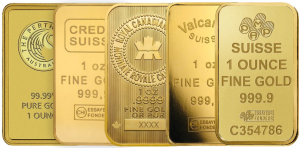
24K Certified Gold Bars Retail Prices in Canada
Canadian Gold Maple Leaf Coin Price Today
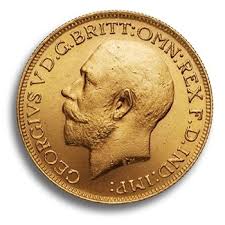


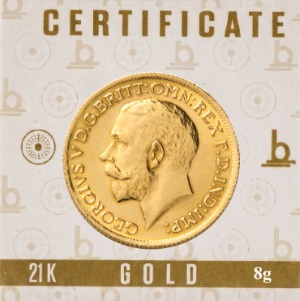
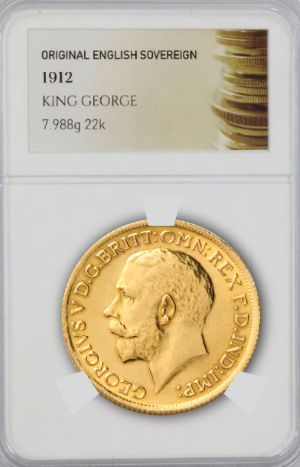
⚠️ Note: Final retail prices across precious metals dealers and mints in Canada may vary depending on bullion premiums, manufacturing costs, and applicable taxes or shipping fees.
Gold Gram and Kilo Prices Table in Canada in CAD
This table is updated automatically every minute via a direct connection to international bullion feeds and Canadian market pricing.

Gold Price in Canada Today - A Comprehensive Guide for Investors
The gold price in Canada is of paramount importance to investors, financial analysts, and private buyers across Toronto, Vancouver, Calgary, Montreal, and nationwide. Canada holds a prestigious position in the global precious metals industry as a major producer and home to world-class refining facilities. Monitoring live updates of gold prices in Canada in Canadian Dollars (CAD) allows savers to effectively hedge against inflation and economic shifts. Through our portal, you can track real-time spot ounce rates, certified gold bullion bars, and official Royal Canadian Mint coins instantly and accurately.
How is Gold Priced and Traded in Canada?
Precious metals dealers and financial institutions across Canada base their retail and wholesale transactions on international spot prices converted into Canadian Dollars. The final checkout price paid by buyers factors in several key components:
- Spot Price: The live global market rate for pure, unallocated gold per troy ounce converted into CAD.
- Dealer Premium: An additional fee charged above spot price by mints or coin dealers to cover manufacturing, distribution, and business operating margins.
- Tax Regulations (GST/HST): Under Canadian tax law, investment-grade gold bullion bars and coins with a purity level of 99.5% or higher are generally exempt from the Goods and Services Tax (GST) or Harmonized Sales Tax (HST), making physical gold a highly efficient investment vehicle.
Top Gold Investment Products in Canada
Physical gold investors in the Canadian market predominantly focus on two major product categories:
- Official Royal Canadian Mint Gold Coins (Gold Maple Leaf): Universally recognized as one of the world's purest and most secure investment coins, featuring 99.99% purity and advanced security features.
- Certified Gold Bars: Available in multiple weights ranging from 1 gram up to 1 kilogram, featuring 99.9% purity from internationally accredited refiners.
Frequently Asked Questions About the Canadian Gold Market
Is buying physical gold subject to sales tax (GST/HST) in Canada?
No, investment-grade gold bullion bars and coins with a purity of 99.5% or higher are exempt from GST/HST in Canada, reducing upfront investment costs.
What is the most popular gold coin to buy in Canada?
The Canadian Gold Maple Leaf is the flagship official coin of Canada and is globally renowned for its exceptional 99.99% purity and unmatched security features.
How does the CAD/USD exchange rate affect gold prices in Canada?
Because gold is globally priced in US Dollars, local gold rates in Canada fluctuate based on both international spot price movements and the daily exchange rate between the Canadian Dollar and the US Dollar.