

Silver Price in Germany Today - Live Spot & Bullion Rates
Live 1 Troy Ounce Silver Spot Price (31.10g) in EUR / USD
Spot Market Price

Futures Contract Price
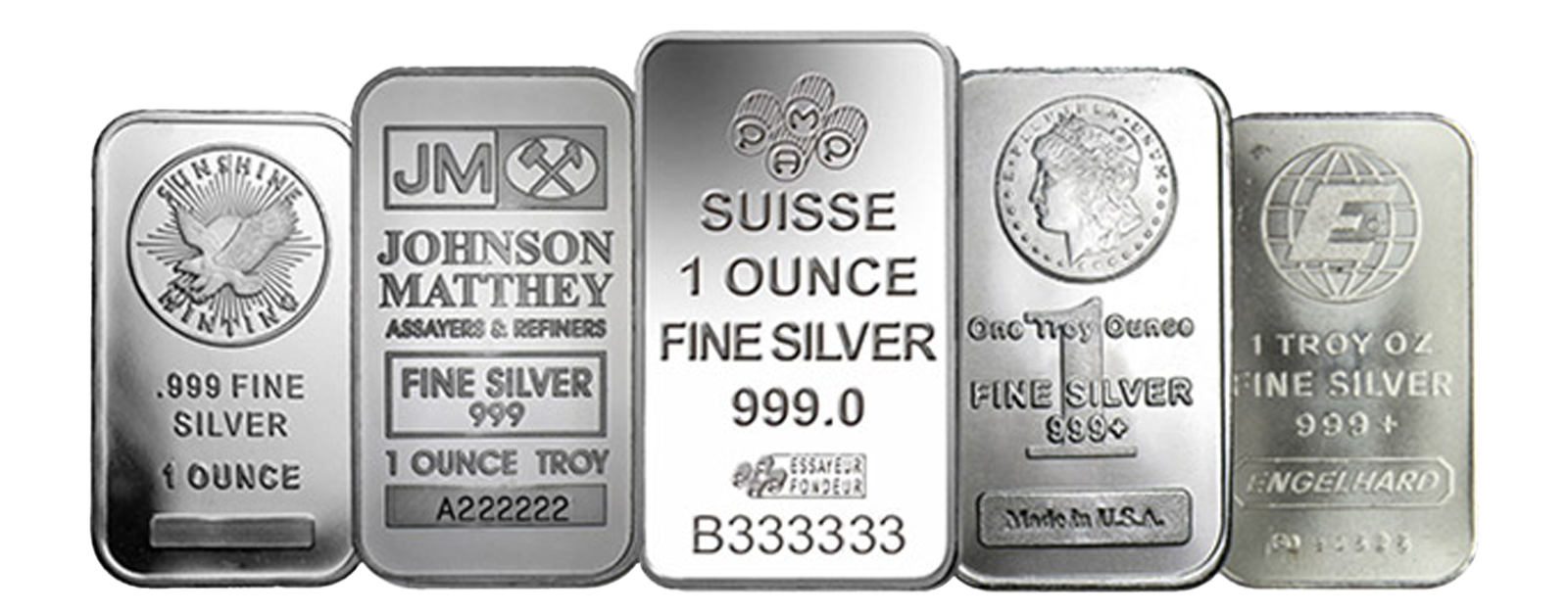
Silver Bars & Ounces Retail Prices in Germany
This table is updated automatically via a direct connection to global precious metal feeds and major German bullion dealer benchmarks.
Silver Price in Germany: The Essential Investor’s Guide
Germany boasts one of the most mature and active physical precious metals markets in Europe. Amid ongoing economic shifts, inflation concerns, and currency stability discussions within the Eurozone, thousands of German investors check the silver price in Germany today to monitor the value of physical bullion, investment bars, and sterling silver.
Our platform delivers continuous, up-to-the-minute tracking for live silver prices in Germany. Whether you are looking to acquire 1-ounce investment coins, 1-kilogram cast bars from LBMA-accredited refiners (such as Heraeus or Umicore), or check the spot price per gram denominated in Euros (EUR) and US Dollars (USD), you will find accurate, real-time data.
While global baseline spot prices are established on international exchanges like the LBMA and COMEX, retail prices across German coin shops (Edelmetallhändler) and online bullion platforms include fabrication premiums, shipping, insurance, and distributor margins.
Live Silver Ounce Price in the German Market
The Troy Ounce is the standard international unit for pricing precious metals, representing exactly 31.1035 grams of pure .999 silver. The spot price per ounce serves as the fundamental benchmark for all physical retail bullion products sold across Germany.
By keeping a close eye on the silver ounce price in EUR, German investors can precisely calculate the intrinsic melt value of their holdings before factoring in dealer premiums or collector markup.
Silver Purity Standards: Grams and Ounces in Germany
Understanding the purity of silver assets is critical when buying or selling precious metals in the German market:
- .999 Fine Silver (Investment Grade): Utilized exclusively for investment-grade bullion bars and sovereign coins (such as the Austrian Philharmonic, Canadian Maple Leaf, or American Eagle). It carries 99.9% purity and commands the highest intrinsic value.
- .925 Sterling Silver: The standard for high-end jewelry and silverware across Germany, consisting of 92.5% pure silver and 7.5% copper.
- Historical German Silver Coins: Older silver Reichsmark coins or commemorative Euros sought after by local numismatists.
Key Drivers Impacting Silver Prices in Germany
Silver valuations in Germany are driven by a dynamic mix of macroeconomic factors and European industrial demand:
- EUR/USD Exchange Rate: Because global silver is priced in US Dollars, fluctuations in the exchange rate between the Euro and the US Dollar immediately impact the local price of silver in EUR.
- German Industrial & Automotive Demand: As Europe’s leading industrial and manufacturing powerhouse, German demand for silver in automotive electronics, green energy technologies, and photovoltaic solar panels heavily influences market sentiment.
- Safe-Haven Demand: During periods of European macroeconomic uncertainty, ECB monetary policy shifts, or inflationary pressures, retail demand for physical silver bullion in Frankfurt, Munich, Berlin, and across Germany routinely surges.
Investing in Physical Silver Bars & Coins in Germany
For serious investors looking to hedge against inflation and currency devaluation, purchasing physical silver bullion in Germany is a structured strategy. Investors can choose from various weights, ranging from 1 ounce and 100 grams to 1-kilogram bars.
Purchasing larger weights, such as a 1-kg bar from esteemed German or international refiners (e.g., Heraeus, Umicore, PAMP Suisse, Valcambi), substantially lowers the fabrication premium per ounce compared to smaller fractional pieces.
VAT and Tax Considerations for Silver in Germany
When investing in precious metals in Germany and the European Union, keep the following tax regulations in mind:
- Value Added Tax (VAT): Unlike gold bullion (which is exempt from VAT across the EU), physical silver bars and coins purchased by private individuals are subject to standard German VAT (19% Mehrwertsteuer). Many German investors utilize secure bonded warehouse storage options (such as duty-free freeports or Swiss storage) to defer or optimize VAT when trading physical silver.
- Holding Period & Capital Gains Tax: In Germany, profits from the sale of physical precious metals (gold and silver) held privately for more than one year are completely exempt from income tax (Spekulastionsfrist, § 23 EStG), making long-term physical stacking highly tax-efficient.
Frequently Asked Questions About Silver in Germany (FAQ)
How much is 1 ounce of silver worth in Germany today?
The spot price of silver fluctuates continuously during market trading hours based on global supply and demand. You can view the live spot and futures prices in EUR at the top of this page.
Where can I buy physical silver bars and coins in Germany?
You can purchase verified silver bars and coins online or in-store from reputable German bullion dealers and refiners such as Degussa, Pro Aurum, Heraeus, MP Edelmetalle, and regional bank partners.
Do I have to pay VAT on silver in Germany?
Yes, physical silver bullion purchased for domestic delivery in Germany is subject to the standard 19% VAT rate, unlike investment gold which is tax-exempt.
Are silver profits tax-free in Germany after one year?
Yes. Under German tax law (§ 23 EStG), private sales of physical precious metals are completely tax-free if the holding period between purchase and sale exceeds one year.
Why do retail dealers charge a premium over spot price?
The spot price represents raw, wholesale unrefined silver traded in bulk. Retail premiums cover the costs of minting, distribution, dealer overhead, insurance, and the high physical demand for finished retail coins and bars.