


Sterling Silver Value: Understanding Its Worth
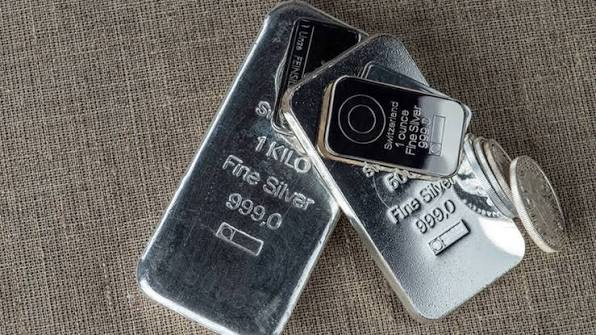
Sterling silver can be worth a meaningful amount, but its value depends on more than whether it looks shiny in a drawer. The metal content creates a baseline melt value, while pattern, maker, age, condition, completeness, and buyer demand can raise or lower the final price. If you are trying to understand silverware value, the best place to start is by confirming whether your pieces are truly sterling, then weighing and evaluating them carefully.
Is sterling silver worth anything?
Yes, sterling silver is worth something because it contains real silver: sterling is generally 92.5% pure silver mixed with 7.5% other metals, often copper, for strength. That means even a scratched fork, broken serving spoon, or incomplete place setting has a precious-metal value if it is genuine sterling. The U.S. Geological Survey defines sterling silver as the quality standard for articles containing 92.5% silver and 7.5% copper or other alloys, and the FTC says terms such as “silver,” “sterling,” and “sterling silver” describe products containing 92.5% pure silver. (usgs.gov)
The bigger question is not simply, “is sterling silver worth anything,” but “what kind of value does this specific piece have?” Some items are valued mostly for their silver content. Others may appeal to collectors because of the maker, pattern, craftsmanship, or rarity. A set of flatware in a desirable pattern may bring more than melt value, while heavily worn or monogrammed pieces may be treated closer to scrap.
Sterling silver value starts with metal content
Sterling silver is not pure silver, so you cannot value it by multiplying the total weight by the silver spot price as though the object were 100% silver. The typical calculation begins with weight, then adjusts for the 92.5% silver content. Silver is usually priced by the troy ounce, not the standard household ounce, so using the correct unit matters.
A simple melt-value estimate looks like this:
- Weigh the sterling item without knives or non-silver parts if possible.
- Convert the weight to troy ounces if your scale uses grams or regular ounces.
- Multiply by 0.925 to estimate the pure silver content.
- Multiply by the current silver spot price to estimate the metal value.
- Expect a buyer’s offer to be lower than the raw calculation because dealers, refiners, and shops account for refining costs, risk, overhead, and resale margin.
For example, if a sterling item contains one troy ounce of sterling alloy, it contains about 0.925 troy ounce of pure silver. At the time of writing, silver spot prices were around the high-$50s per troy ounce, with Kitco showing $58.91 per troy ounce on October 8, 2026; that market price changes constantly, so any estimate should be refreshed before selling. (kitco.com)
This melt baseline is useful because it keeps expectations grounded. It also helps you compare offers. If you know the approximate metal value before visiting a buyer, you can better understand whether an offer reflects scrap value, resale potential, or a discounted quick-sale price.
How much is sterling silverware worth?
How much is sterling silverware worth depends on weight, silver price, pattern, maker, condition, and whether the set is complete. Sterling silverware value may be close to melt value for common, worn, or mismatched pieces, but a full service in a sought-after pattern can sometimes sell for more because buyers are purchasing usable tableware, not just metal. The Silver Institute notes that sterling silver, or 925 fineness, has been the standard for silver hollowware and flatware since the 14th century, which helps explain why tableware remains one of the most recognized sterling categories. (silverinstitute.org)
When people ask “what is sterling silverware worth,” they are often thinking of a family set: dinner forks, salad forks, teaspoons, knives, serving pieces, and perhaps a chest. These sets should be evaluated in parts because not every piece contains the same amount of silver. Forks and spoons are usually more straightforward to weigh. Table knives can be trickier because many have stainless blades and hollow handles filled with another material, so their total weight does not equal sterling silver weight.
Sterling silver flatware value also depends on the selling channel. A local precious-metals buyer may focus on melt value. An antiques dealer may look for resale demand. An online collector may pay more for missing pieces in a discontinued pattern. None of these markets is automatically “right”; they simply value the same item through different lenses.
Key factors that influence silverware value
The best valuation combines a metal calculation with a practical look at desirability. Before accepting an offer or listing a set, consider these factors:
- Purity marks: Look for “sterling,” “925,” “.925,” or similar marks. The FTC notes that “925” means 925 parts per thousand are pure silver. (consumer.ftc.gov)
- Total sterling weight: More weight generally means more base value, but separate weighted, filled, plated, or stainless components.
- Maker and pattern: Well-known makers and popular patterns can improve resale potential, especially when buyers need replacement pieces.
- Completeness: A matched set often has stronger tableware appeal than random pieces, though individual serving pieces can still be desirable.
- Condition: Heavy wear, deep dents, repairs, disposal damage, thinning bowls, and bent tines can reduce value.
- Monograms: Some buyers like personalized history, but many prefer unmonogrammed pieces, so engraving can limit the resale audience.
- Current silver market: The melt-value floor rises and falls with spot silver, sometimes changing enough to affect offers within the same week.
This is why two sets with the same number of pieces can be worth very different amounts. One may be a common pattern with worn pieces and weighted knives. Another may be a complete, well-preserved service from a desirable maker with multiple serving utensils. The first may be priced mostly as metal; the second may deserve a more careful resale evaluation.
Sterling, silver plate, and coin silver are not the same
One of the biggest mistakes in estimating sterling silver tableware value is confusing sterling with silver plate. Silver-plated items have a thin layer of silver over a base metal, so they usually have little precious-metal value compared with sterling. They can still have decorative, historical, or practical appeal, but their metal value is much lower.
Marks help, but they must be read carefully. “Sterling” and “925” are strong indicators of sterling silver. By contrast, terms such as “EPNS,” “silver plate,” “quadruple plate,” or “community plate” usually point to plated goods rather than solid sterling. Some pieces also carry maker names or pattern names that look impressive but do not necessarily indicate sterling content.
Coin silver is another category. It is often associated with older American pieces and typically has a different silver standard than sterling. If you suspect you have antique coin silver, do not rush to scrap it. Its age, maker, and historical interest may matter, and an antiques-focused evaluation can be more useful than a simple melt calculation.
A practical way to estimate your sterling silverware value
You do not need to become an appraiser to form a reasonable first estimate. A careful home review can help you decide whether to seek a scrap offer, an antique appraisal, or a retail resale route.
Use this checklist:
- Gather all pieces in good light and separate obvious plated or stainless items.
- Photograph marks clearly, including maker marks, purity marks, and pattern names.
- Group matching pieces by pattern and type: forks, spoons, knives, serving utensils, hollowware, and odd pieces.
- Weigh only the sterling portions as accurately as possible, using grams if available.
- Note condition issues such as dents, repairs, missing blades, loose handles, or severe polishing wear.
- Check whether the set is complete or close to a recognizable place setting count.
- Compare multiple selling options before accepting a low offer, especially for full sets or recognizable makers.
This process gives you a clearer answer to “what is sterling silverware worth” because it separates emotional value from market value. Family pieces may carry sentimental importance that no buyer will pay for. On the other hand, a forgotten box in a cabinet may contain more silver than you expected.
Selling, keeping, or using sterling silver
Once you understand the likely range of value, you can make a better decision. Selling may make sense if the pieces are damaged, incomplete, unwanted, or valued mostly for melt. Keeping may be the right choice if the set has family meaning, a pattern you enjoy, or potential long-term usefulness.
Using sterling is also worth considering. Many owners store silverware for decades because they assume it is too formal or fragile. In reality, sterling flatware was made to be used, cleaned, and enjoyed. Regular use can make a set feel less like a burden and more like part of daily life, especially if its resale premium over melt is modest.
If you do plan to sell, avoid cleaning aggressively before getting advice. Light polishing may improve appearance, but harsh abrasives, buffing, or amateur repairs can harm collectible value. For unusual pieces, antique hollowware, or a complete service, it may be smart to get more than one opinion.
The real value is a range, not a single number
Sterling silver has a built-in value because of its silver content, but the final number depends on what you own and who is buying it. Melt value provides the floor, while maker, pattern, completeness, condition, and demand shape the upside. That is why questions like “is sterling silver worth anything” and “how much is sterling silverware worth” are best answered with a careful inspection rather than a quick guess.
If you have sterling tableware, start by confirming the marks, weighing the pieces, and estimating the silver content against the current spot price. Then look beyond weight to pattern, condition, and market appeal. With that balanced approach, you can understand your sterling silverware value more clearly and decide whether to sell, insure, preserve, or simply bring it back to the table.