


Optimize Scrap Silverware Prices: Sell Smartly
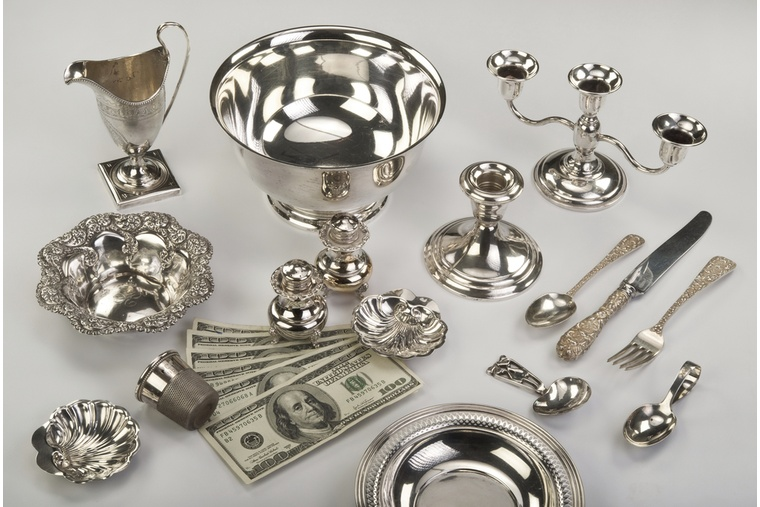
Scrap silverware prices depend on three things: the live silver spot price, the purity of the item, and the buyer’s payout percentage. Sterling flatware can have meaningful melt value, while silver-plated pieces usually have little value as scrap because the recoverable silver layer is thin. If you want to sell scrap silver, the best move is to identify what you have, estimate melt value, then compare offers before accepting cash.
What are scrap silverware prices based on?
Scrap silverware prices are based on the amount of actual silver in the item, not simply the size, age, or shine of the spoon, fork, tray, or serving piece. The market starts with the silver spot price, which is commonly quoted per troy ounce; on October 8, 2026, live public quotes showed silver trading around the high-$50s per troy ounce, with GoldPrice.com listing $59.34 per troy ounce at 10:33 AM ET and Kitco showing $59.24 as a current USD/oz quote. Because silver moves during the trading day, any estimate should be refreshed right before you sell. (goldprice.com)
From there, the buyer adjusts for purity. Sterling silver is typically 92.5% silver, also called .925 fineness, and it has long been the standard for silver flatware and hollowware. That means a 100-gram sterling fork does not contain 100 grams of pure silver; it contains about 92.5 grams of silver before any deductions, testing assumptions, or buyer margins. (silverinstitute.org)
The simple melt value formula
A silver price per ounce calculator is useful, but the math is straightforward once you know the weight and purity. Use troy ounces, not standard kitchen ounces, because precious metals are quoted in troy ounces. One troy ounce equals about 31.103 grams.
Use this formula:
- Weight in grams × purity ÷ 31.103 × silver spot price = estimated melt value
- For sterling, use 0.925 as the purity multiplier.
- For coin silver, use the marked purity if you can verify it.
- For .999 fine silver, use 0.999 or simply estimate it as nearly pure silver.
For example, if you have 100 grams of sterling silverware and spot silver is $59.34 per troy ounce, the melt estimate is: 100 × 0.925 ÷ 31.103 × 59.34 = about $176. This is not the guaranteed cash offer. It is the metal value before the buyer’s discount, refining costs, testing risk, and profit margin.
Sterling, coin silver, and silver plate are not the same
The biggest mistake sellers make is assuming every “silver” utensil has the same scrap metal silver value. Two pieces can look almost identical, yet one may be sterling and the other may be silver plate over a base metal. The difference can be dramatic when calculating scrap silver prices.
Sterling pieces are often marked with words or symbols such as “Sterling,” “925,” or “.925.” These pieces usually have the strongest scrap value because the silver content is high and widely understood by buyers. However, knives can be tricky: many sterling-handled knives contain stainless steel blades and weighted handles, so their total scale weight may overstate the actual silver content.
Silver plate is different. Plated flatware is usually base metal covered by a thin layer of silver, and that layer is often too small or expensive to recover profitably as scrap. Several resale guides note that plated flatware may still sell for decorative, antique, or replacement-piece value, but it generally does not behave like sterling in a melt-value calculation. (lonestarcoins.com)
Why a silver plate value calculator can disappoint sellers
A silver plate value calculator can help you think through resale value, but it should not be treated like a sterling melt calculator. With sterling, the main question is, “How much pure silver is present?” With silver plate, the main question is usually, “Would someone want this pattern, brand, condition, or complete set?”
That is why many silver-plated forks and spoons bring modest resale prices rather than meaningful scrap payouts. A buyer who melts metal needs recoverable silver. If the piece has only a thin plated surface over nickel, copper, brass, or another base metal, the economics are very different from a sterling fork that is silver throughout.
Before dismissing plated silverware, check whether it has value as a usable table setting, craft material, décor, or replacement piece in a discontinued pattern. A complete boxed set in attractive condition may be easier to sell privately than to scrap. But if your goal is to sell scrap silver, focus first on pieces that are clearly sterling, .925, coin silver, or another verified silver alloy.
What affects the scrap silver price at a pawn shop?
The scrap silver price at a pawn shop is usually lower than the melt value because the shop has to test the item, hold or resell it, manage price risk, and still earn a profit. Some pawn shops also specialize more in loans and general merchandise than in precious metals, which can affect how aggressively they bid. Published pawn-shop guidance often describes offers as a percentage of melt value rather than full spot value, with the exact percentage depending on the shop, item type, and market conditions.
That does not mean pawn shops are always a bad choice. They can be convenient, local, and fast. If you need same-day cash and have a small amount of sterling, a pawn shop may be practical. But if you have a large flatware set, multiple serving pieces, or known sterling from a desirable maker, it is worth getting quotes from a coin shop, precious metals dealer, refiner, or reputable online buyer as well.
When comparing offers, ask buyers to show the calculation. A clear offer should identify the weight used, the assumed purity, the spot price, and the payout percentage. If the buyer only gives a lump sum and will not explain it, you may not know whether the offer reflects fair scrap silverware prices or a steep discount.
A practical checklist before you sell scrap silver
A little preparation can prevent underpricing and confusion. Before visiting a buyer, organize your pieces and make a rough estimate at home.
- Separate obvious sterling from silver plate. Look for “Sterling,” “925,” “.925,” or other purity marks. Set aside items marked “EPNS,” “silver plate,” “quadruple plate,” or similar terms.
- Weigh pieces by category. Keep spoons, forks, hollowware, and knives separate. Sterling-handled knives may include filler or non-silver parts.
- Use a current silver price per ounce calculator. Refresh the spot price the same day you request offers.
- Calculate melt value before negotiations. Your estimate gives you a baseline, even if the final offer is lower.
- Check pattern and maker value. Some sterling flatware may be worth more as tableware than as scrap, especially if it completes a set.
- Get more than one quote. Even two or three offers can reveal whether one buyer is far below the local market.
- Bring identification. Precious-metal buyers may be required to follow local recordkeeping rules.
This checklist is especially helpful for inherited silverware, where sentimental value, family assumptions, and actual metal content can get mixed together.
When scrap value is not the best value
Scrap value is only one way to price silverware. If a piece is damaged, monogrammed, mismatched, or common, melt value may be the most realistic benchmark. But if you have a complete service, a recognized pattern, or unusual serving pieces, resale value may exceed scrap value.
Condition matters. Deep scratches, bent tines, worn bowls, missing pieces, or heavy engraving can reduce tableware appeal. On the other hand, a clean matching set may attract buyers who want to use or replace pieces rather than melt them. In that case, the right buyer may not be a scrap metal silver buyer at all; it may be a collector, replacement flatware company, antique dealer, or private buyer.
The key is to avoid rushing. Once sterling is melted, any pattern, maker, or historical value is gone. If you are unsure, get a scrap quote first, then compare it with resale listings or an appraisal from someone who understands silver flatware.
Key takeaways for today’s sellers
Scrap silverware prices rise and fall with the live silver market, but your actual payout depends on purity, weight, buyer type, and whether the item has value beyond metal. Sterling silver is usually the category worth calculating carefully. Silver plate may still be useful or sellable, but it generally should not be valued like solid sterling.
If you plan to sell, start with the math: weigh the item, confirm purity, check the current spot price, and estimate melt value. Then compare offers and ask each buyer to explain their numbers. That simple process gives you a stronger position, whether you sell scrap silver to a pawn shop, coin dealer, refiner, or private buyer.