

Silver Calculator: Estimate Value & Price of Sterling Silver
A silver calculator helps estimate the value of silver based on weight, purity, and the current market price. It is useful for anyone checking jewelry, coins, flatware, bullion, or scrap silver before selling, buying, insuring, or simply learning what an item may be worth. While a calculator cannot replace a professional appraisal, it can give you a clearer starting point and help you ask better questions.
Because silver comes in different purities, the number stamped on an item matters just as much as its weight. A sterling silver calculator, for example, works differently from a tool used for pure silver because sterling is usually calculated at 92.5% silver content. Understanding those basics makes any estimate more realistic.
What does a silver calculator actually do?
A silver calculator estimates the melt value of silver by combining three key inputs: the item’s weight, its silver purity, and the silver spot price. In simple terms, it helps answer, “How much silver is actually in this item, and what would that silver be worth at today’s market rate?” The result is usually an estimated metal value, not a guaranteed resale price.
Most calculators follow a straightforward formula. They convert the weight into a standard measurement, adjust that weight by purity, then multiply the pure silver content by the market price of silver. If you are using a silver price calculator online, it may already include the live spot price. If not, you may need to enter the price manually.
This is why two pieces that look similar can have very different values. A heavy silver-plated tray may contain little or no recoverable silver, while a smaller sterling item may have measurable melt value. The calculator can only work with the information you give it, so accurate weight and purity details are essential.

The main inputs that affect silver value
A calculator is only as useful as the data behind it. Before using a silver calculator, take a moment to identify what you have, how much it weighs, and what percentage of it is actually silver.
Weight
Weight is the foundation of every estimate. Silver may be measured in grams, ounces, troy ounces, pennyweights, or kilograms depending on the calculator and the market you are using. Precious metals are commonly priced by the troy ounce, which is different from the standard household ounce.
If you are trying to find the sterling silver value in grams, use a scale that can measure small differences accurately. Kitchen scales can help with rough estimates, but a jewelry or gram scale is usually better for small items like rings, charms, chains, and earrings. Even a small weighing error can change the estimate when you are calculating several pieces together.
Purity
Purity tells you how much of the item is silver. Fine silver is typically higher in silver content than sterling silver, while coin silver and other alloys may contain different percentages. Sterling silver is commonly marked “925,” meaning it contains 92.5% silver and 7.5% other metals.
This purity adjustment is why a sterling silver calculator does not treat the full weight as pure silver. If an item weighs 100 grams and is sterling, the calculator estimates about 92.5 grams of silver content before applying the market price. The remaining metal adds weight but not silver melt value.
Spot price
The spot price is the current market price for silver. It changes throughout the trading day, which means a calculation made in the morning may differ from one made later. A silver cost calculator may use this figure to estimate the raw metal value of an item or the cost of buying a certain amount of silver.
For selling purposes, remember that spot value is not always the same as the amount a buyer will offer. Dealers, refiners, and scrap buyers may factor in refining costs, testing, overhead, and profit margins. The calculator gives you a benchmark, not a final transaction price.
How sterling silver calculations work
Sterling silver calculations start with the item’s total weight and reduce it to reflect silver content. Since sterling is generally 92.5% silver, the formula is simple: total weight multiplied by 0.925 equals estimated pure silver weight. That number is then multiplied by the silver price for the same unit of weight.
For example, if a sterling bracelet weighs 40 grams, its estimated silver content is 37 grams. If your calculator works in troy ounces, it may convert those grams into troy ounces before applying the price. This is why unit conversion matters: grams, standard ounces, and troy ounces are not interchangeable.
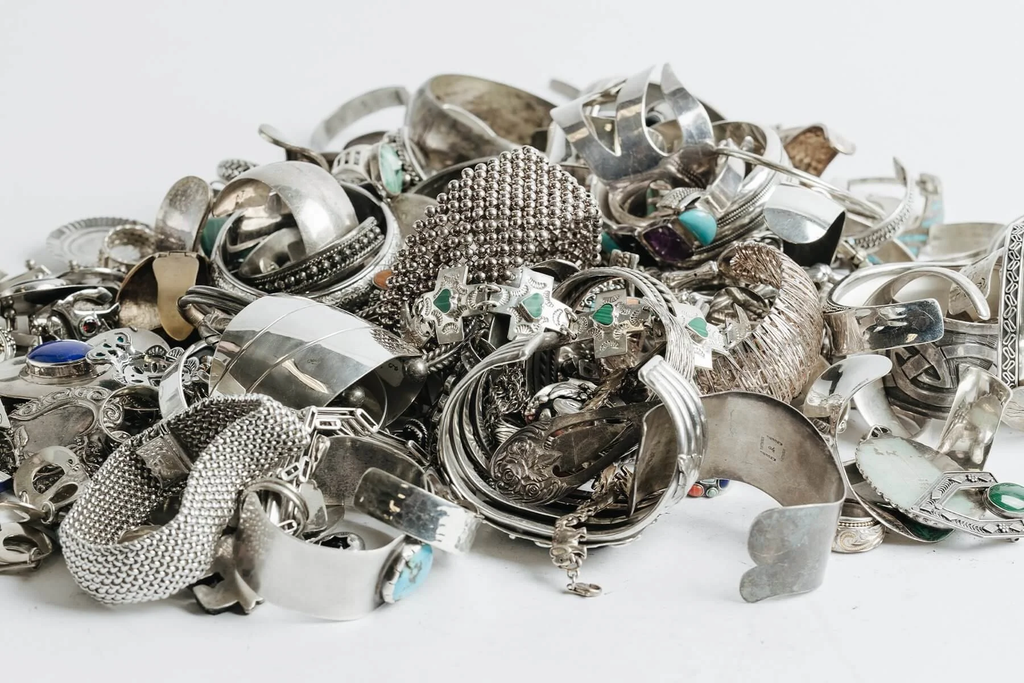
A sterling silver scrap calculator is especially helpful when you have broken, unmatched, or damaged pieces. Scrap value focuses on metal content rather than style, brand, or condition. A dented spoon, a broken chain, and a single earring can still have value if they are genuine sterling.
Silver calculator vs. scrap silver calculator
A general silver calculator and a scrap silver calculator often use similar math, but they are built for slightly different purposes. A general calculator may help estimate bullion, coins, bars, or jewelry value. A scrap-focused tool is designed for items being valued mainly for melt content.
Here is a simple comparison:
| Tool | Best for | Main focus |
|---|---|---|
| Silver calculator | General silver items, coins, bullion, jewelry | Estimated silver metal value |
| Silver cost calculator | Planning a purchase or comparing silver quantities | Approximate cost based on weight and price |
| Sterling silver calculator | Items marked 925 or sterling | Value after adjusting for 92.5% purity |
| Scrap silver calculator | Broken, worn, or unwanted silver | Melt value of recoverable silver |
| Sterling silver scrap calculator | Damaged sterling jewelry, flatware, or small pieces | Estimated sterling silver scrap price |
The difference matters because not every silver object should be treated as scrap. Some coins, antiques, designer jewelry, and collectible pieces may be worth more than melt value. If an item may have historical, collectible, or artistic value, a calculator should be only the first step.
How do you use a silver price calculator correctly?
To use a silver price calculator correctly, confirm the item’s purity, weigh it accurately, choose the right unit of measurement, and use a current silver price. Then review the result as an estimate rather than a guaranteed offer. The more precise your inputs are, the more useful the calculation will be.
Follow these steps for a cleaner estimate:
- Check for markings. Look for stamps such as 925, sterling, 999, 800, or coin silver. If there is no mark, the item may need testing.
- Separate items by purity. Do not weigh sterling, fine silver, and unknown metal together unless your calculator allows separate entries.
- Remove non-silver parts when possible. Stones, handles, blades, resin, weighted bases, and other materials can distort weight.
- Weigh the silver carefully. Use grams for small pieces and make sure the scale is on a stable surface.
- Select the right calculator setting. Choose sterling, fine silver, or the correct purity percentage.
- Enter the spot price if needed. If the tool does not update automatically, enter a recent silver price.
- Interpret the result realistically. Expect offers for scrap silver to be lower than the full calculated melt value.
This process helps prevent one of the most common mistakes: assuming the entire object is solid silver. Weighted candlesticks, knife handles, filled pieces, and silver-plated items can look substantial while containing much less silver than expected.
Common mistakes when estimating silver
The biggest mistake is confusing silver plate with solid silver. Silver-plated items have a thin layer of silver over another metal, so their scrap value is usually much lower than sterling or fine silver. Marks such as “EPNS,” “silverplate,” or “quadruple plate” usually indicate plating rather than solid silver.
Another common issue is ignoring non-silver weight. Many flatware knives have stainless steel blades and filled handles. Some candlesticks and decorative objects are weighted with cement, resin, or other materials. If those parts are included in the weight, the calculator may overestimate the value.
People also sometimes use the wrong ounce. Precious metals are priced in troy ounces, while many household scales use standard ounces. One troy ounce is heavier than one standard ounce, so mixing them up can create inaccurate results. When in doubt, grams are often easier because many calculators convert them automatically.
When a calculator is not enough
A calculator is excellent for estimating metal value, but it cannot judge craftsmanship, rarity, brand, age, or market demand. A plain broken sterling chain may be valued mostly as scrap, but a signed designer bracelet or antique silver serving piece could be worth more to a collector than to a refiner.
You should consider getting a professional opinion when an item has unusual markings, appears antique, includes gemstones, belongs to a known maker, or has sentimental or historical significance. Testing may also be needed if the purity is unclear. Acid tests, electronic testers, and X-ray fluorescence tools can help identify metal content, but each method has limitations.
For selling scrap silver, it can be useful to compare more than one buyer. Ask how they calculate the sterling silver scrap price, what percentage of melt value they pay, and whether any fees apply. A transparent buyer should be willing to explain the process in plain language.
Practical ways to use silver calculators
A silver calculator is not just for sellers. It can support several everyday decisions involving silver items.
Use one when you want to:
- Sort inherited items. Separate likely sterling from plated pieces before seeking appraisals or offers.
- Estimate scrap value. Check broken jewelry, old flatware, or damaged silver before selling.
- Compare buyer offers. Use the calculated melt value as a benchmark when reviewing quotes.
- Plan a purchase. A silver cost calculator can help compare different weights or purities.
- Understand insurance conversations. Metal value is not the same as replacement value, but it provides useful context.
- Learn the impact of purity. Comparing fine silver, sterling, and lower-purity alloys makes the role of silver content clear.
The key is to use the estimate for what it is: a practical reference point. It gives you enough information to avoid walking into a sale or purchase completely uninformed.
A simple checklist before you sell scrap silver
Before selling, slow down and organize your items. A little preparation can help you avoid undervaluing something or accepting an offer without understanding it.
- Check each piece for purity marks.
- Separate sterling, fine silver, coin silver, plated items, and unknown pieces.
- Weigh categories separately, preferably in grams.
- Note any non-silver parts that may affect weight.
- Use a scrap silver calculator to estimate melt value.
- Compare that estimate with buyer offers.
- Set aside anything antique, signed, collectible, or unusual for further review.
- Ask buyers how they determine payout and whether testing is done in front of you.
This checklist is especially helpful when handling mixed lots. A box of old flatware, jewelry, and keepsakes may contain a combination of sterling, plate, stainless steel, and unknown alloys. Sorting first makes the calculation more meaningful.
The takeaway
Silver calculators make silver valuation easier by turning weight, purity, and market price into a practical estimate. Whether you are using a silver price calculator for bullion, a sterling silver scrap calculator for broken jewelry, or a scrap silver calculator for old flatware, the goal is the same: understand the metal value before making a decision.
The best results come from accurate weighing, correct purity identification, and realistic expectations. Calculated melt value is a helpful benchmark, not a promise of what someone will pay. Use it as a starting point, then seek professional guidance when an item may be collectible, antique, or difficult to identify.