


Gold Price Today - Live Updates - Ounce, pound, Gram
Live 24K Gold Ounce Price spot & future (31.10g)
Gold Spot Price
Gold Futures Price
Live Silver Ounce Price spot & future (31.10g)
Silver Spot Price
Silver Futures Price
24K Swiss & local Gold Bars Retail Prices
Gold Pound Price


⚠️ Note: The final market price may vary slightly due to manufacturing costs and dealer profit margins.

Gold is considered one of the most important precious metals and the most followed asset in global financial markets. Millions of individuals search daily for gold prices today to track the latest movements of the yellow metal and its value across different markets. Through our platform, you can monitor today's gold price continuously, with detailed information regarding the ounce, gram, bullion bars, gold liras, kilograms, and various gold karats.
The website provides comprehensive coverage of global gold prices in multiple currencies, assisting investors, savers, and those interested in gold to follow price movements and understand market fluctuations. You can track the gold ounce price today in USD and other major currencies, alongside local gold prices in numerous countries worldwide.

Gold prices depend primarily on the global spot price per ounce. However, the final retail price varies from country to country based on the local currency exchange rate, taxes, manufacturing costs (making charges), trading fees, and dealer profit margins. Monitoring prices in the local currency helps provide a more accurate picture of gold's actual value in each specific market.
Gold Prices Today
Market observers search for gold prices today to monitor the yellow metal's trajectory and make informed decisions when buying, selling, or investing. Our platform displays gold price data for various weights and karats, focusing on the key indicators needed by both investors and consumers.
Price tracking includes the gold gram price today, gold ounce price, gold kilogram price, bullion bars, and gold liras, in addition to the prices of the most commonly traded gold karats such as 24K, 21K, and 18K.
Gold Gram Price Today
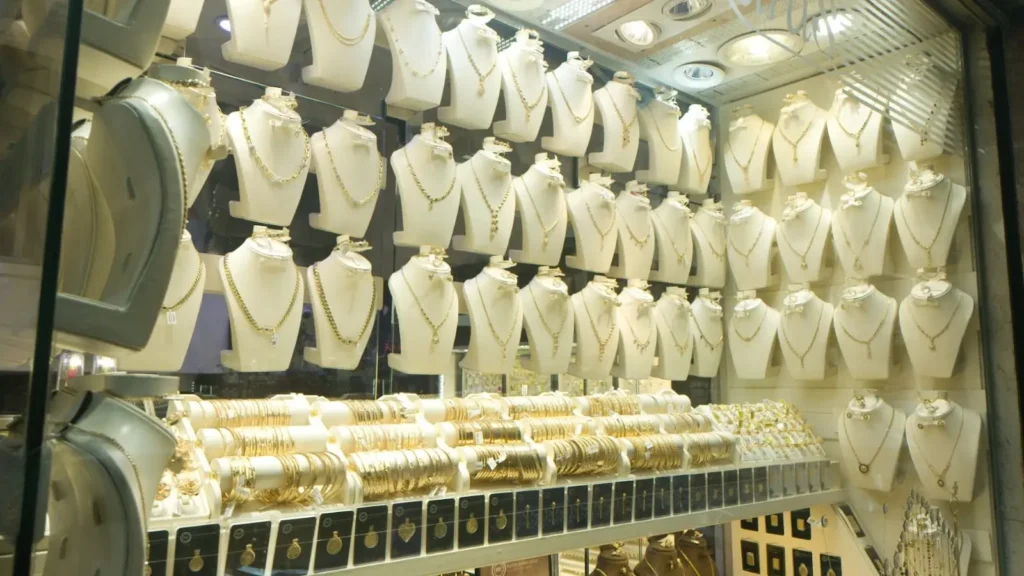
The gold gram price today is one of the most searched gold indicators worldwide, especially for individuals looking to purchase jewelry or small bars, or to determine the value of the gold they currently own.
The price per gram varies according to the purity level of the gold. 24-karat gold has the highest percentage of pure gold, while 21-karat and 18-karat gold contain different ratios of gold mixed with other alloys. Therefore, the value per gram differs from one karat to another.
24K Gold Price Today
24K Gold is widely used for bullion bars and investments due to its exceptionally high pure gold content (99.9%). The 24K gold price is one of the primary benchmarks used to calculate the value of various gold weights.
You can track the 24K gold price today in USD and other currencies, and compare its value between global and local markets.
21K Gold Price Today
21K Gold is one of the most popular gold karats used in jewelry manufacturing across many markets globally. Because of this, the 21K gold price today garners significant attention from consumers and investors alike.
The value of 21K gold can be determined through the global gold price by calculating the percentage of pure gold present in this karat compared to 24K.
18K Gold Price Today
18K Gold is extensively utilized in jewelry making and features an alloy composition containing a lower percentage of pure gold compared to 21K and 24K. Consequently, its price per gram is different from higher-purity karats.
Following the 18K gold price today helps determine the current value of jewelry made from this karat and allows for comparison against the prices of other purity levels.
Gold Ounce Price Today in USD
The gold ounce is the primary standard unit used globally for pricing gold. The troy ounce weighs approximately 31.1035 grams, and its price is typically quoted in US Dollars.
Therefore, the gold ounce price today in USD is considered one of the most critical indicators that traders and investors rely on to gauge the direction of the gold market. When the global ounce price shifts, this movement is usually reflected in the prices of grams, bars, and various gold products.
Gold Ounce Price Today
The gold ounce price today fluctuates continuously during global trading sessions and is influenced by numerous economic data points and events. Tracking the ounce price helps understand the broader trend of the gold market.
Global ounce prices are also used as the foundation for calculating gold prices in different weight denominations, such as 1 gram, 10 grams, 50 grams, 100 grams, half a kilogram, and a full kilogram.
Gold Kilo Price Today in USD
Investors dealing with large quantities of gold look for the gold kilo price today in USD to determine the approximate value of investment-grade gold. The price of a kilogram is calculated based on the global gold price, the total weight, and its purity percentage.
Gold Bar Price Today
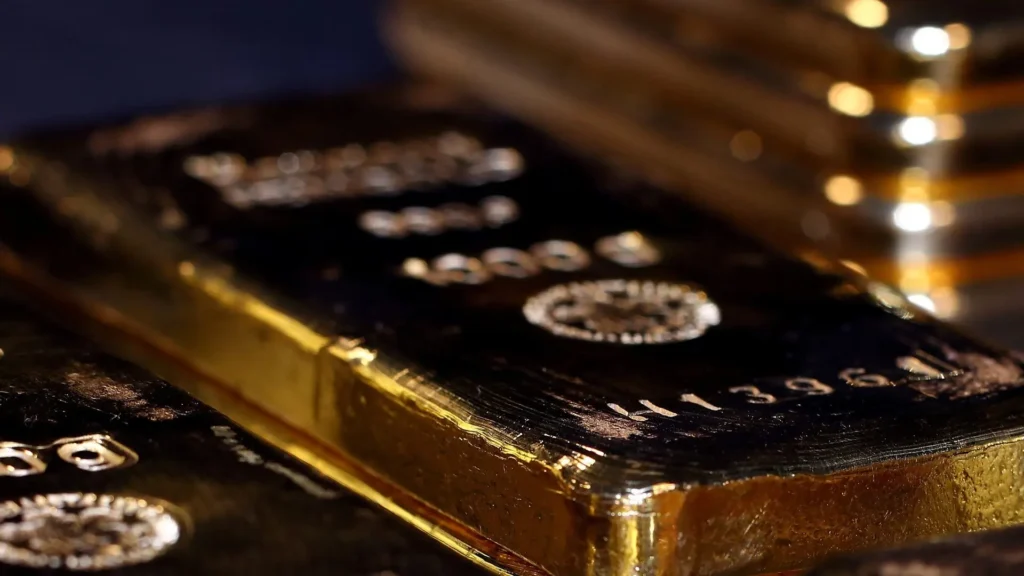
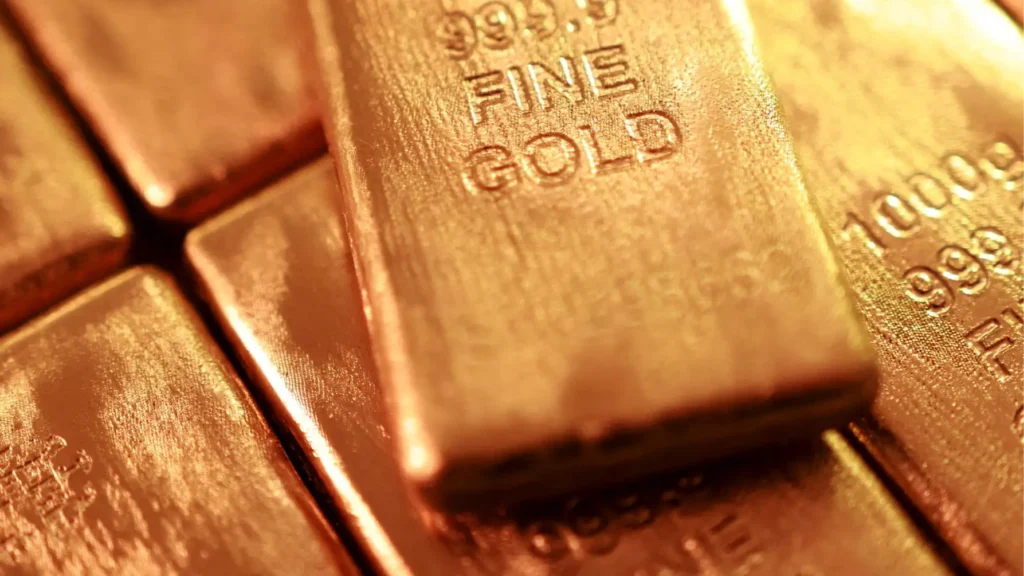
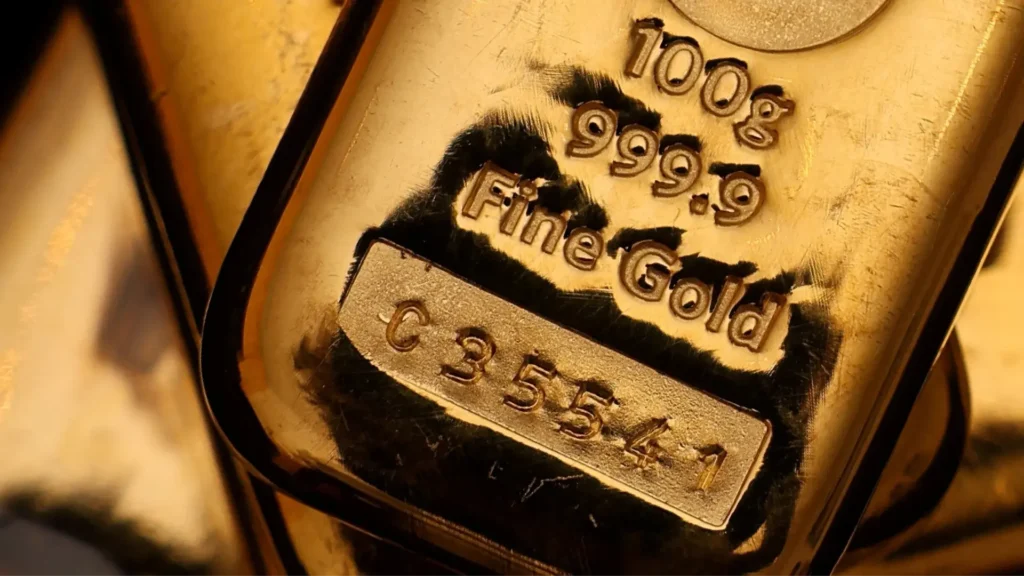
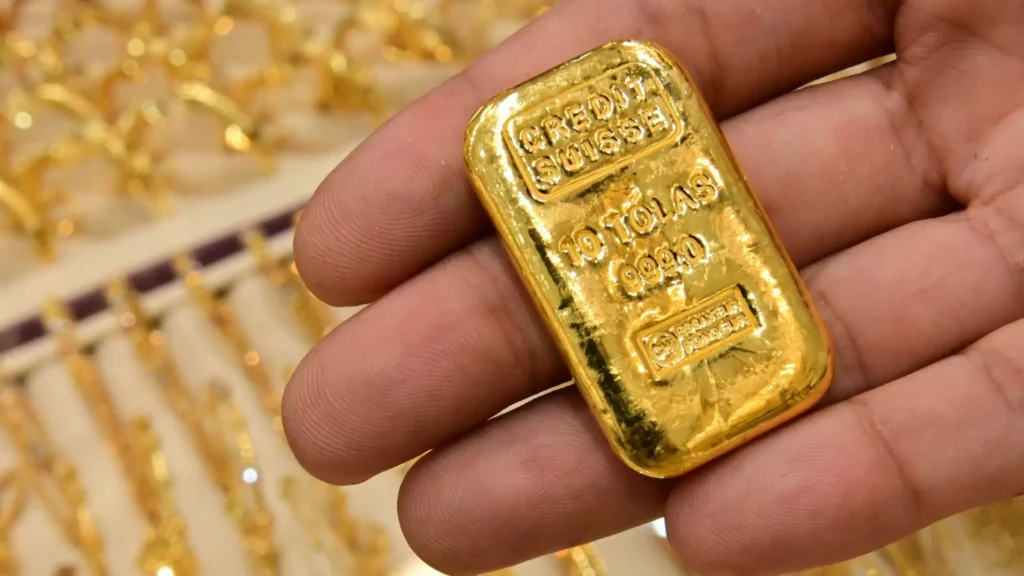
Gold bullion bars are among the most popular investment and savings instruments, available in multiple weights to suit different budgets. Investors closely monitor the gold bar price today and compare costs across various weights and karats.
The final retail price of a bullion bar may differ from the theoretical value of the gold it contains due to manufacturing, packaging, distribution costs, commissions, and dealer margins. It is crucial to distinguish between the global spot price of gold and the final retail product price.
Gold Lira Price Today
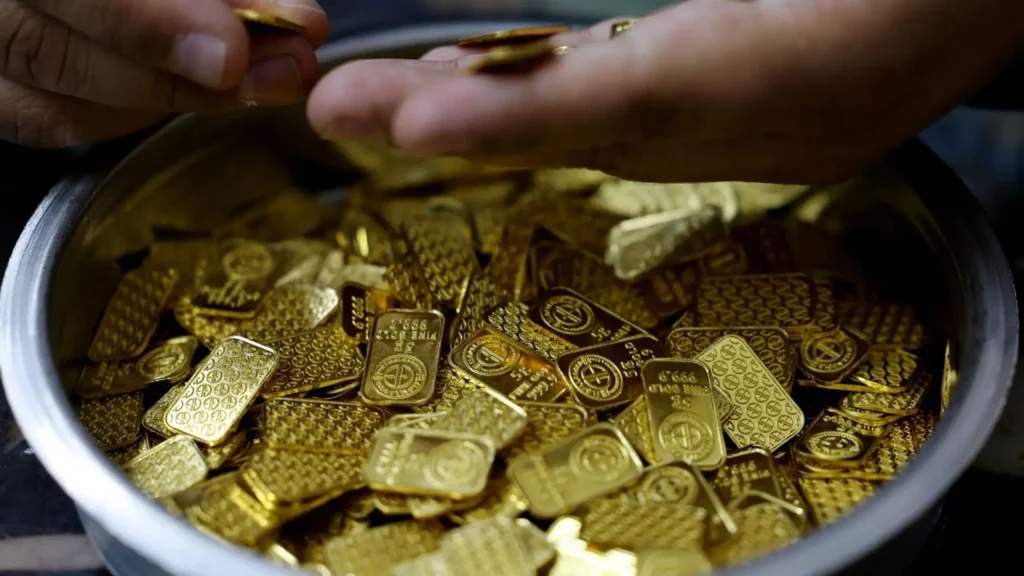
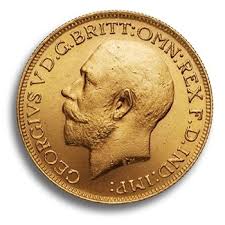
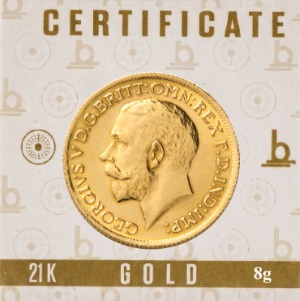
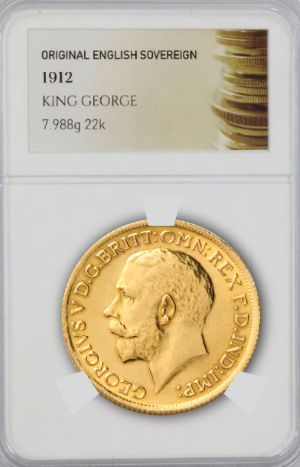
Gold liras (coins) are utilized in many markets as a means of saving and preserving wealth, prompting followers to search for the gold lira price today to check its current value.
The prices of gold liras vary depending on their specific type, weight, gold content ratio, and the prevailing global gold price. The price of the ounce and gram can be used as basic indicators to understand the price movements of gold liras.
Global Gold Price in USD
The global gold price in USD is a premier financial indicator continuously monitored by investors and markets. Gold is impacted by a wide spectrum of economic, financial, and geopolitical factors.
Among the most prominent factors that can influence gold prices are: interest rates, the strength of the US Dollar, inflation rates, economic data, stock and bond market performance, as well as global tensions and events that affect investor appetite for safe-haven assets.
What Factors Affect the Price of Gold?
Gold does not move randomly; it is influenced by a set of economic and financial variables. The most significant factors include central bank decisions regarding interest rates, the movement of the US Dollar, inflation, investment demand, and gold purchasing operations by institutions, funds, and central banks.
Economic and geopolitical events can also impact gold's trajectory, as demand for the yellow metal tends to surge during periods of heightened uncertainty in global markets.
The Difference Between Global and Local Gold Prices
The global gold price represents the benchmark value of the yellow metal in international markets, whereas the price a consumer pays when buying gold in a local market may differ.
This variation is due to several elements, including currency exchange rates, taxes, manufacturing costs (making charges), transportation and distribution expenses, dealer margins, and local supply and demand dynamics. Therefore, the global spot price alone should not be considered the final price for jewelry or physical bullion.
Tracking Gold Prices Moment by Moment
Continuous monitoring of gold prices helps in understanding the shifts occurring in the global market. Through our website, you can access gold prices across various weights, karats, and currencies, and compare rates between different markets.
You can also track the movement of the gold ounce price today in USD and observe how global changes impact the price of grams, bullion bars, and gold liras.
Frequently Asked Questions About Gold Prices
How much is the price of gold today?
The price of gold changes constantly according to global market movements. You can track the latest prices for grams, ounces, bars, liras, and different karats through the live gold price tables on our website.
How much is the gold ounce price today in USD?
The gold ounce price fluctuates during global trading sessions. We continuously update our price data feeds to display the latest value of the ounce in US Dollars.
How much is the gold gram price today?
The price of a gold gram varies by karat. A gram of 24K gold is priced differently than a gram of 21K or 18K gold. The final price may also vary depending on the local market, currency, and manufacturing costs.
What is the best gold karat?
Choosing the best gold karat depends on the purpose of your purchase. 24K gold is predominantly used in bullion bars and investments, while 21K and 18K are widely used in jewelry and ornament manufacturing.
Does the price of gold change every day?
Yes, the price of gold can change continuously throughout global trading hours as a result of economic news, currency fluctuations, interest rates, and other variables impacting financial markets.
Why does the price of gold go up or down?
Gold prices are influenced by several factors, most notably interest rates, the strength of the US Dollar, inflation, investment demand, global market trends, and both economic and geopolitical events.
What is a Gold Ounce?
The troy gold ounce is the primary standard unit of measurement used in global markets to price gold, weighing approximately 31.1035 grams.