


How Much Silver is in a Dime? Value & Identification Guide
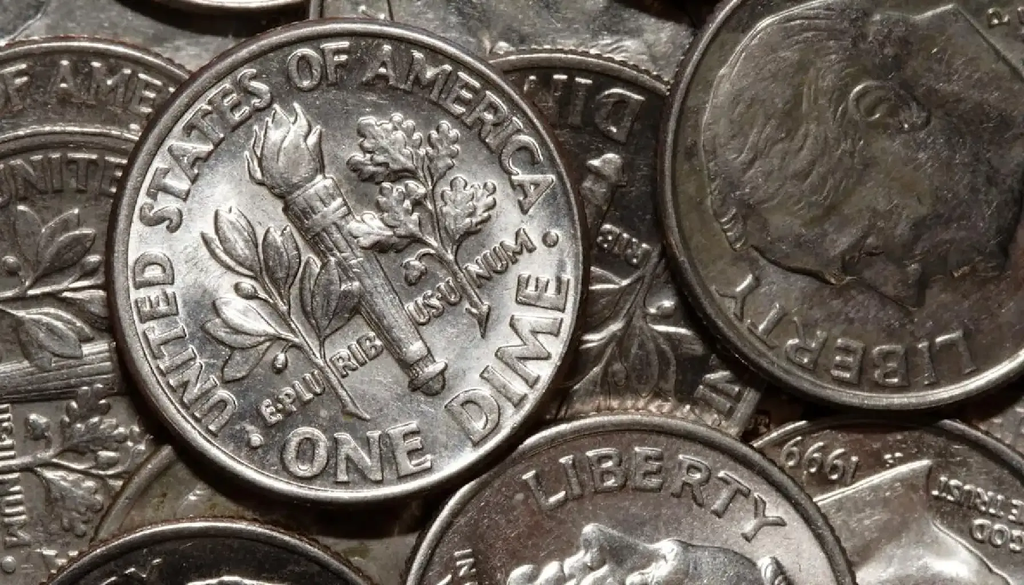
Silver dimes are small coins with a surprisingly practical link to precious metals. In the United States, most circulated dimes dated 1964 or earlier contain 90% silver, which is why collectors, stackers, and inherited-coin owners often separate them from modern pocket change. This guide explains how much silver is in a dime, how to identify dimes with silver content, and how to think about value without relying on a single changing price.
How much silver is in a dime?
A standard U.S. silver dime dated 1964 or earlier contains 90% silver and 10% copper. When new, it weighed 2.5 grams, which works out to about 0.07234 troy ounces of pure silver per coin. That figure is the key number behind most melt-value calculations, roll estimates, and quick comparisons between silver dimes and other 90% U.S. coins.
This applies to the common U.S. Barber, Mercury, and Roosevelt dimes struck for circulation through 1964. The exact collector value can vary by date, mintmark, condition, and rarity, but the baseline silver dime silver content is consistent for regular 90% silver issues. If someone asks, “how much silver is in a dime,” the answer depends on the date: older 90% silver dimes contain meaningful silver, while most modern circulating dimes do not.
The key dates that separate silver dimes from clad dimes
The easiest first check is the date. U.S. dimes dated 1964 and earlier were generally struck in a 90% silver composition for circulation. Dimes dated 1965 and later were made for everyday use in a copper-nickel clad composition, not 90% silver.
That date break matters because a 1964 Roosevelt dime and a 1965 Roosevelt dime can look similar at a glance, especially if both are worn. Their metal content, however, is very different. The 1964 dime has silver in dime form; the 1965 dime is usually valued as ordinary face-value change unless it has a special minting error or collector feature.
Use this quick identification checklist:
- Check the date first. 1964 and earlier is the main silver range for regular U.S. dimes.
- Look at the coin’s edge. A 90% silver dime usually has a more uniform silver-gray edge, while clad dimes often show a copper-colored stripe.
- Identify the design. Barber dimes, Mercury dimes, and pre-1965 Roosevelt dimes are the main circulating silver types.
- Watch for exceptions. Some modern proof or special-issue dimes may contain silver, but they are not typical pocket-change finds.
- Do not clean the coin. Cleaning can reduce collector appeal, especially for better dates or attractive original surfaces.
Common U.S. dimes with silver content
Several U.S. dime designs are widely recognized for their silver content. While each series has its own collecting market, their shared 90% silver composition makes them familiar to both coin collectors and bullion buyers.
Barber dimes
Barber dimes were minted from the late 19th century into the early 20th century. They are 90% silver, and many surviving examples show significant circulation wear. Common-date Barber dimes may trade mostly around silver value plus collector demand, while scarcer dates and higher-grade coins can be worth much more.
Mercury dimes
Mercury dimes are among the most popular U.S. silver dimes. Their winged Liberty design is widely recognized, and many circulated examples are bought and sold as 90% silver coins. Some dates and mintmarks carry strong collector premiums, so it is worth checking before treating every Mercury dime as a simple bullion piece.
Roosevelt silver dimes
Roosevelt dimes dated 1946 through 1964 are the most common silver dimes many people encounter. They contain the same 90% silver composition as earlier silver dime series. Because many were saved in rolls, they are often found in accumulations, estate collections, and small bags of old coins.
How much is a 90 silver dime worth?
A 90% silver dime is worth at least the value of its silver content, but it can be worth more if it has collector demand. To estimate the basic 90 silver dime value, multiply the current silver spot price by 0.07234, then adjust for the buying or selling context. Coin dealers, bullion shops, and private buyers may quote slightly different prices depending on demand, condition, volume, and transaction costs.
For example, if silver were priced at a hypothetical $30 per troy ounce, the melt value calculation would be:
- Start with the silver content: 0.07234 troy ounces
- Multiply by spot silver: 0.07234 × $30
- Estimated melt value: about $2.17 per dime
That example is not a fixed market quote. Silver prices move, and retail buy/sell prices may include premiums or discounts. Still, the formula is useful because it lets you update the value whenever the silver market changes.
The phrase “how much is a 90 silver dime worth” can mean two different things. If you mean bullion value, the answer follows the melt-value formula. If you mean numismatic value, you also need to consider the coin’s date, mintmark, condition, eye appeal, and scarcity.
Melt value and collector value are not the same
It is tempting to value every silver dime only by its metal content, but that can leave money on the table. A common, heavily worn Roosevelt silver dime may trade close to bullion value. A scarce Mercury dime in a better grade, however, may be valued mainly as a collectible coin rather than as a tiny piece of silver.
The difference comes down to why someone wants the coin. A silver stacker may care mostly about total silver weight and pay based on melt value. A collector may pay more for a date needed to complete a set, a sharper strike, attractive toning, or a coin with original luster.
Before selling old dimes in bulk, sort them into broad groups:
- Common circulated 90% Roosevelt dimes for bullion-style valuation
- Mercury dimes to check for better dates and mintmarks
- Barber dimes to review more carefully because age and condition can matter
- Unusually nice coins with strong detail, luster, or minimal wear
- Damaged or cleaned coins that may have reduced collector appeal
This simple sorting step helps you avoid treating every coin as identical. It also makes conversations with dealers or buyers clearer because you can ask about both silver value and possible collector premiums.
What is a roll of silver dimes worth?
A standard roll of U.S. dimes contains 50 coins with a face value of $5. If all 50 coins are 90% silver dimes, the roll contains about 3.617 troy ounces of pure silver before accounting for wear. To estimate a roll of silver dimes worth, multiply 3.617 by the current silver spot price, then consider whether the roll includes common coins, mixed dates, or any collectible pieces.
Using the same hypothetical $30 silver price, the silver melt estimate would be:
- 50 silver dimes per roll
- 0.07234 troy ounces of silver per dime
- 3.617 troy ounces of silver per full roll
- 3.617 × $30 = about $108.51 melt value
In real transactions, a roll may sell above or below the exact melt calculation. Buyers may pay less when purchasing for resale, while retail buyers may pay a premium for recognizable 90% silver coinage. Neatly counted rolls of common Roosevelt silver dimes are often easier to price than mixed groups with uncertain dates or damaged coins.
A practical way to estimate silver dime value
You do not need advanced numismatic tools to make a reasonable first estimate. A careful, step-by-step review gives you a useful range before you visit a coin shop, list coins for sale, or decide to keep them.
Follow this process:
- Separate silver from clad. Pull out dimes dated 1964 or earlier.
- Count the coins. Note the number of individual silver dimes and any complete rolls.
- Calculate silver weight. Multiply the number of dimes by 0.07234 troy ounces.
- Apply the current silver price. Multiply total silver weight by the spot price.
- Check for better coins. Review Mercury and Barber dimes, key dates, and higher-grade examples before selling as bullion.
- Compare buyer quotes. If selling, ask whether the offer is based on melt value, face value multiplier, or individual collector appraisal.
Many buyers quote 90% silver coins as a multiple of face value. For example, instead of pricing each dime separately, they may say that 90% silver dimes are trading at a certain number of times face value. This is simply another way to express the same underlying silver content, adjusted for market conditions and dealer margins.
Condition, wear, and silver weight
The standard silver content figures are based on a dime’s original weight. In practice, heavily circulated dimes can lose a small amount of metal from wear. For ordinary estimation, most people still use the standard 0.07234 troy ounce figure because it is the accepted reference point for 90% silver dimes.
Condition matters more when a coin has collector potential. A heavily worn common Roosevelt dime is usually valued close to its silver content. A sharply detailed Mercury dime or an older Barber dime with pleasing surfaces may deserve closer inspection.
Avoid harsh cleaning, polishing, or chemical dipping if you are unsure what you have. A coin that looks “shiny” from cleaning can be less appealing to collectors than one with natural surfaces. When in doubt, place the coin in a protective holder and get an informed opinion before making changes.
Silver dimes remain useful small-value bullion
One reason silver dimes stay popular is their convenient size. Each coin contains a modest amount of silver, making them easy to count, divide, trade, store, and understand. Unlike generic silver rounds or bars, they also carry recognizable U.S. coin designs and face values, even though their metal value is usually higher than ten cents when silver prices are elevated.
For new collectors, silver dimes offer an approachable entry point. They connect U.S. history, coin design, and precious-metal value in a format that is easy to handle. For silver buyers, they provide fractional silver without needing modern privately minted pieces.
The main takeaway is simple: date matters first, silver weight comes next, and collector details can change the final value. If you know the coin is a 90% silver dime, you can estimate its melt value with 0.07234 troy ounces of silver. From there, check whether the dime is merely common silver coinage or something that deserves a closer numismatic look.