


Guide to Buying Silver Bullion: Bars, Coins & More
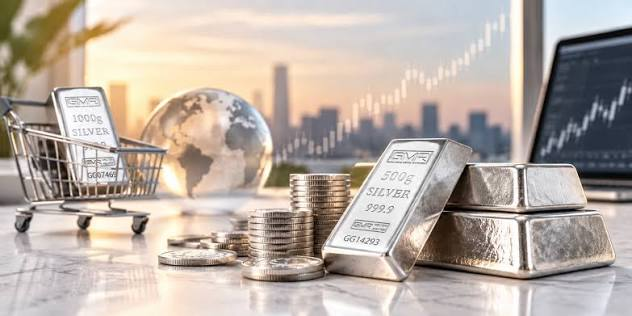
Silver bullion is physical silver valued primarily for its metal content rather than collectibility, decoration, or industrial use. For many buyers, it offers a straightforward way to own tangible silver in the form of bars, rounds, or silver bullion coins. This guide explains what affects its value, how to compare products, and what to consider before you purchase silver bullion.
What makes silver bullion valuable?
Silver bullion is valuable because it contains a measurable amount of refined silver that can be bought, sold, stored, and verified. Its worth is closely tied to the silver spot price, but the final retail price also includes premiums, product type, minting costs, dealer margins, and market demand. In simple terms, you are paying for the silver itself plus the cost of turning that silver into a trusted, tradable product.
Unlike jewelry or decorative silver items, bullion is usually designed for efficiency. A one-ounce round, a ten-ounce bar, or a government-issued coin makes the weight and purity clear. That transparency is part of the appeal: buyers can compare options based on ounces, purity, and price over spot without needing to judge craftsmanship or fashion value.
The spot price is only the starting point
The spot price of silver is the live market price for raw silver, usually quoted per troy ounce. It is an important benchmark, but it is not usually the exact price a retail buyer pays. When you see silver bullion for sale, the listed price normally includes a premium above spot.
That premium can change depending on several factors:
- Product form: Bars often carry lower premiums than smaller coins because they are simpler to produce in larger weights.
- Mint or refiner reputation: Recognized mints may command higher premiums because buyers trust their weight, purity, and authenticity.
- Size: Larger bars can be cheaper per ounce, while fractional pieces often cost more per ounce.
- Market conditions: During periods of high demand, premiums may rise even if the spot price stays relatively stable.
- Availability: Popular products can cost more when supply is tight.
This is why the cheapest silver bullion is not always the best fit for every buyer. A low premium is helpful, but it should be weighed against recognizability, liquidity, condition, and ease of resale.
Common forms of physical silver
Physical silver comes in several familiar formats, each with its own advantages. The right choice depends on whether you value low premiums, easy storage, recognizability, or flexibility when selling.
Silver bars
Silver bars are popular with buyers who want to maximize the number of ounces they receive for their money. They are commonly available in sizes such as one ounce, five ounces, ten ounces, kilo, and larger weights. Because bars are usually simple in design, they may have lower premiums than coins of the same weight.
The tradeoff is flexibility. A large bar can be efficient to store, but it must usually be sold as a single piece. If you want the option to sell smaller amounts over time, a mix of smaller bars or coins may be more practical.
Silver rounds
Silver rounds look similar to coins but are typically produced by private mints and do not carry legal tender status. They are valued for their silver content, not for a government face value. Rounds can be a practical middle ground because they are often easy to stack, widely available, and priced competitively.
Buyers should pay attention to the refiner, purity, and condition. A recognizable private mint can make resale easier than an obscure or poorly marked product.
Silver bullion coins
Silver bullion coins are usually issued by government mints and are often among the most recognizable physical silver products. They may carry higher premiums than bars or rounds, but many buyers appreciate their trust, standardization, and broad market acceptance.
These coins can be especially appealing for people who want smaller, easy-to-sell units. The higher upfront premium may be worthwhile if recognizability and liquidity matter more than getting the absolute lowest cost per ounce.
How should you compare silver bullion for sale?
Compare silver bullion for sale by looking at the total cost per ounce, not just the product price. A product may look cheaper at first glance, but shipping, payment fees, taxes, or a high premium can change the true cost. A fair comparison starts with the same weight, purity, and product category.
Use this quick checklist before you purchase silver:
- Check purity: Most investment-grade silver bullion is marked .999 fine silver or better.
- Calculate premium: Compare the item price with the current spot price to see how much extra you are paying.
- Review total delivered cost: Include shipping, insurance, payment method fees, and any applicable taxes.
- Consider resale: Recognized bars, rounds, and coins are often easier to sell than unfamiliar pieces.
- Verify the seller: Look for transparent pricing, clear policies, and a reputation for delivering authentic products.
- Think about storage: Make sure you have a secure, dry place to keep your silver in good condition.
A disciplined comparison can prevent emotional buying. Silver prices move, product availability changes, and popular items can sell quickly. Having a simple process helps you focus on value rather than urgency.
Premiums, liquidity, and the real cost of ownership
When people talk about value, they often focus only on the buy price. But silver bullion has two sides: what you pay to acquire it and what you may receive when you sell it. The spread between those two numbers matters.
A product with a very low premium may seem attractive, but if it is hard to resell, the savings may not be worth it. On the other hand, a widely recognized coin may cost more upfront but attract more buyers later. Liquidity is not guaranteed, yet recognizability can make a practical difference.
Storage is another part of ownership. Physical silver is durable, but it is also bulky compared with gold at the same dollar value. Buyers should plan for secure storage, avoid unnecessary handling, and keep purchase records organized. If you eventually sell, clear documentation can make the process smoother.
Why do people purchase silver bullion?
People purchase silver bullion for different reasons, including tangible ownership, portfolio diversification, long-term savings habits, and interest in precious metals. Some buyers like that physical silver is not a digital balance or paper claim. Others simply want direct exposure to a metal with a long history of monetary and industrial demand.
The best reason to buy is personal and practical. Silver bullion may appeal if you understand the costs, accept price volatility, and have a plan for storage and resale. It may not be suitable if you need short-term liquidity, dislike market swings, or are buying only because prices recently moved.
Common motivations include:
- Tangible value: Holding physical silver can feel more concrete than owning a financial instrument.
- Incremental buying: Smaller silver pieces make it possible to build a position gradually.
- Diversification: Some buyers use bullion as one part of a broader financial plan.
- Collecting crossover: Certain bullion coins combine metal value with attractive designs and strong recognition.
- Resale flexibility: Smaller coins and rounds can be sold in portions rather than all at once.
None of these reasons removes risk. Silver can rise or fall, and premiums can expand or contract. A thoughtful buyer treats bullion as a considered purchase, not a shortcut to guaranteed returns.
Choosing between low premium and high recognition
There is often a tradeoff between paying the lowest premium and buying the most recognizable product. If your main goal is accumulating ounces, simple bars or rounds may be appealing. If your main goal is easy resale, well-known silver bullion coins may deserve a closer look.
A balanced approach can work well. Some buyers keep lower-premium bars for efficient storage and recognized coins for flexibility. This avoids relying on one format and helps match different future needs.
Here is a simple way to think about it:
| Priority | Often worth considering | Why it may help |
|---|---|---|
| Lowest cost per ounce | Bars or basic rounds | Usually efficient for stacking weight |
| Easy recognition | Government-minted coins | Familiar designs may support resale confidence |
| Flexible selling | One-ounce coins or rounds | Smaller units can be sold gradually |
| Compact storage | Larger bars | More ounces in fewer pieces |
| Gift or beginner purchase | Recognized coins | Simple to understand and verify |
The “best” option is not universal. It depends on budget, storage space, selling plans, and how comfortable you are evaluating different products.
Practical tips before you buy
Before you purchase silver bullion, slow down and define your goal. Are you trying to buy the most silver for a set budget, choose a highly recognizable coin, or make a first-time purchase that is easy to understand? The answer will narrow your options quickly.
A few habits can improve your buying experience:
- Set a budget before browsing so price movement does not push you into a larger purchase than planned.
- Compare multiple product types rather than assuming coins, rounds, or bars are always best.
- Avoid products you do not understand, especially if the premium seems unusually high.
- Keep bullion in protective packaging when possible to reduce scratches and handling marks.
- Save invoices, order confirmations, and product details for your records.
It is also wise to learn common terminology. “Troy ounce,” “spot,” “premium,” “fine silver,” and “legal tender” all affect how bullion is priced and discussed. Understanding these basics makes it easier to compare listings and ask better questions.
A clear takeaway on silver bullion value
Silver bullion offers a direct way to own physical silver in standardized forms such as bars, rounds, and coins. Its value begins with silver content, but the buying decision should also account for premiums, recognizability, storage, and resale flexibility.
If you are looking at silver bullion for sale, do more than chase the lowest sticker price. Compare the total cost per ounce, choose products that match your goals, and buy from sources you trust. The strongest decisions are usually the simplest ones: understand what you are buying, know why you are buying it, and keep your expectations grounded.