


Gold Price Today - Ounce, Bullion, Grams & Coins

Live Global Gold Ounce Price (USD)
Spot Contracts

Futures Contracts
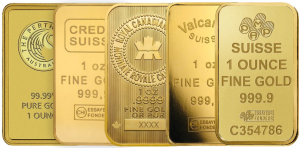
Local & Swiss 24K Gold Bars Retail Prices
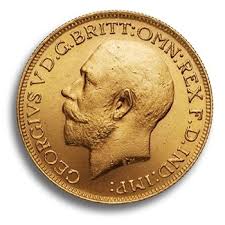
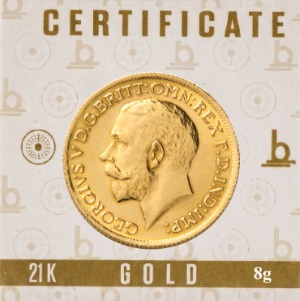
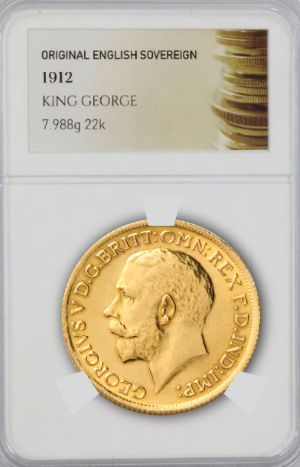
Gold Coins & Sovereigns Prices


⚠️ Note: Final retail prices at jewelry stores may vary depending on local crafting premiums, assaying fees, and merchant margins.
Gold Gram & Kilo Prices Table
This table updates automatically every minute via live feeds connected directly to global precious metals exchanges.

Live Gold Price Today – Essential Investor & Market Guide
The price of gold remains one of the most critical economic benchmarks monitored by investors, financial institutions, traders, and individual savers worldwide. Amid changing macroeconomic conditions and market volatility, gold continues to serve as a reliable safe-haven asset for wealth preservation, portfolio diversification, and hedging against inflation.
Through this dedicated live tracker, you can monitor real-time gold rates around the clock. We cover global spot ounce valuations, various purity grades (24K, 21K, 18K), internationally recognized bullion bars, regional ounces, and minted gold coins traded across global markets.
How Gold Prices Are Calculated Globally
Precious metal dealers and financial exchanges price physical gold based on the international spot price per troy ounce (XAU/USD) traded on major international exchanges such as COMEX and LBMA. This base value is then converted to per-gram rates and adjusted for local currencies.
When purchasing physical gold bars or jewelry, buyers should note that screen rates represent the raw bullion value. Final retail prices at retail stores typically account for additional factors, including manufacturing or crafting fees (workmanship), refining hallmarking, tamper-proof security packaging, and dealer profit margins.
Gold Purity Grades Explained
Understanding karat ratings is essential when buying physical gold, as each grade reflects a specific percentage of pure metal content:
- 24K Gold (99.9% Pure): The highest purity grade available. It is primarily used in investment-grade bullion bars, minted ingots, and central bank reserves due to its softness and high intrinsic metal value.
- 21K Gold (87.5% Pure): Highly favored for traditional jewelry making and minted bullion coins. It combines high gold value with added durability from minor alloy metals.
- 18K Gold (75.0% Pure): Widely used in modern luxury jewelry and gemstone-set accessories, offering greater structural strength and scratch resistance at an accessible price point.
Understanding Gold Ounce Pricing
The troy ounce (approximately 31.1035 grams of 99.9% pure gold) is the standard international unit of measurement for precious metals pricing. Institutional investors track spot ounce movements closely, as fluctuations at the ounce level drive immediate repricing across gram rates and physical inventories globally.
Gold Bars vs. Minted Coins
Investors seeking pure wealth preservation often prefer gold bars (such as LBMA-certified Swiss refiner bars) due to their low manufacturing premiums over spot price. Meanwhile, minted gold coins and sovereigns offer high portability, historic liquidity, and aesthetic appeal for individual collectors and long-term savers.
Frequently Asked Questions
How often do gold prices update?
Spot gold prices update continuously during active global trading sessions based on live buy and sell orders across international market desks.
Is physical gold a good long-term investment?
Yes, physical bullion (bars and coins) is universally regarded as an effective store of value over extended horizons, preserving purchasing power across currency cycles.
What is the difference between international and local gold bars?
Internationally certified bars (such as Valcambi or PAMP) feature global accreditation for seamless international resale, while local bars typically offer lower premium costs for domestic savers.