The 2026 World Cup was held with the participation of 48 teams, and included 104 matches over 39 days. Each team that reached the final played eight matches, compared to seven matches in the previous editions, after adding the round of 32 to the tournament. This means that the players of Spain and Argentina ended their actual season on July 19, after weeks of matches and movement between American cities.
The problem appears more clearly when comparing the final date to the periodical calendar. The Spanish League begins on the weekend of August 15 and 16, that is, only about 27 days after the final match. As for the English League, it starts on August 21, as well as the French League, while the Italian League starts on August 22 and 23. Only the German League gave clubs a relatively longer period, after it decided to delay its start until August 28 due to the World Cup.
The International Federation of Association Football (FIFA) had announced that there was an agreement to grant players a vacation of no less than 21 days at the end of the season, in addition to a rest period of no less than 72 hours between matches. If the Spanish and Argentinian players receive the full leave, their return will be around August 9, leaving the Spanish League players with less than a week before the start of the competition. As for English and French league players, they will only get about 12 days to train with their clubs.
This period is not enough to conduct a normal preparation period that includes medical examinations, regaining fitness, playing friendly matches, and adapting to any new coach or plan. Therefore, clubs will have two options: play their stars quickly with an increased risk of injury, or give them an additional period and delay their participation in the first rounds.
The FIFPro medical expert network recommends a much longer period, including 28 days of rest after the end of the season and another 28 days to prepare for the new season. However, applying this recommendation to players from teams that reached the final stages of the World Cup means they will be absent from the first weeks of the European leagues, and therefore it seems far from reality in light of the current calendar.
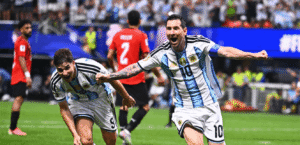
The effects of this problem began to appear before the start of the European leagues. Inter Miami announced that Lionel Messi and Rodrigo De Paul have entered the scheduled rest period after their participation with Argentina in the World Cup final, and that they will miss the team’s matches until they return in the coming weeks. The American League is already continuing, which caused the club to lose two of its most prominent players immediately after the end of the tournament.
Injury fears are not new. A study published after the Qatar 2022 World Cup showed that players in the five major European leagues spent an average of eight additional days out of action due to injuries during the months following the tournament. It is true that the Qatar World Cup was held in the middle of the season, but the study showed the impact of a rapid return to competitions without a sufficient recovery period.
This file comes in conjunction with the escalation of the dispute between FIFA and the European leagues. The president of the Spanish League, Javier Tebas, accused the International Federation of “destroying the football industry,” considering that expanding international tournaments increases the pressure of matches and harms local clubs and leagues. He also opposed the proposal to increase the number of 2030 World Cup teams to 64 teams, as it would entail an additional increase in the number of matches.
The cost of the 2026 World Cup will become clearer with the start of the season. Clubs that have a larger number of players from Spain, Argentina, England and France will have to manage their minutes carefully and rely on substitutes in the first rounds. The slow start for some stars may not be related to the technical level, but rather to a season that ended late and another that began before rest and preparation were complete.