


10 Karat Gold Value: How Much is 10k Gold Worth?
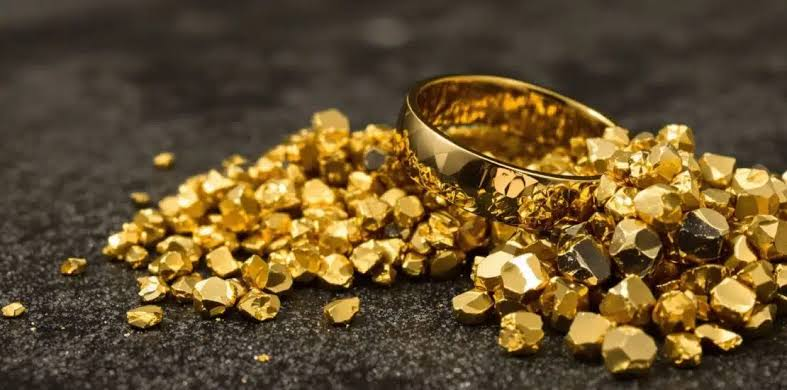
Gold jewelry has emotional value, style value, and resale value—but those are not always the same thing. 10 karat gold is one of the most common gold options because it balances durability, affordability, and a real gold content that can be calculated. If you are comparing jewelry, estimating resale value, or wondering whether to sell, understanding purity, weight, and market pricing will help you make a smarter decision.
What is 10 karat gold?
10 karat gold is an alloy made with 10 parts pure gold and 14 parts other metals, meaning it contains about 41.7% gold. The remaining metal content may include silver, copper, zinc, nickel, or other alloys, depending on the color and intended durability of the piece. Because it has more alloy metal than higher-karat gold, 10k gold is typically harder and more resistant to everyday wear.
That strength is one reason 10k jewelry is popular for rings, bracelets, chains, and pieces worn daily. Pure gold is soft, so jewelers mix it with other metals to make it more practical. A 10k ring may not have the rich gold content of 14k or 18k, but it can hold up well to frequent handling, knocks, and friction.
The tradeoff is that 10k gold has a lower melt value than higher-karat gold of the same weight. A 10-gram 10k chain contains much less pure gold than a 10-gram 18k chain. That does not make it “bad” gold—it simply means its value must be calculated based on its actual gold content.
The factors that determine 10k gold value
The value of 10k gold starts with math, but the final amount can also be shaped by condition, design, resale demand, and where you sell it. A buyer looking at scrap gold focuses mostly on weight and purity. A retail customer buying a wearable piece may also care about craftsmanship, brand, style, gemstone quality, and condition.
The most important value factors include:
- Purity: 10k gold contains about 41.7% pure gold, while 14k contains about 58.3% and 18k contains 75%.
- Weight: Gold is commonly weighed in grams, pennyweights, or troy ounces. More weight means more contained gold.
- Spot price: The market price of pure gold changes constantly, so any estimate is time-sensitive.
- Buyer margin: Pawn shops, gold buyers, and jewelers usually pay below melt value so they can cover refining, risk, labor, and profit.
- Condition and resale appeal: A clean, wearable chain or ring may be worth more as jewelry than as scrap.
- Stones and settings: Diamonds or gemstones may add value, but only if the buyer evaluates them separately.
This is why two pieces stamped “10k” can receive very different offers. A heavy plain bracelet may have strong scrap value, while a lighter ring with a dated design may be valued mostly for its gold content. On the other hand, a desirable, wearable piece may sell for more than its melt value in a private sale.
How much is 10k gold worth?
How much is 10k gold worth depends on the current pure gold spot price, the item’s weight, and the percentage of gold in 10k alloy. Since 10k gold is 41.7% pure gold, its raw metal value is calculated by multiplying the item’s weight by the current gold value per gram, then multiplying that number by 0.417. That gives an estimated melt value before buyer deductions.
A simple formula looks like this:
- Find the current price of pure gold per gram.
- Weigh the 10k item in grams.
- Multiply the gold price per gram by the item’s weight.
- Multiply that result by 0.417.
- Adjust for buyer payout, fees, or resale value.
For example, if you know the live pure gold price per gram, you can estimate the 10k gold price by applying the 41.7% purity factor. This does not guarantee what a shop will pay, but it gives you a realistic starting point. It also helps you recognize whether an offer is close to metal value or far below expectations.
When people search “how much is 10k gold,” they often want one fixed number. In reality, the number changes with the market and with the buyer. The best answer is not a static price—it is a method for checking value before you buy, sell, or negotiate.
Understanding 10k gold price per gram at pawn shop
The 10k gold price per gram at pawn shop locations is usually lower than the theoretical melt value. Pawn shops are businesses, and they must account for testing, holding inventory, refining costs, market changes, and the possibility that an item may not resell quickly. This does not mean every offer is unfair, but it does mean the listed gold market price is not the same as a cash offer.
Pawn shops may look at a gold item in two ways. If the piece is damaged, unpopular, or missing parts, they may value it as scrap. If it is clean, wearable, and likely to resell, they may consider retail demand as well. A simple men’s band, a sturdy chain, or a classic pair of earrings may receive a different kind of evaluation than a broken pendant.
Before accepting an offer, it helps to prepare:
- Check the stamp: Look for marks such as 10k, 10kt, or 417.
- Weigh the item: Use a gram scale if available, but remember stones and non-gold parts may be deducted.
- Check the current gold market: Use the live spot price as a reference, not as a guaranteed payout.
- Visit more than one buyer: Offers can vary from one pawn shop or gold buyer to another.
- Ask how the offer was calculated: A transparent buyer should be able to explain weight, purity, and payout percentage.
- Separate sentimental pieces: If the item has personal value, do not make a rushed decision based only on cash.
The more you understand the calculation, the easier it becomes to compare offers. Even if you choose the convenience of a pawn shop, you can walk in with realistic expectations.
10k gold compared with 14k and 18k gold
The main difference between 10k, 14k, and 18k gold is the amount of pure gold in each alloy. Higher karat gold contains more pure gold, which usually means a richer color and higher melt value. Lower karat gold contains more alloy metal, which often improves durability and lowers the purchase price.
Here is a practical comparison:
| Gold type | Pure gold content | Common strengths | Common tradeoffs |
|---|---|---|---|
| 10k gold | About 41.7% | Durable, affordable, good for daily wear | Lower gold value and lighter gold color |
| 14k gold | About 58.3% | Balanced purity, durability, and appearance | Costs more than 10k |
| 18k gold | 75% | Rich color, higher gold content, luxury feel | Softer and more expensive |
This comparison matters when looking at both the 10k gold price and the 18k gold price. An 18k item of the same weight contains significantly more pure gold, so its melt value will be higher when all other factors are equal. However, that does not automatically make 18k the better choice for everyone.
If you want jewelry for everyday use, 10k can be practical and budget-friendly. If you want a deeper yellow tone or a higher gold content, 18k may be more appealing. If you want a middle ground, 14k is often considered a versatile option.
Why the 18k gold cost is higher
The 18k gold cost is higher primarily because 18k gold contains 75% pure gold. That is a much larger gold share than 10k, so the raw metal value rises quickly. In retail jewelry, the cost may also reflect design, craftsmanship, brand positioning, and the perception of 18k as a more premium material.
Still, higher cost does not always mean better for your situation. An 18k ring may feel more luxurious, but it can show wear more easily than a 10k ring if worn heavily. A 10k chain may not have the same gold richness, but it may be more resistant to bending or scratching during daily use.
The right choice depends on what you value most: durability, appearance, budget, resale value, or luxury feel. For many buyers, 10 karat gold offers a practical entry point into real gold jewelry. For others, 18k gold is worth the premium because of its color and higher intrinsic value.
Smart tips before buying or selling 10 karat gold
Buying or selling gold is easier when you slow down and separate facts from assumptions. A stamp can tell you the karat, but it does not tell you the full story. Weight, condition, design, and market timing all matter.
Use this checklist before making a decision:
- Confirm the karat mark and have the item tested if the stamp is unclear.
- Know the weight in grams, excluding non-gold components when possible.
- Compare melt value and resale value instead of assuming they are the same.
- Avoid pressure sales or rushed offers, especially with sentimental items.
- Get multiple quotes if you are selling more than a small piece.
- Keep documentation for branded, antique, or gemstone jewelry.
- Consider wearability if you are buying; a durable piece you wear often may be a better value than a higher-karat piece that stays in a box.
It is also useful to think about your goal. If you are buying jewelry, value includes comfort, style, longevity, and how often you will wear it. If you are selling, value is more about what a buyer can reasonably pay today based on gold content and resale potential.
The real value of 10k gold
10k gold is valuable because it contains real gold, but its value is best understood through purity and weight rather than guesswork. It is not as gold-rich as 14k or 18k, yet it offers durability and affordability that make it a practical choice for many types of jewelry. That balance explains why 10k gold remains common in everyday rings, chains, pendants, and bracelets.
If you are asking “how much is 10k gold worth,” start with the live gold price, calculate the 41.7% gold content, and then factor in the buyer’s margin or the piece’s resale appeal. If you are comparing it with the 18k gold price, remember that 18k has more pure gold, but also a higher cost and softer feel. The best decision is the one that matches your budget, your use, and your expectations for long-term value.