


Kilo of Silver Price: Current Rates & Buying Guide
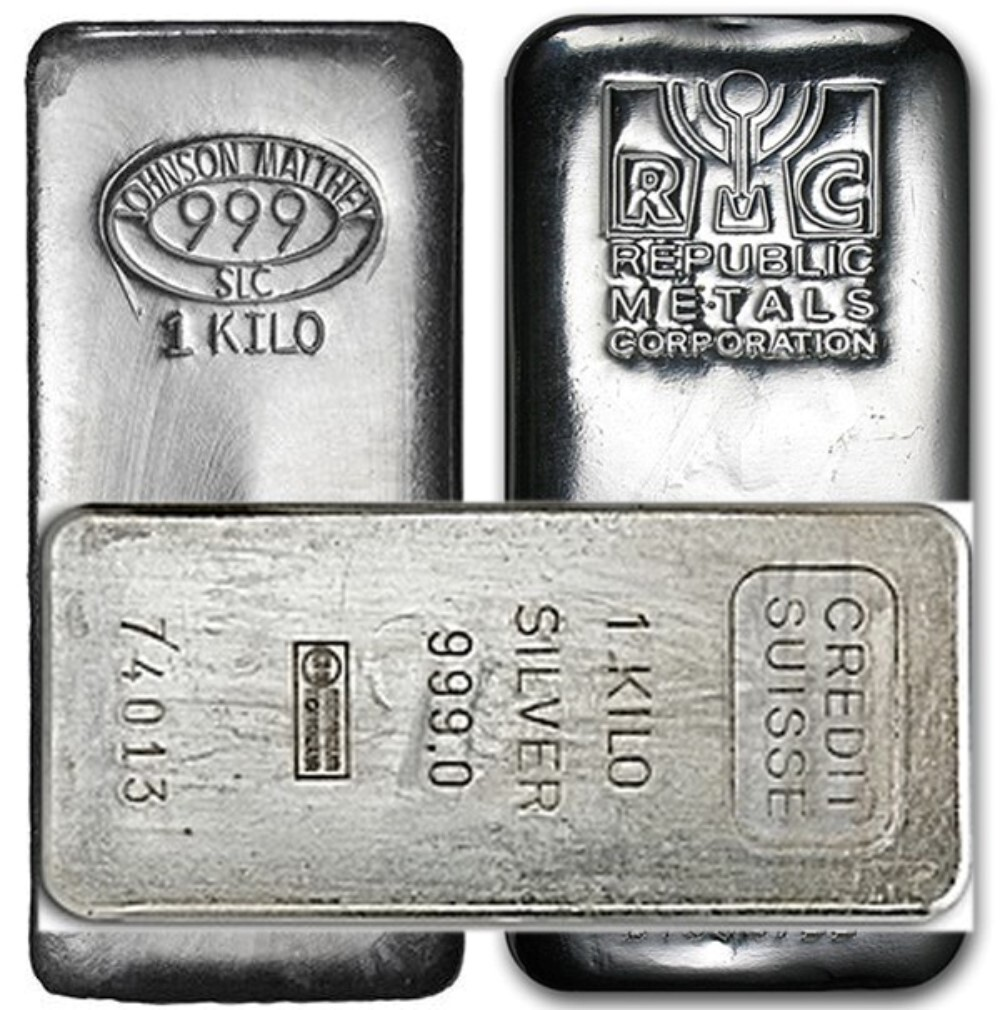
Silver is priced globally by the troy ounce, but many investors shop in larger formats, making the kilo of silver price a practical benchmark. A 1 kilo silver bar contains just over 32 troy ounces, so even small movements in spot silver can noticeably change the value of a full bar. This guide explains how to calculate the current value, what is driving pricing trends, and what to compare before buying or selling.
How much is a kilo of silver worth right now?
As of October 8, 2026, one widely followed market data source listed silver at about $59.95 per troy ounce, which puts the metal value of a 1 kilo silver bar at roughly $1,927.44 before dealer premiums, shipping, taxes, or buy/sell spreads. Because spot prices move throughout the trading day, the live 1 kilo of silver price you see from a bullion dealer may be higher or lower by the time you place an order. (ycharts.com)
That number is best understood as the melt value, not necessarily the final retail price. Retail bars often trade above spot because dealers must cover fabrication, inventory, payment processing, insurance, and market risk. When selling, you may be offered spot, slightly below spot, or a premium for highly recognizable bars, depending on market conditions and the buyer’s appetite.

How many ounces in a kilo of silver?
There are 32.1507466 troy ounces in a kilogram, so the short answer to “how many ounces in a kilo of silver?” is usually rounded to 32.15 troy ounces. This matters because precious metals are quoted in troy ounces, not the everyday avoirdupois ounces used for groceries and household items; NIST lists one troy ounce as 31.1034768 grams, which is the conversion used to calculate a 1kg silver price. (nist.gov)
If you are asking “how many oz in a kilo of silver,” make sure the answer refers to troy oz, not regular ounces. A kilogram is 1,000 grams, and dividing 1,000 by 31.1034768 gives 32.1507466 troy ounces. That simple conversion is the foundation for understanding how much is a kilo of silver at any given spot price.
Use this quick formula:
- Spot silver price per troy ounce × 32.1507466 = approximate 1 kilo silver melt value
- Example using $59.95 spot: $59.95 × 32.1507466 = about $1,927.44
- For a rough estimate, multiply spot silver by 32.15
- For retail pricing, add the dealer premium and any applicable costs
The kilo format is popular because it balances size and flexibility
A 1 kilo silver bar sits in a useful middle ground. It is larger than a 1 oz round or coin, but it is still small enough for many private buyers to store, handle, and resell without dealing in 100 oz or 1,000 oz formats. That makes the kilo of silver an attractive option for people who want meaningful exposure to physical silver without buying dozens of small pieces.
The larger format can also improve cost efficiency. In many markets, a kilo bar has a lower premium per ounce than smaller coins because manufacturing and packaging costs are spread across more metal. However, the trade-off is liquidity: a one-ounce coin can be sold in smaller increments, while a kilo bar usually requires selling the whole bar at once.
For buyers comparing formats, the key is not simply “which bar is cheapest?” It is “which bar gives me the best total value for how I plan to hold, store, and eventually sell?” A kilo bar may be efficient for long-term stacking, while smaller pieces may be better for gradual selling.
Current pricing trends are being shaped by investment and industrial demand
Silver’s pricing story is not only about precious-metal sentiment. It is also an industrial metal used in electronics, solar technology, automotive applications, brazing alloys, and other sectors. The Silver Institute noted that the silver market was expected to remain in deficit for a sixth consecutive year in 2026, with investment demand helping offset weakness in some industrial, jewelry, and silverware categories. (silverinstitute.org)
That mixed demand profile makes silver more volatile than some buyers expect. When investors seek hard assets, silver can move with gold and other safe-haven trades. When industrial expectations soften, the market may also respond to manufacturing demand, solar-sector changes, or substitution efforts.
Important forces to watch include:
- Spot price volatility The kilo of silver price changes directly with spot silver. A $1 move per troy ounce changes the metal value of a kilo bar by about $32.15.
- Physical market tightness When wholesale supply is tight or retail demand spikes, premiums can widen even if spot prices are flat.
- Industrial demand shifts Silver demand can be supported by data centers, automotive electronics, and other technologies, while some sectors try to use less silver per unit when prices rise.
- Investment demand Coins, bars, and exchange-traded products can influence sentiment, especially during periods of macroeconomic uncertainty.
- Recycling and mine supply Higher prices can encourage scrap selling and recycling, but new mine supply does not always respond quickly.
Premiums can matter as much as spot price
Many shoppers search “how much is 1 kilo of silver worth” and expect one clean answer. The spot-based answer is useful, but it is not the entire market. A bar’s actual transaction price depends on the spread between what a dealer charges to sell and what a buyer will pay to repurchase.
For example, two dealers may show the same spot price but quote different final prices because their premiums, payment policies, and shipping terms differ. A recognizable bar from a major refiner may also command stronger resale interest than a generic bar, even when both contain the same amount of fine silver. Packaging, serial numbers, assay information, and condition can all affect buyer confidence.
Before you compare a 1 kilo of silver price, look at the full order total. A slightly lower listed premium can disappear once shipping, card fees, or minimum order requirements are added. Likewise, a slightly higher price from a reputable source may be worthwhile if it improves authenticity confidence and resale convenience.
A practical checklist for comparing kilo silver prices
Use this checklist before buying or selling a kilo bar:
- Confirm the unit: Make sure the quote is based on troy ounces, not regular ounces.
- Calculate melt value: Multiply the live spot price by 32.1507466.
- Check the premium: Compare the dealer’s price against melt value, not just against another product.
- Review buyback terms: A low purchase price is less attractive if the dealer’s buyback spread is wide.
- Consider recognizability: Well-known refiners and mints may be easier to resell.
- Inspect purity: Most bullion kilo bars are sold as .999 or .9999 fine silver, but always verify the product listing.
- Include all costs: Shipping, insurance, payment method fees, and sales tax can change the effective 1kg silver price.
- Think about exit strategy: If you may need to sell in smaller pieces, a mix of kilo bars and smaller silver products may offer more flexibility.
This kind of comparison helps you avoid focusing only on the headline price. The best deal is the one that fits your holding period, resale plan, and tolerance for premiums.
Kilo silver pricing rewards buyers who know the math
The most useful habit for silver buyers is learning to separate spot value, retail price, and resale value. Spot value tells you what the metal is worth on the wholesale market. Retail price tells you what it costs to acquire the bar. Resale value tells you what the market may pay you when you exit.
For a kilo bar, the math is straightforward: one kilogram equals 32.1507466 troy ounces, and the kilo of silver price follows that conversion. If spot silver rises by $5 per ounce, the metal value of a kilo bar rises by about $160.75. If spot falls by $5, the same approximate amount comes off the melt value.
That leverage to each spot-price move is why kilo bars feel substantial even though they are not the largest bullion format. A 1 kilo silver purchase is big enough for price swings to matter, but still accessible compared with very large wholesale bars.
The takeaway for today’s silver market
Current silver pricing is being influenced by a blend of investor demand, industrial use, supply constraints, and changing physical-market premiums. For anyone tracking the kilo of silver price, the essential steps are simple: start with the live spot price, multiply by 32.1507466, then compare the final dealer price against that melt value.
A kilo bar can be a practical way to hold physical silver, especially for buyers who want more metal per piece and potentially lower per-ounce premiums than smaller products. Just remember that “how much is a kilo of silver” is a live-market question, not a fixed answer. Check the current spot price, understand the premium, and make sure the format matches your long-term plan before you buy or sell.