


Gold Ingot Price Guide: Key Factors & Market Trends
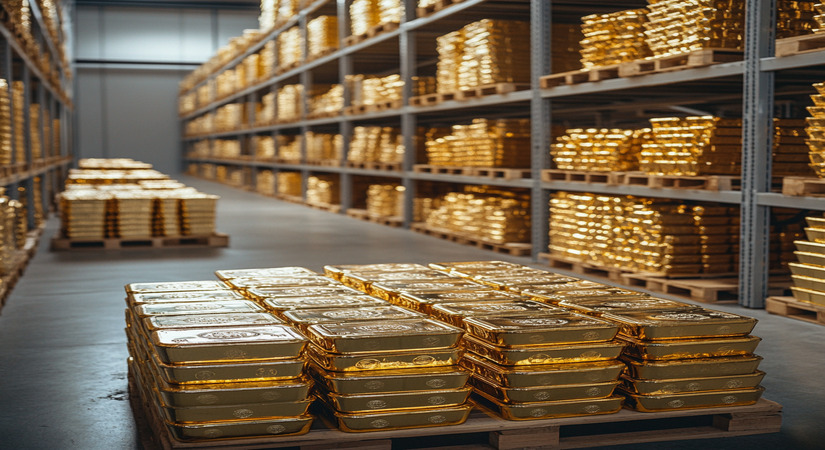
Gold ingots are valued for their purity, portability, and long history as a store of wealth, but their pricing can feel confusing when the market moves from day to day. The gold ingot price is shaped by the global spot price of gold, the weight and purity of the bar, dealer premiums, availability, and broader economic sentiment. Understanding these moving parts helps buyers compare offers more confidently and avoid treating every gold bar quote as if it were interchangeable.
Why does the gold ingot price change?
The gold ingot price changes because gold is traded globally, priced continuously in major markets, and influenced by supply, demand, currency movements, and investor behavior. When buyers see a different quote today than they saw last week, the change may reflect a shift in the underlying gold spot price, a change in dealer premium, or both. This is why the listed gold ingot cost can vary even when the physical product looks exactly the same.
At the center of most pricing is the spot price of gold. Spot price is the market price for gold before retail costs are added. A buyer does not usually purchase a bar at spot because dealers must account for fabrication, handling, insurance, shipping, verification, and business margin. The difference between spot and the final retail price is commonly called the premium.
Gold prices also react to larger economic moods. When investors feel uncertain about inflation, interest rates, currency strength, or market stability, demand for physical gold may rise. When confidence in other assets improves, some buyers may pull back. These shifts can affect both the base price of gold and the premiums charged for popular bar sizes.
The main factors behind gold ingot cost
A gold ingot may look simple, but its price includes several layers. Some are tied to the global market, while others are tied to the specific bar you are buying. Knowing the difference helps you compare a 1 pound gold bar, a smaller fractional bar, or a larger cast bar without focusing only on the headline price.
Key pricing factors include:
- Spot gold price: The foundation of most quotes. If the market price of gold rises, the retail price of 24k gold bullion usually rises too.
- Weight: Larger bars cost more in total because they contain more gold, but they may carry a lower premium per ounce than smaller bars.
- Purity: Many investment-grade bars are 24k gold bullion, often marked as .999 or .9999 fine gold. Purity directly affects value.
- Manufacturing method: Minted bars may carry higher premiums than rougher cast bars because of finishing, packaging, and presentation.
- Brand and refiner reputation: Bars from widely recognized refiners may be easier to resell and may command stronger buyer confidence.
- Dealer premium: Retailers set premiums based on inventory, demand, operating costs, and market conditions.
- Payment and delivery costs: Wire fees, card processing fees, shipping, insurance, and storage can all affect the final out-of-pocket cost.
The practical takeaway is simple: the lowest advertised number is not always the best deal. A slightly higher price from a reputable dealer with clear buyback policies and verified products may be preferable to a vague offer with unclear authenticity or hidden fees.
Weight, purity, and form matter
Gold ingots are commonly discussed by weight, but not all weight descriptions are equally familiar to every buyer. Some bars are sold by gram, some by troy ounce, and some by larger units. A 1 pound gold bar can sound straightforward, yet buyers should confirm whether the seller is referring to standard pounds, troy measurements, or another format. Precious metals are traditionally priced by the troy ounce, so unit clarity matters.
Purity is just as important. A bar described as 24k gold bullion should contain very high-purity gold, but buyers should still look for stamped markings, assay information, serial numbers when applicable, and packaging details. If a product description is unclear about purity, weight, or refiner, the price comparison becomes unreliable.
The form of the bar also affects buyer expectations. Minted bars often have polished surfaces, sealed packaging, and clean presentation. Cast bars tend to look more rugged and may appeal to buyers focused on metal content rather than appearance. Neither form is automatically better; the right choice depends on whether the buyer values presentation, liquidity, storage efficiency, or premium control.
How is a gold block price different from a coin price?
A gold block price is generally based more directly on gold content and bar premium, while a coin price may include additional value for legal-tender status, design, collectability, or limited mintage. Bars and ingots are often preferred by buyers who want efficient exposure to physical gold, whereas coins may appeal to those who want smaller units, recognizable designs, or numismatic potential. Both can be legitimate options, but they should not be compared by price alone.
Gold bars are often simpler to evaluate when the goal is bullion ownership. The buyer looks at weight, purity, refiner, premium, and resale path. Coins may require more attention to condition, edition, year, and collector demand. For someone focused mainly on metal value, a bar can provide a more direct way to compare the cost per ounce.
However, liquidity can vary. Well-known coins may be easy to sell in small quantities, while larger bars may require a buyer with more capital. On the other hand, larger bars can sometimes offer lower premiums per unit of gold. The “better” option depends on how much flexibility the buyer wants when selling later.
Market sentiment and currency effects
Gold is commonly discussed as a hedge, but its price does not move in a straight line. It can rise during uncertainty and fall during periods when investors favor other assets. Interest rate expectations, inflation concerns, geopolitical risk, and currency strength can all influence demand. Even if the amount of gold inside a bar never changes, the market’s willingness to pay for that gold can change quickly.
Currency is another important piece. Gold is widely quoted in U.S. dollars, so changes in dollar strength can affect how gold feels priced to buyers in different countries. A buyer in the United States may focus on dollar quotes, while an international buyer may experience a different effective cost after exchange rates are considered.
This is one reason search behavior can be broad and multilingual. Someone may search for goldbarren usa when looking for U.S.-available gold bars, while another person may search locally for bullion dealers, bar sizes, or gold storage options. The words may differ, but the underlying question is usually the same: what is the fair price for verified physical gold right now?
Dealer premiums can widen or narrow
Premiums are not fixed. In calm markets with steady supply, common bar sizes may trade at relatively predictable premiums. During periods of heavy retail demand, limited inventory, or shipping disruption, premiums can widen. That means the retail gold ingot cost may rise faster than the spot price alone would suggest.
Premiums also differ by bar size. Smaller bars are convenient and accessible, but they often cost more per ounce because fabrication and handling costs are spread over less gold. Larger bars may be more efficient on a per-ounce basis, but they require more capital and can be less flexible when it is time to sell.
A buyer comparing premiums should calculate the total cost per unit of gold rather than looking only at the product price. If two dealers list the same bar at different prices, check whether shipping, insurance, payment method, and taxes are included. A quote that appears cheaper upfront may become less competitive after extra charges are added.
A practical checklist before buying
Buying physical gold requires more than finding a listing that says gold for sell. Careful buyers take a few extra steps before sending payment, especially when purchasing online or from an unfamiliar seller.
Use this checklist before committing:
- Confirm the live spot price context. Know whether the quote is reasonable compared with the current market.
- Verify weight and unit. Check whether the bar is listed in grams, troy ounces, kilograms, or another measure.
- Check purity. Look for clear markings such as 24k gold bullion, .999, or .9999 fine gold where applicable.
- Review the refiner or mint. Recognized names can support resale confidence.
- Compare full delivered cost. Include premiums, payment fees, shipping, insurance, and any applicable taxes.
- Read the buyback policy. A clear resale path can matter as much as the purchase price.
- Avoid pressure tactics. Be cautious with sellers who push urgency without transparent pricing.
- Plan secure storage. Decide whether you will use home storage, a safe deposit option, or professional vaulting.
This checklist will not remove market risk, but it can reduce avoidable mistakes. The goal is to buy a clearly identified product at a transparent price from a source you can evaluate.
What should buyers watch before purchasing a 1 pound gold bar?
Buyers considering a 1 pound gold bar should watch the spot price, the premium per ounce, the bar’s exact weight standard, the refiner’s reputation, and the likely resale process. Larger bars can be efficient, but they also concentrate more value in a single item, so authenticity and liquidity become especially important. A buyer should understand not only what the bar costs today, but how easily it may be sold later.
It is also wise to think about storage before purchase. A larger bar may be compact, but its high value means security matters. Insurance, documentation, photographs, receipts, and secure handling should all be part of the plan. If a buyer expects to sell gradually over time, several smaller bars may provide more flexibility than one large bar, even if the premium is slightly higher.
Comparing offers without getting overwhelmed
Gold pricing can feel noisy because quotes change frequently and sellers display information differently. One dealer may emphasize the product price, another may highlight the premium over spot, and another may promote limited inventory. To compare fairly, reduce every offer to the same basic question: how much verified gold am I receiving, and what is my total cost to own it?
A simple comparison table can help:
| Factor to compare | Why it matters |
|---|---|
| Total delivered price | Shows the real amount you pay after fees and shipping |
| Cost per troy ounce | Makes different bar sizes easier to compare |
| Purity and refiner | Supports authenticity and resale confidence |
| Packaging and assay | Helps with verification and future buyer trust |
| Buyback terms | Shows how easy it may be to exit the position |
| Storage needs | Adds practical cost and responsibility |
If you are new to gold, avoid rushing into the largest purchase first. Start by learning how quotes are built, how premiums work, and how different dealers present pricing. A more informed buyer is less likely to overreact to normal market movement or mistake a high-pressure sales pitch for a rare opportunity.
Final takeaway
Gold ingot prices fluctuate because physical bullion sits at the intersection of global markets and real-world retail costs. The spot price sets the foundation, but weight, purity, premium, supply, dealer reputation, and delivery costs shape the final number a buyer sees. Whether you are comparing a small bar, a gold block price, or a 1 pound gold bar, the smartest approach is to focus on transparent pricing, verified metal, and a realistic plan for storage and resale.
Physical gold can be simple in form, but buying it well requires careful comparison. Once you understand what drives the gold ingot price, daily movement becomes less mysterious and each quote becomes easier to evaluate on its merits.