


Today’s Gold and Silver Prices & Market Insights
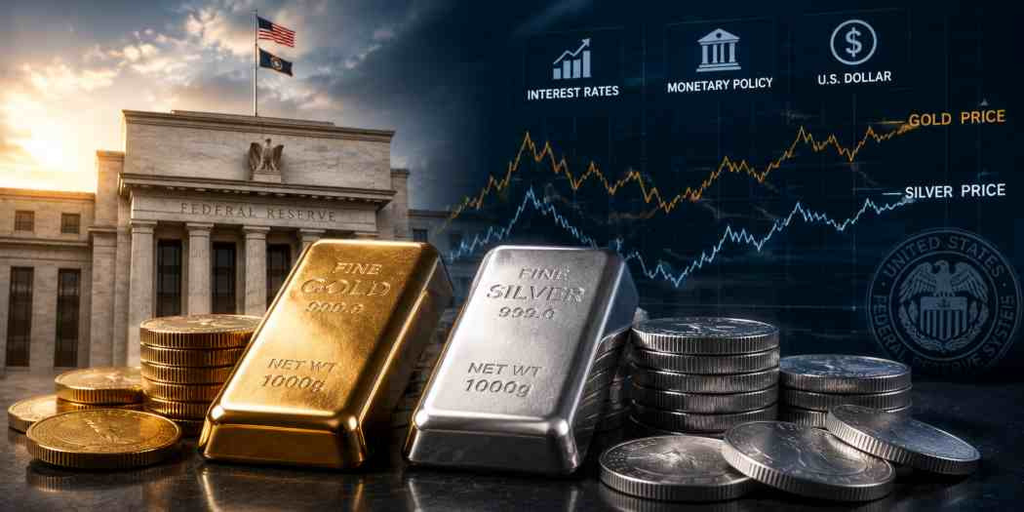
Gold prices move for many reasons, from interest-rate expectations and currency strength to investor fear, jewelry demand, and mining supply. Silver often moves alongside gold, but it has its own industrial demand patterns, which is why people commonly track gold and silver prices together before buying, selling, or planning a portfolio decision. This guide explains what causes price swings, how to read market quotes, and what to watch when checking the spot price of gold and silver.
Why do gold prices fluctuate?
Gold prices fluctuate because the market is constantly balancing demand for safety, expectations about inflation, interest rates, currency movements, and the available supply of physical metal. When investors feel uncertain, gold may attract more attention as a store of value; when confidence rises or yields become more appealing elsewhere, demand can cool. The result is a price that can shift daily, and sometimes sharply, even when the metal itself has not changed.
The most important thing to understand is that gold is both a commodity and a financial asset. It is used in jewelry, technology, and central bank reserves, but it is also traded by investors who react quickly to economic news. That mix creates a market where emotion, policy, and physical demand all matter.
Silver adds another layer. People often search for the gold and silver price today because the two metals are linked in investor behavior, yet silver is more tied to industrial use. Solar panels, electronics, medical applications, and manufacturing demand can influence silver in ways that do not affect gold as strongly.
The major forces behind precious metal prices
Precious metal prices rarely move because of a single event. More often, several factors overlap. A stronger dollar, changing inflation expectations, and a shift in investor sentiment can all happen in the same week, making the market feel unpredictable.
Key drivers include:
- Interest rates: Gold does not pay interest. When interest-bearing assets become more attractive, some investors may reduce exposure to gold. When rates are expected to fall, gold can become more appealing.
- Inflation expectations: Gold is often viewed as a hedge against declining purchasing power. If investors worry that money will buy less in the future, gold demand may rise.
- Currency strength: Gold is typically priced in U.S. dollars. When the dollar strengthens, gold can become more expensive for buyers using other currencies, which may pressure demand.
- Economic uncertainty: Recession fears, banking stress, political instability, or market volatility can push investors toward assets perceived as safer.
- Central bank activity: Central banks can influence demand when they add to or reduce gold reserves.
- Jewelry and physical demand: Seasonal buying, cultural festivals, and consumer demand in major markets can affect physical gold flows.
- Mining supply and production costs: Mine output, labor issues, energy costs, and regulatory changes can influence long-term supply conditions.
None of these factors guarantees a specific price move. Markets often react to expectations before the actual event occurs, which is why gold may rise or fall before an interest-rate announcement, inflation report, or major economic update.
Gold and silver move together, but not identically
Gold and silver are often discussed in the same breath because both are precious metals, both have a long history as stores of value, and both are traded globally. That is why buyers compare gold and silver prices before deciding which metal fits their goals. Still, their markets are not identical.
Gold is more closely associated with wealth preservation, central bank reserves, and investment demand. Silver has investment appeal too, but a larger share of its demand comes from industrial uses. This can make silver more sensitive to manufacturing trends, technology demand, and broader economic cycles.
Because silver generally trades at a lower price per ounce than gold, it can also experience larger percentage moves. A relatively small dollar move in silver may represent a bigger percentage change than a similar dollar move in gold. This is one reason silver can feel more volatile to short-term traders.
When reviewing the silver gold rate, it helps to ask what is driving each metal. If both are rising, the market may be responding to inflation fears or weaker currency conditions. If gold rises while silver lags, investors may be prioritizing safety over industrial growth. If silver outperforms gold, industrial optimism or speculative buying may be playing a role.
What is the spot price of gold and silver?
The spot price of gold and silver is the current market price for immediate delivery in global wholesale trading. It is the reference point many dealers, investors, and market watchers use, but it is not always the exact price a retail buyer pays. Coins, bars, rounds, and jewelry usually include premiums, production costs, dealer margins, and sometimes taxes or shipping.
This distinction matters. Someone checking the current gold silver rate online may see a live market quote and assume that is the checkout price for a coin or bar. In reality, the final price can be higher for physical products, especially when demand is strong or inventory is tight.
A few common pricing terms are worth knowing:
- Spot price: The live benchmark price for the metal itself.
- Bid price: What a buyer in the market is willing to pay.
- Ask price: What a seller is willing to accept.
- Spread: The difference between bid and ask prices.
- Premium: The extra cost above spot for a physical product.
- Melt value: The value of the metal content alone, separate from collectibility or craftsmanship.
Understanding these terms helps prevent confusion when comparing offers. A search for “silver gold silver price” or “gold and silver price today” may show many results, but not every quote reflects the same product, purity, weight, or transaction cost.
Reading daily price changes without overreacting
Daily gold price movements can look dramatic, especially when financial headlines focus on short-term swings. But not every move signals a major trend. Some changes are normal market noise caused by trading volume, currency shifts, or investors reacting to one data release.
A practical way to read the market is to separate short-term movement from long-term context. If gold rises for one day after an inflation report, that may show a quick reaction. If it trends higher over several months while rates fall and economic uncertainty grows, the move may reflect a deeper change in investor behavior.
Use this simple checklist when reviewing precious metal prices:
- Check the timeframe. Is the price change happening over minutes, days, months, or years?
- Compare gold and silver. Are both metals moving together, or is one leading?
- Look at the dollar. A strong or weak dollar can influence metal prices.
- Review interest-rate expectations. Markets often move on what investors think central banks will do next.
- Note the premium. If buying physical metal, compare the product price with the spot price.
- Avoid emotional decisions. A sudden move does not automatically mean it is the right time to buy or sell.
This approach does not predict the future, but it creates discipline. Instead of reacting to every tick, you can look for the reason behind the movement and decide whether it matters for your goal.
Supply, demand, and investor psychology all matter
Gold’s supply changes slowly. Mines take time to develop, production can be expensive, and recycling depends partly on whether holders are motivated to sell. Because supply is not easily increased overnight, changes in demand can have a noticeable impact on price.
Demand, however, can shift quickly. Investors may buy gold exchange-traded products, futures contracts, coins, or bars when they want exposure. Jewelers may adjust purchases based on consumer demand and seasonal patterns. Central banks may add to reserves for strategic reasons.
Psychology is just as important. Gold has a unique emotional role in financial markets. It is associated with stability, independence, and protection against uncertainty. When trust in paper assets weakens, interest in physical assets can grow. When markets feel calm and risk assets are performing well, some investors may pay less attention to gold.
Silver psychology is slightly different. Investors may see it as both a precious metal and a growth-linked commodity. That dual identity can cause silver to rise with gold during safe-haven periods, but also rally when industrial demand expectations improve.
How buyers can compare gold and silver prices more clearly
Comparing metals is easier when you use consistent measurements. Gold and silver are commonly quoted per troy ounce, not the standard ounce used in everyday household measurements. Purity also matters: a one-ounce product is not always one ounce of pure metal unless it is specified that way.
When comparing prices, pay attention to:
- Weight: Troy ounces, grams, kilos, and fractional sizes are not interchangeable without conversion.
- Purity: Common investment-grade products list fineness, such as .999 or .9999.
- Product type: Coins, bars, rounds, and jewelry can carry different premiums.
- Dealer pricing: Two sellers may use the same spot price but different premiums.
- Buyback policy: The selling price matters, but so does what a dealer may pay when you sell.
- Storage and insurance: Physical metals may involve additional ownership considerations.
This is especially useful when checking the silver gold rate across multiple sources. One site may show a live market quote, while another shows retail product pricing. Comparing them without context can make one option look cheaper or more expensive than it really is.
Building a calmer habit around market updates
It is easy to check gold and silver price today and feel pressured to act immediately. Markets are designed to move constantly, and live charts can make every small change seem urgent. A better habit is to decide in advance why you are watching prices.
If you are learning, focus on patterns and market drivers. If you are buying physical metal, compare premiums and product details. If you are investing, consider how gold or silver fits with your broader goals, risk tolerance, and time horizon.
The current gold silver rate is useful information, but it should not be the only information. Price tells you what the market is doing now. Context helps you understand whether that movement is meaningful.
The key takeaway
Gold prices fluctuate because they sit at the intersection of economics, policy, investor emotion, and physical demand. Silver often follows similar signals, but its industrial role can make it behave differently. Watching gold and silver prices together gives a fuller picture, especially when you understand the difference between spot quotes, retail premiums, and long-term trends.
Whether you are tracking precious metal prices for education, buying decisions, or portfolio planning, avoid treating every daily move as a signal. Look at the drivers, compare gold and silver thoughtfully, and use the spot price of gold and silver as a starting point rather than the whole story.