

Buy Silver at Spot: Tips for Best Prices & Deals
Silver spot price is the live reference price for one troy ounce of silver, usually quoted in U.S. dollars, before dealer premiums, product costs, shipping, taxes, or storage are added. If you are comparing coins, rounds, or bars, understanding spot helps you judge whether an offer is truly competitive or simply advertised well. This guide explains what spot means, why physical silver often costs more than spot, and how to evaluate claims like “silver for sale at spot” without overpaying.
What does the silver spot price mean?
The silver spot price is the market price for silver for near-immediate settlement, commonly quoted per troy ounce. In major precious-metals markets, media quotes often refer to metal delivered “Loco London,” and spot transactions typically settle on a spot date rather than instantly in your hand. The LBMA Silver Price is also an internationally recognized benchmark for silver delivered in London and is set once daily in U.S. dollars per troy ounce. (lbma.org.uk)
For everyday buyers, the key point is simple: spot is a benchmark, not the final checkout price for physical bullion. A live silver chart may show a moving number, while a dealer’s product page shows a retail price that includes the silver value plus a premium. That premium is where many buying decisions are won or lost.
Spot also changes constantly during active market hours. On October 8, 2026, live silver references showed XAG/USD moving around the high-$50s per troy ounce, while the previous day’s trading range in one market data source spanned roughly the high-$50s to low-$60s. Those numbers are a snapshot, not a promise; always check a live quote before you buy. (invest.alexlexington.com)

The retail price is spot plus the real cost of ownership
When shoppers search for the best price on silver bars, they often focus only on the headline premium. That is understandable, but it can be misleading. The true cost of a silver purchase includes the product premium, payment method fees, shipping, insurance, sales tax where applicable, and sometimes storage.
A one-ounce bar with a low premium may not be the cheapest choice after shipping. A larger bar may offer a lower per-ounce premium but less flexibility when you eventually sell. A promotional offer may look excellent until you notice minimum order requirements or delayed availability.
Use spot as your anchor, then compare the all-in cost per ounce. This keeps the decision practical instead of emotional, especially when silver prices are moving quickly.
Common costs above spot
- Dealer premium: The markup over spot that covers sourcing, minting, handling, and business costs.
- Fabrication cost: Bars, rounds, and coins require production, packaging, and distribution.
- Shipping and insurance: Heavy silver orders can be expensive to ship securely.
- Payment spread: Some sellers charge more for credit cards than bank wires or checks.
- Taxes: Sales tax rules vary by location and product type.
- Buy/sell spread: The price you pay to buy is usually higher than the price a dealer pays you to sell.
These costs do not automatically mean a dealer is expensive. They simply mean that “spot” and “in your hand” are different things.
Why “silver for sale at spot” deserves a closer look
Offers advertising silver for sale at spot can be legitimate, but they are often limited, promotional, or tied to specific conditions. A dealer might offer a starter pack at spot for new customers, discount a small quantity of rounds, or use spot pricing to attract buyers who may purchase additional products. In those cases, the offer can be useful if you read the terms carefully.
The phrase can also be used loosely. Sometimes “at spot” means the metal value is calculated from spot before other charges are added. Other times, the base product price is at spot, but shipping, payment fees, or taxes still raise your final cost. That is why the checkout total matters more than the banner.
If you see silver for sale at spot, pause before assuming it is the lowest possible deal. Confirm the exact quantity, product type, purity, condition, delivery timeline, and final price per ounce. A transparent seller should make these details easy to understand.
Where can I buy silver at spot price?
You may be able to buy silver at spot prices through limited dealer promotions, new-customer offers, local coin shop deals, private-party transactions, or occasional secondary-market opportunities. However, consistent access to physical silver at true spot is uncommon because sellers must cover acquisition, handling, and operating costs. If your search is “where can i buy silver at spot price,” the better question is usually: where can I buy silver with the lowest trustworthy all-in cost?
Local coin shops can be worth checking because they may have generic rounds, circulated silver, or buyback inventory priced close to spot. Online bullion dealers can be competitive because they display inventory and pricing clearly, especially on common bars and rounds. Private sellers may offer attractive prices, but authentication, safety, and payment risk become more important.
A smart approach is to compare at least three sources on the same day. Silver spot can move while you are shopping, so record the live spot price and the final delivered price for each option.
Places buyers commonly compare
- Online bullion dealers: Often strong for selection, transparent pricing tiers, and bulk bar options.
- Local coin shops: Useful for inspecting products in person and avoiding shipping delays.
- Coin shows: Good for comparing multiple sellers, though quality and pricing vary.
- Private marketplaces: Potentially lower prices, but higher risk if you cannot verify authenticity.
- Bank or brokerage alternatives: Not usually for physical delivery, but relevant for silver exposure.
If you are wondering where to buy silver at spot, remember that the safest answer may not be the absolute cheapest one. Reputation, clear policies, and product verification matter.
Comparing bars, rounds, and coins near spot
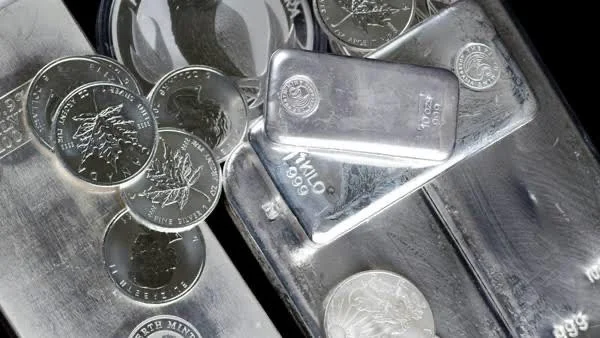
Silver bars often appeal to buyers seeking low premiums. If your goal is simply to accumulate ounces, bars can be efficient, especially in common sizes such as 10-ounce or kilo bars. The best price on silver bars usually appears in widely recognized, easy-to-resell products rather than obscure designs.
Silver rounds are privately minted pieces that resemble coins but are not legal tender. They can be a practical middle ground because many carry lower premiums than government coins while remaining easy to count, store, and sell. Generic rounds are often popular with buyers who want silver content over collectibility.
Government-minted coins typically carry higher premiums because of recognizability, demand, and mint production costs. They may still be worthwhile if liquidity and trust matter more to you than the lowest upfront price. A widely recognized coin can sometimes be easier to sell than a lesser-known bar, even if it costs more to buy.
Quick comparison
| Product type | Typical appeal | Watch for |
|---|---|---|
| Silver bars | Lower premiums, efficient storage | Larger sizes may be harder to sell in small portions |
| Silver rounds | Flexible, often close to spot | Verify weight, purity, and mint reputation |
| Government coins | Recognition and liquidity | Higher premiums over spot |
| Junk silver | Familiar fractional silver content | Condition, wear, and melt-value calculations |
No single format is best for everyone. The right choice depends on whether you value low premium, easy resale, divisibility, appearance, or long-term storage.
How to calculate whether a silver deal is fair
The simplest way to judge a deal is to calculate the premium per ounce and the percentage over spot. This removes the guesswork and lets you compare different product sizes fairly. It also helps you avoid being distracted by packaging, urgency language, or “limited-time” claims.
Start with the final price you will pay, including shipping and payment fees. Divide that amount by the number of troy ounces you are buying. Then subtract the live spot price to find the premium per ounce.
For example, if the final delivered price is meaningfully above spot, ask what you are receiving in exchange. Is it a highly liquid coin? A trusted brand? Faster insured delivery? If the answer is no, keep shopping.
Simple buying checklist
Before you place an order, confirm:
- The live silver spot price used by the seller
- The final delivered cost per troy ounce
- Product weight and purity, such as .999 fine silver
- Whether the item is new, secondary market, circulated, or damaged
- Shipping, insurance, and signature requirements
- Sales tax treatment in your location
- Dealer buyback policy or typical resale options
- Return window and cancellation rules
- Seller reputation and authentication practices
This checklist is especially helpful when searching phrases like “where can i buy silver at spot” or “where to buy silver at spot price.” It shifts your focus from the advertisement to the actual economics of the purchase.
Timing matters, but discipline matters more
Many buyers try to wait for the perfect dip. That can work occasionally, but it can also lead to hesitation while premiums, availability, or spot price move against you. Silver is known for sharp price swings, so a plan matters more than a perfect prediction.
Some buyers use dollar-cost averaging, purchasing a fixed dollar amount or fixed number of ounces on a regular schedule. Others set a target premium and buy only when common products fall within that range. Both approaches can reduce emotional decision-making.
The important thing is to define your purpose. Are you buying as a long-term store of value, a collectible interest, an inflation hedge, or a short-term trade? Each goal changes what “good price” means.
Red flags when shopping close to spot
A very low price is not always a bargain. Counterfeit bullion, unclear shipping terms, pressure tactics, and vague product descriptions can turn a cheap order into an expensive mistake. If a seller cannot clearly explain what you are buying, how it will be delivered, and what happens if there is a problem, be cautious.
Be especially careful with private-party deals that require irreversible payment methods. Meeting locally can reduce shipping uncertainty, but it introduces safety and authentication concerns. Bring a scale, magnet, calipers, or professional testing support when appropriate.
Online, look for clear product photos, written policies, insured shipping, and realistic premiums. If every other seller is charging more and one unknown source claims unlimited silver at spot, there is probably a reason.
A practical way to buy with confidence
If you want to buy silver at spot prices, treat spot as your starting point, not your only requirement. First, check a reliable live spot quote. Next, decide which product type fits your goal. Then compare the final cost per ounce from multiple sellers, including all fees.
For many buyers, the best deal is not true spot. It is a fair premium on a recognizable product from a seller they trust. That combination gives you a better chance of buying confidently and selling smoothly later.
So, where to buy silver at spot? Look for legitimate promotions, compare local and online options, and focus on total delivered cost. If you are asking where can i buy silver at spot price, the honest answer is: sometimes, but not always—and when you can, the details matter.
Final takeaway
Silver spot prices today give you the benchmark you need to evaluate any bullion offer. They do not tell the whole story, because physical silver comes with premiums, logistics, and resale considerations. Use spot to stay grounded, calculate your all-in cost per ounce, and compare sellers carefully.
The most successful buyers are rarely the ones chasing every flashy “at spot” claim. They are the ones who understand the market, verify the math, and choose silver products that fit their goals.