


1 oz Gold Bar: Value, Price & Buying Guide
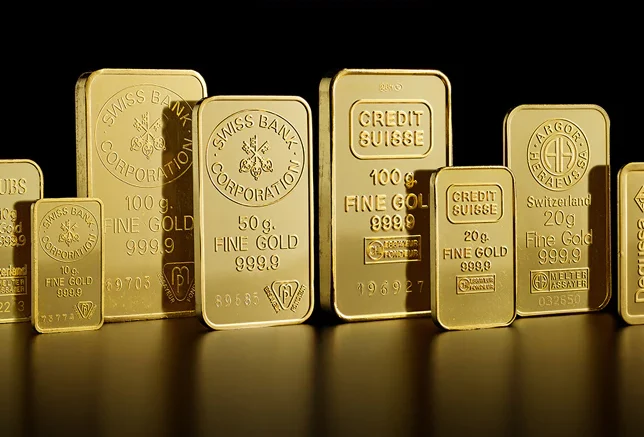
A single ounce of gold can look small in the palm of your hand, but it represents one of the most recognized stores of value in the world. Whether you are comparing a 1 ounce gold bar, a coin, or a 1 ounce gold biscuit, the value comes from a mix of weight, purity, market price, and trust in the product itself. Understanding those basics helps you compare options more confidently and avoid focusing on price alone.
What does 1 oz gold actually mean?
1 oz gold usually refers to one troy ounce of gold, not the regular ounce used for everyday items in the United States. A 1 troy ounce weight equals about 31.103 grams, while a standard ounce equals about 28.35 grams. That difference matters because precious metals are priced and traded by the troy ounce, so the term “1 oz” in gold markets has a specific meaning.
When someone talks about one ounce of gold bullion, they are typically describing a gold bar, coin, or round that contains one troy ounce of fine gold. The product may weigh slightly more if it includes another metal for durability, but the key figure is the actual gold content. For example, many investment-grade bars are marked with weight, purity, and refiner information so buyers can see exactly what they are purchasing.
This is also why searches like “1 ounce how much” can be confusing. The answer depends on whether the question is about weight, size, or market value. In gold, “one ounce” is first a measure of weight, and its money value changes with the gold spot price.
The main factors behind gold’s value
The value of 1 oz gold is not random. It reflects global demand, supply, currency movements, investor sentiment, and the reputation of the product being bought or sold. Gold is used for investment, jewelry, central bank reserves, technology, and wealth preservation, so its price responds to many forces at once.
A few practical factors shape what a buyer actually pays:
- Spot price: This is the live market price for gold, usually quoted per troy ounce. It is the baseline for valuing bullion.
- Premium: Dealers add a premium above spot to cover manufacturing, distribution, insurance, business costs, and profit.
- Purity: Investment-grade gold is often .999 or .9999 fine, meaning it is very close to pure gold.
- Brand or mint: Well-known refiners, mints, and assay-certified bars may be easier to recognize and resell.
- Product type: Bars, coins, and specialty pieces can carry different premiums even when they contain the same amount of gold.
- Market conditions: During periods of heavy demand, premiums may rise even if the spot price is relatively stable.
This means the 1 oz gold bar price you see from a dealer is usually not identical to the spot price. It includes the value of the metal plus the costs and market conditions tied to turning raw gold into a trusted, tradable product.
The difference between spot price and retail price
Spot price is the starting point, while retail price is what you actually pay. If gold is quoted at a certain amount per troy ounce, a finished 1 ounce gold bar will usually cost more than that quoted figure. The difference is the premium.
Premiums vary because bullion products are not all produced, packaged, or traded in the same way. A simple cast bar may have a lower premium than a beautifully struck coin. A sealed bar with an assay card may carry a different premium from a loose bar. A limited-edition collectible item may cost far more than its gold content alone, though that extra cost may not always be recovered when selling.
For investors focused mainly on metal value, the goal is often to keep premiums reasonable and buy products that are widely recognized. For collectors, design, mintage, condition, and history may matter more. Knowing which category you fall into can prevent you from paying for features you do not actually need.
Why do people buy one ounce of gold bullion?
People buy one ounce of gold bullion because it offers a balance of meaningful value, portability, and broad recognition. A one-ounce piece is large enough to represent a serious holding, but small enough to store, transport, and sell more easily than larger bars. It is also a common size, which can make comparison shopping more straightforward.
Gold does not produce income like a dividend-paying stock or rental property. Its appeal is different: it is a tangible asset that is not tied to a single company, bank account, or paper promise. For some buyers, that makes it useful as a long-term hedge, an emergency reserve, or a way to diversify beyond financial assets.
The one-ounce size is popular because it sits in the middle of the bullion market. Smaller fractional pieces can be easier to sell in parts but often have higher premiums per ounce. Larger bars may offer lower premiums but require more capital and can be less flexible when it is time to sell. A 1 ounce gold format gives many buyers a practical compromise.
Common forms of 1 oz gold
Not every one-ounce gold product looks or behaves the same in the market. The best choice depends on whether you care most about low premiums, easy resale, collectability, or gift value.
1 ounce gold bar
A 1 ounce gold bar is one of the most straightforward ways to buy gold by weight. Bars are often produced by private refiners or government mints and may be minted, cast, or pressed. Many come sealed in packaging with an assay card that lists the weight, purity, and serial number.
Bars are popular with buyers who want a simple bullion product without paying extra for coin design or legal tender status. They are usually easy to store because of their flat shape and uniform sizing. The main thing to watch is recognition: bars from reputable refiners are typically easier to sell than obscure or poorly documented pieces.
1 ounce gold coin
Gold coins can contain one troy ounce of fine gold while also carrying a face value issued by a government mint. Their market value usually comes from the gold content, not the face value. Coins may cost more than bars because they require more detailed production and often have stronger collector appeal.
Some buyers prefer coins because they are familiar, widely traded, and harder to mistake for generic metal. However, the premium can vary by coin type, condition, and demand. If the goal is purely bullion exposure, compare the total cost per ounce before choosing a coin over a bar.
1 ounce gold biscuit
A 1 ounce gold biscuit is another term often used for a small gold bar, especially in some regional markets. The word “biscuit” usually refers to the shape and size rather than a separate category of gold. Like any bar, its value depends on weight, purity, brand recognition, and authenticity.
If you are comparing a gold biscuit with a standard bar, focus on the markings and documentation. Look for the stated weight, purity, refiner name, and any serial number or assay details. The more easily a future buyer can verify the piece, the easier it may be to resell.
A practical checklist before buying
Buying gold is not complicated, but it rewards careful comparison. Before purchasing 1 oz gold, slow down and check the details that affect both value and resale.
- Confirm the unit: Make sure the product contains 1 troy ounce of gold, not one standard ounce.
- Check purity: Look for clear markings such as .999 or .9999 fine gold.
- Compare premium over spot: Do not compare only the final price; compare how much above spot you are paying.
- Review the seller: Choose a reputable dealer with transparent pricing, clear policies, and established market presence.
- Look for documentation: Assay cards, serial numbers, invoices, and original packaging can support authenticity.
- Understand buyback terms: A good purchase plan includes knowing how and where you might sell later.
- Plan storage: Decide whether you will use home storage, a safe deposit box, or professional vaulting.
This checklist matters because the lowest price is not always the best value. A hard-to-verify bar bought cheaply may become a problem when selling. A slightly higher premium for a widely recognized product can sometimes be worth it if liquidity is important to you.
Storage, security, and liquidity all matter
Owning physical gold comes with responsibilities that paper investments do not. You need to protect it from theft, loss, and damage, and you should keep purchase records organized. Even though gold is durable, the packaging and documentation can affect buyer confidence.
Home storage offers immediate access, but it also requires serious security planning. Bank safe deposit boxes may add separation from your home but can have access limitations. Professional storage services may offer insurance and auditing, but they introduce ongoing costs and require trust in a third party.
Liquidity is just as important. A common 1 ounce gold bar or coin from a known source is often easier to sell than a novelty item or unfamiliar brand. If you expect to sell quickly in the future, choose products that dealers regularly quote and buy back.
How to think about gold as part of a bigger plan
Gold can play a role in a broader financial plan, but it should not be viewed as a guaranteed shortcut to profit. Its price can rise or fall, sometimes sharply, and timing the market is difficult. The strongest reason to own physical gold is usually long-term diversification rather than short-term speculation.
Think about your purpose before buying. Are you trying to preserve wealth, diversify savings, prepare for uncertainty, give a meaningful gift, or build a tangible collection? Each goal can lead to a different product choice and storage method.
It also helps to decide how much flexibility you want. If you may need to sell small amounts, fractional gold could be useful despite higher premiums. If you want lower cost per ounce and can commit more capital, one-ounce pieces may be more efficient. If you want maximum simplicity, a widely recognized 1 ounce product is often easier to understand than a collectible item with many pricing variables.
Final takeaway
The value of 1 oz gold starts with one troy ounce of fine metal, but the final price depends on much more than weight. Spot price, premium, purity, brand recognition, form, and resale demand all shape what a buyer pays and what a seller may receive later.
A 1 ounce gold bar, coin, or biscuit can be a practical way to hold physical bullion when chosen carefully. Focus on trusted products, transparent pricing, secure storage, and a clear reason for buying. When you understand those basics, one ounce of gold bullion becomes easier to evaluate—not just as a shiny object, but as a tangible asset with real-world considerations.