The Sultanate of Oman is working on preparing a new proposal to regulate navigation traffic in the Strait of Hormuz through two separate routes, following the conclusion of a round of discussions with Iran in Muscat, which dealt with arrangements for the security of the Strait and freedom of transit through it.
CNN quoted a source familiar with the talks as saying that the draft Omani proposal stipulates organizing navigation through two lanes, each subject to separate arrangements, while keeping the two lanes open to ship movement.
According to the source, the proposal allows freedom of navigation in the southern corridor located within Omani territorial waters, according to the arrangements that prevailed before the outbreak of war, while ships crossing the northern corridor within Iranian territorial waters are required to obtain prior approval from Tehran, without imposing fees on them.
For its part, the ABC network reported, citing an American official and an informed source, that Iranian Foreign Minister Abbas Araghchi returned to Tehran carrying the Omani proposal, which stipulates operating the southern route of the strait without any obstacles.
On the other hand, Axios reported, citing a knowledgeable diplomat, that the Iranian delegation was unable to agree to the proposal during the Muscat meeting, and referred the file to Tehran for internal discussions.
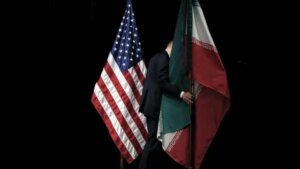
During his visit to Muscat on Saturday, Iranian Foreign Minister Abbas Araqchi discussed with his Omani counterpart Badr al-Busaidi the appropriate mechanisms to ensure the safe passage of ships through the Strait of Hormuz, based on Article 5 of the US-Iranian memorandum of understanding signed in June 2026.
Article Five stipulates Iran’s commitment to reopening the Strait of Hormuz and ensuring the safe passage of ships and removing military obstacles. It also includes technical arrangements requiring the passage of commercial ships without fees for a period of 60 days, with a period of 30 days to remove obstacles, in addition to launching an Iranian-Omani dialogue to determine the mechanism for future management of the Strait in accordance with international law.
These discussions come after the United States, on Friday, called on Iran to make a public pledge not to target ships in the Strait of Hormuz, and to keep all its passages open to commercial navigation, at a time when Tehran asserts that the situation in the Strait will not return to what it was before the war, and intends to impose what it describes as a “services allowance” on ships, while Washington adheres to freedom of navigation.