In light of the escalation of the media controversy over developments in navigation security in the Strait of Hormuz, Saudi Arabia indirectly denied what was circulated in some press reports regarding Gulf countries lifting restrictions on the US military’s use of their bases and airspace, stressing its adherence to the policy of calm and its refusal to be drawn into escalation.
In this context, the Undersecretary of the Saudi Ministry of Foreign Affairs for Diplomatic Affairs, Ambassador Raed Qrimli, stressed that the Kingdom “continues its position in support of calm and avoiding escalation, and supports negotiations and efforts made to reduce tension,” in reference to developments related to the regional escalation in the region.
Qarmali added, in a post on the “X” platform, that Saudi Arabia “continues to warn against media reports attributed to unknown sources, some of which claim to be Saudi, and contradict the Kingdom’s firm position in support of stability and peace,” in an indirect response to what was published regarding the Gulf position on American military movements in the region.
These Saudi positions come after a report by the American “Wall Street Journal” newspaper, which said that Saudi Arabia and Kuwait had lifted restrictions imposed on American forces’ use of their bases and airspace, which the newspaper considered a step that would facilitate American operations related to shipping lanes in the region.
According to the report, these supposed facilities come in the context of an American operation aimed at securing or reorganizing shipping traffic in the Strait of Hormuz, which sparked a wave of media and political controversy about the nature of the Gulf role in any potential confrontation between the United States and Iran.
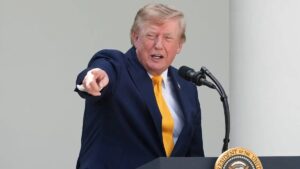
On the other hand, the last hours witnessed a parallel escalation in the military discourse between Washington and Tehran, as US President Donald Trump announced that three American destroyers had crossed the Strait of Hormuz “with great success” despite what he described as Iranian attacks with missiles, drones and speedboats.
Trump added that the recent American strikes against Iranian targets were nothing more than a “light slap,” while the Iranian Revolutionary Guard published clips that he said documented the response to the American forces, stressing that “the enemy inflicted noticeable losses” and forced “the three enemy ships” to withdraw from the region.
The Revolutionary Guards’ naval forces also announced that they responded to what they described as “violations of the ceasefire and American aggression,” stressing that the response came “firmly” to the American military movements in the vicinity of the Strait.
On the other hand, NBC News quoted sources as saying that Trump backed away from a plan to reopen the Strait of Hormuz after pressure from regional allies, amid talk about Saudi Arabia preventing the US army from using its bases and airspace, which is information that Riyadh did not officially confirm and merely warned against inaccurate reports.
This discrepancy in narratives reflects the extent of the complexity surrounding the issue of the Strait of Hormuz, one of the most important global sea lanes, in light of the escalating tension between Washington and Tehran, and the overlapping of regional and international accounts in any military or security movement in the region.
According to its recent statements, Saudi Arabia confirms its continued adoption of a diplomatic approach based on reducing escalation and avoiding sliding into open confrontations, at a time when international efforts are intensifying to contain tension and ensure the stability of vital sea lanes for energy and global trade.