In an unprecedented escalation that threatens the security of global navigation and energy, Iranian media reported the outbreak of continuous clashes in the Strait of Hormuz between the Iranian armed forces and American naval vessels for hours on Friday morning, amid an exchange of accusations between Tehran and Washington regarding the military escalation in the Gulf.
The Iranian Fars Agency quoted informed sources as saying that the confrontations began following American naval movements in the vicinity of the Strait, stressing that Iranian forces are “confronting hostile movements” in the region.
On the other hand, Fox News quoted an American official that the US military targeted Iranian oil tankers, which he said were trying to “break the maritime blockade” imposed on Tehran, without revealing the extent of the damage or losses resulting from the operations.
Iranian sources also confirmed that the armed forces thwarted, last night, an American attempt to target an Iranian oil tanker in the Gulf waters, considering that the American moves represent a “dangerous escalation” that threatens navigation and energy security in the region.
In a remarkable development, US Central Command (Centcom) announced that US forces are imposing a blockade on more than 70 oil tankers carrying more than 166 million barrels of Iranian oil, valued at more than $13 billion, stressing that these ships are prevented from entering or leaving Iranian ports.
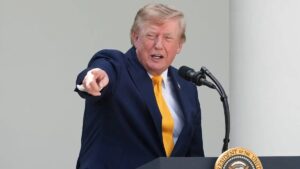
Washington described the naval blockade imposed since April 13, 2026, as “the most comprehensive” against Iran, while US President Donald Trump praised the military measures, considering that they constitute an “impenetrable wall of steel.”
Trump said that commercial ships have begun diverting their routes away from the Strait of Hormuz towards American ports to buy oil from the United States, stressing that his country possesses “enormous amounts of oil” and is not facing an energy crisis.
In statements to reporters at the White House, Trump indicated that Washington is still conducting negotiations with Iran despite the continuing military tensions, stressing that “the ceasefire still exists.”
The American President also claimed that 3 American destroyers crossed “difficult areas” in the Strait of Hormuz, and that American forces “completely crushed the Iranian forces” after coming under fire, stressing that the American response came with “much greater firepower.”
The Strait of Hormuz is one of the most important strategic passages in the world, as a large percentage of global oil and gas exports pass through it, making any military confrontation there a direct threat to international markets and global energy security.