In a decisive position that reflects the escalation of political tension, Nabih Berri stressed that “there is no point in negotiating with Israel under fire,” in his first comment on the statement of the American embassy in Beirut, which called for a direct meeting between Joseph Aoun and Israeli Prime Minister Benjamin Netanyahu.
Berri told Asharq Al-Awsat that the statement “expresses itself,” adding that he had nothing to add, noting that he had stopped “starting his engines,” and that his position came in response to what President Aoun issued during his reception of the economic bodies, in reference to the latter’s talk about full coordination with him regarding the negotiation file, which prompted him to apologize for attending the meeting that was scheduled at the Republican Palace in the presence of Prime Minister Nawaf Salam.
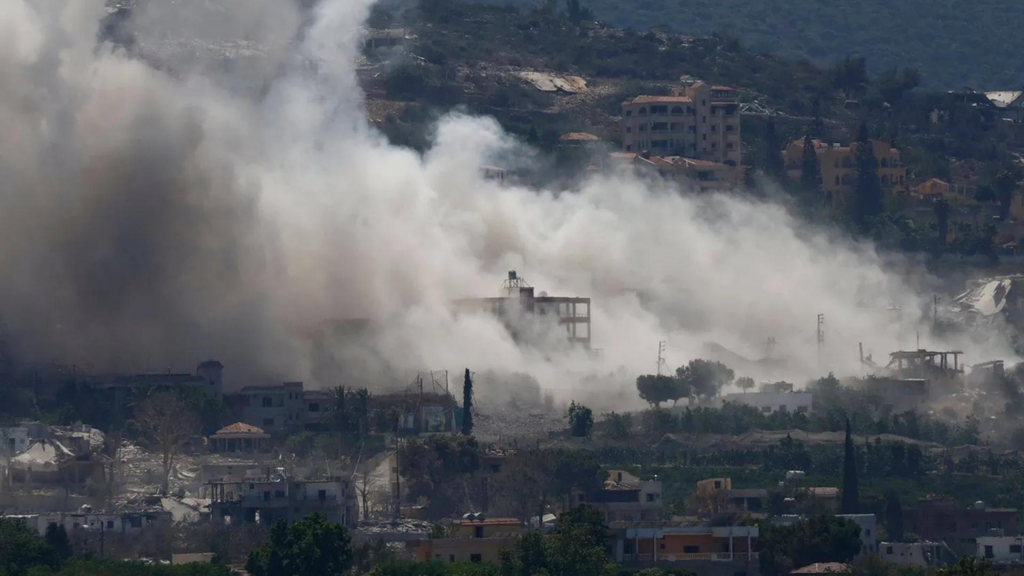
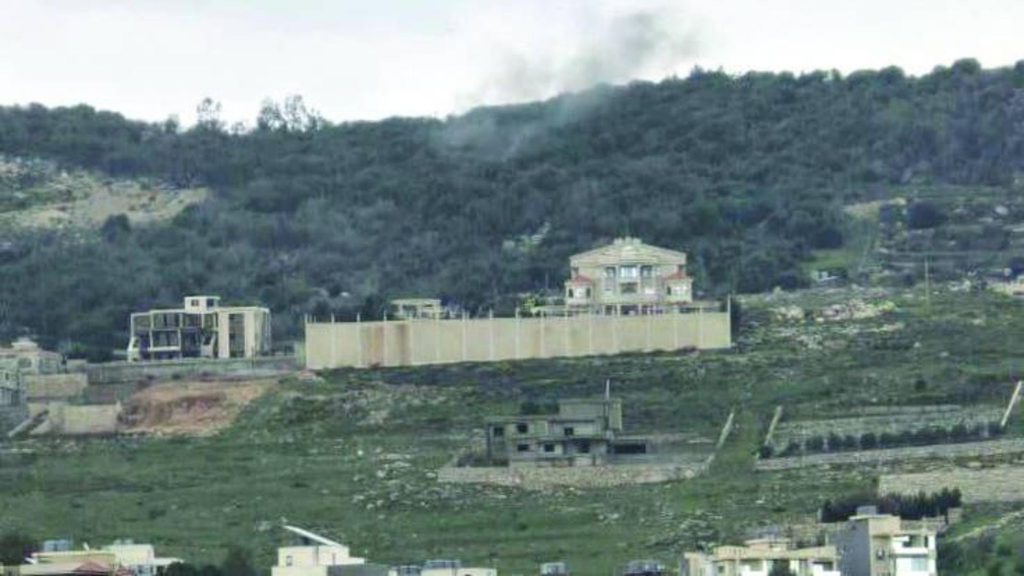
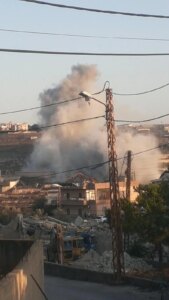
In a related context, Berri wondered about the feasibility of extending the truce for three weeks mediated by US President Donald Trump, saying: “Where is this truce?”, pointing to the continuation of Israeli military operations, from destroying towns and demolishing homes, to targeting civilians and ambulance teams, which led to the martyrdom of dozens of paramedics and health sector workers.
He added that the “alleged truce” did not lead to a cessation of hostilities, but rather allowed Israel to continue its military operations and commit massacres, without actual American intervention to oblige it to maintain the ceasefire, despite Washington’s role in reaching this extension, questioning the feasibility of negotiations in light of the continuation of military operations.
On the other hand, a parliamentary source revealed to Asharq Al-Awsat that the discrepancy between Presidents Aoun and Berri does not go beyond a difference in the interpretation of the US State Department statement, stressing that mediations took place to cool the atmosphere and prevent this discrepancy from turning into a political rift, in light of the delicate circumstances that Lebanon is going through.
The source indicated that the three presidents agreed on the priority of establishing a ceasefire before entering into any negotiations, considering that any negotiating path must be preceded by a comprehensive cessation of hostilities, which is what the American administration is supposed to work on.
He also pointed out that the recent cabinet session contributed to reducing tension and opened the way for reactivating communication between presidents, in the context of seeking to crystallize a unified approach to the negotiations file.
Regarding the background of the situation, the source explained that the cessation of hostilities agreement sponsored by the United States and France in 2024 was not implemented, but rather witnessed repeated violations by the Israeli side, which later expanded to include areas outside the south, reaching the southern suburbs of Beirut and the Bekaa.
He stressed that Hezbollah adhered to a long-term ceasefire that lasted 15 months, in exchange for continued Israeli violations, amid the absence of effective American pressure to compel Israel to implement its obligations, which led to the complexity of the negotiating scene.
In this context, the source considered that the three-week truce remained “ink on paper,” and allowed Israel to expand its military operations and turn the south into an open area for operations, while continuing the policy of pressure with fire to push Lebanon towards making concessions.
He concluded by stressing that any direct negotiations with Israel must be preceded by clear guarantees, first and foremost the establishment of a ceasefire and the return of the displaced, warning that responding to pressure to hold a quick meeting with Netanyahu without these conditions may lead to tension in the internal arena and raise the level of tension.