In a new indication of escalating security concerns in northern Israel, the Home Front Command approved a series of new field procedures for the settlements adjacent to the border with Lebanon, in a step that reflects estimates of the development of the confrontation and the expansion of its scope in the next stage.
According to what Channel 12 reported, the Israeli Home Front decided to classify the border areas with southern Lebanon among what is known as the “yellow zones,” a security classification that imposes restrictions on daily life, most notably reducing the size of gatherings and restricting educational activities.
She explained that the new directives will enter into force early next week, at a time when the heads of local councils in the north have been informed of the expected changes, as part of a plan aimed at raising the level of preparedness in the face of any possible escalation.
In the same context, the channel quoted the commander of the northern front in the Israeli army as saying that “the campaign in Lebanon will continue for several months,” in a statement that reflects a trend towards a relatively long battle, going beyond the limited nature that prevailed in previous stages.
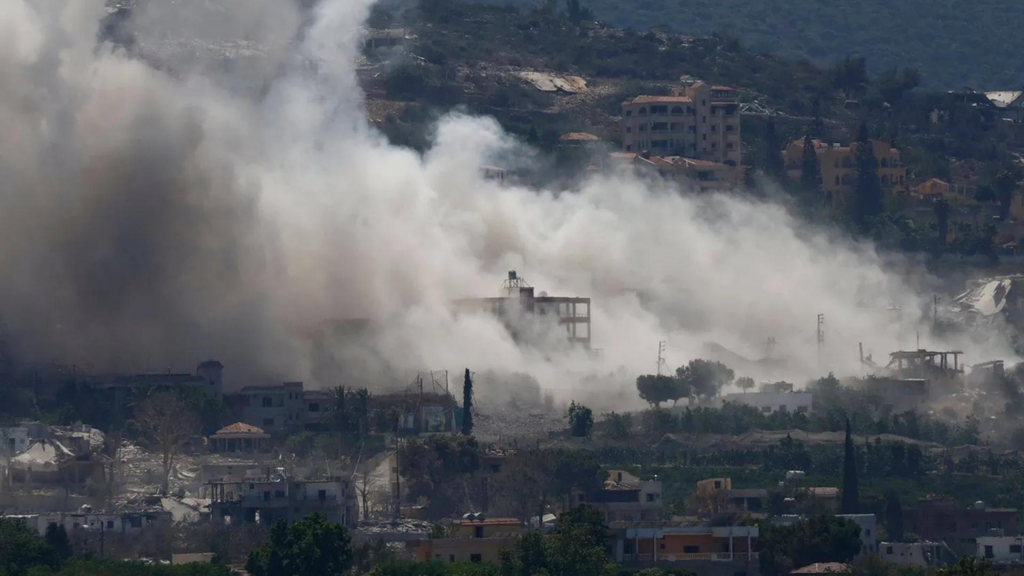
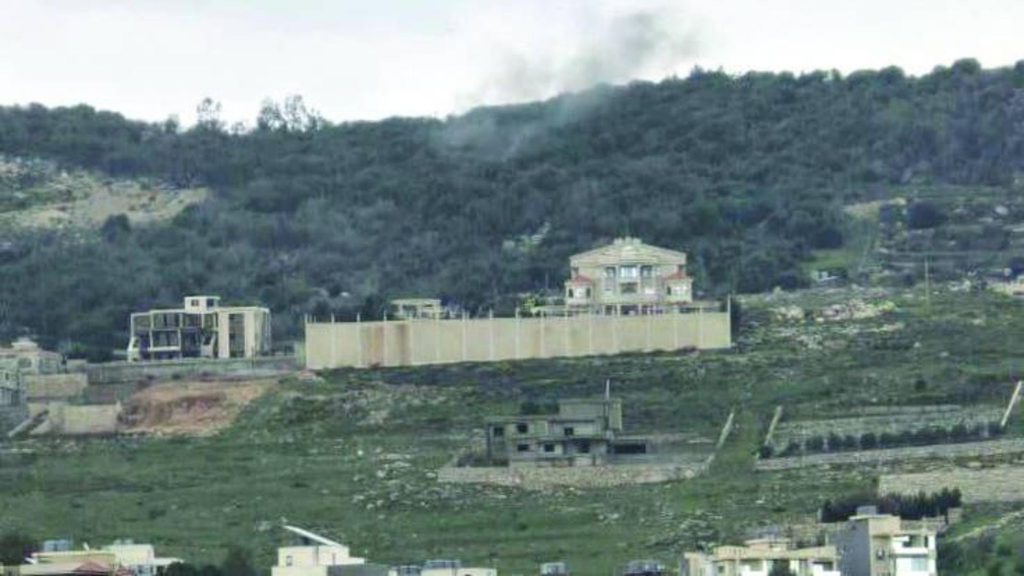
These measures come in light of the continuing tension on the Lebanese border, as the region witnesses an almost daily exchange of strikes, in addition to the intense use of drones and artillery shelling, which forces the Israeli home front to update protection measures for the population.
The “yellow zone” classification is considered one of the medium alert levels, as it does not amount to a complete evacuation, but it imposes clear restrictions on public gatherings and educational activities, in anticipation of a sudden security deterioration.
In the background, this step reflects the assessments of the Israeli security establishment that the northern front is likely to remain in a state of exhaustion for a long period, in light of the failure to reach stable ceasefire understandings and the continuation of mutual military pressures.
It also indicates growing concern about the development of Hezbollah’s capabilities, especially in the field of drones and precision missiles, which has prompted Israel to adopt a more stringent defensive approach to protect its northern depth.
These measures coincide with repeated talk in Israeli military circles about the need to prepare for broader escalation scenarios, which may include expanding the scope of operations or continuing them for a long period of time, which puts the home front in front of a continuous test between maintaining daily life and preparing for emergencies.