In a reading that reflects mounting anxiety within the security establishment in Israel, a senior security official criticized the field performance on the northern front, warning against the continuation of the current approach in the confrontation with Hezbollah, in light of the growing threat of explosive drones.
Israeli Channel 13 quoted the official as saying: “We cannot continue like this in Lebanon,” stressing the need to make decisive decisions and change the military strategy, through one of three options: penetrating deep into Lebanese territory and targeting drone launching pads, positioning itself at the border line, or complete withdrawal.
He added: “We have to change our strategy… We cannot continue this way,” referring to what he described as the failure of the current approach in reducing the escalating drone attacks, which have become a direct threat to the forces.
On the ground, these statements coincided with a redeployment of forces, as the Israeli army withdrew the “Nahal” and “Parachute” brigades from southern Lebanon, along with the headquarters of two military divisions, with these units being transferred to other fronts, including the Gaza Strip and the West Bank, in an indication of a re-arrangement of operational priorities.
In the same context, the Home Front Command kept its instructions unchanged until Saturday evening, despite the escalation, which reflects an attempt to contain the situation and prevent the spread of tension to the home front.
Regarding the level of losses, the Israeli army announced the killing of Sergeant Liam Ben Hamo (19 years old) in a drone strike in southern Lebanon, in addition to the moderate wounding of another soldier, at a time when troop losses are increasing as a result of the intensified use of drones.
Other incidents were also recorded during the past few days, including the killing of a civilian contractor working with the Ministry of Defense in a drone explosion, and the wounding of a number of soldiers with varying injuries, which reflects the increasing effectiveness of this weapon in the field.
According to Israeli data, 17 soldiers were killed in southern Lebanon since the resumption of operations about two months ago, while the total death toll since the beginning of the war reached 942, including dozens who fell on the Lebanon front, which highlights the increasing cost of the confrontation.
This scene reflects an escalating internal debate in Israel about the feasibility of the current strategy, in light of a clear inability to contain the drone threat, in exchange for political and military restrictions that limit escalation options, which places the leadership at a decisive crossroads between expanding operations or repositioning forces.
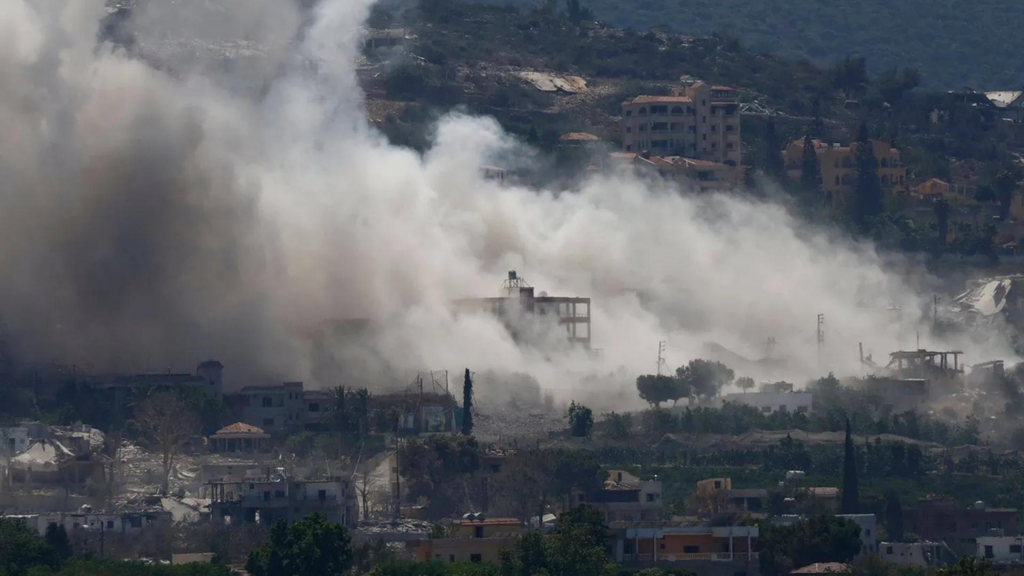
On the other hand, these developments come within a broader context of the ongoing confrontation on the Lebanese border, where clashes continue at an intermittent pace despite attempts to stabilize the calm, amid warnings of the situation sliding towards a broader confrontation.