“Lebanon Debate”
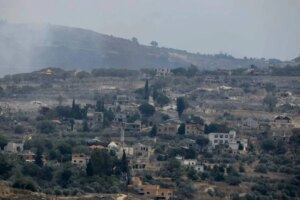
Between a regional diplomatic movement whose features are not yet clear, the Lebanese interior is suffering under the weight of heavy entitlements, from the Tripoli disaster that opens to bleak possibilities with the increasing risk of the collapse of its cracked buildings, to the start of the nomination deadline for the 2026 parliamentary elections, all the way to the accumulation of living crises before the government and the continuation of the Israeli attacks in the south, and the American sanctions against networks linked to the “Al-Qard Al-Hassan” association on charges of converting gold into a source of funding for the “Party.” God,” in a scene that reflects the fragility of the internal equation compared to the acceleration of diplomatic tracks in the region.
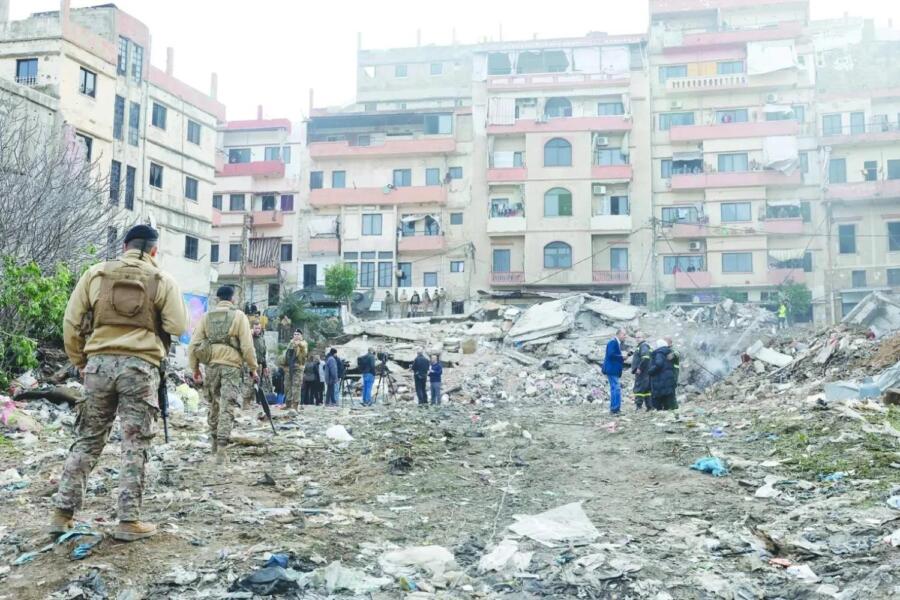
The conditions of Tripoli, which is still in shock after the disaster of the Milky Way building collapse, constituted the focus of the activity of the President of the Republic, Joseph Aoun, who met with a delegation from the city and presented to him the file of buildings on the verge of collapse and chronic marginalization. The delegation warned of the seriousness of the situation, stressing that the scale of the disaster was large, and appealed to all people of good will to take the initiative to help the people of the city.
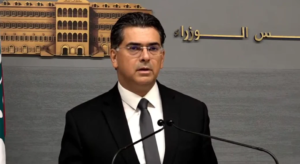
Amid this scene, the meetings of the International Monetary Fund delegation with the three presidents added a very sensitive financial dimension. The Fund delegation, although Prime Minister Nawaf Salam described its meetings in Beirut as “positive and fruitful,” reaffirmed the well-known set of conditions: reforming the banking sector, approving the financial regulation law, and addressing the issue of deposit recovery. Accordingly, the negotiating path with the Fund appears stuck between reassuring language of intentions and postponed implementation steps.
Despite the opening of nominations for the upcoming parliamentary elections, the Minister of the Interior, Ahmed Al-Hajjar, revealed yesterday evening that no nomination requests had been registered on the first day, stressing the resort to the Legislation and Consultation Authority to obtain the legal opinion in the expatriate ballot and the 16th district, and stressing that the eligibility procedure will take place on time.
On the army support line, the command announced in a statement the meetings of Army Commander Rudolph Heikal in Saudi Arabia, where ways to enhance cooperation between the Lebanese and Saudi armies are being discussed.
At this particular time, the American factor came into play forcefully, as the US Treasury Department announced the imposition of new sanctions targeting individuals linked to Hezbollah and institutions affiliated with it, most notably activist networks within the “Al-Qard Al-Hassan” association, accusing them of trading in gold and using it as a tool to circumvent the sanctions imposed on the party, and to secure alternative sources of financing outside the traditional financial system.
According to insiders, these sanctions do not only carry a symbolic dimension, but rather strike at the heart of the parallel financial structure that the party has accumulated in recent years in light of the collapse of the banking sector.
In this context, the positions of the Deputy Secretary-General of the party, Sheikh Naeem Qassem, gained double significance. After a controlled tone, yesterday’s speech was more direct, as it reiterated the trilogy of the army, the people, and the resistance.
On the standard of living, efforts continue on more than one Lebanese, Syrian and Jordanian line to address the crisis of preventing Lebanese trucks from entering Syrian territory since last Saturday.
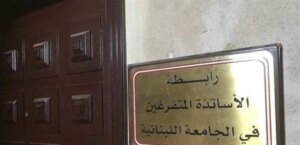
In the context of social demands, the Association of Full-Time Professors at the Lebanese University is carrying out a comprehensive strike today in all units, colleges and institutes, and it also denounced “the closing of the door of the government palace in its face.”