


Estimate 20 oz of Silver Worth: Calculate Value & Compare
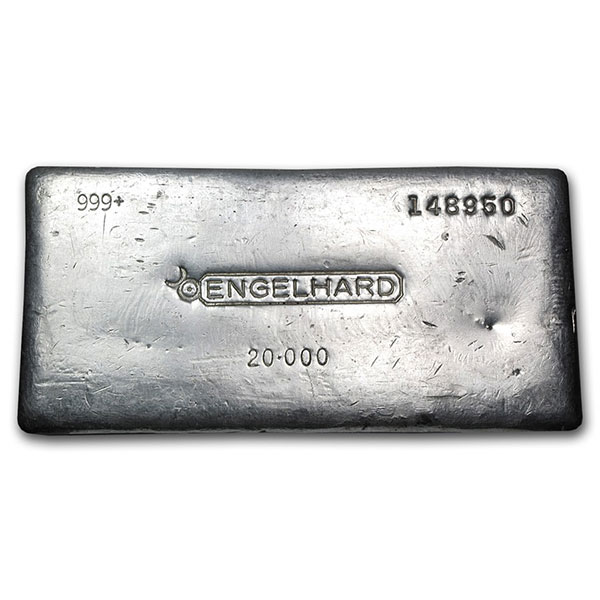
When people ask what 20 oz silver is worth, they are usually looking for more than one number. The answer starts with the live silver spot price, then changes based on the form of the silver, purity, dealer premiums, and resale conditions. This guide explains how to estimate 20 ounces of silver value, compare smaller and larger amounts, and avoid confusing melt value with real-world selling value.
How much is 20 ounces of silver worth?
The simplest answer is: multiply the current silver price per troy ounce by 20. Silver is commonly quoted in U.S. dollars per troy ounce, and the LBMA Silver Price is a widely recognized benchmark set in U.S. dollars per troy ounce through a daily auction process.
So, if silver were priced at $30 per troy ounce, the base metal value of 20 troy ounces would be $600. If silver were $35, the same 20 ounces would have a base value of $700. That quick formula is the starting point for understanding 20 oz silver value, but it is not always the exact amount a buyer will pay or a seller will receive.
Use this basic calculation:
- Spot silver price × 20 = estimated melt or metal value
- Estimated metal value + premium = likely retail purchase cost
- Estimated metal value − dealer spread or fees = possible resale proceeds
This is why the answer to “how much is 20 ounces of silver worth” changes throughout the trading day and can differ from one dealer, coin shop, or marketplace to another.
Silver is priced by the troy ounce, not the kitchen ounce
One common mistake is assuming a precious-metal ounce is the same as a standard household ounce. Silver, like gold and other precious metals, is traded in troy ounces. A troy ounce is slightly heavier than the regular avoirdupois ounce used for groceries and shipping; the LBMA glossary identifies one troy ounce as equal to about 1.097 avoirdupois ounces.
That distinction matters when you are checking labels, weighing loose silver, or comparing online listings. A silver bar marked “1 oz” from a recognized mint usually means one troy ounce. But if you are weighing scrap silver on a standard scale, you may need to convert the measurement before estimating value.
For most bullion investors, “20 oz silver” usually means 20 troy ounces of .999 fine silver. That could be twenty 1 oz coins, twenty 1 oz bars, two 10 oz bars, one 20 oz bar, or a mix of products that add up to 20 troy ounces.
The quick formula for any silver amount
Once you understand the troy-ounce standard, silver math becomes simple. The same method works whether you are checking how much is 2 ounces of silver worth, how much is 3 oz of silver worth, or how much is 3000 oz of silver worth.
Here is the calculation framework:
| Silver amount | Formula | What it tells you |
|---|---|---|
| 2 oz | Spot price × 2 | Base value before premiums or selling costs |
| 3 oz | Spot price × 3 | Useful for small bars, rounds, or coin groups |
| 20 oz | Spot price × 20 | Core estimate for a modest bullion stack |
| 3,000 oz | Spot price × 3,000 | Large-position estimate before logistics, storage, and transaction costs |
For example, if spot silver were $32 per troy ounce, 2 ounces would have a base metal value of $64, 3 ounces would be $96, 20 ounces would be $640, and 3,000 ounces would be $96,000. These are examples only, not live quotes.
This approach helps you answer keyword-style searches like “20 oz of silver worth” without relying on an outdated price chart. Check the current spot price first, multiply by the number of troy ounces, then adjust for the form and condition of the silver.
Spot price is only the starting point
The spot price represents a broad market reference, not a guaranteed retail price for every coin or bar. Published silver prices generally refer to precious metal quoted per troy ounce, while real-world products include fabrication, distribution, dealer margin, and demand factors.
That is why a 1 oz silver coin often costs more than spot when you buy it. The difference is called the premium. Premiums can rise when demand for physical bullion is high, when a product is limited, or when a coin carries added collector interest. They can also be lower on larger bars because manufacturing and handling costs are spread across more ounces.
When selling, the direction often reverses. A dealer may pay near spot, below spot, or above spot depending on the item, local demand, inventory needs, and authenticity confidence. Private buyers may pay more, but that can involve more time, negotiation, and risk.
Product type can change the real-world value
Twenty ounces of silver can look very different depending on what you own. The metal content may be the same, but liquidity and premiums can vary.
Common forms include:
- Government-minted coins: These may carry higher premiums because they are recognizable and easy to resell.
- Private-mint rounds: These are often valued mostly for silver content, with premiums depending on brand recognition and condition.
- Silver bars: Bars can be efficient for stacking, especially in 5 oz, 10 oz, and larger sizes.
- Junk or constitutional silver: Older circulating coins may be valued by silver content, condition, and demand.
- Sterling or scrap silver: These require purity calculations because they are not usually .999 fine silver.
A clean, recognizable 10 oz bar from a known refiner may be easier to price than a mixed lot of damaged sterling jewelry. Both can contain silver, but buyers price them differently because verification, refining, and resale are different.
Purity matters before you multiply
If your silver is marked .999 fine, estimating value is straightforward: multiply the troy ounces by the spot price. If it is sterling silver, coin silver, or another alloy, you need to account for purity first.
Sterling silver, for example, is commonly 92.5% silver. That means 20 troy ounces of sterling material would not equal 20 troy ounces of pure silver. The pure silver content would be calculated as 20 × 0.925, or 18.5 troy ounces of silver, before applying the spot price.
Use this checklist before estimating value:
- Confirm the weight unit. Is it troy ounces, grams, or standard ounces?
- Check the purity mark. Look for .999, .925, coin silver, or other markings.
- Separate different items. Do not mix pure bullion with sterling or unknown scrap.
- Calculate pure silver content. Weight × purity = silver content.
- Apply the current spot price. Silver content × spot price = estimated metal value.
This extra step prevents overestimating the value of non-bullion silver.
What makes 20 oz a practical silver amount?
Twenty ounces is large enough to feel meaningful but still small enough to store, move, and sell in pieces. For many people, it is easier to manage than a single large bar and more substantial than a handful of coins. It can also be divided across different product types, such as ten 1 oz coins and one 10 oz bar.
From a liquidity standpoint, smaller units offer flexibility. If you need to sell only part of your stack, individual 1 oz coins or bars let you do that without selling the full 20 ounces. Larger bars may have lower premiums when buying, but they can be less flexible if you want to liquidate gradually.
The right mix depends on your goal. A collector may prefer coins with design appeal, while a stacker may care more about low premiums and easy resale. Someone focused on emergency liquidity may prefer recognizable fractional holdings over one large piece.
How should you estimate the 20 oz of silver worth before buying or selling?
Start by checking a reliable current silver quote, then compare that number against actual buy and sell prices for similar products. The metal value tells you the baseline, while dealer listings and local offers show what the market is doing for the exact form you own or want to buy.
Before buying, compare the premium per ounce rather than only the total price. A 20 oz purchase may look affordable overall, but the premium can vary sharply between coins, rounds, and bars. Divide the total premium by 20 to see what you are paying above spot for each ounce.
Before selling, ask whether the buyer is quoting based on spot, product premium, or melt value. If you have recognizable bullion, it may be worth getting more than one quote. If you have scrap or sterling, expect the buyer to account for purity, testing, refining, and margin.
Small and large silver comparisons put 20 oz in perspective
Looking at other quantities can make 20 ounces easier to understand. If you ask how much is 2 ounces of silver worth, you are usually calculating a small purchase or gift. If you ask how much is 3 oz of silver worth, you may be pricing a few rounds or coins. The same formula applies, but premiums may represent a larger share of the final price on small purchases.
At the other end, someone asking how much is 3000 oz of silver worth is dealing with a very different situation. The math is still spot price multiplied by ounces, but storage, insurance, transportation, verification, and market impact become more important. Large silver positions can be heavy and require more planning than the simple dollar value suggests.
Twenty ounces sits in the middle. It is enough silver that spot-price changes matter, but not so much that storage or logistics usually dominate the decision.
A practical takeaway for valuing 20 oz silver
The 20 ounces of silver value is best understood as a range, not a fixed number. The base value comes from current spot price multiplied by 20 troy ounces. The actual buy or sell price then depends on purity, product type, premiums, condition, and where the transaction happens.
If you want a fast estimate, use the formula first. If you want a realistic market number, compare live dealer prices and actual local offers. That combination gives you a clearer answer than a single outdated quote and helps you understand the true 20 oz of silver worth in the moment you are ready to buy, sell, or simply track your stack.