An American official confirmed to Sky News Arabia that the course of negotiations between Lebanon and Israel will resume in the Italian capital, Rome, next September, despite the return of tension between the two sides in recent weeks, stressing that “the experimental zones process remains the only viable path to achieving long-term peace and security between Lebanon and Israel.”
The American statements come after Israeli reports spoke of the “failure” of the experiment in the experimental areas in southern Lebanon, which began to be implemented in Zawtar al-Gharbiya following the signing of the framework agreement in June between Beirut and Israel.
The Israeli Wallah website had quoted security sources as saying that Israel passed, through security envoys, information regarding the activities of the Lebanese army, expressing its dissatisfaction with its performance in dealing with Hezbollah’s infrastructure and its members in the region.
On the other hand, a spokesman for the US State Department confirmed Washington’s commitment to “full implementation of the tripartite framework,” explaining that this includes mine clearance operations and clearing areas carried out by the Lebanese army, provided that they are subject to verification, then expanding the scope of the experimental areas after ensuring the completion of clearing operations, leading to progress towards a comprehensive agreement for peace and security.
The spokesman stressed that disarming Hezbollah is an essential part of the process, adding: “We are not naive about the difficulties,” considering that the party is trying to obstruct the path, at a time when both Israel and Lebanon are facing internal pressures.
He stressed that the Military Coordination Group for Lebanon will continue to work to ensure the successful implementation of the first pilot areas, adding: “The United States expects all parties to act consistent with the framework they agreed to.”
The spokesman said that the United States “fully supports Lebanon’s sovereignty and territorial integrity,” and continues to press for a conditional redeployment linked to verifying Hezbollah’s disarmament.
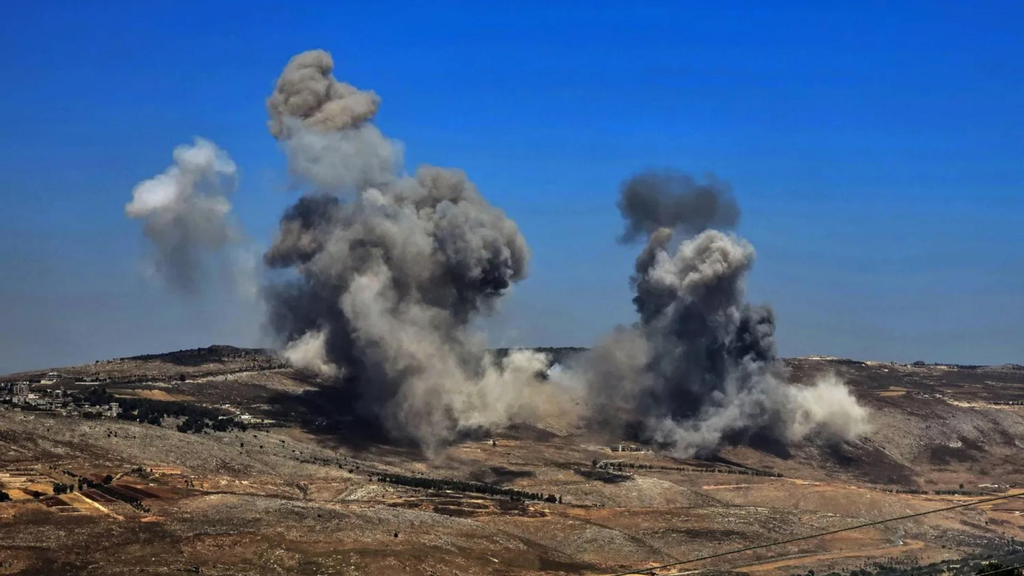
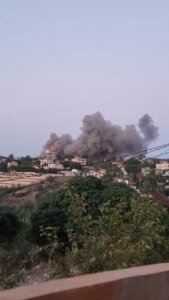
These positions coincided with the Israeli army’s announcement that, in recent weeks, its forces had destroyed more than 400 infrastructure that it said belonged to the party, and found combat means that included anti-armor and anti-aircraft missiles, explosive devices, weapons, and mortar shells.
Israeli reports also quoted security officials as saying that the Lebanese army is not working to destroy the party’s infrastructure according to the standards set by the Israeli army, while at the same time demanding more benchmarks.
On the other hand, President Joseph Aoun stressed that negotiations with Israel, despite the difficulties and obstacles, remain better than war, stressing Lebanon’s commitment to achieving goals that include liberating the south, deploying the army to the border, recovering prisoners, the return of families, and reconstruction.
Aoun indicated that the decision to resort to negotiations was taken to avoid the “scourges and tragedies” left by the war, considering that the negotiating path, despite its difficulty, remains better than the war option.