Speaker of the House of Representatives, Nabih Berri, discussed the repercussions of the Israeli attacks on tobacco cultivation and the suffering of farmers, during his meeting in Ain al-Tineh with Nassif Saqlawi, head and general director of the Lebanese Tobacco and Tobacco Inventory Administration (Regie), at the head of a delegation that included members of the Board of Directors.
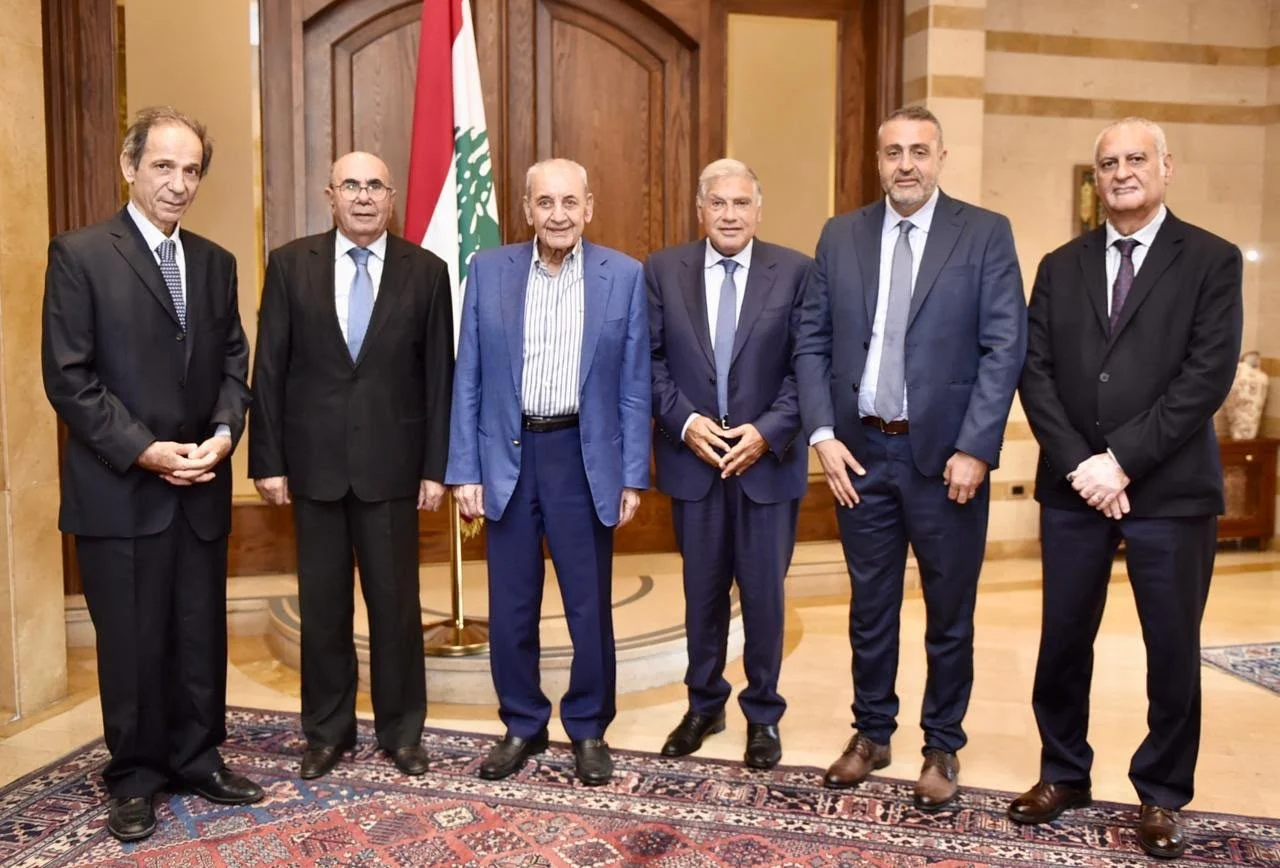
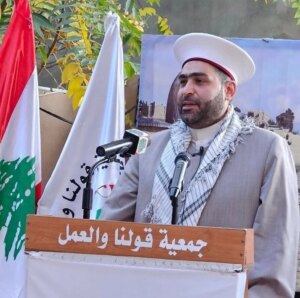
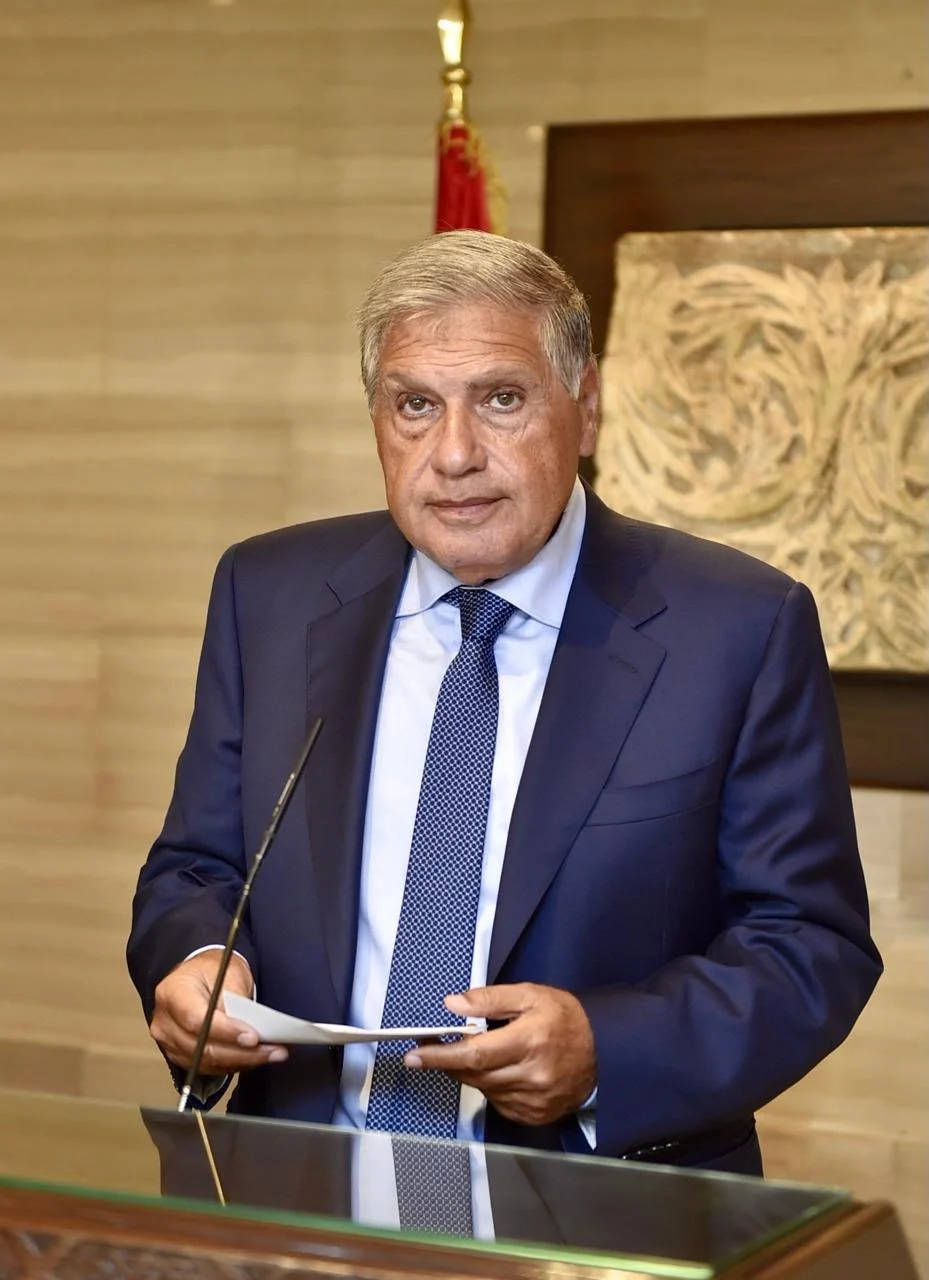
Saqlawi presented the organization’s work programs and preparations to receive the crops, in light of the displacement of thousands of farmers and the inability to cultivate large areas of their lands.
He said after the meeting: “We were honored by the visit of His Excellency the Speaker of the House of Representatives, especially as we are on the cusp of receiving the available tobacco crops from farmers. We came to be guided and listen to the directives of His Excellency the President, who has always been and still is the primary incubator and sponsor of the family of tobacco farmers.”
Saqlawi described what befell the farmers as a “tragedy,” explaining that the Israeli attacks caused the displacement of thousands of them from villages and towns that constitute centers of gravity for tobacco cultivation, including Aita al-Shaab, Aitaroun, Mays al-Jabal, Tulin, al-Sawwanah, Hadada, Kafr Benit, and Srifa.
Speaking about the affected southern regions, he added: “More than 80% of the crop was not planted,” noting that limited cases remained, including Rmeish, which was planted despite the siege. He revealed that a meeting was held with the army to coordinate the receipt of the town’s crop.
On the other hand, he explained that Bekaa farmers were able to plant their crops despite the attacks, expecting an almost complete season in the region, and a complete season in Akkar.
Saqlawi focused on the steadfastness of the farmers and their adherence to their land, recalling the farmer Ali Fadl Al-Dhib from the town of Shahour, who was martyred while harvesting on his land. He announced that the number of martyrs of tobacco farmers reached 38 male and female martyrs.
He stressed: “Based on our national and societal responsibility and the directives of the President, we will do everything we can to help those who planted and those who did not,” praising the farmers in Buriqa’, Ras al-Ain, Deir Amis, Burj al-Shamali, and Babliyya who continued to cultivate their lands despite the bombing.
Preparations to receive the crops come in light of the variation in the volume of production between regions, according to the data presented by Saqlawi, with the impossibility of agriculture in many southern villages, compared to its continuation in the Bekaa and Akkar.
In a separate meeting, Berri received Minister of Public Health Rakan Nasser al-Din, and discussed with him the general situation, especially the health and hospital situation and the ministry’s work programmes, in addition to political and field developments.