The memorandum of understanding between Iran and the United States entered a new phase of tension, after Tehran announced that it would not abide by its terms if Washington did not abide by its pledges, in light of the continuing dispute over navigation arrangements in the Strait of Hormuz.
The Iranian Ministry of Foreign Affairs said on Monday that Iran will not abide by the memorandum of understanding concluded with the United States if Washington does not fulfill its obligations, in a new position that reflects the widening dispute between the two sides regarding navigation arrangements in the Strait of Hormuz.
Iranian Foreign Ministry spokesman Ismail Baghaei explained that his country is working to reach a joint mechanism with the Sultanate of Oman to regulate transit and shipping traffic in the strait, but he accused the United States of exerting pressure on Muscat that hinders these efforts.
He added that Tehran believes that any understanding regarding navigation security must be based on mutual commitments, stressing that the continued pressure, sanctions and military attacks make it difficult to maintain the work of the memorandum of understanding in its current form.
Baghaei’s statements come after talks that took place between Iran and the Sultanate of Oman during the past few days, and focused, according to the Iranian Foreign Ministry, on arrangements for managing ship traffic and ensuring the security of navigation in the Strait of Hormuz. A Qatari delegation also participated in part of those discussions.
Iran insists that the management of the Strait must be carried out in coordination with the countries overlooking it, while the United States and Western countries affirm that Hormuz is an international corridor that should not be subject to unilateral fees or restrictions.
The US Central Command had previously stressed that Iran does not control the strait, stressing the readiness of US forces to ensure the continued transit of commercial ships and protect freedom of navigation.
On the other hand, Tehran announced during the past few days stopping the transit of some ships and detaining others that it said violated the approved routes. It also threatened to keep the strait closed until the end of what it described as American intervention in the region.
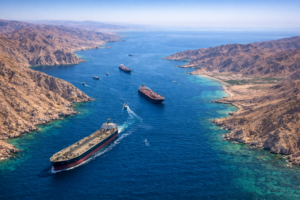
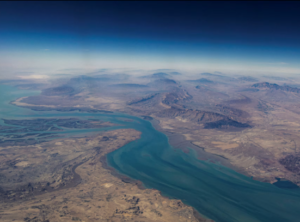
The Strait of Hormuz is one of the most important sea lanes in the world, as a large portion of global oil and gas exports pass through it, making the dispute over its management one of the most prominent reasons for the escalation between Iran and the United States.
The new Iranian statements reflect Tehran’s commitment to linking any calm in the Strait to broader political and security understandings, while Washington insists on separating freedom of navigation from political and military differences between the two parties.