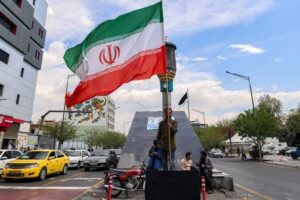
On Saturday, Iranian Foreign Minister Abbas Araqchi will head to the Sultanate of Oman at the head of a diplomatic delegation, in a visit that focuses on bilateral relations and regional developments, especially the escalation related to the Strait of Hormuz and the future of understandings between Tehran and Washington.
Araqchi is scheduled to hold discussions with senior Omani officials on ways to enhance cooperation between the two countries, in addition to exchanging views on regional issues and the tense security situation in the region, according to what was reported by IRNA.
The visit comes after a phone call that Araqji made with his Omani counterpart, Badr al-Busaidi, during which they discussed regional developments, and stressed the need to stop the military escalation and work to find political and peaceful solutions that take into account the interests of all parties.
The Strait of Hormuz file tops the agenda of discussions, in light of the escalating dispute over mechanisms for managing navigation traffic and conditions for the passage of ships, amid Iran’s adherence to regulating traffic through the routes it determines, and the United States’ rejection of any unilateral restrictions on navigation in the strategic sea lane.
Oman and Iran had agreed to continue talks regarding the future of navigation management and maritime services in the strait, and to form a joint working group between the two foreign ministries to follow up on the issue and consult with coastal countries and concerned parties.
Araqchi’s visit also comes after technical and expert meetings were held in Doha, with the participation of an Iranian delegation headed by Deputy Foreign Minister for Legal and International Affairs Kazem Gharibabadi and mediators from Qatar and Pakistan, to discuss mechanisms for implementing the Islamabad Memorandum of Understanding and the future of navigation in the strait. The Doha Round had recorded progress in discussing some items of the memorandum, without reaching a final settlement.
In June, Washington and Tehran reached a temporary memorandum of understanding aimed at stopping the confrontation and opening the way for negotiations to reach a final settlement, while giving the two parties a period to discuss the controversial issues, most notably the Iranian nuclear program and the future of navigation in the Strait of Hormuz.
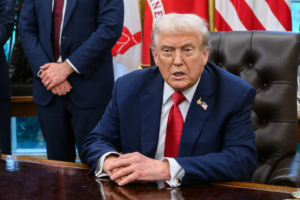
But the fate of the memorandum has become shrouded in mystery after renewed mutual attacks and US President Donald Trump’s announcement of the end of the ceasefire, despite Washington’s agreement to continue talks with Iran.
Muscat station gains special importance in light of the role played by the Sultanate of Oman in keeping communication channels open between Iran and the United States, in addition to its direct geographical location on the Strait of Hormuz and its balanced relations with various parties.
Araghchi’s visit indicates an Iranian attempt to reactivate the diplomatic track and prevent the complete collapse of the understandings, in parallel with addressing disputes related to navigation, at a time when tensions and recent attacks have led to a noticeable decline in ship movement through the strait and rising fears for global energy supplies.