A new American book reveals unprecedented details about the tense scenes that preceded reaching an agreement to stop the war in Gaza during the fall of last year, speaking about a sharp confrontation between US President Donald Trump and Israeli Prime Minister Benjamin Netanyahu, which reached the point of screaming and insults during a stormy phone call days before the agreement was announced.
According to a media report in the Israeli “N12”, based on the book “Regime Change: Inside the Imperial Presidency of Donald Trump” by New York Times journalists Maggie Haberman and Jonathan Swan, Trump reached an unprecedented level of frustration with Netanyahu during the negotiations that preceded the agreement to end the war in Gaza last September.
The book, which documents the first year of Trump’s second term, reviews an aspect of the complex relationship between the two men, revealing a phone call that took place on the sidelines of the United Nations General Assembly meetings in September, while Trump was pushing his plan known as the “Twenty Point Plan” to end the war.
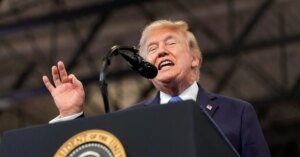
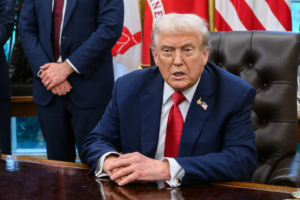
According to the book, Trump’s son-in-law Jared Kushner and White House special envoy Steve Witkoff also participated in the call. During the conversation, Trump addressed Netanyahu in a sharp tone, saying: “Everyone is tired of you, Bibi. All the Jews are tired of you. Even the two Jews on this call are tired of you,” referring to Kushner and Witkoff.
Trump added, according to the same story: “You cannot back away from this agreement. I am the best friend Israel has ever had. Everyone hates you, and I stood by you. This is an excellent agreement for Israel.”
The origin of the crisis, according to the book, goes back to an air strike carried out by the Israeli army on September 9, targeting the leadership of the Hamas movement in Doha, just one day after a meeting between Kushner and Witkoff with Israeli Minister of Strategic Affairs Ron Dermer at Witkoff’s home in Miami to discuss arrangements for the “next day” in Gaza.
The book says that Kushner and Witkoff believed that the Israeli side concealed from them the intention to carry out the strike, and they were quoted as saying to officials in the White House: “Dermer lied to us.” The operation also sparked Qatari anger, while the book quoted Kushner as saying to one of his close associates: “I am out of the game… The Israelis are crazy.”
Against the backdrop of this crisis, Kushner developed what later became the basis of the “Twenty Point Plan” adopted by Trump. Days later, Kushner and Witkoff held a meeting with Qatari Prime Minister Sheikh Mohammed bin Abdulrahman Al Thani on the sidelines of the United Nations meetings in New York.
According to the story contained in the book, the Americans offered Qatar two options: either further isolate Israel, or exploit the crisis as a pressure card to push it to the negotiating table. The Qatari side chose the second option, as it made direct amendments to the draft plan.
The book also indicates that Trump presented the details of the initiative to Arab and Muslim leaders before presenting it to Netanyahu, while Kushner and Witkoff feared that the Israeli Prime Minister would try to persuade Trump to drop the plan, so they asked White House Chief of Staff Susie Wiles to be alert to any possible contact.
When Netanyahu actually called Trump, the call was transferred to him with Kushner and Witkoff keeping the line, and the verbal confrontation that the book talks about broke out.
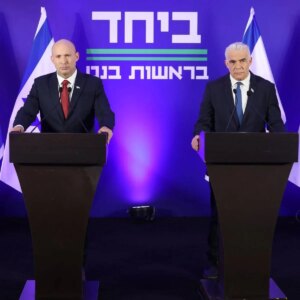
Despite the intensity of the debate, Netanyahu ultimately agreed to go ahead with the agreement. Only two days later, he appeared alongside Trump in a joint press conference, presenting a picture of an understanding between the two sides, even though the agreement had not yet officially entered into force.
The book also reported that Trump pledged at the time to give Netanyahu “full support” if Hamas refused to sign the agreement.
On the evening of October 8, a little more than a week after those intense contacts, the agreement was finally signed, followed shortly by the release of 20 hostages alive who were being held in the Gaza Strip.
This novel highlights the extent of the pressures and tensions that surrounded one of the most prominent political and security agreements in the region, and reveals that the harmony that appeared before the cameras between Washington and Tel Aviv was hiding behind it sharp disagreements and direct confrontations at the highest levels.