According to the report, a land road extending about 860 kilometers from Ramadi in Iraq towards western Syria, which for many years was considered an almost deserted path, has today turned into an active corridor for trucks loaded with oil.
The magazine explains that these trucks pass through areas containing ancient monuments and almost empty villages before they reach the Baniyas facility on the Syrian coast overlooking the Mediterranean Sea, where they unload their cargo there, and then return again to Iraq to refuel, in a transportation cycle that has become continuous and of an increasingly strategic nature.
The report indicates that the closure of the Strait of Hormuz prompted oil producers in the Middle East to search for quick alternatives to transport their exports, adding that Iraq, as one of the largest oil producers in the world, faces geographical challenges in exporting, which made it more dependent on land routes through Syria.
In this context, the report notes that Iraq seeks to export about 4 million barrels per day, but the current logistical constraints make truck transportation a temporary solution, even though it is less efficient than traditional pipelines.
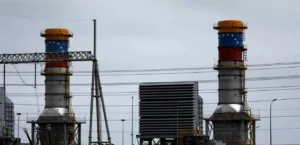
He also points out that this path contributes to supplying some electricity stations in Syria with Iraqi oil, at a time when the country partly relies on alternative sources that had replaced Iranian and Russian supplies in previous stages.
On the financial level, the report shows that the Syrian government imposes fees on crossing operations, with border authorities receiving a portion of these revenues, while the remaining share goes to the Syrian Oil Company, which manages storage and pumping in Baniyas facilities, along with private companies that supervise the movement of trucks.
Daily estimates of revenues range between one million and two million dollars, according to the report, while more than a thousand trucks daily transport quantities equivalent to only about 5% of Iraqi oil exports before the crisis. However, this volume, according to the magazine, is sufficient to secure the interests of the parties concerned, by providing financial liquidity to Syria and relieving the storage pressure on Iraq.
The report concludes that as the Strait of Hormuz continues to be closed, reliance on this route may increase, opening the door to Syria becoming a major transit point in regional energy trade, as countries in the region seek to diversify export routes and develop more flexible alternatives. (Arabic)