The economic repercussions of the war on Iran have begun to turn into a source of political concern within the administration of US President Donald Trump, with mounting fears that rising fuel and airline ticket prices will affect the popularity of Republicans before the upcoming midterm elections.
The Wall Street Journal revealed that Trump’s advisors are increasingly concerned about the possibility that the Republican Party will pay a political price as a result of rising energy and transportation costs, in light of the continuing tensions in the Gulf and the disruption of navigation in the Strait of Hormuz.
These concerns came after former New Hampshire Governor Chris Sununu warned US Treasury Secretary Scott Besent that airline ticket prices would rise further if the war did not end soon.
Sununu currently holds the presidency of the “Airlines for America” group, which represents the major American airlines. During his recent meetings in Washington, he conveyed airlines’ concerns about the sharp rise in jet fuel prices.
According to the sources, Sununu warned US administration officials weeks ago of the economic repercussions of the continuation of the war, stressing that airlines are facing increasing pressure due to rising fuel prices and disruption of freight and aviation traffic.
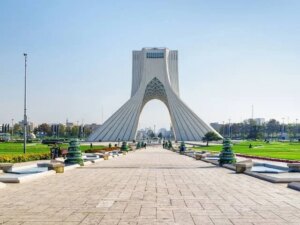
The war between Iran on the one hand, and the United States and Israel on the other hand, led to a slowdown in shipping traffic through the Strait of Hormuz, causing a significant rise in global oil and gasoline prices.
Jet fuel prices have also nearly doubled since the outbreak of war, prompting airlines to raise ticket prices and reduce some unprofitable flights.
The data showed that the price of a round-trip economy class ticket within the United States rose by 21% during March compared to last year, reaching about $570.
However, air reservations have not declined yet, as airlines seek to pass more of the fuel cost on to consumers in the coming months.
On the other hand, an official in the US Treasury confirmed that the US economy remains “strong,” despite the rise in prices, pointing to the continued high demand for air travel.
Treasury Secretary Scott Besent also expressed his confidence that energy prices will decline later as conditions in the region improve.
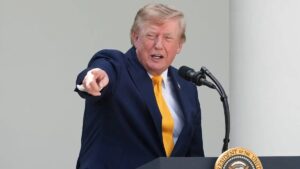
In previous statements, Trump had defended the cost of war, considering that current oil prices were “a very small price to pay for preventing mentally ill people from possessing a nuclear weapon,” in reference to Iran.
For his part, US Secretary of State Marco Rubio believed that Iran’s possession of a nuclear weapon would have given it greater ability to keep the Strait of Hormuz closed, which could push fuel prices to record levels of up to 8 or 9 dollars per gallon.
However, with the escalation of economic and political pressures, Trump has taken steps in recent days to reduce tension, most notably suspending the “Freedom Corridor Project” designated for escorting commercial ships in the Strait of Hormuz, coinciding with increasing talk about possible negotiations with Tehran.
Oil prices also fell below $100 per barrel after reports of mediation efforts aimed at launching new negotiations to end the conflict and open the strait to international navigation.
The White House confirmed that the US administration was expecting short-term disruptions in energy markets, noting that there are plans to mitigate the effects of the crisis, including measures to reduce oil transportation costs and work with sector companies to address growing concerns.
This scene reflects the magnitude of the economic challenges that have come to accompany the war, at a time when the US administration fears that fuel and aviation prices will turn into an electoral pressure card against the Republicans in the coming months.