Yola Hashem – Central
In a move that carries military and political dimensions, Israeli Prime Minister Benjamin Netanyahu announced that the Ali al-Tahir Heights in southern Lebanon “no longer pose a threat to Israel,” confirming the elimination of a large number of Hezbollah fighters. This came in conjunction with the Israeli army’s announcement of imposing “operational control” over the region, above and below ground, after operations targeting a network of tunnels and facilities belonging to the party.
Israeli Defense Minister Yisrael Katz stressed that Israel “will not withdraw from the security zone” before Hezbollah is completely disarmed, indicating the continued dismantling of tunnels and military deployment with the aim of controlling Jebel Ali al-Tahir. He added that this control represents part of a broader strategy to extend Israeli influence in southern Lebanon.
This development opens the door to questions about the future of the “security zone” that Israel seeks to establish, and whether controlling Ali al-Tahir will remain a limited step or a prelude to expanding its influence north of the Litani. Did Israel really control the hill?
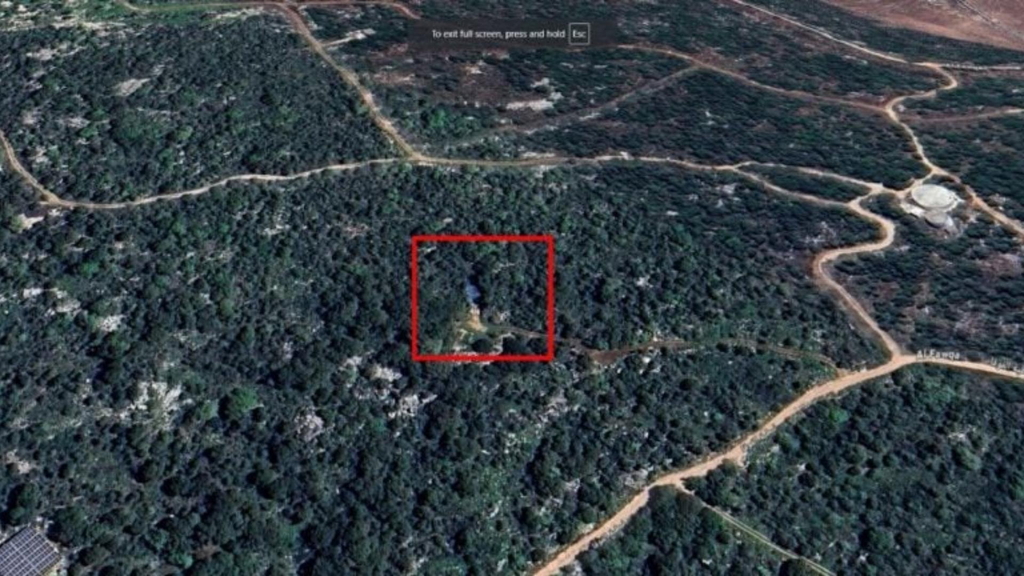
Brigadier General George Nader told Al-Markazia: “It is true that Netanyahu announced that he took control of Ali Al-Taher, but the question arises: Is it control by fire or operational control through ground forces? Israel published pictures of the army inside the tunnels, and announced that it confiscated ammunition and computers, and also published a picture of the tunnels. But is this all of Ali Al-Taher, or is it from the southern and eastern sides only, where there are tunnel openings? Did they enter from the western and northern sides?” Are there ground forces already on the hill?
He adds: “I doubt so far that there is complete ground control, but it is certain that there is control by fire, and perhaps partial control by ground forces, over a section of ‘Ali al-Taher.’ However, no detailed statement was issued by the Israeli army clarifying the reality of the situation, as the only announcement came from Netanyahu, and it was not confirmed by any reputable media outlet, whether Western or Arab.”
Nader continues: “There is no doubt that there is control by fire, and that Hezbollah members inside the hill are surrounded. But we do not know if they were all killed, or if some of them are still alive, or managed to escape. The Israeli army says that it killed a large portion of them, but there is no confirmation about the fate of the rest. As for operational control through ground forces, I doubt it until an official statement is issued supported by clear videos.”
He concludes: “However, it is not unlikely that the Israeli army will control Ali Al-Taher, and if this is achieved, Israel will have achieved an important military gain, as the hill overlooks the north and south of the Litani, part of the Western Bekaa, and part of Iqlim al-Tuffah, which gives it great strategic value. This gain will be used as an additional card of strength in the upcoming negotiations, along with other cards owned by Israel, and Netanyahu will also invest it in the upcoming elections, to present it to voters on the He has achieved control over “Ali Al-Taher,” especially since for two months he has only been talking about it and promising the people that he has secured the northern settlements.”