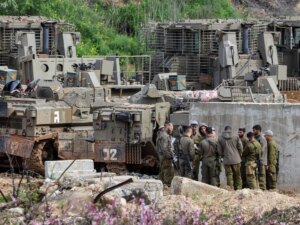
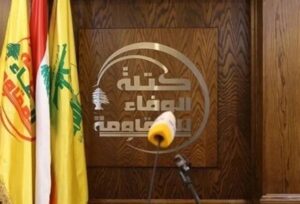
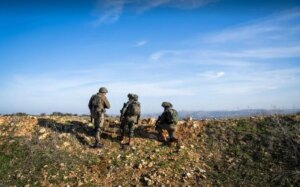
The Ali Al-Taher Heights file in southern Lebanon entered a more sensitive stage, after a report stated that Iran had issued a warning to the United States that it would respond forcefully if Israel carried out an operation in the region, in conjunction with information about the presence of members of the Iranian Revolutionary Guard inside the underground complex, while a source said that American pressure prompted Israel to postpone the strike.
According to a report by journalists Assaf Rosenzweig and Nitzan Shapira on the Israeli “N12” website, quoted by the “Reuters” agency, Iran warned the United States that it would respond forcefully if Israel tried to attack the compound located in the Ali al-Tahir Heights in southern Lebanon, where there are Hezbollah members trapped inside.
According to the report, there are at least 12 members of the Iranian Revolutionary Guard inside the compound in the highlands, including two senior officers, along with Lebanese members of Hezbollah.
Despite this information, the report indicated that the Israeli army did not know about the presence of Iranian elements in Ali Al-Tahir Heights.
Following the report, Israeli Defense Minister Yisrael Katz threatened: “Any Iranian attack on Israel will liberate us from all restrictions, and we will strike all infrastructure, including energy infrastructure, and we will return Iran to the Stone Age and the Darkness.”
During a ceremony held before the Hebrew New Year with the participation of the Director General of the Israeli Ministry of Defense, Reserve Major General Amir Baram, and the ministry’s employees, Katz added: “There are indications we see that indicate that the severe economic pressure they are exposed to, and the fear of an uprising and the fall of the regime, may push them to take desperate steps.”
The report also indicated that a source said that American pressure led Israel to postpone its attack on the Ali al-Tahir Heights.
Thus, the Ali Al-Taher Heights were no longer just a field point in southern Lebanon, but rather turned into a node through which direct Iranian messages to Washington, Israeli counter-warnings, and American pressures intersected, trying to prevent the escalation from moving from the Lebanese arena to a broader confrontation.