“Lebanon Debate”
It has become clear that Israel is buying time before it begins the process of implementing the first experimental phase of the framework agreement in the south. In the few days between Washington launching the field track south and north of the Litani River, the American military team is preparing to carry out the tasks of closely monitoring the Lebanese and Israeli steps, after launching a new security mechanism in the region.
In this context, the virtual military meeting that was scheduled between the Lebanese, Israeli, and American delegations, which was relied upon to complete research into the mechanism for implementing security arrangements in the border towns, was postponed. According to observers, the postponement came to make way for the completion of the preparation of the technical files and executive plans for the experimental areas, without setting a new date for the meeting, an indication that the arrangements still require further preparation before moving to the implementation phase.
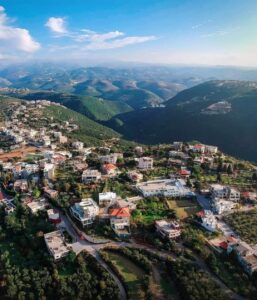
But the reality was different on the southern ground, as the Lebanese army continued its field preparations, strengthening its deployment in the town of Faron, and intensifying its patrols and observation points in Ghandouria, Qalawayh, Burj Qalawayh, Srifa, and a number of neighboring towns, in preparation for implementing the mechanism that is expected to include these areas in its first phase.
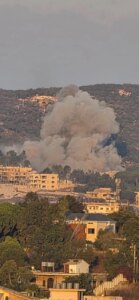
But this preparatory atmosphere did not extend to Israel, which continued its attacks, through raids, sweeping operations, bombings, and blowing up homes. The continuation of these operations reflects the widening gap between the negotiating track on security arrangements and the field reality, which is still open to further escalation.
In parallel with the security scene, the repercussions of the last legislative session remained at the forefront of political attention, after the general amnesty bill fell as a result of the loss of a quorum, which opened a new door of debates between the parliamentary blocs.
The head of the Lebanese Forces Party, Samir Geagea, considered what happened a “scandal” that reflects a defect in the performance of the Parliament, criticizing the approval of laws that impose additional financial burdens on the state in exchange for the failure of a law that affects thousands of detainees.
He announced that the “Strong Republic” bloc would consider submitting a law proposal to shorten the current mandate of the Parliament, considering that the circumstances that justified its extension no longer existed.
In a separate statement, the Lebanese Forces stressed that they were supporters of the approval of the amnesty law, stressing that they agreed to the amendments that were reached during the government palace meeting with representatives of the Sunni blocs, but they held the Speaker of Parliament, Nabih Berri, responsible for dropping the project after he rejected the consensus formula, which prompted the majority of Sunni representatives to boycott the session.
On the other hand, accusations continued to be exchanged regarding the political responsibilities that prevented the law from being passed, an indication that the file is likely to remain a controversial subject in the next stage.
Away from within, a remarkable development emerged, represented by a German proposal to replace the international emergency forces in the south with a European Union mission after the end of its mandate, to undertake the task of maintaining stability and preventing any security vacuum in the border region.