In a remarkable position that carried political and economic dimensions, US President Donald Trump announced that shipping traffic in the Strait of Hormuz would be exempt from any transit fees during the 60-day ceasefire period, indicating that the imposition of any fees later would remain linked to the fate of the agreement being worked on.
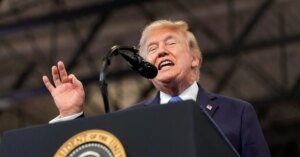
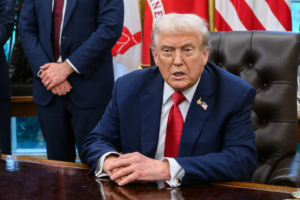
Trump wrote in a post on his account on the “Truth Social” platform: “There will not be any crossing fees in the Strait of Hormuz for a period of 60 days during the ceasefire period, and there will not be any fees after the end of this period, unless they are imposed by the United States of America and for its benefit, in the event that the agreement is not completed.”
He added: “This will be in exchange for the services provided by the United States as a guardian angel to the countries of the Middle East, and for the purposes of compensating for past, present and future costs.”
Trump concluded his post by saying: “Thank you for your interest in this matter.”
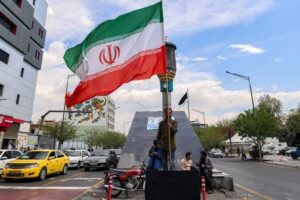
This position comes in light of the increasing importance of the Strait of Hormuz in the regional scene in recent days, after it turned into one of the most prominent pressure cards in the midst of tensions related to the American-Iranian understanding and the rapid developments in the region.
Trump’s statement also coincides with the continuation of political and diplomatic efforts aimed at establishing the ceasefire and advancing the path of understandings, at a time when global markets are closely monitoring any development affecting the Strait of Hormuz, which is one of the most important sea lanes for transporting energy and trade in the world.
Trump’s words reflect an attempt to link maritime security in the region to the American role, while suggesting that the future of the arrangements related to the Strait will remain linked to the outcomes of the ongoing political agreements and whether they will turn into a permanent reality or will remain merely temporary understandings.