In a development that reveals a hidden side of the recent war on Iran, an American report stated that the United Arab Emirates directly participated in military operations against Tehran, and carried out dozens of air strikes in coordination with the United States and Israel, in a much deeper involvement than was previously known in the military campaign led by Washington and Tel Aviv.
According to a report by journalists Samar Said and Anat Bild in the Wall Street Journal, the UAE strikes began during the first days of the war and continued until the day after the ceasefire was announced, targeting strategic Iranian sites in the Gulf and the Strait of Hormuz.
The report quoted informed sources that the attacks were carried out in coordination with the United States and Israel, which provided intelligence information to the UAE, and included targets on the islands of Qeshm and Abu Musa, the port of Bandar Abbas, the oil refinery on Lavan Island, in addition to the Asalwiyeh petrochemical complex.
The report indicated that some strikes targeted Iranian energy facilities in response to the attacks carried out by Tehran against the UAE oil and gas infrastructure. He also explained that the attack on the Asalouyeh complex, which was carried out in cooperation with Israel, sparked widespread international reactions and prompted the United States to demand that Israel stop targeting Iranian energy facilities.
The report reveals that the Gulf states had announced before the outbreak of the war that they would not allow their airspace or military bases to be used to carry out attacks against Iran. However, some of these countries changed their position after the start of the confrontations and the escalation of Iranian attacks on Gulf cities, airports, and vital installations.
According to the information received, the UAE was the most vulnerable to these attacks, as Iran targeted it with more than 2,800 missiles and drones, a number greater than what it launched at any other country, including Israel.
This escalation led to deepening differences within the Gulf. According to the report, Saudi Arabia complained to the United States in early April that the UAE strikes increased the possibility of energy facilities in the region being exposed to Iranian attacks, which could lead to higher oil prices and shake up global markets.
The report added that Riyadh sought to push Washington to pressure Abu Dhabi to stop retaliatory attacks and join diplomatic efforts aimed at containing the conflict.
On the other hand, the UAE Ministry of Foreign Affairs confirmed that Iran bears full responsibility for the attacks targeting the UAE and their repercussions, while there was no comment from the Israeli Prime Minister’s Office or from the Saudi authorities, and the White House also refused to comment on the report.
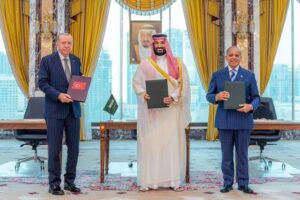
The report indicated that during the war, Emirati President Sheikh Mohammed bin Zayed Al Nahyan expressed his dissatisfaction with Saudi Crown Prince Mohammed bin Salman because of the Kingdom’s refusal to participate in coordinated military operations against Iran, which deepened the differences between the two Gulf powers.
This coincided with other Emirati steps that reflected increasing toughness towards Iran, including support for draft resolutions at the United Nations allowing the use of force if necessary to break Iranian control over the Strait of Hormuz, in addition to economic measures targeting Iranian interests within the Emirates.
These measures included closing schools and clubs linked to Tehran in Dubai, and imposing restrictions on granting visas and transit rights to Iranian citizens, which led to the reduction of one of the most important economic outlets that Iran benefited from during the years of Western sanctions.
Tehran repeatedly responded by accusing the UAE of joining the US-Israeli military campaign against it.
Despite this participation, the report notes that the scale of Emirati operations remained limited compared to the American and Israeli air campaign, which included more than 20,000 strikes, considering that the Emirati role was mostly symbolic from a military standpoint.
However, the report warns that this approach may make the UAE a greater target for Iran during the next stage, especially after the Fujairah oil port was subjected to an Iranian attack last May, in addition to the downing of a drone launched from Iraq near the UAE nuclear power plant.
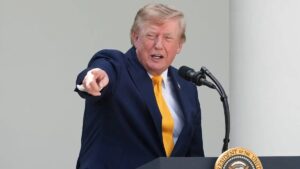
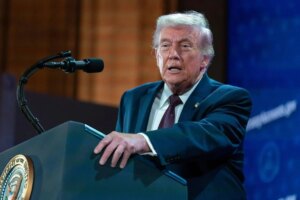
In recent weeks, Abu Dhabi has begun to adopt an approach more inclined towards diplomatic solutions, in light of the increasing risks threatening its vital facilities. According to the report, the Emirati president was among the regional leaders who encouraged US President Donald Trump to conclude a peace agreement with Iran during a call that took place in early May.
The report concludes that the recent war deepened the alliance between the UAE and Israel, as Israeli officials expressed great satisfaction with the Emirati role during the confrontations, considering that the relationship between the two sides has now represented a long-term strategic partnership.
He also revealed that Israel sent Iron Dome batteries and military forces to help protect the UAE during the war, and dozens of Israeli soldiers are still deployed in a military facility inside the Gulf state, while a number of senior Israeli officials, including Benjamin Netanyahu, the head of the Mossad, the head of the Shin Bet, and the chief of staff, made secret visits to the UAE to coordinate positions regarding Iran.
While these data reveal a hidden side of the war, they also show the extent of the transformations taking place in the region, where alliances are no longer measured only by declared political positions, but rather by military roles that are managed out of the limelight.