In an analysis of the reality of the conflict surrounding Iran, the German newspaper “Die Welt” reported that the future of the ceasefire is shrouded in many doubts, given the increasing field complexities in the Strait of Hormuz and the profound differences in the course of the negotiations.
The newspaper explained that the continuation of the truce related to the conflict with Iran faces real challenges, in light of the interference of military pressures with complex political calculations.
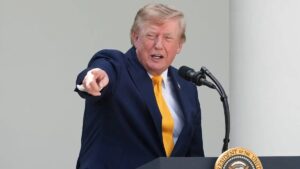
It also pointed out that US President Donald Trump, amid escalating tensions, demanded that American experts specializing in clearing mines be allowed to enter the Strait of Hormuz, while Tehran treated this request coolly, which, according to the newspaper, reflects the continuation of the tug-of-war between the two parties.
In addition, the report confirmed that Washington continues to impose a naval blockade on Iranian ships, which raises questions about the possibility of stabilizing global markets, noting that the situation is “more complex than it seems.”
On the field level, the newspaper revealed that Iran planted advanced naval mines inside the strait, including the “Mohamm 3” and “Mohamm 7” models, which are mines that rely on acoustic and magnetic sensors, which makes their detection and dismantling a more difficult task.
She added that Tehran imposed strict restrictions on navigation movement, and threatened to fire on some ships, while allowing limited transit for ships heading to its main partners, such as China and India, through safe routes along the Iranian coast, while imposing high transit fees at times.
On the other hand, the United States strengthened its military presence in the region, sending 12 warships, in an attempt to control navigation and prevent traffic in the strait, in addition to using advanced techniques to search for mines, including underwater drones and helicopters, but without achieving any confirmed discovery so far.
The newspaper quoted military experts as saying that mine clearance operations remain complex and require full protection from air and sea threats, which increases the difficulty of the mission under the current circumstances.
At the political level, negotiations between Washington and Tehran still face major obstacles, most notably Iran’s insistence on retaining the right to enrich uranium within its territory, an issue that raises international concerns about the possibility of developing military nuclear capabilities.
However, diplomatic sources indicate, according to the newspaper, that this issue is not the most complex, as the issue of the ballistic missile arsenal and regional support emerges as the most prominent points of disagreement.
In a related context, the report indicated that Iran has strengthened its military capabilities after the recent confrontations, by increasing the production of missiles and drones, and transferring part of these capabilities to underground facilities, which complicates any attempt to target it.
In the midst of field complications and political contradictions, the Strait of Hormuz remains an open arena for disputes, while the fate of the truce remains dependent on a delicate balance between the possibilities of calm and the risks of escalation.