“Lebanon Debate”
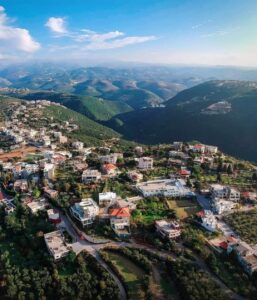
A state of anger and resentment prevailed in the western town of Zawtar following the brief official visit made by Prime Minister Nawaf Salam and Minister of National Defense Michel Mansi to the town, which lasted only about ten minutes, amid tight security measures, and without meeting the residents or holding any meeting to clarify the reality of field developments in the region.
According to information, the Prime Minister and the Minister of Defense entered the town, accompanied by the President of the Southern Council, Hashem Haidar, the Chief of Staff, the Secretary-General of the Supreme Defense Council, and the President of the Council for Development and Reconstruction, where they toured the military vehicles, and President Salam planted the Lebanese flag, in reference to the state’s sovereignty over the town, before they quickly left.
Information revealed that the Army Commander, General Rudolph Heikal, is expected to arrive in the town to review the path of the army’s deployment within the plan to implement the model (experimental) areas, which were agreed upon in the formula of the agreement between Lebanon and Israel.
The visit of Salam and the Minister of Defense sparked widespread dissatisfaction among the people of the town and the municipality, who considered that it had taken place far from them, at a time when they were waiting for official officials to appear to listen to their concerns and provide clear reassurances about the security conditions and the future of the region. According to local sources, the state of tension is escalating, amid talk about the possibility of residents entering some areas even without waiting for any official permission, as an expression of their rejection of the continued uncertainty.
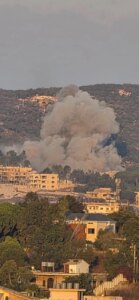
The people of Zawtar al-Gharbiya confirm that talk of Israeli withdrawal does not fully reflect the reality of the town, as Zawtar al-Gharbiya did not witness a direct deployment of Israeli forces inside it, but throughout the past period it was under the fire control and direct targeting of the Israeli army, which restricted the movement of residents and prevented them from accessing a number of lands and properties, and kept the effects of the war present despite the absence of forces on the ground.