In a remarkable shift in the balance of confrontation in southern Lebanon, a new weapon has emerged that revives what can be described as an old “spoil of war,” after Israeli missiles taken during the July 2006 war turned into an advanced system that is used today against Israel with higher and more accurate capabilities.
According to a report, Hezbollah relies on “Almas” guided missiles, an advanced version of the Israeli “Spike” anti-armor missiles, which it captured during the 2006 confrontations, before being transferred to Iran, where it underwent reverse engineering and comprehensive development.
The “Almas” missile is classified as a short-range anti-armor weapon, operating using attack technology from above, and is considered one of the latest systems in the party’s arsenal, with the ability to hit its targets with high accuracy and penetrate armored fortifications.
Data indicate that the development process began after the systems that the party had seized were transferred to Iran, where military experts worked to dismantle them and remanufacture them within the “Almas” missile family, which was revealed for the first time in April 2020.
This family includes three main versions, differing in range and destructive capacity. The range of the third version reaches about 16 kilometers, with an armor penetration capacity of about 100 centimetres, which enhances its effectiveness in targeting military vehicles and fortified sites.
These missiles are characterized by the use of advanced guidance technologies, including thermal imaging and optical tracking systems, which allows them to be used day and night, in addition to the possibility of launching them from ground platforms or via drones.
Some of its versions also rely on dual warheads capable of penetrating armor, or others that generate a large fireball to destroy targets, which reflects the diversity of field uses for this weapon.
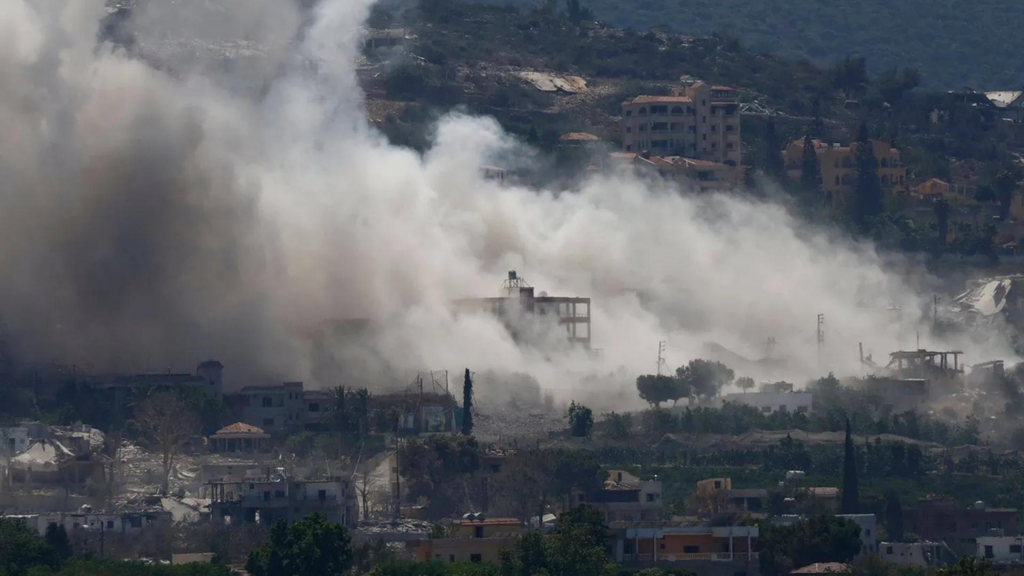
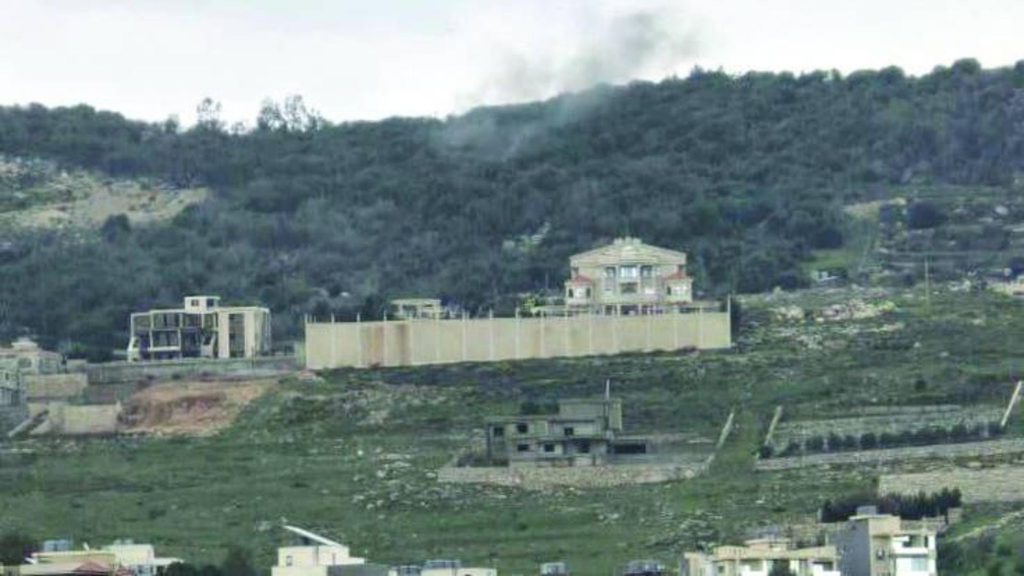
The party had revealed the use of this type of missile during the border clashes that coincided with the war in Gaza since October 2023, where scenes of targeting Israeli sites in southern Lebanon were documented.
On the other hand, Israeli military sources acknowledge that these missiles pose a major challenge, due to their high accuracy and their ability to bypass some protection systems, which reflects a qualitative development in the nature of the confrontation on the southern front.
The report indicates that the party has also begun working on manufacturing these missiles locally within Lebanon, with the aim of reducing dependence on external supplies, in light of the blockade and restrictions imposed on the transfer of weapons.
Ultimately, this development reveals how old military spoils can transform, through time and development, into an effective field pressure element that redraws the power equations in the arena of confrontation.