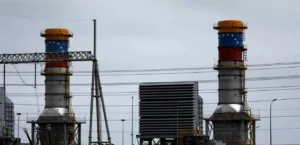
According to Bloomberg, four Gulf countries have reduced their oil production by a total amount estimated at about 6.7 million barrels per day, which is the largest reduction recorded since the beginning of the conflict with Iran, representing a 10% decrease in the volume of global supply.
These reductions included the Kingdom of Saudi Arabia by an amount ranging between 2 and 2.5 million barrels per day, and Iraq by about 2.9 million barrels, while the United Arab Emirates reduced its production by between 500 and 800 thousand barrels, and Kuwait reduced its production by about half a million barrels per day. This mandatory measure came as a result of the tanks being filled with oil due to the almost complete disruption of navigation in the Strait of Hormuz, through which 20% of global supplies pass.
This shortage in supply has caused chaos in the markets, as the price of Brent crude rose to nearly $120 a barrel yesterday, Monday, then fell to about $92 after statements by US President Donald Trump predicting a near end to the war.
On the field level, the Iranian Revolutionary Guard threatened today to prevent the shipment of “one liter of oil” from the Middle East if the American and Israeli attacks continue, while Trump warned of launching stronger strikes if exports through the Strait are disrupted. On the other hand, Saudi Aramco warned of “catastrophic” consequences for the aviation, agricultural and automobile sectors if the disruption to shipping continues, stressing that the impact will extend beyond the shipping and insurance sectors to portend severe successive crises.