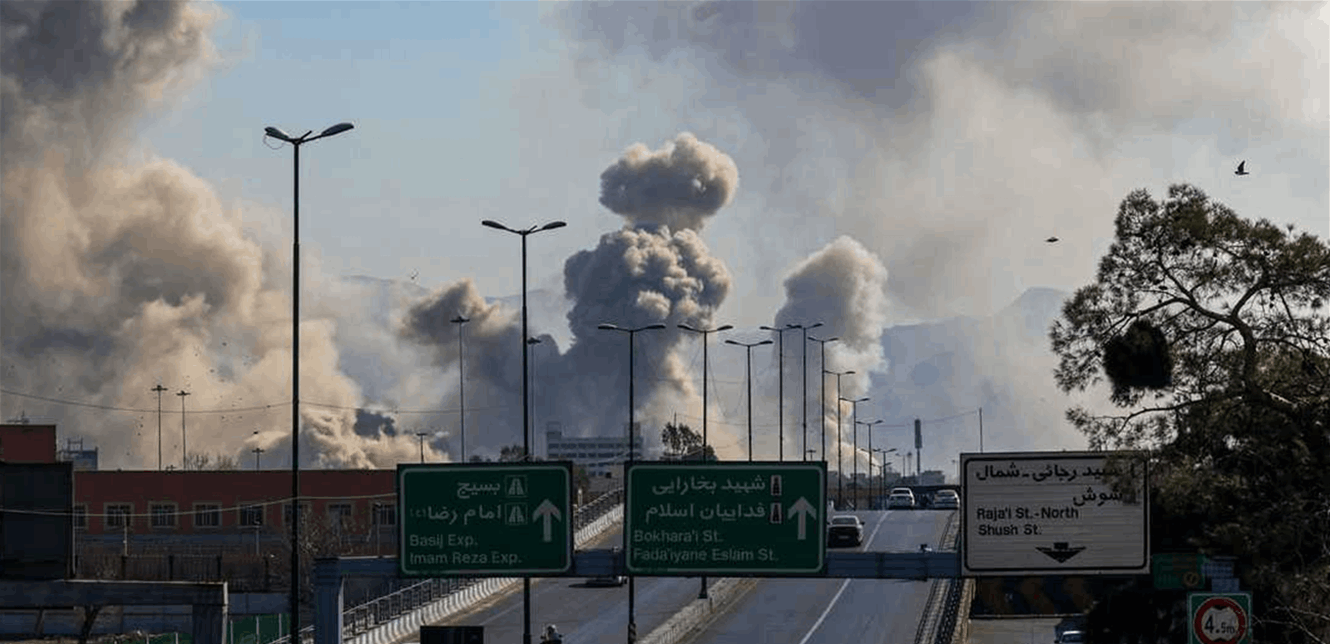
In an interesting report, Forbes magazine revealed the economic beneficiaries of the continuing crisis in the Gulf region, explaining that the instability of the energy markets and defense sectors has created opportunities to achieve huge profits estimated at billions of dollars for a certain group of companies.
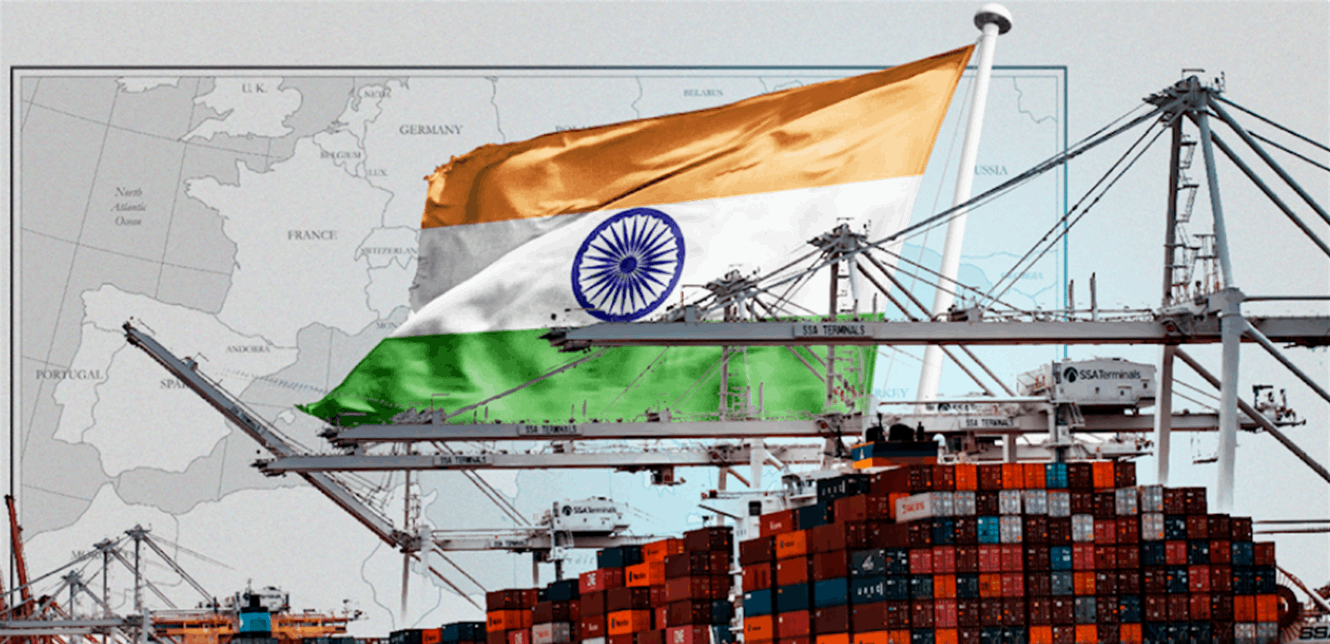
With the tightening restrictions on shipping traffic in the Strait of Hormuz, through which about 20% of global oil supplies pass, crude oil prices rose significantly, which led to direct profits for the shares of major oil companies in the United States, such as “Exxon,” “Chevron,” and “Occidental Petroleum.”
In parallel, experts expect this positive impact to extend to the renewable energy sector, which appears as a “safer” solution as countries seek to eliminate fluctuations in fossil fuel prices.
Regarding the defense side, it has become clear that the “high demand” for missile defense systems and drones has led the shares of major arms companies to record levels, led by Lockheed Martin, RTX, and Northrop Grumman, in addition to military software companies such as Palantir.
The report confirms that the continuing state of uncertainty on the ground is the main factor. If the conflict continues for a long time, defense and renewable energy companies will be the biggest winners in the long run, while the profits of oil companies will remain dependent on the extent to which global powers intervene to protect navigation or use strategic reserves to control the market.