Salwa Baalbaki wrote in “An-Nahar”: Finance Minister Yassine Jaber confirms that the financial and monetary conditions “are still under control,” and attributes this to “continuing constant communication and coordination between the Bank of Lebanon and other concerned parties.” Although it is too early to issue definitive judgments after only two days, the possibilities are available to intervene when necessary, emphasizing that “the management of the Central Bank is characterized by wisdom and efficiency, and is managing the stage in a way that maintains stability.”
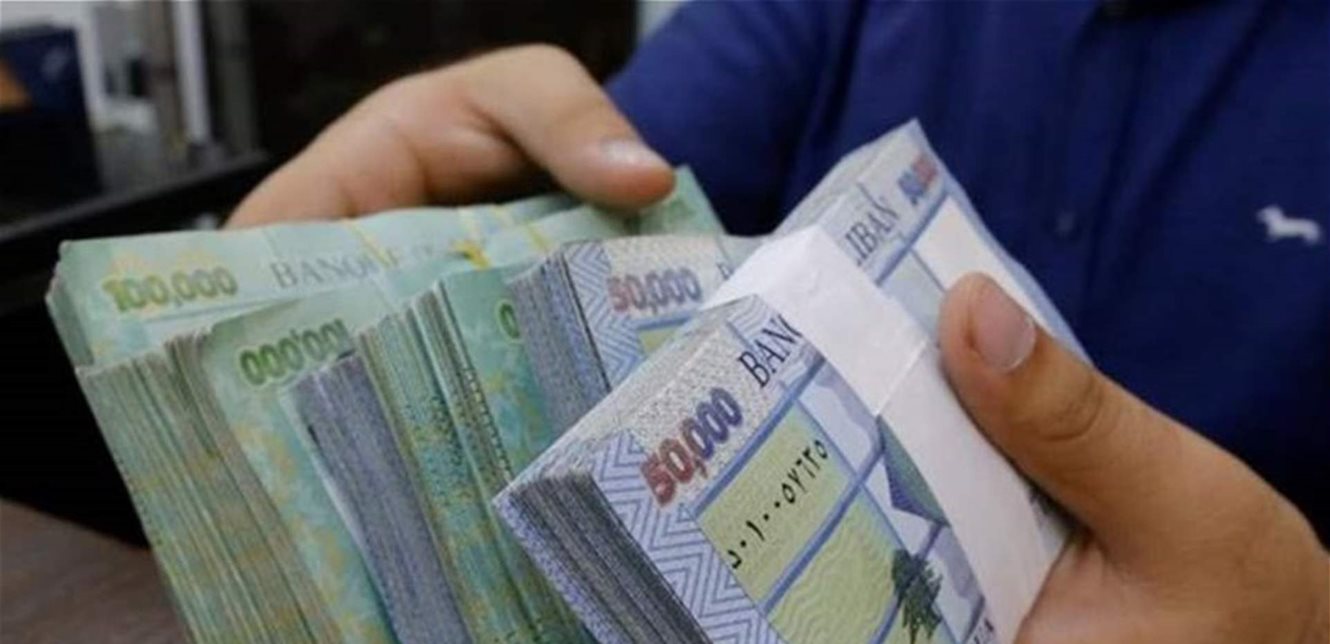
Despite the fragility of the lira in the face of political and security challenges, the Central Bank is still able to prevent any sudden collapse in the exchange rate, and its control remains over the movement of liquidity in the market and inflation rates. In parallel, the regularity of payment of public sector salaries, including increases to the salaries of military personnel and retirees, which range between 12 and 14 million liras, the payment of which is supplemented in dollars, reflects the stability of the financial cycle and the movement of cash. In this context, Jaber asserts that “salaries are secured for the coming period, thanks to the presence of a financial margin that allows us to pass the stage without stumbling.” In response to the criticism that calls on the Ministry of Finance to use the available surpluses, Jaber explains that “the existence of a financial margin, or what is known as fiscal space, does not mean the availability of tens of billions ready to be spent, but rather indicates limited resources that must be preserved within strict financial discipline, allowing the ability to withstand when necessary.” He stresses the importance of maintaining a balanced budget and creating a reserve, warning that “spending exceeding the size of the budget is unacceptable, as it is not possible to continue spending without an account or guarantees for financing later.” He concludes by emphasizing that “financial prudence may sometimes be exposed to criticism and accusations of following external dictates, but the adopted financial policy is based on scientific logic, the principles of specialization, and the rules of good management, and not on pleasing any external party.”
“Al-Diyar” wrote: Political economy writer Dr. Pierre Al-Khoury says that losses include damage to infrastructure, electricity and communications networks, and production and commercial facilities, in addition to the cost of displacement and the disruption of public facilities. In the event that operations extend for weeks, they can range between one billion and three billion dollars, with the possibility of rising to higher levels if the geographical scope expands or the conflict lasts for a long time.
As for indirect losses, according to Al-Khoury, they are manifested in “a partial cessation of commercial activities, a decline in investments, a decrease in tourist flows and remittances from expatriates, and an increase in the cost of insurance and shipping, which may lead to an additional contraction ranging between five and ten percent within one year depending on the duration and severity of the escalation.”
As for the exchange rate, Al-Khoury explains, “The exchange rate of the Lebanese pound is practically determined in a parallel market that is affected by the monetary supply and flows in dollars despite the price margin being fixed by the Bank of Lebanon,” pointing out that “as risks escalate, the demand for hard currency rises as a hedging tool, tourism and investment flows decline, and the import bill increases, which generates the risk of sharp fluctuations and the possibility of an additional decline in the value of the currency within a short period.” He pointed out that the limited foreign reserves available reduce the ability of the monetary authorities to intervene sustainably, and the expansion of the monetary economy weakens the effectiveness of financial and monetary policy.