Global energy markets are witnessing a critical and unprecedented situation as a result of the increasing intensity of military operations between Iran on the one hand, and Israel and the United States on the other hand. This has halted work at key facilities in the Gulf region and disrupted oil and gas flows through important waterways.
Regional production halted
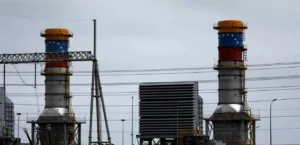
Qatar Energy Company announced the cessation of its production of liquefied natural gas after targeting its facilities in Ras Laffan and Mesaieed, which caused a shock in the European and Asian markets, especially since Qatar supplies the world with a fifth of the total supplies.
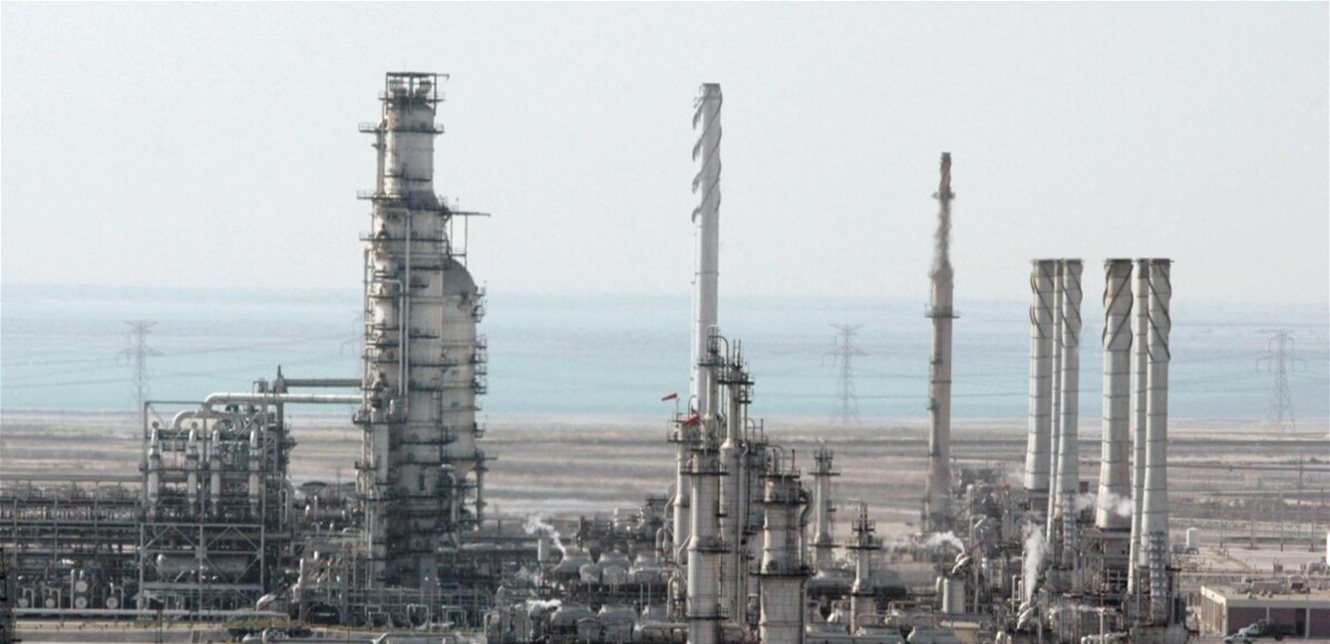
In Saudi Arabia, Aramco stopped work at the Ras Tanura refinery as a precaution after responding to drone attacks, while the main Israeli gas fields stopped working, which led to the cessation of important exports to Egypt.
Wide international influences
The major economic powers were greatly affected by this crisis, the most prominent of which are:
China: Beijing, the largest importer of Iranian oil, faces a direct threat to its energy security strategy. Shortages in supplies and rising prices are causing inflationary pressures that threaten the growth of industrial production in the world’s second-largest economy.
United States: Despite being a leader in production, Washington was affected by the significant rise in global oil prices, which exceeded $82 per barrel. Experts warn that the continuation of the conflict will raise fuel prices locally, which will negatively affect the American economy and the calculations of the upcoming elections.
Israel: The security tension caused a halt in production from the Leviathan, Tamar, and Karish fields, not only depriving it of export revenues, but also disrupting plans to supply gas to its neighbors.
Europe and Asia: Gas prices in Europe hit a record 40% rise in one day, while oil tankers bound for Japan and India wait outside the Strait of Hormuz for fear of being targeted, threatening to disrupt supply chains in countries that rely entirely on imported energy.
An uncertain future for the markets
With the continued disruption of navigation traffic in the Straits of Hormuz and Bab al-Mandab, and the rise in maritime insurance costs, global markets are cautiously monitoring the course of the crisis. Analysts agree that the current “energy war” will have dire consequences for global economic stability unless the military escalation is quickly controlled.