According to Bogachev, the reason behind this possible change lies in the fading of sunspots, which could cause extreme climate fluctuations, including the possibility of ice ages, if this solar quiescence continues for decades.
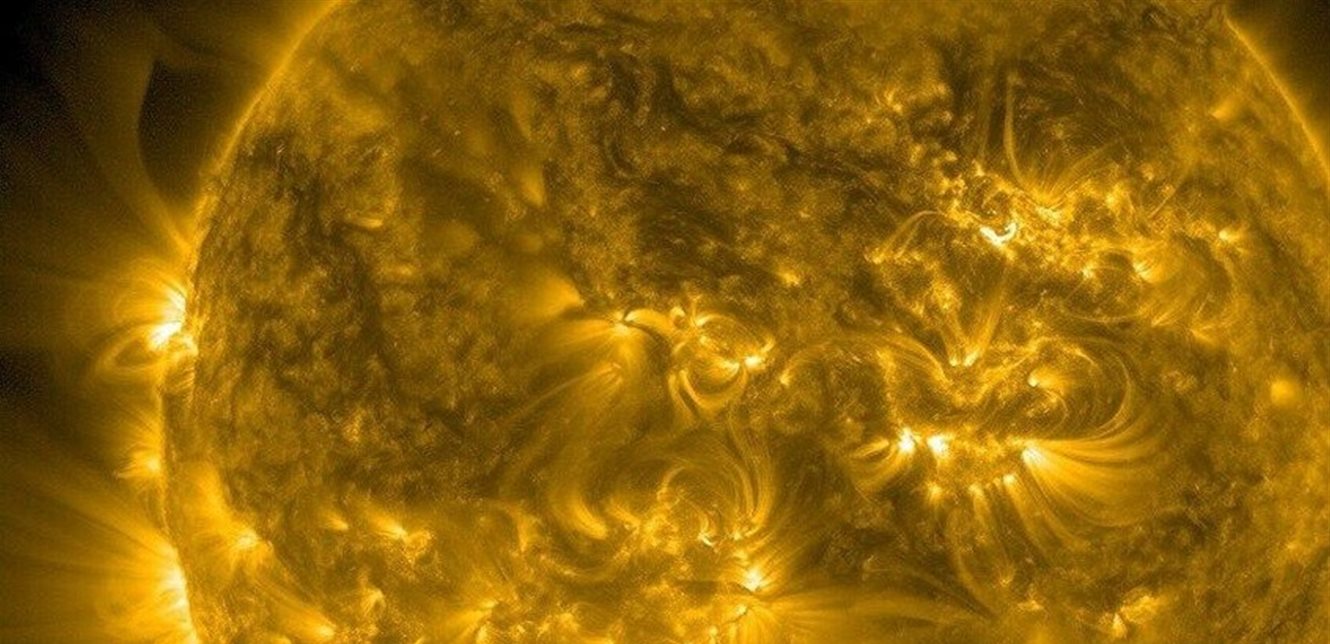
The Sun is currently going through a phase of decline in its activity after reaching the peak of its cycle, which extends about 11 years in the year 2024. The end of last February witnessed the complete disappearance of sunspots, which is the first time in four years, before the active areas reappear on the visible part of the Earth after four days, with expectations that this disappearance will continue periodically.
Bogachev explains: “We do not know of any periods of intense and prolonged solar activity in modern history, but we do know of prolonged periods of calm, such as the Maunder Minimum that coincided with the Little Ice Age. Therefore, scientists are more concerned about the Sun entering a dormant state, as happened in the past. We are talking about many decades, not years.”
He adds that long-term changes occurring in the sun, whether periods of very high activity or very long periods of calm, affect the Earth’s climate, and an imbalance in this balance is “bad in any case.”