

حمل تطبيق الهاتف المحمول






⚠️ ملاحظة: قد يختلف السعر النهائي للسوق بسبب التصنيع وهامش الربح
يتم تحديث هذا الجدول تلقائيًا كل دقيقة عبر نظام الربط المباشر بالأسعار العالمية والمحلية.
يُعد الذهب من أهم المعادن الثمينة وأكثر الأصول متابعةً في الأسواق العالمية، ويبحث ملايين الأشخاص يومياً عن أسعار الذهب اليوم لمعرفة أحدث تحركات المعدن الأصفر وقيمته في الأسواق المختلفة. ومن خلال موقعنا يمكنك متابعة سعر الذهب اليوم بشكل مستمر، مع معلومات تفصيلية حول سعر الأونصة، والغرام، والسبائك، والليرات الذهبية، والكيلوغرام، ومختلف عيارات الذهب.
يوفر الموقع تغطية شاملة لـأسعار الذهب العالمية بالعديد من العملات، مما يساعد المستثمرين والمدخرين والمهتمين بالذهب على متابعة حركة الأسعار وفهم التغيرات التي يشهدها السوق. كما يمكن متابعة سعر أونصة الذهب اليوم بالدولار والعملات الرئيسية، إلى جانب أسعار الذهب المحلية في عدد كبير من الدول حول العالم.
تعتمد أسعار الذهب بشكل أساسي على السعر العالمي للأونصة، إلا أن السعر النهائي للذهب يختلف من دولة إلى أخرى بحسب سعر صرف العملة المحلية، والضرائب، والمصنعية، وتكاليف التداول، وهوامش البيع والشراء. لذلك فإن متابعة الأسعار بالعملة المحلية تساعد على الحصول على صورة أكثر دقة عن القيمة الفعلية للذهب في كل سوق.
يبحث المتابعون عن أسعار الذهب اليوم لمراقبة حركة المعدن الأصفر واتخاذ قرارات أفضل عند الشراء أو البيع أو الاستثمار. ويعرض الموقع بيانات أسعار الذهب لمختلف الأوزان والعيارات، مع التركيز على أهم المؤشرات التي يحتاجها المستثمر والمستهلك.
تشمل متابعة الأسعار سعر غرام الذهب اليوم، وسعر أونصة الذهب، وسعر كيلو الذهب، وأسعار السبائك والليرات الذهبية، بالإضافة إلى أسعار عيارات الذهب الأكثر تداولاً مثل 24 و21 و18.
يعتبر سعر غرام الذهب اليوم من أكثر مؤشرات الذهب بحثاً حول العالم، خصوصاً بالنسبة للأشخاص الذين يرغبون في شراء المجوهرات أو السبائك أو معرفة قيمة الذهب الذي يمتلكونه.
ويختلف سعر الغرام بحسب درجة نقاء الذهب. ويعتبر عيار 24 الأعلى من حيث نسبة الذهب الخالص، بينما يحتوي عيار 21 وعيار 18 على نسب مختلفة من الذهب والمعادن الأخرى. لذلك تختلف قيمة الغرام من عيار إلى آخر.
يُستخدم الذهب عيار 24 على نطاق واسع في السبائك والاستثمار، نظراً إلى ارتفاع نسبة الذهب الخالص فيه. ويُعد سعر الذهب عيار 24 من أهم الأسعار المستخدمة لحساب قيمة الأوزان المختلفة من الذهب.
يمكن متابعة سعر الذهب عيار 24 اليوم بالدولار والعملات المختلفة، ومقارنة قيمته بين الأسواق العالمية والمحلية.
يعتبر الذهب عيار 21 من أشهر عيارات الذهب المستخدمة في صناعة المجوهرات والحلي في العديد من الأسواق حول العالم. لذلك يحظى سعر الذهب عيار 21 اليوم باهتمام كبير من المستهلكين والمستثمرين.
ويمكن معرفة قيمة الذهب عيار 21 من خلال سعر الذهب العالمي، مع احتساب نسبة الذهب الخالص الموجودة في هذا العيار مقارنة بعيار 24.
يستخدم الذهب عيار 18 بشكل واسع في صناعة المجوهرات، ويتميز بتركيبة تحتوي على نسبة أقل من الذهب الخالص مقارنة بعيار 21 وعيار 24. ولذلك يكون سعره لكل غرام مختلفاً عن أسعار العيارات الأعلى.
تساعد متابعة سعر الذهب عيار 18 اليوم على معرفة القيمة الحالية للمجوهرات المصنوعة من هذا العيار ومقارنتها بأسعار العيارات الأخرى.
تُعتبر أونصة الذهب الوحدة الأساسية المستخدمة عالمياً في تسعير الذهب. وتزن الأونصة الترويسية حوالي 31.1035 غراماً، ويُعبّر عن سعرها عادةً بالدولار الأمريكي.
لذلك فإن سعر أونصة الذهب اليوم بالدولار يعتبر من أهم المؤشرات التي يعتمد عليها المتداولون والمستثمرون لمعرفة اتجاه سوق الذهب. وعندما يتغير سعر الأونصة العالمية، تنعكس هذه الحركة عادةً على أسعار الغرام والسبائك والمنتجات الذهبية المختلفة.
يتغير سعر أونصة الذهب اليوم باستمرار خلال جلسات التداول العالمية، ويتأثر بالعديد من البيانات والأحداث الاقتصادية. لذلك فإن متابعة سعر الأونصة تساعد على فهم الاتجاه العام لسوق الذهب.
وتُستخدم أسعار الأونصة العالمية أيضاً كأساس لحساب أسعار الذهب بالأوزان المختلفة، مثل الغرام، و10 غرامات، و50 غراماً، و100 غرام، ونصف كيلوغرام، وكيلوغرام كامل.
يبحث المستثمرون الذين يتعاملون مع كميات كبيرة من الذهب عن سعر كيلو الذهب اليوم بالدولار لمعرفة القيمة التقريبية للذهب الاستثماري. ويُحسب سعر الكيلوغرام بالاعتماد على سعر الذهب العالمي ووزن الذهب ونسبة نقاوته.
تعتبر سبائك الذهب من أشهر أدوات الاستثمار والادخار، وتتوفر بأوزان متعددة تناسب مختلف الميزانيات. لذلك يهتم المستثمرون بمتابعة سعر سبيكة الذهب اليوم ومقارنة السعر بين الأوزان والعيارات المختلفة.
وقد يختلف السعر النهائي للسبيكة عن القيمة النظرية للذهب بسبب تكاليف التصنيع والتغليف والتوزيع والعمولات وهوامش البيع والشراء. لذلك من المهم التمييز بين السعر العالمي للذهب والسعر النهائي للمنتج.
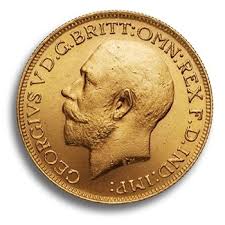
تُستخدم الليرات الذهبية في العديد من الأسواق كوسيلة للادخار وحفظ القيمة، ولذلك يبحث المتابعون عن سعر الليرة الذهب اليوم لمعرفة قيمتها الحالية.
تختلف أسعار الليرات الذهبية بحسب نوعها ووزنها ونسبة الذهب فيها، بالإضافة إلى سعر الذهب العالمي. ويمكن استخدام سعر الأونصة والغرام كمؤشرات أساسية لفهم حركة أسعار الليرات الذهبية.
يعتبر سعر الذهب عالمياً بالدولار من أهم المؤشرات المالية التي تحظى بمتابعة مستمرة من المستثمرين والأسواق. ويتأثر الذهب بمجموعة واسعة من العوامل الاقتصادية والمالية والجيوسياسية.
ومن أبرز العوامل التي يمكن أن تؤثر على أسعار الذهب: أسعار الفائدة، وقوة الدولار الأمريكي، ومعدلات التضخم، والبيانات الاقتصادية، وحركة أسواق الأسهم والسندات، بالإضافة إلى التوترات والأحداث العالمية التي قد تؤثر على شهية المستثمرين تجاه الأصول الآمنة.
لا يتحرك الذهب بشكل عشوائي، بل يتأثر بمجموعة من العوامل الاقتصادية والمالية. ومن أهم هذه العوامل قرارات البنوك المركزية بشأن أسعار الفائدة، وحركة الدولار الأمريكي، والتضخم، والطلب الاستثماري، وعمليات شراء الذهب من المؤسسات والصناديق والبنوك المركزية.
كما يمكن للأحداث الاقتصادية والجيوسياسية أن تؤثر على حركة الذهب، حيث قد يزداد الطلب على المعدن الأصفر خلال فترات ارتفاع حالة عدم اليقين في الأسواق العالمية.
يمثل سعر الذهب العالمي القيمة المرجعية للمعدن الأصفر في الأسواق الدولية، بينما قد يختلف السعر الذي يدفعه المستهلك عند شراء الذهب في السوق المحلية.
ويعود ذلك إلى عدة عوامل، منها سعر صرف العملة، والضرائب، والمصنعية، وتكاليف النقل والتوزيع، وهوامش التجار، بالإضافة إلى العرض والطلب في كل سوق. لذلك لا يجب اعتبار السعر العالمي وحده السعر النهائي للمجوهرات أو السبائك.
تساعد المتابعة المستمرة لـأسعار الذهب على فهم التغيرات التي يشهدها السوق العالمي. ومن خلال موقعنا يمكن الوصول إلى أسعار الذهب بمختلف الأوزان والعيارات والعملات، ومقارنة الأسعار بين الأسواق المختلفة.
كما يمكن متابعة حركة سعر أونصة الذهب اليوم بالدولار، ومعرفة تأثير التغيرات العالمية على سعر الغرام والسبائك والليرات الذهبية.
يتغير سعر الذهب باستمرار وفق حركة الأسواق العالمية. يمكنك متابعة أحدث الأسعار للغرام والأونصة والسبائك والليرات والعيارات المختلفة من خلال جداول أسعار الذهب على الموقع.
يتغير سعر أونصة الذهب خلال التداولات العالمية، ولذلك يتم تحديث بيانات الأسعار بشكل مستمر لمتابعة أحدث قيمة للأونصة بالدولار.
يختلف سعر غرام الذهب بحسب العيار، حيث يكون سعر غرام عيار 24 مختلفاً عن عيار 21 وعيار 18، كما يمكن أن يختلف السعر النهائي بحسب السوق والعملة والمصنعية.
يعتمد اختيار عيار الذهب على الغرض من الشراء. عيار 24 يستخدم بكثرة في السبائك والاستثمار، بينما تستخدم عيارات 21 و18 بشكل واسع في صناعة المجوهرات والحلي.
نعم، يمكن أن يتغير سعر الذهب باستمرار خلال التداولات العالمية نتيجة الأخبار والبيانات الاقتصادية وحركة العملات وأسعار الفائدة والعوامل المؤثرة في الأسواق المالية.
تتأثر أسعار الذهب بعدة عوامل، أبرزها أسعار الفائدة، وقوة الدولار، والتضخم، والطلب الاستثماري، وحركة الأسواق العالمية، والأحداث الاقتصادية والجيوسياسية.
أونصة الذهب الترويسية هي وحدة القياس الرئيسية المستخدمة في الأسواق العالمية لتسعير الذهب، ويبلغ وزنها حوالي 31.1035 غراماً.