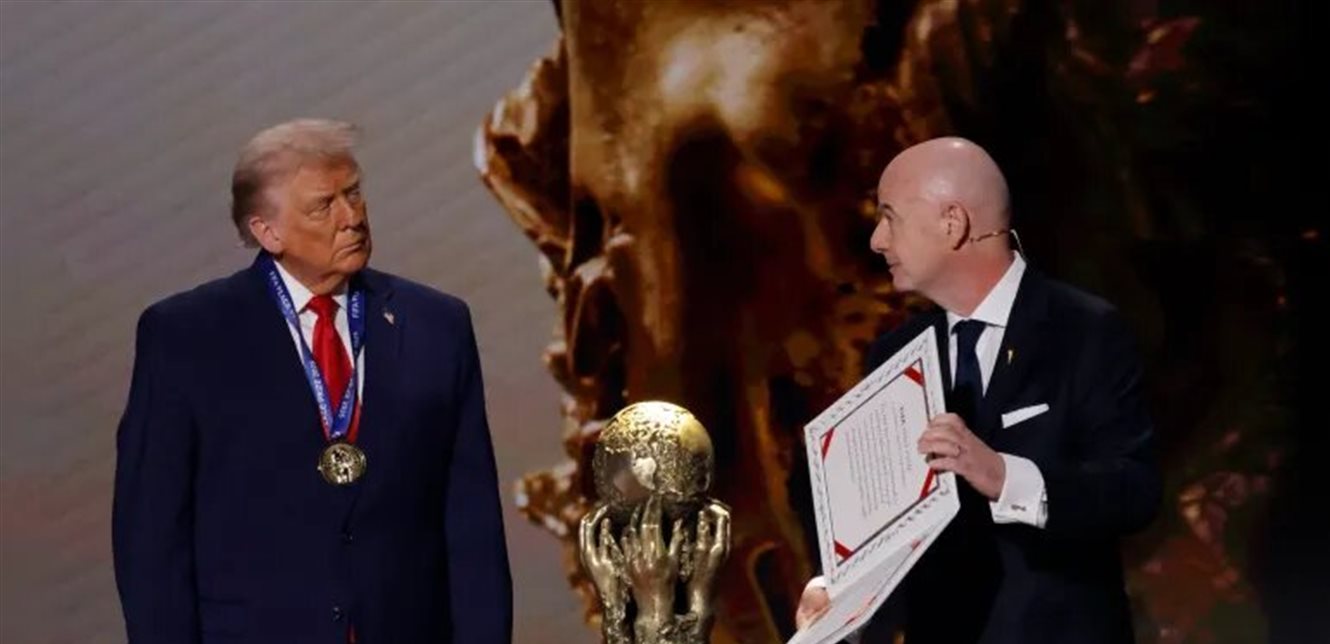
As the starting whistle for the 2026 World Cup approaches, all eyes are on the White House, waiting to know the effects of the new US administration led by Donald Trump on organizing this largest sporting event in the world, which the United States is co-hosting with Canada and Mexico.
Questions are growing in sports circles about the possible policies of the Trump administration regarding immigration and visa issuance, and the extent to which this will affect the entry of fans and national teams coming from countries that may be subject to some travel restrictions. FIFA considers that facilitating access for all without obstacles is an essential condition for the success of the tournament, which prompts the international organization to monitor the situation and coordinate with the government in Washington.
The good relationship between Donald Trump and FIFA President Gianni Infantino may help facilitate some measures. But on the other hand, the “nationalist” tendency that characterizes American foreign policy may cause some tensions with the organization’s partners, especially Mexico, in light of the continued focus on issues of border security and trade agreements.
Economically, Trump is expected to focus on achieving maximum financial profits from the World Cup, taking advantage of the great potential, advanced infrastructure, and modern stadiums in the United States. Analysts believe that the US administration will strive to present a “historic” version of the tournament, whether in marketing or organizational terms, with the aim of strengthening the United States’ position as a leading global sports destination.